注記(区切り記号について)
この翻訳文には、点字に対応させるための区切り記号(マス空け)を入れています。
「|」 … 1マスあけ
「||」 … 2マスあけ
点訳の際に必要となる区切りを、見える形で示しています。
読み進めるうちに、文章のリズムや切れ目を意識していただければ幸いです。
・固有名詞は実際の発音を標準にしますが、日本語で馴染みのあるカタカナ表記を優先しています。
・固有名詞は、原則として最初に登場した時に限って、その固有部分を「第2カギ符」で囲んでいます。
・固有名詞の複合語は、「マス空け」「中点」ではなく、一つの意味のまとまりとして一体性を保つために「第2つなぎ符」で表記しています。
・建物の階数は日本式で、ground floor=一階、first floor=二階と表記しています。
『Brille Editor System ver.8』用の『BESファイル』を、ZIPファイルに圧縮して公開しています。(2026年1月20日現在)
The Mysterious Affair at Styles
CHAPTER VI.
THE INQUEST
||||||||スタイルズの|怪事件
||||||第六章
||||検死審問
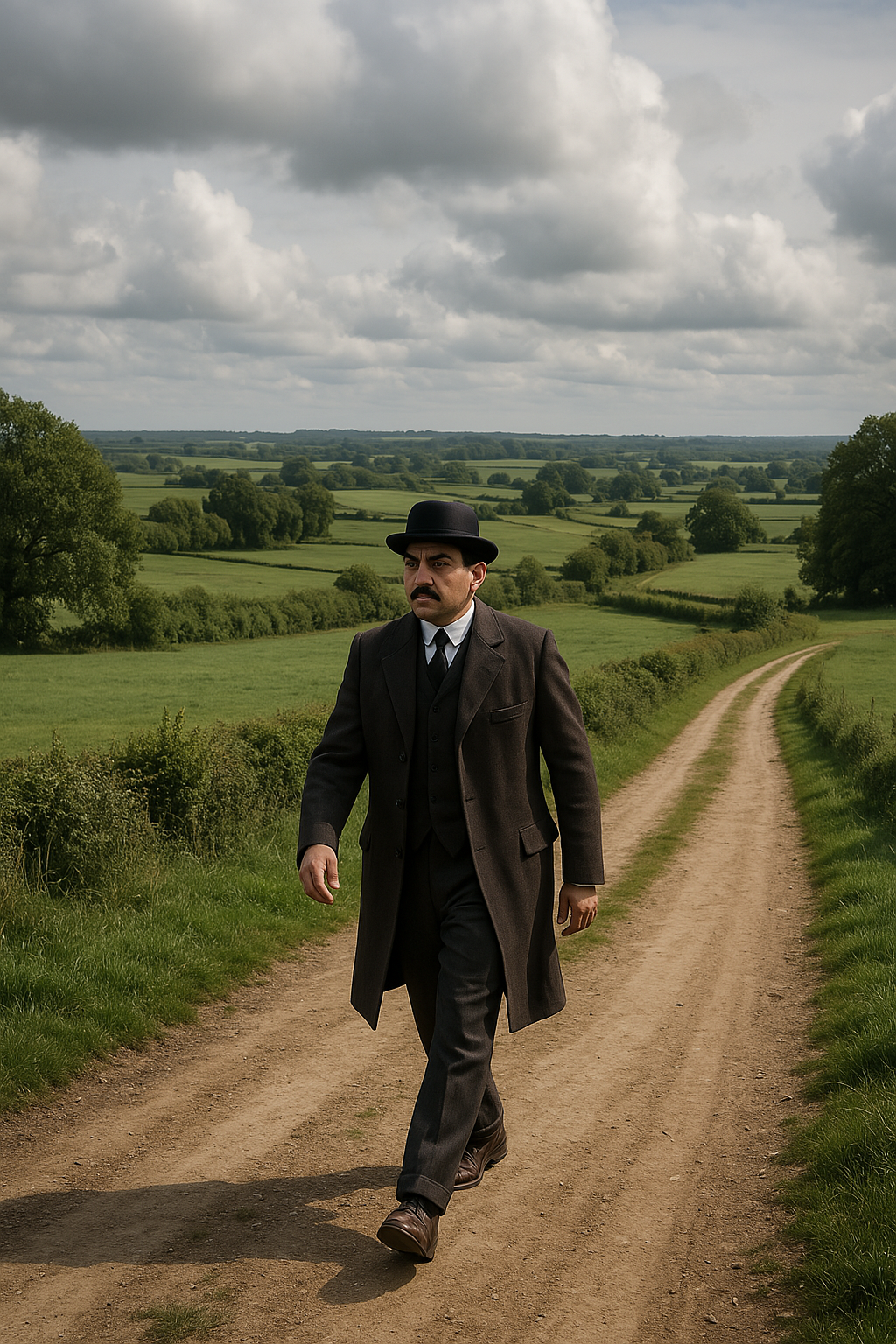
In the interval before the inquest, Poirot was unfailing in his activity. Twice he was closeted with Mr. Wells. He also took long walks into the country.
I rather resented his not taking me into his confidence, the more so as I could not in the least guess what he was driving at.
検死審問|までの|間、|ポワロは|相変わらず|精力的に|動いていた。
ミスター=ウェルズと|二度に|わたって|密談し、|田舎道を|長く|歩くことも|しばしばだった。
私は、|彼が|まったく|私に|相談|してくれなかったので|少々|気を|悪くしていた。||それに|彼が|何を|意図|しているのか、|まったく|見当が|つかなかったので|なおさらだった。
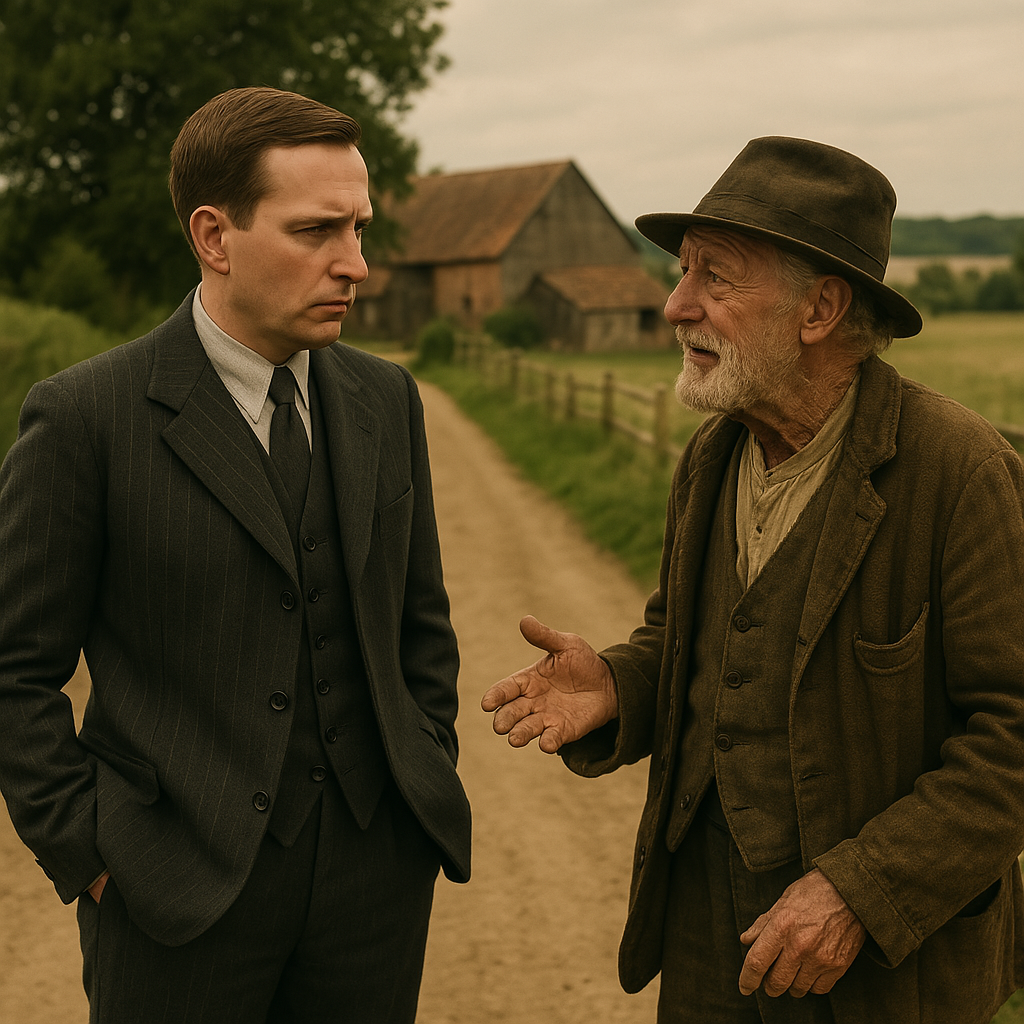
It occurred to me that he might have been making inquiries at Raikes’s farm; so, finding him out when I called at Leastways Cottage on Wednesday evening, I walked over there by the fields, hoping to meet him.
But there was no sign of him, and I hesitated to go right up to the farm itself.
As I walked away, I met an aged rustic, who leered at me cunningly.
彼が|レイクスの|農場で|何か|調べているのでは|ないかと|ふと|思いついた。
水曜日の|夕方、|リーストウェイズ=コテージを|訪ねたところ|彼は|不在|だったので、|彼に|会えるかもと|思い、|草の|中を|通って|そこまで|歩いてみる|ことにした。
だが、|彼の|姿は|どこにも|見えず、|農場まで|押しかけるのは|ためらわれた。
引き返そうと|したところで、|私は|一人の|年老いた|地元民に|出くわした。||彼は|ずる賢そうに|私を|見て|にやりと|笑った。

“You’m from the Hall, bain’t you?” he asked.
「おまえさんは|御屋敷から|来なさったんじゃろ?」と、|彼は言った。
“Yes. I’m looking for a friend of mine whom I thought might have walked this way.”
「そうです。||友人を|探していて、|この道を|通ったのでは|ないかと|思って」
“A little chap? As waves his hands when he talks? One of them Belgies from the village?”
「ちっこい|男か?||しゃべるときに|手を|振り回す|やつ?||あの村に|来た|ベルギー人の|ひとりだべ?」
“Yes,” I said eagerly.
“He has been here, then?”
「そう、|それです!」
私は|喜んで|そう|言った。
「ここに|来たんですか?」
“Oh, ay, he’s been here, right enough. More’n once too. Friend of yours, is he? Ah, you gentlemen from the Hall—you’m a pretty lot!”
「そうとも。||そりゃ|確かに|来なさっとるよ。||一度ならず|何度もな。||おまえさんの|友だちかね?||君ら|屋敷の|ご紳士方は、|まったく、|なかなか|やるもんだねえ」
And he leered more jocosely than ever.
彼は|ますます|意味ありげに|いやらしく|笑った。
“Why, do the gentlemen from the Hall come here often?”
「なぜ?||屋敷の|紳士たちは|ここに|よく|来るんですかね?」
I asked, as carelessly as I could.
He winked at me knowingly.
私は|できるだけ|気楽に|尋ねた。
彼は|意味ありげに|私に|目配せした。
“One does, mister. Naming no names, mind. And a very liberal gentleman too! Oh, thank you, sir, I’m sure.”
「お一人さんは、|よく|来なさるよ。||誰とは|言わんけど、|わかるじゃろ。||いやはや、|気前のよい|お方でな!||まあ、|ありがたい|ことだべ、|旦那さま、|ほんとになあ」

I walked on sharply.
Evelyn Howard had been right then, and I experienced a sharp twinge of disgust, as I thought of Alfred Inglethorp’s liberality with another woman’s money.
Had that piquant gipsy face been at the bottom of the crime, or was it the baser mainspring of money?
Probably a judicious mixture of both.
私は|足早に|立ち去った。
エヴリン=ハワードの|言っていたことは|正しかったのだ。||そして|私は、|他人の|金を|気前よく|使う|アルフレッド=イングルソープに|対して、|強い|嫌悪を|覚えた。
あの|魅力的な|ジプシー風の|女性が|事件の|底にあるのか?||それとも|金銭欲|という、|より|卑しい|動機に|よるものか?
おそらく、|その|両方が|うまく|合わさって|いるのだろう。
On one point, Poirot seemed to have a curious obsession.
He once or twice observed to me that he thought Dorcas must have made an error in fixing the time of the quarrel.
He suggested to her repeatedly that it was four-thirty, and not four o’clock when she had heard the voices.
But Dorcas was unshaken.Quite an hour, or even more, had elapsed between the time when she had heard the voices and five o’clock, when she had taken tea to her mistress.
ひとつだけ、|ポワロが|やけに|こだわっている|点が|あった。
彼は、|ドーカスが|口にした|口論の|時間を|勘違い|しているのでは|ないかと、|何度か|言っていた。||彼は|彼女に、|声を|聞いたのは|四時|ではなく、|四時半|だったのでは|ないかと|繰り返し|聞いていたのだ。
しかし、|ドーカスの|証言は|揺るがなかった。
彼女が|声を|聞いてから、|午後|五時に|ミセス=インフルソープに|お茶を|運ぶまでに、|少なくとも|一時間、|あるいは|それ以上は|経っていたと|言い張っていた。
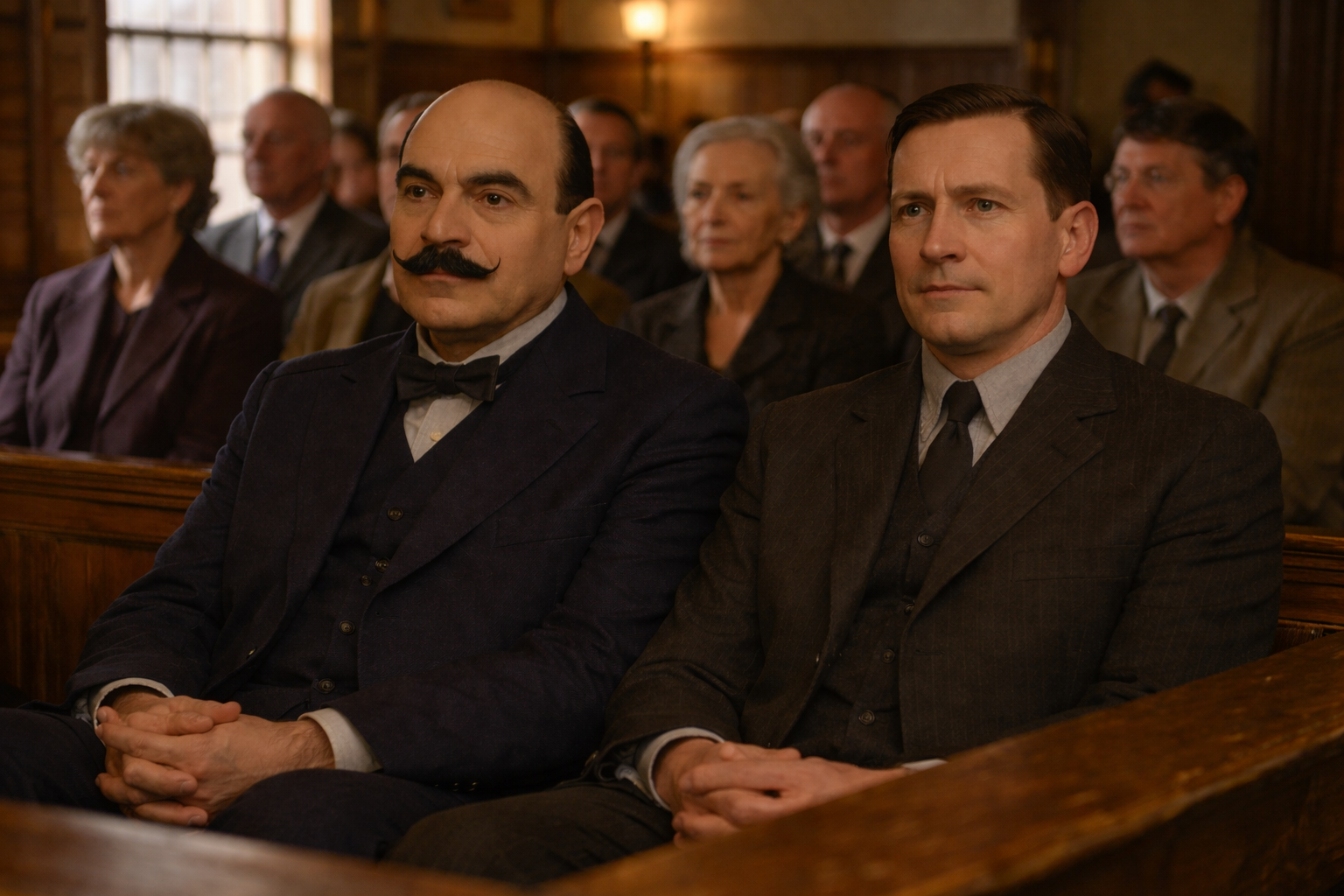
The inquest was held on Friday at the Stylites Arms in the village. Poirot and I sat together, not being required to give evidence.
検死審問は|金曜日、|村の|<スタイライツ=アームズ>で|行われた。||私と|ポワロは|証言を|求められて|いなかったため、|並んで|傍聴席に|座っていた。
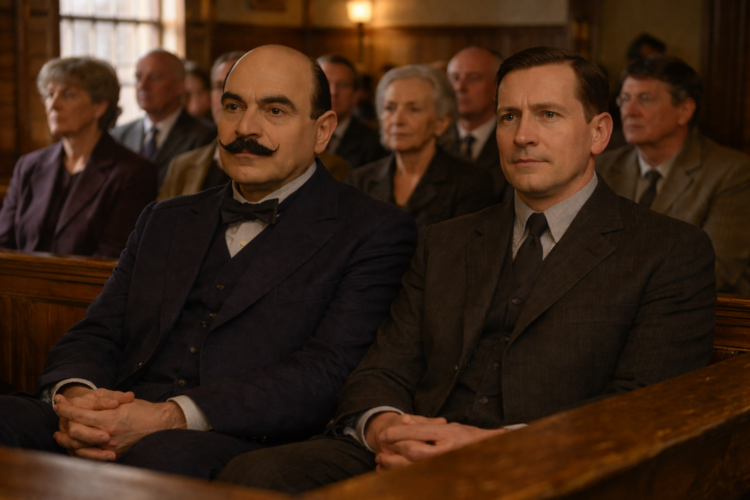
The preliminaries were gone through. The jury viewed the body, and John Cavendish gave evidence of identification.
Further questioned, he described his awakening in the early hours of the morning, and the circumstances of his mother’s death.
手続きが|一通り|行われた。
陪審員たちは|遺体を|確認し、|ジョン=キャヴンディッシュが|身元確認の|証言を|した。
さらに|質問が|続けられ、|彼は|早朝に|目を|覚ました|ときの|様子と、|母の|死に|至った|状況に|ついて|詳しく|述べた。
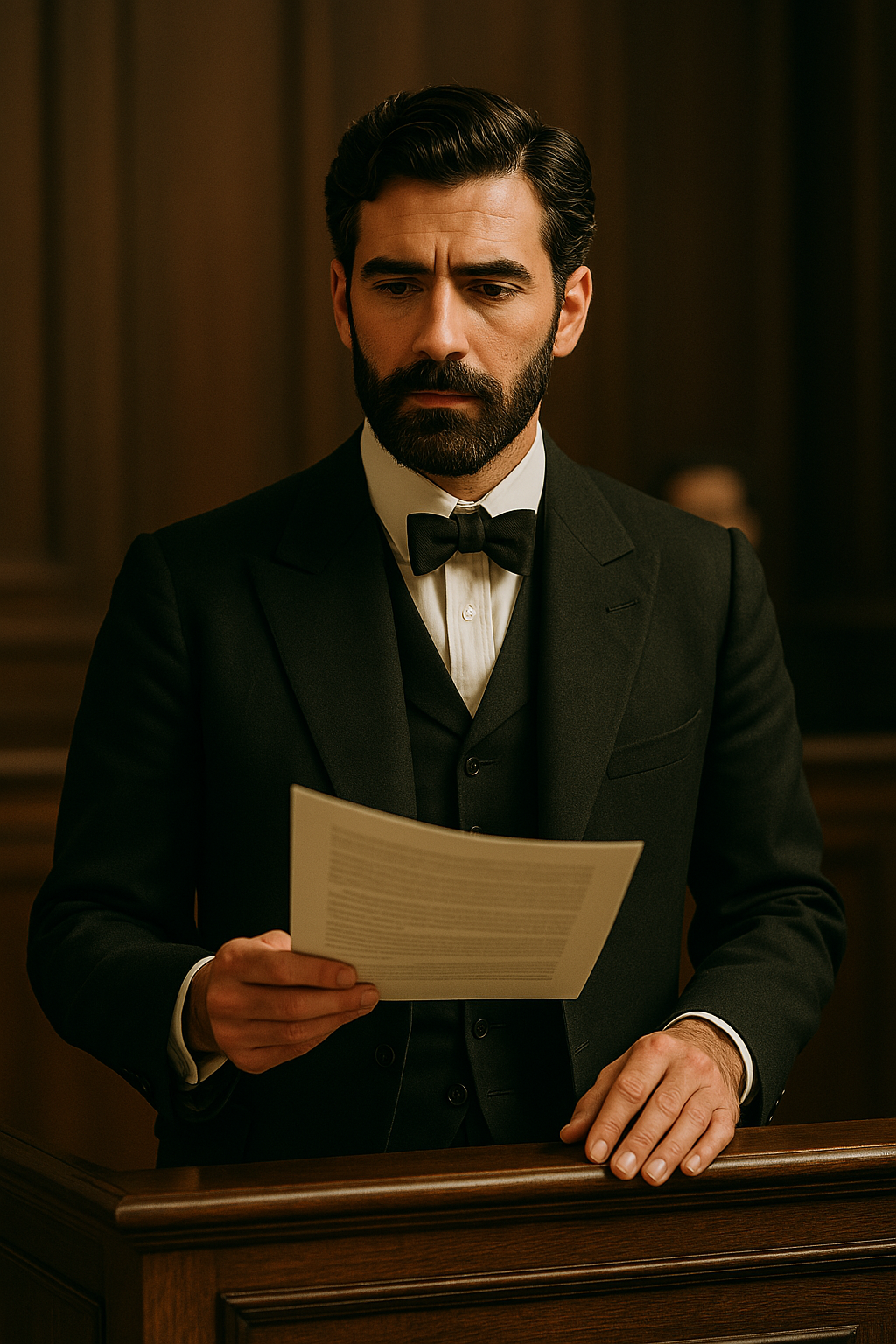
The medical evidence was next taken.
There was a breathless hush, and every eye was fixed on the famous London specialist, who was known to be one of the greatest authorities of the day on the subject of toxicology.
In a few brief words, he summed up the result of the post-mortem.
Shorn of its medical phraseology and technicalities, it amounted to the fact that Mrs. Inglethorp had met her death as the result of strychnine poisoning.
Judging from the quantity recovered, she must have taken not less than three-quarters of a grain of strychnine, but probably one grain or slightly over.
続いて、|医学的な|証言が|取り上げられた。
場内は|息を呑む|ような|静けさに|包まれ、|誰もが、|毒物学の|分野で|一流の|権威|とされる|ロンドンの|著名な|専門医に|注目した。
彼は|簡潔な|言葉で|検死の|結果を|まとめた。
医学用語や|専門的な|表現を|除けば、|ミセス=イングルソープの|死因は|ストリキニーネ|中毒に|よるものだと|いうことだった。
検出された|量から|判断して、|彼女は|少なくとも|約|48mgの|ストリキニーネを|摂取|しており、|おそらく|約|64mg、|または|それ以上|だった|可能性が|高いという。

“Is it possible that she could have swallowed the poison by accident?” asked the Coroner.
「その|毒を|偶然|飲んでしまった|ということは|あり得ますか?」と、|検視官が|尋ねた。

“I should consider it very unlikely.
Strychnine is not used for domestic purposes, as some poisons are, and there are restrictions placed on its sale.”
「非常に|考えにくいと|思われます。||ストリキニーネは|他の|毒物の|ように|家庭用|として|使用される|ことはなく、|販売にも|制限が|あります」
“Does anything in your examination lead you to determine how the poison was administered?”
「検査の|結果から、|毒の|投与方法を|特定|できましたか?」

“No.”
「いいえ」
“You arrived at Styles before Dr. Wilkins, I believe?”
「あなたは|ドクター=ウィルキンス|よりも|先に|スタイルズに|到着|したのですね?」
“That is so. The motor met me just outside the lodge gates, and I hurried there as fast as I could.”
「その通りです。||屋敷の|門の|すぐ|外で|車に|出会って、|私は|急いで|向かいました」
“Will you relate to us exactly what happened next?”
「それから|何が|起きたのか、|詳しく|お話し|いただけますか?」
“I entered Mrs. Inglethorp’s room.
She was at that moment in a typical tetanic convulsion.
She turned towards me, and gasped out: ‘Alfred—Alfred——’”
「私は|ミセス=イングルソープの|部屋に|入りました。||彼女は|まさに|典型的な|痙攣発作の|最中|でした。||私の方に|向き直ると|『アルフレッド、|アルフレッド』と、|苦しげに|言葉を|漏らしました」
“Could the strychnine have been administered in Mrs. Inglethorp’s after-dinner coffee which was taken to her by her husband?”
「ストリキニーネは、|夕食後に|夫が|持っていった|コーヒーに|投与|されていた|可能性は|ありますか?」
“Possibly, but strychnine is a fairly rapid drug in its action. The symptoms appear from one to two hours after it has been swallowed.
It is retarded under certain conditions, none of which, however, appear to have been present in this case.
I presume Mrs. Inglethorp took the coffee after dinner about eight o’clock, whereas the symptoms did not manifest themselves until the early hours of the morning, which, on the face of it, points to the drug having been taken much later in the evening.”
「可能性は|ありますが、|ストリキニーネは|作用の|早い|薬物です。||服用|してから、|1、2時間|以内に|症状が|現れます。
ただし、|作用が|遅れる|場合も|ありますが、|本件には|それに|該当する|ような|条件は|見られません。
ミセス=イングルソープが|夕食後、|午後|8時|ごろに|コーヒーを|飲んで、|症状が|深夜まで|現れなかった|という|事実からすれば、|常識的に|考えて、|毒は|もっと|遅い|時間に|摂取|されたと|考えられます」
“Mrs. Inglethorp was in the habit of drinking a cup of cocoa in the middle of the night. Could the strychnine have been dministered in that?”
「ミセス=イングルソープは|夜中に|ココアを|飲む|習慣が|ありました。||その|ココアに|混入された|可能性は?」
“No, I myself took a sample of the cocoa remaining in the saucepan and had it analysed. There was no strychnine present.”
「それは|ありません。||私自身が|鍋に|残っていた|ココアを|採取し、|分析に|かけました。||ストリキニーネは|検出|されませんでした」
I heard Poirot chuckle softly beside me.
私の|隣で、|ポワロが|小さく|くすくすと|笑うのが|聞こえた。
“How did you know?”
I whispered.
「どうして|分かったんだ?」
私は|ささやいた。
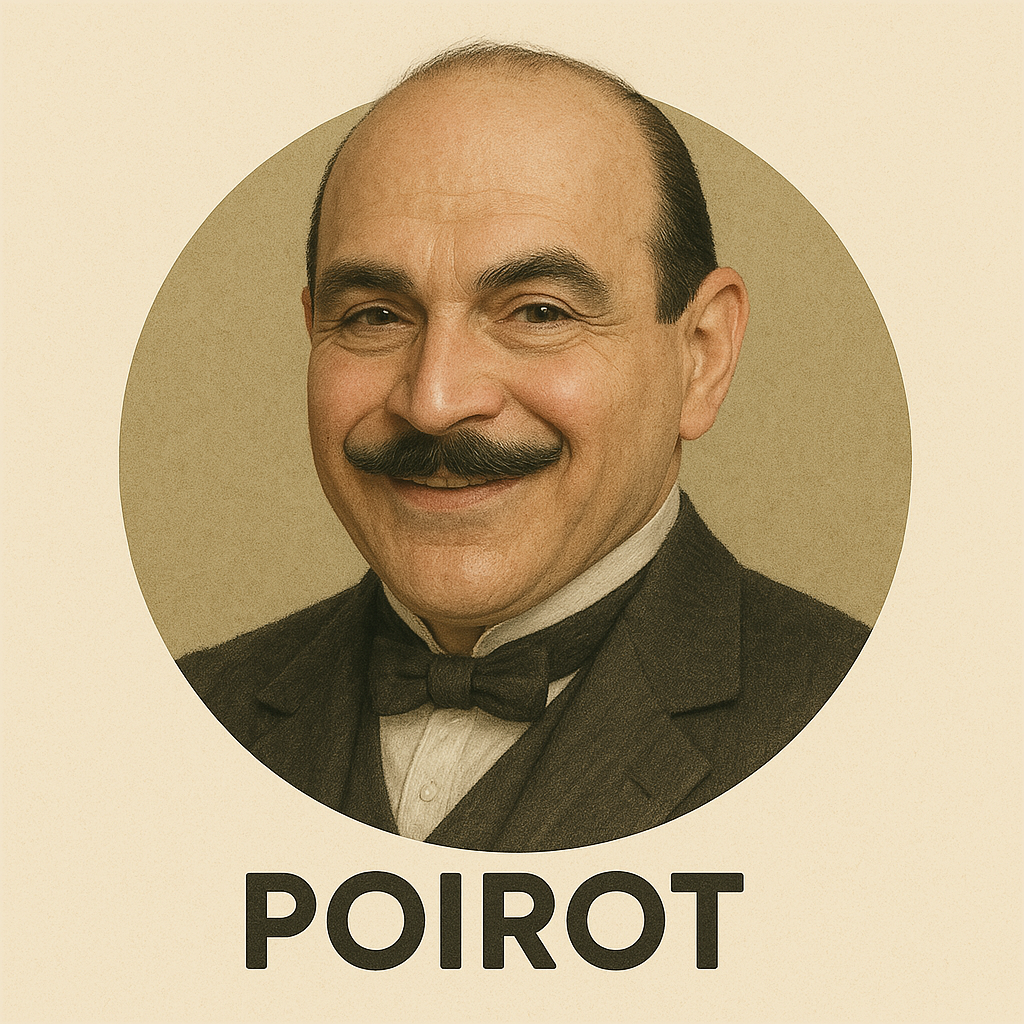
“Listen.”
「聞いてごらん」
“I should say”—the doctor was continuing—“that I would have been considerably surprised at any other result.”
「私はむしろ」と、|医師は|続けた。
「そうでなかった|としたら、|かなり|驚いて|いたでしょうね」
“Why?”
「どうしてですか?」
“Simply because strychnine has an unusually bitter taste.
It can be detected in a solution of one in seventy thousand, and can only be disguised by some strongly flavoured substance.
Cocoa would be quite powerless to mask it.”
「ストリキニーネには|非常に|強い|苦味が|あるからです。||7万分の1の|濃度でも|味で|分かるほどで、|よほど|風味の|強い物質|でなければ|隠せません。
ココアでは|到底|ごまかせないのです」
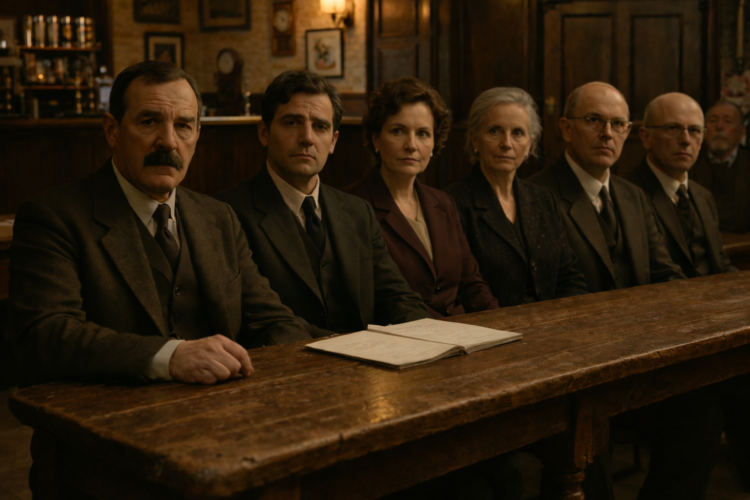
One of the jury wanted to know if the same objection applied to coffee.
陪審員の|一人が、|『同じことは|コーヒーにも|当てはまるのか』と、|尋ねた。
“No. Coffee has a bitter taste of its own which would probably cover the taste of strychnine.”
「いいえ。||コーヒー|自体が|もともと|苦味を|持っているので、|ストリキニーネの|味を|ごまかすには|適しています」
“Then you consider it more likely that the drug was administered in the coffee, but that for some unknown reason its action was delayed.”
「つまり、|コーヒーに|混入された|可能性が|高く、|ただし、|何らかの|理由で|症状が|現れるのが|遅れたと|考えるのが|妥当|ということですか?」
“Yes, but, the cup being completely smashed, there is no possibility of analyzing its contents.”
「そうです。||しかし、|問題の|カップが|完全に|粉々に|なっているため、|中身を|分析|することは|不可能です」
This concluded Dr. Bauerstein’s evidence.
Dr. Wilkins corroborated it on all points. Sounded as to the possibility of suicide, he repudiated it utterly.
The deceased, he said, suffered from a weak heart, but otherwise enjoyed perfect health, and was of a cheerful and well-balanced disposition. She would be one of the last people to take her own life.
これで|ドクター=バーンスタインーの|証言は|終了した。
ドクター=ウィルキンスも、|すべての|点で|これに|同意した。
自殺の|可能性|について|意見を|求められると、|彼は|きっぱりと|否定した。
彼によれば、|彼女は|心臓が|弱かったものの、|それ以外は|健康で、|明るく|安定した|性格だった。||自ら|命を|絶つなど、|この上なく|考えにくい|人物である|との|ことだった。
Lawrence Cavendish was next called.His evidence was quite unimportant, being a mere repetition of that of his brother. Just as he was about to step down, he paused, and said rather hesitatingly:
次に|呼ばれたのは|ローレンス=キャヴンディッシュ|だった。
彼の|証言は、|まったく|重要なものは|なく、|兄|ジョンの|証言を|繰り返すだけ|だった。
ちょうど|証言台を|降りようと|したとき、|彼は|ふと|立ち止まり、|少し|躊躇いながら|言った。

“I should like to make a suggestion if I may?”
「もし|よろしければ、|一つ|提案を|させて|いただきたいのですが……」
He glanced deprecatingly at the Coroner, who replied briskly:
彼は|遠慮がちに|検視官の|方を|見た。||それに|対し|検視官は|てきぱきと|答えた。
“Certainly, Mr. Cavendish, we are here to arrive at the truth of this matter, and welcome anything that may lead to further elucidation.”
「もちろん、|ミスター=キャヴンディッシュ。||我々は|この件の|真相を|明らかに|するために|ここに|いるのですから、|真相解明に|つながる|ことなら|どんな|情報でも|歓迎します」

“It is just an idea of mine,” explained Lawrence.
“Of course I may be quite wrong, but it still seems to me that my mother’s death might be accounted for by natural means.”
「私の|ちょっとした|考え|なのですが」と、|ローレンスは|説明した。
「もちろん|間違っている|かもしれません。||ただ、|母の|死因は|自然死|として|説明|できるのでは|ないかと、|私には|思えるのです」
“How do you make that out, Mr. Cavendish?”
「どういう|意味ですか、|ミスター=キャヴンディッシュ?」
“My mother, at the time of her death, and for some time before it, was taking a tonic containing strychnine.”
「母は|亡くなる|前、|しばらく|前から、|ストリキニーネの|入った|気付け薬を|飲んでました」
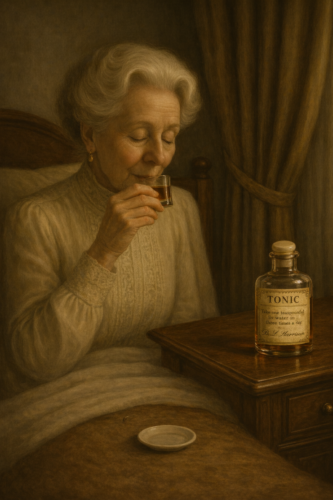
“Ah!” said the Coroner.
「ほう」と|検視官が|応じた。
The jury looked up, interested.
陪審員たちが|興味深そうに|顔を|上げた。
“I believe,” continued Lawrence, “that there have been cases where the cumulative effect of a drug, administered for some time, has ended by causing death. Also, is it not possible that she may have taken an overdose of her medicine by accident?”
「私が|思うに」と、|ローレンスは|続けた。
「過去に、|薬の|累積的な|作用によって|死に|至った|例が|あったと|聞いたことが|あります。||それに、|誤って|薬を|多量に|飲んでしまった|という|可能性も|あるのでは|ないかと|思いまして」
“This is the first we have heard of the deceased taking strychnine at the time of her death. We are much obliged to you, Mr. Cavendish.”
「亡くなった|方が|ストリキニーネを|服用|していた|というのは|初耳です。||貴重な|情報を|ありがとう|ございます、|ミスター=キャヴンディッシュ」
Dr. Wilkins was recalled and ridiculed the idea.
ここで|ドクター=ウィルキンスが|再度|呼ばれ、|この|意見を|打ち消した。

“What Mr. Cavendish suggests is quite impossible. Any doctor would tell you the same.
Strychnine is, in a certain sense, a cumulative poison, but it would be quite impossible for it to result in sudden death in this way.
There would have to be a long period of chronic symptoms which would at once have attracted my attention.
The whole thing is absurd.”
「ミスター=キャヴンディッシュの|おっしゃることは、|まず|あり得ません。||どの|医師に|尋ねても|同じ|答えでしょう。
確かに|ストリキニーネは|ある意味で|蓄積性の|毒物ですが、|今回の|ように|急死を|引き起こす|ことは|絶対に|ありません。
その前に|長期に|わたる|慢性的な|症状が|現れる|はずで、|それを|私が|見逃すはずが|ありません。||この考え自体、|馬鹿げています」
“And the second suggestion?
That Mrs. Inglethorp may have inadvertently taken an overdose?”
「では、|二つ目の|提案は?|| ミセス=イングルソープが|誤って|多量に|服用した|可能性に|ついては?」
“Three, or even four doses, would not have resulted in death.
Mrs. Inglethorp always had an extra large amount of medicine made up at a time, as she dealt with Coot’s, the Cash Chemists in Tadminster.
She would have had to take very nearly the whole bottle to account for the amount of strychnine found at the post-mortem.”
「3回分、|あるいは|4回分の|量を|飲んだとしても|死に|至りません。||ミセス=イングルソープは、|タドミンスターの|現金払いの|大衆|薬局|チェーン店|<クーツ>を|利用して、|いつも|多めに|薬を|処方して|もらって|いました。||検死で|確認された|量の|ストリキニーネを|摂取|するには、|ほとんど|丸ごと|一瓶|飲まなければ|なりません」
“Then you consider that we may dismiss the tonic as not being in any way instrumental in causing her death?”
「では、|その|気付け薬が|夫人の|死因に|関与|していた|可能性は、|完全に|否定|できると?」
“Certainly. The supposition is ridiculous.”
「もちろんです。||そのような|仮説は|まったくもって|馬鹿げています」
The same juryman who had interrupted before here suggested that the chemist who made up the medicine might have committed an error.
前にも|発言した|同じ|陪審員が、|ここで|「薬を|調合した|薬剤師が|間違いを|犯した|可能性は|ないか」と、|指摘した。
“That, of course, is always possible,” replied the doctor.
「もちろん、|それは|常に|あり得る|ことです」と、|ドクターは|答えた。
But Dorcas, who was the next witness called, dispelled even that possibility. The medicine had not been newly made up.
On the contrary, Mrs. Inglethorp had taken the last dose on the day of her death.
So the question of the tonic was finally abandoned, and the Coroner proceeded with his task.
Having elicited from Dorcas how she had been awakened by the violent ringing of her mistress’s bell, and had subsequently roused the household, he passed to the subject of the quarrel on the preceding afternoon.
Dorcas’s evidence on this point was substantially what Poirot and I had already heard, so I will not repeat it here.
しかし、|次に|証言台に|立った|ドーカスが|その|可能性|すら|打ち消した。
着付け薬は|新たに|処方|されたことは|なかった。||それだけでなく、|ミセス=イングルソープは|亡くなった|当日に|最後の|一杯を|飲んでいたのだった。
こうして|気付け薬に|関する|疑問は|最終的に|退けられ、|検視官は|本題に|戻った。
彼は|まず、|ドーカスに|対し、|ミセス=イングルソープの|寝室の|ベルの|激しい|呼び出し音で|目を|覚まし、|その後|屋敷中を|起こした|経緯を|確認|したうえで、|前日の|口論に|ついての|話題へと|移った。
ドーカスの|この件に|関する|証言は、|ポワロと|私が|すでに|聞いていた|内容と|ほぼ|同じであった|ため、|ここでは|繰り返さない。
The next witness was Mary Cavendish. She stood very upright, and spoke in a low, clear, and perfectly composed voice. In answer to the Coroner’s question, she told how, her alarm clock having aroused her at four-thirty as usual, she was dressing, when she was startled by the sound of something heavy falling.
次の|証人は|メアリー=キャヴンディッシュ|だった。
彼女は|背筋を|まっすぐに|伸ばして|立ち、|低く|澄んだ|非常に|落ち着いた|声で|話した。
検視官の|質問に|対し、|彼女は|こう|答えた。いつも通り|4時半に|目覚まし時計で|起き、|着替えていた|ところ、|何か|重い|物が|床に|倒れる|音がして|驚いたのだ|という。
“That would have been the table by the bed?” commented the Coroner.
「それは|ベッドの|横の|テーブル|だったのでしょうか?」と、|検視官が|口を挟んだ。

“I opened my door,” continued Mary, “and listened. In a few minutes a bell rang violently. Dorcas came running down and woke my husband, and we all went to my mother-in-law’s room, but it was locked——”
「私は|ドアを|開け」と、|メアリーは|続けた。
「そして|耳を|澄ませました。||しばらくすると|ベルが|激しく|鳴り響きました。||ドーカスが|駆け下りてきて|夫を|起こし、|それから|皆で|母の|部屋に|向かいましたが、|鍵が|かかっていて」
The Coroner interrupted her.
検視官が|話を|遮った。
“I really do not think we need trouble you further on that point. We know all that can be known of the subsequent happenings.
But I should be obliged if you would tell us all you overheard of the quarrel the day before.”
「その件に|ついては|もう|詳しく|伺う|必要は|ないでしょう。||以降の|出来事に|ついては|既に|分かっている|範囲です。||それよりも、|前日の|口論に|ついて、|あなたが|聞いたことを|話して|いただけねば|なりません」
“I?”
「わたくしが?」
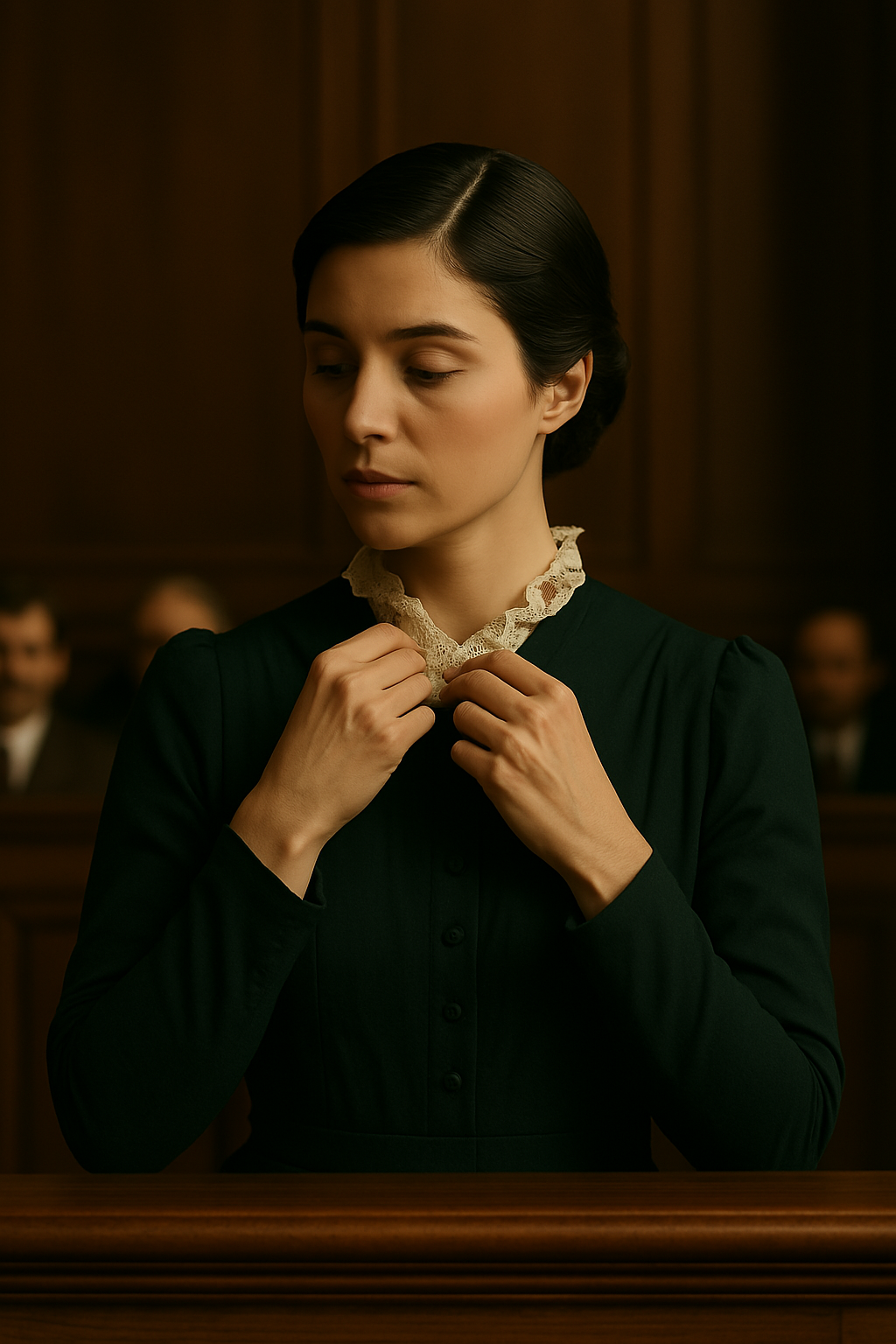
There was a faint insolence in her voice.
She raised her hand and adjusted the ruffle of lace at her neck, turning her head a little as she did so.
And quite spontaneously the thought flashed across my mind:
彼女の|声は、|わずかに|尊大に|聞こえた。
レースの|フリルを|首元で|整えながら、|ほんの|少し|顔を|そらせた。||その仕草を|見て、|私は|ふと|こう|思った。
“She is gaining time!”
「時間を|稼いでいる!」
“Yes. I understand,” continued the Coroner deliberately,
“that you were sitting reading on the bench just outside the long window of the boudoir. That is so, is it not?”
「ええ、|私が|聞いた|ところでは」と、|検視官は|はっきりとした|口調で|続けた。
「あなたは、|書斎の|フランス窓の|すぐ|外の|ベンチに|座って|本を|読んでいた|そうですね。||違いますか?」
This was news to me and glancing sideways at Poirot, I fancied that it was news to him as well.There was the faintest pause, the mere hesitation of a moment, before she answered:
これは|私に|とっても|初耳|だった。
ちらりと|ポワロの|方を|見ると、|彼に|とっても|驚きだった|ように|思えた。||ほんの|わずかな|間、|ほんの|一瞬|ためらった|後、|彼女は|答えた。
“Yes, that is so.”
「ええ、|そうですわ」
“And the boudoir window was open, was it not?”
「そして、|書斎の|窓は|開いていたのですね?」
Surely her face grew a little paler as she answered:
彼女の|顔が|わずかに|青ざめた|ように|私には|見えた。||彼女は|答えた。
“Yes.”
「ええ」
“Then you cannot have failed to hear the voices inside, especially as they were raised in anger. In fact, they would be more audible where you were than in the hall.”
「それでは、|怒鳴り声が|上がって|いたのですから、|室内の|声を|聞き逃す|はずが|ありません。||むしろ、|あなたの|いた|場所の|方が|ホールよりも|よく|聞こえた|はずです」
“Possibly.”
「そうかも|しれません」
“Will you repeat to us what you overheard of the quarrel?”
「その|口論の|中で、|あなたが|聞いた|内容を、|思い出せる|範囲で|結構|ですので|お話し|いただけますか?」
“I really do not remember hearing anything.”
「申し訳|ありませんが、|何かを|聞いたという|記憶は|ありません」
“Do you mean to say you did not hear voices?”
「まったく|声を|聞かなかった|という|ことですか?」
“Oh, yes, I heard the voices, but I did not hear what they said.”
「いいえ、|声は|聞こえました。||でも、|何を|言っているか|までは|分かりませんでした」
A faint spot of colour came into her cheek.
彼女の|頬に|かすかに|赤みが|差した。
“I am not in the habit of listening to private conversations.”
「私は|他人の|私的な|会話を|立ち聞き|するような|習慣は|ありません」
The Coroner persisted.
それでも|検視官は|食い下がった。
“And you remember nothing at all? Nothing, Mrs. Cavendish? Not one stray word or phrase to make you realize that it was a private conversation?”
「ですが、|本当に|何も|覚えて|いないのですか?||ミセス= キャヴンディッシュ?||ほんの|ひと言、|あるいは|ひとつの|フレーズでも、|その|会話が|私的な|ものであると|感じさせる|ような|内容は?」
She paused, and seemed to reflect, still outwardly as calm as ever.
メアリーは|少し|黙り、|考える|ような|素振りを|見せたが、|表情は|相変わらず|冷静だった。
“Yes; I remember. Mrs. Inglethorp said something—I do not remember exactly what—about causing scandal between husband and wife.”
「はい。||覚えています。||ミセス=イングルソープが|何か、|正確には|思い出せませんが、|夫婦の|間に|スキャンダルを|引き起こす|ことについて、|何か|おっしゃってました」
“Ah!” the Coroner leant back satisfied.
“That corresponds with what Dorcas heard.But excuse me, Mrs. Cavendish, although you realized it was a private conversation, you did not move away?
You remained where you were?”
「ほう!」||検視官は|満足そうに|背もたれに|寄りかかった。
「それは|ドーカスが|聞いた|内容と|一致しますね。||しかし、|ひとつ|伺わせて|ください、|ミセス=キャヴンディッシュ。||あなたは|それが|私的な|会話だと|認識|しながらも、|その場を|離れなかったのですか? ||そのまま|そこに|留まって|いたのですか?」
“No. I was very comfortable where I was. I fixed my mind on my book.”
「はい。||その場所が|とても|快適|だったので。||本に|集中|するよう|努めて|いました」
I caught the momentary gleam of her tawny eyes as she raised them.I felt certain that at that moment she would willingly have torn the little lawyer, with his insinuations, into pieces, but she replied quietly enough:
そのとき|彼女が|顔を|上げ、|琥珀色の|目が|一瞬だけ|鋭く|光った。||私は|その瞬間、|この|小さな|検視官を|ズタズタに|してやりたいと|思っているに|違いないと|確信した。
しかし|彼女は、|静かに|答えた。
“That is all.”
「それだけです」
“And that is all you can tell us?”
「それだけが、|あなたが|お話し|いただける|こと|なのですね?」
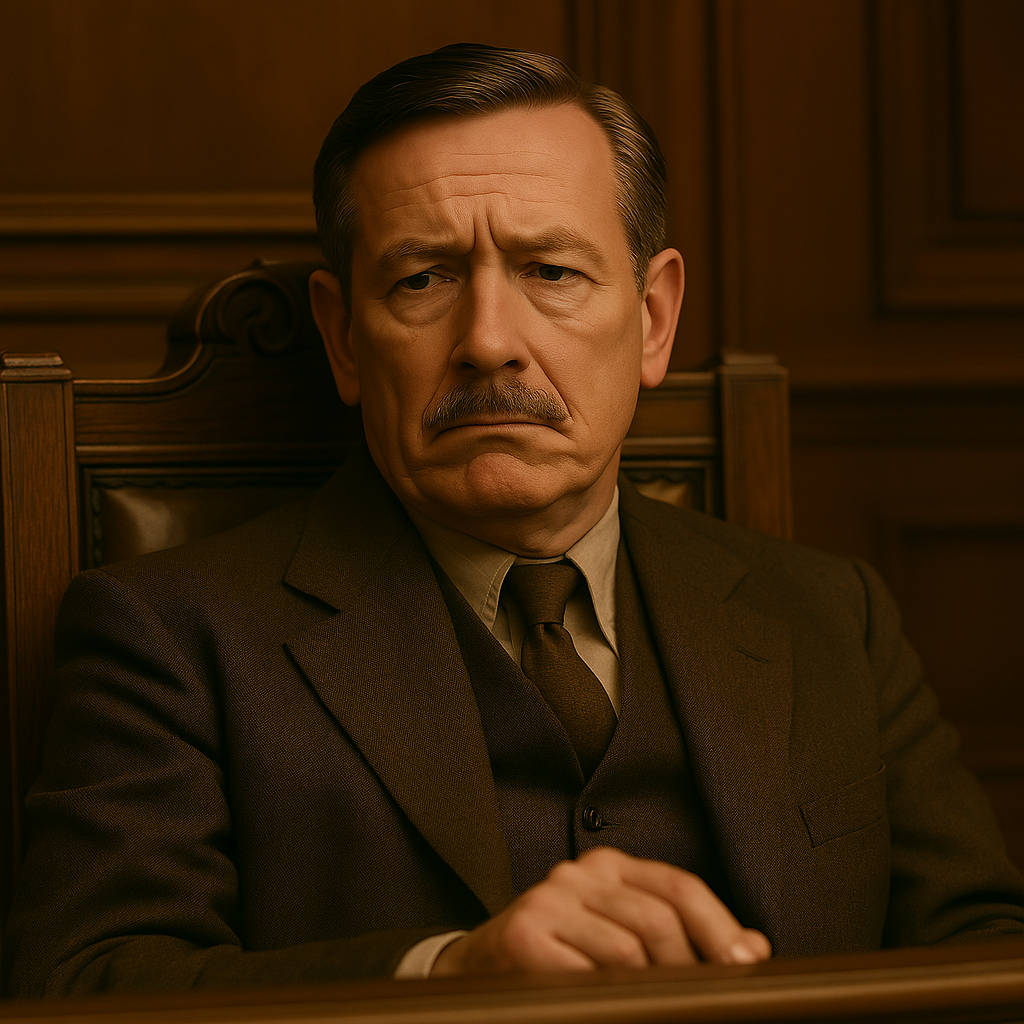
The examination was over, though I doubted if the Coroner was entirely satisfied with it. I think he suspected that Mary Cavendish could tell more if she chose.
尋問は|終わった。||とはいえ、|検視官が|完全に|満足|していたか|どうかは|疑わしい。
私には、|彼が|メアリー=キャヴンディッシュは、|望めば|もっと|多くを|話せた|はずだと|感じていた|ように|思えた。
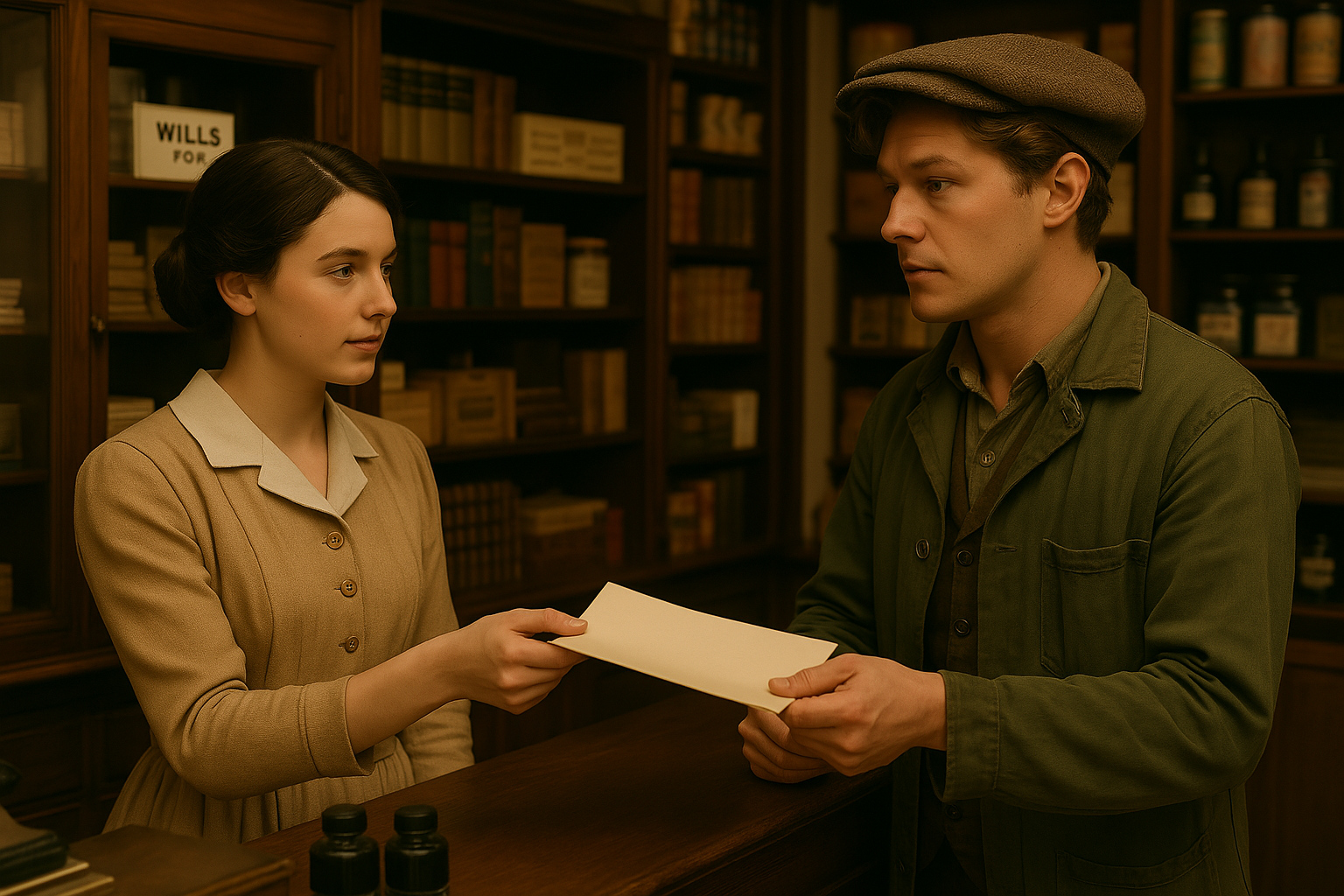
Amy Hill, shop assistant, was next called, and deposed to having sold a will form on the afternoon of the 17th to William Earl, under-gardener at Styles.
次に|呼ばれたのは、|店員の|エイミー=ヒル|であった。
彼女は、|17日の|午後に|庭師の|<ウィリアム=アール>に|遺言書の|用紙を|売ったことを|証言した。
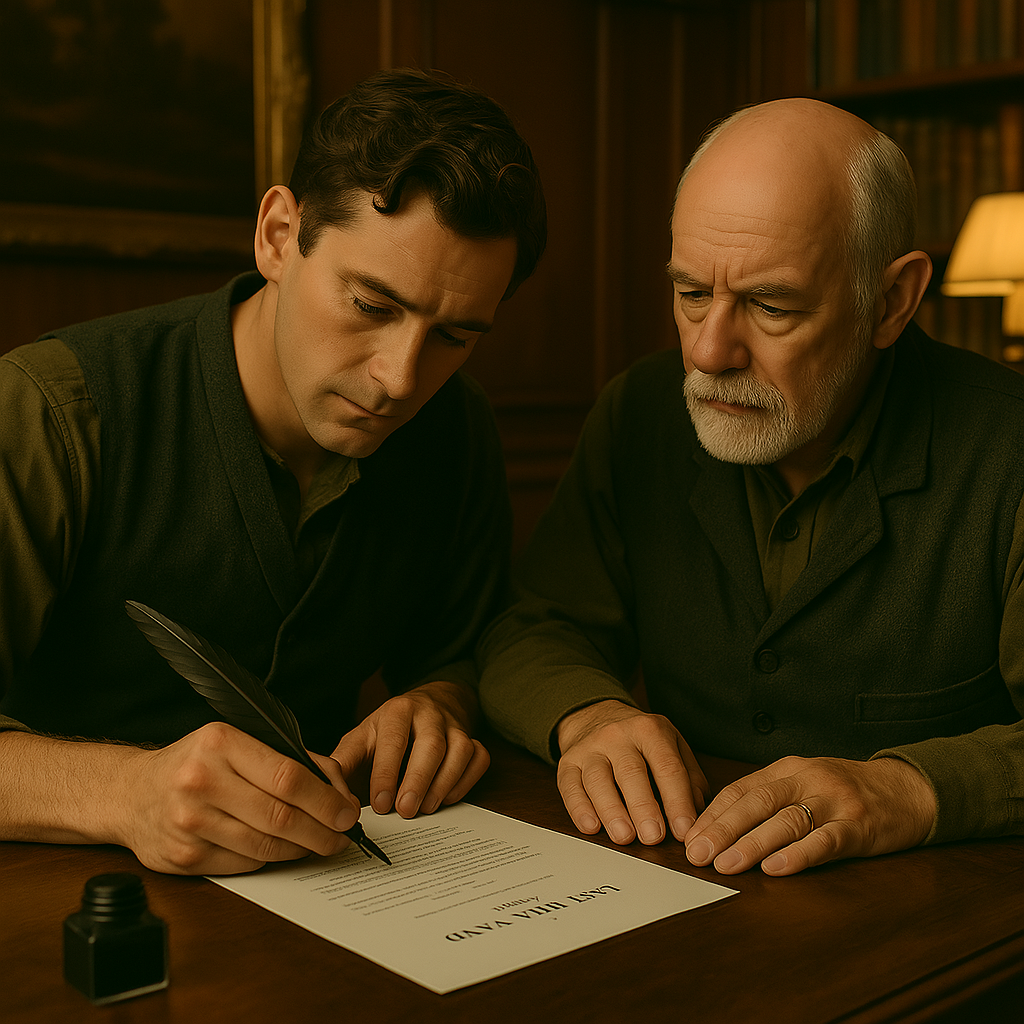
William Earl and Manning succeeded her, and testified to witnessing a document.
Manning fixed the time at about four-thirty, William was of the opinion that it was rather earlier.
彼女に|続いて|ウィリアム=アール|本人と|マニングが|証人|として|呼ばれ、|何らかの|書類に|立ち会った|ことを|証言した。
マニングは|その|時刻を|『午後|4時半|頃』と|特定したが、|ウィリアムの|方は|『もう少し|早かった|ように|思う』と、|述べた。
Cynthia Murdoch came next. She had, however, little to tell.She had known nothing of the tragedy, until awakened by Mrs. Cavendish.
その後に|呼ばれたのは|シンシア=・マードック|だった。
しかし|彼女には、|さほど|語るべき|ことは|なかった。||悲劇の|発生に|ついては|何も|知らず、|メアリー=キャヴンディッシュに|起こされる|まで|眠っていた|という。
“You did not hear the table fall?”
「テーブルが|倒れる|音は|聞こえませんでしたか?」

“No. I was fast asleep.”
「いいえ。||ぐっすり|眠っていました」
The Coroner smiled.
検視官は|微笑みながら|言った。
“A good conscience makes a sound sleeper,” he observed.“Thank you, Miss Murdoch, that is all.”
“Miss Howard.”
「よく|眠れるのは、|善良な|心を|持っている|証拠ですな」と、|彼は|述べた。
「ありがとう、|ミス=マードック。||もう結構です」
「ミス=ハワード」
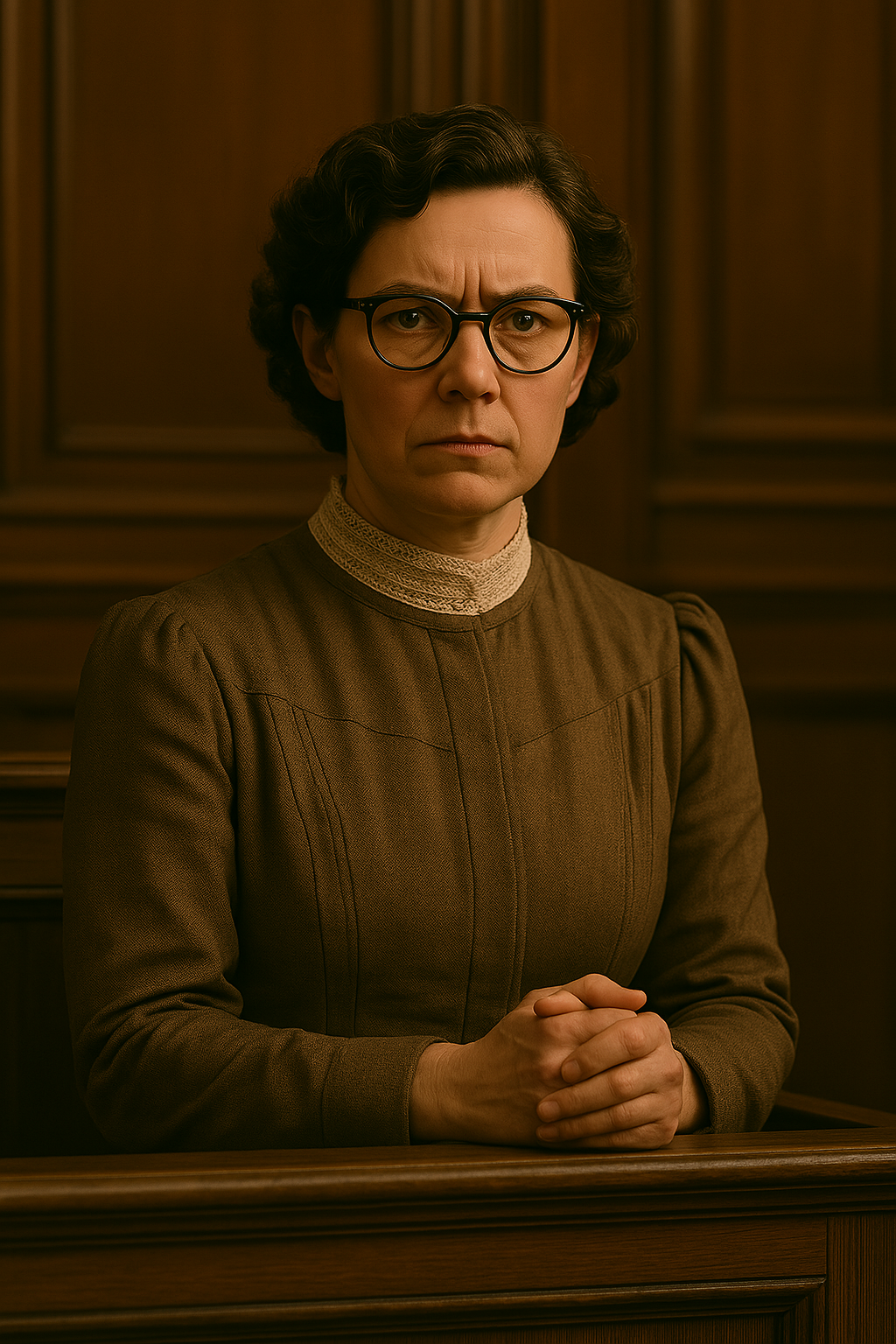
Miss Howard produced the letter written to her by Mrs. Inglethorp on the evening of the 17th.
Poirot and I had, of course already seen it. It added nothing to our knowledge of the tragedy.
ミス=ハワードは、|ミセス=イングルソープから|17日の|夜に|受け取った|手紙を|提出した。
ポワロと|私は|すでに|それを|見ていたが、|それによって|事件の|新たな|事実が|明らかになる|ことは|なかった。
The following is a facsimile:
以下が|その|手紙の|写し|である:
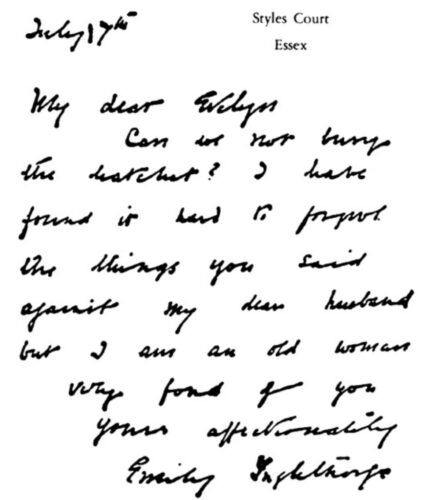
STYLES COURT
ESSEX
hand written note:
July 17th
My dear Evelyn
Can we not bury
the hatchet? I have
found it hard to forgive
the things you said
against my dear husband
but I am an old woman
& very fond of you
Yours affectionately,
Emily Inglethorp
スタイルズコート
エセックス
手書きの手紙:
7月|17日
親愛なる|エヴリンへ
そろそろ|仲直り|できないかしら?
あなたが|私の|夫に|対して|言ったことを|許すのは、|正直|つらかったわ
でも|私は|もう|年老いた|女だし
あなたのことは|とても|大切に|思っているの
愛をこめて、|エミリー=イングルソープ
It was handed to the jury who scrutinized it attentively.
手紙は|陪審員に|手渡され、|彼らは|注意深く|目を|通した。
“I fear it does not help us much,” said the Coroner, with a sigh.
“There is no mention of any of the events of that afternoon.”
「あまり|手がかりには|なりそうに|ありませんな」||検視官が|ため息混じりに|言った。
「その日の|午後に|起きた|出来事に|ついての|記述は|一切|ありません」
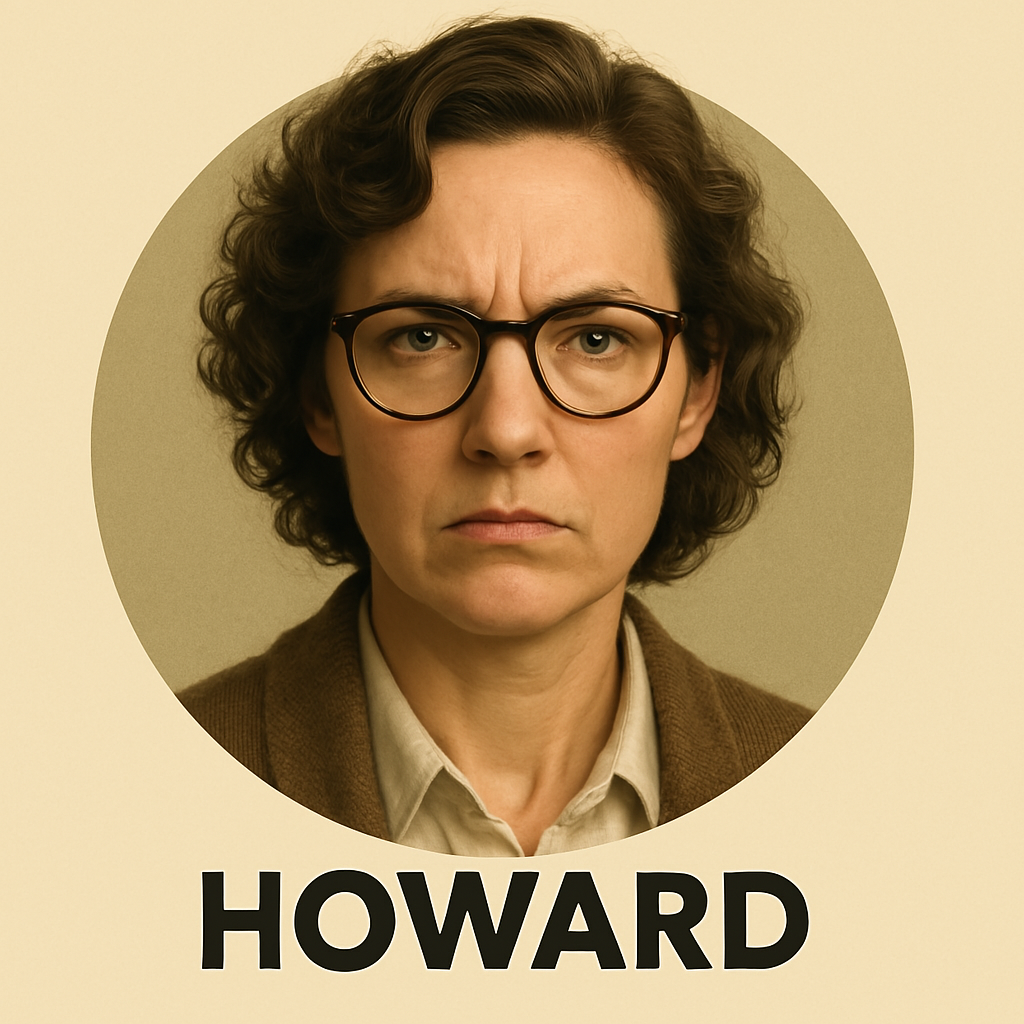
“Plain as a pikestaff to me,” said Miss Howard shortly.
“It shows clearly enough that my poor old friend had just found out she’d been made a fool of!”
「私には、|はっきりと|見てとれるけどね」
ミス=ハワードが|ぶっきらぼうに|言った。
「この手紙は、|エミリーが|ようやく|自分が|バカに|されてたって|気づいた|証拠だわ!」
“It says nothing of the kind in the letter,” the Coroner pointed out.
「しかし、|手紙には|そのような|ことは|一言も|書かれて|いませんが?」
検視官が冷静に指摘した。
“No, because Emily never could bear to put herself in the wrong. But I know her. She wanted me back.But she wasn’t going to own that I’d been right.She went round about. Most people do. Don’t believe in it myself.”
「書くわけ|ないじゃないの、|あの人が。||エミリーは|絶対に、|自分が|間違ってたとは|認めない|人なのよ。||でも|私は|分かってる。||あの人は|私に|戻ってきて|ほしかったの。||でも|自分が|間違ってたとは|口が|裂けても|言えないから、|まわりくどい|表現で|それを|伝えようと|したのよ。||そういう|人、|たくさん|いるわよね。||私は|そういう|やり方、|信じて|ないけど」
Mr. Wells smiled faintly. So, I noticed, did several of the jury.
Miss Howard was obviously quite a public character.
ミスター=ウェルズが|かすかに|微笑んだ。||私が|見たところ、|陪審員の|何人かも|同じように|微笑んでいた。||ミス=ハワードは、|どうやら|かなりの|有名人|らしい。
“Anyway, all this tomfoolery is a great waste of time,” continued the lady, glancing up and down the jury disparagingly.
“Talk—talk—talk! When all the time we know perfectly well——”
「ともかく、|こんな|バカバカしい|茶番は|時間の|無駄だわ」||彼女は|陪審員たちを|見回して|言った。
「しゃべって、|また|しゃべって、|しゃべって|ばっかり! ||みんな|とっくに|分かってるのに」
The Coroner interrupted her in an agony of apprehension:
検視官は|苦々しい|顔をして、|慌てて|彼女を|さえぎった。
“Thank you, Miss Howard, that is all.”
「ありがとう|ございます、|ミス=ハワード。||もう|結構です」
I fancy he breathed a sigh of relief when she complied.
彼女が|すなおに|引き下がると、|検視官が|ほっと|息をついた|ように|見えた。
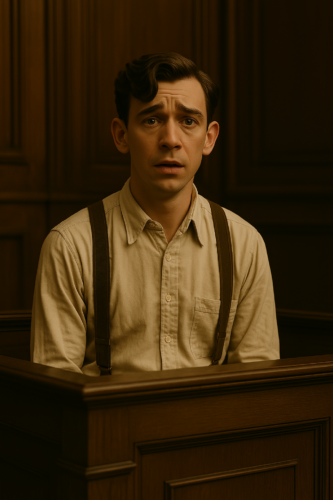
Then came the sensation of the day. The Coroner called Albert Mace, chemist’s assistant.
It was our agitated young man of the pale face.
In answer to the Coroner’s questions, he explained that he was a qualified pharmacist, but had only recently come to this particular shop, as the assistant formerly there had just been called up for the army.
These preliminaries completed, the Coroner proceeded to business.
そして|ここで、|この日|最大の|衝撃が|起きた。
検視官が|次に|呼び出したのは、|薬局の|助手|<アルバート=メイス>だった。||それは、|以前|私たちが|目にした、|顔色の|悪い|動揺した|若者だった。
検視官の|問いかけに|対し、|彼は|こう|説明した。||彼は|有資格の|薬剤師|だが、|この|薬局には|最近|雇われた|ばかりで|あること。
前任の|助手が|軍に|徴兵|されたため、|急遽|代わりとして|入ったのだ|という。
このような|予備的な|確認の|後、|検視官は|本題に|入った。
“Mr. Mace, have you lately sold strychnine to any unauthorized person?”
「ミスター=メイス。||最近、|許可証を|もってない|人物に|ストリキニーネを|販売|しましたか?」

“Yes, sir.”
「はい」
“When was this?”
「いつの|ことですか?」

“Last Monday night.”
「先週の|月曜日の|夜です」
“Monday? Not Tuesday?”
「月曜日?|| 火曜日では|ないですか?」
“No, sir, Monday, the 16th.”
「いいえ、|確かに|月曜日、|16日|です」
“Will you tell us to whom you sold it?”
「では、|その|ストリキニーネを|誰に|販売|したのか、|教えてください」
You could have heard a pin drop.
会場は|針が|落ちる|音さえ|聞こえそうな|ほど|緊張感で|静まり返った。
“Yes, sir. It was to Mr. Inglethorp.”
「はい。||ミスター=イングルソープ|です」
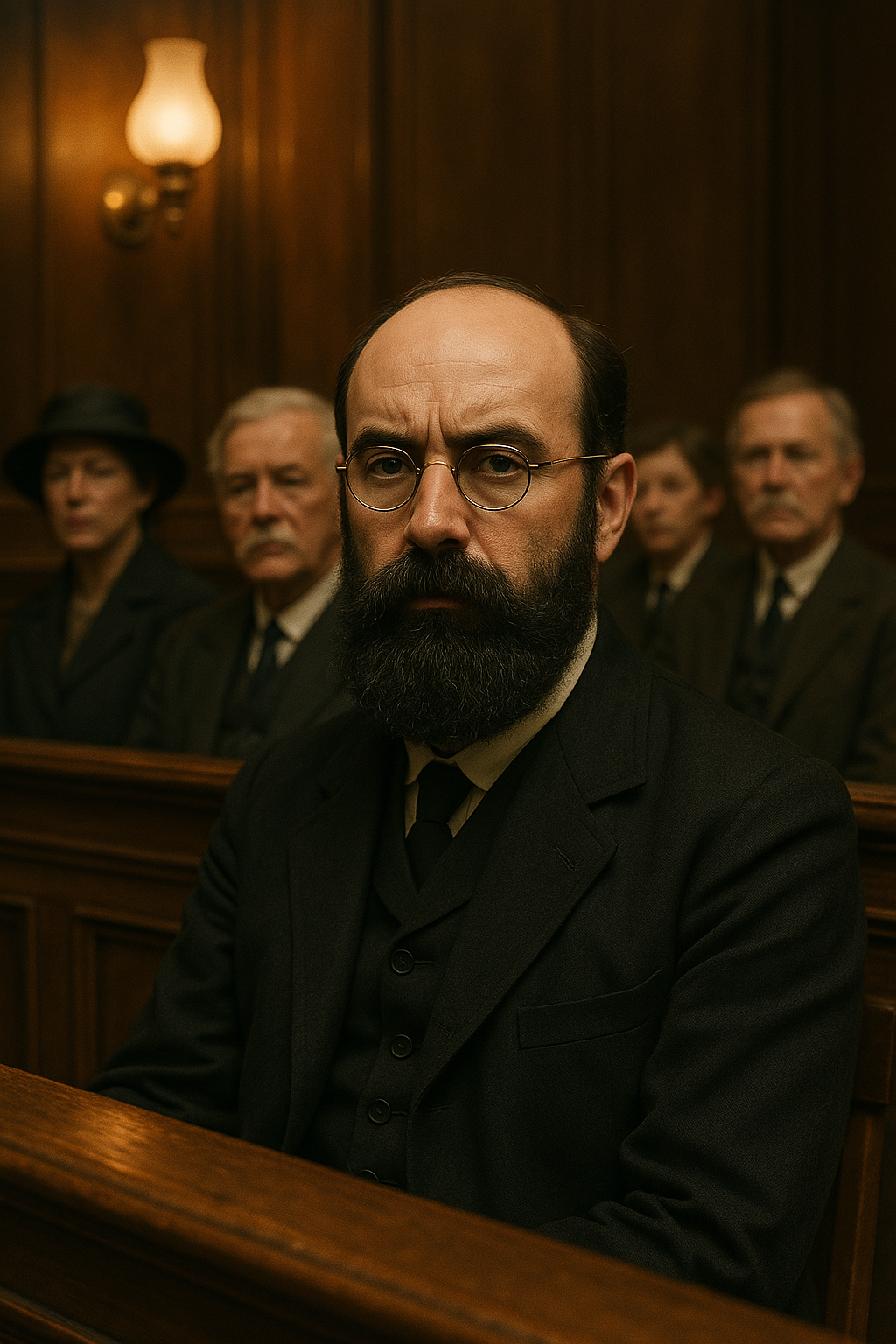
Every eye turned simultaneously to where Alfred Inglethorp was sitting, impassive and wooden.
He started slightly, as the damning words fell from the young man’s lips.
I half thought he was going to rise from his chair, but he remained seated, although a remarkably well acted expression of astonishment rose on his face.
すべての|視線が、|一斉に|アルフレッド=イングルソープが|座っている|場所に|注がれた。||彼は|無表情で|ぼんやり|していた。
若者の|口から|決定的な|言葉が|発せられた|瞬間、|わずかに|身を|震わせた。
私は、|彼が|椅子から|立ち上がるのでは|ないかと|一瞬|思ったが、|彼は|座ったまま|だった。ただし、|驚きの|表情だけは|見事な|演技で|顔に|浮かべていた。
“You are sure of what you say?” asked the Coroner sternly.
「君の|言っている|ことは|確かかね?」
検視官が|厳しい|口調で|尋ねた。
“Quite sure, sir.”
「はい、|確かです」
“Are you in the habit of selling strychnine indiscriminately over the counter?”
「君は、|ストリキニーネを|カウンター越しに|見境なく|誰にでも|売ってるのかね?」
The wretched young man wilted visibly under the Coroner’s frown.
その|哀れな|若者は、|検視官の|叱責に|明らかに|気おされて|見えた。
“Oh, no, sir—of course not.
But, seeing it was Mr. Inglethorp of the Hall, I thought there was no harm in it. He said it was to poison a dog.”
「いえ、|決して|そんなことは。||でも、|お屋敷の|ミスター=イングルソープ|だと|思ったので、|差し支えないかと。||犬に|毒を|盛るためだと|おっしゃってましたし」
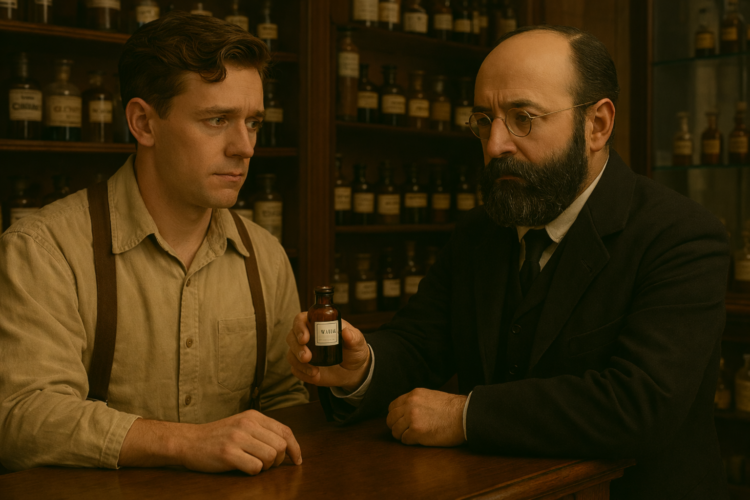
Inwardly I sympathized.
It was only human nature to endeavour to please “The Hall”
—especially when it might result in custom being transferred from Coot’s to the local establishment.
私は|心の|中で|彼に|同情した。
お屋敷の|人間に|気に入られたい|というのは|人情だ。||上客を|チェーン店|<クーツ>から、|地元の|店に|乗り換えさせる|チャンス|とあれば|なおさらだろう。
“Is it not customary for anyone purchasing poison to sign a book?”
「毒物を|購入する|者は、|通常|記録帳に|署名|することに|なっているのでは?」
“Yes, sir, Mr. Inglethorp did so.”
「はい、|ミスター=イングルソープも|署名|されました」
“Have you got the book here?”
「その|帳簿は|今|ここに|あるかね?」
“Yes, sir.”
「はい、|ございます」
It was produced; and, with a few words of stern censure, the Coroner dismissed the wretched Mr. Mace.
Then, amidst a breathless silence, Alfred Inglethorp was called.
Did he realize, I wondered, how closely the halter was being drawn around his neck?
The Coroner went straight to the point.
帳簿が|提出された。||検視官は|厳しく|叱責の|言葉を|述べると、|その|哀れな|ミスター=メイスを|退廷|させた。
そして、|息を呑む|ような|沈黙の|中、|アルフレッド=イングルソープの|名前が|呼ばれた。
彼は、|自分の|首に|絞首刑の|ロープが|どれほど|きつく|絞められつつ|あるかを|自覚|していただろうか?
検視官は|核心に|切り込んだ。
“On Monday evening last, did you purchase strychnine for the purpose of poisoning a dog?”
「先週の|月曜の|晩、|犬を|毒殺する|目的で|ストリキニーネを|購入¥しましたか?」
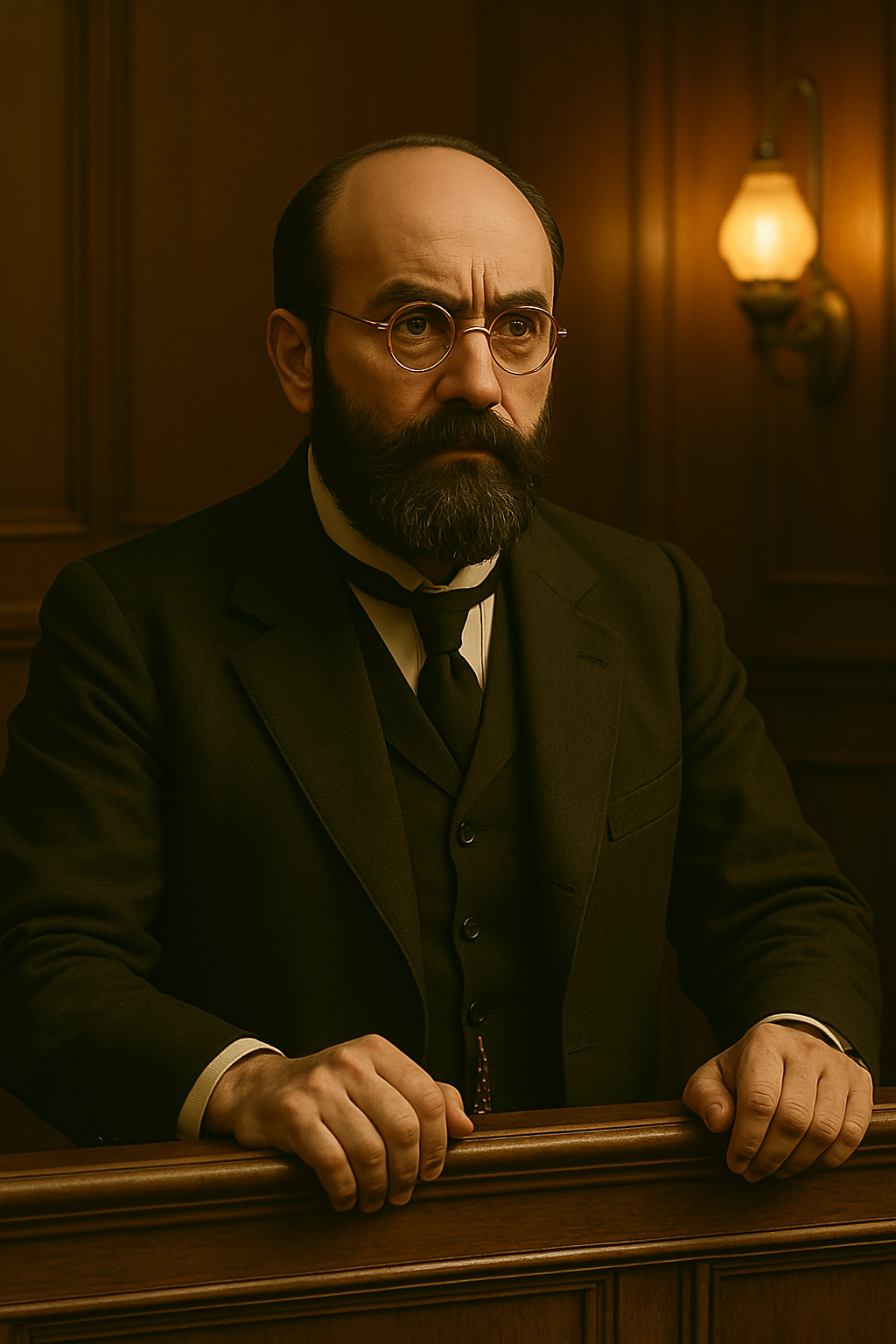
Inglethorp replied with perfect calmness:
イングルソープは|完璧な|落ち着きを|見せて|答えた。
“No, I did not. There is no dog at Styles, except an outdoor sheepdog, which is in perfect health.”
「いいえ、|買っていません。||スタイルズに|犬は|いません。||屋外の|牧羊犬が|一匹|いるだけですが、|それは|健康|そのものです」
“You deny absolutely having purchased strychnine from Albert Mace on Monday last?”
「では、|月曜日に|アルバート=メイスから|ストリキニーネを|購入|したことを|完全に|否定|されるのですね?」
“I do.”
「はい、|そうです」
“Do you also deny this?”
「では、|これについては?」
The Coroner handed him the register in which his signature was inscribed.
検視官は、|イングルソープの|署名が|記載された|帳簿を|彼に|手渡した。
“Certainly I do. The hand-writing is quite different from mine. I will show you.”
「もちろん|否定します。||これは|私の|筆跡とは|まったく|違います。||今、|証明|してみせましょう」
He took an old envelope out of his pocket, and wrote his name on it, handing it to the jury. It was certainly utterly dissimilar.
彼は|ポケットから|古い|封筒を|取り出すと、|そこに|自分の|名前を|書き、|陪審員に|手渡した。||その筆跡は|確かに、|帳簿の|署名とは|まったく|異なっていた。
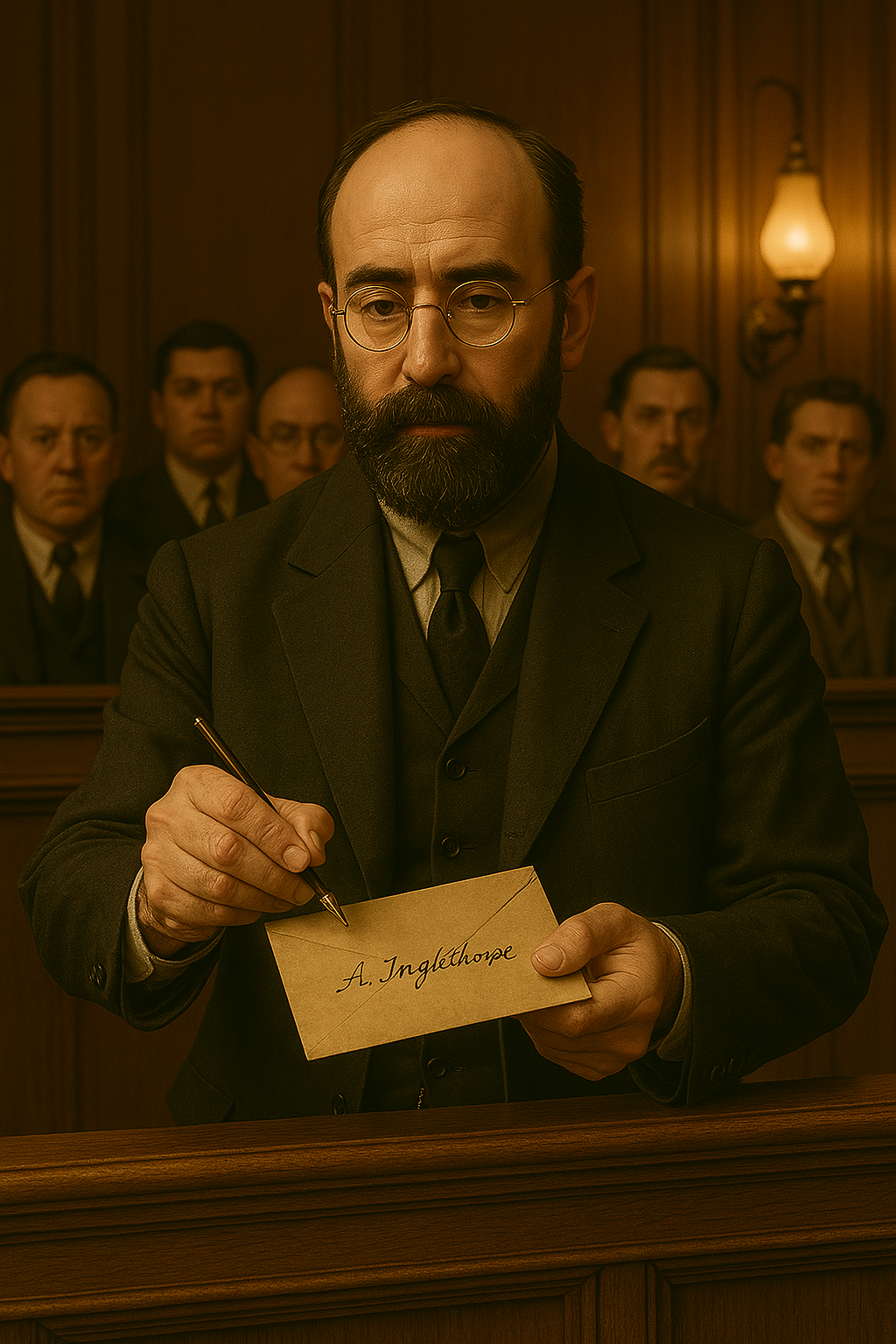
“Then what is your explanation of Mr. Mace’s statement?”
「では、|ミスター=メイスの|証言は|どう|説明|されるのですか?」
Alfred Inglethorp replied imperturbably:
アルフレッド=イングルソープは、|動じる|様子もなく|答えた。
“Mr. Mace must have been mistaken.”
「ミスター=メイスは、|何か|間違ったのでしょう」
The Coroner hesitated for a moment, and then said:
検死官は|少し|間を|置いてから|言った。
“Mr. Inglethorp, as a mere matter of form, would you mind telling us where you were on the evening of Monday, July 16th?”
「ミスター=イングルソープ、|形式的な|質問ですが、|7月|16日|月曜日の|夕方、|どこに|いらっしゃったか、|お聞かせ|いただけますか?」
“Really—I cannot remember.”
「正直に|申し上げて、|思い出せません」
“That is absurd, Mr. Inglethorp,” said the Coroner sharply.
“Think again.”
「それは|馬鹿げて|いますよ、|ミスター=イングルソープ」と、|検死官は|鋭く|言った。
「もう一度|よく|考えてください」
Inglethorp shook his head.
イングルソープは|首を|振った。
“I cannot tell you. I have an idea that I was out walking.”
「申し訳ありません、|思い出せません。||ただ、|散歩に|出ていたような|気がします」
“In what direction?”
「どちらの|方へ?」
“I really can’t remember.”
「本当に|思い出せないのです」
The Coroner’s face grew graver.
検死官の|表情が|さらに|厳しくなった。
“Were you in company with anyone?”
「どなたかと|一緒に|いましたか?」
“No.”
「いいえ」
“Did you meet anyone on your walk?”
「途中で|誰かに|会いましたか?」
“No.”
「いいえ」
“That is a pity,” said the Coroner dryly.
“I am to take it then that you decline to say where you were at the time that Mr. Mace positively recognized you as entering the shop to purchase strychnine?”
「それは|残念ですね」と、|検死官は|皮肉っぽく|言った。
「つまり、|ミスター=メイスが|あなたを|ストリキニーネを|購入|するために|店に|訪れたと|明確に|証言|している|時刻に、|どこに|いたかを|明かす|つもりはない|ということで|よろしいですね?」
“If you like to take it that way, yes.”
「そう|解釈|なさるのなら、|けっこうです」
“Be careful, Mr. Inglethorp.”
「発言には|気をつけなさい、|ミスター=イングルソープ」
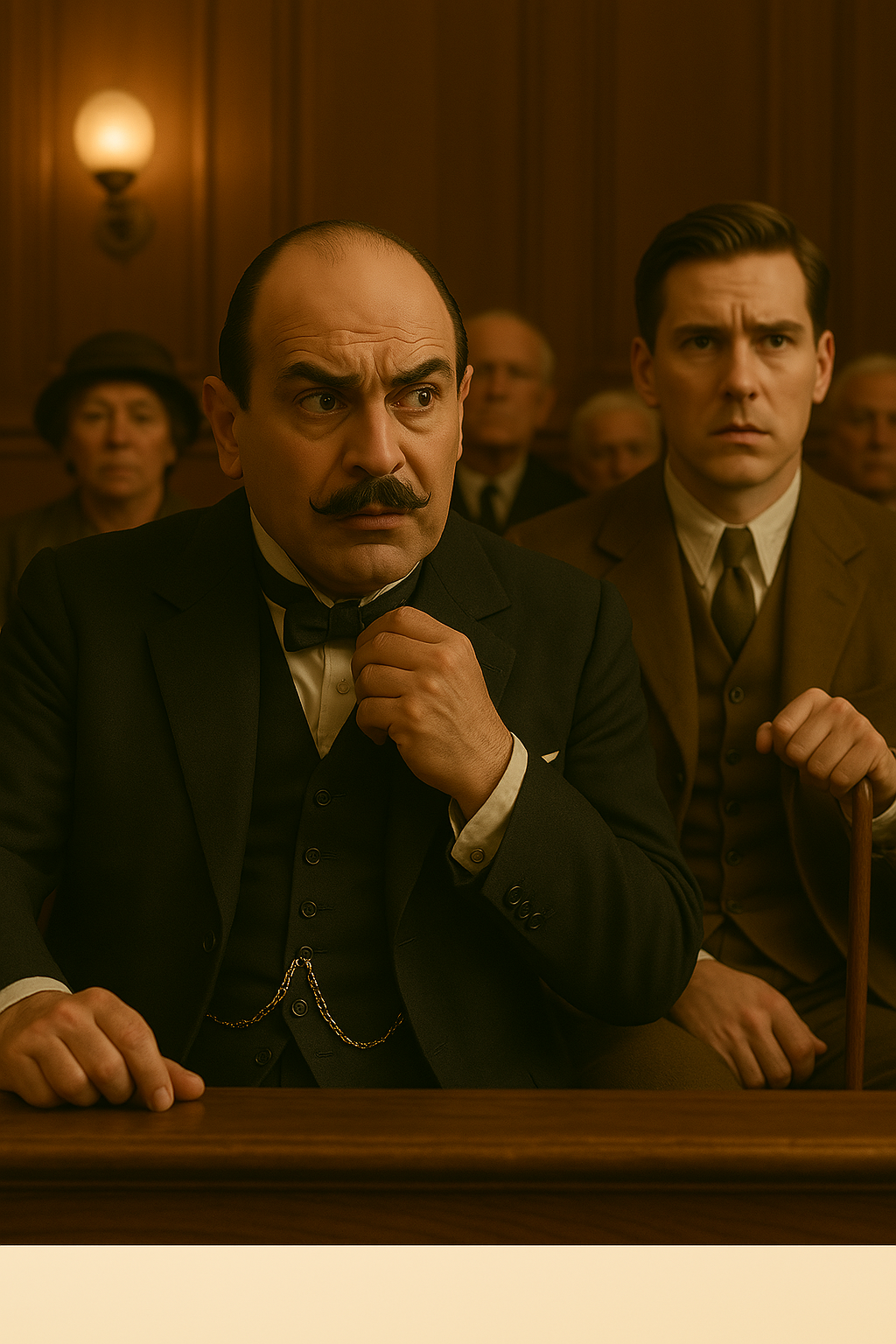
Poirot was fidgeting nervously.
ポワロは|そわそわと|落ち着きが|なくなった。
“Sacré!” he murmured.
“Does this imbecile of a man want to be arrested?”
「サクレ(なんてことだ)!」||彼は|つぶやいた。
「 この|愚か者は|逮捕|されたがって|いるのか?」
Inglethorp was indeed creating a bad impression. His futile denials would not have convinced a child.The Coroner, however, passed briskly to the next point, and Poirot drew a deep breath of relief.
イングルソープは|実に|印象を|悪くしていた。||彼の|稚拙な|否定は、|子供すら|説得|できない|ほどだった。
それでも|検死官は|次の|論点へと|手際よく|進み、|ポワロは|安堵の|ため息をついた。
“You had a discussion with your wife on Tuesday afternoon?”
「火曜日の|午後、|奥様と|口論が|あったようですね?」
“Pardon me,” interrupted Alfred Inglethorp,
“you have been misinformed. I had no quarrel with my dear wife. The whole story is absolutely untrue. I was absent from the house the entire afternoon.”
「失礼ですが」と、|アルフレッド=イングルソープが|口を¥挟んだ。
「それは|誤解です。||最愛の|妻と|口論など|しておりません。||その話は|まったくの|作り話です。||私は|その日の|午後|ずっと|家を|離れていました」
“Have you anyone who can testify to that?”
「それを|証言|してくれる|方は?」
“You have my word,” said Inglethorp haughtily.
「私の|言葉が|証拠です」と、|イングルソープは|傲慢に|言い放った。
The Coroner did not trouble to reply.
検死官は|返答|するまでもない|という|態度だった。
“There are two witnesses who will swear to having heard your disagreement with Mrs. Inglethorp.”
「あなたが|ミセス=イングルソープと|口論|していたのを|聞いたと|証言する|証人が|二人|います」
“Those witnesses were mistaken.”
「その|証人たちは|間違ったのでしょう」
I was puzzled.
The man spoke with such quiet assurance that I was staggered.
I looked at Poirot. There was an expression of exultation on his face which I could not understand.
Was he at last convinced of Alfred Inglethorp’s guilt?
私は|混乱した。
その男は|あまりにも|落ち着いた|確信を|もって|そう|言ったので、|呆気に|とられてしまった。
私は|ポワロを|見た。||すると|彼の|顔には、|理解|しがたい|勝ち誇った|ような|表情が|浮かんでいた。||まさか、|ついに|アルフレッド=イングルソープの|有罪を|確信|したのだろうか?
“Mr. Inglethorp,” said the Coroner, “you have heard your wife’s dying words repeated here. Can you explain them in any way?”
「ミスター=イングルソープ」と、|検死官が|言った。
「あなたは、|繰り返された|奥様の|最期の|言葉を|ここで|聞かれましたね。||どういうことか|説明|できますか?」
“Certainly I can.”
「もちろん|できます」
“You can?”
「できると?」
“It seems to me very simple. The room was dimly lighted.
Dr. Bauerstein is much of my height and build, and, like me, wears a beard.
In the dim light, and suffering as she was, my poor wife mistook him for me.”
「私には|非常に|単純な|ことに|思えます。||部屋は|薄暗かった。||ドクター=バウアースタインは、|私と|背格好が|似ており、|私と|同様に|ヒゲを|生やしています。||あの|薄明かりの|中で、|あのように|苦しんでいた|我が|妻は、|彼を|私と|見間違えたのです」
“Ah!” murmured Poirot to himself.
“But it is an idea, that!”
「なるほど!」と、|ポワロが|小声で|つぶやいた。
「しかし|考えたな。||それいう|考え方も|できる!」
“You think it is true?” I whispered.
「本当だと|思うのかい?」||私は|ささやいた。
“I do not say that. But it is truly an ingenious supposition.”
「そうは|言わない。||だが、|実に|巧妙な|仮説|ではある」
“You read my wife’s last words as an accusation”—Inglethorp was continuing—“they were, on the contrary, an appeal to me.”
「あなた方は、|妻の|最後の|言葉を|非難と|受け取りましたが」と、|イングルソープは|続けた。
「むしろ、|それは|私への|助けを|求める|言葉|だったのです」
The Coroner reflected a moment, then he said:
検死官は|しばし|考え込むと、|やがて|言った。
“I believe, Mr. Inglethorp, that you yourself poured out the coffee, and took it to your wife that evening?”
「ミスター=イングルソープ、|あなたは|その夜、|奥様に|出す|コーヒーを|注いだのは|ご自身で|あると|お認めに|なりますか?」
“I poured it out, yes. But I did not take it to her. I meant to do so, but I was told that a friend was at the hall door, so I laid down the coffee on the hall table. When I came through the hall again a few minutes later, it was gone.”
「注いだのは|確かに|私です。||しかし、|私が|運んだのでは|ありません。||本当は|運ぶつもり|でしたが、|玄関に|来客が|あると|知らされ、|コーヒーを|玄関の|テーブルの|上に|置きました。||数分後、|私が|また|玄関を|通ったときには、|すでに|それは|なくなって|いました」
This statement might, or might not, be true, but it did not seem to me to improve matters much for Inglethorp. In any case, he had had ample time to introduce the poison.
この|説明が|真実か|どうかは|わからないが、|少なくとも|ミスター=イングルソープの|立場を|改善|するものでは|なかった。||いずれにしても、|毒を|入れる|機会は|十分に|あったのだ。
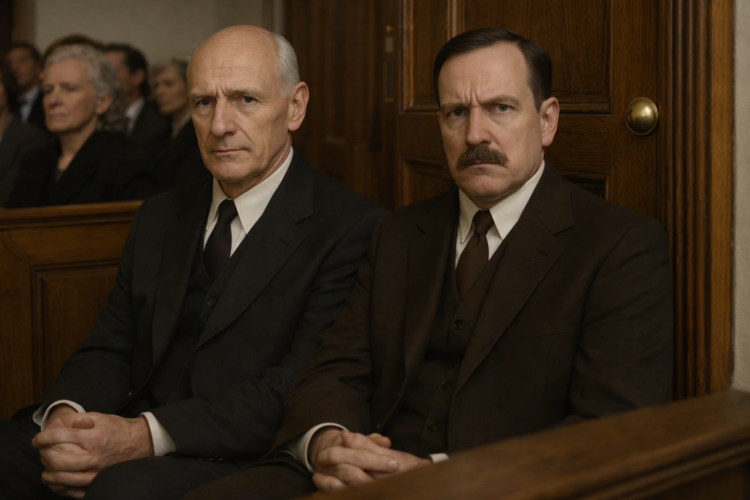
At that point, Poirot nudged me gently, indicating two men who were sitting together near the door. One was a little, sharp, dark, ferret-faced man, the other was tall and fair.
I questioned Poirot mutely.
そのとき|ポワロが|私の|腕を|そっと|突いて、|扉の|そばに|並んで|座っている|二人の|男を|示した。||一人は|小柄で、|鋭い|目をした|黒髪の|フェレットの|ような|顔の|男。||もう一人は|背が|高く|金髪だった。
私は|ポワロに|無言で|問いかけた。
He put his lips to my ear.
すると|彼は|口を|私の|耳に|寄せて|ささやいた。
“Do you know who that little man is?”
「あの|小さい|方の|男が|誰だか|知ってるかね?」
I shook my head.
私は|首を|振った。
“That is Detective Inspector James Japp of Scotland Yard—Jimmy Japp. The other man is from Scotland Yard too. Things are moving quickly, my friend.”
「彼は|<スコットランドヤード>の|主任警部|<ジェームズ=ジャップ>、|<ジミー=ジャップ>だ。||隣の|男も|スコットランドヤードの|人間だよ。||事態は|急展開を|迎えているよ、|君」
I stared at the two men intently. There was certainly nothing of the policeman about them.
I should never have suspected them of being official personages.
I was still staring, when I was startled and recalled by the verdict being given:
私は|その二人を|凝視した。||見たところ、|彼らには|まったく|警官|らしい|雰囲気が|なかった。
もし|ポワロに|言われなければ、|公的な|人物|だとは|夢にも|思わなかっただろう。
私は|まだ|彼らを|見つめていたが、|そのとき|唐突に|評決が|読み上げられ、|ハッと|我に|返った。
“Wilful Murder against some person or persons unknown.”
「被害者は、|何者か、|または|複数の|人物による|故意の|殺害に|よるものと|認める」