注記(区切り記号について)
この翻訳文には、点字に対応させるための区切り記号(マス空け)を入れています。
「|」 … 1マスあけ
「||」 … 2マスあけ
点訳の際に必要となる区切りを、見える形で示しています。
読み進めるうちに、文章のリズムや切れ目を意識していただければ幸いです。
・固有名詞は実際の発音を標準にしますが、日本語で馴染みのあるカタカナ表記を優先しています。
・固有名詞は、原則として最初に登場した時に限って、その固有部分を「第2カギ符」で囲んでいます。
・固有名詞の複合語は、「マス空け」「中点」ではなく、一つの意味のまとまりとして一体性を保つために「第2つなぎ符」で表記しています。
・建物の階数は日本式で、ground floor=一階、first floor=二階と表記しています。
The Mysterious Affair at Styles
Chapter Ⅴ
“IT ISN’T STRYCHNINE, IS IT?”
||||||||<スタイルズ>の|怪事件
||||||第五章
||||それは|<ストリキニーネ>では|ないでしょうね?
“Where did you find this?”
I asked Poirot, in lively curiosity.
「どこで|これを|見つけたんだ?」
私は|興味津々に|ポワロに|尋ねた。
“In the waste-paper basket. You recognise the handwriting?”
「ゴミ箱の|中だよ。||筆跡に|見覚えが|あるかい?」
“Yes, it is Mrs. Inglethorp’s. But what does it mean?”
「ああ、|ミセス=イングルソープの|ものだ。||でも、|どういう|意味なんだ?」
Poirot shrugged his shoulders.
“I cannot say—but it is suggestive.”
ポワロは|肩を|すくめた。
「なんとも|言えないが、|何か|意味が|ありそうだ」
A wild idea flashed across me.
Had she some fantastic idea of demoniacal possession?
Was it possible that Mrs. Inglethorp’s mind was deranged?
And, if that were so, was it not also possible that she might have taken her own life?
I was about to expound these theories to Poirot, when his own words distracted me.
突然、|とんでもない|考えが|私の|頭を|よぎった。
彼女は|悪魔が|憑依した|という、|現実離れ|した|考えを|持っていたのでは|ないか?
ミセス=イングルソープは|精神錯乱の|情況に|あったのでは|ないか?
もし|そうだとしたら、|自ら|命を|絶った|可能性も|考えられるのでは|ないか?
私は|このような|推論を|ポワロに|詳しく|説明|しようとしたが、|彼の|言葉に|邪魔された。
“And, anyway,” I said, with increasing coldness,
“as Mrs. Inglethorp took her coffee upstairs with her, I do not see what you expect to find, unless you consider it likely that we shall discover a packet of strychnine on the coffee tray!”
「それに」と、|私は|ますます|冷たい|口調で|続けた。
「そもそも|ミセス=イングルソープは|自分で|コーヒーを|持って|部屋に|上がって|行ったんだから、|君が|何を|見つけようと|しているのか|わからない!||もっとも、|君が|その|コーヒーの|お盆の|上に|ストリキニーネの|包みが|発見|されると|考えているのなら|話は|別だがね!」
Poirot was sobered at once.
ポワロは|たちまち|真剣な|表情になった。
“Come, come, my friend,”
「まあまあ、|君、|あのねえ」
he said, slipping his arms through mine.
彼は|そう|言いながら、|私の|腕に|自分の|腕を|絡めてきた。
“Ne vous fâchez pas! Allow me to interest myself in my coffee-cups, and I will respect your cocoa. There! Is it a bargain?”
「ヌ ヴ ファシェ パ(怒らないで)!||私は|コーヒーカップに|興味を|持たせてもらって、|君の|ココアには|敬意を|払おう。||ほら!||これで|交渉成立|でしょう?」
He was so quaintly humorous that I was forced to laugh; and we went together to the drawing-room,
where the coffee-cups and tray remained undisturbed as we had left them.
Poirot made me recapitulate the scene of the night before, listening very carefully, and verifying the position of the various cups.
彼の|あまりに|風変わりな|ユーモアに|私は|思わず|笑わざるを|得なくなり、|一緒に|応接室に|向かった。
そこには、|私たちが|残したままの|コーヒーカップと|お盆が|手つかずで|置かれていた。
ポワロは、|昨晩の|場面を|私に|再現させ、|とても|注意深く|聞きながら、|各|カップの|位置を|確認した。
“So Mrs. Cavendish stood by the tray—and poured out. Yes. Then she came across to the window where you sat with Mademoiselle Cynthia.Yes. Here are the three cups.And the cup on the mantelpiece, half drunk, that would be Mr. Lawrence Cavendish’s.And the one on the tray?”
「つまり、|ミセス=キャヴンディッシュが|トレイの|そばに|立って|注いだ。||そうだね。||それから|彼女は|窓際まで|来て、|そこには|君と|マドモワゼル=シンシアが|座っていた。||これが|その|3つの|カップだ。||そして、|マントルピースの|上に|ある|飲みかけの|カップは、|ローレンス=キャヴンディッシュの|もの|だろうね。||そして|トレイの|上に|ある|カップは?」
“John Cavendish’s. I saw him put it down there.”
「ジョン=キャヴンディッシュ。||彼が|そこに|置くのを|見た」
“Good. One, two, three, four, five—but where, then, is the cup of Mr. Inglethorp?”
「よし。|1つ、|2つ、|3つ、|4つ、|5つ。||だが、|それでは|ミスター=イングルソープの|カップは|どこに?」
“He does not take coffee.”
「彼は|コーヒーを|飲まないんだ」
“Then all are accounted for. One moment, my friend.”
「なるほど、|すべて|説明が|つくね。||ちょっとだけ|待ってよ、|君」
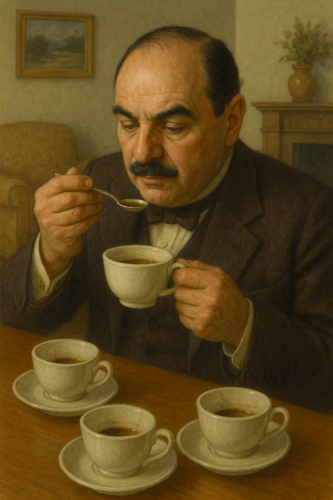
With infinite care, he took a drop or two from the grounds in each cup, sealing them up in separate test tubes, tasting each in turn as he did so.
His physiognomy underwent a curious change.
An expression gathered there that I can only describe as half puzzled, and half relieved.
彼は|細心の|注意を|払って、|各|カップの|底に|残った|液体を|一滴か|二滴|取り、|それぞれを|別々の|試験管に|入れながら、|同時に|その味を|ひとつずつ|確認した。
彼の|顔つきが|妙に|変わり始めた。
それは|困惑半分、|安堵半分|としか、|私には|言いようが|なかった。
“Bien!” he said at last.
“It is evident! I had an idea—but clearly I was mistaken. Yes, altogether I was mistaken. Yet it is strange. But no matter!”
「ビヤン(よし)!」と、|彼は|最後に|言った。
「これで|はっきりした!||私の|考えていたことは、|どうやら|間違っていた|ようだ。||そうだ、|完全に|間違っていた。||しかし、|妙だな。||だが、|それは|大したことでは|ない!」
And, with a characteristic shrug, he dismissed whatever it was that was worrying him from his mind.
I could have told him from the beginning that this obsession of his over the coffee was bound to end in a blind alley, but I restrained my tongue.
After all, though he was old, Poirot had been a great man in his day.
そして|彼|特有の|肩を|すくめる|仕草を|して、|ずっと|彼を|悩ませていたものを|頭から|払い除けた。
私は、|彼が|コーヒーに|こだわり|始めたときから、|その考えは|最後には|行き詰まると|いうことも|できたのだが、|それを|口にするのは|やめておいた。
要するに、|ポワロは|年老いた|とはいえ、|かつては|偉大な|人物|だったのだから。

“Breakfast is ready,” said John Cavendish, coming in from the hall.
“You will breakfast with us, Monsieur Poirot?”
「朝食が|できたよ」と、|ジョン=キャヴンディッシュが|廊下から|入ってきながら|言った。
「ムッシュー=ポワロも|朝食を|ご一緒に|いかがですか?」
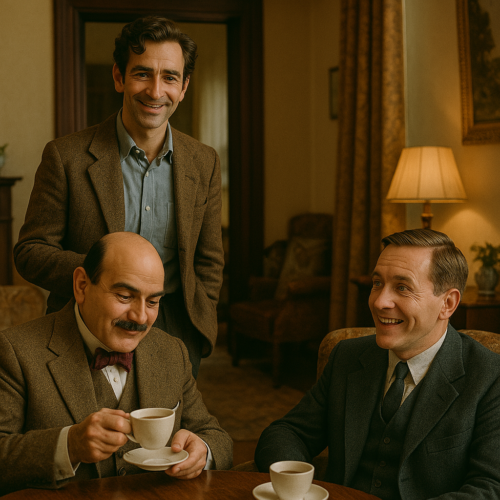
Poirot acquiesced.
I observed John. Already he was almost restored to his normal self. The shock of the events of the last night had upset him temporarily, but his equable poise soon swung back to the normal.
He was a man of very little imagination, in sharp contrast with his brother, who had, perhaps, too much.
ポワロは|大人しく|従った。
私は|ジョンを|よく|見た。||彼は|すでに|いつもの|自分に|ほぼ|戻っていた。||昨夜の|出来事の|ショックは|一時的に|彼を|動揺|させたが、|彼の|落ち着いた|姿勢が|すぐに|普段の|状態に|戻したのだろう。
彼は|全く|想像力|というものが|乏しい|人物で、|弟とは|極めて|対照的|だった。||弟の|方は、|おそらく|想像力が|豊かすぎるのだ。
Ever since the early hours of the morning, John had been hard at work, sending telegrams—one of the first had gone to Evelyn Howard—writing notices for the papers, and generally occupying himself with the melancholy duties that a death entails.
夜が|明けて|早い|時間から|ずっと、|ジョンは|忙しく|動いていた。
電報を|送ったり、| 最初の|一通は|エヴリン=ハワード|宛て|だった。|| 新聞に|載せる|死亡広告を|書いたり、|概して|死に|まつわる|憂うつな|雑事に|追われて|時間を|過ごしていた。
“May I ask how things are proceeding?” he said.
“Do your investigations point to my mother having died a natural death—or—or must we prepare ourselves for the worst?”
「調査の|進展状況を|伺っても|よろしいでしょうか?」と、|彼は|尋ねた。
「あなたが|調査した|ところでは、|母は|自然死を|遂げた|可能性が|高いのか、|それとも、|最悪の|事態を|覚悟|しなければ|ならないのでしょうか?」
“I think, Mr. Cavendish,” said Poirot gravely, “that you would do well not to buoy yourself up with any false hopes. Can you tell me the views of the other members of the family?”
「私が|思うに、|ミスター=キャヴンディッシュ」と、|ポワロは|真剣な|様子で|言った。
「誤った|希望は|抱かないほうが|よいかと|思います。||ご家族の|他の|方々は、|どのように|考えて|いらっしゃるのか|教えて|いただけますか?」
“My brother Lawrence is convinced that we are making a fuss over nothing. He says that everything points to its being a simple case of heart failure.”
「弟の|ローレンスは、|些細な|ことで、|大騒ぎする|ほどの|ことではないと|確信|しています。||すべてが|単純な|心不全の|ケースを|示していると、|彼は|言っています」
A faint cloud passed over John’s face.
ジョンの|顔に|かすかな|陰りが|よぎった。
“I have not the least idea what my wife’s views on the subject are.”
「妻が|この件に|ついて|どう|考えているか、|まったく|分かりません」
The answer brought a momentary stiffness in its train.
John broke the rather awkward silence by saying with a slight effort:
その|答えは|一瞬|気まずい|空気を|もたらした。
ジョンは|その|落ち着かない|雰囲気を|取り払おうと、|少し|気を|遣って|言った。
“I told you, didn’t I, that Mr. Inglethorp has returned?”
「そういえば|お話し|しましたよね。||ミスター=イングルソープが|戻ってきたと」
Poirot bent his head.
ポワロは|静かに|うなずいた。
“It’s an awkward position for all of us.
Of course one has to treat him as usual—but, hang it all, one’s gorge does rise at sitting down to eat with a possible murderer!”
「私たち|全員に|とって|気まずい|状況ですよ。||もちろん、|普段どおり|彼と|接しなければ|ならないことは|分かっています。||しかし、|どうにも|我慢|できませんよ。||殺人犯|かもしれない|人間と|一緒に|食卓に|座るなんて、|誰しも|吐き気が|します!」
Poirot nodded sympathetically.
ポワロは|同情|するように|うなずいた。
“I quite understand.
It is a very difficult situation for you, Mr. Cavendish.
I would like to ask you one question.
Mr. Inglethorp’s reason for not returning last night was, I believe, that he had forgotten the latch-key. Is not that so?”
「よく|分かります。||それは|とても|難しい|状況ですね、|ミスター=キャヴンディッシュ。||一つ|お伺い|したいのですが。||昨夜、|ミスター=イングルソープが|戻らなかった|理由は、|玄関の|鍵を|忘れたからだと|聞きましたが、|そうですよね?」
“Yes.”
「ええ」
“I suppose you are quite sure that the latch-key was forgotten—that he did not take it after all?”
「あなたは|鍵が|忘れられていた|ことに|疑いを|持って|おられない|ようですね。||やはり、|彼は|鍵を|持って|いかなかったと?」
“I have no idea. I never thought of looking.
We always keep it in the hall drawer. I’ll go and see if it’s there now.”
「鍵を|見てみようとは|考えても|いませんでした。||いつも|玄関の|引き出しに|置いてあるので、|そこを|確認|してみます」
Poirot held up his hand with a faint smile.
ポワロは|微笑みながら|手を|上げて|止めた。
“No, no, Mr. Cavendish, it is too late now.
I am certain that you would find it.
If Mr. Inglethorp did take it, he has had ample time to replace it by now.”
「いえいえ、|ミスター=キャヴンディッシュ。||今となっては|もう|遅すぎます。||おそらく|鍵は|そこに|あるでしょう。||もし|ミスター=イングルソープが|持って|としても、|今の|時点では|十分に|戻しておく|時間が|あったはずです」
“But do you think——”
「では、|あなたの|お考えは」
“I think nothing.
If anyone had chanced to look this morning before his return, and seen it there, it would have been a valuable point in his favour.
That is all.”
「私は|何も|考えて|いません。||もし|誰かが|今朝、|彼が|戻る|前に|引き出しを|見て、|鍵が|そこに|あるのを|確認|していれば、|それは|彼の|無実を|裏付ける|重要な|証拠に|なったでしょう。||それだけです」
John looked perplexed.
ジョンは|困ったような|表情を|浮かべた。
“Do not worry,” said Poirot smoothly.
“I assure you that you need not let it trouble you.
Since you are so kind, let us go and have some breakfast.”
「心配は|いりませんよ」と、|ポワロは|サラッと|言った。
「あなたが|気に病む|必要は|ありません。||それよりも、|せっかくですから|朝食を|いただきに|参りましょう」
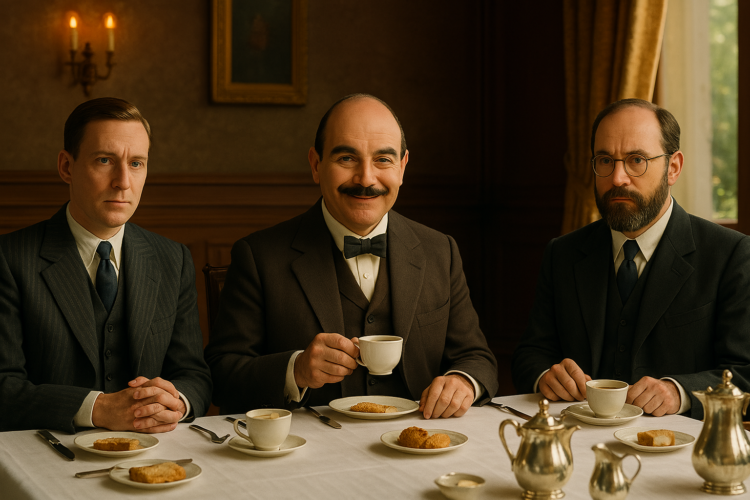
Everyone was assembled in the dining-room.
Under the circumstances, we were naturally not a cheerful party. The reaction after a shock is always trying, and I think we were all suffering from it.
Decorum and good breeding naturally enjoined that our demeanour should be much as usual, yet I could not help wondering if this self-control were really a matter of great difficulty.
There were no red eyes, no signs of secretly indulged grief.
I felt that I was right in my opinion that Dorcas was the person most affected by the personal side of the tragedy.
私たちは|全員|食堂に|集まった。
このような|状況では、|当然ながら|楽しい|雰囲気では|なかった。
ショックの|後の|反動は|いつも|つらいもので、|私たち|全員が|それを|感じていた|ように|思う。
礼儀作法と|育ちの|良さから、|私たちは|普段と|変わらない|振る舞いを|すべきであるが、|しかしながら、|この|自制心は|本当に|困難な|ことなのか、|私は|疑問に|思わずには|いられなかった.
泣き腫らした|目も|なく、|ひそかに|悲しみに|暮れた|形跡も|なかった。
今回の|悲劇を|個人的に|最も|心を|痛めているのは|ドーカス|である|という|私の|見立ては|正しいと|感じた。
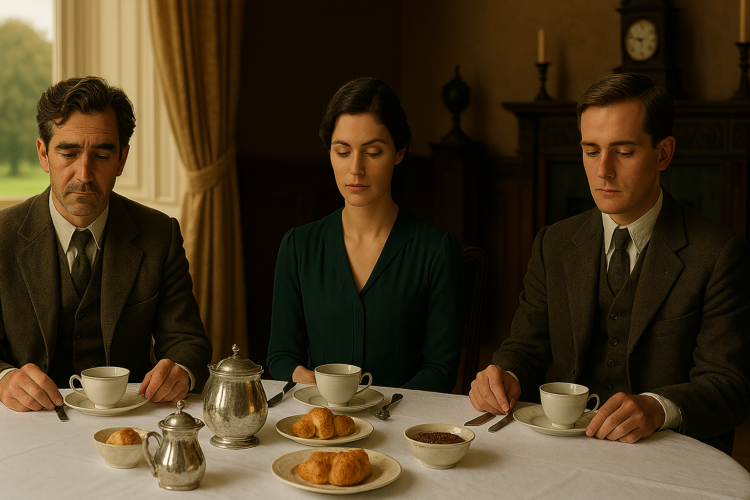
I pass over Alfred Inglethorp, who acted the bereaved widower in a manner that I felt to be disgusting in its hypocrisy.
Did he know that we suspected him, I wondered.
Surely he could not be unaware of the fact, conceal it as we would.
Did he feel some secret stirring of fear, or was he confident that his crime would go unpunished?
Surely the suspicion in the atmosphere must warn him that he was already a marked man.
アルフレッド=イングルソープに|ついては|触れないことに|するが、|彼は|喪に服す|夫を|演じていて、|私は|その|偽善的な|行いに|嫌悪感を|覚えた。
私たちが|彼を|疑っている|ことが|わかって|いるのだろうか。
私たちと|同じように|隠そうと|していた|としても、|彼が|そのことに|気がつかない|はずは|ないだろう。
彼は|何か|密かに|近づいている|恐怖を|感じて|いるのか、|それとも|自分の|犯罪が|罰せられる|ことは|ない|という|自信を|持っているのか?。
この|空気の|中に|漂う|疑惑は、|彼が|すでに|容疑者で|あることを|警告|しているに|違いないのだ。
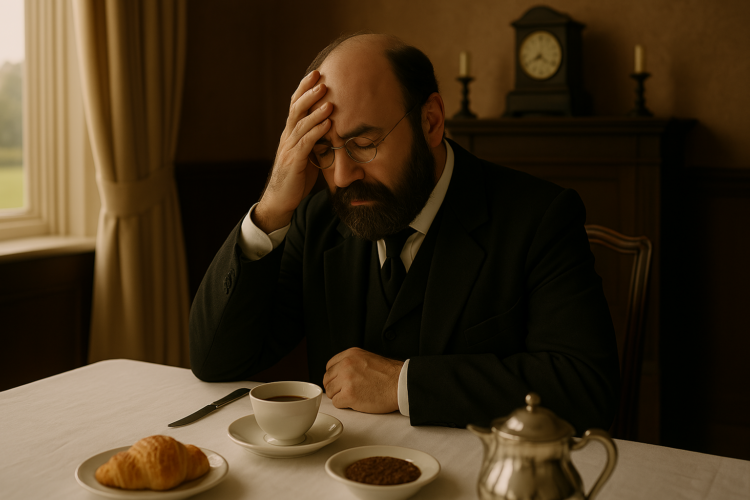
But did everyone suspect him?
What about Mrs. Cavendish?
I watched her as she sat at the head of the table, graceful, composed, enigmatic. In her soft grey frock, with white ruffles at the wrists falling over her slender hands, she looked very beautiful.
When she chose, however, her face could be sphinx-like in its inscrutability.
She was very silent, hardly opening her lips, and yet in some queer way I felt that the great strength of her personality was dominating us all.
しかし、|誰もが|彼を|疑って|いるのだろうか?
ミセス=キャヴンディッシュは|どうだろう?
私は|彼女が|食卓の|上座に|座る|姿を|見つめた。||優雅で、|落ち着いていて、|謎めいている。||柔らかな|グレーの|ドレスに|身を包み、|細い|手首には|白い|フリルが|かかっている。||とても|美しかった。
しかし、|彼女が|その気になれば、|その顔は|スフィンクスの|ように|不可解な|表情を|見せることが|できる。
彼女は|非常に|無口で、|ほとんど|口を|開かずにいた。||それでも、|奇妙なことに|彼女の|強い|個性が|私たち|全員を|支配している|ように|感じられた。
And little Cynthia? ||Did she suspect?
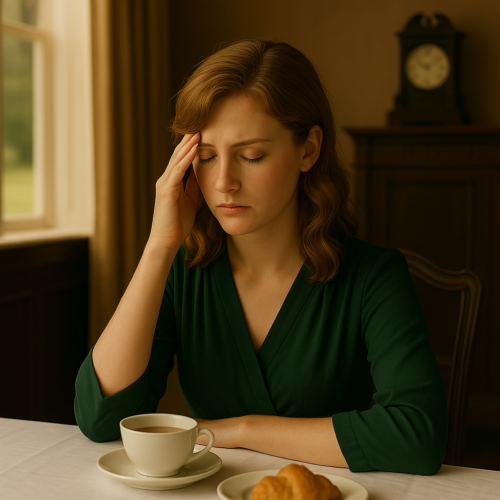
She looked very tired and ill, I thought.
The heaviness and languor of her manner were very marked.
I asked her if she were feeling ill, and she answered frankly:
そして、|可愛い|シンシアは?
彼女も|疑って|いるのだろうか?
彼女は|とても|疲れていて、|具合が|悪そうに|見えた。
そのしぐさは|辛そうで|けだるいことは|明らかだった。
私は|彼女に|気分が|悪いのかと|尋ねた。||彼女は|素直に|答えた。

“Yes, I’ve got the most beastly headache.”
「ええ、|ひどい|頭痛が|するの」
“Have another cup of coffee, mademoiselle?” said Poirot solicitously.
“It will revive you. It is unparalleled for the mal de tête.”
「もう一杯|コーヒーを|いかがですか、|マドモワゼル?」と、|ポワロが|心配そうに|言った。
「元気が|出ますよ。||頭痛には、|他に|ないくらい|よく|効きますよ」
He jumped up and took her cup.
彼は|さっと|立ち上がり、|彼女の|カップを|取った。
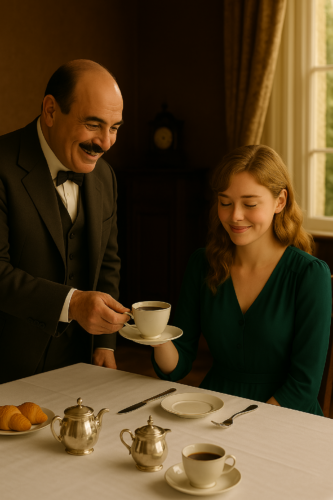
“No sugar,”
「お砂糖は|結構です」
said Cynthia, watching him, as he picked up the sugar-tongs.
シンシアは、|ポワロが|砂糖ばさみを|手にするのを|見ながら|言った。
“No sugar? You abandon it in the war-time, eh?”
「砂糖|なし?|| えっ、|戦時中|だから|やめたのですか?」
“No, I never take it in coffee.”
「いいえ、|コーヒーには|もともと|入れないんです」
“Sacré!” murmured Poirot to himself, as he brought back the replenished cup.
「サクレ(なんと)!」と、|ポワロは|つぶやいて、|コーヒーを|注いだ|カップを|持って|戻ってきた。
Only I heard him, and glancing up curiously at the little man I saw that his face was working with suppressed excitement, and his eyes were as green as a cat’s.
He had heard or seen something that had affected him strongly—but what was it?
I do not usually label myself as dense, but I must confess that nothing out of the ordinary had attracted my attention.
ポワロの|呟き声を|聞いたのは|私|だけだった。||そして、|好奇心から|彼を|見上げると、|その顔は|抑えきれない|ほど|興奮した|表情で、|目は|まるで|猫のように|緑色に|輝いていた。
彼は|何かを|聞いたか、|または|見たのか、|強く|心を|動かされた|ようだ。||だが、|それは|何だったのか?
私は|普段|自分を|鈍感だとは|思って|いないが、|正直言って、|特に|興味を|惹かれる|ような|ものには|気づかなかった。
In another moment, the door opened and Dorcas appeared.
次の|瞬間、|ドアが|開いて|ドーカスが|現れた。

“Mr. Wells to see you, sir,” she said to John.
「<ミスター=ウェルズ>が|お会いしたい|そうです」と、|ジョンに|言った。
I remembered the name as being that of the lawyer to whom Mrs. Inglethorp had written the night before.
John rose immediately.
その|名前を、|前夜|ミセス=イングルソープが|手紙を|書いた|弁護士|として|思い出した。
ジョンは|すぐに|立ち上がった。
“Show him into my study.”
「彼を|私の|書斎に|通してくれ」と、|言った。
Then he turned to us.
それから|私たちに|向き直った。
“My mother’s lawyer,” he explained.
「母の|弁護士|です」と、|彼は|説明した。
And in a lower voice:
そして|小声で|こう|続けた。
“He is also Coroner—you understand. Perhaps you would like to come with me?”
「彼は|検死官|でも|あります。||わかりますよね。||よければ|一緒に|来ますか?」
We acquiesced and followed him out of the room.
John strode on ahead and I took the opportunity of whispering to Poirot:
私たちは|同意して、|彼の|あとに|ついて|部屋を|出た。
ジョンが|先を|急いで|歩く|中、|私は|ポワロに|ささやくことが|できた。
“There will be an inquest then?”
「これから|検死審問が|行われるんだね?」
Poirot nodded absently.
He seemed absorbed in thought; so much so that my curiosity was aroused.
ポワロは|ぼんやりとして|うなずいた。
彼は|何か|考え込んで|いる|ようで、|私は|興味が|湧いた。
“What is it? You are not attending to what I say.”
「どうしたんだい? ||僕の|話を|聞いてないね」
“It is true, my friend. I am much worried.”
「そうなんだ、|君。||私は|とても|気にかかっている|ことが|あるんだ」
“Why?”
「何が?」
“Because Mademoiselle Cynthia does not take sugar in her coffee.”
「マドモワゼル=シンシアが|コーヒーに|砂糖を|入れない|ということだ」
“What? You cannot be serious?”
「何だって? ||冗談だろ?」
“But I am most serious. Ah, there is something there that I do not understand. My instinct was right.”
「いや、|私は|極めて|真剣なんだ。||ああ、|そこには|私が|理解|できない|何かが|ある。||私の|直感は|正しかったのだ」
“What instinct?”
「直感って?」
“The instinct that led me to insist on examining those coffee-cups.
Chut! no more now!”
「コーヒーカップを|調べることを|主張した|あの|直感だよ。||シーッ!|| 今は|これ以上は|黙って!」
We followed John into his study, and he closed the door behind us.
私たちは|ジョンに|続いて|彼の|書斎に|入り、|彼が|ドアを|閉めた。
Mr. Wells was a pleasant man of middle-age, with keen eyes, and the typical lawyer’s mouth.
John introduced us both, and explained the reason of our presence.
ミスター=ウェルズは|中年の|感じの|良い|男性で、|鋭い|目を|持ち、|典型的な|弁護士|らしい|口元を|していた。
ジョンが|私たちを|紹介し、|私たちが|同席|している|理由を|説明|してくれた。

“You will understand, Wells,” he added,“that this is all strictly private. We are still hoping that there will turn out to be no need for investigation of any kind.”
「ミスター=ウェルズ、|分かって|いただけると|思いますが」と、|彼は|続けた。
「これは|全て|極めて|内密の|話です。||私たちは|未だ、|いかなる|調査も|せずに|済むことを|望んでいるのです」

“Quite so, quite so,” said Mr. Wells soothingly.
“I wish we could have spared you the pain and publicity of an, but of course it70’s quite unavoidable in the absence of a doctor’s certificate.”
「まったく、|その通りです」と、|ミスター=ウェルズは|なだめるように|言った。
「お辛い時に|公の場|での|審問を|避けることが|できれば|良かった|のですが、|医師の|死亡診断書が|ない以上、|もちろん|これは|避けられません」
“Yes, I suppose so.”
「ええ、|そうでしょうね」
“Clever man, Bauerstein. Great authority on toxicology, I believe.”
「ドクター=バウアースタインは|賢明な|方です。||毒物学の|権威者|だと|聞いています」
“Indeed,” said John with a certain stiffness in his manner.
「そうですか」と、|ジョンは|どこか|よそよそしい|口調で|答えた。
Then he added rather hesitatingly:
そして、|やや|ためらいながら|こう|付け加えた。
“Shall we have to appear as witnesses—all of us, I mean?”
「私たちは|証人として|出廷する|必要が|あるのでしょうか。||つまり、|その、|私たち|全員が?」
“You, of course—and ah—er—Mr.—er—Inglethorp.”
「あなたは|もちろん。||それと、|ああ、|そのう、|ミスター=イングルソープも|ですね」
A slight pause ensued before the lawyer went on in his soothing manner:
わずかな|沈黙の|後、|弁護士は|安心|させるような|口調で|話を|続けた。
“Any other evidence will be simply confirmatory, a mere matter of form.”
「他の|証言は|単なる|補強的な|もので、|形式的な|ものに|過ぎません」
“I see.”
「なるほど」
A faint expression of relief swept over John’s face.
It puzzled me, for I saw no occasion for it.
ジョンの|顔に|かすかな|安堵の|表情が|浮かんだ。
なぜ|そのような|表情を|浮かべるのか|不思議だった。
私は|安心|している|場合では|ないと|思ったからだ。
“If you know of nothing to the contrary,” pursued Mr. Wells,
“I had thought of Friday. That will give us plenty of time for the doctor’s report. The post-mortem is to take place tonight, I believe?”
「特に|異存が|なければ」と、|ミスター=ウェルズは|話を|続けた。
「金曜日を|考えています。||それまでに|医師の|報告を|受けるのに|十分な|時間が|ありますので。||検死解剖は|今夜|行われると|聞いていますが?」
“Yes.”
「はい」
“Then that arrangement will suit you?”
「それで|よろしいでしょうか?」
“Perfectly.”
「結構です」
“I need not tell you, my dear Cavendish, how distressed I am at this most tragic affair.”
「言うまでも|ありませんが、|ミスター=キャヴンディッシュ。||今回の|なんとも|痛ましい|事件は、|本当に|悲しい恨り|ですな」
“Can you give us no help in solving it, monsieur?” interposed Poirot, speaking for the first time since we had entered the room.
「解決|するために|教えて|いただければ、|ムッシュ?」と、|初めて|ポワロが|口を|挟んだ。||私たちは、|部屋に|入ってから|それまで|沈黙|していたのだ。
“I?”
「私が?」
“Yes, we heard that Mrs. Inglethorp wrote to you last night. You should have received the letter this morning.”
「ええ、|ミセス=イングルソープが|昨夜|あなたに|手紙を|書いたと|聞いています。||その|手紙は|今朝|届いた|はずです」
“I did, but it contains no information. It is merely a note asking me to call upon her this morning, as she wanted my advice on a matter of great importance.”
「届きましたが、|特に|お役に|立つような|内容は|書いて|ありませんでしたよ。|ただ、|今朝|彼女の|もとに|来てほしい|というだけで、|大事な|件について|相談したい|との|ことでした」

“She gave you no hint as to what that matter might be?”
「その件とは|何の|ことでしょう。||何か|手がかりは?」
“Unfortunately, no.”
「残念ながら、|何も」

“That is a pity,” said John.
「それは|残念だ」と、|ジョンが|言った。
“A great pity,” agreed Poirot gravely.
「とても|残念です」と、|ポワロは|深刻に|同意した。
There was silence.
Poirot remained lost in thought for a few minutes.
Finally he turned to the lawyer again.
沈黙が|訪れた。
ポワロは|しばらく|考え込んで|いたが、|ようやく|再び|弁護士の|方に|顔を|向けた。
“Mr. Wells, there is one thing I should like to ask you—that is, if it is not against professional etiquette.
In the event of Mrs. Inglethorp’s death, who would inherit her money?”
「ミスター=ウェルズ、|一つ|お伺いしたい|ことが|あります。||もし|それが|職務上の|倫理に|反しないので|あればの|話ですが。
ミセス=イングルソープが|亡くなった|場合、|彼女の|財産は|誰が|相続|するのでしょうか?」
The lawyer hesitated a moment, and then replied:
弁護士は|一瞬|ためらった|後に|答えた。
“The knowledge will be public property very soon, so if Mr. Cavendish does not object——”
「その|情報は|すぐに|公に|なるものですから、|もし|ミスター=キャヴンディッシュが|異議が|なければ」
“Not at all,” interpolated John.
「全く|構いません」と、|ジョンが|口を|挟んだ。
“I do not see any reason why I should not answer your question. By her last will, dated August of last year, after various unimportant legacies to servants, etc., she gave her entire fortune to her stepson, Mr. John Cavendish.”
「では、|質問に|お答えしても|問題|ないと|思います。||昨年の|8月に|作成された|最後の|遺言に|よりますと、|使用人たち|などへの|いくつかの|些細な|遺贈を|除いて、|彼女の|全財産は|義理の|息子である|ジョン=キャヴンディッシュに|譲られる|ことに|なっています」
“Was not that—pardon the question, Mr. Cavendish—rather unfair to her other stepson, Mr. Lawrence Cavendish?”
「それは、|失礼ながら、|ミスター=キャヴンディッシュ、|もう一人の|息子である|ローレンス=キャヴンディッシュ|にとって、|少々|不公平|では|ありませんか?」
“No, I do not think so.
You see, under the terms of their father’s will, while John inherited the property, Lawrence, at his stepmother’s death, would come into a considerable sum of money.
Mrs. Inglethorp left her money to her elder stepson, knowing that he would have to keep up Styles.
It was, to my mind, a very fair and equitable distribution.”
「いいえ、|そうは|思いません。||というのも、|彼らの|父親の|遺言に|基づくと、|ジョンが|不動産を|相続する|一方で、|ローレンスは|継母の|死後に|かなりの|金額を|受け取ることに|なっているからです。||ミセス=イングルソープが|ジョンに|財産を|遺したのは、|彼が|スタイルズを|維持する|必要が|あることを|考えての|ことです。
私としては、|極めて|公平で|妥当な|分配|だと|思ってます」
Poirot nodded thoughtfully.
ポワロは|考え込んで|頷いた。
“I see. But I am right in saying, am I not, that by your English law that will was automatically revoked when Mrs. Inglethorp remarried?”
「なるほど。|しかし、|正しいか|どうか|わかりませんが、|イギリスの|法律では、|ミセス=イングルソープが|再婚した|時点で|その|遺言は|自動的に|無効に|なったのでは?」
Mr. Wells bowed his head.
ミスター=ウェルズは|静かに|うなづいた。
“As I was about to proceed, Monsieur Poirot, that document is now null and void.”
「ちょうど|その話を|しようと|していた|ところです、|ムッシュー=ポワロ。||その|遺言書は|現在、|無効と|なっています」
“Hein!” said Poirot.
「アン(えっ)!」と、|ポワロは|言った。
He reflected for a moment, and then asked:
そして、|しばらく|考え込んだ|後、|再び|尋ねた。
“Was Mrs. Inglethorp herself aware of that fact?”
「ミセス=イングルソープ|ご自身も、|その|事実を|ご存知でしたか?」
“I do not know. She may have been.”
「分かりませんが、|ご存知だった|かもしれませんね」
“She was,” said John unexpectedly.
“We were discussing the matter of wills being revoked by marriage only yesterday.”
「知っていましたよ」と、|思いがけなく|ジョンが|言った。
「遺言が|結婚|によって|無効になる|という|話を、|ちょうど|昨日|していたんです」
“Ah! One more question, Mr. Wells.
You say ‘her last will.’
Had Mrs. Inglethorp, then, made several former wills?”
「ほう!||もう一つ|質問が|あります、|ミスター=ウェルズ。||あなたは|『彼女の|最後の|遺言』と、|おっしゃいましたね。||そうすると、ミセス=イングルソープは、|それ以前に|いくつか|遺言を|作っておられた?」
“On an average, she made a new will at least once a year,” said Mr. Wells imperturbably.
“She was given to changing her mind as to her testamentary dispositions, now benefiting one, now another member of her family.”
「平均すると、|彼女は|少なくとも|毎年|一度は|新しい|遺言を|作って|おられましたね」と、|ミスター=ウェルズは|冷静に|答えた。
「彼女は|遺産の|配分に|ついていえば、|心変わり|することが|多くて、|ある時は|家族の|誰か|一人に|有利に、|また|ある時は|別の|誰かに、|というような|具合でした」
“Suppose,” suggested Poirot,
“that, unknown to you, she had made a new will in favour of someone who was not, in any sense of the word, a member of the family—we will say Miss Howard, for instance—would you be surprised?”
「もし|仮に|ですよ」と、|ポワロは|遠回しに|言った。
「あなたの|知らない|ところで、|どう|考えても|家族とは|言えない|誰かに、|例えば、|ミス=ハワードに|遺産を|残す|という|新しい|遺言を|彼女が|作成|していた|としたら、|あなたは|驚かれるでしょうか?」
“Not in the least.”
「いや、|まったく」
“Ah!”
「ほう!」
Poirot seemed to have exhausted his questions.
ポワロは|質問を|し尽くした|ようだった。
I drew close to him, while John and the lawyer were debating the question of going through Mrs. Inglethorp’s papers.
ジョンと|弁護士が|ミセス=イングルソープの|書類を|調べるか|どうか|議論している|間に、|私は|ポワロに|近づいた。
“Do you think Mrs. Inglethorp made a will leaving all her money to Miss Howard?”
I asked in a low voice, with some curiosity.
「ミセス=イングルソープは、|ミス=ハワードに|全財産を|遺す|遺言を|作った|とでも|考えているのかい?」と、|私は|小声で、|興味深げに|尋ねた。
Poirot smiled.
ポワロは|微笑んだ。
“No.”
「いや」
“Then why did you ask?”
「それなら、|なぜ|そんなことを|聞いたんだ?」
“Hush!”
「静かに!」
John Cavendish had turned to Poirot.
ジョン=キャヴンディッシュが|ポワロの|方を|向いた。
“Will you come with us, Monsieur Poirot?
We are going through my mother’s papers.
Mr. Inglethorp is quite willing to leave it entirely to Mr. Wells and myself.”
「ムッシュー=ポワロ、|一緒に|来ていただけますか?||私たちは|母の|書類を|調べることに|します。||ミスター=イングルソープは、|ミスター=ウェルズと|私に|すべて|任せても|まったく|かまわない|そうなんで」
“Which simplifies matters very much,” murmured the lawyer.
“As technically, of course, he was entitled——”
「それなら|話が|とても|簡単に|なりますね」と、|弁護士が|つぶやいた。
「もちろん、|形式的には|彼も|権利を|持っていたのですが」
He did not finish the sentence.
彼は|言葉を|最後まで|言わなかった。
“We will look through the desk in the boudoir first,” explained John, “and go up to her bedroom afterwards. She kept her most important papers in a purple despatch-case, which we must look through carefully.”
「まず、|斎の|机を|調べてから、|彼女の|寝室に|上がります」と、|ジョンが|説明した。
「彼女は|最も|重要な|書類を|紫の|書類カバンに|保管|していたので、|それを|慎重に|調べなければ|なりません」
“Yes,” said the lawyer,
“it is quite possible that there may be a later will than the one in my possession.”
「そうですね」と、|弁護士が|言った。
「私の|手元に|あるものより|新しい|遺言が|ある|可能性は|十分に|あります」
“There is a later will.”
「新しい|遺言が|ありますよ」
It was Poirot who spoke.
そう|言ったのは|ポワロ|だった。
“What?”
「何だって?」
John and the lawyer looked at him startled.
ジョンと|弁護士は|驚いて|ポワロを|見た。
“Or, rather,” pursued my friend imperturbably,“there was one.”
「いや、むしろ」と、|私の|友人は|冷静に|続けた。
「ありました」
“What do you mean—there was one?
Where is it now?”
「どういう|意味|ですか、|あった、|とは?」
「それは|今どこに?」
“Burnt!”
「燃やされました!」
“Burnt?”
「燃やされた?」
“Yes. See here.”
「そうです。これを|見てください」
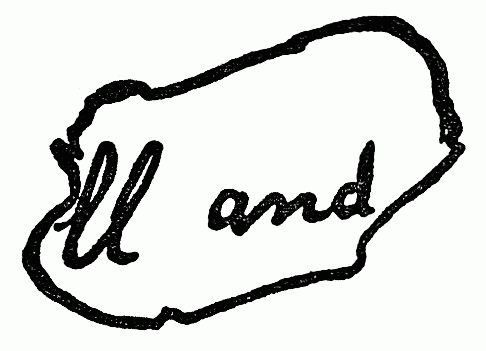
He took out the charred fragment we had found in the grate in Mrs. Inglethorp’s room, and handed it to the lawyer with a brief explanation of when and where he had found it.
ポワロは、|ミセス=イングルソープの|部屋の|暖炉で|見つけた|焦げた|断片を|取り出し、|それを|いつ、|どこで|見つけたのかを|簡単に|説明して|弁護士に|手渡した。
“But possibly this is an old will?”
「しかし、|ひょっとしたら、|これは|古い|遺言書|なのでは?」
“I do not think so.
In fact I am almost certain that it was made no earlier than yesterday afternoon.”
「そうは|思いません。||実際、|昨日の|午後|以前に|作られた|ものでない|ことは|ほぼ|確実です」
“What?” “Impossible!” broke simultaneously from both men.
「何ですって?」||「そんなはずは|ない!」と、|二人の|男が|同時に|叫んだ。
Poirot turned to John.
ポワロは|ジョンに|向き直った。
“If you will allow me to send for your gardener, I will prove it to you.”
「もし|庭師を|呼んで|いただければ、|それを|証明して|差し上げますよ」
“Oh, of course—but I don’t see——”
「もちろん|構わないが、|どういう|ことだか、|私には」
Poirot raised his hand.
ポワロは|手で|ジョンを|止めた。
“Do as I ask you. Afterwards you shall question as much as you please.”
「申し上げた|通りに|していただければ、|その後で|お好きなだけ|質問|していただいて|結構です」
“Very well.”
「分かった」
He rang the bell.
Dorcas answered it in due course.
ジョンは|ベルを|鳴らした。
やがて|ドーカスが|応じて|現れた。
“Dorcas, will you tell Manning to come round and speak to me here.”
「ドーカス、|<マニング>を|ここに|呼んでくれるか」

“Yes, sir.”
「はい、|旦那様」
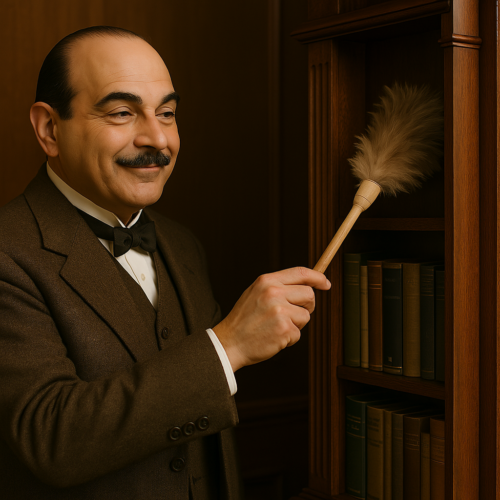
Dorcas withdrew.
We waited in a tense silence.
Poirot alone seemed perfectly at his ease, and dusted a forgotten corner of the bookcase.
ドーカスは|部屋を|出て行った。
私たちは|緊張した|沈黙の|中で|待った。
ポワロ|だけは|まったく|落ち着いていて、|本棚の|忘れ去られた|隅の|埃を|払っていた。
The clumping of hobnailed boots on the gravel outside proclaimed the approach of Manning.
John looked questioningly at Poirot.
The latter nodded.
外から、|砂利道を|歩く|鋲付きの|ブーツの|音が|響き、|マニングが|来ているのが|わかった。
ジョンは|何か|聞きたげに|ポワロを|見た。
ポワロは|頷いた。
“Come inside, Manning,” said John,“I want to speak to you.”
「中に|入ってくれ、|マニング」と、|ジョンが|言った。||「君と|話が|したいんだ」
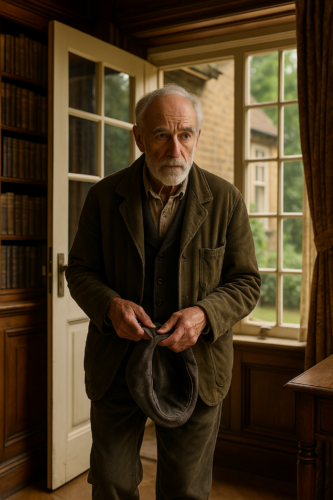
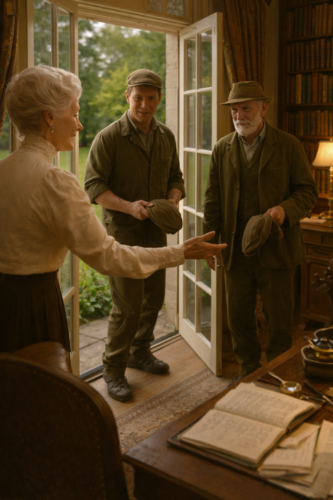
Manning came slowly and hesitatingly through the French window, and stood as near it as he could.
He held his cap in his hands, twisting it very carefully round and round.
His back was much bent, though he was probably not as old as he looked, but his eyes were sharp and intelligent, and belied his slow and rather cautious speech.
マニングは|フランス窓を|通って、|ゆっくりと|ためらいがちに|中に|入ってきた。||そして、|できるだけ|窓の|近くに|立った。
彼は|帽子を|手で|持つと、|とても|丁寧に|くるくると|ひねった。
背中は|かなり|曲がっていたが、|実際には|見た目ほど|年を|取っては|いないだろう。||しかし、|その|目は|鋭く|知的で、|おどおどした|用心深い|話し方とは|対照的|だった。
“Manning,” said John,“this gentleman will put some questions to you which I want you to answer.”
「マニング」と、|ジョンが|言った。
「こちらの|紳士が|君に|いくつか|質問を|するから、|答えて|欲しい」
“Yessir,”mumbled Manning.
「はい、|旦那様」と、|マニングは|ぼそっと|答えた。
Poirot stepped forward briskly.
Manning’s eye swept over him with a faint contempt.
ポワロは|素早く|前に|進み出た。
マニングの|目が、|彼を|軽く|見下すように|流し見た。
“You were planting a bed of begonias round by the south side of the house yesterday afternoon, were you not, Manning?”
「昨日の|午後、|君は|家の|南側で|ベゴニアを|植えていたね、|マニング?」
“Yes, sir, me and Willum.”
「はい、|ワシと|<ウィラム>で」
“And Mrs. Inglethorp came to the window and called you, did she not?”
「それで、|ミセス=イングルソープが|窓から|呼びかけて|きたんだね?」
“Yes, sir, she did.”
「そうです、|旦那様」
“Tell me in your own words exactly what happened after that.”
「それから|何が|起きたのか、|君|自身の|言葉で|正確に|教えて|くれないか?」
“Well, sir, nothing much.
She just told Willum to go on his bicycle down to the village, and bring back a form of will, or such-like—I don’t know what exactly—she wrote it down for him.”
「そうですね、|旦那様、|大したことは|なかったです。||奥様は|ただ、|ウィラムに|自転車で|村に|行って、|遺言の|用紙か|何か|そんなものを|買って|来てくれと。||正確には|何か|よく|わかりませんが、|奥様が|それを|紙に|書いて|ウィラムに|渡されました」
“Well?”
「それで?」
“Well, he did, sir.”
「それで、|あいつは|そうしました、|旦那様」
“And what happened next?”
「その後は|どうしたんだね?」

“We went on with the begonias, sir.”
「ワシらは|ベゴニアの|続きを|やってました、|旦那様」
“Did not Mrs. Inglethorp call you again?”
「その後、|もう|一度、|奥様が|君らを|呼ばなかったかい?」
“Yes, sir, both me and Willum, she called.”
「そうです、|旦那様。||ワシと|ウィラムの|二人を|お呼びに|なられました」
“And then?”
「それで?」
“She made us come right in, and sign our names at the bottom of a long paper—under where she’d signed.”
「奥様は|ワシらを|すぐ|中に|入れて、|ワシらの|名前を|書いてくれと|おっしゃいました。||長い紙の|下の方に。||奥様の|サインの|下|です」
“Did you see anything of what was written above her signature?”asked Poirot sharply.
「君は、|奥様の|署名の|上の方に|書かれている|内容を|何か|見たかね?」と、|ポワロは|鋭く|尋ねた。
“No, sir, there was a bit of blotting paper over that part.”
「いいえ、|旦那様。||そこには|ちょうど|吸取紙が|置いてあったので」
“And you signed where she told you?”
「君は、|奥さまの|言う通りに|サイン|したのだね?」
“Yes, sir, first me and then Willum.”
「はい、|旦那様。||最初に|私が、|次に|ウィラムが」
“What did she do with it afterwards?”
「その後、|奥様は|それを|どうされましたか?」
“Well, sir, she slipped it into a long envelope, and put it inside a sort of purple box that was standing on the desk.”
「ええ、|旦那様。||それを|長い|封筒に|入れて|おられました。||それから、|机の|上に|置いて|おられた|紫色の|箱の|中に|しまわれました」
“What time was it when she first called you?”
「奥様が|最初に|君を|呼んだのは|何時|だったかな?」
“About four, I should say, sir.”
「たぶん、|4時|くらい|だったと|思います、|旦那様」
“Not earlier? Couldn’t it have been about half-past three?”
「もっと|早かった|ということは|ないかい?||3時半|ごろとか?」
“No, I shouldn’t say so, sir.It would be more likely to be a bit after four—not before it.”
「いや、|それは|ないです、|旦那様。||4時を|少し|過ぎていた|かもしれませんが、|それより|前|ということは|ないです」
“Thank you, Manning, that will do,” said Poirot pleasantly.
「ありがとう、|マニング。||それで|結構です」と、|ポワロは|愛想よく|言った。
The gardener glanced at his master, who nodded, whereupon Manning lifted a finger to his forehead with a low mumble, and backed cautiously out of the window.
We all looked at each other.
庭師は|主人の|ジョンを|チラッと|見て、|主人が|うなずくと、|すぐさま|低い|声で|ボソボソ|言いながら|額に|指を|当てて|挨拶し、|フランス窓から|恐る|恐る|出てていった。
私たちは|皆、|顔を|見合わせた。
“Good heavens!” murmured John.
“What an extraordinary coincidence.”
「なんてことだ!」と、|ジョンは|つぶやいた。
「なんて|奇妙な|偶然なんだ」
“How—a coincidence?”
「偶然|とは?」
“That my mother should have made a will on the very day of her death!”
「母が|亡くなった|その日に|遺言を|作ったなんて!」
Mr. Wells cleared his throat and remarked drily:
ミスター=ウェルズは|咳払いを|して、|そっけなく|言った。
“Are you so sure it is a coincidence, Cavendish?”
「それが|偶然だと|本当に|思っていますか、|ミスター=キャヴンディッシュ?」
“What do you mean?”
「どういう|意味ですか?」
“Your mother, you tell me, had a violent quarrel with—someone yesterday afternoon——”
「あなたは|母上が|誰かと|激しい|口論を|したと|言って|いましたね。||昨日の|午後、|誰かは|わかりませんが」
“What do you mean?” cried John again.
「どういう|ことですか?」と、|ジョンは|再び|叫んだ。
There was a tremor in his voice, and he had gone very pale.
その声には|震えが|あり、|彼の|顔は|真っ青に|なっていた。
“In consequence of that quarrel, your mother very suddenly and hurriedly makes a new will. The contents of that will we shall never know. She told no one of its provisions. This morning, no doubt, she would have consulted me on the subject—but she had no chance.The will disappears, and she takes its secret with her to her grave.Cavendish, I much fear there is no coincidence there.Monsieur Poirot, I am sure you agree with me that the facts are very suggestive.”
「その|口論の|結果、|あなたの|お母上は|時を|置かずして|大急ぎで|新しい|遺言書を|作成|されました。||その|遺言書の|内容に|ついては、|私たちは|決して|知ることが|できないでしょう。||彼女は|遺産の|分配|について、|誰にも|話して|おられなかった。||今朝、|彼女は|疑いなく|その件|について|私に|相談|しようと|していた|はずですが、|その|機会を|お持ちに|なることは|できませんでした。||遺言書は|消え、|その秘密を|彼女は|墓場まで|持っていかれたのです。||ミスター=キャヴンディッシュ、|これが|単なる|偶然では|ないことを、|私は|非常に|恐れています。||ムッシュー=ポワロ、|あなたも|この|事実は、|何か|意味が|ある|ことに|きっと|同意|されるでしょう」
“Suggestive, or not,” interrupted John,“we are most grateful to Monsieur Poirot for elucidating the matter.
But for him, we should never have known of this will.
I suppose, I may not ask you, monsieur, what first led you to suspect the fact?”
「意味が|あろうと|なかろうと」と、|ジョンが|口を|挟んだ。
「ムッシュー=ポワロが|この件を|明らかに|してくれた|ことに|対して、|とても|感謝|しているのです。||ムッシュー=ポワロが|いなかったら、|私たちは|この|遺言書の|ことを|知ることが|できませんでした。||ただ、|お聞きしても|よろしいでしょうか、|ムッシュー=ポワロ。||あなたに|その|事実を|気づかせたのは|何が|最初|だったのですか?」
Poirot smiled and answered:
ポワロは|微笑んで|答えた。
“A scribbled over old envelope, and a freshly planted bed of begonias.”
「落書きされた|古い|封筒と、|植えたばかりの|ベゴニアの|花壇です」
John, I think, would have pressed his questions further, but at that moment the loud purr of a motor was audible, and we all turned to the window as it swept past.
ジョンは|さらに|質問を|続けようと|したように|見えたが、|ちょうど|その時、|車の|大きな|音が|聞こえた。||私たちが|皆|窓の|外を|振り返ると、|車が|通り過ぎて|行った。
“Evie!” cried John.
“Excuse me, Wells.”
「エヴィー!」と、|ジョンが|叫んだ。
「失礼、|ミスター=ウェルズ」
He went hurriedly out into the hall.
Poirot looked inquiringly at me.
彼は|急いで|廊下に|出て行った。
ポワロは|私に|尋ねるような|視線を|向けた。
“Miss Howard,” I explained.
「ミス=ハワード|だよ」と、|私は|説明した。
“Ah, I am glad she has come.There is a woman with a head and a heart too, Hastings. Though the good God gave her no beauty!”
「おお、|彼女が|来てくれて|良かった。||知恵も|あれば|人情もある|女性が|いるものです、|ヘイスティングス。||神様は|彼女に|美くしさこそ|お与えに|ならなかったが!」
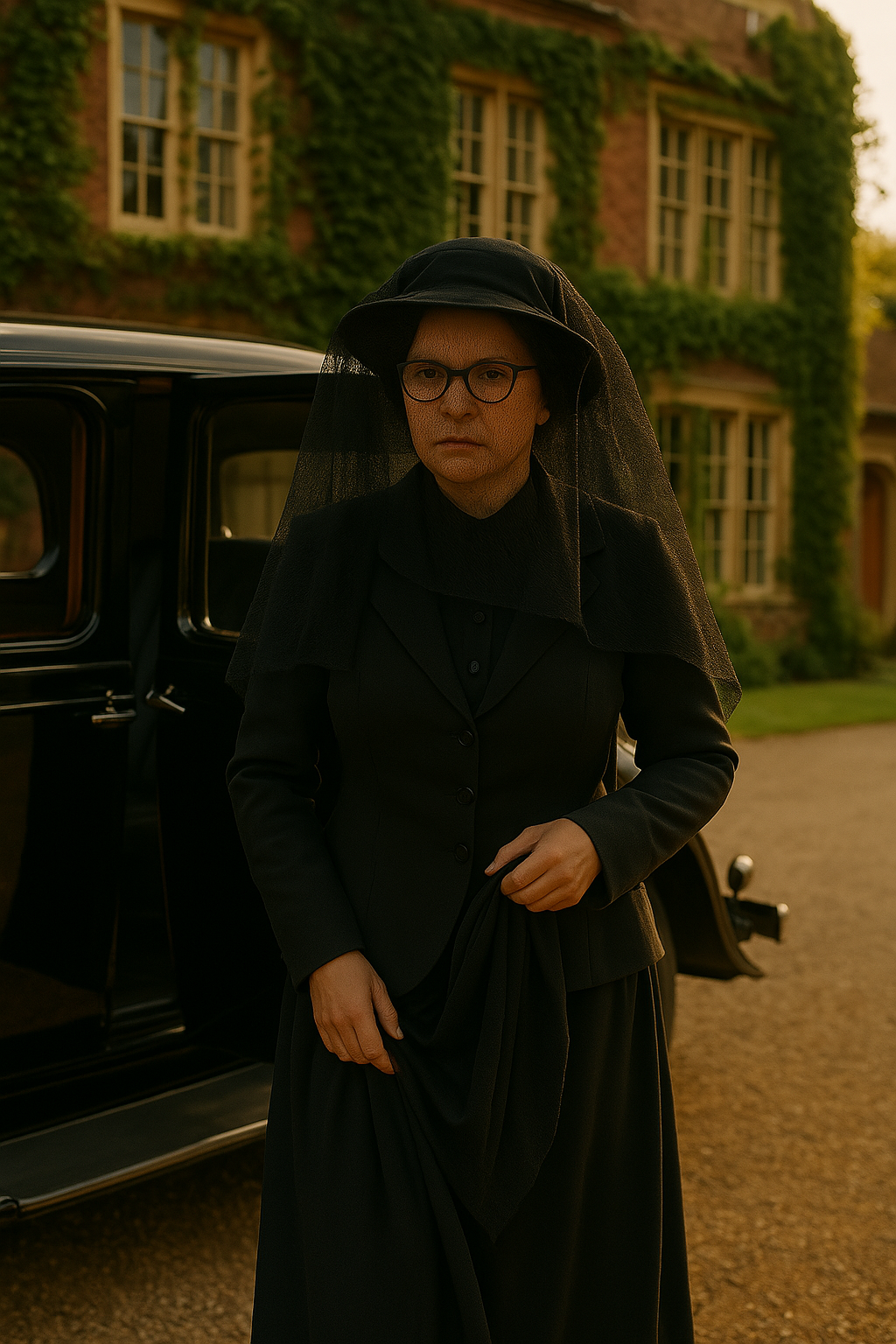
I followed John’s example, and went out into the hall, where Miss Howard was endeavouring to extricate herself from the voluminous mass of veils that enveloped her head.
As her eyes fell on me, a sudden pang of guilt shot through me. This was the woman who had warned me so earnestly, and to whose warning I had, alas, paid no heed! How soon, and how contemptuously, I had dismissed it from my mind.
Now that she had been proved justified in so tragic a manner, I felt ashamed.
She had known Alfred Inglethorp only too well.
I wondered whether, if she had remained at Styles, the tragedy would have taken place, or would the man have feared her watchful eyes?
私も|ジョンの|あとに|続いて|ホールへ|出て行った。||そこでは|ミス=ハワードが、|頭を|覆っていた|大量の|ヴェールから|抜け出そうと|している|ところだった。
彼女の|目が|私に|向けられた|瞬間、|私は|胸に|チクリと|罪悪感を|覚えた。||この女性は|あれほど|真剣に|私に|警告|してくれたのに、|私は|それを|無視して|しまったのだ!|| それも|あっさりと、|そして|軽蔑|するかのように。
そして|今、|悲劇的な|形で|彼女の|警告が|正しかったと|証明され、|私は|恥ずかしくなった。
彼女は|アルフレッド=イングルソープの|ことを、|よく|知っていたのだ。||もし|彼女が|スタイルズを|去らずにいたら、|この悲劇は|起こって|いただろうか?||あの男は|彼女の|鋭い|視線を|恐れて|手を|出せなかったのでは|ないか?
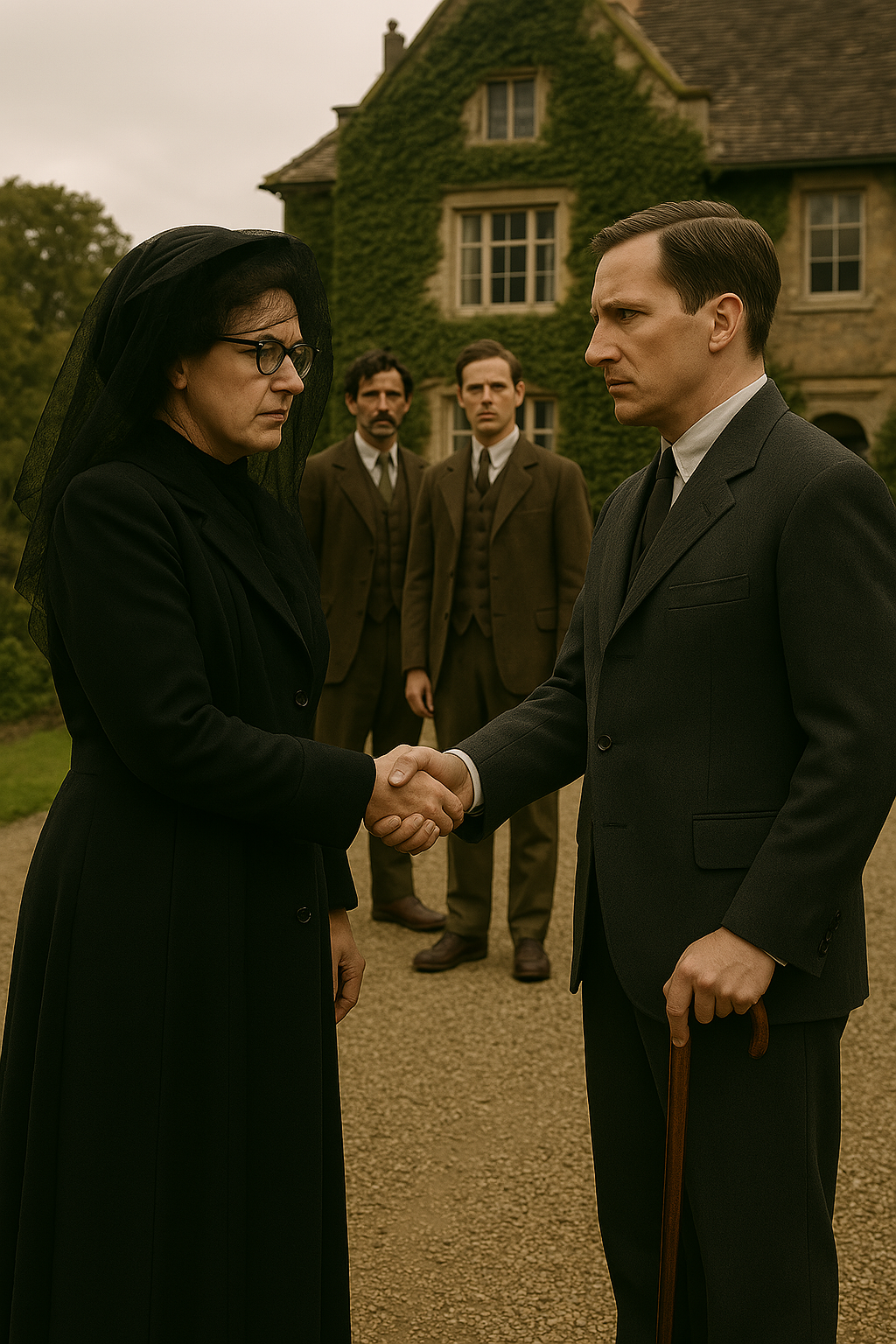
I was relieved when she shook me by the hand, with her well remembered painful grip.
The eyes that met mine were sad, but not reproachful;
that she had been crying bitterly, I could tell by the redness of her eyelids, but her manner was unchanged from its old gruffness.
彼女が、|あの|よく|覚えている|痛いほど|強い|握手で|私の|手を|握って|くれたとき、|私は|少し|救われた|気がした。
彼女の|目は|悲しげ|だったが、|責めるような|色は|なかった。||激しく|泣いたことは、|腫れぼったい|まぶたを|見れば|一目で|分かったが、|その|態度は|相変わらず|ぶっきらぼう|だった。

“Started the moment I got the wire.
Just come off night duty.
Hired car. Quickest way to get here.”
「電報を|受け取って|すぐに|出発したの。||夜勤明けで|そのまま|来たのよ。||車を|雇ってね。||これが|一番|早い|方法|だったの」

“Have you had anything to eat this morning, Evie?” asked John.
「今朝は|何か|食べたかい、|エヴィー?」と、|ジョンが|訊いた。
“No.”
「いいえ」
“I thought not. Come along, breakfast’s not cleared away yet, and they’ll make you some fresh tea.”
「やっぱりな。|ちょうど|よかった。||まだ|朝食を|片付けて|いない|はずだし、|新しく|お茶も|入れてくれるよ」
He turned to me.
そう言って|彼は|私の方を|向いた。
“Look after her, Hastings, will you?
Wells is waiting for me.
Oh, here’s Monsieur Poirot. He’s helping us, you know, Evie.”
「ヘイスティングス、|彼女の|相手を|してやって|くれないか?||ウェルズが|僕を|待ってるんだ。||ああ、|ムッシュー=ポワロだ。||彼が|手伝って|くれてるんだよ、|エヴィー」
Miss Howard shook hands with Poirot, but glanced suspiciously over her shoulder at John.
ミス=ハワードは|ポワロと|握手を|交わしたが、|そのまま|ジョンを|疑わしげに|見返った。
“What do you mean—helping us?”
「手伝ってるって、|どういうこと?」
“Helping us to investigate.”
「調査を|手伝ってるんだ」
“Nothing to investigate. Have they taken him to prison yet?”
「調査|なんて|必要ない。||それで、|あの男は|もう|牢屋に|ぶちこんだ?」

“Taken who to prison?”
「牢屋に|ぶち込むって、|誰を?」
“Who? Alfred Inglethorp, of course!”
「誰って?|アルフレッド=イングルソープに|決まってるでしょう!」
“My dear Evie, do be careful.
Lawrence is of the opinion that my mother died from heart seizure.”
「エヴィー、|頼むから|落ち着いてくれ。||ローレンスは|母は|心臓発作で|亡くなったと|言ってるんだ」
“More fool, Lawrence!” retorted Miss Howard.
“Of course Alfred Inglethorp murdered poor Emily—as I always told you he would.”
「ローレンス|なんか|信じる方が|馬鹿よ!」と、|ミス=ハワードが|怒鳴り返した。
「もちろん、|アルフレッド=イングルソープが|可哀想な|エミリーを|殺したのよ。||私は|いつも|そうなるって|言ってたじゃない!」
“My dear Evie, don’t shout so. Whatever we may think or suspect, it is better to say as little as possible for the present. The inquest isn’t until Friday.”
「お願いだから、|エヴィー。||そんなに|大声を|出さないでくれ。||何を|思っていようと、|今は|余計なことは|言わない方が|いい。||検死審問は|金曜日|なんだ」
“Not until fiddlesticks!”
「検死審問|まで|待つなんて、|バカバカしい!」
The snort Miss Howard gave was truly magnificent.
ミス=ハワードの|鼻息は|まさに|壮絶だった。
“You’re all off your heads.
The man will be out of the country by then.
If he’s any sense, he won’t stay here tamely and wait to be hanged.”
「あなたたち、|みんな|頭が|おかしい。||あの男は|それまでに|国外逃亡|するわよ。||あいつが|まともな|神経を|持っていたら、|ここに|じっとして|絞首刑を|待つような|真似は|しないでしょう」
John Cavendish looked at her helplessly.
ジョン=キャヴンディッシュは、|困り果てた|ように|彼女を|見つめた。
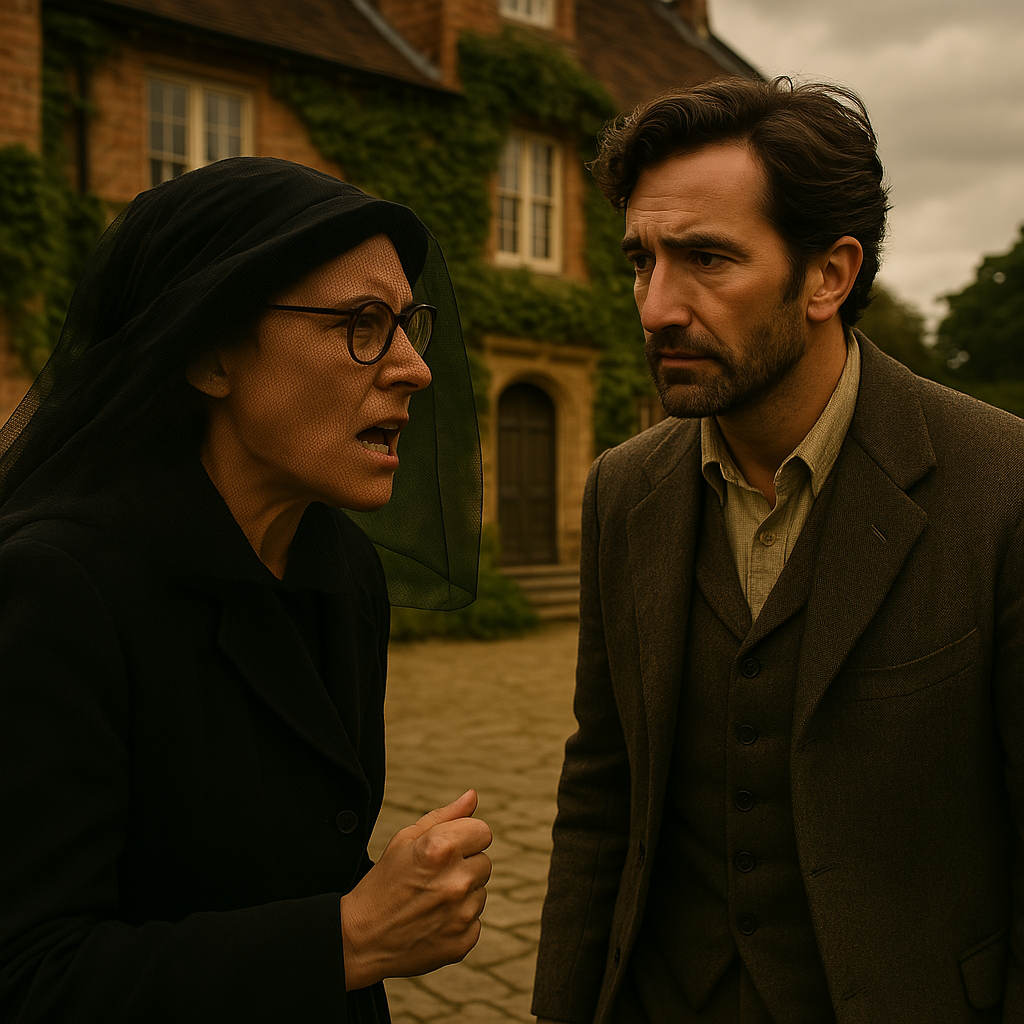
“I know what it is,” she accused him, “you’ve been listening to the doctors. Never should. What do they know? Nothing at all—or just enough to make them dangerous.
I ought to know—my own father was a doctor. That little Wilkins is about the greatest fool that even I have ever seen. Heart seizure! Sort of thing he would say.
Anyone with any sense could see at once that her husband had poisoned her. I always said he’d murder her in her bed, poor soul. Now he’s done it.
And all you can do is to murmur silly things about ‘heart seizure’ and ‘inquest on Friday.’
You ought to be ashamed of yourself, John Cavendish.”
「分かったわ」と、|彼女は|彼を|非難した。
「あなた、|医者たちの|言うことを|聞いたのね。||聞くべきじゃ|なかったのよ。||あの人たち、|何も|分かっちゃ|いないの。||いや、|ちょっとだけ|分かってるぶん、|かえって|危険なのよ。||私は|知ってる。||父も|医者|だったからね。||あの|ウィルキンス|とかいう|チビは、|今まで|私が|見た|中で|一番の|愚か者よ。||心臓発作!|| いかにも|あの|手合いが|言いそうな|ことだわ。||ちょっとでも|頭が|働く|人なら|すぐに|分かるでしょう。||夫が|毒を|盛ったってね。||私は|ずっと|言ってたのよ。||あの男は|寝室で|彼女を|殺すって。||とうとう|やったわ。||なのに|あなたは|『心臓発作』|とか|『金曜の|検死審問』|とか、|くだらない|ことを|口にして、|恥を|知りなさいよ、|ジョン=キャヴンディッシュ!」
“What do you want me to do?” asked John, unable to help a faint smile.
“Dash it all, Evie, I can’t haul him down to the local police station by the scruff of his neck.”
「じゃあ|僕に|どうしろって|言うんだ?」
ジョンは、|思わず|苦笑しながら|訊いた。
「まさか|エヴィー、|あの男を|襟首|つかんで|警察まで|引きずっていけ|とでも?」

“Well, you might do something. Find out how he did it. He’s a crafty beggar. Dare say he soaked fly papers. Ask cook if she’s missed any.”
「そうしろとは|言わないけど、|何かできること|あるでしょ。||どうやったかを|突き止めなさいよ。||あの男は|狡猾なのよ。||きっと|蠅取り紙を|煮出したんじゃ|ない?||台所に|行って|料理人に|訊いてごらんよ。||蠅取り紙が|無くなって|ないかって」
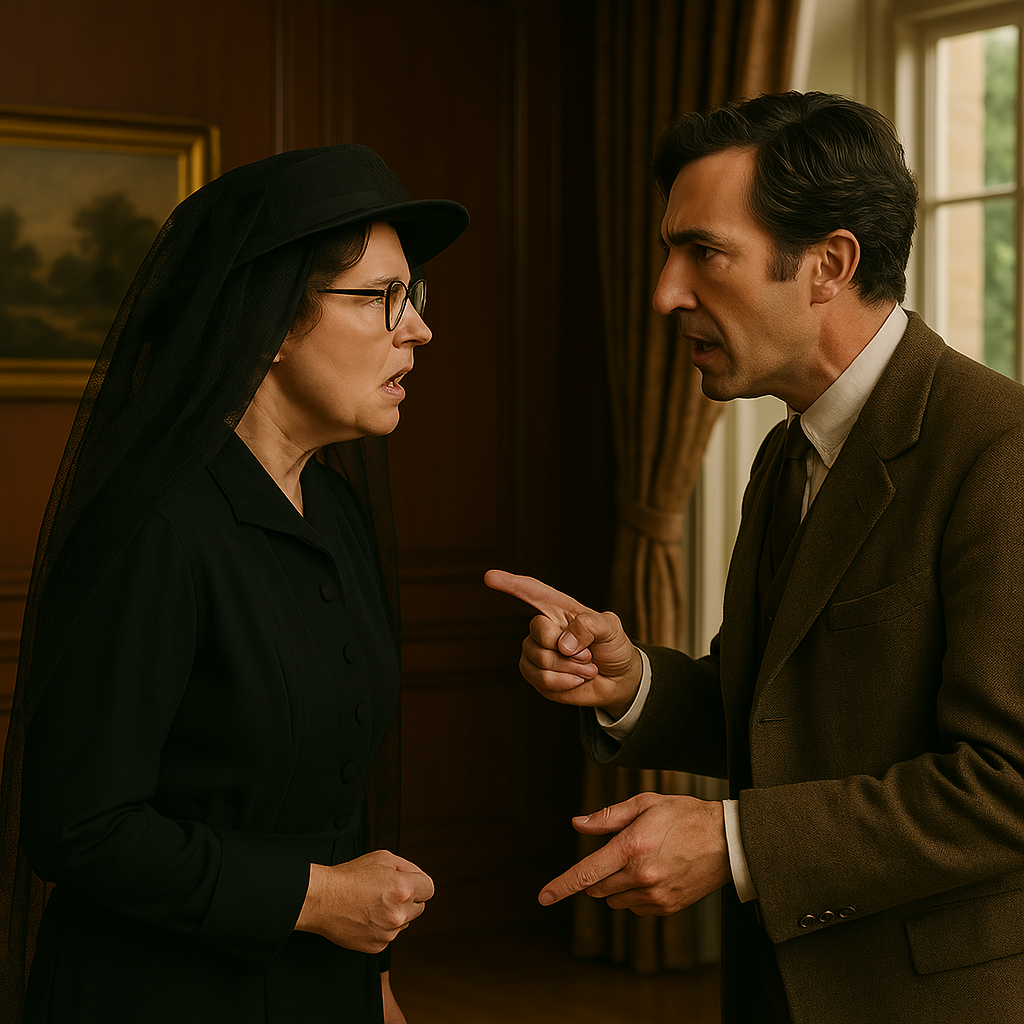
It occurred to me very forcibly at that moment that to harbour Miss Howard and Alfred Inglethorp under the same roof, and keep the peace between them, was likely to prove a Herculean task, and I did not envy John.
I could see by the expression of his face that he fully appreciated the difficulty of the position.
For the moment, he sought refuge in retreat, and left the room precipitately.
私は|その時|ふと、|ミス=ハワードと|アルフレッド=イングルソープを|同じ|屋根の|下に|置いておくこと、|そして|その間に|平和を|保つことが、|どれほど|大変な|ことかを|痛感した。||そして|それを|任せられる|ジョンには|まったく|同情|せずには|いられなかった。
彼の|表情を|見れば、|彼自身も|その|困難さを|十分に|理解している|ことが|分かった。
ひとまず|彼は|逃げ道を|選び、|慌てて|部屋を|出ていった。
Dorcas brought in fresh tea. As she left the room, Poirot came over from the window where he had been standing, and sat down facing Miss Howard.
ドーカスが|新しい|お茶を|持ってきた。||彼女が|部屋を|出ると、|窓辺に|立っていた|ポワロが|近づき、|ミス=ハワードと|向き合って|腰を|下ろした。
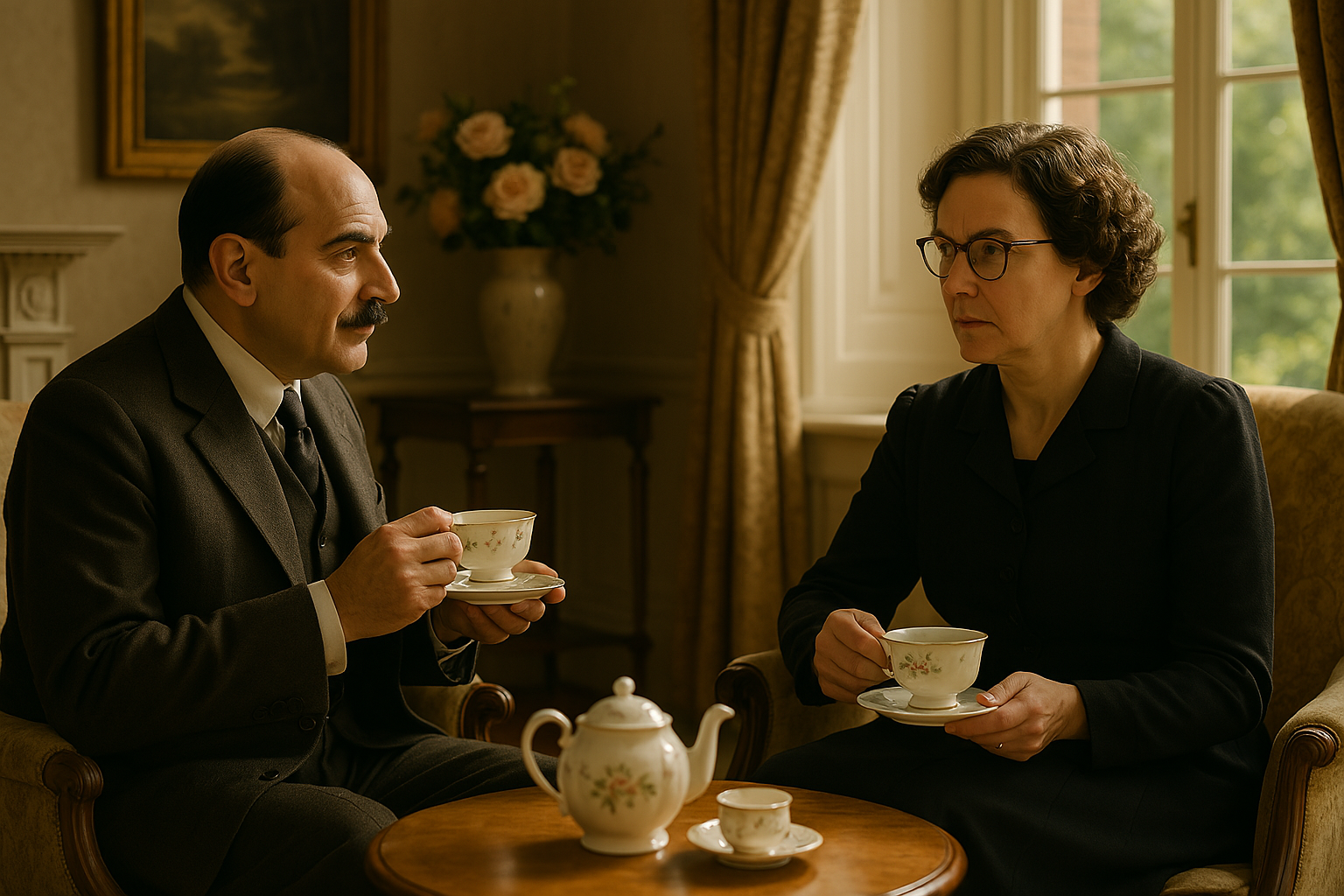
“Mademoiselle,” he said gravely, “I want to ask you something.”
「マドモワゼル」と、|ポワロは|重々しく|口を|開いた。
「伺いたい|ことが|あります」

“Ask away,” said the lady, eyeing him with some disfavour.
「何でも|聞きなさいよ」と、|ミス=ハワードは、|やや|敵意を|込めて|ポワロを|見つめながら|言った。
“I want to be able to count upon your help.”
「あなたの|協力が|得られると|頼りに|なるのですが」
“I’ll help you to hang Alfred with pleasure,” she replied gruffly.
“Hanging’s too good for him. Ought to be drawn and quartered, like in good old times.”
「アルフレッドを|絞首刑に|してやるのなら|喜んで|手を|貸すわよ」
彼女は|ぶっきらぼうに|答えた。
「絞首刑|なんてもんじゃ|足りないわ。||昔みたいに|引きづり回して|四つ裂きに|してやる|べきね」
“We are at one then,” said Poirot, “for I, too, want to hang the criminal.”
「それなら|意見は|一致|しましたね」と、|ポワロが|言った。
「私も、|犯人を|必ず|捕まえて|絞首台に|送るつもりです」
“Alfred Inglethorp?”
「アルフレッド=イングルソープの|ことね?」
“Him, or another.”
「彼か、|もしくは|他の|誰か」
“No question of another. Poor Emily was never murdered until he came along. I don’t say she wasn’t surrounded by sharks—she was. But it was only her purse they were after. Her life was safe enough. But along comes Mr. Alfred Inglethorp—and within two months—hey presto!”
「他の|誰か?||あり得ないわ。||可哀想な|エミリーが|殺されたのは、|あの男が|現れてからよ。||たしかに|彼女の|周りには、|金目当ての|奴らが|たくさんいたわ。||でも、|狙われて|いたのは|財布であって、|命|じゃなかった。||そこへ|あの|アルフレッド=イングルソープが|やってきた。||そして|二ヶ月後、|ほら、|ご覧なさい!」
“Believe me, Miss Howard,” said Poirot very earnestly, “if Mr. Inglethorp is the man, he shall not escape me. On my honour, I will hang him as high as Haman!”
「信じてください、|ミス=ハワード」と、|ポワロは|真剣な|面持ちで|言った。
「もし、|ミスター=イングルソープが|犯人|であれば、|私は|決して|逃がしません。||名誉にかけて、|ハマン|のごとく|高く|吊るして|みせます!」
(ハマンは、|古代|ペルシャの|高官で、|ユダヤ人|迫害を|企てた|旧約聖書|『エステル記』に|登場する|悪人。||自分で|用意した|絞首台に|吊るされる|という|悲惨な|末路を|迎えた。)
“That’s better,” said Miss Howard more enthusiastically.
「それが|いいわ!」と、|ミス=ハワードは|力強く|うなずいた。
“But I must ask you to trust me. Now your help may be very valuable to me. I will tell you why. Because, in all this house of mourning, yours are the only eyes that have wept.”
「ただし、|どうか|私を|信じて|ほしいのです。||あなたの|協力が、|非常に|大きな|助けに|なる|かもしれません。||なぜなら、|この|家中で、|あなただけが、|涙を|流されたのですから」
Miss Howard blinked, and a new note crept into the gruffness of her voice.
ミス=ハワードは|まばたきし、|不愛想な|声の|中に、|かすかに|別の|響きが|混じった。
“If you mean that I was fond of her—yes, I was.
You know, Emily was a selfish old woman in her way. She was very generous, but she always wanted a return. She never let people forget what she had done for them—and, that way she missed love.
Don’t think she ever realized it, though, or felt the lack of it. Hope not, anyway.
I was on a different footing. I took my stand from the first. ‘So many pounds a year I’m worth to you. Well and good. But not a penny piece besides—not a pair of gloves, nor a theatre ticket.’
She didn’t understand—was very offended sometimes. Said I was foolishly proud. It wasn’t that—but I couldn’t explain.
Anyway, I kept my self-respect. And so, out of the whole bunch, I was the only one who could allow myself to be fond of her.
I watched over her. I guarded her from the lot of them, and then a glib-tongued scoundrel comes along, and pooh! all my years of devotion go for nothing.”
「もし|それが、|『私は|彼女が|好きだった』|という|意味なら、|そう、|そうだった。||エミリーはね、|自分勝手な|人|だった。||とても|気前は|良かったけど、|必ず|見返りを|求めた。||自分が|してあげた|ことを、|決して|人に|忘れさせなかった。||そういう|人|だった。||だから|本当の|愛情は|得られなかった。||本人は|気づいて|なかった|だろうけど。||いや、|気づかずに|済んだなら、|その方が|よかったのかもね。||私は、|違う|立場に|自分を|置いた。||最初から|彼女とは|一線を|引いてた。||『私は|一年間で|これほどの|金額の|価値がある。||それで|十分だって。||手袋も|劇場の|チケットも|いらない』って。||彼女は|それを|理解|できなかった。||ときどき|腹を立てて、|『変に|プライドが|高すぎる』って|言われた。||そういうことじゃ|なかったけど、|説明は|できなかった。
でも、|私は|自分の|プライドを|守った。||だからこそ、|この家の|中で、|私だけが|彼女のことを|好きでいられた。||私は|彼女を|見守ってた。||あの|連中から|守ってきた。||なのに、|口先の|うまい|悪党が|やってきて、|ぽん!||何年も|かけて|築いた|私の|努力が、|水の泡に|なってしまった」
Poirot nodded sympathetically.
ポワロは、|同情する|ように|うなずいた。
“I understand, mademoiselle, I understand all you feel. It is most natural. You think that we are lukewarm—that we lack fire and energy—but trust me, it is not so.”
「分かります、|マドモワゼル。||あなたの|気持ちは|よく|分かります。||ごく|自然な|ことです。||あなたは、|私たちが|冷淡に|見える。||熱意も|気力も|足りないと|思って|おられる。||でも、|信じて|ください。||決して|そんなことは|ありません」

John stuck his head in at this juncture, and invited us both to come up to Mrs. Inglethorp’s room, as he and Mr. Wells had finished looking through the desk in the boudoir.
As we went up the stairs, John looked back to the dining-room door, and lowered his voice confidentially:
そのとき|ジョンが|顔を|のぞかせて、|私たち|二人を|2階へと|誘った。||彼と|ミスター=ウェルズは、|書斎の|机の|調査を|終えたらしい。
階段を|上がる|途中、|ジョンは|食堂の|扉の|方を|ちらりと|見てから、|声を|ひそめて|言った。
“Look here, what’s going to happen when these two meet?”
「なあ、|この|二人、|ミス=ハワードと|イングルソープが|鉢合わせ|したら、|どうなると|思う?」

I shook my head helplessly.
私は、|何と|言っていいか|分からず、|ただ|首を|横に|振るだけだった。
“I’ve told Mary to keep them apart if she can.”
「メアリーに|言っておいたよ。||できれば|二人を|会わせない|ようにと」

“Will she be able to do so?”
「彼女に|それが|できるかな?」
“The Lord only knows. There’s one thing, Inglethorp himself won’t be too keen on meeting her.”
「神のみぞ知る|だな。||ただ|ひとつ|言えるのは、|イングルソープ|自身が、|ミス=ハワードに|会いたがって|いない|ということだ」
“You’ve got the keys still, haven’t you, Poirot?”
「ポワロ、|鍵は|まだ|持ってるよね?」
I asked, as we reached the door of the locked room.
私が|尋ねたのは、|鍵の|かかった|寝室の|ドアに|着いた時|だった。
Taking the keys from Poirot, John unlocked it, and we all passed in. The lawyer went straight to the desk, and John followed him.
ポワロから|鍵を|受け取って、|ジョンが|ドアを|開けると、|我々|全員が|中に|入った。
弁護士は|すぐに|机の方へ|歩み寄り、|ジョンも|後に|続いた。
“My mother kept most of her important papers in this despatch-case, I believe,” he said.
「母は|重要な|書類の|ほとんどを|この|書類カバンに|入れていたと|思うんだ」と、|言いながら|ジョンが|示したのは、|紫色の|書類カバン|だった。
Poirot drew out the small bunch of keys.
ポワロは、|小さな|鍵束を|取り出した。
“Permit me. I locked it, out of precaution, this morning.”
「ちょっと|失礼。||今朝、|念のために|私が|鍵を|かけておいたんです」
“But it’s not locked now.”
「しかし、|今は|鍵は|かかってない|ようです」
“Impossible!”
「それは|ありえません!」
“See.”
「見ての|とおり」
And John lifted the lid as he spoke.
そう言って|ジョンは|蓋を|持ち上げた。
“Milles tonnerres!” cried Poirot, dumbfounded.
“And I—who have both the keys in my pocket”
「ミル|トネール!(そんな|はずは|ない!)」
ポワロは|呆然として|叫んだ。
「鍵は|二つとも|私の|ポケットに|持っているのに」
He flung himself upon the case.
Suddenly he stiffened.
彼は|勢いよく|カバンに|駆け寄った。
そして、|突如|ぴたりと|動きを|止めた。
“Eh voilà une affaire! This lock has been forced.”
「エ|ヴォワラ|ユヌ|アフェール!(なんてことだ!)||鍵が|壊されている!」
“What?”
「なんだって?」
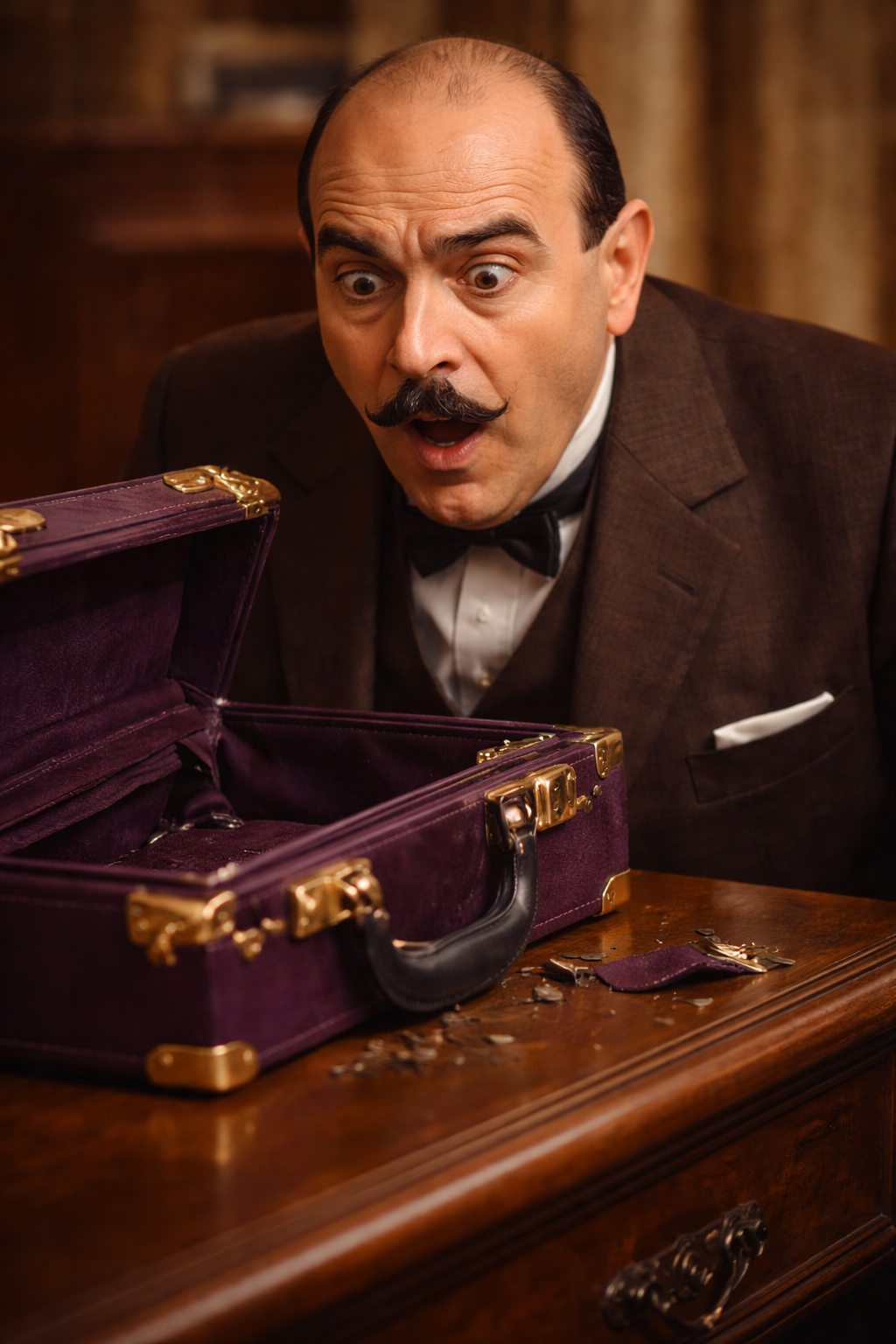
Poirot laid down the case again.
ポワロは|カバンを|そっと|置いた。
“But who forced it? Why should they? When?
But the door was locked?”
「でも、|誰が?||なんで?||いつ?||だって|部屋には|鍵が|かかっていた|はずじゃ?」
These exclamations burst from us disjointedly.
Poirot answered them categorically—almost mechanically.
私たちは|口々に|言葉を|発したが、|それらは|どこか|ちぐはぐだった。
ポワロは、|それらに|一つ一つ、|ほとんど|機械のように|淡々と|答えた。
“Who? That is the question.
Why? Ah, if I only knew.
When? Since I was here an hour ago.
As to the door being locked, it is a very ordinary lock. Probably any other of the doorkeys in this passage would fit it.”
「誰が?||それが|問題だ。||なぜ?||それが|分かれば|いいのですが。||いつ?||私が|ここを|出た|後|一時間の|間。||ドアに|鍵が|かかっていた|という|点については、|ここの|鍵は|ごく|ありふれた|ものです。||この|廊下の|他の|ドアの|鍵でも|開いてしまう|可能性が|あります」
We stared at one another blankly. Poirot had walked over to the mantelpiece.
He was outwardly calm, but I noticed his hands, which from long force of habit were mechanically straightening the spill vases on the mantelpiece, were shaking violently.
私たちは|互いに|呆然として|顔を|見合わせた。
ポワロは|暖炉の|方へ|歩いて行った。||外見は|落ち着いて|いたが、|彼が|長年の|癖で|無意識に|整えていた|マントルピース上の|花瓶を|触る|手は、|明らかに|震えていた。
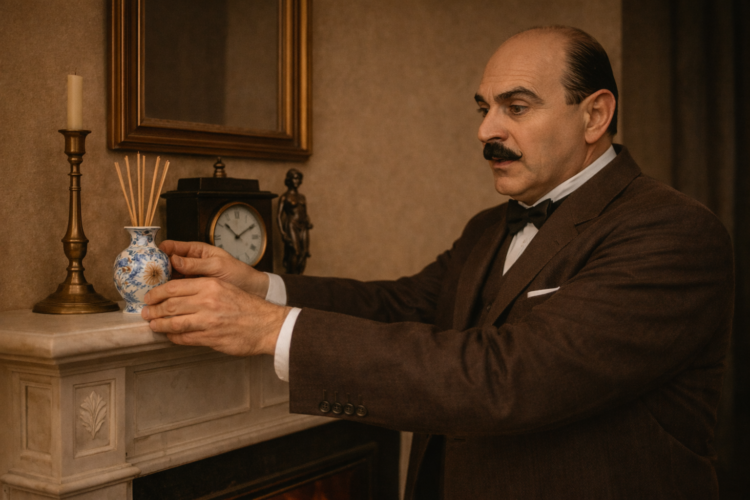
“See here, it was like this,” he said at last.
“There was something in that case—some piece of evidence, slight in itself perhaps, but still enough of a clue to connect the murderer with the crime. It was vital to him that it should be destroyed before it was discovered and its significance appreciated. Therefore, he took the risk, the great risk, of coming in here. Finding the case locked, he was obliged to force it, thus betraying his presence. For him to take that risk, it must have been something of great importance.”
「いいかね、|こういうこと|だったんだ」と、|ようやく|ポワロが|口を|開いた。
「あの|カバンには、|何かが|入っていた。||それ自体は|些細な|もの|かもしれないが、|それでも|犯人と|犯行を|つなぐ|手がかり|としては|十分な|何か|だった。||それが|見つかり、|意味が|理解される|前に|どうしても|破棄|しなければ|ならなかった。||だからこそ、|犯人は|ここに|侵入する|という|大きな|リスクを|冒した。||カバンに|鍵が|かかっていた|ため、|こじ開けるしか|なかった。||そして|それが、|侵入の|痕跡と|なって|残ったのだ。||その|リスクを|冒すほどの|価値が|あった。||つまり、|それは|犯人に|とって、|非常に|重大な|もの|だったのだ」
“But what was it?”
「でも、|それは|何だったんだ?」
“Ah!” cried Poirot, with a gesture of anger.
“That, I do not know! A document of some kind, without doubt, possibly the scrap of paper Dorcas saw in her hand yesterday afternoon. And I—”
「アァ!」
ポワロは|怒りの|しぐさを|しながら|叫んだ。
「それが、|私にも|分からんのです!||おそらく|何らかの|書類に|違いない。||ドーカスが|昨日の|午後、|夫人の|手に|見た|という|紙切れ|かもしれません。||そして|私は」
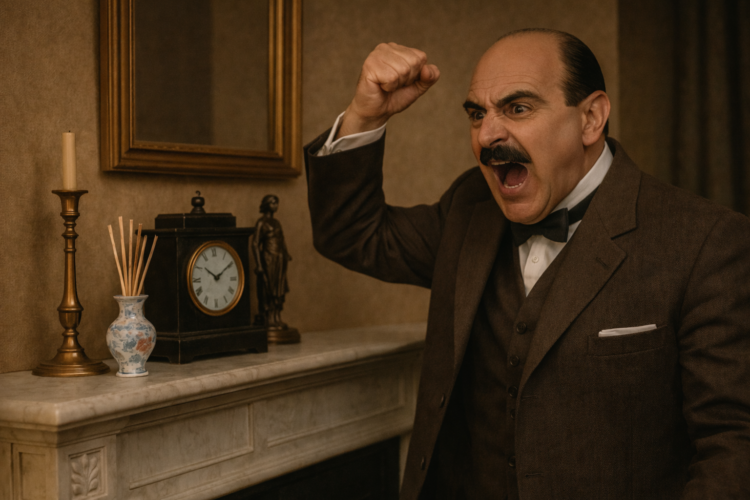
his anger burst forth freely—“miserable animal that I am! I guessed nothing! I have behaved like an imbecile! I should never have left that case here. I should have carried it away with me. Ah, triple pig! And now it is gone. It is destroyed—but is it destroyed? Is there not yet a chance—we must leave no stone unturned—”
彼の|怒りは|一気に|噴き出した。
「なんという|間抜けだ、|私という|男は!||まったくの|馬鹿者だ!||あのカバンを|この場に|残しておく|べきでは|なかった!||持ち帰る|べきだったのだ!||ああ、|とことん|愚かな|大馬鹿ものだ!||今では|もう|なくなっている。||処分|されてしまった。||いや、|果たして|本当に|処分|されたのか?||まだ|どこかに|残されている|かもしれない。||ひとつ|残らず、|徹底的に|調べねば|ならない!」
He rushed like a madman from the room, and I followed him as soon as I had sufficiently recovered my wits.
But, by the time I had reached the top of the stairs, he was out of sight.
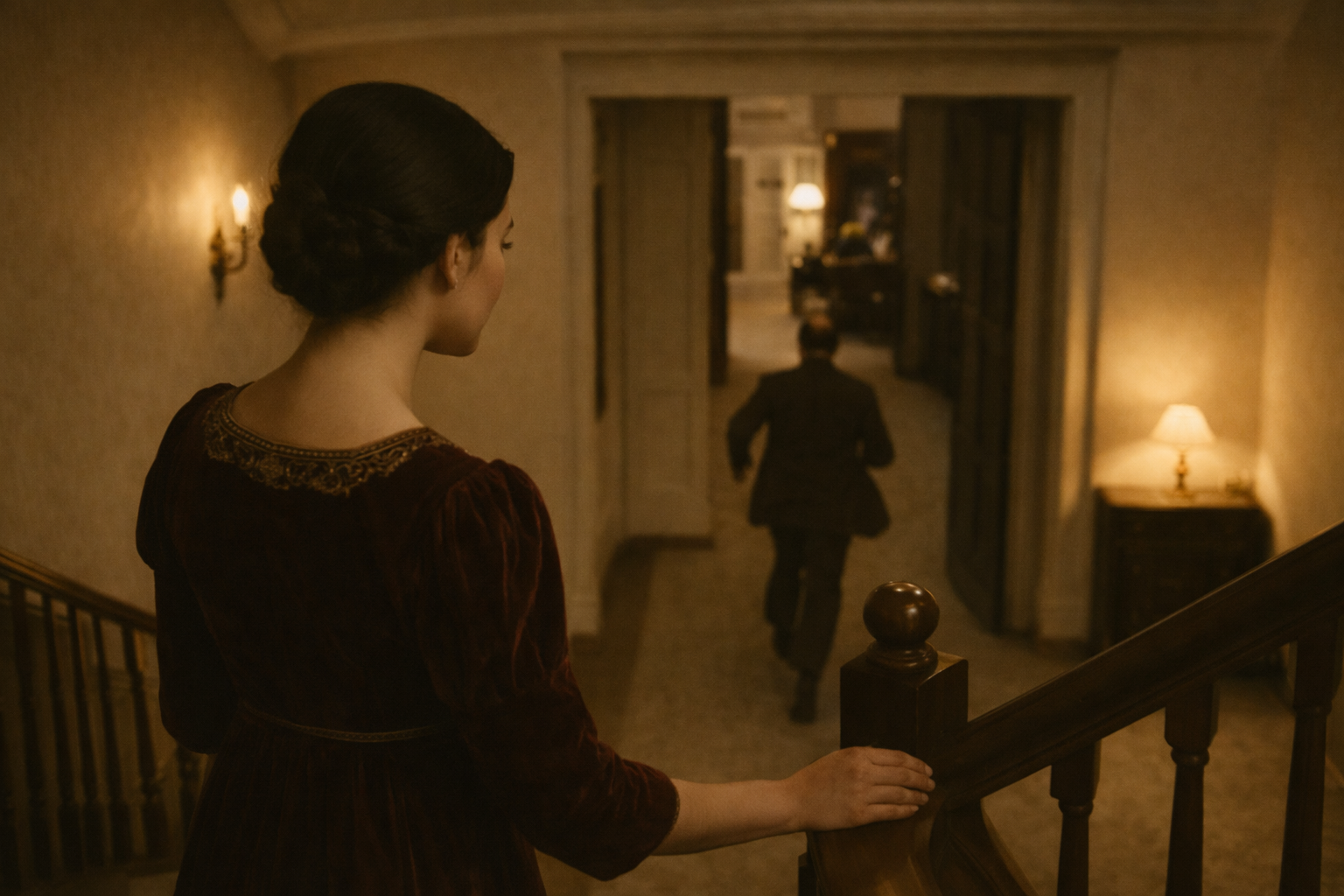
Mary Cavendish was standing where the staircase branched, staring down into the hall in the direction in which he had disappeared.
彼は|狂ったように|部屋を|飛び出して|行った。||私は|あっけに|取られながらも、|ようやく|正気を|取り戻すと|急いで|後を|追った。
しかし、|階段の|上に|ついた|頃には、|彼の|姿は|すでに|見えなく|なっていた。
階段の|分かれる|ところに|立って、|ホールの|方を|見おろして|いるのは、|メアリー=キャヴンディッシュ|だった。||ポワロが|駆け抜けて|いった|方向を|見ていた。

“What has happened to your extraordinary little friend, Mr. Hastings?
He has just rushed past me like a mad bull.”
「あなたの|あの|変わった|小さな|お友達、|どうなさったんです、|ミスター=ヘイスティングス?||さっき|私の|前を|猛牛の|ように|駆け抜けて|いかれましたよ」
“He’s rather upset about something,” I remarked feebly.
「ちょっと|興奮|してましてね」と、|私は|気の抜けた|ように|答えた。
I really did not know how much Poirot would wish me to disclose.
As I saw a faint smile gather on Mrs. Cavendish’s expressive mouth, I endeavoured to try and turn the conversation by saying:
どこまで|ポワロの|ことを|話してよいか|分からなかったのだ。
メアリー=キャヴンディッシュの|表情に、|かすかな|笑みが|浮かぶのを|見て、|私は|話題を|変えようとした。
“They haven’t met yet, have they?”
「そういえば、|まだ|二人は|会って|いませんよね?」
“Who?”
「誰が?」
“Mr. Inglethorp and Miss Howard.”
「ミスター=イングルソープと|ミス=ハワード|ですよ」
She looked at me in rather a disconcerting manner.
彼女は|やや|戸惑うような|表情で|私を|見つめた。
“Do you think it would be such a disaster if they did meet?”
「二人が|会ったら|そんなに|大変な|ことに|なると、|あなたは|思って|らっしゃるのですか?」
“Well, don’t you?”
I said, rather taken aback.
「えっ、|そうじゃ|ないんですか?」
私は|意外に|思って|聞き返した。
“No.”
「いいえ」
She was smiling in her quiet way.
彼女は|静かに|微笑んだ。
“I should like to see a good flare up. It would clear the air. At present we are all thinking so much, and saying so little.”
「一度、|思い切り|ぶつかり|合うのも|いいと|思いますよ。||その方が|雰囲気は|よくなりますもの。||今の|私たち、|みんな|思っている|ことが|たくさん|あるのに、|何も|言えて|いないのですよ」
“John doesn’t think so,” I remarked.
“He’s anxious to keep them apart.”
「でも、|ジョンは|そうは|思ってない|みたいですよ」、と|私は|言った。
「二人を|できるだけ|引き離そうと|必死|ですから」
“Oh, John!”
「あら、|ジョンが‥‥」
Something in her tone fired me, and I blurted out:
その|言い方に|何か|引っかかる|ものを|感じた|私は、|思わず|口を|ついて|出た。
“Old John’s an awfully good sort.”
「ジョンは|僕より|年上で、|すごく|いい人|なんです」
She studied me curiously for a minute or two, and then said, to my great surprise:
彼女は|数秒、|私を|じっと|見つめた。||そして|意外なことを|口にした。
“You are loyal to your friend. I like you for that.”
「あなたは|友達に|忠実|なんですね。||そういうところ、|私は|好きですよ」
“Aren’t you my friend too?”
「あなたも、|僕の|友達|ですよね?」
“I am a very bad friend.”
「私は、|とても|悪い|友達|ですよ」
“Why do you say that?”
「なぜ|そんな風に|言うんですか?」
“Because it is true. I am charming to my friends one day, and forget all about them the next.”
「本当の|こと|だからですよ。||私は|ある日は|友達に|とても|愛想よく|するのに、|次の日には|その人の|存在を|すっかり|忘れているんです」
I don’t know what impelled me, but I was nettled, and I said foolishly and not in the best of taste:
なぜ|そんなことを|口走ったのか、|自分でも|よく|分からないが、|私は|少し|苛立っていて、|つい|無神経な|ことを|言ってしまった。
“Yet you seem to be invariably charming to Dr. Bauerstein!”
「でも、|ドクター=バウアースタイン|には|いつも|愛想が|いいようですね」
Instantly I regretted my words.
Her face stiffened. I had the impression of a steel curtain coming down and blotting out the real woman.
Without a word, she turned and went swiftly up the stairs, whilst I stood like an idiot gaping after her.
その瞬間、|自分の|発言を|激しく|後悔した。
彼女の|表情が|凍りつき、|まるで|鋼鉄の|カーテンが|音もなく|降りてきて、|真の|彼女を|隠して|しまったかの|ようだった。
彼女は|一言も|発せず、|階段を|素早く|上がって|行ってしまった。||私は、|馬鹿みたいに|その場に|突っ立って、|呆然と|彼女の|背中を|見送るしか|なかった。
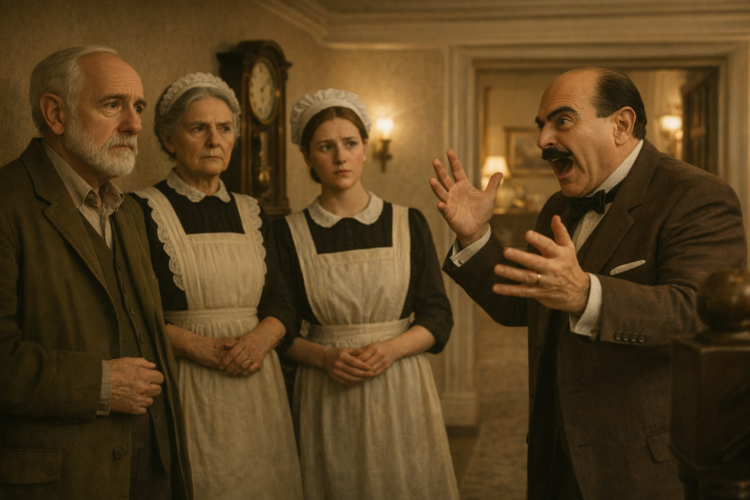
I was recalled to other matters by a frightful row going on below. I could hear Poirot shouting and expounding. I was vexed to think that my diplomacy had been in vain. The little man appeared to be taking the whole house into his confidence, a proceeding of which I, for one, doubted the wisdom. Once again I could not help regretting that my friend was so prone to lose his head in moments of excitement. I stepped briskly down the stairs. The sight of me calmed Poirot almost immediately. I drew him aside.
下から|大きな|騒ぎの|音が|聞こえ、|私は|我に|返った。
ポワロが|何やら|叫びながら|持論を|展開|していた。
せっかくの|私の|外交努力も|無駄に|終わったのだと|思うと|腹立たしかった。||あの小男は、|家中の|人間に|すべてを|打ち明けている|ようだったが、|私に|言わせれば、|それは|賢明な|行動とは|言えなかった。||彼が|興奮すると、|どうしても|冷静さを|失ってしまうことが|あるのだ。||それが|私は|残念で|ならなかった。
私は|足早に|階段を|下りて行った。||私の|姿を|見た|ポワロは、|すぐに|落ち着きを|取り戻した。||私は|彼を|脇に|引き寄せて|言った。
“My dear fellow,” I said, “is this wise?
Surely you don’t want the whole house to know of this occurrence?
You are actually playing into the criminal’s hands.”
「なあ、|ポワロ」と、|私は|言った。
「これは|賢明なこと|なのか?||君は|家中に|この|出来事を|知られたく|ないだろう?||これじゃあ|実際に|犯人の|手の上で|踊って|いるような|もんだよ」
“You think so, Hastings?”
「そう|思うかね、|ヘイスティングス?」
“I am sure of it.”
「絶対に|そうだよ」
“Well, well, my friend, I will be guided by you.”
「なるほど、|わかった。||君の|助言に|従おう」
“Good. Although, unfortunately, it is a little too late now.”
「よかった。||しかし|残念ながら、|ちょっと|遅過ぎたかな」
“Sure.”
「まさに」
He looked so crestfallen and abashed that I felt quite sorry, though I still thought my rebuke a just and wise one.
彼は|ひどく|しょんぼりして、|ばつが|悪そうに|していたので、|私は|思わず|同情|してしまった。
とはいえ、|私の|忠告は|正しく、|必要だったと|信じている。
“Well,” he said at last, “let us go, mon ami.”
「さて」と、|彼は|ようやく|言った。
「行こうか、|モナミ」
“You have finished here?”
「ここでの|用事は|済んだのかい?」
“For the moment, yes. You will walk back with me to the village?”
「今の|ところはね。村まで|一緒に|歩いてくれるかい?」
““Willingly.”
「もちろん」
He picked up his little suit-case, and we went out through the open window in the drawing-room.
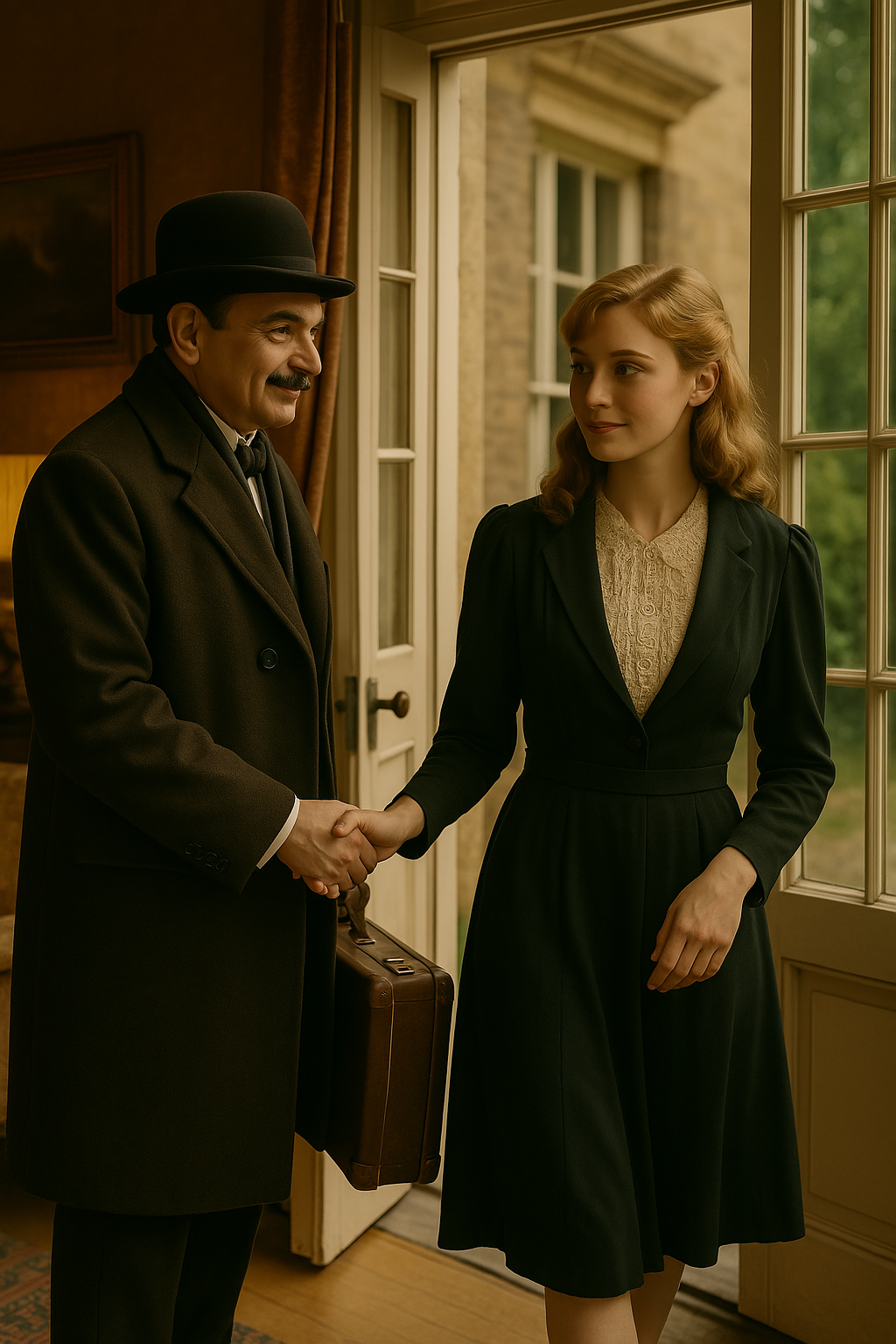
Cynthia Murdoch was just coming in, and Poirot stood aside to let her pass.
彼は|小さな|スーツケースを|持ち上げ、|私たちは|応接室の|開いた|窓から|外に|出た。
ちょうど|シンシア=マードックが|中に|入ってくる|ところ|だった。||ポワロは|彼女に|道を|譲った。
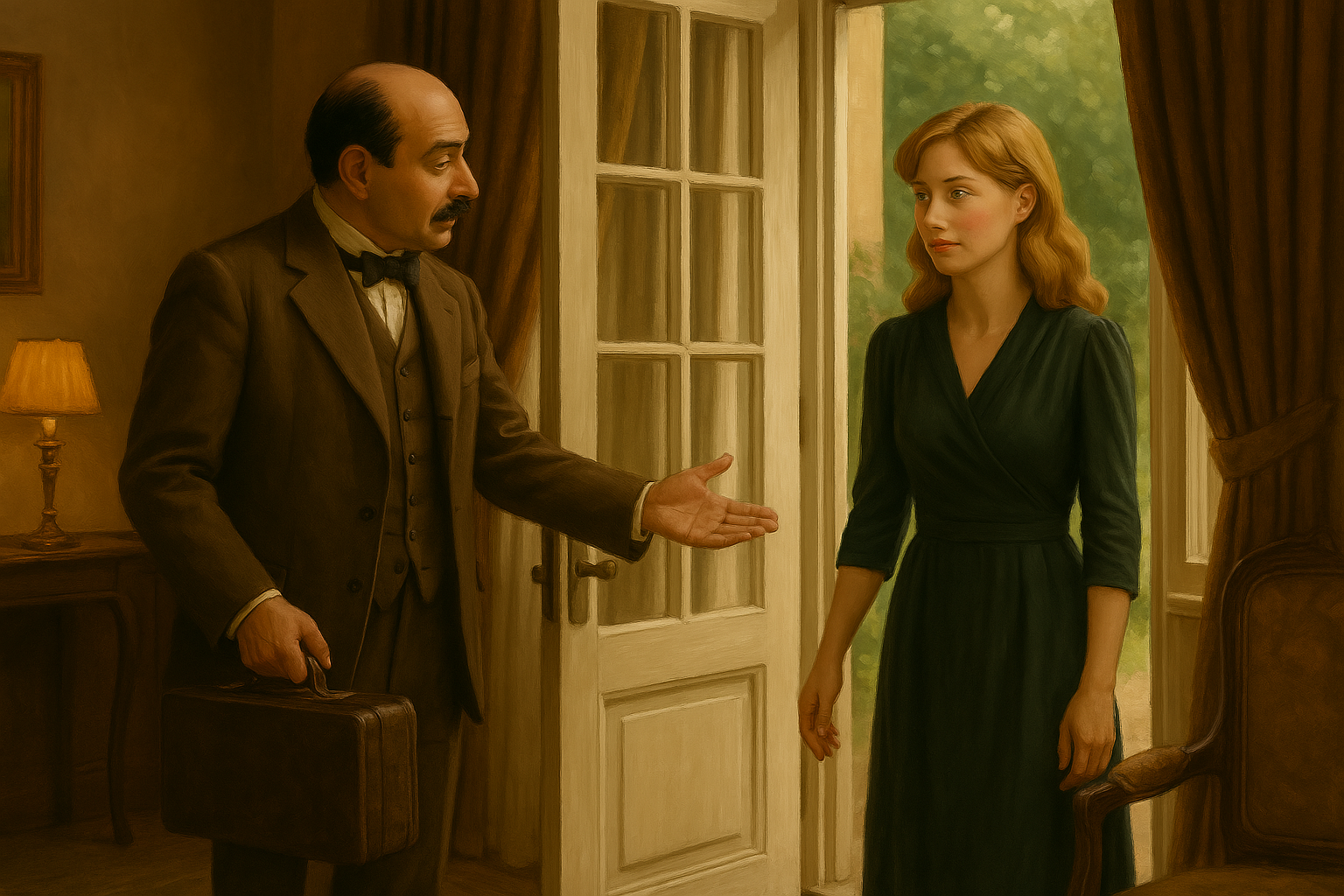
“Excuse me, mademoiselle, one minute.”
「失礼、|マドモワゼル。||少しだけ|お時間を」

“Yes?”
she turned inquiringly.
「はい、|何か?」
シンシアは|不思議そうに|振り向いた。
“Did you ever make up Mrs. Inglethorp’s medicines?”
「ミセス=イングルソープの|薬を、|あなたが|調合|していたことは|ありますか?」
A slight flush rose in her face, as she answered rather constrainedly:
シンシアの|頬に|うっすらと|赤みが|差した。||やや|不自然に|答えた。
“No.”
「いいえ」
“Only her powders?”
「粉薬|くらいは?」
The flush deepened as Cynthia replied:
シンシアの|頬は|さらに|赤くなり、|彼女は|答えた。
“Oh, yes, I did make up some sleeping powders for her once.”
「あっ、|はい。||一度だけ|睡眠薬を|作って|差し上げた|ことが|あります」
“These?”
「これですか?」
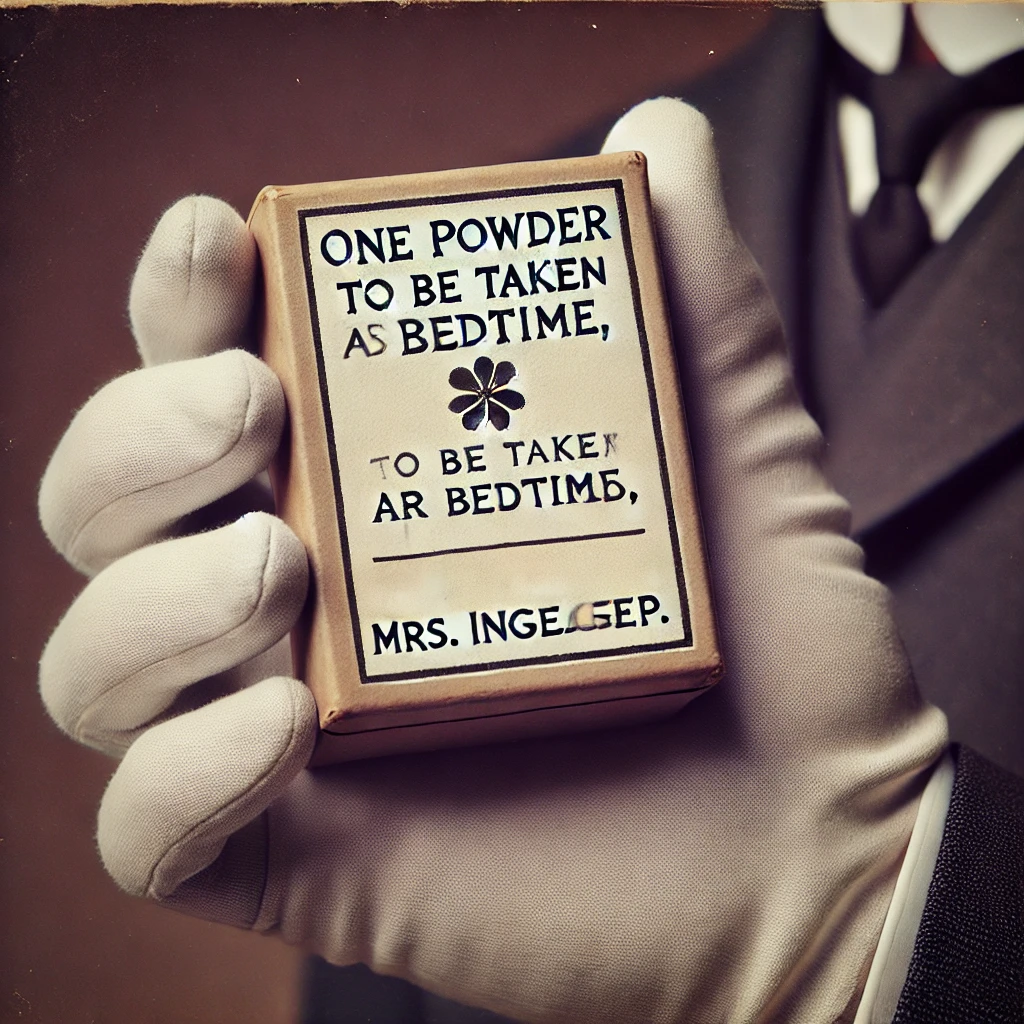
Poirot produced the empty box which had contained powders.
She nodded.
ポワロは、|粉薬の|処方が|書かれた|空の|箱を|取り出した。
シンシアは|うなずいた。
“Can you tell me what they were? Sulphonal? Veronal?”
「どんな|薬|だったか|教えて|いただけますか?||サルフォナール?||それとも|ヴェロナール?」
“No, they were bromide powders.”
「いいえ、|臭化物|でした」
“Ah! Thank you, mademoiselle; good morning.”
「おお!||ありがとう、|マドモワゼル。||良い|1日を」
As we walked briskly away from the house, I glanced at him more than once.
I had often before noticed that, if anything excited him, his eyes turned green like a cat’s. They were shining like emeralds now.
私たちは|スタイルズから|足早で|離れながら|歩き出した。
私は|何度か|ポワロの|方を|ちらりと|見た。||以前から|気づいて|いたのだが、|彼は|興奮すると|猫のように|目の|色が|緑|がかってくる。
今や、|その目は|エメラルドの|ように|輝いていた。
“My friend,” he broke out at last, “I have a little idea, a very strange, and probably utterly impossible idea. And yet—it fits in.”
「モナミ」と、|彼は|ようやく|口を|開いた。
「ひとつの|考えが|あるのだよ。||とても|奇妙で、|おそらく|まったく|あり得ない|ような|考え|かもしれない。||だが、|それが|ぴたりと|当てはまる|ような|気もする」
I shrugged my shoulders. I privately thought that Poirot was rather too much given to these fantastic ideas. In this case, surely, the truth was only too plain and apparent.
私は|肩を|すくめた。
私は|心の|中で、|ポワロは|時に|こうした|奇抜な|発想に|頼りすぎる|きらいが|あると|思っていた。||この件に|関しては、|真相は|あまりにも|明白だと|感じていたからだ。
“So that is the explanation of the blank label on the box,” I remarked.
“Very simple, as you said. I really wonder that I did not think of it myself.”
「そうか、|あの箱の|ラベルに|薬局名が|なかった|理由は|そういうこと|だったのか」
私は|言った。
「君が|言ったように、|実に|単純な|ことだ。||自分で|気づかなかったのが|不思議な|くらいだよ」
Poirot did not appear to be listening to me.
ポワロは|私の|話を|聞いていない|ようだった。
“They have made one more discovery, là-bas,” he observed, jerking his thumb over his shoulder in the direction of Styles.
“Mr. Wells told me as we were going upstairs.”
「彼らは|もうひとつ|発見|したそうだ、|ラ|バ(下で)」と、|彼は|自分の|肩越しに|親指で|スタイルズの|方を|指しながら|言った。
「2階に|行く|途中で|ミスター=ウェルズが|話して|くれたのだが」
“What was it?”
「何だって?」
“Locked up in the desk in the boudoir, they found a will of Mrs. Inglethorp’s, dated before her marriage, leaving her fortune to Alfred Inglethorp. It must have been made just at the time they were engaged. It came quite as a surprise to Wells—and to John Cavendish also. It was written on one of those printed will forms, and witnessed by two of the servants—not Dorcas.”
「書斎の|机の|中から|ミセス=イングルソープの|遺言書が|見つかったそうだ。||結婚前に|作られた|もので、|財産は|アルフレッド=イングルソープに|譲る|という|内容だ。||それは|ちょうど|二人が|婚約した|時に|作られたものに|違いない。||ミスター=ウェルズは|随分と|驚いて|いたよ。||ジョン=キャヴンディッシュ|もね。||ある|遺言書の|定型用紙に|記入|されたもので、|二人の|使用人が|証人で、||ドーカスでは|なかった」
“Did Mr. Inglethorp know of it?”
「アルフレッド=イングルソープは、|その|遺言書の|ことを|知っていたのかな?」
“He says not.”
「彼は、|知らなかったと|言っている」
“One might take that with a grain of salt,” I remarked sceptically.
“All these wills are very confusing. Tell me, how did those scribbled words on the envelope help you to discover that a will was made yesterday afternoon?”
「それは|あまり|真に受けない|ほうが|いいだろうね」と、|私は|懐疑的に|言った。
「これだけ|遺言書が|あると|本当に|ややこしいな。||ところで、|封筒に|走り書き|された|あの|文字から、|どうして|君は、|『遺言書が|昨日の|午後に|作られた』と、|わかったんだい?」
Poirot smiled.
ポワロは|ほほ笑んだ。
“Mon ami, have you ever, when writing a letter, been arrested by the fact that you did not know how to spell a certain word?”
「モナミ、|手紙を|書いていて、|ある|単語の|スペルが|どうしても|思い出せなくて|手が|止まったことが|君にも|あるだろう?」
“Yes, often. I suppose everyone has.”
「ああ、|よくあるね。||誰にだって|あると|思う」
“Exactly. And have you not, in such a case, tried the word once or twice on the edge of the blotting-paper, or a spare scrap of paper, to see if it looked right?
「その通り。|そして|そんな時、|君は|きっと、|単語の|スペルが|正しいか|どうか|確かめる|ために、|吸い取り紙の|端や、|余った|紙切れに|その|単語を|一度や|二度、|書いてみた|ことは|ないかい?
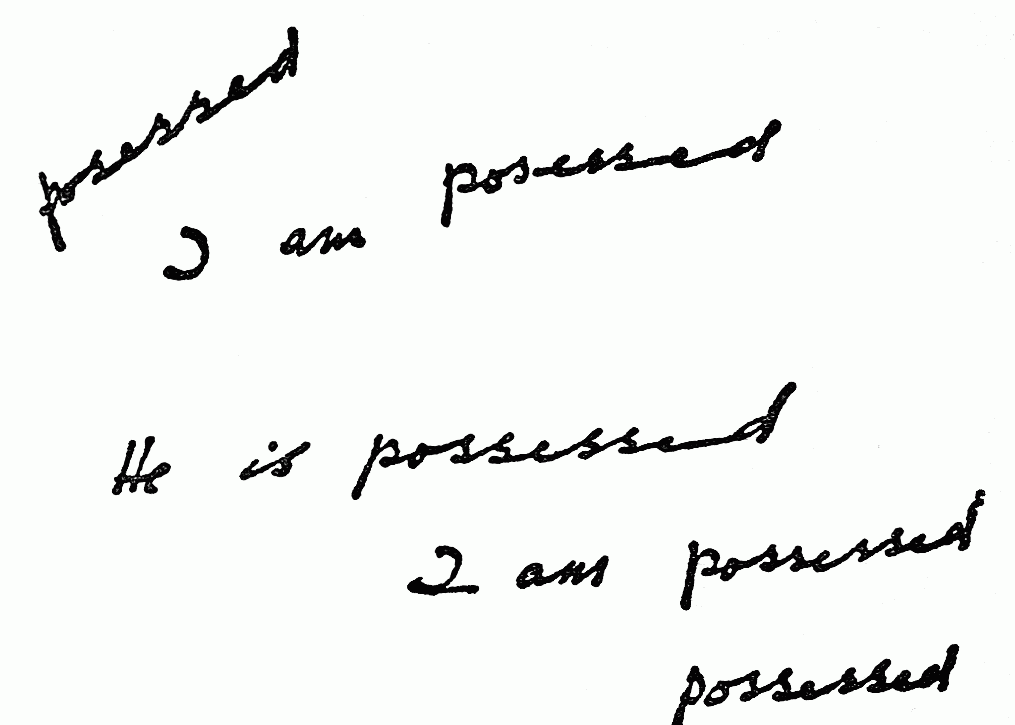
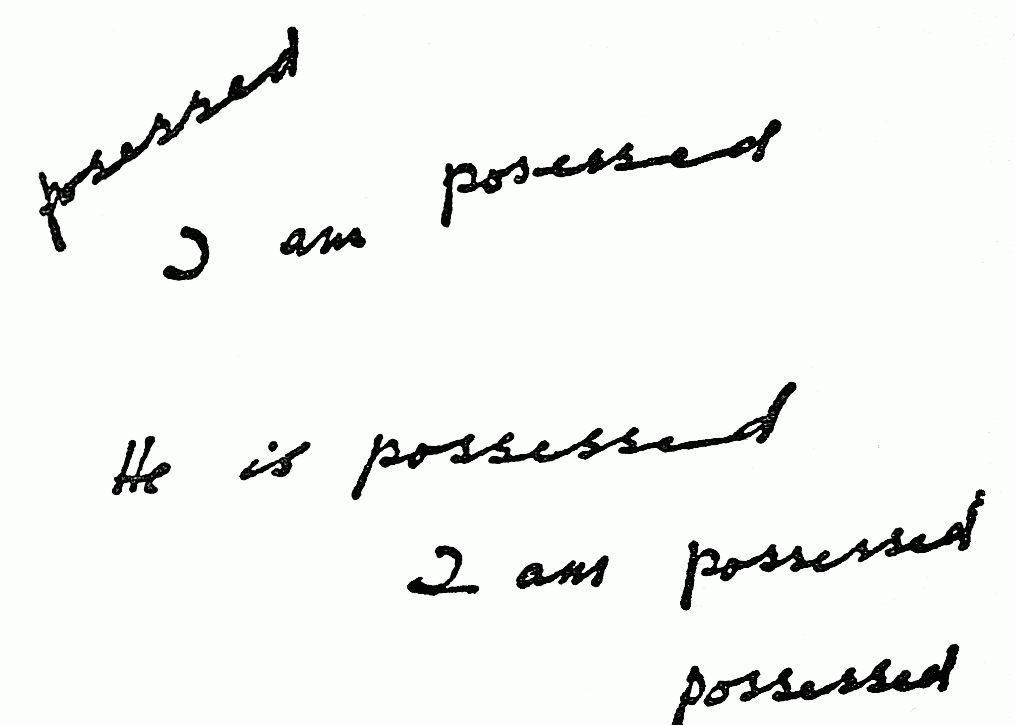
Well, that is what Mrs. Inglethorp did.You will notice that the word ‘possessed’ is spelt first with one ‘s’ and subsequently with two—correctly. To make sure, she had further tried it in a sentence, thus:‘I am possessed.’
「そう、|ミセス=イングルソープも|そうしたんだよ。||ご覧なさい。||『possessed(所有)』|という|単語が、|最初は|『s』が|ひとつ、|次には|正しく|『s』が、|二つ|書かれている。||彼女は|スペルの|確認の|ために、|さらに|その|単語を|文の|中で|使ってみた。||『I am possessed(私が|所有する)』|という|具合にね」
Now, what did that tell me?
It told me that Mrs. Inglethorp had been writing the word ‘possessed’ that afternoon, and, having the fragment of paper found in the grate fresh in my mind, the possibility of a will—(a document almost certain to contain that word)—occurred to me at once.
「では、|これは|何を|意味するか?||それは|つまり、|ミセス=イングルソープが|あの日の|午後に|『possessed』|という|単語を|書いていた|ということに|なるんだ。||そして|私は、|まだ|新しい|暖炉の|格子の|中で|見つけた|紙切れの|ことを|思い出して、|すぐに|『遺言書』の|可能性に|思い至った|という|わけさ。||この種の|文書には、|その単語が|含まれている|ことが|非常に|多いからね」
This possibility was confirmed by a further circumstance. In the general confusion, the boudoir had not been swept that morning, and near the desk were several traces of brown mould and earth. The weather had been perfectly fine for some days, and no ordinary boots would have left such a heavy deposit.
「そして|この|可能性は、|ある|状況に|よって|裏づけられた。||今朝、|皆さん|混乱|していたので、|彼女の|書斎は|掃除されて|いなかったのか、|机の|近くの|床に、|茶色い|土と|カビの|痕跡が|いくつも|残っていた。||最近は|いい|天気が|続いたので、|普通の|靴で|こんなに|土を|持ち込むことは|ないはずだ」
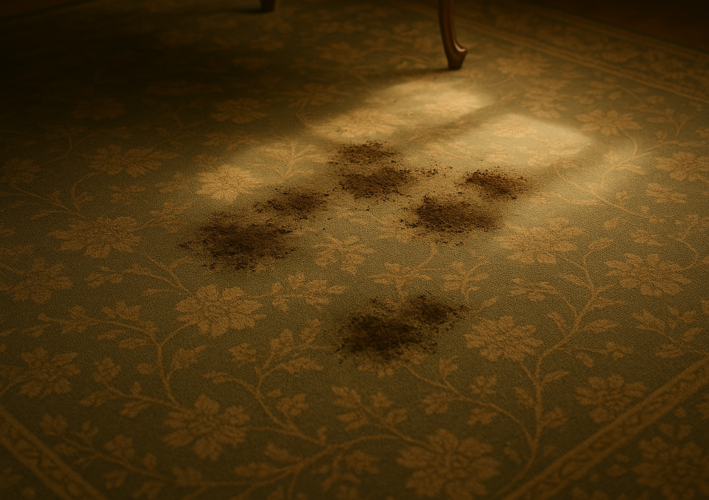
“I strolled to the window, and saw at once that the begonia beds had been newly planted. The mould in the beds was exactly similar to that on the floor of the boudoir, and also I learnt from you that they had been planted yesterday afternoon.
I was now sure that one, or possibly both of the gardeners—for there were two sets of footprints in the bed—had entered the boudoir, for if Mrs. Inglethorp had merely wished to speak to them she would in all probability have stood at the window, and they would not have come into the room at all.
I was now quite convinced that she had made a fresh will, and had called the two gardeners in to witness her signature. Events proved that I was right in my supposition.”
「私は|窓辺へ|歩いていくと、|すぐに|ベゴニアの|花壇が|新しく|植え替えられていた|ことに|気づいた。||花壇の|土と、|書斎の|床に|あった|土とは|まったく|同じもの|だった。||さらに|君から、|それが|昨日の|午後に|植え替えられたと|聞いていた。||ここで|私は、|庭師、|正確には|二人の|庭師が|書斎に|入ったことを|確信した。||なぜなら、|もし|彼女が|ただ|話しかけたかった|だけなら、|窓越しで|済んだはずで、|部屋の|中にまで|呼び入れる|必要は|なかっただろう。||私は、|この時点で|彼女が|新しい|遺言書を|作成し、|それに|二人の|庭師を|証人|として、|署名|させたと|確信した。||そして、|実際に|それは|正しかったと|後に|判明した」
“That was very ingenious,”I could not help admitting.
“I must confess that the conclusions I drew from those few scribbled words were quite erroneous.”
「それは|見事な|推理だ」||私は|素直に|認めた。
「僕が|あの|走り書きから|導いた|結論は、|まったく|的外れ|だったよ」
He smiled.
ポワロは|微笑んだ。
“You gave too much rein to your imagination. Imagination is a good servant, and a bad master. The simplest explanation is always the most likely.”
「君は|想像力を|使いすぎたのだよ。||想像力と|いうのは、|良い|召使いには|なるんだが、|主人に|するには|向いていない。||最も|単純な|説明が、|たいていの|場合、|最も|正しい|ものだ」
“Another point—how did you know that the key of the despatch-case had been lost?”
「もうひとつ|聞きたい。||どうして|書類カバンの|鍵が|なくなっていた|ことを|知っていたんだ?」
“I did not know it. It was a guess that turned out to be correct. You observed that it had a piece of twisted wire through the handle. That suggested to me at once that it had possibly been wrenched off a flimsy key-ring. Now, if it had been lost and recovered, Mrs. Inglethorp would at once have replaced it on her bunch; but on her bunch I found what was obviously the duplicate key, very new and bright, which led me to the hypothesis that somebody else had inserted the original key in the lock of the despatch-case.”
「知っていた|わけではない。||当てずっぽうが|偶然|当たったのだ。||君も|見ただろう。||あの|鍵の|持ち手には、|よじれた|針金が|通してあった。あれを|見て|私は|すぐに、|誰かに|ちゃちな|キーホルダーから|無理に|引きちぎられた|もの|かもしれないと|思ったんだ。||もし|鍵が|落とされ、|拾われて|戻ってきたのなら、|ミセス=イングルソープは|すぐに|元の|鍵束に|戻しただろう。||しかし、|彼女の|鍵束には|明らかに|予備と|わかる|新品の|光り|輝く|鍵が|ついていたんだ。||それで|私は、|元の|よじれた|針金のついた|鍵は|別の|誰かが|書類カバンに|差し込んのではないか|という|仮説を|立てたのだ」
“Yes,” I said, “Alfred Inglethorp, without doubt.”
「そうか」と、|私は|言った。
「アルフレッド=イングルソープだ。||間違い|ないな」
Poirot looked at me curiously.
ポワロは、|じっと|私の顔を|見つめた。
“You are very sure of his guilt?”
「君は|彼が|有罪だ|という|自信が|あるのかね?」
“Well, naturally. Every fresh circumstance seems to establish it more clearly.”
「当然だよ。||新しい|状況が|出てくるたびに、|それが|ますます|彼の|犯行を|裏づけている|ように|見えるじゃないか」
Poirot looked at me curiously.
ポワロは、|じっと|私の|顔を|見つめた。
“On the contrary,” said Poirot quietly,
“there are several points in his favour.”
「それどころか」、と|ポワロは|静かに|言った。
「彼に|有利な点が|いくつかある」
“Oh,come now!”
「えっ、|まさか!」
“Yes.”
「あるんだよ」
“I see only one.”
「一つしか|見当たらないけどね」
“And that?”
「それは?」
“That he was not in the house last night.”
「昨夜、|彼が|家に|いなかったことだ」
“‘Bad shot!’ as you English say!
You have chosen the one point that to my mind tells against him.”
「『はずれ!』と、|君たち|イギリス人は|言うだろう! ||私の|考えている|彼に|不利な|点の|一つを|君は|選んだね」
“How is that?”
「どうしてだい?」
“Because if Mr. Inglethorp knew that his wife would be poisoned last night, he would certainly have arranged to be away from the house.
His excuse was an obviously trumped up one.
That leaves us two possibilities: either he knew what was going to happen or he had a reason of his own for his absence.”
「なぜなら、|もし|ミスター=イングルソープが|妻が|昨夜|毒殺されると|知っていたなら、|必ずや|自分は|家に|いないよう|段取り|していたに|違いない。||彼の|言い訳は、|明らかに|でっちあげられたもの|だった。||となると、|可能性は|二つ。||ひとつは、|彼が|事件が|起こることを|知っていた|というもの。||もうひとつは、|彼自身の|理由で|不在だった|ということだ」
“And that reason?” I asked sceptically.
「その|理由|というのは?」||私は|疑い深く|尋ねた。
Poirot shrugged his shoulders.
ポワロは|肩をすくめた。
“How should I know? Discreditable, without doubt.
This Mr. Inglethorp, I should say, is somewhat of a scoundrel—but that does not of necessity make him a murderer.”
「どうして|私に|わかる?||ろくでもない|理由に|違いない。||この|イングルソープ|という男、|私の|見るところ、|かなりの|悪党だ。||しかし、|それが|そのまま|彼が|殺人犯|だと|いうことには|ならない」
I shook my head, unconvinced.
私は|首を|振った。||納得が|いかなかった。
“We do not agree, eh?” said Poirot.
“Well, let us leave it. Time will show which of us is right. Now let us turn to other aspects of the case. What do you make of the fact that all the doors of the bedroom were bolted on the inside?”
「意見が|合わないようだね?」と、|ポワロが|言った。
「まあ、|よかろう。||時が|どちらが|正しいかを|示してくれるだろう。||さて、|話題を|変えよう。||寝室の|扉が|すべて|内側から|かんぬきで|閉じられていた|こと、|君は|どう|思うかね?」
“Well——” I considered.
“One must look at it logically.”
「うーん」||私は|考え込んだ。
「論理的に|見なければならない」
“True.”
「そのとおり」
“I should put it this way.
The doors were bolted—our own eyes have told us that—yet the presence of the candle grease on the floor, and the destruction of the will, prove that during the night someone entered the room.
You agree so far?”
「こう|考えるべきだと|思う。||扉は|かんぬきで|閉じられていた。||それは|我々|自身が|確認している。||だが、|床に|残された|ロウの|跡や、|遺言書が|破棄されていた|事実から、|夜中に|誰かが|部屋に|入ったのは|明らかだ。||ここまでは|同意するかい?」
“Perfectly. Put with admirable clearness. Proceed.”
「完全に|同意する。||実に|見事な|明晰さで|まとめてくれた。||続けてくれ」
“Well,” I said, encouraged, “as the person who entered did not do so by the window, nor by miraculous means, it follows that the door must have been opened from inside by Mrs. Inglethorp herself. That strengthens the conviction that the person in question was her husband. She would naturally open the door to her own husband.”
「それじゃあ」と、|私は|気をよくして|言った。
「窓から|入ったわけでも|なければ、|奇跡的な|方法で|入ったわけでも|ない以上、|その人物は、|ミセス=イングルソープ|自身が|中から|扉を|開けて|通した|と|考えるべきだ。||だとすると、|その人物が|彼女の|夫だった|という|確信が|強まる。||夫なら、|彼女が|自然に|扉を|開けても|不思議はない」
Poirot shook his head.
ポワロは|首を|振った。
“Why should she?
She had bolted the door leading into his room—a most unusual proceeding on her part—she had had a most violent quarrel with him that very afternoon.
No, he was the last person she would admit.”
「なぜ|そう|思うのかね? ||彼女は|彼の|部屋に|通じる|扉に|かんぬきを|かけていた。||これは|彼女の|立場としては|非常に|不自然だ||しかも、|その日の午後に|激しい|口論を|していたばかりだ。||いいや、|彼が|彼女に|迎え入れられる|可能性は|最も|低い」
“But you agree with me that the door must have been opened by Mrs. Inglethorp herself?”
「でも、|君も|同意|するだろ?|| 扉は|ミセス=イングルソープ|自身が|開けたに|違いないと?」
“There is another possibility.
She may have forgotten to bolt the door into the passage when she went to bed, and have got up later, towards morning, and bolted it then.”
「他の|可能性もある。||彼女は|寝るときに|廊下側の|扉に|かんぬきを|かけ忘れた|かもしれない。||そして|明け方|近くに|目を覚まし、|そのときに|かんぬきをかけた|可能性もある」
“Poirot, is that seriously your opinion?”
「ポワロ、|それ、|本気で|言ってるのか?」
“No, I do not say it is so, but it might be. Now, to turn to another feature, what do you make of the scrap of conversation you overheard between Mrs. Cavendish and her mother-in-law?”
「いや、|そうだとは|言わない。||しかし、|そうだったかもしれない|ということだ。||さて、|話を|変えよう。||君が|耳にした、|ミセス=キャヴンディッシュと|彼女の|姑との|会話の|断片、|あれを|どう|思う?」
“I had forgotten that,” I said thoughtfully.
“That is as enigmatical as ever. It seems incredible that a woman like Mrs. Cavendish, proud and reticent to the last degree, should interfere so violently in what was certainly not her affair.”
「忘れていたな」と、|私は|考え込んで|言った。
「あれは|いまだに|謎めいている。||誇り高くて、|極めて|秘密主義的な|メアリー=キャヴンディッシュが、|明らかに|彼女の|関与|すべきことでは|ないことに、|あれほど|激しく|首を|突っ込むなんて|信じがたい」
“Precisely. It was an astonishing thing for a woman of her breeding to do.”
「まさに|その通り。||あの|育ちの|良い|女性 としては、|実に|驚くべき|行動だ」
“It is certainly curious,” I agreed.
“Still, it is unimportant, and need not be taken into account.”
「確かに|妙では|ある」と、|私は|同意した。
「でも、|重要じゃ|ないと|思うな。わざわざ|考慮に|入れるほどの|ことでは|あるまい」
A groan burst from Poirot.
ポワロは|思わず|唸った。
“What have I always told you?
Everything must be taken into account.
If the fact will not fit the theory—let the theory go.”
「私が|いつも|君に|言ってることを|忘れたかい?||すべてを|考慮に|入れなければ|ならない。||事実が|理論に|合わないなら、|理論を|捨てるのだ」
“Well, we shall see,” I said, nettled.
「まあ、|そのうち|わかるさ」と、|私は|少し|イラついて|言った。
“Yes, we shall see.”
「そうだ、|いずれ|わかることだ」
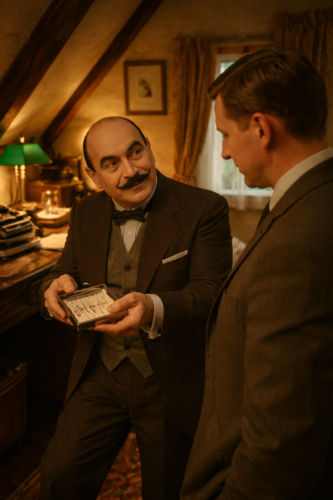
We had reached Leastways Cottage, and Poirot ushered me upstairs to his own room.
He offered me one of the tiny Russian cigarettes he himself occasionally smoked.I was amused to notice that he stowed away the used matches most carefully in a little china pot.
My momentary annoyance vanished.
Poirot had placed our two chairs in front of the open window which commanded a view of the village street. The fresh air blew in warm and pleasant. It was going to be a hot day.
私たちは|リーストウェイズ=コテージに|着き、|ポワロは|私を|自分の|部屋へと|案内した。
彼は、|ときどき|吸っている|ロシア製の|小さな|シガレットを|一本|勧めてきた。||私は、|使った|マッチを|彼が|小さな|陶器の|入れ物に|きちんと|しまうのを|見て、|おかしくなった。
さっきまでの|いら立ちは|すっと|消えていた。
ポワロは、|村の|通りを|見渡せる|開け放たれた|窓の前に|椅子を|二つ|並べていた。||外の|空気は|暖かく|心地よく|吹き込んでいた。||今日は|暑くなりそうだ。
Suddenly my attention was arrested by a weedy looking young man rushing down the street at a great pace.
It was the expression on his face that was extraordinary—a curious mingling of terror and agitation.
ふと、|私の|目が|ある|若者の|姿を|とらえた。||草のように|ひょろっとした|その|青年が、|通りを|全速力で|駆けてくる。||だが、|私の|注意を|引いたのは|その|顔の|表情|だった。||恐怖と|混乱が|奇妙に|入り混じったような、|異様な|表情だった。
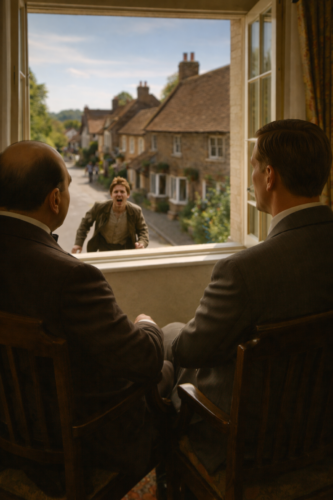
“Look, Poirot!” I said.
「見て、|ポワロ!」||私は|言った。
He leant forward.
ポワロは|身を|乗り出した。
“Tiens!” he said.
“It is Mr. Mace, from the chemist’s shop. He is coming here.”
「ティエン(おやっ)!」と彼は言った。
「あれは|薬局の|<ミスター=メイス>だ。||こっちに|向かって|来る」
The young man came to a halt before Leastways Cottage, and, after hesitating a moment, pounded vigorously at the door.
若者は|リーストウェイズ=コテージの|前で|立ち止まり、|しばらく|ためらったのち、|勢いよく|ドアを|ノックした。
“A little minute,” cried Poirot from the window.
“I come.”
「ちょっと|待ってください」と、|ポワロが|窓から|叫んだ。
「すぐ行きますよ」
Motioning to me to follow him, he ran swiftly down the stairs and opened the door. Mr. Mace began at once.
私にも|ついて来るよう|手で|合図し、|彼は|すばやく|階段を|駆け下りて|ドアを|開けた。||メイスは|すぐに|口を|開いた。
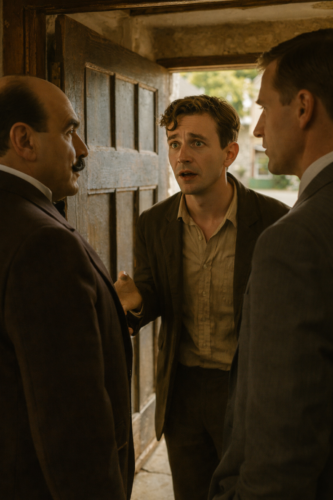

“Oh, Mr. Poirot, I’m sorry for the inconvenience, but I heard that you’d just come back from the Hall?”
「あの、|ムッシュー=ポワロ。||ご迷惑かとは|思ったんですが、|ちょうど|屋敷から|戻られたって|聞きまして」
“Yes, we have.”
「ええ、|今|戻ったところです」
The young man moistened his dry lips. His face was working curiously.
若者は|乾いた|唇を|湿らせた。||顔は|奇妙に|こわばっていた。
“It’s all over the village about old Mrs. Inglethorp dying so suddenly. They do say—”he lowered his voice cautiously—“that it’s poison?”
「イングルソープ夫人が|突然|亡くなったって、|村中が|騒ぎに|なってます。||それで、噂では」||彼は|声を|潜めて|言った。
「それは|毒|だって?」
Poirot’s face remained quite impassive.
ポワロの|表情は|まったく|変わらなかった。
“Only the doctors can tell us that, Mr. Mace.”
「それは|医師たちの|判断|次第|ですよ、|メイス君」
“Yes, exactly—of course——”
「ええ、|もちろん、|そうですよね」
The young man hesitated, and then his agitation was too much for him.
He clutched Poirot by the arm, and sank his voice to a whisper:
若者は|言いよどんだが、|動揺が|抑えきれなかった。
ポワロの|腕を|つかむと、|囁くように|言った。
“Just tell me this, Mr. Poirot, it isn’t—it isn’t strychnine, is it?”
「ただ、|ひとつだけ|教えてください。||それって、|それって、|ストリキニーネじゃ|ないんでしょうね?」
I hardly heard what Poirot replied. Something evidently of a non-committal nature. The young man departed, and as he closed the door Poirot’s eyes met mine.
ポワロが|何と|答えたのか、|私には|よく|聞こえなかった。||おそらく、|はっきりしない|返答を|したのだろう。
若者は|去っていき、|ドアが|閉まると、|ポワロは|私の|目を|じっと|見つめた。
“Yes,” he said, nodding gravely.
“He will have evidence to give at the inquest.”
「ああ」と|彼は|重々しく|うなずいた。
「彼は、|検死審問で|証言|することに|なるだろう」
We went slowly upstairs again. I was opening my lips, when Poirot stopped me with a gesture of his hand.
私たちは|ゆっくりと|二階へ|戻った。||私は|口を|開きかけたが、|ポワロは|手を|上げて|それを|制した。
“Not now, not now, mon ami. I have need of reflection. My mind is in some disorder—which is not well.”
「今は|だめだ、|モナミ。||今は|考えたい。|頭の|中が|少し|混乱|している。||これじゃ|バラバラだ」
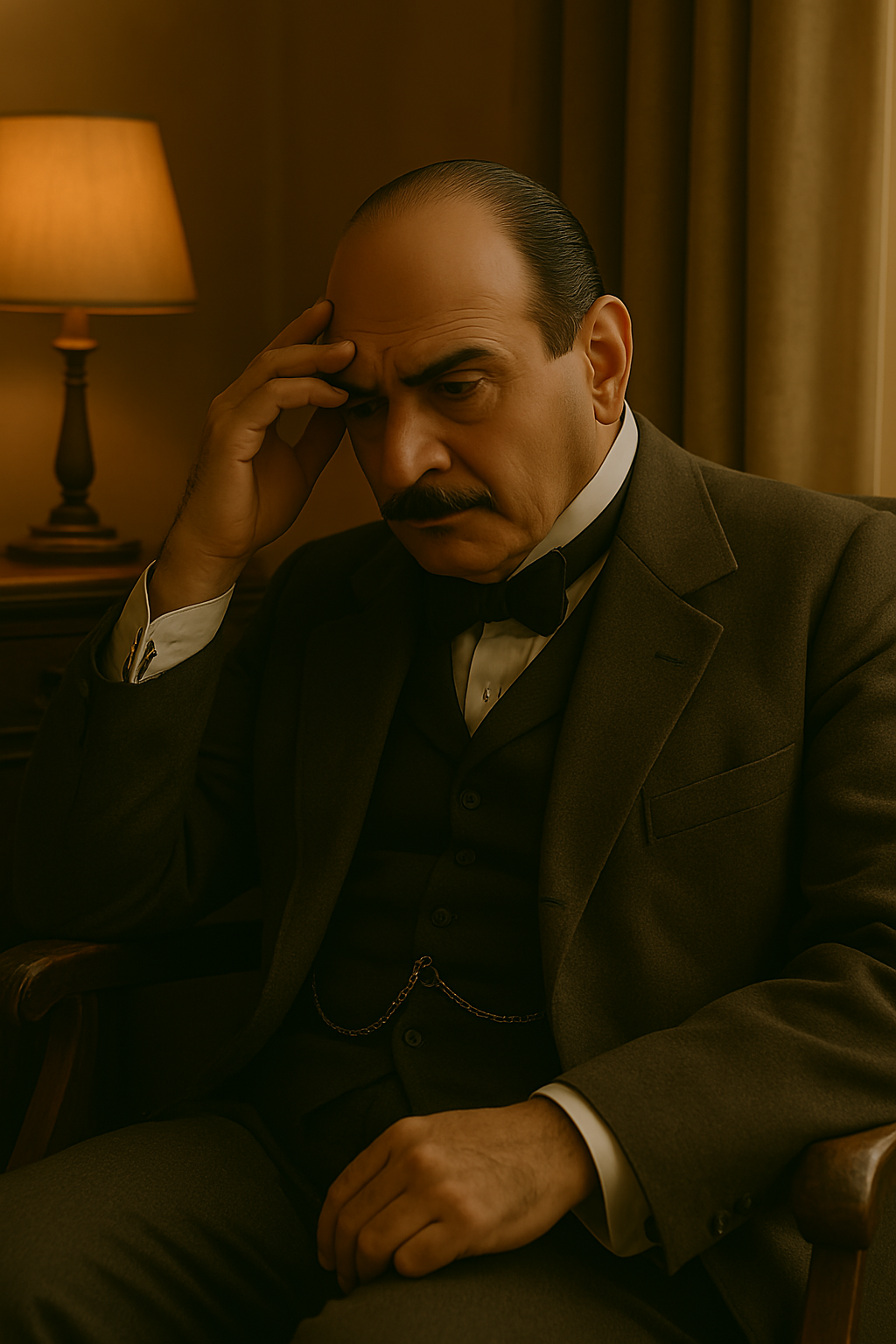
For about ten minutes he sat in dead silence, perfectly still, except for several expressive motions of his eyebrows, and all the time his eyes grew steadily greener. At last he heaved a deep sigh.
彼は|およそ|10分間、|まったく|動かずに|沈黙し、|ただ|眉を|何度か|意味ありげに|動かした。
そして、|その間|ずっと、|彼の|目は|じわじわと|緑がかって|いった。
やがて、|彼は|大きく|ため息を|ついた。
“It is well. The bad moment has passed.
Now all is arranged and classified.
One must never permit confusion.
The case is not clear yet—no.
For it is of the most complicated!
It puzzles me. Me, Hercule Poirot!
There are two facts of significance.
「よし、|もう|大丈夫だ。||バラバラな|時間は|過ぎた。||もう|すべてが|整理されて|分類|できた。||バラバラの|ままに|しておいては|ならないのだ。||事件は|まだ|はっきり|していないが、|いや、|そうだ。||なぜなら|これは|非常に|入り組んだ|事件|だからだ!||私を、|この|エルキュール=ポワロを|さえ、|悩ませている!||注目すべき|事実が|二つ|ある」
“And what are they?”
「それで、|その|二つの|事実|というのは|何だい?」
“The first is the state of the weather yesterday. That is very important.”
「一つ目は、|昨日の|天気の|状態だ。||これは|非常に|重要な|ことだ」
“But it was a glorious day!” I interrupted.
“Poirot, you’re pulling my leg!”
「でも、|素晴らしい|快晴|だったじゃ|ないか!」||私は|口を|挟んだ。
「ポワロ、|君は|僕を|からかってるんだろ!」
“Not at all. The thermometer registered 80 degrees in the shade. Do not forget that, my friend.
It is the key to the whole riddle!”
「まったく|そんなことは|ない。||日陰でも|温度計は|約27度を|示していた。||それを|忘れては|いけないよ、|君。||それこそが、|この|謎|全体の|鍵|なのだ!」
“And the second point?” I asked.
「それで、|二つ目は?」||私は|尋ねた。
“The important fact that Monsieur Inglethorp wears very peculiar clothes, has a black beard, and uses glasses.”
「それは、|ミスター=イングルソープが|非常に|風変わりな|服を|着ていて、|黒い|ひげを|生やし、|眼鏡を|かけている|という|事実だ」
“Poirot, I cannot believe you are serious.”
「ポワロ、|君が|本気だとは|思えないよ」
“I am absolutely serious, my friend.”
「まったくもって|本気だよ、|君」
“But this is childish!”
「でも、|それは|子供じみて|ないか!」
“No, it is very momentous.”
「いや、|これは|極めて|重大なこと|なんだ」
“And supposing the Coroner’s jury returns a verdict of Wilful Murder against Alfred Inglethorp.
What becomes of your theories, then?”
「でも、|検死陪審が|アルフレッド=イングルソープに|『故意|による|殺人』の|評決を|下したら|どうする?||君の|理論は|どうなるんだ?」
“They would not be shaken because twelve stupid men had happened to make a mistake!
But that will not occur. For one thing, a country jury is not anxious to take responsibility upon itself, and Mr. Inglethorp stands practically in the position of local squire.
Also,” he added placidly,
“I should not allow it!”
「愚かな|十二人が|たまたま|間違いを|犯したから|といって、|私の|理論が|揺らぐことは|ない!||だが、|そん|なことはには|ならない。||なぜなら、|第一に|田舎の|陪審員|たちは|責任を|負いたがらないし、|ミスター=イングルソープは|地元の|地主のような|立場にある|ということ。||加えて」||彼は|穏やかに|付け加えた。
「そんなことは |この|私が| 許さないからだ」
“You would not allow it?”
「君が|許さない?」
“No.”
「そうだ」
I looked at the extraordinary little man, divided between annoyance and amusement. He was so tremendously sure of himself.As though he read my thoughts, he nodded gently.
私は|困惑|しながらも|面白さも|感じながら、|この|風変わりな|小男を|見つめた。||彼は|自信に|満ち溢れて|いた。||私の|心を|読んだかの|ように、|ポワロは|穏やかに|うなずいた。
“Oh, yes, mon ami, I would do what I say.”
「ああ、|モナミ。||私は|言ったことは|やるつもりだ」
He got up and laid his hand on my shoulder. His physiognomy underwent a complete change.Tears came into his eyes.
彼は|立ち上がり、|私の|肩に|手を|置いた。|その|顔つきが|一変した。||目には|涙が|にじんでいた。
“In all this, you see, I think of that poor Mrs. Inglethorp who is dead.
She was not extravagantly loved—no.
But she was very good to us Belgians—I owe her a debt.”
「この件で|私が|ずっと|考えているのは、|亡くなった|ミセス=イングルソープの|こと|なのだ。||彼女は|熱烈に|愛されていた|わけでは|ない。||そう。||だが、|私たち|ベルギー人には|とても|親切に|してくれたのだ。||私は|彼女|に借りがある」
I endeavoured to interrupt, but Poirot swept on.
私は|何か|言おうとしたが、|ポワロは|話を|続けた。
“Let me tell you this, Hastings.
She would never forgive me if I let Alfred Inglethorp, her husband, be arrested now—when a word from me could save him!”
「聞いてくれ、|ヘイスティングス。||彼女は||もし|彼女の|夫、|アルフレッド=イングルソープが、|『いま』|逮捕|されるような|ことに|なったら、|決して|私を|許して|くださらないだろう。||私の|一言で|彼を|守ることが|できたはず|なんだ!」