注記(区切り記号について)
この翻訳文には、点字に対応させるための区切り記号(マス空け)を入れています。
「|」 … 1マスあけ
「||」 … 2マスあけ
点訳の際に必要となる区切りを、見える形で示しています。
読み進めるうちに、文章のリズムや切れ目を意識していただければ幸いです。
・固有名詞は実際の発音を標準にしますが、日本語で馴染みのあるカタカナ表記を優先しています。
・固有名詞は、原則として最初に登場した時に限って、その固有部分を「第2カギ符」で囲んでいます。
・固有名詞の複合語は、「マス空け」「中点」ではなく、一つの意味のまとまりとして一体性を保つために「第2つなぎ符」で表記しています。
・建物の階数は日本式で、ground floor=一階、first floor=二階と表記しています。
『Brille Editor System ver.8』用の『BESファイル』を、ZIPファイルに圧縮して公開しています。(2026年1月20日現在)
The Mysterious Affair at Styles
CHAPTER X.
THE ARREST
||||||||スタイルズの|怪事件
||||||第十章
||||逮捕
To my extreme annoyance, Poirot was not in, and the old Belgian who answered my knock informed me that he believed he had gone to London.
I was dumbfounded. What on earth could Poirot be doing in London! Was it a sudden decision on his part, or had he already made up his mind when he parted from me a few hours earlier?
ひどく|苛立たしい|ことに、|ポワロは|不在だった。||ノックに|応じた|友人の|ベルギー人|によると、|彼は|ロンドンに|行ったらしい|という。||私は|あっけに|とられた。||ポワロは|いったい|何をしに|ロンドンに?||それは|突然|思いついたこと|なのか、|それとも|数時間|前に、|私と|別れた|時点で|すでに|決めていたこと|だったのか?
I retraced my steps to Styles in some annoyance. With Poirot away, I was uncertain how to act. Had he foreseen this arrest? Had he not, in all probability, been the cause of it? Those questions I could not resolve.
But in the meantime what was I to do? Should I announce the arrest openly at Styles, or not?
私は|いらだちを|抱えたまま|スタイルズへ|引き返した。
ポワロが|いない|今、|私は|どう|動くべきか|判断が|つかなかった。
彼は|この|逮捕を|予想|していたのだろうか?||あるいは、|彼こそが|それを|仕掛けた|張本人|なのではないか?||私には|その|疑問に|答えることは|できなかった。
だが、|今の|時点で|私は|どうすべきか?||スタイルズで|この|逮捕の|事実を|公表|すべきだろうか?||それとも|何も|言わない方が|いいのか?
Though I did not acknowledge it to myself, the thought of Mary Cavendish was weighing on me. Would it not be a terrible shock to her?
For the moment, I set aside utterly any suspicions of her. She could not be implicated—otherwise I should have heard some hint of it.
自分では|認めたくなかったが、|メアリー=キャヴンディッシュのことが|私の|心に|重く|のしかかっていた。||彼女に|とっては、|これは|大きな|衝撃に|なるだろう。
私は|一時的に、|彼女に|対する|あらゆる|疑念を|捨て去っていた。||彼女が|関与している|はずはない。|もし|そうなら、|何かしらの|兆候が|あって|しかるべきだった。
Of course, there was no possibility of being able permanently to conceal Dr. Bauerstein’s arrest from her.
It would be announced in every newspaper on the morrow. Still, I shrank from blurting it out.
If only Poirot had been accessible, I could have asked his advice.
What possessed him to go posting off to London in this unaccountable way?
もちろん、|ドクター=バウアースタインの|逮捕を|彼女から|永久に|隠すことは|不可能だ。||明日には|すべての|新聞に|載るはずだ。
それでも、|私は|そのことを|思わず|口に出さない|ように|気をつけていた。
もし|ポワロが|ここに|いてくれたなら、|彼の|助言を|仰アドバイスを|聞くことが|できたのに。
いったい|彼は、|なぜ|こんな|わけの分からない|タイミングで|ロンドンへ|出かけたのだ?
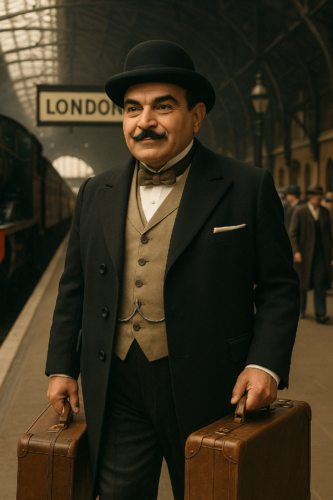
In spite of myself, my opinion of his sagacity was immeasurably heightened.
I would never have dreamt of suspecting the doctor, had not Poirot put it into my head.
Yes, decidedly, the little man was clever.
After some reflecting, I decided to take John into my confidence, and leave him to make the matter public or not, as he thought fit.
He gave vent to a prodigious whistle, as I imparted the news
とはいえ、|私は|ポワロの|洞察力を|これまで|以上に|高く|評価せざるを|得なかった。||彼が|私に|ヒントを|与えて|いなければ、|私は|ドクター=バウアースタインを|疑うなど|夢にも|思わなかっただろう。||あの|小男は、|やはり|ただ者ではない。
私は|いろいろと|考えた|結果、|ジョンに|だけ|真実を|打ち明け、|あとは|彼の|判断に|任せて、|皆に|話すかどうか|決めてもらうことにした。
ニュースを|伝えると、|彼は|盛大に|口笛を|吹いた。
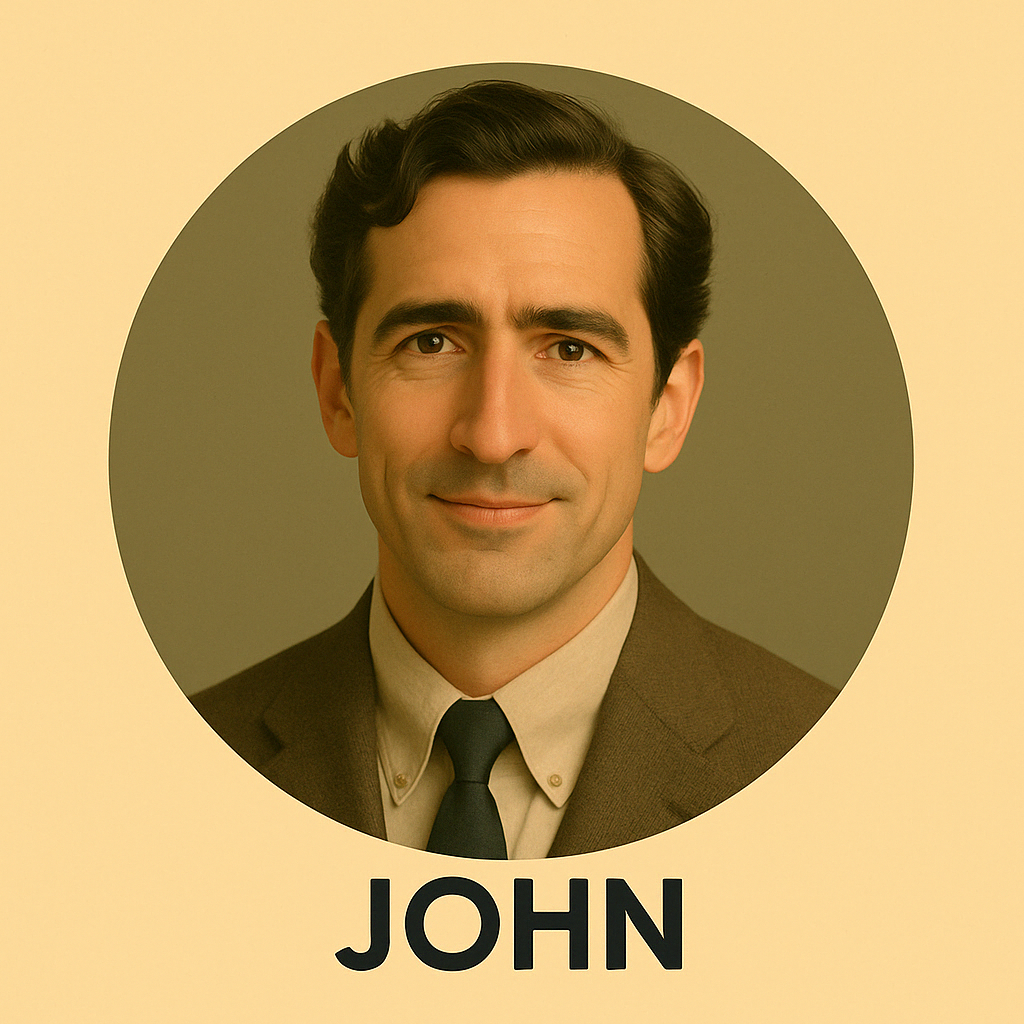
“Great Scott! You were right, then. I couldn’t believe it at the time.”
「それは|驚いた!||君の|言う通り|だったんだな。||そのときは|信じられなかったけど」

“No, it is astonishing until you get used to the idea, and see how it makes everything fit in. Now, what are we to do?
Of course, it will be generally known to-morrow.”
「うん、|最初は|信じられないけど、|一度|その考えに|慣れてしまえば、|すべてが|ぴたりと|収まる。||さて、|どうすべきだろう?||明日には|きっと|世間に|知れ渡ると|思うけど」
John reflected.
ジョンは|考え込んだ。
“Never mind,” he said at last,“we won’t say anything at present. There is no need. As you say, it will be known soon enough.”
「気にすることは|ないよ」と、|彼は|ようやく|口を開いた。
「我々は、|さしあたり|何も|話すことは|ないだろう。||その|必要も|ないし。||君の|言う通り、|すぐに|知れ渡ることさ」

But to my intense surprise, on getting down early the next morning, and eagerly opening the newspapers, there was not a word about the arrest! There was a column of mere padding about “The Styles Poisoning Case,” but nothing further.
It was rather inexplicable, but I supposed that, for some reason or other, Japp wished to keep it out of the papers.
It worried me just a little, for it suggested the possibility that there might be further arrests to come.
だが|翌朝、|私は|早起きして|新聞を|開いてみて、|心底|驚いた。||逮捕|について、|一言も|触れられて|いなかったのだ!
『スタイルズ|毒殺事件』についての|長たらしい|コラムは|あったが、|それ以上のことは|何もなかった。
不可解|だったが、|ジャップが|何らかの|理由で|報道を|抑えているのだろうと|私は|思った。
少し|気がかり|だったのは、|それが|さらなる|逮捕を|意味している|可能性が|あるという|点だった。
After breakfast, I decided to go down to the village, and see if Poirot had returned yet; but, before I could start, a well-known face blocked one of the windows, and the well-known voice said:
朝食のあと、|私は|村へ|下りて、|ポワロが|もう|戻っているか|どうか、|見てこようと|決めた。||だが、|出かけようと|するより|先に、|見慣れた|顔が、|窓の|一つを|ふさぎ、|聞き慣れた|声が、|こう|言った。
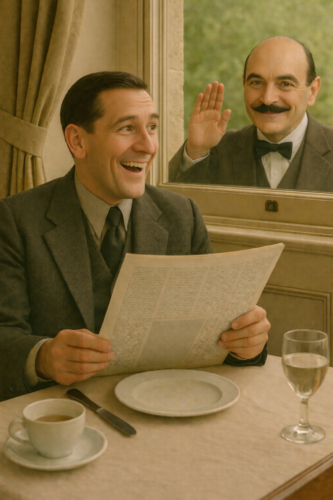

“Bonjour, mon ami!”
「ボンジュール、|モナミ(おはよう、|友よ)!」
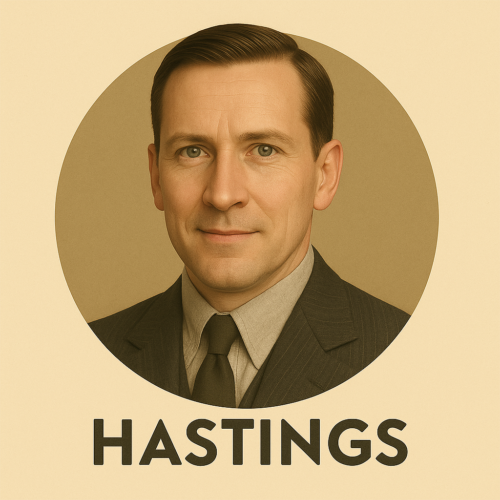
“Poirot,”
「ポワロ!」
I exclaimed, with relief, and seizing him by both hands, I dragged him into the room.
私は|ほっとして|思わず|声を上げると、|両手で|彼の|手を|つかんで、|そのまま|部屋の中に|引きずり込んだ。
“I was never so glad to see anyone. Listen, I have said nothing to anybody but John. Is that right?”
「こんなに|誰かに|会えて|うれしかったことは|ないよ。||聞いてくれ、|私は|ジョン|以外の|誰にも|何も|話していない。||それで|よかったかい?」
“My friend,” replied Poirot,“I do not know what you are talking about.”
「君」と、|ポワロは|答えた。
「何のことを|言っているのか、|さっぱり|分からん」
“Dr. Bauerstein’s arrest, of course,” I answered impatiently.
「もちろん、|ドクター=バウアースタインの|逮捕の|ことだよ!」||私は|いら立ち|混じりに|言った。
“Is Bauerstein arrested, then?”
「バウアースタインが|逮捕|されたのか、|それで?」
“Did you not know it?”
「知らなかったのかい?」
“Not the least in the world.”
「まったく|知らなかったよ」
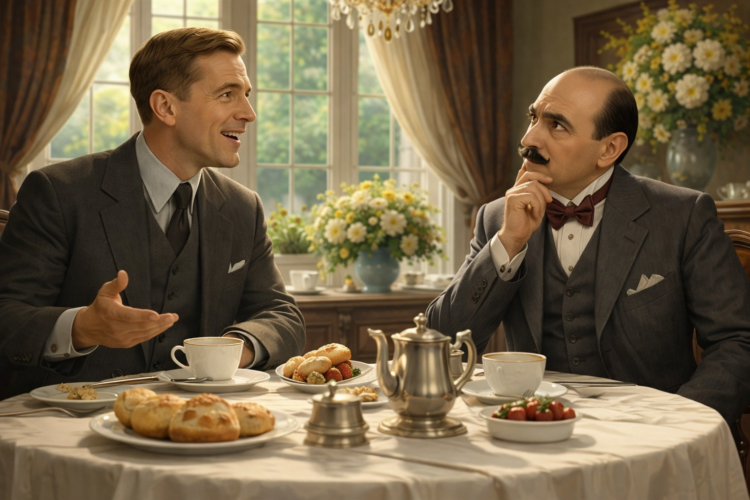
But, pausing a moment, he added:
だが、|少し間を|おいて|彼は|付け加えた。
“Still, it does not surprise me. After all, we are only four miles from the coast.”
「それでも|驚きは|しないよ。||何しろ、|ここから|海岸|までは|たったの|4マイルだ」
“The coast?” I asked, puzzled.
“What has that got to do with it?”
「海岸?」||私は|腑に落ちなくて|聞き返した。
「それが|何の|関係が|あるんだい?」
Poirot shrugged his shoulders.
ポワロは|肩をすくめた。
“Surely, it is obvious!”
「どう|考えても|明らかだよ!」
“Not to me. No doubt I am very dense, but I cannot see what the proximity of the coast has got to do with the murder of Mrs. Inglethorp.”
「僕には|さっぱりだよ。||察しが|悪いのは|認めるけど、|海岸の|近さが|ミセス=イングルソープの|殺害と|どう|関係|するのか|全然|分からない」
“Nothing at all, of course,” replied Poirot, smiling.
“But we were speaking of the arrest of Dr. Bauerstein.”
「まったく|関係|ないのは|もちろんだ」と、|ポワロは|微笑みながら|言った。
「だが|我々は、|ドクター=バウアースタインが|逮捕された|話を|していたんだ」
“Well, he is arrested for the murder of Mrs. Inglethorp——”
「そうだよ。||彼は|ミセス=イングルソープ|殺害の|容疑で|逮捕|されたんだ」
“What?” cried Poirot, in apparently lively astonishment.
“Dr. Bauerstein arrested for the murder of Mrs. Inglethorp?”
「なんだって?」と、|ポワロは|いかにも|驚いたふうを|装って|叫んだ。
「ドクター=バウアースタインが、|ミセス=イングルソープ|殺害の|容疑で|逮捕された?」
“Yes.”
「そうだよ」
“Impossible! That would be too good a farce! Who told you that, my friend?”
「あり得ない!||それじゃあ、|まるで|茶番|じゃないか!||誰が|そんなことを|言ったんだね、|ヘイスティングス?」
“Well, no one exactly told me,” I confessed.
“But he is arrested.”
「いや、|正確には|誰も|言っていない」||私は|正直に|打ち明けた。
「でも、|逮捕|されたんだよ」
“Oh, yes, very likely. But for espionage, mon ami.”
「ああ、|それは|ありそうだ。||しかし、|それは|『スパイ容疑』だよ、|モナミ」
“Espionage?” I gasped.
「スパイ容疑?」||私は|息を呑んだ。
“Precisely.”
「その通り」
“Not for poisoning Mrs. Inglethorp?”
「ミセス=イングルソープに|毒を|盛った|件では|なくて?」
“Not unless our friend Japp has taken leave of his senses,” replied Poirot placidly.
「それはない、|我らが|友、|ジャップ警部が|正気を|失っていない|限りは」と、|ポワロは|平然と答えた。
“But—but I thought you thought so too?”
「いや、|だけど、|君も|そう|考えてたんじゃ|ないのかい?」
Poirot gave me one look, which conveyed a wondering pity, and his full sense of the utter absurdity of such an idea.
ポワロは|私を|見たが、|その|目には、|『なんと|哀れで|馬鹿げた|勘違いを|しているんだ』という、|哀れみと|驚きが|込められていた。
“Do you mean to say,” I asked, slowly adapting myself to the new idea,“that Dr. Bauerstein is a spy?”
「つまり、|君は」||私は、|ゆっくりと|言い直した。
「ドクター=バウアースタインが|スパイ|だって|言いたいのか?」
Poirot nodded.
ポワロは|うなずいた。
“Have you never suspected it?”
「君は|今まで|疑ったことは|ないのかね?」
“It never entered my head.”
「全く|そんなこと、|思いも|しなかったよ」
“It did not strike you as peculiar that a famous London doctor should bury himself in a little village like this, and should be in the habit of walking about at all hours of the night, fully dressed?”
「有名な|ロンドンの|ドクターが、|こんな|田舎に|わざわざ|引っ込んで、|しかも|夜中に|スーツで|村中を|歩き回ってる。||それが|妙だとは|思わなかったのかね?」
“No,” I confessed, “I never thought of such a thing.”
「うん」||私は|正直に|答えた。
「そんなこと|全く|考えたことも|なかった」
“He is, of course, a German by birth,” said Poirot thoughtfully,“though he has practised so long in this country that nobody thinks of him as anything but an Englishman.
He was naturalized about fifteen years ago. A very clever man—a Jew, of course.”
「そう、|彼は|ドイツ|生まれだよ」と、|ポワロは|考え込みながら|言った。
「もっとも、|この|国では|長く|診療を|していて、|みんな|すっかり|彼を|イギリス人|だと|思っているがね。||15年ほど|前に|帰化|している。||非常に|頭のいい|男だ。||そう、|ユダヤ人だ」
“The blackguard!” I cried indignantly.
「なんて|卑劣な|奴だ!」と、|私は|腹をたてて|叫んだ。
“Not at all. He is, on the contrary, a patriot.
Think what he stands to lose. I admire the man myself.”
「そんなことは|ないよ。||むしろ、|彼は|愛国者だ。||自分の|地位を|失う|リスクを|考えてごらん。||私は|むしろ、|彼を|尊敬|しているくらいだ」
But I could not look at it in Poirot’s philosophical way.
だが、|私は|ポワロの|ように|冷静には|考えられなかった。
“And this is the man with whom Mrs. Cavendish has been wandering about all over the country!” I cried indignantly.
「しかも、|そんな|男と|メアリー=キャヴンディッシュが、|あちこち|一緒に|出歩いていた|なんて!」||私は、|腹をたてて|叫んだ。
“Yes. I should fancy he had found her very useful,” remarked Poirot.
“So long as gossip busied itself in coupling their names together, any other vagaries of the doctor’s passed unobserved.”
「そう。||彼にとって|彼女は|非常に|都合のいい|存在|だったに|違いない」と、|ポワロは|静かに|言った。
「世間の|噂が|二人の|関係|ばかりに|目を|向けている|間は、|ドクターの|他の|奇妙な|行動は|誰の|目にも|留まらなかったのだ」
“Then you think he never really cared for her?”
「じゃあ、|彼は|彼女のことを|本当に|愛していた|わけではない|ということかい?」
I asked eagerly—rather too eagerly, perhaps, under the circumstances.
私は|興奮ぎみに|尋ねた。||いや、|その|事実に|少しばかり|興奮|し過ぎたかもしれない。
“That, of course, I cannot say, but—shall I tell you my own private opinion, Hastings?”
「それは|もちろん|分からないことだが。||ヘイスティングス、|私の|個人的な|意見を|言っても|いいかな?」
“Yes.”
「ぜひ|聞かせてくれ」
“Well, it is this: that Mrs. Cavendish does not care, and never has cared one little jot about Dr. Bauerstein!”
「それは|こうだ。||ミセス=キャヴンディッシュは、|ドクター=バウアースタインの|ことなど|少しも|気にかけて|いないし、|かつて|気にかけた|ことも|一度も|ない!」
“Do you really think so?”
「本当に|そう|思うのかい?」
I could not disguise my pleasure.
私は|喜びを|隠せなかった。
“I am quite sure of it. And I will tell you why.”
「私は|確信|しているよ。||そして、|その|理由も|言おう」
“Yes?”
「うん?」
“Because she cares for someone else, mon ami.”
「彼女には、|別に|気になる|人物が|いるからだよ、|モナミ」
“Oh!”
「おお!」
What did he mean? In spite of myself, an agreeable warmth spread over me.
I am not a vain man where women are concerned, but I remembered certain evidences, too lightly thought of at the time, perhaps, but which certainly seemed to indicate——
私は|喜びを|隠せなかった。||どういう|意味だ?
私は|自分でも|気づかぬうちに、|心地よい|温もりが|胸に|広がるのを|感じた。||私は|女性に|対して|自惚れるような|男では|ないが、|確かに|そう思える|ような|徴候を|思い出した。||その時は|あまり|深く考えなかったが、|それは|確かに|意味が|ありそうな。
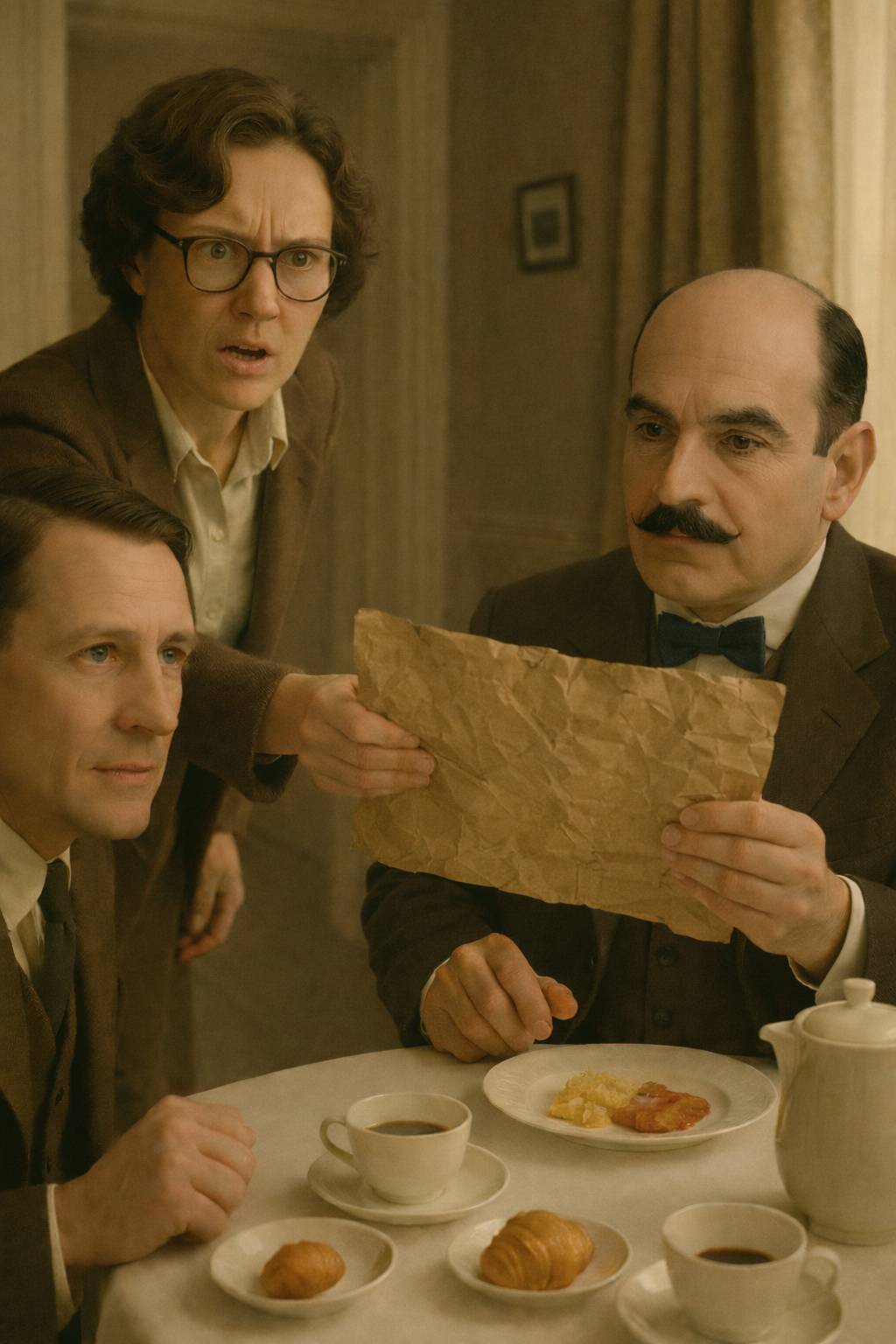
My pleasing thoughts were interrupted by the sudden entrance of Miss Howard.
She glanced round hastily to make sure there was no one else in the room, and quickly produced an old sheet of brown paper.
This she handed to Poirot, murmuring as she did so the cryptic words:
そんな|甘い|考えを|かき消すように、|突然、|ミス=ハワードが|部屋に|飛び込んできた。
彼女は|周囲を|素早く|見回し、|誰も|いないのを|確認すると、|古びた|茶色い|紙を|さっと|取り出した。
そして、|それを|ポワロに|手渡すと、|ひと言|つぶやいた。

“On top of the wardrobe.”
「洋服ダンスの|上よ」
Then she hurriedly left the room.
Poirot unfolded the sheet of paper eagerly, and uttered an exclamation of satisfaction. He spread it out on the table.
そう|言うや|否や、|彼女は|すぐに|部屋を|出て行った。
ポワロは|熱心に|その紙を|開くと、|満足げな|声をあげた。||そして、|それを|テーブルの上に|広げた。
“Come here, Hastings. Now tell me, what is that initial—J. or L.?”
「こっちへ|来たまえ、|ヘイスティングス。||さて、|これは|どっちの|頭文字だ。||『J』 か 『L』か?」
It was a medium sized sheet of paper, rather dusty, as though it had lain by for some time. But it was the label that was attracting Poirot’s attention.
At the top, it bore the printed stamp of Messrs. Parkson’s, the well-known theatrical costumiers,and it was addressed to“—(the debatable initial) Cavendish, Esq., Styles Court, Styles St. Mary, Essex.”
それは|中くらいの|サイズの|紙で、|少し|埃かぶっていて|長い間|しまわれていた|ようだった。||しかし|ポワロの注意を|引いていたのは|その|ラベル|だった。
上部には|有名な|劇場衣装の|会社|<パークソンズ=商会>の|印刷された|スタンプが|あり、|宛名には|こうあった。||『<判別が|難しい|頭文字)=キャヴンディッシュ>|スタイルズコート、|スタイルズ=セント=メアリー、|エセックス」。
“It might be T., or it might be L.,” I said, after studying the thing for a minute or two.
“It certainly isn’t a J.”
「『T』にも|見えるし、|『L』にも|見えるな」と、|私は|しばらく|眺めたあとで|言った。
「少なくとも|『J』じゃないね」
“Good,” replied Poirot, folding up the paper again.
“I, also, am of your way of thinking. It is an L., depend upon it!”
「よろしい」と、|ポワロは|紙を|たたみながら|言った。
「私も|君と|同じ|意見だ。||『L』に|間違いない!」
“Where did it come from?” I asked curiously.
“Is it important?”
「どこで|見つかったんだ?」||私は|興味津々で|尋ねた。
「重要なもの|なのかい?」
“Moderately so. It confirms a surmise of mine. Having deduced its existence, I set Miss Howard to search for it, and, as you see, she has been successful.”
「それなりにね。||私の|推理を|裏付ける|証拠だ。||私は、|これが|存在すると|推理|したので、|ミス=ハワードに|探させたんだ。||ご覧の通り、|彼女は|見事に|見つけてくれた」
“What did she mean by ‘On the top of the wardrobe’?”
「『洋服ダンスの|上』って、|どういう|意味|だったんだろう?」
“She meant,” replied Poirot promptly, “that she found it on top of a wardrobe.”
「そのままだよ」と、|ポワロは|即答した。
「彼女は|それを|洋服ダンスの|上で|見つけたと|いうことさ」
“A funny place for a piece of brown paper,” I mused.
「茶色の|紙(包み紙)が、|そんな場所に|あるのも|妙な|もんだな」と、|私はつぶやいた。
“Not at all. The top of a wardrobe is an excellent place for brown paper and cardboard boxes.
I have kept them there myself. Neatly arranged, there is nothing to offend the eye.”
「まったく|そんなことは|ないよ。||洋服ダンスの|上|というのは、|包み紙や|ダンボール箱を|置くには|格好の|場所だ。||私も|そうしたことが|あるよ。||きちんと|並べておけば、|見た目にも|邪魔に|ならない」
“Poirot,” I asked earnestly,
“have you made up your mind about this crime?”
「ポワロ」と、|私は|真剣に|尋ねた。
「この|事件のこと、|もう|結論は|出てるのか?」
“Yes—that is to say, I believe I know how it was committed.”
「そうだね。||どうやって|犯行が|行われたのか、|ということなら|わかっている」
“Ah!”
「ほう!」
“Unfortunately, I have no proof beyond my surmise, unless——”
「あいにく、|私の|推理を|裏づける|証拠は|何ひとつない。||ただし」
With sudden energy, he caught me by the arm, and whirled me down the hall, calling out in French in his excitement:
突然、|彼は|私の|腕を|つかむと、|勢いよく|廊下へ|引っ張って行き、|興奮のあまり|フランス語で|叫び出した。
“Mademoiselle Dorcas, Mademoiselle Dorcas, un moment, s’il vous plaît!”
「マドモアゼル=ドーカス!||マドモアゼル=ドーカス、|アン|モモン|スィル|ヴ|プレ(ちょっと、|すみません)!」
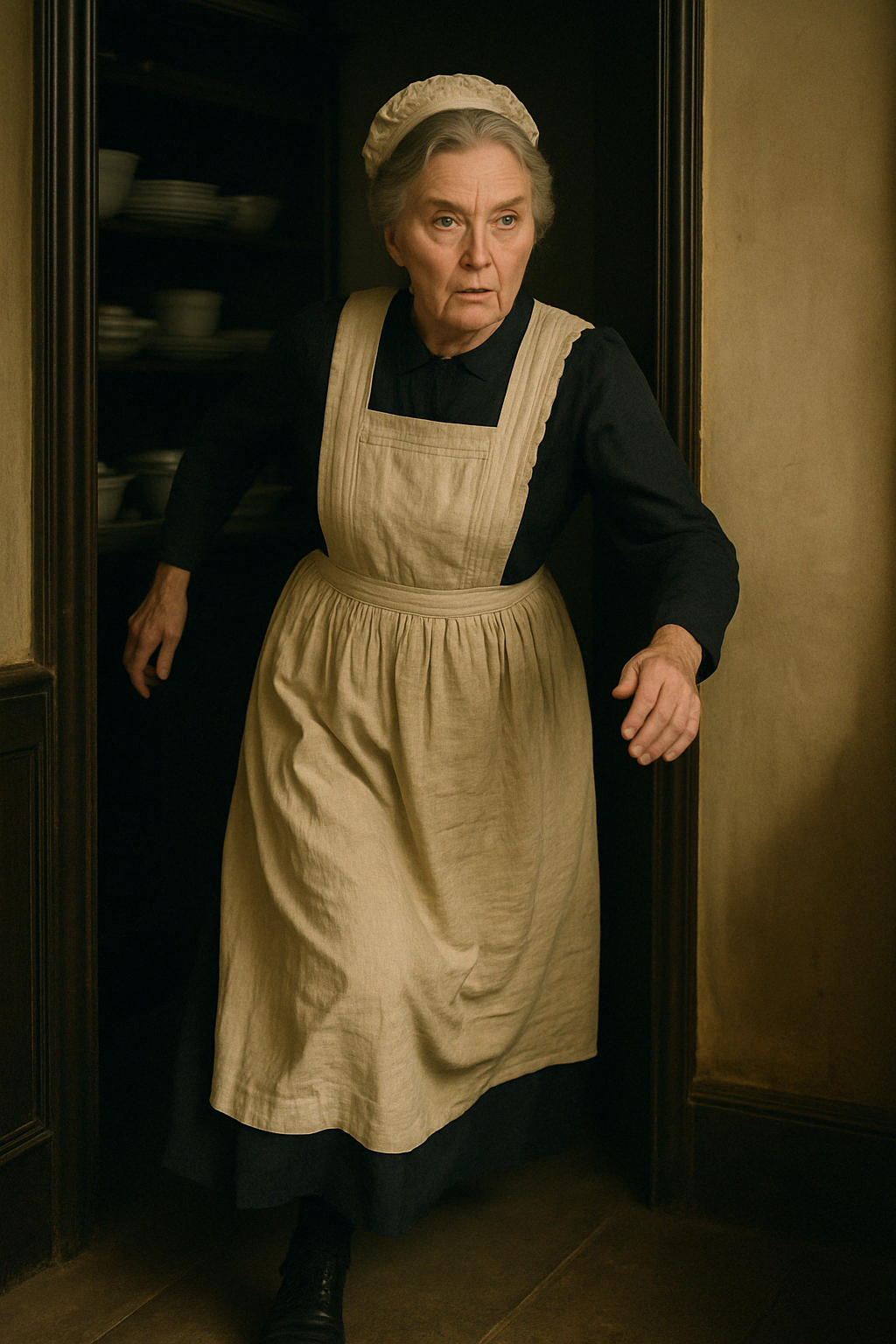
Dorcas, quite flurried by the noise, came hurrying out of the pantry.
ドーカスは|その騒ぎに|驚いて、|パントリー(食器室)|から|慌てて|出てきた。
“My good Dorcas, I have an idea—a little idea—if it should prove justified, what magnificent chance!
Tell me, on Monday, not Tuesday, Dorcas, but Monday, the day before the tragedy, did anything go wrong with Mrs. Inglethorp’s bell?”
「親愛なる|ドーカス。||一つ|考えが|あって、|ちょっとした|思いつき|なんだが。||もし|それが|正しかったら、|これは|有力な|手がかりに|なるんだ!
教えてくれ、|火曜日|じゃなくて|月曜日|のことだ、|ドーカス。||事件の|前日、|その日、|ミセス=イングルソープの|ベルに|何か|異常は|なかったかい?」
Dorcas looked very surprised.
ドーカスは|とても|驚いた|様子だった。

“Yes, sir, now you mention it, it did; though I don’t know how you came to hear of it. A mouse, or some such, must have nibbled the wire through. The man came and put it right on Tuesday morning.”
「ええ、|旦那様。||今|おっしゃられて|思い出しましたが、|そういえば|確かに|ございました。||しかし、|どうやって|その|話を|お聞きに|なったのですか? ||ネズミか|何かが|線を|かじったんじゃ|ないかって|話|でした。||修理の|人が|来て、|火曜日の|朝に|直していきました」
With a long drawn exclamation of ecstasy, Poirot led the way back to the morning-room.
ポワロは|長い|喜びの|声を|あげながら、|部屋に|戻ってきた。
“See you, one should not ask for outside proof—no, reason should be enough. But the flesh is weak, it is consolation to find that one is on the right track.
Ah, my friend, I am like a giant refreshed. I run! I leap!”
「見たまえ。||人は|外部の|証拠に|頼るべきでは|ないんだ。||そう、|理論だけで|十分|なのだ。||だが|人間|というものは|弱いもので、|理屈では|分かっていても、|自分が|正しい|道を進んでいると|わかれば、|それが|心の|支えに|なってくれる。||よし、|君。||私は|とんでもなく|元気に|なったよ。||走るぞ!||跳ぶぞ!」
And, in very truth, run and leap he did, gambolling wildly down the stretch of lawn outside the long window.
そして、|まったく|その通り、|彼は|本当に|走り、|跳び回ったのだ。||長い|窓の|外に|広がる|芝生の|一帯を、|抑えきれない|様子で|はしゃいでいた。

“What is your remarkable little friend doing?” asked a voice behind me, and I turned to find Mary Cavendish at my elbow.
「あなたの|変わった|小さな|お友達は|何を|しているのかしら?」と、|背後から|声がして、|振り向くと|メアリー=キャヴンディッシュが、|私の|そばに|立っていた。
She smiled, and so did I.
彼女は|微笑み、|私も|つられて|微笑んだ。
“What is it all about?”
「どうしたんでしょう?」
“Really, I can’t tell you. He asked Dorcas some question about a bell, and appeared so delighted with her answer that he is capering about as you see!”
「正直なところ、|僕にも|よく|分かりません。||ドーカスに|ベルについて|何か|尋ねたと|思ったら、|彼女の|返事に|えらく|喜んで、|あんなふうに|はしゃぎ出して」
Mary laughed.
メアリーは笑いだした。
“How ridiculous! He’s going out of the gate. Isn’t he coming back to-day?”
「なんて|おかしな|方|なんでしょう!||あら、|門の|外に|出ていかれましたわ。||今日は|戻って|いらっしゃらないのかしら?」
“I don’t know. I’ve given up trying to guess what he’ll do next.”
「さあ、|わかりません。||僕は|もう、|彼が|次に|何を|するかなんて、|推測|するのを|やめたんです」
“Is he quite mad, Mr. Hastings?”
「彼って|本当に|頭は|大丈夫|なんですか、|ミスター=ヘイスティングス?」
“I honestly don’t know. Sometimes, I feel sure he is as mad as a hatter; and then, just as he is at his maddest, I find there is method in his madness.”
「正直に|言って、|わかりません。||ときどき、|まるで|気が狂ってると|思うこともあるし。||でも|彼が|一番|馬鹿げている|ように|見えるときに|限って、|その|馬鹿な|行動は|ちゃんと|理論的|だったりするんです」
“I see.”
「そう」
In spite of her laugh, Mary was looking thoughtful this morning.
She seemed grave, almost sad.
It occurred to me that it would be a good opportunity to tackle her on the subject of Cynthia.
I began rather tactfully, I thought, but I had not gone far before she stopped me authoritatively.
笑ってはいたが、|今朝の|メアリーは、|どこか|もの思いに|ふけっているようだった。||彼女は|悲しげなほど|深刻そうに|見えた。||シンシアの|ことを|彼女に|切り出すには、|ちょうど良い機会|かもしれないと|思った。
私は、|慎重に|話を|切り出したつもり|だったのだが、|話の|途中で|彼女に|きっぱりと|遮られた。
“You are an excellent advocate, I have no doubt, Mr. Hastings, but in this case your talents are quite thrown away.
Cynthia will run no risk of encountering any unkindness from me.”
「ミスター=ヘイスティングス、|あなたは|仲をとりなすのが|大変|お上手な方|だと|お見受けしますが、|今回ばかりは|その|才能も|無駄なようですよ。||シンシアが、|私から|何か|冷たくされる|ようなことは|ありませんから」
I began to stammer feebly that I hoped she hadn’t thought—— But again she stopped me, and her words were so unexpected that they quite drove Cynthia, and her troubles, out of my mind.
私は、|シンシアが|そう|思っていなければ|いいのですがと、|しどろもどろに|弁解|しようとした。||しかし|彼女は、|またもや|私の|言葉を|遮った。||そして|その次の|一言は|あまりにも|意外で、|シンシアと|その悩みは|私の|脳裏から|一瞬で|吹き飛んでしまった。
“Mr. Hastings,” she said,“do you think I and my husband are happy together?”
「ミスター=ヘイスティングス」||彼女は|言った。
「あなたは、|私と|夫が|幸せな|結婚生活を|送っていると|思いますか?」
I was considerably taken aback, and murmured something about it’s not being my business to think anything of the sort.
私は|不意を突かれて|うろたえて、|私は|そういうことを|あれこれ|考える|立場ではない、|というようなことを|ボソッと|答えた。
“Well,” she said quietly,“whether it is your business or not, I will tell you that we are not happy.”
「ええ、|そうですわね」||彼女は|静かに|言った。
「でも、|それが|あなたの|立場で|あろうが|なかろうが|お話しします。||私たちは|幸せでは|ありません」
I said nothing, for I saw that she had not finished.
She began slowly, walking up and down the room, her head a little bent, and that slim, supple figure of hers swaying gently as she walked.
She stopped suddenly, and looked up at me.
私は|まだ|彼女が|話し終わっていないと|わかっていたので|黙っていた。
彼女は|ゆっくりと|話し始めた。||部屋の中を|行き来しながら、|少し|うつむき加減で、|しなやかな|細身の|体が|歩くたびに|優雅に|揺れていた。||そして|ふいに|足を止め、|私を|見上げた。
“You don’t know anything about me, do you?” she asked.
“Where I come from, who I was before I married John—anything, in fact? Well, I will tell you. I will make a father confessor of you. You are kind, I think—yes, I am sure you are kind.”
「あなたは、|私のことを|何も|ご存じないですよね?」||彼女は|言った。
「どこから|来たのか、|ジョンと|結婚|する前は|どんな|人間|だったのか、|つまり|何も。||では、|お話ししましょう。||あなたには|神父の|役を|務めて|いただきます。||あなたは|優しい方。||そう、|本当に|優しい方だと|思ってます」
Somehow, I was not quite as elated as I might have been. I remembered that Cynthia had begun her confidences in much the same way.
Besides, a father confessor should be elderly, it is not at all the role for a young man.
どういうわけか|私は、|そう|言われても|あまり|嬉しくはなかった。||シンシアも、|こんなふうに|自分の|話を|切り出したのを|思い出したからだ。
それに、|懺悔を|聞く|神父役は|本来、|年配者が|務めるもので、|若い男には|相応しくないはずだ。
“My father was English,” said Mrs. Cavendish,“but my mother was a Russian.”
「私の|父は|イギリス人|でした」と、|メアリーは|言った。||「でも、|母は|ロシア人|だったのです」
“Ah,” I said, “now I understand——”
「なるほど、|それで|わかりました」||私は|言った。
“Understand what?”
「何が、|わかったのですか?」
“A hint of something foreign—different—that there has always been about you.”
「あなたの|どこか|異国めいた|雰囲気です。||ほかとは|違う|何かが、|いつも|漂っていました。
“My mother was very beautiful, I believe. I don’t know, because I never saw her.
She died when I was quite a little child. I believe there was some tragedy connected with her death—she took an overdose of some sleeping draught by mistake.
However that may be, my father was broken-hearted.
Shortly afterwards, he went into the Consular Service. Everywhere he went, I went with him.
When I was twenty-three, I had been nearly all over the world. It was a splendid life—I loved it.”
「母は|とても|美しかったそうです。||私は|見た記憶が|ありませんけど。||私が|幼いころに|亡くなったもので。||何か|悲しい|事情が|あったと|聞いています。||睡眠薬を|誤って|飲みすぎたとか。||いずれにせよ、|父は|ひどく|悲しみました。
その後|まもなく、|父は|領事館|勤務に|就きました。||父が|どこに|赴任しても、|私は|一緒に|ついていきました。||二十三歳に|なるころにはで、|私は|世界中の|ほとんどの|国を|回っていました。||素晴らしい|生活|でした。||私はあの|暮らしが|大好き|だったのです」

There was a smile on her face, and her head was thrown back. She seemed living in the memory of those old glad days.
彼女の|顔には|笑みが|浮かび、|頭を上げて|昔を|懐かしんでいた。||あの|喜びに満ちた|日々を、|今|ふたたび|生きているかの|ように|見えた。
“Then my father died. He left me very badly off.
I had to go and live with some old aunts in Yorkshire.”
「その後、|父が|亡くなりました。||父は|私に|ほとんど|何も|残してくれませんでした。||私は|<ヨークシャー>に|住む|年老いた|叔母たちの|元に|身を寄せる以外|ありませんでした」
She shuddered.
彼女は|身震いした。
“You will understand me when I say that it was a deadly life for a girl brought up as I had been.
The narrowness, the deadly monotony of it, almost drove me mad.”
「私のように|育ってきた|娘にとって、|その生活が|どれほど|息苦しいもの|だったか、|あなたも|おわかりい|ただけると|思います。||閉ざされた|空気と、|死んだような|単調さ。||それは|本当に|気が狂いそうでした」
She paused a minute, and added in a different tone:
彼女は|ひと呼吸置き、|少し違う声で|続けた。
“And then I met John Cavendish.”
「そして|そんなとき、|私は|ジョン=キャヴンディッシュと|出会ったのです」
“Yes?”
「それで?」
“You can imagine that, from my aunts’ point of view, it was a very good match for me.
But I can honestly say it was not this fact which weighed with me.
No, he was simply a way of escape from the insufferable monotony of my life.”
「伯母たちから|見れば、|彼との|結婚は|私にとって|とても|良い|縁談|でした。||でも、|正直に|言って、|私にとって|重要|だったのは|結婚|ではなかったのです。||そう、|彼との|結婚は、|ただ|私が|耐えがたい|単調な|生活から|逃れるための|手段|でした」
I said nothing, and after a moment, she went on:
私は|何も|言わなかった。||すると|彼女は、|少し|間をおいて|続けた。
“Don’t misunderstand me. I was quite honest with him.
I told him, what was true, that I liked him very much, that I hoped to come to like him more, but that I was not in any way what the world calls ‘in love’ with him.
He declared that that satisfied him, and so—we were married.”
「誤解|しないで|くださいね。||私は|彼に|対して|誠実でした。||私は|彼に|本心を|伝えました。||彼のことは|とても|好きで、|もっと|好きになりたいと|思ってるけど、|世間が|言うような|『恋に|落ちている』|わけでは|ないと。||彼は|それで|構わないと|言ってくれたんです。||そうして|私たちは|結婚|したんです」
She waited a long time, a little frown had gathered on her forehead. She seemed to be looking back earnestly into those past days.
彼女は|長く|黙っていた。||額には|小さな|しわが|寄っていた。||彼女は、|あの|過去の日々を|真剣に|思い返している|ように|見えた。
“I think—I am sure—he cared for me at first. But I suppose we were not well matched. Almost at once, we drifted apart.
He—it is not a pleasing thing for my pride, but it is the truth—tired of me very soon.”
私が|思うに、|確かに|最初は|あの人は|私を|愛してくれました。||でも|私たちは|うまく|合わなかったのだと|思います。||しばらくすると|私たちは|自然に|離れていきました。||私の|誇りには|快いことでは|ありませんが、|彼は|すぐに|私に|飽きてしまったのです。||それが|真実|なのです。
I must have made some murmur of dissent, for she went on quickly:
私が|なにか|反論|するような|声を|漏らしたのかもしれない。||すると|彼女は|すぐに|言葉を|継いだ。
“Oh, yes, he did! Not that it matters now—now that we’ve come to the parting of the ways.”
「ええ、|本当です。||彼は|そうなんです!||だけど、|それは|もう|どうでもいいことです。||今、|私たちは|別れ道に|来たのですから。」
“What do you mean?”
「どういう|意味ですか?」
She answered quietly:
彼女は|静かに|答えた。
“I mean that I am not going to remain at Styles.”
「つまり、|私は|もう、|スタイルズに|いるつもりは|ありません」
“You and John are not going to live here?”
「あなたと|ジョンは、|ここに|住むつもりはない|ということですか?」
“John may live here, but I shall not.”
「ジョンは|ここに|居るでしょうけど、|でも|私は|その気は|ありません」
“You are going to leave him?”
「ジョンを、|置いていく|つもり|なんですか?」
“Yes.”
「ええ」
“But why?”
「しかし、|なぜ?」
She paused a long time, and said at last:
彼女は|長い間|黙りこんでいた。||そして|ようやく|こう|言った。
“Perhaps—because I want to be—free!”
「たぶん、|自由に|なりたいからです!」
And, as she spoke, I had a sudden vision of broad spaces, virgin tracts of forests, untrodden lands—and a realization of what freedom would mean to such a nature as Mary Cavendish.
I seemed to see her for a moment as she was, a proud wild creature, as untamed by civilization as some shy bird of the hills.
そして、|その|言葉を|口にした|瞬間、|私は|突如として|幻の|ような|光景を|見た。
広大な|大地、|未開の|森、|人の足が|踏み入れて|いない|土地。||そして、|メアリー=キャヴンディッシュ|のような|人間にとって|『自由』とは、|何を|意味するか、|が|胸に|迫ってきた。
そのとき|一瞬、|私は|彼女を|本来の|姿|として|見た気がした。||誇り高く、|野性のままの|存在、|文明に|飼いならされる|ことの|ない、|丘陵地帯に|ひっそりと|棲む|小鳥|のように。

A little cry broke from her lips:
そして、|彼女の|唇|から、|小さな|叫び声が|漏れた。
“You don’t know, you don’t know,how this hateful place has been prison to me!”
「あなたには、|わからない。||わからないのよ。||この|忌々しい|場所が、|どれほど|私にとって|牢獄|だったか|なんて!」
“I understand,” I said,“but—but don’t do anything rash.”
「わかります」と、|私は|言った。
「ですが、|無茶は|しないでください」
“Oh, rash!”
「えっ、|無茶?」
Her voice mocked at my prudence.
Then suddenly I said a thing I could have bitten out my tongue for:
彼女の|声は、|私の|慎重さを|からかうように|聞こえた。
それで|私は、|突然|口にして|しまった。||自分の舌|を|噛み切ってでも|止めたかった|言葉を。
“You know that Dr. Bauerstein has been arrested?”
「ドクター=バウアースタインが|逮捕|されたのを、|ご存知ですか?」
An instant coldness passed like a mask over her face, blotting out all expression.
その瞬間、|氷のような|冷たさが|彼女の顔を|覆い、|まるで|仮面のように|すべての|表情を|消し去った。
“John was so kind as to break that to me this morning.”
「今朝、|ジョンが|そのことを|親切にも|教えてくれました」
“Well, what do you think?”
「で、|どう思いますか?」
I asked feebly.
私は|情けない|声で|尋ねた。
“Of what?”
「何について?」
“Of the arrest?”
「逮捕について|です」
“What should I think? Apparently he is a German spy; so the gardener had told John.”
「私が|何を思うべき|なのでしょう?||どうやら|彼は|ドイツの|スパイ|らしいと、|庭師が|ジョンに|そう|話してました」
Her face and voice were absolutely cold and expressionless. Did she care, or did she not?
She moved away a step or two, and fingered one of the flower vases.
彼女の|顔も|声も、|まるで|氷のように|冷たく、|無表情だった。||彼女は|気にしているのか、|それとも|全く|気にして|いないのか?
彼女は|2、3歩、|その場から|離れ、|花瓶の|ひとつに|手を伸ばした。
“These are quite dead. I must do them again.
Would you mind moving—thank you, Mr. Hastings.”
「これ、|もう|すっかり|枯れてるわね。||入れ替えなきゃ。||ちょっと|通してくださいね——ありがとう、|ミスター=ヘイスティングス」
And she walked quietly past me out of the window, with a cool little nod of dismissal.
No, surely she could not care for Bauerstein.
No woman could act her part with that icy unconcern.
そう言うと、|彼女は|私の|脇を|静かに|通り過ぎると、|そっけなく|会釈をして|窓の外へ|出て行った。
いやいや、|あんな|態度を|取れる|女性が、|ドクター=バウアースタインを|愛している|はずはない。||あそこまで|冷淡に|振る舞える|女性が、|あの男に|惹かれているとは|到底|思えない。
Poirot did not make his appearance the following morning, and there was no sign of the Scotland Yard men.
But, at lunch-time, there arrived a new piece of evidence—or rather lack of evidence. We had vainly tried to trace the fourth letter, which Mrs. Inglethorp had written on the evening preceding her death. Our efforts having been in vain, we had abandoned the matter, hoping that it might turn up of itself one day.
And this is just what did happen, in the shape of a communication, which arrived by the second post from a firm of French music publishers, acknowledging Mrs. Inglethorp’s cheque, and regretting they had been unable to trace a certain series of Russian folksongs.
So the last hope of solving the mystery, by means of Mrs. Inglethorp’s correspondence on the fatal evening, had to be abandoned.
Just before tea, I strolled down to tell Poirot of the new disappointment, but found, to my annoyance, that he was once more out.
翌朝、|ポワロは|現れず、|スコットランドヤードの|捜査官たちの|姿も|なかった。
しかし|昼頃、|新たな|証拠が|出てきた。||いや、|正確には、『証拠に|ならない』証拠|だったが。||ミセス=イングルソープが|亡くなる|前夜に|書いた|4通目の|手紙の|行方を、|私たちは|懸命に|追っていた。||我々の|努力の|甲斐なく|無駄に|終わり、|いずれ|自然に|出てくるのを|待つほかないと|諦めていた。||そして、|ついに|それが|手紙|という|形で|現れたのだ。
午後の|第二便で|届いたのは、|フランスの|楽譜出版社|から|だった。
ミセス=イングルソープの|小切手|への|お礼と、|ある|<ロシア|民謡集>を|見つけられなかった|ことへの|謝罪が|記されていた。||つまり、|事件|当夜の|ミセス=イングルソープの|手紙によって|謎が|解けるかもしれない|という|最後の|望みは、|ここに|潰えたのだった。
お茶の時間の|少し前、|私は|その|新たな|残念な|結果を|ポワロに|伝えようと、|彼の元を|訪ねた。||ところが、|またしても|彼は|留守だった。
“Gone to London again?”
「また|ロンドンに|行かれたのかい?」

“Oh, no, monsieur, he has but taken the train to Tadminster. ‘To see a young lady’s dispensary,’ he said.”
「いえいえ、|ムッシュー。||タドミンスターへ|列車で|行かれた|だけですよ。||『ある|若い女性の|薬局を|見に』|との|ことでした」
“Silly ass!” I ejaculated.
“I told him Wednesday was the one day she wasn’t there! Well, tell him to look us up to-morrow morning, will you?”
「なんて|馬鹿な|奴だ!」||私は|思わず|叫んだ。
「水曜日は|彼女が|いない日|だって、|ちゃんと|言っておいたのに!||まあいい、|彼に|伝えてください。||明日の|朝には、|こちらに|来るようにと」
“Certainly, monsieur.”
「かしこまりました、|ムッシュー」
But, on the following day, no sign of Poirot.
I was getting angry.
He was really treating us in the most cavalier fashion.
After lunch, Lawrence drew me aside, and asked if I was going down to see him.
しかし、|翌日に|なっても|ポワロの姿は|なかった。||私は|だんだん|腹が立ってきた。
まったく|彼は、|われわれを|きわめて|無神経な|態度で|扱っていた。
昼食後、|ローレンスが|私を|そっと|隣に|呼んで、|ポワロに|会いに行く|つもりか|どうか|尋ねた
“No, I don’t think I shall. He can come up here if he wants to see us.”
「いや、|行かないと|思う。||会いたいなら、|彼のほうから|ここに|来れば|いいさ」

“Oh!” Lawrence looked indeterminate.
「そうか」||ローレンスの|顔は|どこか|曖昧だった。
Something unusually nervous and excited in his manner roused my curiosity.
普段とは|違う、|妙に|神経質で|興奮|したような|様子に、|私は|興味を|引かれた。
“What is it?” I asked.
“I could go if there’s anything special.”
「どうしたんだい?」||私は|尋ねた。
「何か|特別な|ことでも|あるなら、|行ってもいいけど?」
“It’s nothing much, but—well, if you are going, will you tell him——”
「大したことじゃ|ないんだけど。||その、|もし|君が|行くなら、|彼に|伝えてくれないか」
he dropped his voice to a whisper—
彼は|声を落とし、|ささやいた。
“I think I’ve found the extra coffee-cup!”
「例の|余分な|コーヒーカップを|見つけた|かもしれない」
I had almost forgotten that enigmatical message of Poirot’s, but now my curiosity was aroused afresh.
Lawrence would say no more, so I decided that I would descend from my high horse, and once more seek out Poirot at Leastways Cottage.
私は|ほとんど|ポワロの|あの|謎めいた|メッセージの|ことを|忘れかけていたが、|この言葉で|再び|好奇心が|刺激された。
ローレンスは|それ以上|語ろうとしなかったので、|私は|高ぶった|気持ちを|抑えて、|もう一度|リーストウェイ=コテージの|ポワロを|訪ねることにした。
This time I was received with a smile.
Monsieur Poirot was within. Would I mount?
I mounted accordingly.
Poirot was sitting by the table, his head buried in his hands. He sprang up at my entrance.
今回は|笑顔で|迎えられた。
『ムッシュ=ポワロは|中におります。||お上がりになりますか?』と|言われ、|私は|素直に|階段を|上った。
ポワロは|テーブルのそばに|座り、|両手に|顔を|埋めていた。
私が|入ってくると、|さっと|立ち上がった。
“What is it?”
「どうしたんだ?」
I asked solicitously.
私は|心配して|尋ねた。
“You are not ill, I trust?”
「具合が|悪いんじゃ|ないのかい?」
“No, no, not ill. But I decide an affair of great moment.”
「いやいや、|具合が|悪いわけでは|ない。||しかし、|私は|今、|重大な|決断を|下そうと|しているのだ」
“Whether to catch the criminal or not?”
I asked facetiously.
「犯人を|捕まえるか|どうするか?」
私は|冗談っぽく|尋ねた。
But, to my great surprise, Poirot nodded gravely.
だが、|意外なことに、|ポワロは|真剣に|うなずいた。

“‘To speak or not to speak,’as your so great Shakespeare says,‘that is the question.’”
「『語るべきか、|語らざるべきか』||君たちの|偉大なる|シェイクスピアは|言った。||『それが|問題だ』」
I did not trouble to correct the quotation.
私は|わざわざ|シェークスピアの|セリフの|間違いを|正す気には|ならなかった。

“You are not serious, Poirot?”
「本気なのか、|ポワロ?」
“I am of the most serious. For the most serious of all things hangs in the balance.”
「これほど|本気なことは|ない。||なぜなら、|非常に|重大なことが、|今、|天秤に|かけられているからだ」
“And that is?”
「それは|何だい?」
“A woman’s happiness, mon ami,” he said gravely.
「女性の|幸福だよ、|モナミ」と|彼は|深刻そうに|言った。
I did not quite know what to say.
私は|どう答えてよいか|わからなかった。
“The moment has come,” said Poirot thoughtfully,“and I do not know what to do.
For, see you, it is a big stake for which I play. No one but I, Hercule Poirot, would attempt it!”
「時が来た」と、|ポワロは|考えこむように|言った。「だが、|どうすればよいのか。||というのも、|そう、|私が|やろうと|していることは|極めて|大きな|賭け|なのだ。||これに|挑むのは、|私、|エルキュール=ポワロ|以外には|おるまい!」
And he tapped himself proudly on the breast.
After pausing a few minutes respectfully, so as not to spoil his effect, I gave him Lawrence’s message.
そう言って、|彼は|自信|たっぷりに|自分の|胸を|軽く|叩いた。
私は、|彼の|得意げな|雰囲気を|壊さぬよう、|敬意をこめて、|しばらく|間を|おいてから、|ローレンスの|伝言を|伝えた。
“Aha!” he cried.
“So he has found the extra coffee-cup.That is good. He has more intelligence than would appear, this long-faced Monsieur Lawrence of yours!”
「そうか!」と|彼は|叫んだ。
「それで|彼は|余分な|コーヒーカップを|見つけたわけだ。||よろしい。||見かけによらず|君の友人、|あの|長い顔の|ムッシュー=ローレンスは|なかなか|頭が切れる|じゃないか!」
I did not myself think very highly of Lawrence’s intelligence; but I forebore to contradict Poirot, and gently took him to task for forgetting my instructions as to which were Cynthia’s days off.
私は|正直なところ、|ローレンスの|知性を|それほど|評価して|いなかった。||しかし|ポワロが|言ったことを|否定するのは|やめておいて、|彼に|教えておいた|シンシアの|休みの日を|忘れていたことを|やんわりと|指摘した。
“It is true. I have the head of a sieve.However, the other young lady was most kind. She was sorry for my disappointment, and showed me everything in the kindest way.”
「そうなんだよ。||私の頭は|ザルのように|もの覚えが|悪いな。||しかし、|もう一人の|若い女性が|とても|親切だった。|私が|落胆|しているのを|見て、|非常に|丁寧に|あれこれ|案内|してくれたよ」
“Oh, well, that’s all right, then, and you must go to tea with Cynthia another day.”
「ああ、|それはよかった。||じゃあ、|また|別の日に|シンシアと|お茶をしに|行けばいい」
I told him about the letter.
私は|彼に、|今日|見つかった|手紙のことを|話した。
“I am sorry for that,” he said.
“I always had hopes of that letter. But no, it was not to be. This affair must all be unravelled from within.”
「それは|残念だった」と|彼は|言った。
「私は|あの手紙に|ずっと|期待していたのだ。||しかし、|違った、|そうではなかった|ということだ。||この事件は|すべて|内側から|解き明かさねば|ならない」
He tapped his forehead.
彼は|自分の|額を|指で|トントンと|叩いた。
“These little grey cells. It is ‘up to them’—as you say over here.”
「この『小さな|灰色の|脳細胞』||すべては|彼らの|力に|かかっている。||君たちの|言葉で|言えば、|そういうことだ」
Then, suddenly, he asked:
そして|突然、|彼は|こう|尋ねた。
“Are you a judge of finger-marks, my friend?”
「ねえ、|君。||指紋の|鑑定は|できるかい?」
“No,” I said, rather surprised, “I know that there are no two finger-marks alike, but that’s as far as my science goes.”
「いや」と|私は|少し|驚いて|答えた。
「指紋に|同じものは|二つとない、|ということくらいは|知っているけれど、|それ以上の|知識は|全然|ないよ」
“Exactly.”
「その通り」
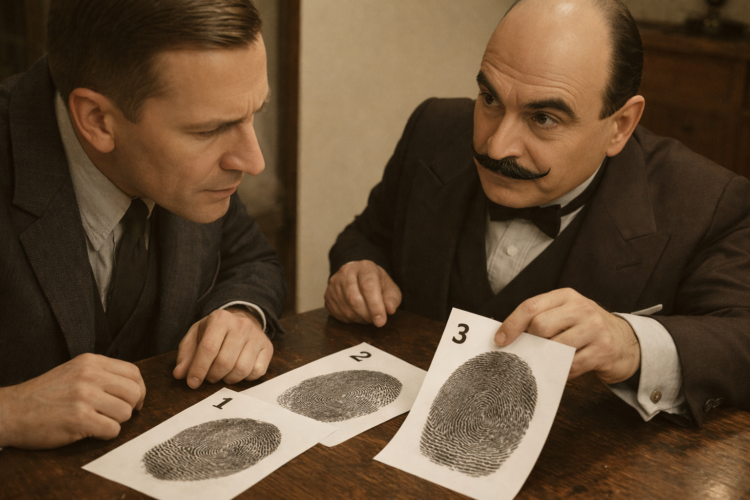
He unlocked a little drawer, and took out some photographs which he laid on the table.
彼は|小さな|引き出しの|鍵を|開けて、|何枚かの|写真を|取り出し、|テーブルの上に|並べた。
“I have numbered them, 1, 2, 3. Will you describe them to me?”
「それぞれに|番号を|振ってある。||1番、|2番、|3番。||君、|これらを|私に|説明|してくれないか?」
I studied the proofs attentively.
私は|その写真を|じっくりと|観察した。
“All greatly magnified, I see.
No. 1, I should say, are a man’s finger-prints; thumb and first finger.
No. 2 are a lady’s; they are much smaller, and quite different in every way.
No. 3”
「かなり|拡大|されてるね。||1番は|男性の指紋|のようだ。||親指と|人差し指。||2番は|女性のもの。||ずっと|小さいし、|全体的に|まったく|異なっている。||3番は」
—I paused for some time—
私は|しばらく|黙った。
“there seem to be a lot of confused finger-marks, but here, very distinctly, are No. 1’s.”
「たくさんの|指紋が|混ざっているけど、|ここに、|はっきりと|1番の|指紋が|ある」
“Overlapping the others?”
「他の|指紋と|重なっているよ?」
“Yes.”
「そうだ」
“You recognize them beyond fail?”
「間違いなく|そうだと|分かるのかね?」
“Oh, yes; they are identical.”
「ああ、|間違いない。||まったく|同じだ」
Poirot nodded, and gently taking the photographs from me locked them up again.
ポワロは|うなずき、|私から|写真を|丁寧に|受け取ると、|再び|しまって|鍵を|かけた。
“I suppose,” I said, “that as usual, you are not going to explain?”
「思いうんだけど」と|私は|言った。
「また|いつものように|説明|するつもりはない|ってことかい?」
“On the contrary.
No. 1 were the finger-prints of Monsieur Lawrence.
No. 2 were those of Mademoiselle Cynthia. They are not important. I merely obtained them for comparison.
No. 3 is a little more complicated.”
「とんでもない。||1番は|ローレンスの|指紋だ。||2番は|シンシア。||これは|重要ではない。||単に|比較の|ために|入手しただけだ。||3番は|もうちょっと|ややこしい」
“Yes?”
「そうなのか?」
“It is, as you see, highly magnified. You may have noticed a sort of blur extending all across the picture.
I will not describe to you the special apparatus, dusting powder, etc., which I used.
It is a well-known process to the police, and by means of it you can obtain a photograph of the finger-prints of any object in a very short space of time.
Well, my friend, you have seen the finger-marks—it remains to tell you the particular object on which they had been left.”
「見ての通り、|非常に|拡大|されている。||写真全体に|ぼんやりとした|模様が|広がっているのが|わかるだろう。||使った|機材や、|粉末、|その他の|処理について|詳しく|説明する|つもりはない。||それは|警察では|よく|知られた|方法|なのだ。||短時間で|物体に|残された|指紋の|写真を|とることが|できる。||それでは、|君。||指紋を|見せた|あとは、|それらの|指紋が|残されていた|ところを|伝えるだけだ」
“Go on—I am really excited.”
「続けてくれ。||わくわく|してきたよ」
“Eh bien! Photo No. 3 represents the highly magnified surface of a tiny bottle in the top poison cupboard of the dispensary in the Red Cross Hospital at Tadminster —which sounds like the house that Jack built!”
「エ|ビヤン(さて)!||3番の|写真は、|タドミンスターの|赤十字病院の|調剤室の|毒物用の|戸棚の|一番上に|置いてあった|小瓶の|表面を|大きく|拡大|したものだ。||まるで|『ジャックの|建てた|家』のような|話|だろう?」
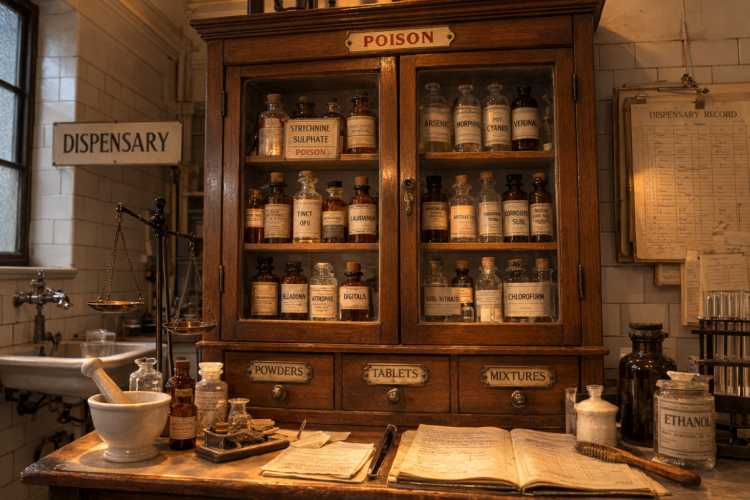
“Good heavens!” I exclaimed.
“But what were Lawrence Cavendish’s finger-marks doing on it? He never went near the poison cupboard the day we were there!”
「なんだって!」||私は|叫んだ。
「でも、|ローレンス=キャヴンディッシュの|指紋が、|なぜ|そんな場所に?||僕たち|そこに|行った|日、|彼は|その|毒物用戸棚には|近づかなかった|はずだ!」
“Oh, yes, he did!”
「いや、|近づいたのだよ!」
“Impossible! We were all together the whole time.”
「そんなはずは|ない!||僕たちは|ずっと|一緒だった」
Poirot shook his head.
ポワロは|首を|横に振った。
“No, my friend, there was a moment when you were not all together. There was a moment when you could not have been all together, or it would not have been necessary to call to Monsieur Lawrence to come and join you on the balcony.”
「いや、|君。||みんなが|そろっていない|瞬間が|あったんだ。||そろっていない|瞬間が|あったはずなんだよ。||ずっと|みんなで|いっしょだったなら、|ローレンス君を|バルコニーに|呼びに|いく|必要なんて|なかったはずだからね」
“I’d forgotten that,” I admitted.
“But it was only for a moment.”
「そういえば、|そうだったな」と、|わたしは|認めた。||「でも、|ほんの|一瞬の|ことだったじゃないか」
“Long enough.”
「一瞬で|十分なんだ」
“Long enough for what?”
「十分って、|何をするのに?」
Poirot’s smile became rather enigmatical.
ポアロの|微笑みは、|どこか|謎めいたものに|なった。
“Long enough for a gentleman who had once studied medicine to gratify a very natural interest and curiosity.”
「かつて|医学を|学んだ|紳士が、|ごく|自然な|興味と|好奇心を|満たすには|十分な|時間だよ」
Our eyes met. Poirot’s were pleasantly vague.He got up and hummed a little tune.I watched him suspiciously.
わたしたちの|目が合った。||ポアロの|目は、|のんびりと|とぼけた|ようすだった。||彼は|立ちあがり、|小さな|曲を|口ずさんだ。||わたしは|疑いの|目で|彼を|見つめた。
“Poirot,” I said, “what was in this particular little bottle?”
「ポアロ」|と|わたしは|言った。||「その|小瓶には|いったい|なにが|入っていたんだ?」
Poirot looked out of the window.
ポアロは|窓の外を|見た。||
“Hydro-chloride of strychnine,” he said, over his shoulder, continuing to hum.
「塩酸ストリキニーネだよ」と、|彼は|口ずさみながら、|肩越しに|言った。||
“Good heavens!”
「なんてこった!」
I said it quite quietly. I was not surprised. I had expected that answer.
わたしは|ごく|静かに|それを|口にした。||驚きは|なかった。||その答えは|予想していたからだ。||
“They use the pure hydro-chloride of strychnine very little—only occasionally for pills. It is the official solution, Liq. Strychnine Hydro-clor. that is used in most medicines.That is why the finger-marks have remained undisturbed since then.”
「純粋な|塩酸ストリキニーネは|あまり|使われない。||錠剤に|たまに|使うくらいだ。||ほとんどの|薬に|使われるのは|公定の|液剤、|塩酸ストリキニーネ液だよ。||だから|あの指紋が|ずっと|そのまま|残っていたんだ」
“How did you manage to take this photograph?”
「どうやって|この写真を|撮ったんだ?」
“I dropped my hat from the balcony,” explained Poirot simply.
“Visitors were not permitted below at that hour, so, in spite of my many apologies, Mademoiselle Cynthia’s colleague had to go down and fetch it for me.”
「バルコニーから|帽子を|落としたんだよ」と、|ポアロは|さらりと|説明した。||「その時間は|見学者は|下に|おりられない|きまりだったから、|わたしが|何度も|あやまるなか、|シンシアの|同僚が|しかたなく|下に|とりに|いって|くれたんだ」
“Then you knew what you were going to find?”
「じゃあ、|なにが|見つかるか|わかっていたんだね?」
“No, not at all. I merely realized that it was possible, from your story, for Monsieur Lawrence to go to the poison cupboard. The possibility had to be confirmed, or eliminated.”
「いや、|まったく|そんなことはない。||きみの話から、|ローレンスが|毒薬棚に|近づける|可能性があると|気づいただけだよ。||その可能性を|確かめるか、|消し去るか|しなければ|ならなかった」
“Poirot,” I said, “your gaiety does not deceive me. This is a very important discovery.”
「ポアロ」と、|わたしは|いった。||「陽気な|ふりをしても|ごまかせないよ。||これは|とても|重大な|発見だ」
“I do not know,” said Poirot.
“But one thing does strike me. No doubt it has struck you too.”
「どうだろうね」と|ポアロは|いった。||「でも|ひとつ|気になることが|あるんだ。||きみも|気づいて|いるだろうけどね」
“What is that?”
「何だい?」
“Why, that there is altogether too much strychnine about this case. This is the third time we run up against it. There was strychnine in Mrs. Inglethorp’s tonic. There is the strychnine sold across the counter at Styles St. Mary by Mace. Now we have more strychnine, handled by one of the household. It is confusing; and, as you know, I do not like confusion.”
「それはね、|この事件には|ストリキニーネが|出てきすぎる|ということだよ。||もう|三度目だ。||イングルソープ夫人の|強壮剤にも|ストリキニーネが|あった。||スタイルズ・セント・メアリーで|メイスが|店頭で|売った|ストリキニーネも|ある。||そして|今度は|家の|住人の|ひとりが|さわった|ストリキニーネまで|出てきた。||ややこしい|はなしだよ。||きみも|知ってのとおり、|わたしは|ややこしいのが|きらいなんだ」
Before I could reply, one of the other Belgians opened the door and stuck his head in.
わたしが|返事を|するまえに、|ほかの|ベルギー人の|ひとりが|ドアを|開けて|顔を|のぞかせた。||

“There is a lady below, asking for Mr Hastings.”
「下に|ミスター=ヘイスティングスを|おたずねの|女性のかたが|いらっしゃってます」
“A lady?”
「女性だって?」
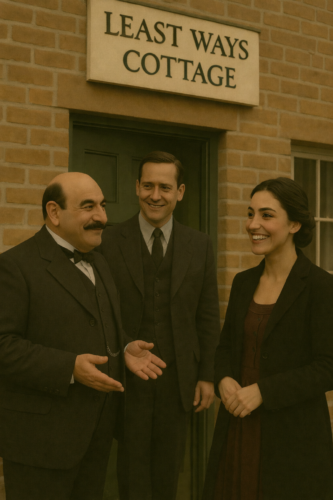
I jumped up. Poirot followed me down the narrow stairs. Mary Cavendish was standing in the doorway.
わたしは|とびあがった。||ポアロが|狭い|階段を|ついて|おりてきた。||メアリー・キャヴンディッシュが|玄関口に|立っていた。||

“I have been visiting an old woman in the village,” she explained,
“and as Lawrence told me you were with Monsieur Poirot I thought I would call for you.”
「村の|お婆さんを|たずねていたの」と|彼女は|説明した。||「ローレンスから|ポアロさんと|いっしょだと|聞いたから、|迎えに|きたのよ」
“Alas, madame,” said Poirot, “I thought you had come to honour me with a visit!”
「ああ、|残念です、|マダム」と|ポアロは|いった。||「わたしに|会いに|きてくださったのかと|思いましたよ!」

“I will some day, if you ask me,” she promised him, smiling.
「いつか|きっと、|誘って|くれたらね」と|彼女は|微笑みながら|約束した。||
“That is well. If you should need a father confessor, madame”
「それは|よかった。||もし|なんでも|打ち明けられる|相手が|必要に|なったときは、|マダム」
—she started ever so slightly—
――彼女は|ほんのわずか|身をひいた――
“remember, Papa Poirot is always at your service.”
「パパ・ポアロは|いつでも|お役に|たちますよ」
She stared at him for a few minutes, as though seeking to read some deeper meaning into his words. Then she turned abruptly away.
彼女は|しばらく|彼を|じっと|見つめた。||まるで|その言葉の|奥に|隠れた|意味を|読みとろうと|するかのように。||それから|彼女は|ふいに|顔を|そむけた。||
“Come, will you not walk back with us too, Monsieur Poirot?”
「さあ、|ムッシュー=ポアロ、|いっしょに|歩いて|帰りませんか?」
“Enchanted, madame.”
「喜んで、|マダム」
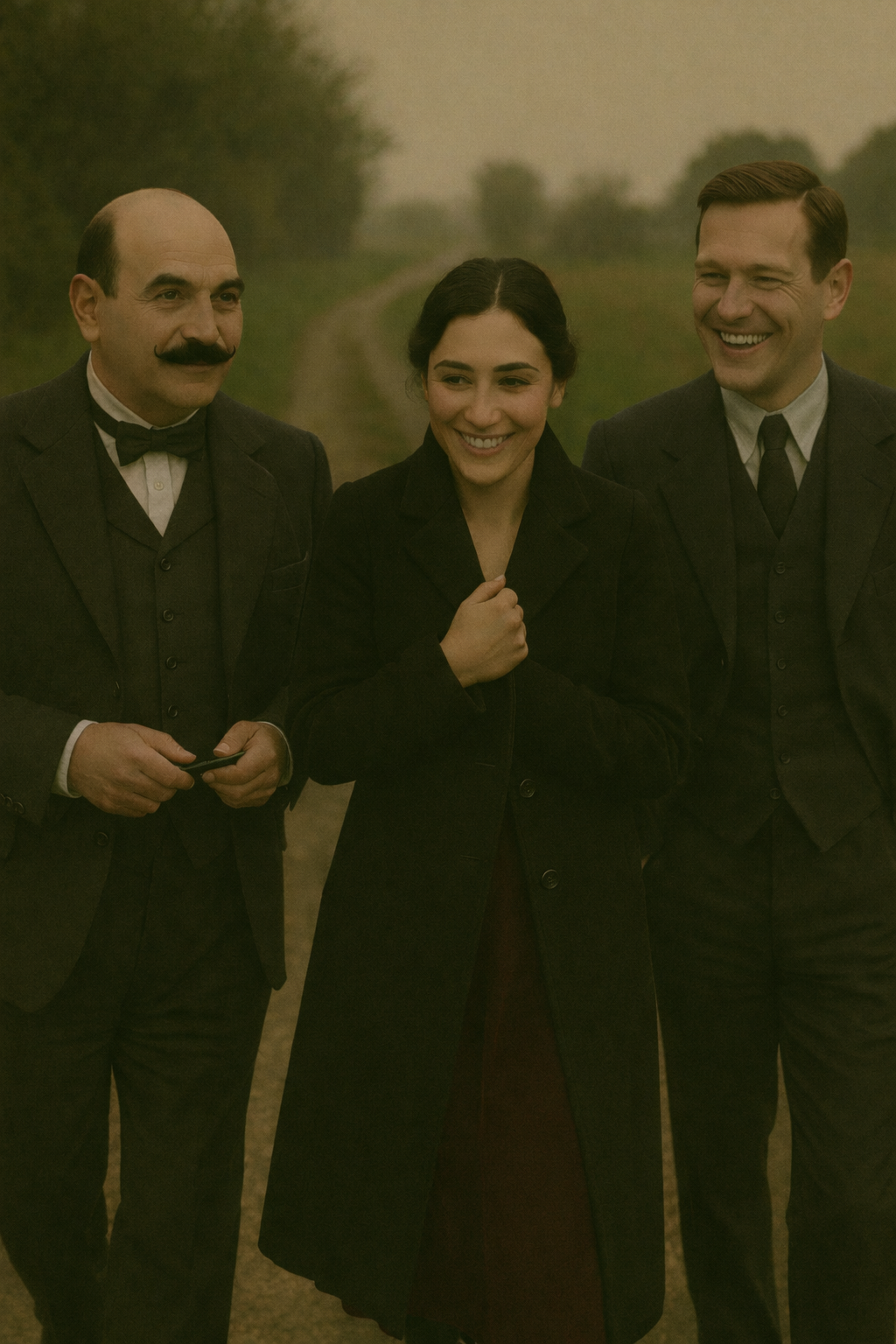
All the way to Styles, Mary talked fast and feverishly. It struck me that in some way she was nervous of Poirot’s eyes.
The weather had broken, and the sharp wind was almost autumnal in its shrewishness. Mary shivered a little, and buttoned her black sports coat closer. The wind through the trees made a mournful noise, like some great giant sighing.
スタイルズまでの|道のり、|メアリーは|早口で|せわしなく|しゃべり|つづけた。||なんとなく|彼女が|ポアロの|目を|気に|している|ようすが|感じられた。||天気は|くずれ、|鋭い|風は|まるで|秋のような|荒々しさだった。||メアリーは|少し|身をふるわせ、|黒い|スポーツコートの|ボタンを|きつく|かけなおした。||木々の|あいだを|吹きぬける|風は、|まるで|巨人が|ため息を|つくような|もの悲しい|音を|たてた。||
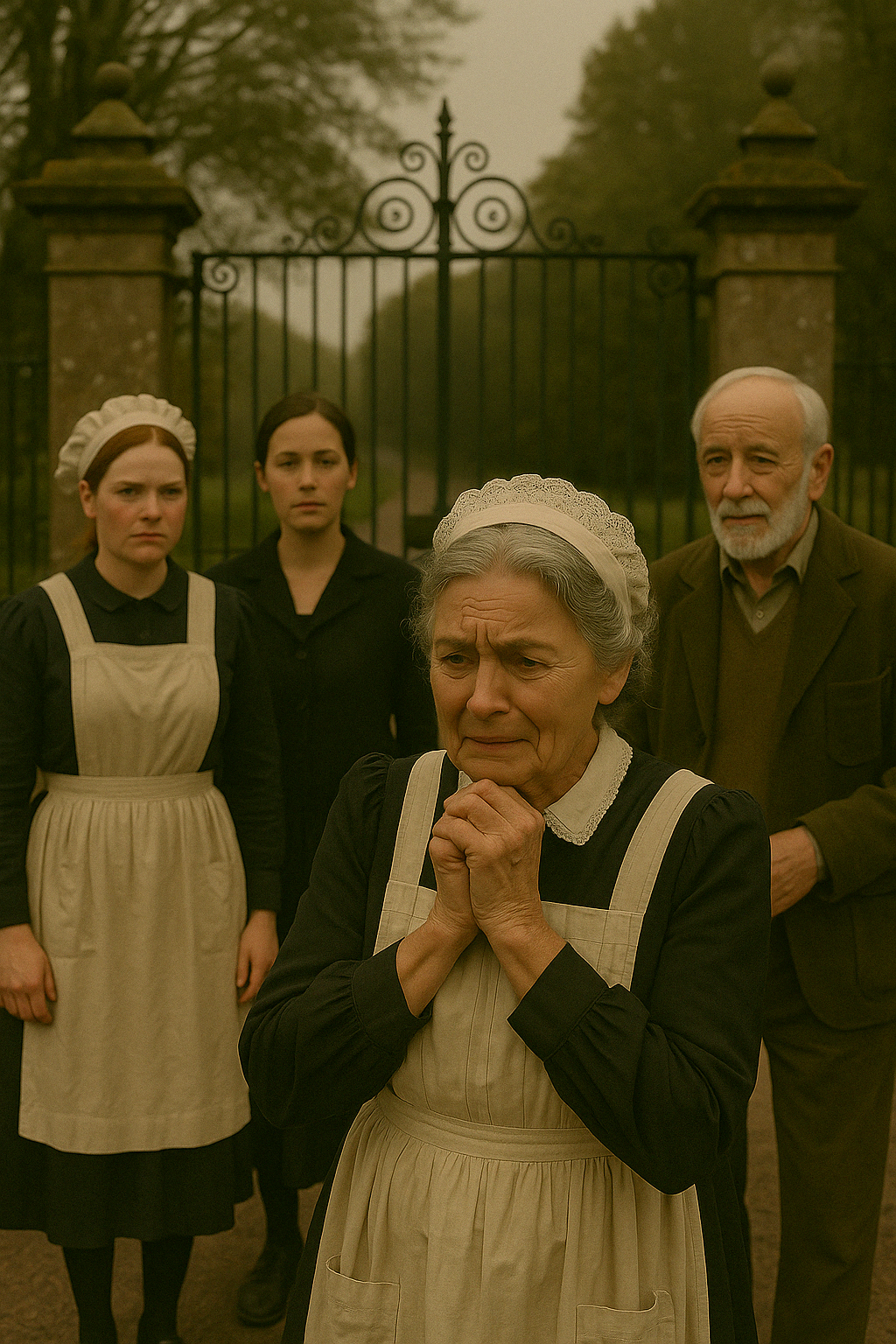
We walked up to the great door of Styles, and at once the knowledge came to us that something was wrong. Dorcas came running out to meet us. She was crying and wringing her hands. I was aware of other servants huddled together in the background, all eyes and ears.
わたしたちは|スタイルズの|大きな|玄関へと|歩いていった。||すると|すぐに、|なにかが|おかしいと|感じた。||ドーカスが|泣きながら|手を|もみしぼって、|走って|迎えにきた。||背後では|ほかの|使用人たちが|かたまって、|耳を|そばだて|目を|こらしているのが|わかった。||
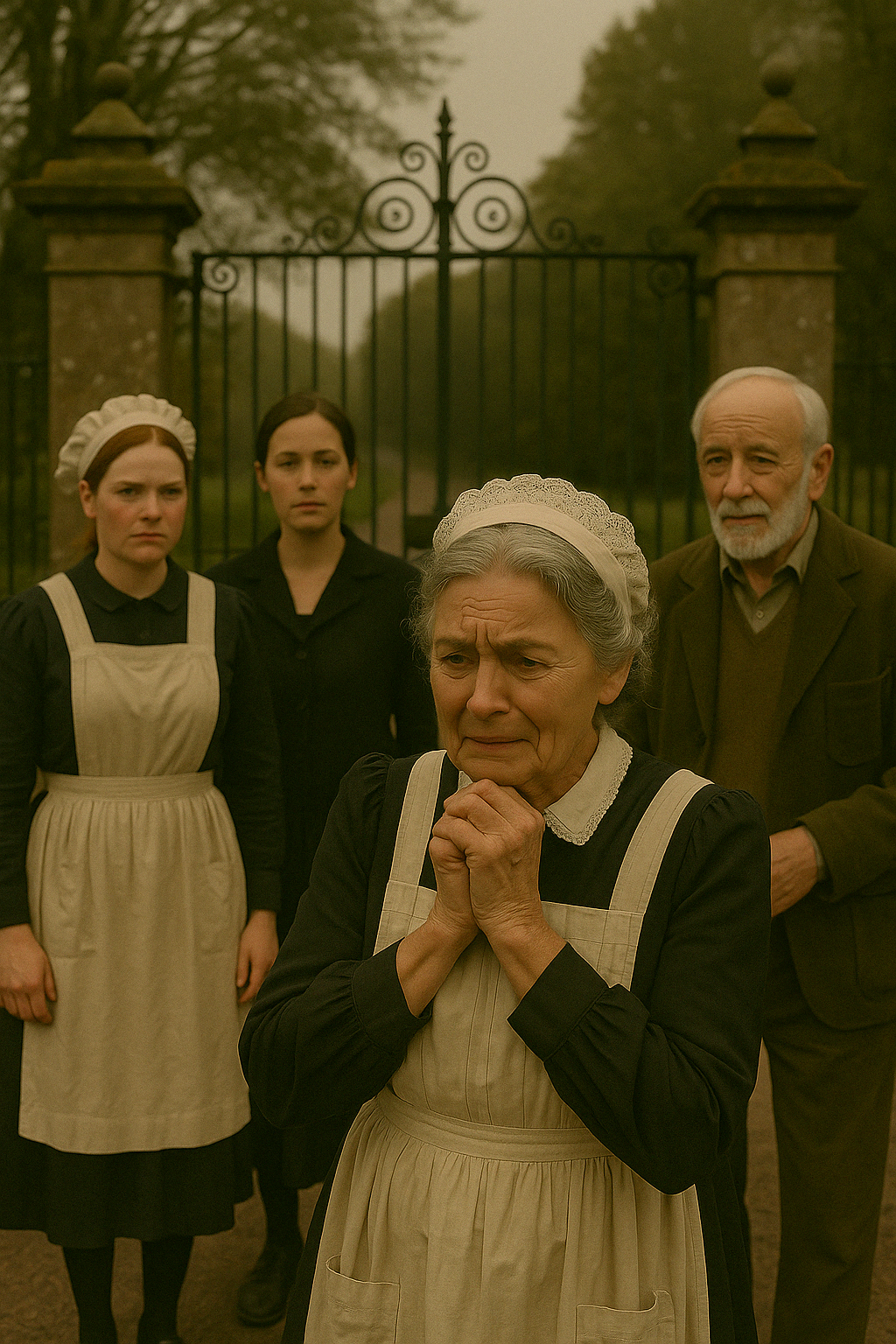

“Oh, m’am! Oh, m’am! I don’t know how to tell you——”
「ああ、|奥様!||ああ、|奥様!||どう申し上げたら|よいのか――」
“What is it, Dorcas?”
「どうしたの、|ドーカス?」
I asked impatiently.
私は|焦ったそうに|言った。
“Tell us at once.”
「すぐに|話してくれ」
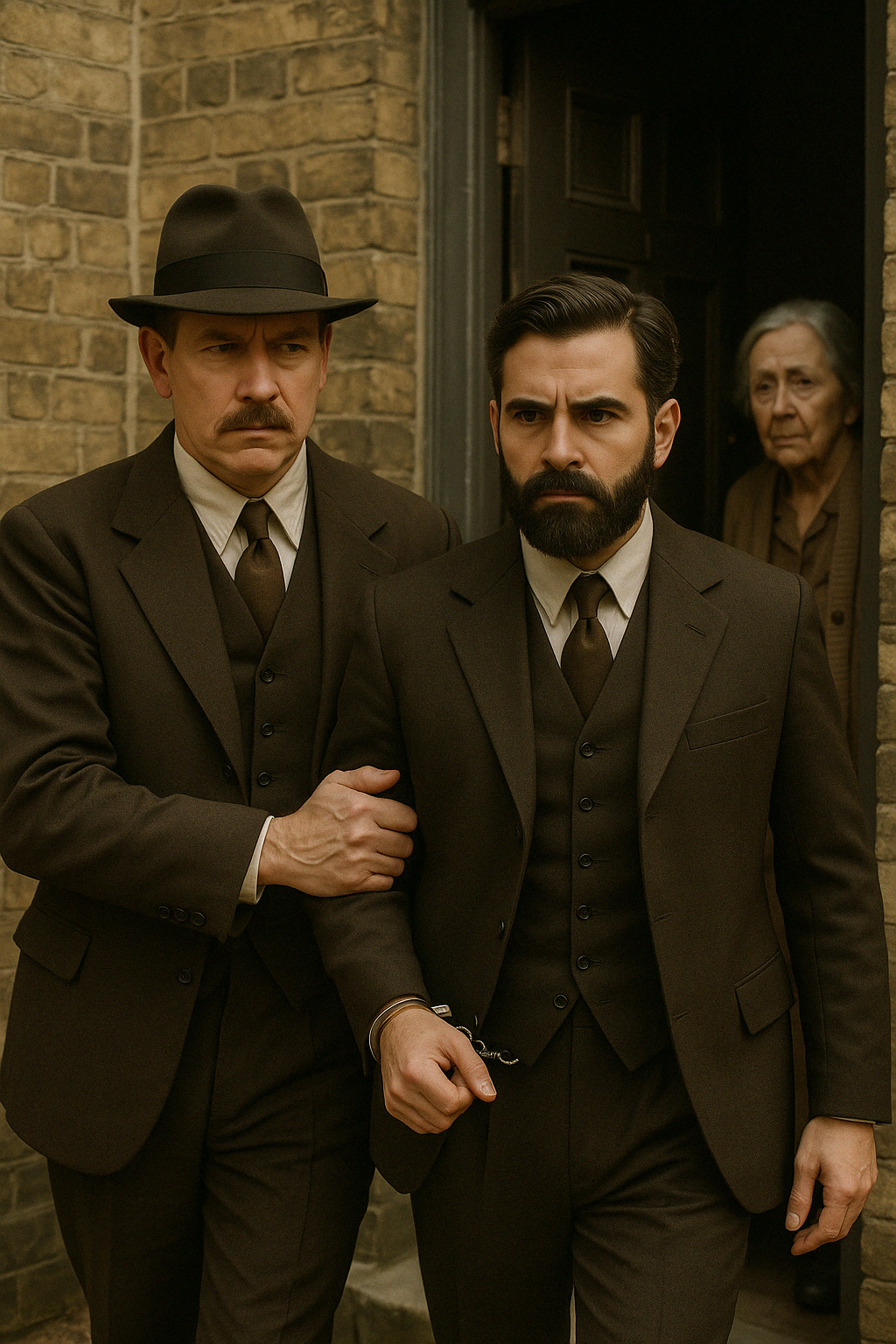
“It’s those wicked detectives. They’ve arrested him—they’ve arrested Mr. Cavendish!”
「あの|ひどい|刑事たちが。||旦那様を|逮捕したんです――||ミスター=キャヴンディッシュを|逮捕したんです!」
“Arrested Lawrence?” I gasped.
「ローレンスが|逮捕されたのか?」||私は|息を呑んだ。
I saw a strange look come into Dorcas’s eyes.
ドーカスの|目に|不思議な|表情が|浮かぶのが|見えた。
“No, sir. Not Mr. Lawrence—Mr. John.”
「いえ、|旦那様。||ミスター=ローレンスでは|ありません|ミスター=ジョンです。」
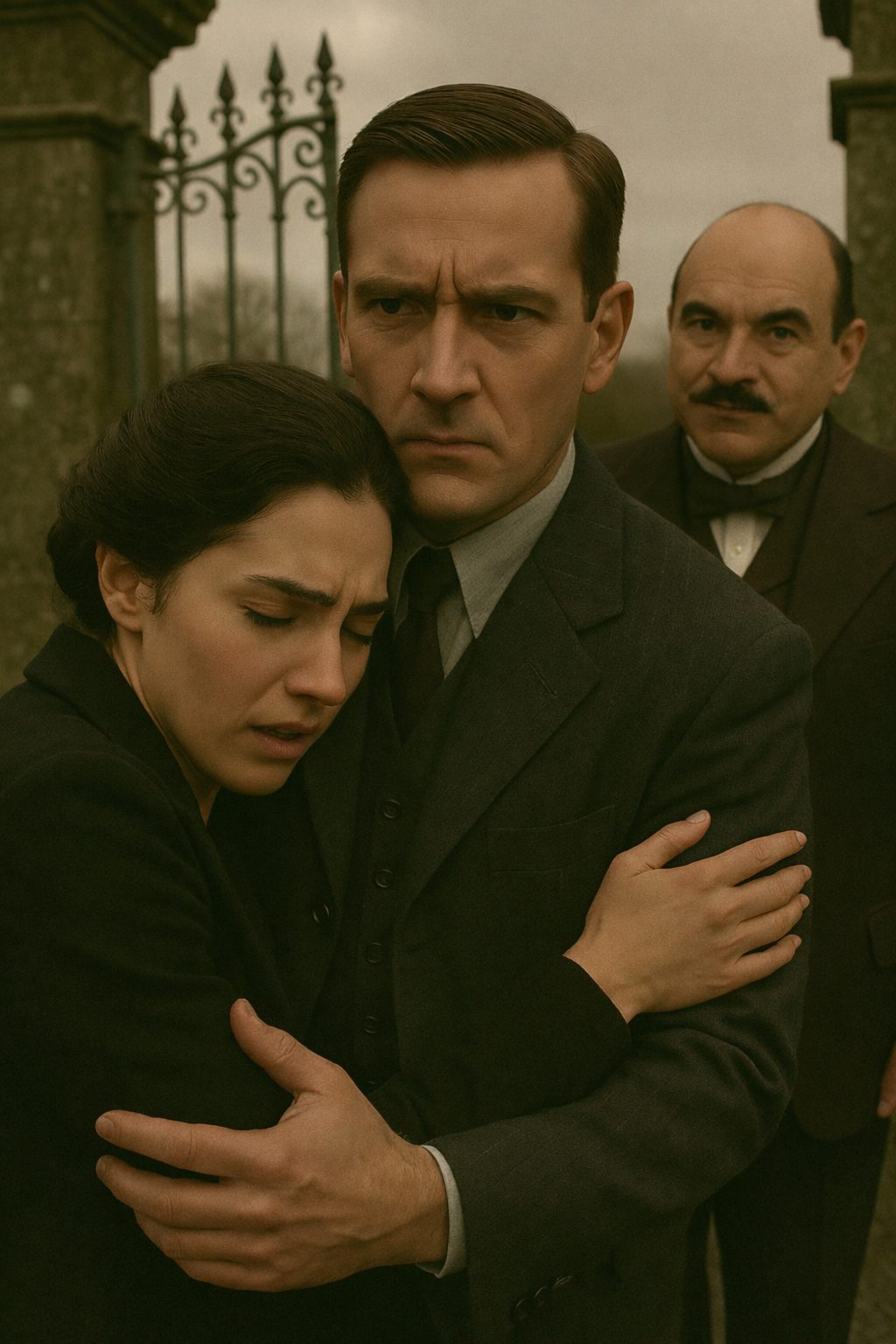
Behind me, with a wild cry, Mary Cavendish fell heavily against me, and as I turned to catch her I met the quiet triumph in Poirot’s eyes.
背後で|メアリー・キャヴンディッシュが|鋭い|叫び声を|あげ、|わたしに|どっと|もたれかかった。||彼女を|支えようと|ふりむいた|瞬間、|ポアロの|目に|静かな|勝利の|色が|浮かんでいるのが|見えた。