注記(区切り記号について)
この翻訳文には、点字に対応させるための区切り記号(マス空け)を入れています。
「」 … 1マスあけ
「」 … 2マスあけ
点訳の際に必要となる区切りを、見える形で示しています。
読み進めるうちに、文章のリズムや切れ目を意識していただければ幸いです。
・固有名詞は実際の発音を標準にしますが、日本語で馴染みのあるカタカナ表記を優先しています。
・固有名詞は、原則として最初に登場した時に限って、その固有部分を「第2カギ符」で囲んでいます。
・固有名詞の複合語は、「マス空け」「中点」ではなく、一つの意味のまとまりとして一体性を保つために「第2つなぎ符」で表記しています。
・建物の階数は日本式で、ground floor=一階、first floor=二階と表記しています。
『Brille Editor System ver.8』用の『BESファイル』を、ZIPファイルに圧縮して公開しています。(2026年1月20日現在)
The Mysterious Affair at Styles
CHAPTER XI.
THE CASE FOR THE PROSECUTION
スタイルズの怪事件
第十一章
検察側の主張
The trial of John Cavendish for the murder of his stepmother took place two months later. Of the intervening weeks I will say little, but my admiration and sympathy went out unfeignedly to Mary Cavendish. She ranged herself passionately on her husband’s side, scorning the mere idea of his guilt, and fought for him tooth and nail.
I expressed my admiration to Poirot, and he nodded thoughtfully.
ジョン・キャヴンディッシュの義理の母親の殺害による裁判は、二ヶ月後におこなわれた。それまでの数週間については多くを語るまい。ただ、メアリー・キャヴンディッシュへのわたしの称賛と同情は心からのものだった。彼女は夫の無実を信じて疑わず、情熱的に夫の味方につき、必死に戦った。わたしがポワロにその称賛を伝えると、彼は考え深げにうなずいた。

“Yes, she is of those women who show at their best in adversity. It brings out all that is sweetest and truest in them. Her pride and her jealousy have——”
「そうだね、彼女は逆境に立たされたときにいちばん輝く女性だよ。逆境が彼女のなかのいちばんやさしく誠実な部分を引きだすんだ。彼女のプライドと嫉妬心が――」

“Jealousy?” I queried.
「嫉妬?」私は問い返した。
“Yes. Have you not realized that she is an unusually jealous woman? As I was saying, her pride and jealousy have been laid aside. She thinks of nothing but her husband, and the terrible fate that is hanging over him.”
「そう。彼女が並外れて嫉妬深い女性だと気づかなかったかい?さっきいいかけたように、プライドも嫉妬心もいまは影をひそめている。彼女の頭にあるのは夫のことと、彼に迫る恐ろしい運命のことだけだよ」
He spoke very feelingly, and I looked at him earnestly, remembering that last afternoon, when he had been deliberating whether or not to speak.
With his tenderness for “a woman’s happiness,” I felt glad that the decision had been taken out of his hands.
彼はとても感情をこめて話した。わたしは真剣に彼を見つめながら、あの最後の午後のことを思いだした。彼が話すべきかどうか迷っていたあの午後を。「女性の幸せ」への彼のやさしさを思うと、その決断が彼の手を離れたことをわたしはよかったと感じた。
“Even now,” I said, “I can hardly believe it. You see, up to the very last minute, I thought it was Lawrence!”
「いまでも信じられないよ」とわたしはいった。「ほんのさっきまで、ローレンスだと思っていたんだから!」
Poirot grinned.
ポワロはニヤリと笑った。
“I know you did.”
「ええ、分かっていましたよ」
“But John! My old friend John!”
「でもジョンが!僕の古い友人のジョンが!」
“Every murderer is probably somebody’s old friend,” observed Poirot philosophically.
“You cannot mix up sentiment and reason.”
「殺人犯もたいていだれかの古い友人だよ」とポワロは哲学者のようにいった。「感情と理性をごっちゃにしてはいけない」
“I must say I think you might have given me a hint.”
「ひとことヒントをくれてもよかったんじゃないかと思うよ」
“Perhaps, mon ami, I did not do so, just because he was your old friend.”
「たぶん、モナミ。彼がきみの古い友人だったからこそ、私はそうしなかったんだよ」
I was rather disconcerted by this, remembering how I had busily passed on to John what I believed to be Poirot’s views concerning Bauerstein. He, by the way, had been acquitted of the charge brought against him.
Nevertheless, although he had been too clever for them this time, and the charge of espionage could not be brought home to him, his wings were pretty well clipped for the future.
I asked Poirot whether he thought John would be condemned.To my intense surprise, he replied that, on the contrary, he was extremely likely to be acquitted.
これには少しきまりが悪かった。バウアスタインについてのポワロの見解だと思っていたことを、せっせとジョンに伝えていたことを思いだしたからだ。ちなみにバウアスタインは、彼にかけられた容疑について無罪となった。もっとも、今回はうまく逃げきったものの、スパイ罪を立証するにはいたらなかったとはいえ、今後の活動はかなり制限されることになった。わたしはポワロに、ジョンは有罪になると思うかとたずねた。ところが意外にも、彼はむしろ無罪になる可能性が高いと答えた。
“But, Poirot——” I protested.
「でも、ポワロ」私は抗議した。
“Oh, my friend, have I not said to you all along that I have no proofs. It is one thing to know that a man is guilty, it is quite another matter to prove him so. And, in this case, there is terribly little evidence. That is the whole trouble. I, Hercule Poirot, know, but I lack the last link in my chain. And unless I can find that missing link——”
「ああ、友よ。わたしには証拠がないとずっと言っていたじゃないか。人が有罪だと知ることと、それを証明することはまったく別の話だよ。そしてこの事件には、証拠がひどく少ない。それがすべての問題なんだ。エルキュール・ポワロのこのわたしにはわかっている。でも証明の鎖の最後の輪が足りない。その欠けた輪を見つけられなければ――」
He shook his head gravely.
彼は重々しく首を振った。
“When did you first suspect John Cavendish?”
「ジョン・キャヴンディッシュを最初に疑ったのはいつだ?」
I asked, after a minute or two.
しばらく沈黙があった後、私は尋ねた。
“Did you not suspect him at all?”
「きみはまったく疑わなかったのかい?」
“No, indeed.”
「ああ、まったくなかったよ」
“Not after that fragment of conversation you overheard between Mrs. Cavendish and her mother-in-law, and her subsequent lack of frankness at the inquest?”
「メアリー・キャヴンディッシュと姑の会話の断片を立ち聞きしたあとでも?それに、彼女が審問ではっきり話さなかったことでも?」
“No.”
「まったく」
“Did you not put two and two together, and reflect that if it was not Alfred Inglethorp who was quarrelling with his wife—and you remember, he strenuously denied it at the inquest—it must be either Lawrence or John.Now, if it was Lawrence, Mary Cavendish’s conduct was just as inexplicable. But if, on the other hand, it was John, the whole thing was explained quite naturally.”
「ふたつを合わせて考えなかったのかい?妻と言い争っていたのがアルフレッド・イングルソープでないとしたら――審問で彼が強く否定していたのを覚えているだろう――ローレンスかジョンのどちらかになるはずだ。もしローレンスだとしたら、メアリー・キャヴンディッシュのふるまいは同じように説明がつかない。でもジョンだとしたら、すべてがごく自然に説明できるんだよ」
“So,” I cried, a light breaking in upon me, “it was John who quarrelled with his mother that afternoon?”
「すると」とわたしはひらめいて叫んだ。「あの午後、母親と言い争ったのはジョンだったのか?」
“Exactly.”
「その通りだ」
“And you have known this all along?”
「ずっとわかっていたのか?」
“Certainly. Mrs. Cavendish’s behaviour could only be explained that way.”
「もちろん。メアリー・キャヴンディッシュのふるまいは、そう考えなければ説明がつかなかったからね」
“And yet you say he may be acquitted?”
「それでも無罪になるかもしれないというのかい?」
Poirot shrugged his shoulders.
ポワロは肩をすくめた。
“Certainly I do. At the police court proceedings, we shall hear the case for the prosecution, but in all probability his solicitors will advise him to reserve his defence. That will be sprung upon us at the trial. And—ah, by the way, I have a word of caution to give you, my friend. I must not appear in the case.”
「もちろんそうだよ。予審では検察側の主張を聞くことになるが、おそらく弁護士が弁護を留保するよう勧めるだろう。それが裁判で突然出てくるんだ。それと――ああ、そういえば、ひとつ注意しておくことがあるよ、友よ。わたしはこの事件に表立ってかかわってはいけないんだ」
“What?”
「何だって?」
“No. Officially, I have nothing to do with it. Until I have found that last link in my chain, I must remain behind the scenes. Mrs. Cavendish must think I am working for her husband, not against him.”
「そう。公式には、わたしはこの事件と無関係だ。証明の鎖の最後の輪を見つけるまでは、裏にまわっていなければならない。ミセス=キャヴンディッシュには、わたしが夫を陥れようとしているのではなく、夫を助けようとしていると思わせておかなければならないんだ」
“I say, that’s playing it a bit low down,” I protested.
「それは少しひどいやり方じゃないか」とわたしは抗議した。
“Not at all. We have to deal with a most clever and unscrupulous man, and we must use any means in our power—otherwise he will slip through our fingers. That is why I have been careful to remain in the background. All the discoveries have been made by Japp, and Japp will take all the credit. If I am called upon to give evidence at all”
「そんなことはない。相手は非常に抜け目なく悪賢い男だ。使える手はなんでも使わなければ――そうしなければするりと逃げられてしまう。だからわたしは注意して裏にまわっていたんだ。すべての発見はジャップがしたことになっているし、手柄もすべてジャップのものになる。もしわたしが証言を求められるとしたら」
—he smiled broadly—
――ポワロはにっこりと微笑んだ――
“it will probably be as a witness for the defence.”
「おそらく弁護側の証人としてだろうね」
I could hardly believe my ears.
私は自分の耳を疑った。
“It is quite en règle,” continued Poirot.
“Strangely enough, I can give evidence that will demolish one contention of the prosecution.”
「まったく正当なやり方だよ」とポワロは続けた。「不思議なことに、わたしは検察側の主張のひとつをくつがえす証言ができるんだ」
“Which one?”
「どの主張を?」
“The one that relates to the destruction of the will. John Cavendish did not destroy that will.”
「遺言書の破棄に関する主張だよ。ジョン・キャヴンディッシュはあの遺言書を破棄していない」
Poirot was a true prophet. I will not go into the details of the police court proceedings, as it involves many tiresome repetitions. I will merely state baldly that John Cavendish reserved his defence, and was duly committed for trial. September found us all in London.
Mary took a house in Kensington, Poirot being included in the family party.
I myself had been given a job at the War Office, so was able to see them continually.
ポワロの予言は的中した。予審の詳細には立ち入らない。同じような内容が何度も繰りかえされるだけだからだ。ただ端的にいえば、ジョン・キャヴンディッシュは弁護を留保し、正式に裁判にかけられることになった。九月になると、わたしたちはみなロンドンにいた。メアリーはケンジントンに家を借り、ポワロも家族の一員としていっしょに暮らした。わたし自身は陸軍省に職を得たので、彼らとしょっちゅう会うことができた。
As the weeks went by, the state of Poirot’s nerves grew worse and worse. That “last link” he talked about was still lacking.
Privately, I hoped it might remain so, for what happiness could there be for Mary, if John were not acquitted?
時が経つにつれ、ポワロの神経はますます張りつめていった。彼が口にしていた「最後の輪」はまだ見つかっていなかった。内心、わたしはこのまま見つからなければいいと思っていた。ジョンが無罪にならなければ、メアリーに幸せがあるはずもないからだ。
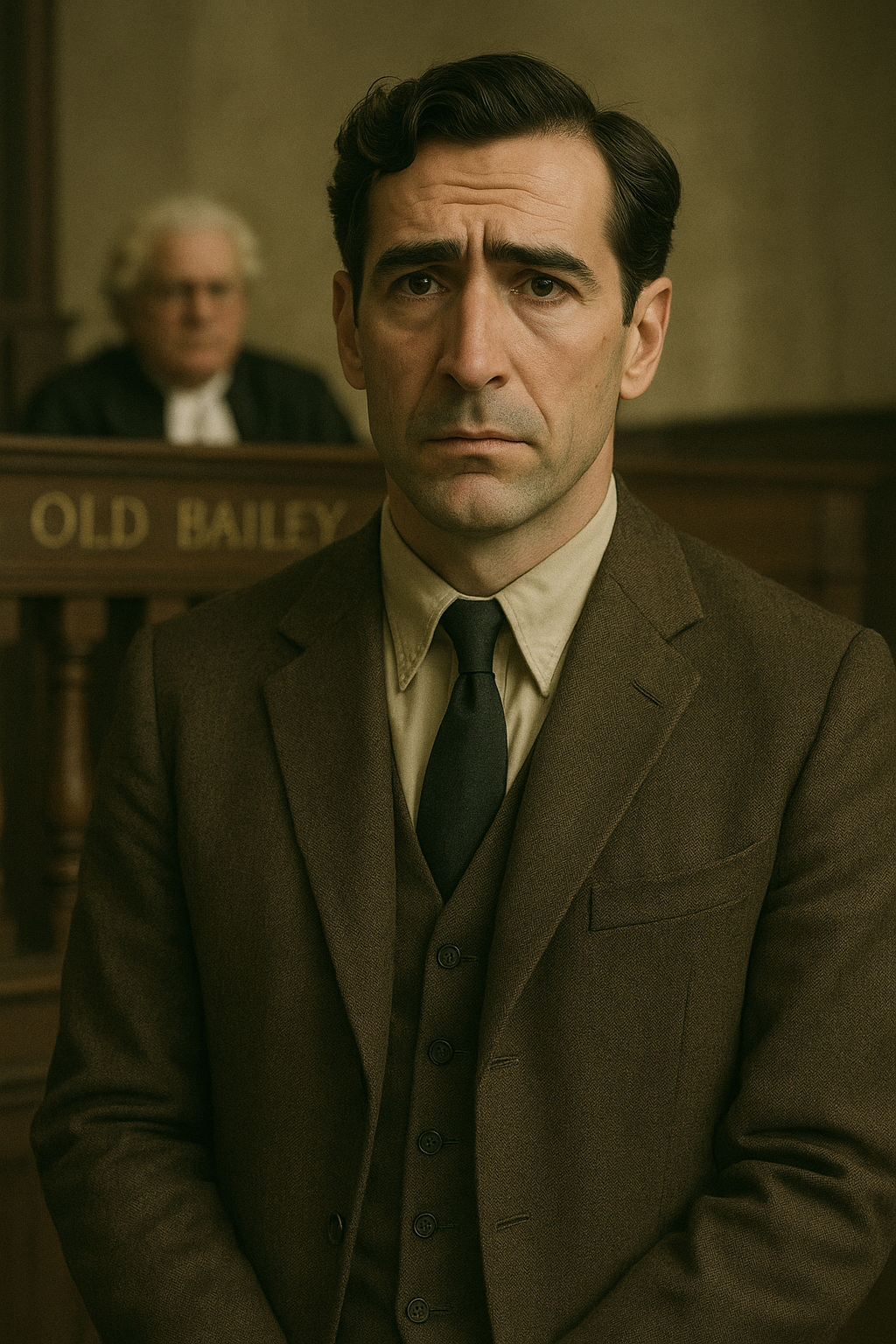
On September 15th John Cavendish appeared in the dock at the Old Bailey, charged with “The Wilful Murder of Emily Agnes Inglethorp,”and pleaded “Not Guilty.”
九月十五日、ジョン・キャヴンディッシュはオールド・ベイリーの被告席に立ち、「エミリー・アグネス・イングルソープの故意による殺人」の罪で起訴された。ジョンは「無罪」を主張した。

Sir Ernest Heavywether, the famous K.C., had been engaged to defend him. Mr. Philips, K.C., opened the case for the Crown.
高名な勅選弁護士、サー・アーネスト・ヘヴィウェザーが弁護を引き受けた。検察側の冒頭陳述は、勅選弁護士のフィリップス氏がおこなった。
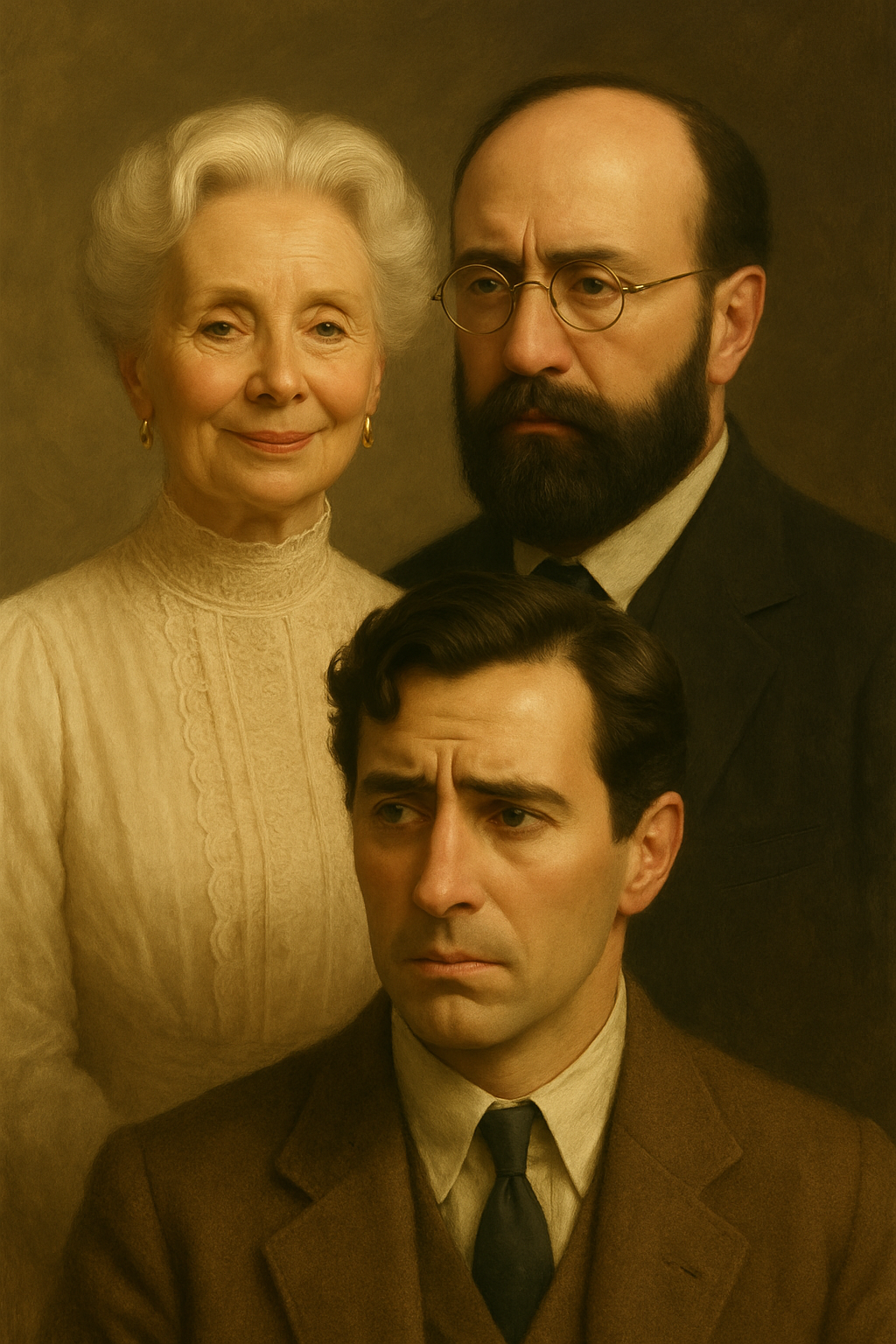
The murder, he said, was a most premeditated and cold-blooded one. It was neither more nor less than the deliberate poisoning of a fond and trusting woman by the stepson to whom she had been more than a mother. Ever since his boyhood, she had supported him. He and his wife had lived at Styles Court in every luxury, surrounded by her care and attention. She had been their kind and generous benefactress.
今回の殺人は、きわめて計画的で冷酷なものだと彼は述べた。それはまさしく、実の母親以上に慕っていた義理の息子による、愛情深く信頼し切っていた女性への意図的な毒殺にほかならなかった。彼女は被告が少年のころからずっと支えてきた。被告とその妻は、スタイルズ・コートで、彼女の細やかな配慮に包まれながらあらゆる贅沢を享受してきた。彼女はふたりにとって心やさしく気前のよい恩人だったのだ。
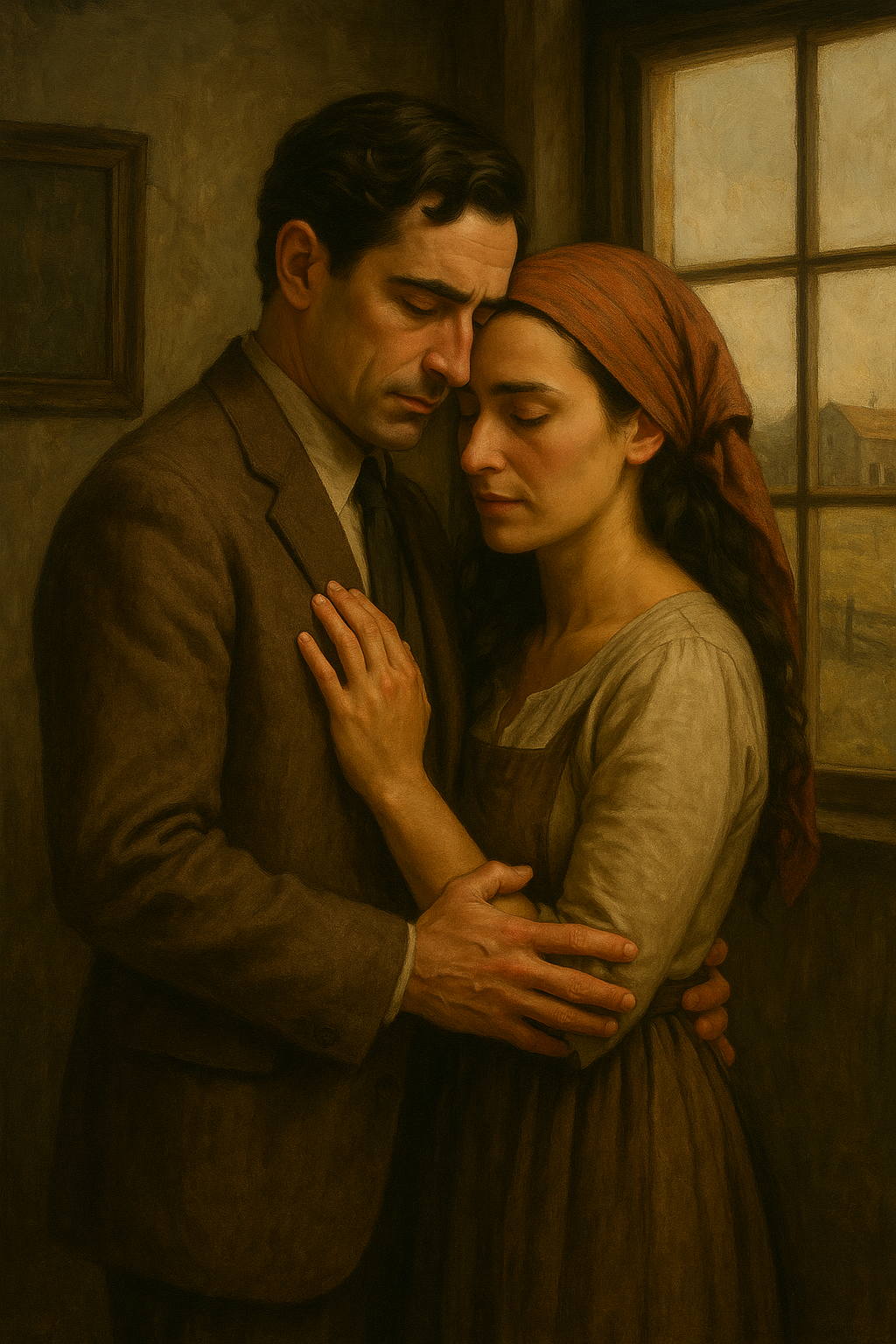
He proposed to call witnesses to show how the prisoner, a profligate and spendthrift, had been at the end of his financial tether, and had also been carrying on an intrigue with a certain Mrs. Raikes, a neighbouring farmer’s wife.
彼は証人を呼んで、放蕩で浪費家の被告が財政的に追い詰められていたこと、また近所の農夫の妻、レイクス夫人と不倫関係を続けていたことを示すと述べた。
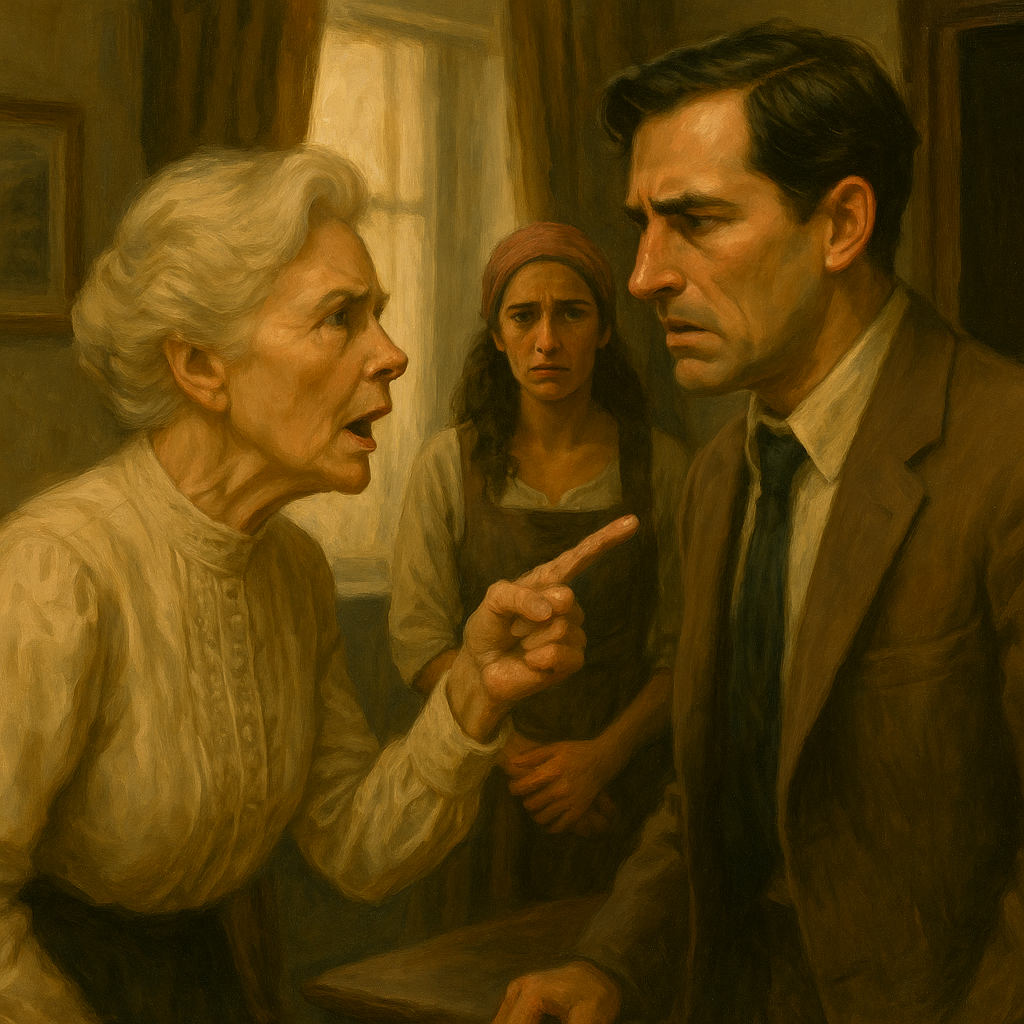
This having come to his stepmother’s ears, she taxed him with it on the afternoon before her death, and a quarrel ensued, part of which was overheard.
これが義母の耳に入り、彼女は死の前日の午後に被告を問いただした。言い争いになり、その一部が聞かれていた。
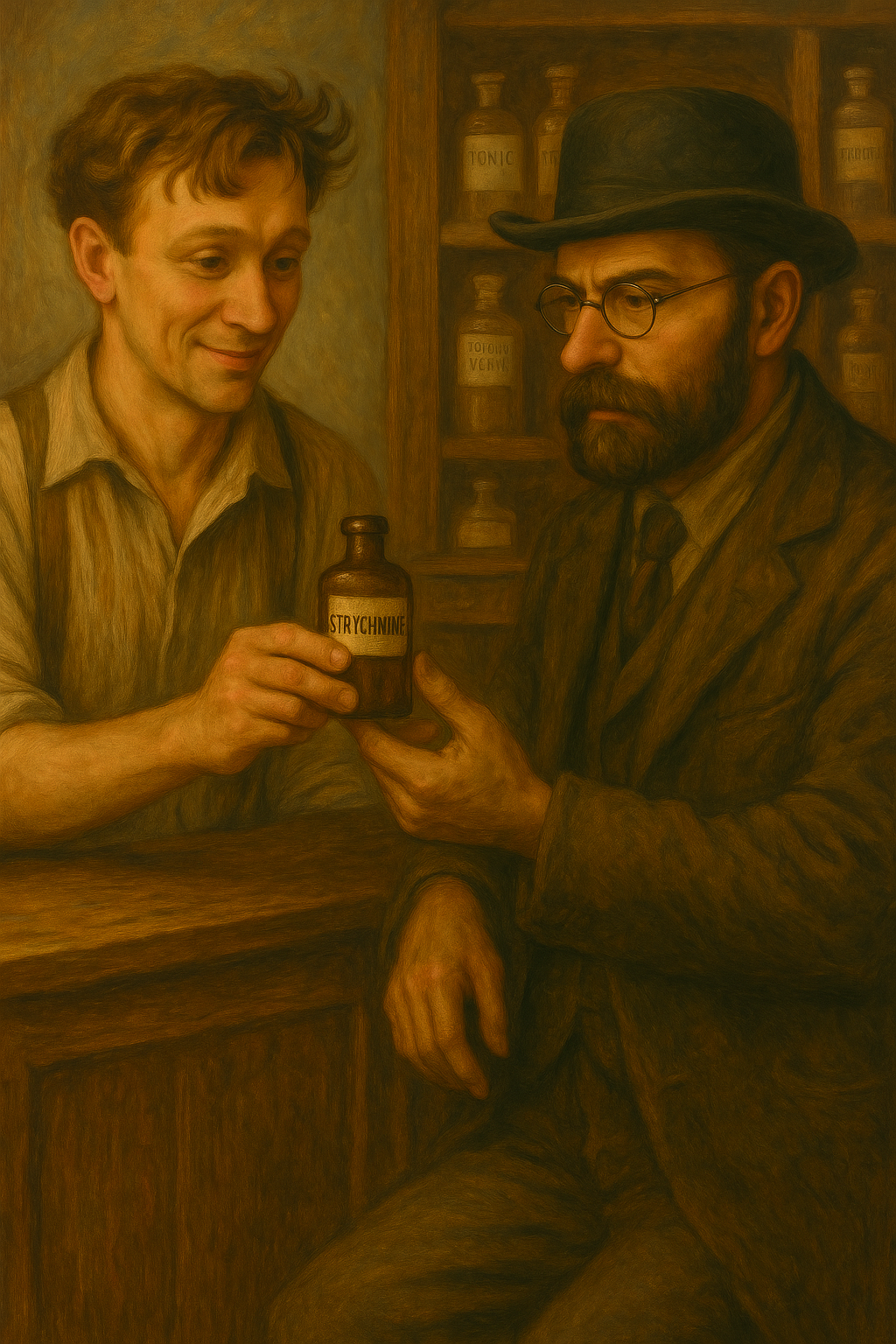
On the previous day, the prisoner had purchased strychnine at the village chemist’s shop, wearing a disguise by means of which he hoped to throw the onus of the crime upon another man —to wit, Mrs. Inglethorp’s husband, of whom he had been bitterly jealous. Luckily for Mr. Inglethorp, he had been able to produce an unimpeachable alibi.
その前日、被告は変装して村の薬局でストリキニーネを購入した。それは別の人物――すなわち被告が深く嫉妬していたイングルソープ夫人の夫――に罪をなすりつけようとするたくらみだった。幸いイングルソープ氏は、反論の余地のないアリバイを示すことができた。
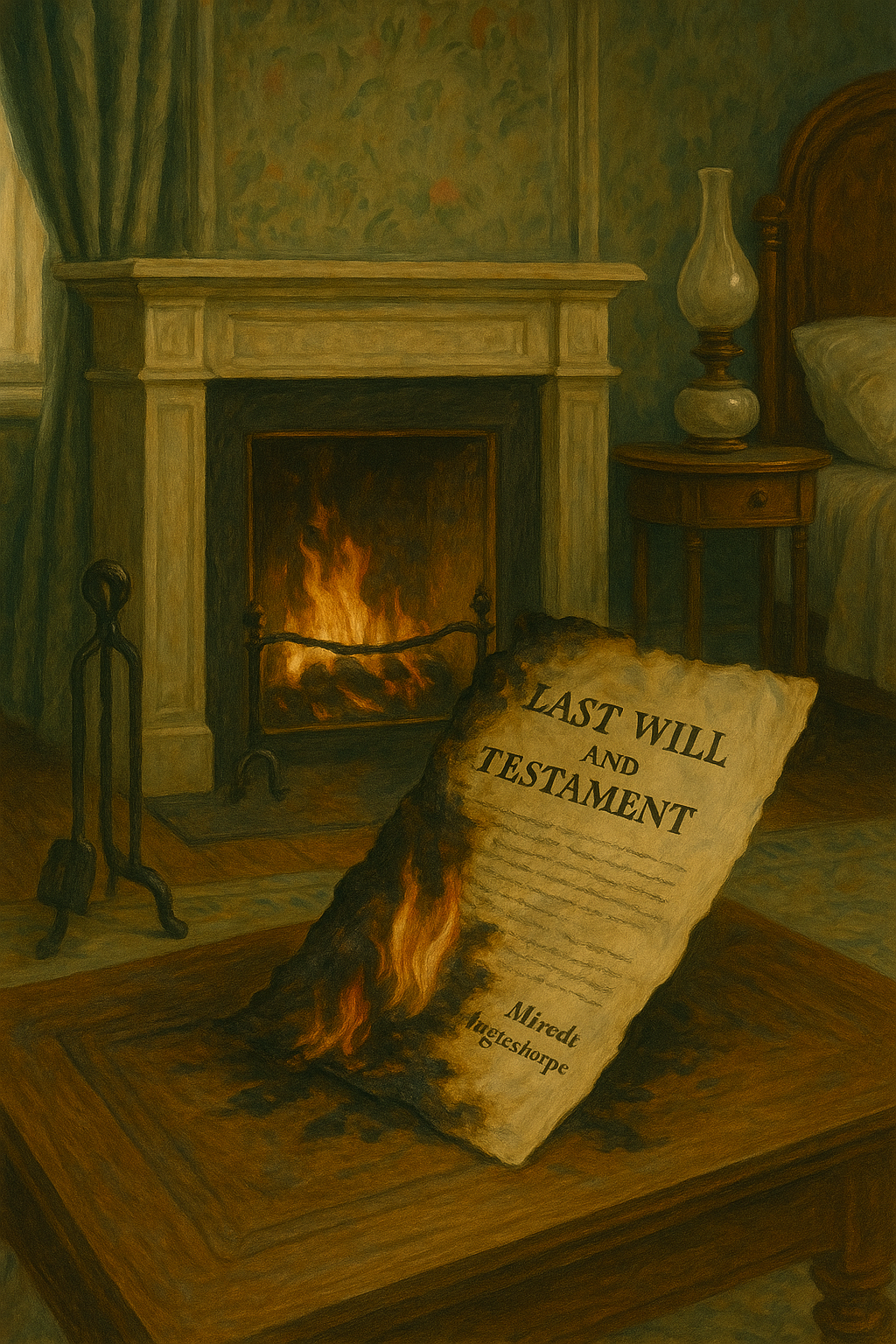
On the afternoon of July 17th, continued Counsel, immediately after the quarrel with her son, Mrs. Inglethorp made a new will. This will was found destroyed in the grate of her bedroom the following morning, but evidence had come to light which showed that it had been drawn up in favour of her husband.
七月十七日の午後、と弁護士は続けた、息子との言い争いの直後に、イングルソープ夫人は新たな遺言書を作成した。この遺言書は翌朝、寝室の暖炉で焼かれた状態で見つかった。しかしそれが夫に有利な内容で作成されていたことを示す証拠が明らかになっていた。
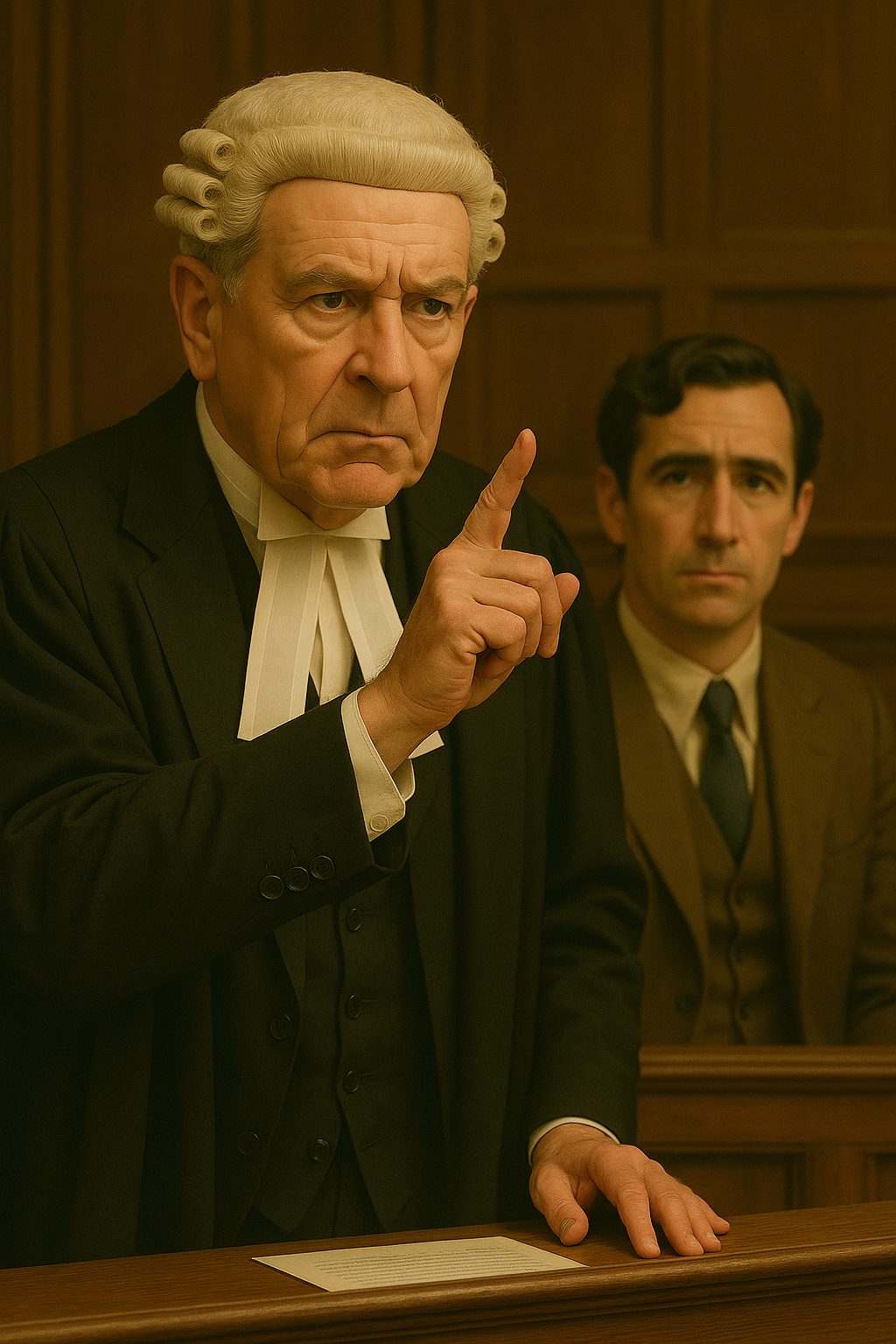
Deceased had already made a will in his favour before her marriage, but—and Mr. Philips wagged an expressive forefinger—the prisoner was not aware of that. What had induced the deceased to make a fresh will, with the old one still extant, he could not say. She was an old lady, and might possibly have forgotten the former one; or—this seemed to him more likely—she may have had an idea that it was revoked by her marriage, as there had been some conversation on the subject. Ladies were not always very well versed in legal knowledge.
故人は結婚前にすでに夫に有利な遺言書を作成していた。しかし、と、フィリップスは意味ありげに人差し指を振った――被告はそのことを知らなかった。古い遺言書がまだ有効なのに、なぜ故人が新たな遺言書を作成したのかはわからない。老齢ゆえに前の遺言書を忘れていたのかもしれない。あるいは――こちらのほうがありそうだが――再婚によって遺言書が無効になると思っていたのかもしれない。その件について話し合いがあったこともわかっている。女性は法律の知識に必ずしも詳しいわけではないのだから。
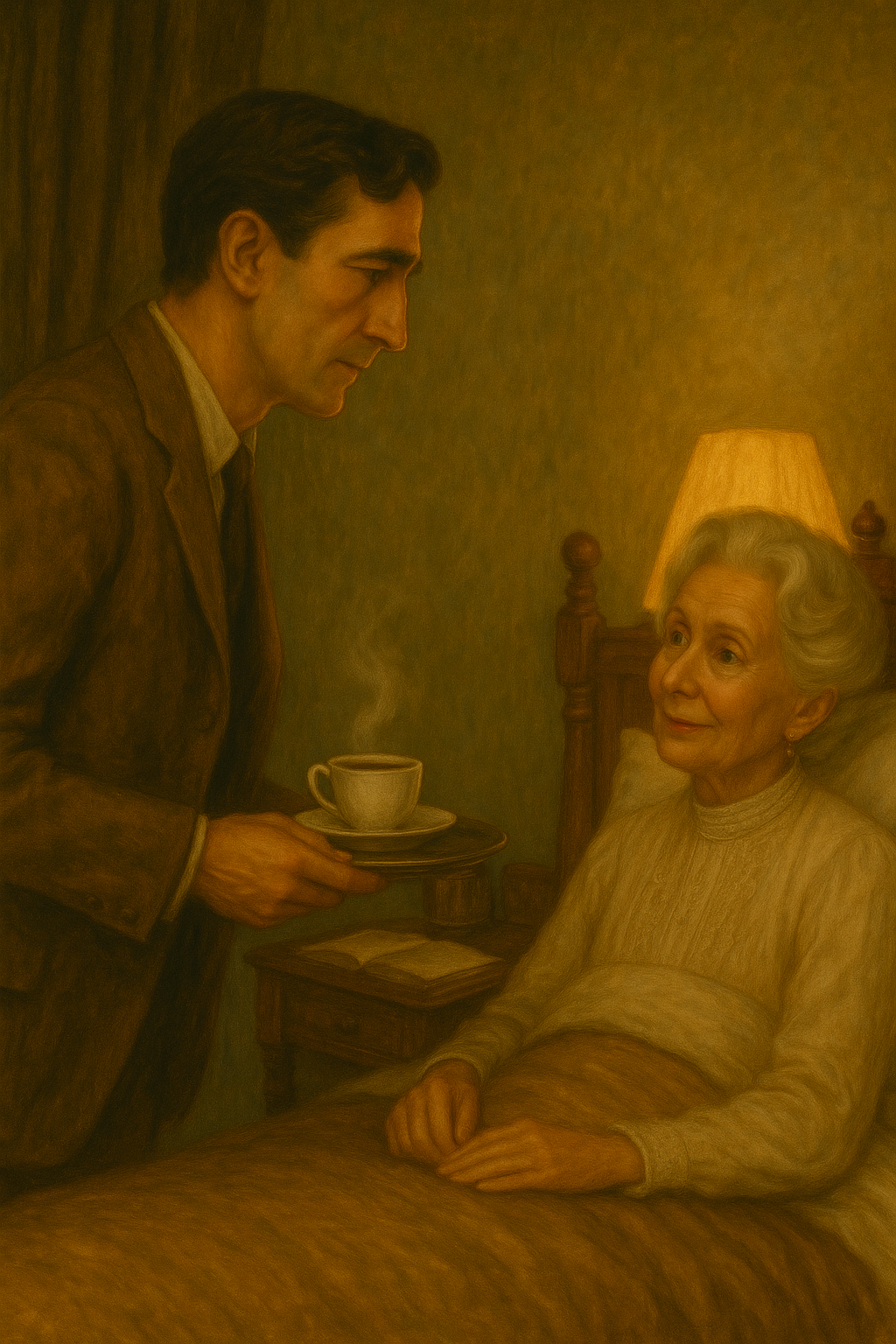
She had, about a year before, executed a will in favour of the prisoner. He would call evidence to show that it was the prisoner who ultimately handed his stepmother her coffee on the fatal night.
Later in the evening, he had sought admission to her room, on which occasion, no doubt, he found an opportunity of destroying the will which, as far as he knew, would render the one in his favour valid.
故人は約一年前に被告に有利な遺言書を作成していた。運命の夜に義母にコーヒーを最終的に手渡したのが被告であることを示す証拠を提出すると彼は述べた。その夜遅く、被告は彼女の部屋への立ち入りを求めた。その際に、おそらく自分の知るかぎりでは自分に有利な遺言書を有効にするはずの新しい遺言書を破棄する機会を見つけたのだろう。
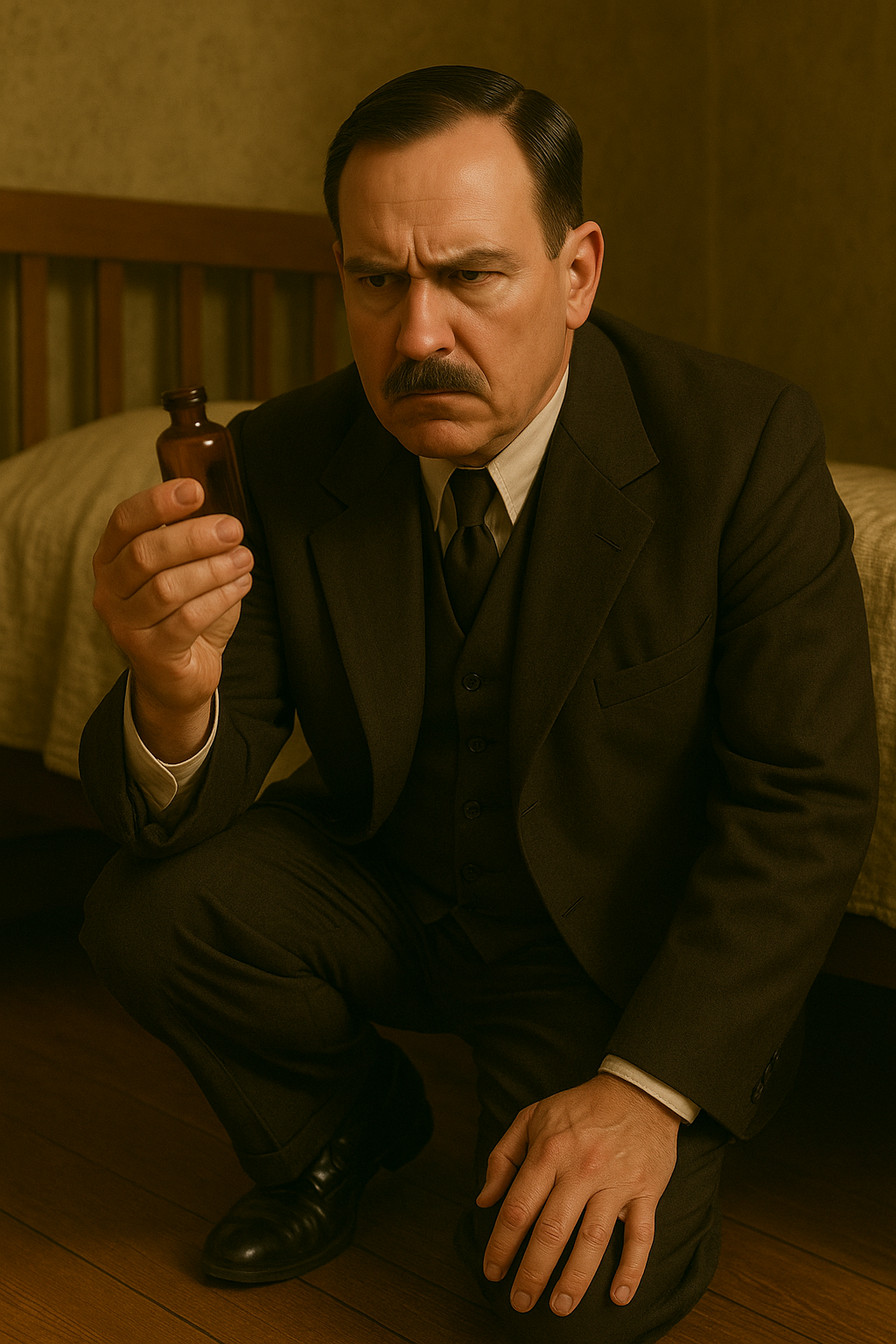
The prisoner had been arrested in consequence of the discovery, in his room, by Detective Inspector Japp—a most brilliant officer—of the identical phial of strychnine which had been sold at the village chemist’s to the supposed Mr. Inglethorp on the day before the murder.
被告が逮捕されたのは、殺人の前日に村の薬局でイングルソープを装った人物に売られたストリキニーネの小瓶と同じものが、優秀な刑事、ジャップ警部によって、被告の部屋で発見されたことによる。
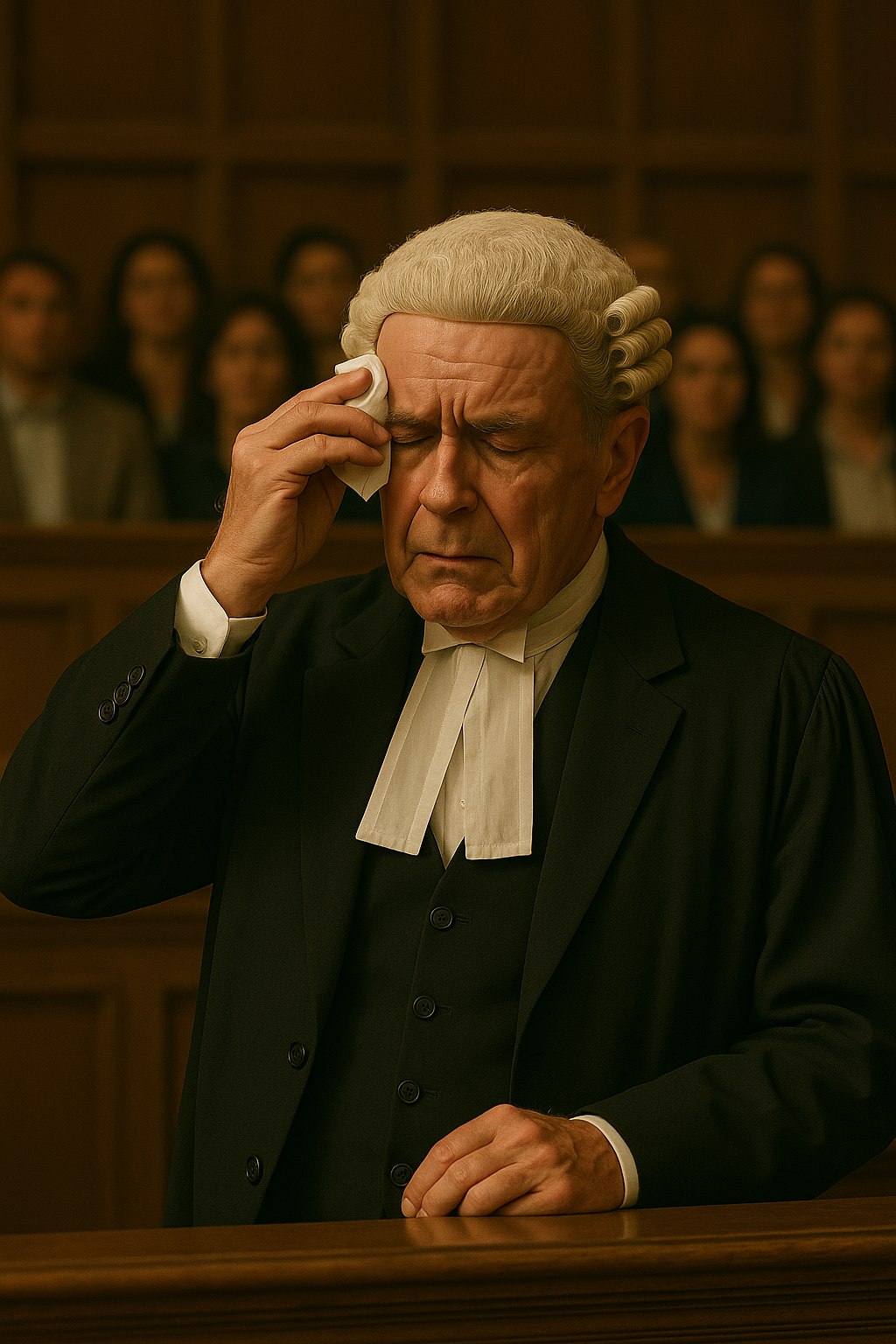
It would be for the jury to decide whether or not these damning facts constituted an overwhelming proof of the prisoner’s guilt. And, subtly implying that a jury which did not so decide, was quite unthinkable, Mr. Philips sat down and wiped his forehead. The first witnesses for the prosecution were mostly those who had been called at the inquest, the medical evidence being again taken first.
これらの不利な事実が被告の有罪の圧倒的な証明となるかどうかは、陪審員が判断することだと彼は述べた。そしてそう判断しない陪審員など考えられないとそれとなく示唆しながら、フィリップス氏は席につき、額の汗を拭った。検察側の最初の証人はほとんどが審問に呼ばれたものと同じで、医学的な証拠がまたも最初に取りあげられた。
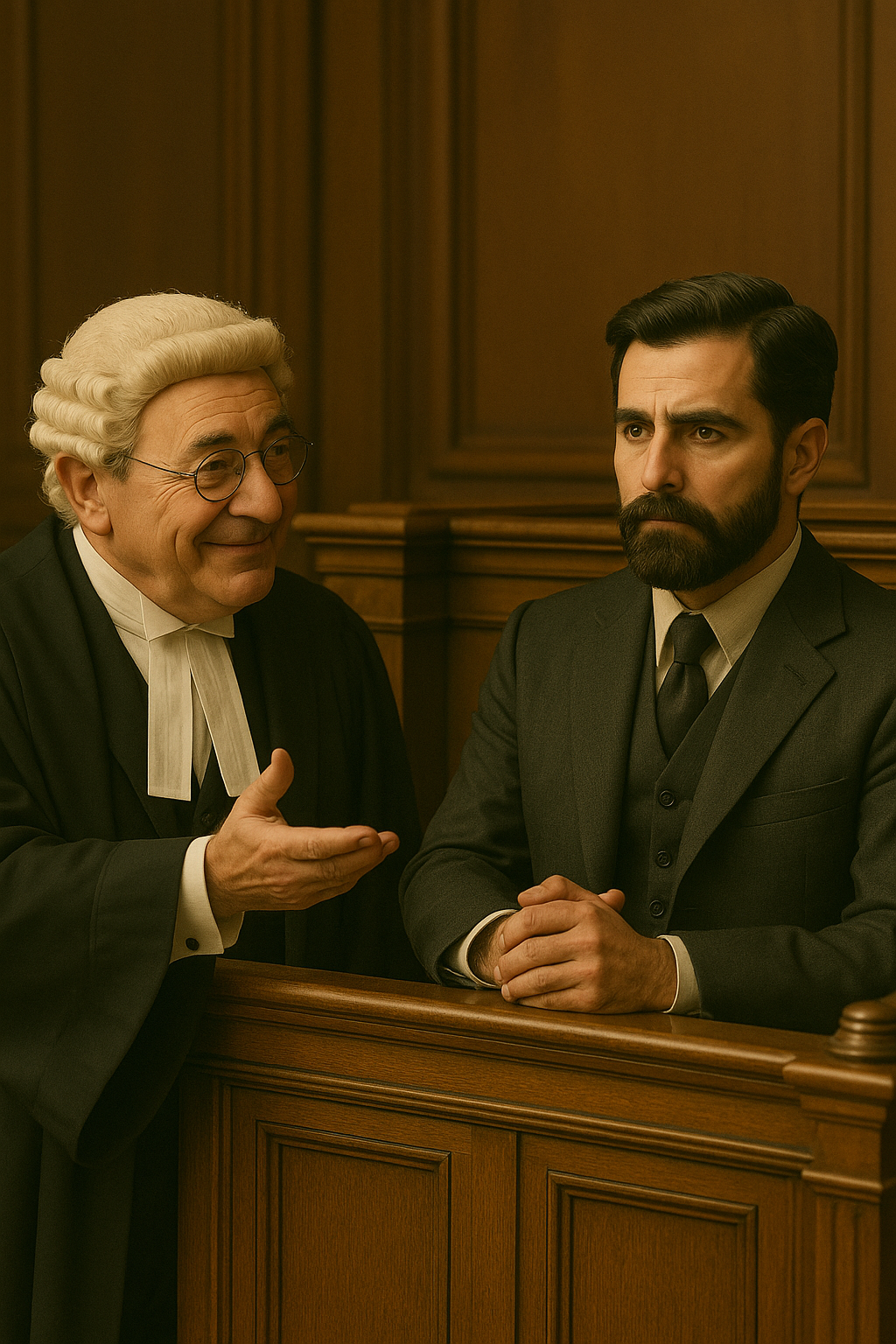
Sir Ernest Heavywether, who was famous all over England for the unscrupulous manner in which he bullied witnesses, only asked two questions.
被告側の弁護士であるサー・アーネスト・ヘヴィウェザーは、イギリス中で証人を容赦なく追い詰めることで有名だったが、この医師に対してはたった2つの質問しか行わなかった。

“I take it, Dr. Bauerstein, that strychnine, as a drug, acts quickly?”
「ドクター=バウアースタイン、ストリキニーネという薬物は、通常は即効性があると考えてよろしいですか?」

“Yes.”
「はい」
“And that you are unable to account for the delay in this case?”
「では、本件で作用が遅れた理由を説明することはできない、ということですね?」
“Yes.”
「はい」
“Thank you.”
「ありがとうございます」
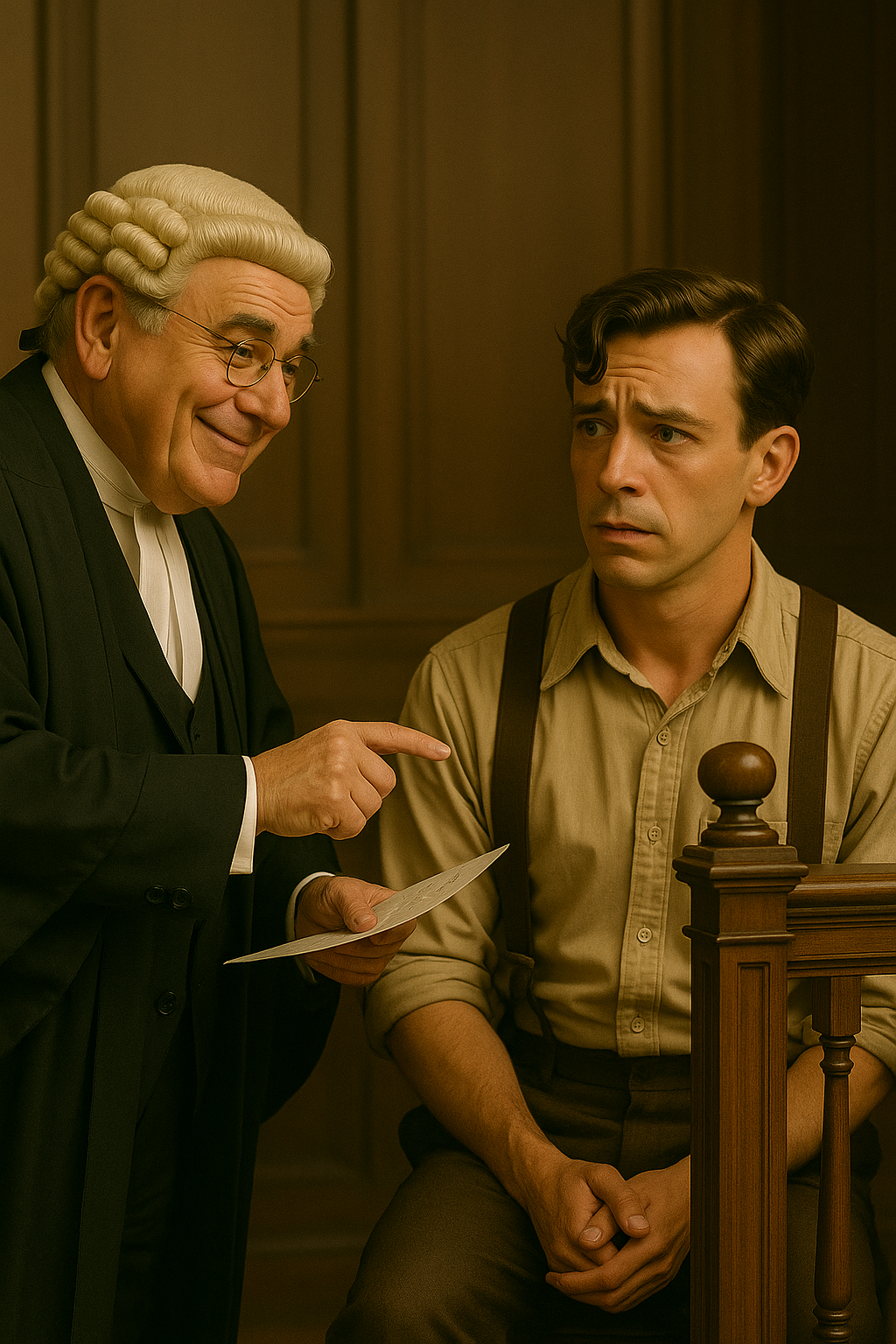
Mr. Mace identified the phial handed him by Counsel as that sold by him to “Mr. Inglethorp.” Pressed, he admitted that he only knew Mr. Inglethorp by sight. He had never spoken to him. The witness was not cross-examined.
次に、薬剤師のメイス氏が証言台に立ち、検察側から提示された薬瓶が、彼が“ミスター=イングルソープ”に売ったものであることを認めた。ただし、追及されると、彼はミスター=イングルソープの見た目しか知らないことを認めた。彼は、言葉を交わしたことはなかった。この証人には反対尋問は行われなかった。
Alfred Inglethorp was called, and denied having purchased the poison. He also denied having quarrelled with his wife.Various witnesses testified to the accuracy of these statements.
次にアルフレッド=イングルソープが呼ばれ、毒を購入した事実を否定し、妻との口論もなかったと主張した。いくつかの証人もこれらの主張が事実であることを裏付ける証言を行った。
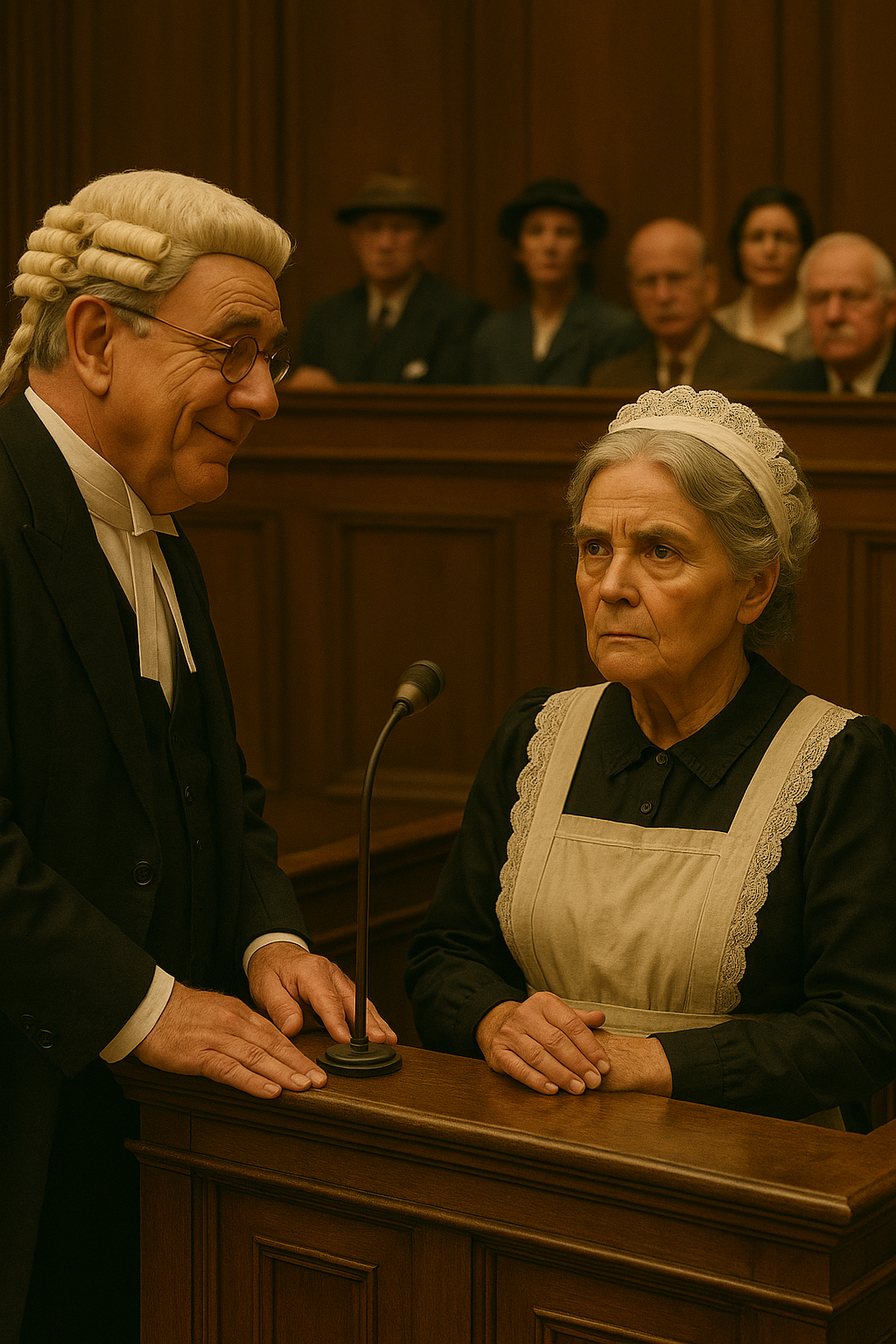
The gardeners’ evidence, as to the witnessing of the will was taken, and then Dorcas was called. Dorcas, faithful to her “young gentlemen,” denied strenuously that it could have been John’s voice she heard, and resolutely declared, in the teeth of everything, that it was Mr. Inglethorp who had been in the boudoir with her mistress.
庭師たちによる「遺言書の立会い」に関する証言の後、ドーカスが呼ばれた。ドーカスは、「お坊ちゃま方」のために忠誠を尽くし、彼女が聞いた声がジョンのものであるとは断固として認めず、あくまで「ミスター=イングルソープが、夫人と一緒に控えの間にいたのだ」と主張した。
A rather wistful smile passed across the face of the prisoner in the dock. He knew only too well how useless her gallant defiance was, since it was not the object of the defence to deny this point. Mrs. Cavendish, of course, could not be called upon to give evidence against her husband.
After various questions on other matters, Mr. Philips asked:
被告席にいるジョンの顔に、かすかに物悲しげな笑みが浮かんだ。彼は、弁護側がこの点を否定するつもりがなかったので、彼女の勇敢な弁護がいかに無意味であるかをよく理解していたのである。メアリー・ミセス=キャヴンディッシュはもちろん、夫に不利な証言を求められる証人としては呼ばれることはなかった。
他のいくつかの質問の後、フィリップス氏はドーカスに尋ねた。

“In the month of June last, do you remember a parcel arriving for Mr. Lawrence Cavendish from Parkson’s?”
「今年の6月、パークソンズ社からローレンス・キャヴンディッシュ氏宛に荷物が届いたのを覚えていますか?」
Dorcas shook her head.
ドーカスは首を振った。

“I don’t remember, sir. It may have done, but Mr. Lawrence was away from home part of June.”
「覚えておりません、先生。届いたかもしれませんが、六月は、ローレンス様はお屋敷にいらっしゃらないことがおありでした」
“In the event of a parcel arriving for him whilst he was away, what would be done with it?”
「では、不在中に彼宛の荷物が届いた場合、それはどうなりますか?」
“It would either be put in his room or sent on after him.”
「お部屋に置くか、転送されるかです」

“By you?”
「それはあなたがやるのですか?」
“No, sir, I should leave it on the hall table. It would be Miss Howard who would attend to anything like that.”
「いいえ、先生。私は玄関ホールのテーブルに置いておくだけです。 そのあとはミス・ハワードがそういった対応をなさいます」
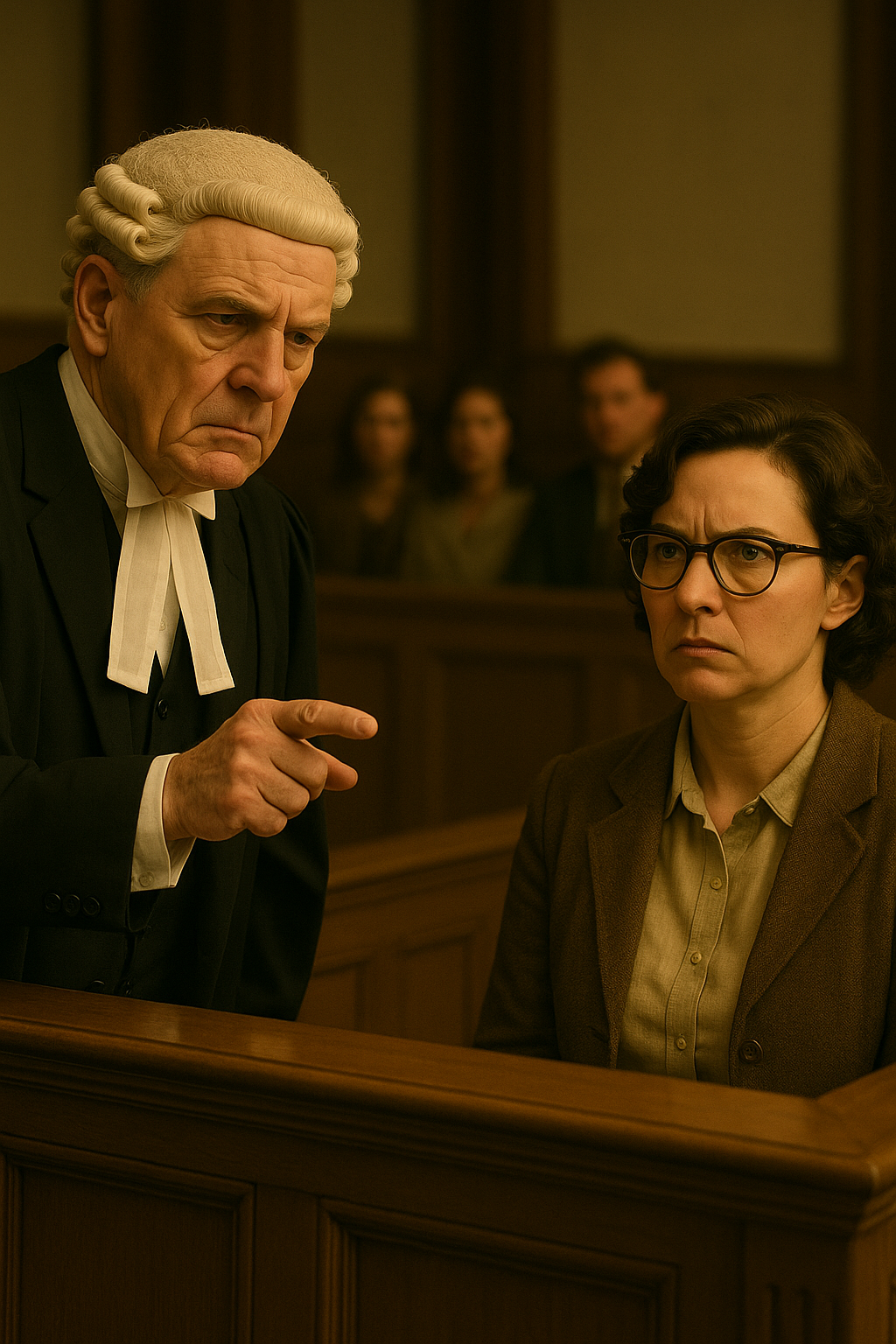
Evelyn Howard was called and, after being examined on other points, was questioned as to the parcel.
次にエヴリン=ハワードが呼ばれ、別の点についての尋問の後、その荷物に関する質問が続いた。

“Don’t remember. Lots of parcels come. Can’t remember one special one.”
「覚えてないわね。荷物なんてたくさん届くから。特別なものがあったなんて覚えちゃいない」
“You do not know if it was sent after Mr. Lawrence Cavendish to Wales, or whether it was put in his room?”
「それがローレンス・キャヴンディッシュ氏にウェールズへ転送されたか、 あるいは彼の部屋に置かれたか、ご存知ない?」

“Don’t think it was sent after him. Should have remembered it if it was.”
「転送されたとは思わないわ。もしそうなら覚えてるはず」
“Supposing a parcel arrived addressed to Mr. Lawrence Cavendish, and afterwards it disappeared, should you remark its absence?”
「仮にローレンス・キャヴンディッシュ氏宛の荷物が届いて、その後それが姿を消したとしたら、 あなたはそれがなくなったこと気づきますか?」
“No, don’t think so. I should think someone had taken charge of it.”
「いいえ、そうは思いません。誰かがそれを保管したんじゃないかと思います」
“I believe, Miss Howard, that it was you who found this sheet of brown paper?”
「ミス=ハワード、この茶色い紙を見つけたのはあなたですね?」
He held up the same dusty piece which Poirot and I had examined in the morning-room at Styles.
彼は、ポワロと私がスタイルズ荘の朝の間で調べた、あの埃まみれの紙を掲げた。
“Yes, I did.”
「はい、私が見つけました」
“How did you come to look for it?”
「それを探すきっかけは何でしたか?」
“The Belgian detective who was employed on the case asked me to search for it.”
「この事件で雇われたベルギー人の探偵(=ポワロ)が、探してほしいと頼んできたのです」
“Where did you eventually discover it?”
「最終的に、それをどこで見つけましたか?」
“On the top of—of—a wardrobe.”
「洋服ダンスの上……にありました」
“On top of the prisoner’s wardrobe?”
「被告人の洋服ダンスの上ですか?」
“I—I believe so.”
「……た、多分そうだったと思います」
“Did you not find it yourself?”
「あなた自身が見つけたんですよね?」
“Yes.”
「はい」
“Then you must know where you found it?”
「ではどこで見つけたかご存じのはずです?」
“Yes, it was on the prisoner’s wardrobe.”
「はい、被告人の洋服ダンスの上でした」
“That is better.”
「それでよろしい」
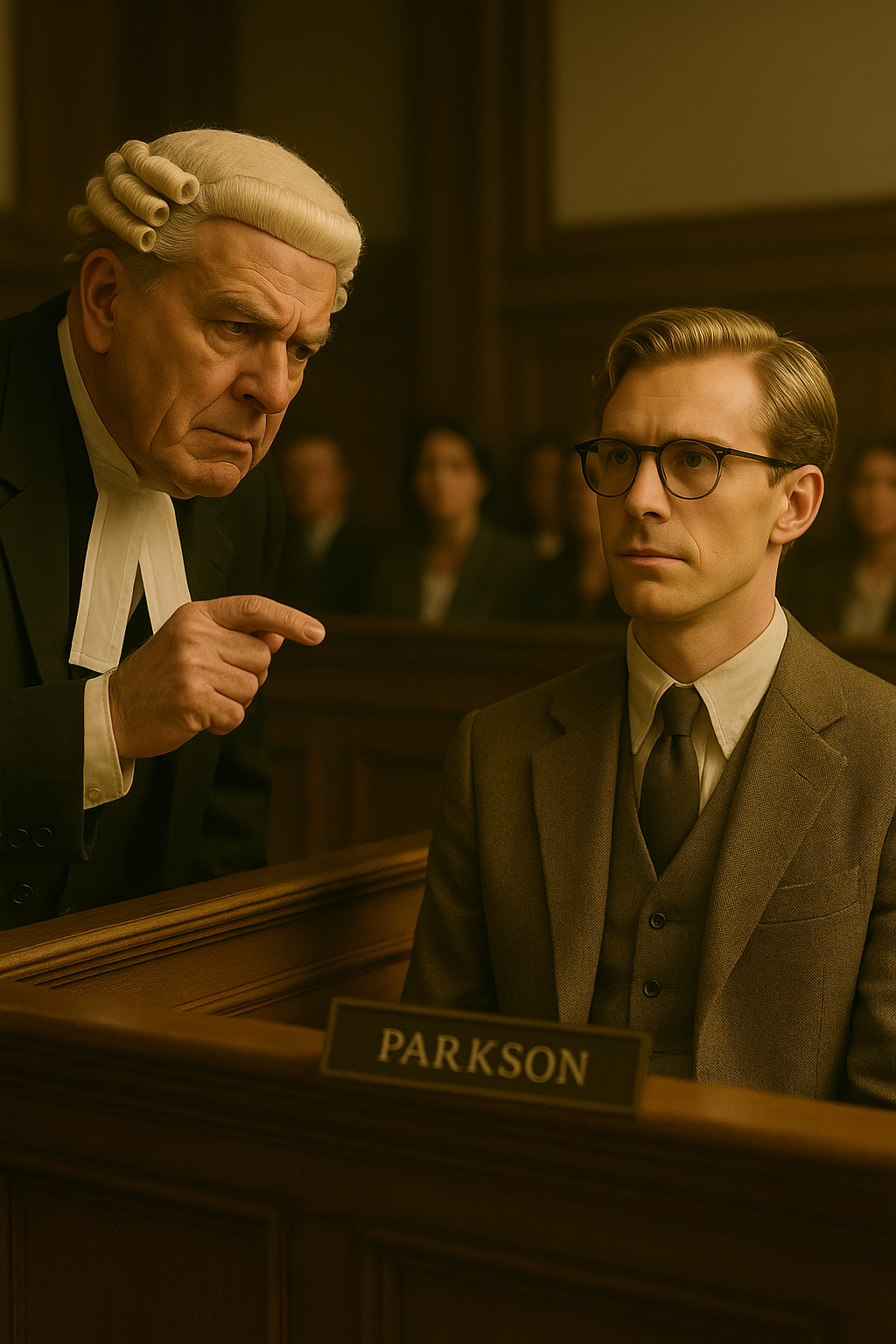
An assistant from Parkson’s, Theatrical Costumiers, testified that on June 29th, they had supplied a black beard to Mr. L. Cavendish, as requested.
It was ordered by letter, and a postal order was enclosed. No, they had not kept the letter. All transactions were entered in their books. They had sent the beard, as directed, to “L. Cavendish, Esq., Styles Court.”
Sir Ernest Heavywether rose ponderously.
続いて、パークソンズ劇場衣装店の店員が証言に立った。
彼の証言によれば、6月29日、彼らは“L・キャヴンディッシュ”という名義で黒い付け髭を郵送したという。それは手紙で注文され、郵便為替が同封されていた。手紙は保管していなかった。すべての取引は帳簿に記録されていた。付け髭は“L. Cavendish, Esq., Styles Court”宛てに送ったとのことだった。
ここで、サー・アーネスト・ヘヴィウェザーが重々しく立ち上がった。

“Where was the letter written from?”
「その手紙は、どこから差し出されたものでしたか?」

“From Styles Court.”
「スタイルズ・コートです」
“The same address to which you sent the parcel?”
「つまり、荷物を送った宛先と同じ住所から来たのですね?」
“Yes.”
「はい」
“And the letter came from there?”
「そしてその手紙は、確かにそこから来たと?」
“Yes.”
「はい」
Like a beast of prey, Heavywether fell upon him:
まるで獲物に襲いかかる猛獣のように、ヘヴィウェザーが一気に畳みかけた。
“How do you know?”
「どうやってそれが“スタイルズから来た”と分かるのですか?」
“I—I don’t understand.”
「え……意味がよく……」
“How do you know that letter came from Styles? Did you notice the postmark?”
「スタイルズから来たというのは、何を根拠に言っているのです?消印を見たのですか?」
“No—but——”
「い、いえ……でも——」
“Ah, you did not notice the postmark! And yet you affirm so confidently that it came from Styles. It might, in fact, have been any postmark?”
「ああ、つまりあなたは消印を確認していないのですね! それなのに、そんなに自信たっぷりに“スタイルズから来た”と言い切っていたのですね。それなら、実際はどこの消印だったとしてもおかしくはないのでは?」」

“Y—es.”
「……そ、そうです」
“In fact, the letter, though written on stamped notepaper, might have been posted from anywhere? From Wales, for instance?”
「つまりその手紙は、切手付きの便せんに書かれてはいたものの、どこからでも投函できた可能性があるのですね?たとえば、ウェールズからでも?」
The witness admitted that such might be the case, and Sir Ernest signified that he was satisfied.
証人はそれを認め、サー・アーネストは満足げに頷いた。
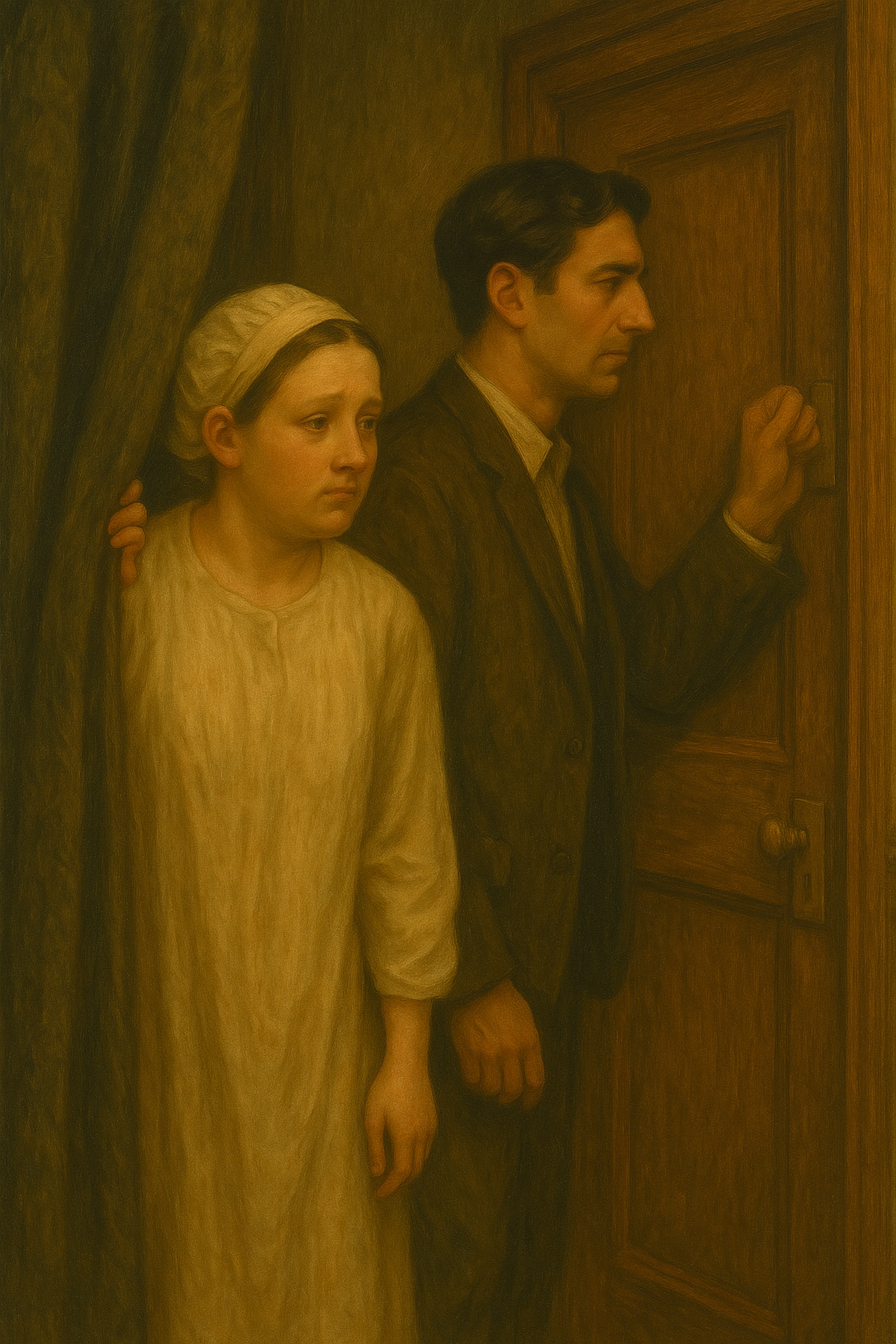
Elizabeth Wells, second housemaid at Styles, stated that after she had gone to bed she remembered that she had bolted the front door, instead of leaving it on the latch as Mr. Inglethorp had requested. She had accordingly gone downstairs again to rectify her error. Hearing a slight noise in the West wing, she had peeped along the passage, and had seen Mr. John Cavendish knocking at Mrs. Inglethorp’s door.
次に、スタイルズ荘の下働きメイド、エリザベス・ウェルズが証言に立った。彼女はこう述べた——その夜、寝床に入ったあと、ミスター=イングルソープの要望どおりに玄関のドアを鍵でラッチ留だけにしておくのを忘れていて、閂(かんぬき)をかけてしまったのを思い出した。そこで、彼女はそれを直しに、再び階下へ降りて行った。そのとき、西翼のほうでわずかな物音を耳にし、廊下をのぞき見たところ、 ジョン・キャヴンディッシュ氏がミセス=イングルソープの部屋の扉をノックしているのを目撃したという。
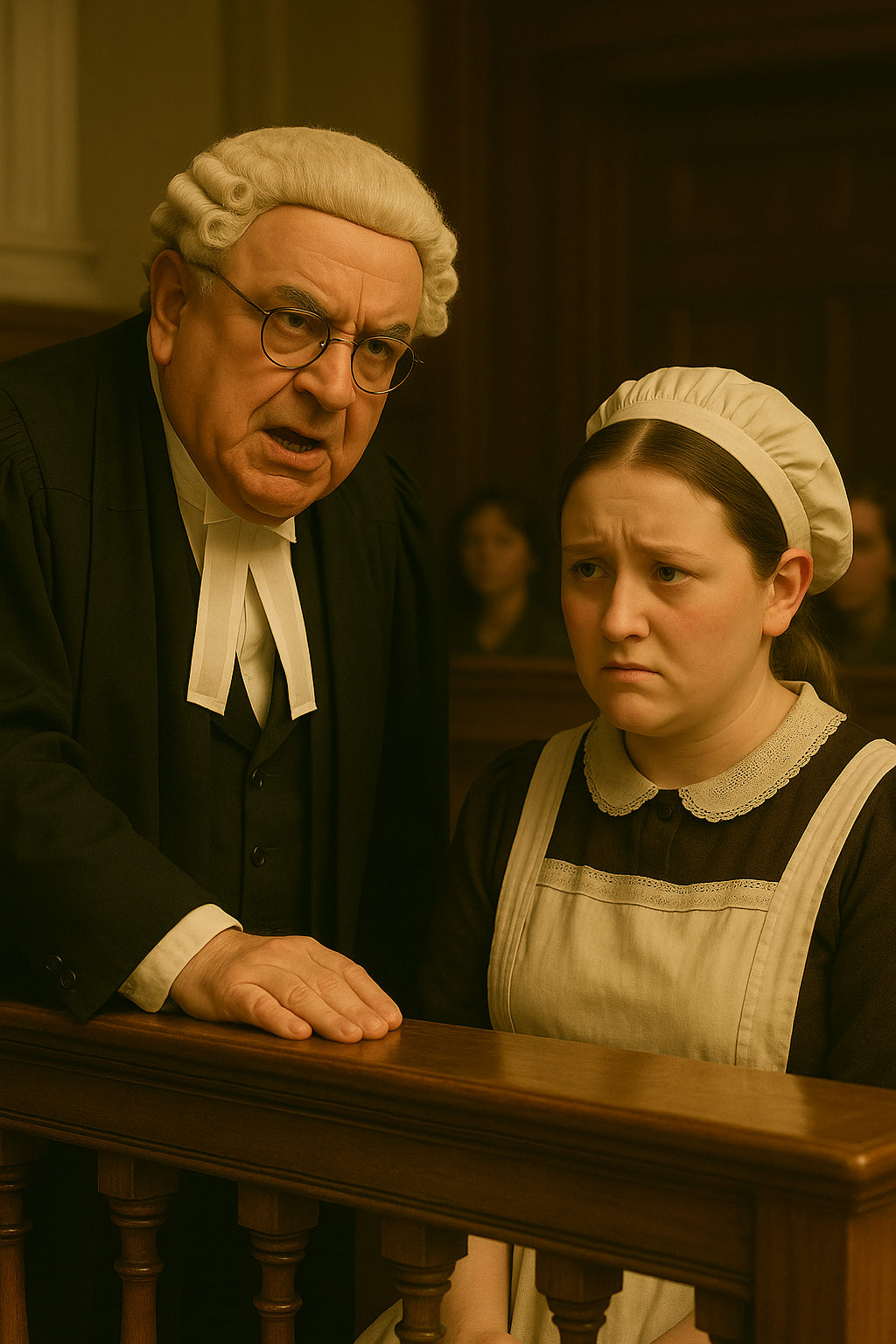
Sir Ernest Heavywether made short work of her, and under his unmerciful bullying she contradicted herself hopelessly, and Sir Ernest sat down again with a satisfied smile on his face.
サー・アーネスト・ヘヴィウェザーはこの証人に対して容赦なく詰問を加え、その結果、彼女は証言の中で何度も自ら矛盾する発言をしてしまい、サー・アーネストは満足げな笑みを浮かべて席に戻った。
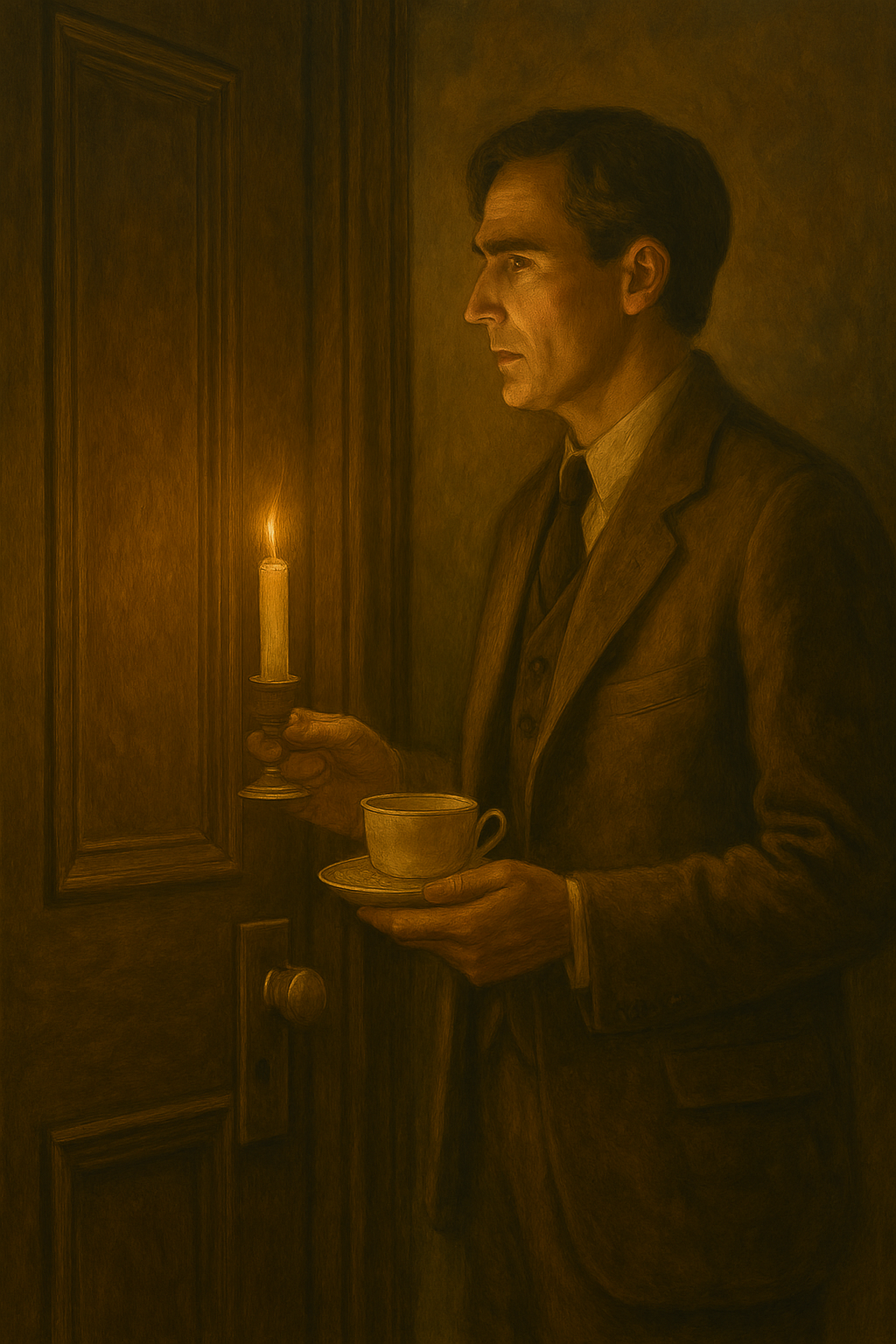
With the evidence of Annie, as to the candle grease on the floor, and as to seeing the prisoner take the coffee into the boudoir, the proceedings were adjourned until the following day.
As we went home, Mary Cavendish spoke bitterly against the prosecuting counsel.
次に、アニーが証言台に立ち、廊下の床に残されたロウの痕跡や、被告人がミセス=イングルソープの書斎にコーヒーを運ぶところを目撃したことなどを証言した。この日の審理はここで終了となり、翌日まで延期された。
帰り道、メアリー・キャヴンディッシュは憤りをあらわにして、検察官について語った。

“That hateful man! What a net he has drawn around my poor John! How he twisted every little fact until he made it seem what it wasn’t!”
「あの憎たらしい男!可哀そうに、ジョンをがんじがらめにするような証拠の網を張り巡らせて…… 些細なことをことごとく歪めて、まるで事実のように違う意味に仕立て上げていたわ!」
“Well,” I said consolingly, “it will be the other way about tomorrow.”
「まあ…」と私はなだめるように言った。
「明日になれば立場が逆になりますよ」。
“Yes,” she said meditatively; then suddenly dropped her voice.
“Mr. Hastings, you do not think—surely it could not have been Lawrence—Oh, no, that could not be!”
「そう……」と彼女は静かに答え、そして突然声を落として言った。
「ミスター=ヘイスティングス……あなたは……まさか……ローレンスだったなんて思ってませんよね?そんなはず……ないですよね?」
But I myself was puzzled, and as soon as I was alone with Poirot I asked him what he thought Sir Ernest was driving at.
しかし、私自身も混乱していた。
そこで、ポワロとふたりきりになったとき、私はサー・アーネストの弁護方針についてポワロはどう思うか尋ねた。
“Ah!” said Poirot appreciatively.
“He is a clever man, that Sir Ernest.”
「ふむ!」とポワロは感心したように言った。
「あのサー・アーネストは実に賢い男だ。」

“Do you think he believes Lawrence guilty?”
「彼はローレンスが犯人だと思ってるのか?」
“I do not think he believes or cares anything! No, what he is trying for is to create such confusion in the minds of the jury that they are divided in their opinion as to which brother did it. He is endeavouring to make out that there is quite as much evidence against Lawrence as against John —and I am not at all sure that he will not succeed.”
「いや、彼は信じてもいなければ、気にもしていないよ!彼が狙っているのは、兄弟のどちらの犯行なのか陪審員の意見を二つに分かれさせて、陪審団として混乱させることだよ。彼は、ローレンスにもジョンと同じくらいの容疑があるように見せようとしているのだよ。
そして——私には、それが成功しないとは全く思えないんだ」
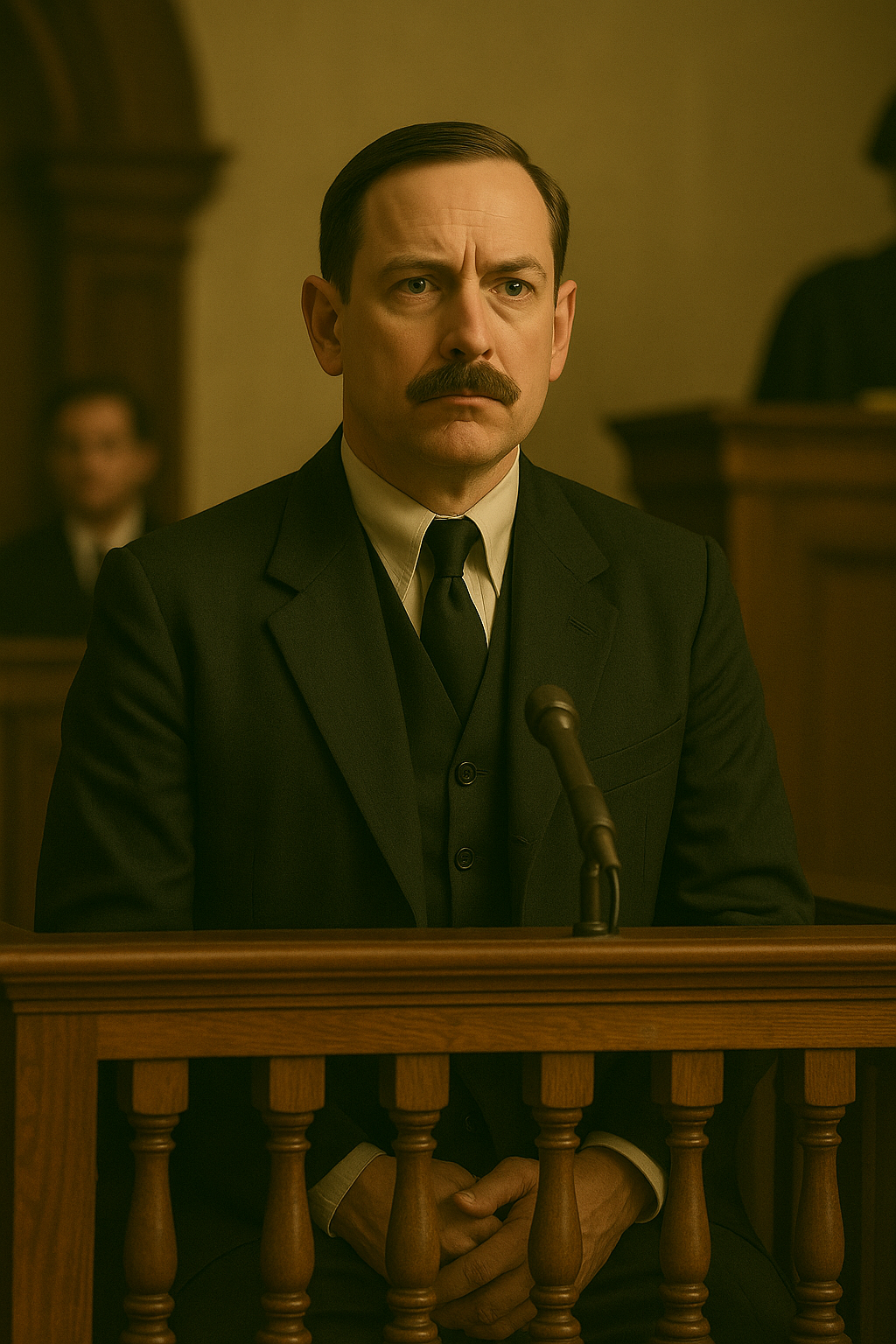
Detective-inspector Japp was the first witness called when the trial was reopened, and gave his evidence succinctly and briefly.
After relating the earlier events, he proceeded:
翌日、審理が再開されると、最初に呼ばれた証人はジャップ警部だった。彼は非常に簡潔かつ明快に証言を行った。事件初期の経緯を述べた後、彼は続けた:

“Acting on information received, Superintendent Summerhaye and myself searched the prisoner’s room, during his temporary absence from the house. In his chest of drawers, hidden beneath some underclothing, we found: first, a pair of gold-rimmed pince-nez similar to those worn by Mr. Inglethorp”
「通報を受けて、サマーヘイズ警部と私が、 被告人が一時的に留守だった間に、彼の部屋を捜索しました。その際、タンスの引き出しの中、下着の下に隠されていたものを発見しました。まず一つは、ミスター=イングルソープがかけていたのと同じような金縁の鼻眼鏡です」
—these were exhibited—
これは証拠品として提示された。
“secondly, this phial.”
「そしてもう一つが、この小瓶です。」
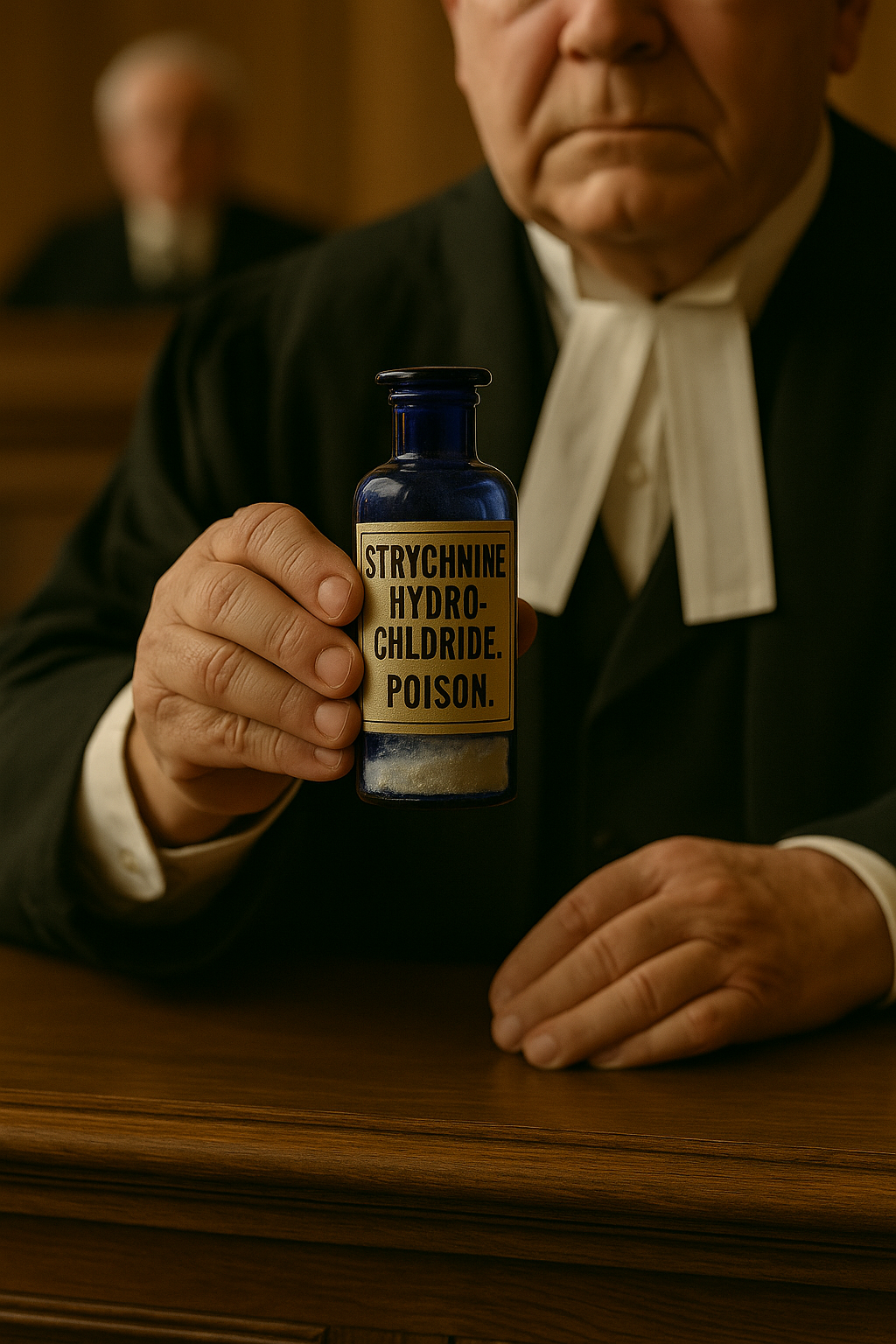
The phial was that already recognized by the chemist’s assistant, a tiny bottle of blue glass, containing a few grains of a white crystalline powder, and labelled: “Strychnine Hydro-chloride. POISON.”
その小瓶は、すでに薬剤師助手によって確認されていたもので、青いガラス製の小さな瓶だった。中には白く結晶状の粉末が数粒入っており、ラベルには「ストリキニン塩酸塩 毒薬」と記されていた。
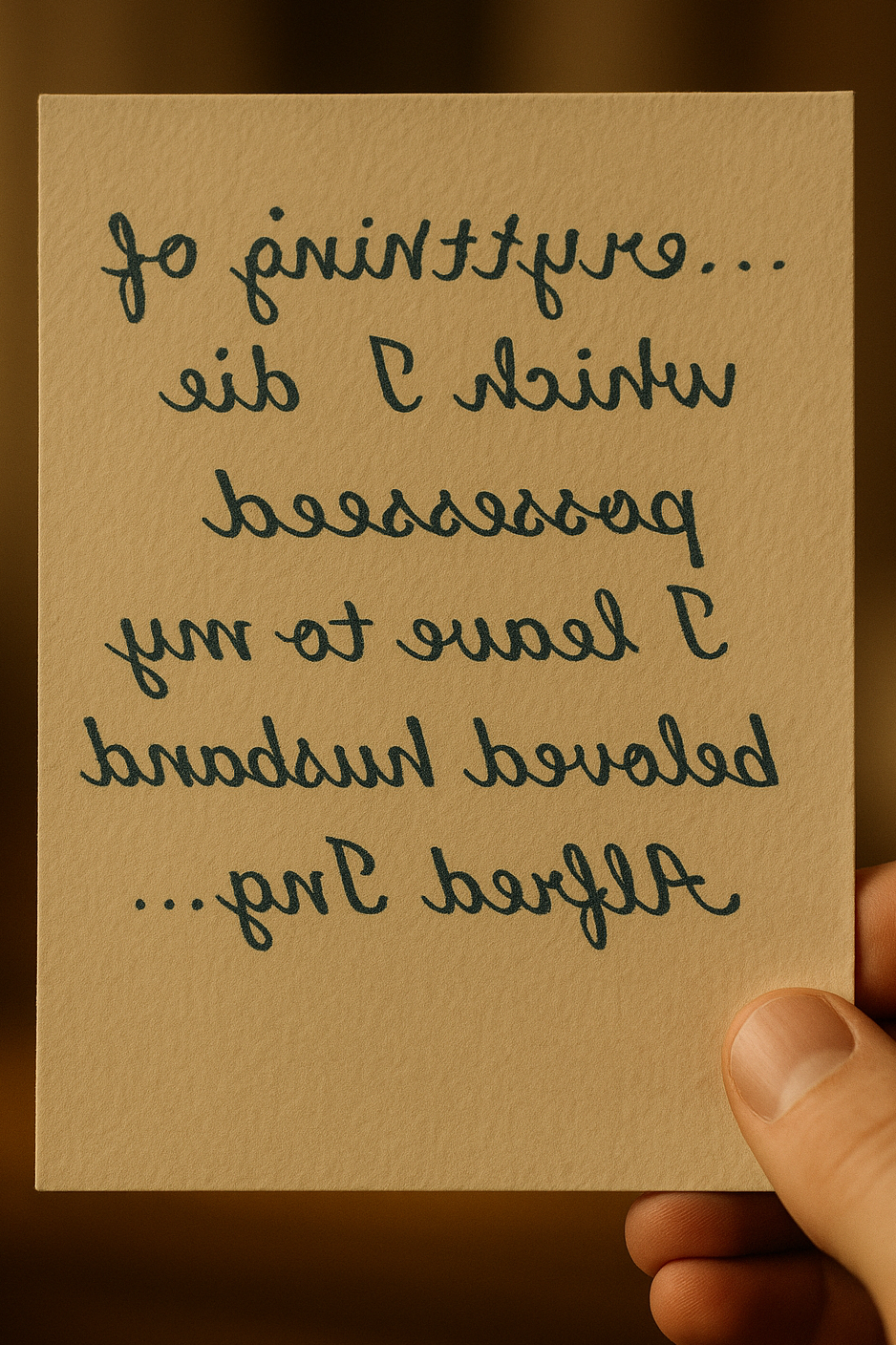
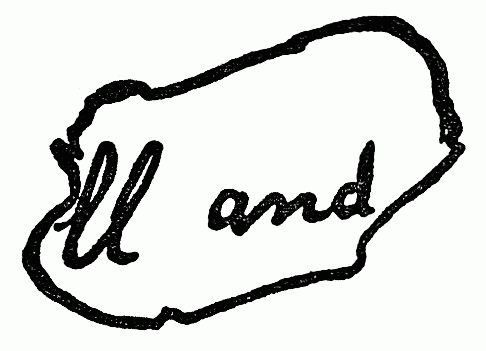
A fresh piece of evidence discovered by the detectives since the police court proceedings was a long, almost new piece of blotting-paper. It had been found in Mrs. Inglethorp’s cheque book, and on being reversed at a mirror, showed clearly the words:
“. . . erything of which I die possessed I leave to my beloved husband Alfred Ing…”
This placed beyond question the fact that the destroyed will had been in favour of the deceased lady’s husband.
警察裁判のあとに捜査官たちが新たに発見した証拠は、ほとんど新品の長い吸取紙だった。それはミセス=イングルソープの小切手帳の中から発見され、鏡に映して見ると、そこにははっきりとこう書かれていた——
「……私が死んだ時に所有するすべてのものを、愛する夫アルフレッド・イング…に遺贈する」
──この文言により、破棄された遺言が故人の夫に有利な内容だったことが疑いようのない事実となった。
Japp then produced the charred fragment of paper recovered from the grate, and this, with the discovery of the beard in the attic, completed his evidence.
But Sir Ernest’s cross-examination was yet to come.
その後、ジャップ警部は暖炉の灰の中から回収された焼け焦げた紙片を提出し、さらに屋根裏で発見されたヒゲの証拠も加え、これらが彼の提出する証拠のすべてであった。
しかし、まだサー・アーネストによる反対尋問が残されていた。

“What day was it when you searched the prisoner’s room?”
「被告人の部屋を捜索したのは、何日でしたか?」
“Tuesday, the 24th of July.”
「7月24日、火曜日です」
“Exactly a week after the tragedy?”
「事件のちょうど一週間後ですね?」
“Yes.”
「はい」
“You found these two objects, you say, in the chest of drawers. Was the drawer unlocked?”
「あなたは、二つの品を整理ダンスの引き出しの中で見つけたと言いましたね。その引き出しには鍵がかかっていましたか?」
“No.”
「いいえ」
“Does it not strike you as unlikely that a man who had committed a crime should keep the evidence of it in an unlocked drawer for anyone to find?”
「犯罪を犯した男が、その証拠品を誰でも見つけられるような引き出しに入れておくというのは、少し不自然に思いませんか?」
“He might have stowed them there in a hurry.”
「急いでそこに隠したのかもしれません」
“But you have just said it was a whole week since the crime. He would have had ample time to remove them and destroy them.”
「ですが、今あなたは事件からすでに一週間経っていたと言いましたね。それらを出して処分するには十分な時間があったはずです」
“Perhaps.”
「たしかに」
“There is no perhaps about it. Would he, or would he not have had plenty of time to remove and destroy them?”
「“たしかに”ではなく、はっきり答えてください。彼にはそれらを処分する十分な時間があったのでは?」
“Yes.”
「はい」
“Was the pile of underclothes under which the things were hidden heavy or light?”
「それらの品の上に載っていた下着の束は、重かったですか、それとも軽かったですか?」
“Heavyish.”
「どちらかといえば重い方でした」
“In other words, it was winter underclothing. Obviously, the prisoner would not be likely to go to that drawer?”
「つまり冬物の下着だったということですね。被告人がその引き出しを開ける可能性は低いと思いませんか?」
“Perhaps not.”
「そうかもしれません」
“Kindly answer my question. Would the prisoner, in the hottest week of a hot summer, be likely to go to a drawer containing winter underclothing. Yes, or no?”
「はっきりお答えください。真夏の最も暑い週に、被告人が冬物の下着が入った引き出しを開けるでしょうか?イエスかノーかで」
“No.”
「いいえ」
“In that case, is it not possible that the articles in question might have been put there by a third person, and that the prisoner was quite unaware of their presence?”
「だとすれば、その引き出しにその品々を置いたのは第三者で、被告人はそれにまったく気づいていなかった可能性もあるのでは?」
“I should not think it likely.”
「その可能性は低いと思います」
“But it is possible?”
「しかし、可能性はある?」
“Yes.”
「はい」
“That is all.”
「以上です」
More evidence followed. Evidence as to the financial difficulties in which the prisoner had found himself at the end of July. Evidence as to his intrigue with Mrs. Raikes—poor Mary, that must have been bitter hearing for a woman of her pride. Evelyn Howard had been right in her facts, though her animosity against Alfred Inglethorp had caused her to jump to the conclusion that he was the person concerned.
その後、さらなる証拠が提示された。7月末、被告が経済的に困窮していたことを示す証拠。さらに、彼がミセス=レイクスと関係を持っていたという証言も——哀れなメアリー、それは誇り高い彼女にとって苦い聞き物だったに違いない。エヴリン=ハワードの言っていたことは事実だった。ただ、彼女のアルフレッド=イングルソープに対する敵意が、早とちりをさせ、彼が関係者であると決めつけさせただけだった。
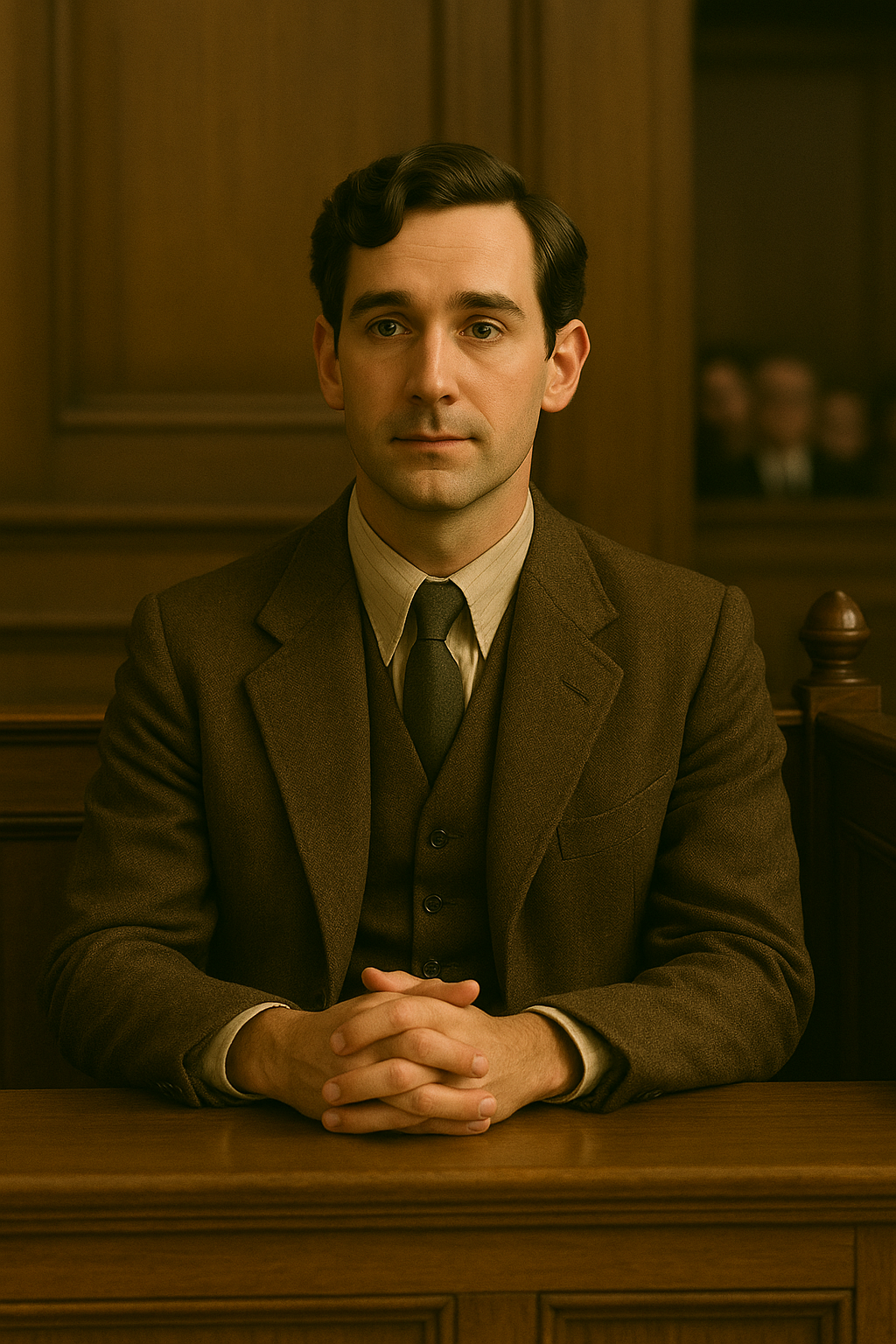
Lawrence Cavendish was then put into the box. In a low voice, in answer to Mr. Philips’ questions, he denied having ordered anything from Parkson’s in June. In fact, on June 29th, he had been staying away, in Wales.
Instantly, Sir Ernest’s chin was shooting pugnaciously forward.
ローレンス・キャヴンディッシュが証言台に呼ばれた。彼は小さな声で、フィリップス氏の尋問に答え、6月にパークソンズで何かを注文したことはないと否定した。実際、6月29日にはウェールズに滞在していたという。
そのとたん、サー・アーネストは攻撃的に顎を突き出した。
“You deny having ordered a black beard from Parkson’s on June 29th?”
「あなたは6月29日に、パークソンズで黒い付け髭を注文したことを否定するのですね?」

“I do.”
「否定します」
“Ah! In the event of anything happening to your brother, who will inherit Styles Court?”
「なるほど。あなたの兄に何かあった場合、スタイルズ・外套を相続するのは誰ですか?」
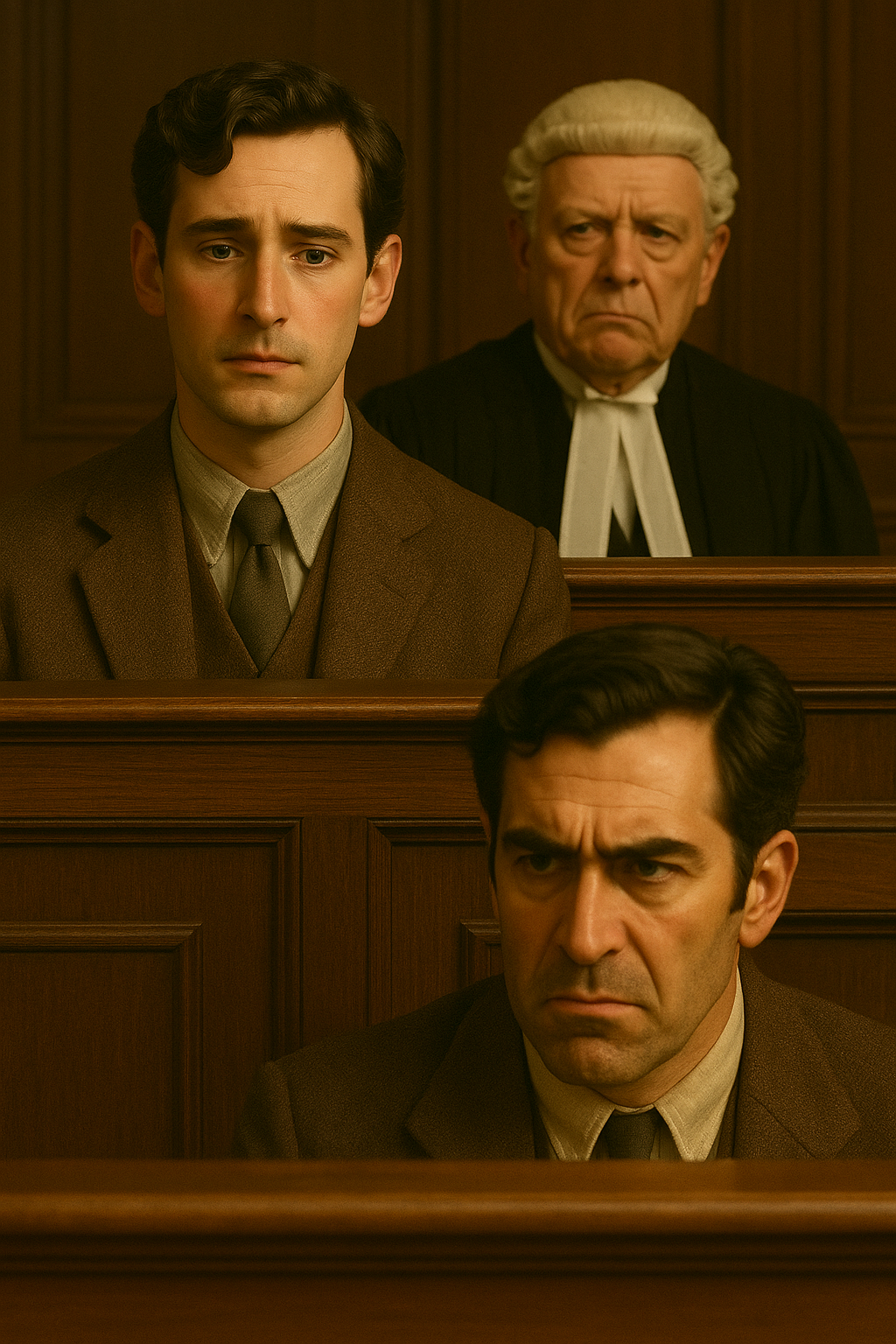
The brutality of the question called a flush to Lawrence’s pale face. The judge gave vent to a faint murmur of disapprobation, and the prisoner in the dock leant forward angrily.
Heavywether cared nothing for his client’s anger.
その残酷な質問に、ローレンスの青白い顔に紅潮が走った。裁判官は不快そうにかすかな唸り声を漏らし、被告席のジョンは怒ったように前のめりになった。
しかしヘヴィウェザーは、依頼人の怒りなど意に介していなかった。
“Answer my question, if you please.”
「私の質問にお答えください」
“I suppose,” said Lawrence quietly, “that I should.”
「おそらく」ローレンスは静かに答え。
「私になるでしょう」
“What do you mean by you ‘suppose’? Your brother has no children. You would inherit it, wouldn’t you?”
「“おそらく”とはどういう意味ですか?あなたの兄には子供がいない。あなたが相続するのではありませんか?」
“Yes.”
「はい」
“Ah, that’s better,” said Heavywether, with ferocious geniality.
“And you’d inherit a good slice of money too, wouldn’t you?”
「その方がはっきりしますね」とヘヴィウェザーは残酷なほど愛想よく言った。
「そして、かなりの金額の財産も相続することになりますよね?」

“Really, Sir Ernest,” protested the judge, “these questions are not relevant.”
「おやおや、サー・アーネスト、」と裁判官が抗議した。
「そのような質問は本件と無関係では?」
Sir Ernest bowed, and having shot his arrow proceeded.
サー・アーネストは軽く会釈しつつも、質問を続けた。
“On Tuesday, the 17th July, you went, I believe, with another guest, to visit the dispensary at the Red Cross Hospital in Tadminster?”
「7月17日火曜日、あなたはある客人とともに、タドミンスターの赤十字病院の調剤室を訪れましたね?」
“Yes.”
「はい」
“Did you—while you happened to be alone for a few seconds—unlock the poison cupboard, and examine some of the bottles?”
「その際、──数秒間一人になったときにですが──毒薬戸棚の鍵を開けて、いくつかの瓶を調べましたか?」
“I—I—may have done so.”
「わ、私は……そうしたかもしれません」
“I put it to you that you did do so?”
「私は、あなたが実際にそうしたと理解していいですね?」
“Yes.”
「はい」
Sir Ernest fairly shot the next question at him.
サー・アーネストは次の質問を、まるで射抜くように放った。
“Did you examine one bottle in particular?”
「その中で、特定の瓶を調べましたか?」
“No, I do not think so.”
「いえ、それないと思います」
“Be careful, Mr. Cavendish. I am referring to a little bottle of Hydro-chloride of Strychnine.”
「気をつけてお答えを。私は“ストリキニン塩酸塩”の小瓶のことを言っているのです」
Lawrence was turning a sickly greenish colour.
ローレンスの顔色が、緑がかった不健康な色に変わっていった。
“N—o—I am sure I didn’t.”
「い、いいえ……そんなことはしていません」
“Then how do you account for the fact that you left the unmistakable impress of your finger-prints on it?”
「ではなぜ、その瓶にあなたの指紋がはっきりと残っているのですか?」
The bullying manner was highly efficacious with a nervous disposition.
その強引な追及は、神経質な人間には非常に効果的だった。
“I—I suppose I must have taken up the bottle.”
「わ、私は……その瓶を手に取ったのだと思います」
“I suppose so too! Did you abstract any of the contents of the bottle?”
「私もそう思いますよ!あなたは中身を持ち出しましたか?」
“Certainly not.”
「断じてありません!」
“Then why did you take it up?”
「では、なぜ手に取ったのですか?」
“I once studied to be a doctor. Such things naturally interest me.”
「私はかつて医学の勉強をしていました。そうした物には自然と興味があるのです」

“Ah! So poisons ‘naturally interest’ you, do they?Still, you waited to be alone before gratifying that ‘interest’ of yours?”
「なるほど、毒薬に“自然と興味がある”と。ですが、その興味を満たすために、わざわざ一人になるまで待ったのですか?」
“That was pure chance. If the others had been there, I should have done just the same.”
「それは偶然でした。もし他の人がいても、私は同じことをしたでしょう」
“Still, as it happens, the others were not there?”
「しかし、実際にはその時、他の人はいなかったわけですね?」
“No, but——”
「いえ、でも――」
“In fact, during the whole afternoon, you were only alone for a couple of minutes,
and it happened—I say, it happened—to be during those two minutes that you displayed your ‘natural interest’ in Hydro-chloride of Strychnine?”
「実際のところ、午後を通して、あなたがひとりきりになったのはほんの数分だけでしたね?
そして、そのたった二分間に——たまたまそのときに——あなたはストリキニーネ塩酸塩に“自然な興味”を示した、というわけですか?」
Lawrence stammered pitiably.
“I—I——”
ローレンスは痛ましいほどに口ごもった。
「ぼ、ぼくは……」
With a satisfied and expressive countenance, Sir Ernest observed:
“I have nothing more to ask you, Mr. Cavendish.”
サー・アーネストは、満足げな、意味ありげな表情で言った。
「これ以上あなたに尋ねることはありません、ミスター=キャヴンディッシュ」
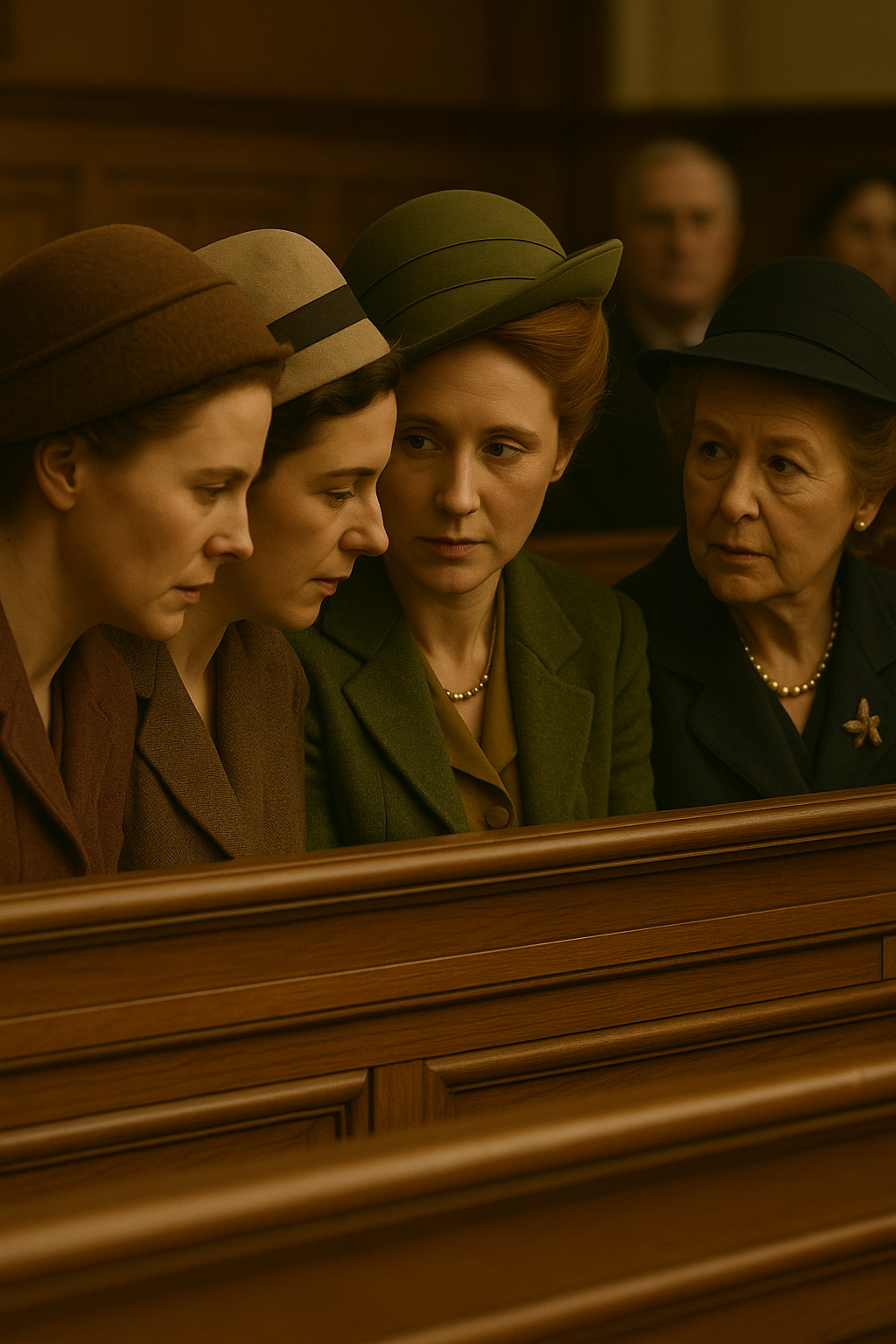
This bit of cross-examination had caused great excitement in court.
The heads of the many fashionably attired women present were busily laid together, and their whispers became so loud that the judge angrily threatened to have the court cleared if there was not immediate silence.
この尋問のやりとりは、法廷内に大きな興奮を巻き起こした。
出席していた多くの上流階級の女性たちは身を寄せ合ってひそひそと話し出し、その囁き声があまりに大きくなったため、裁判官は「即座に静かにならなければ退廷させる」と怒りをあらわにして警告した。
There was little more evidence.
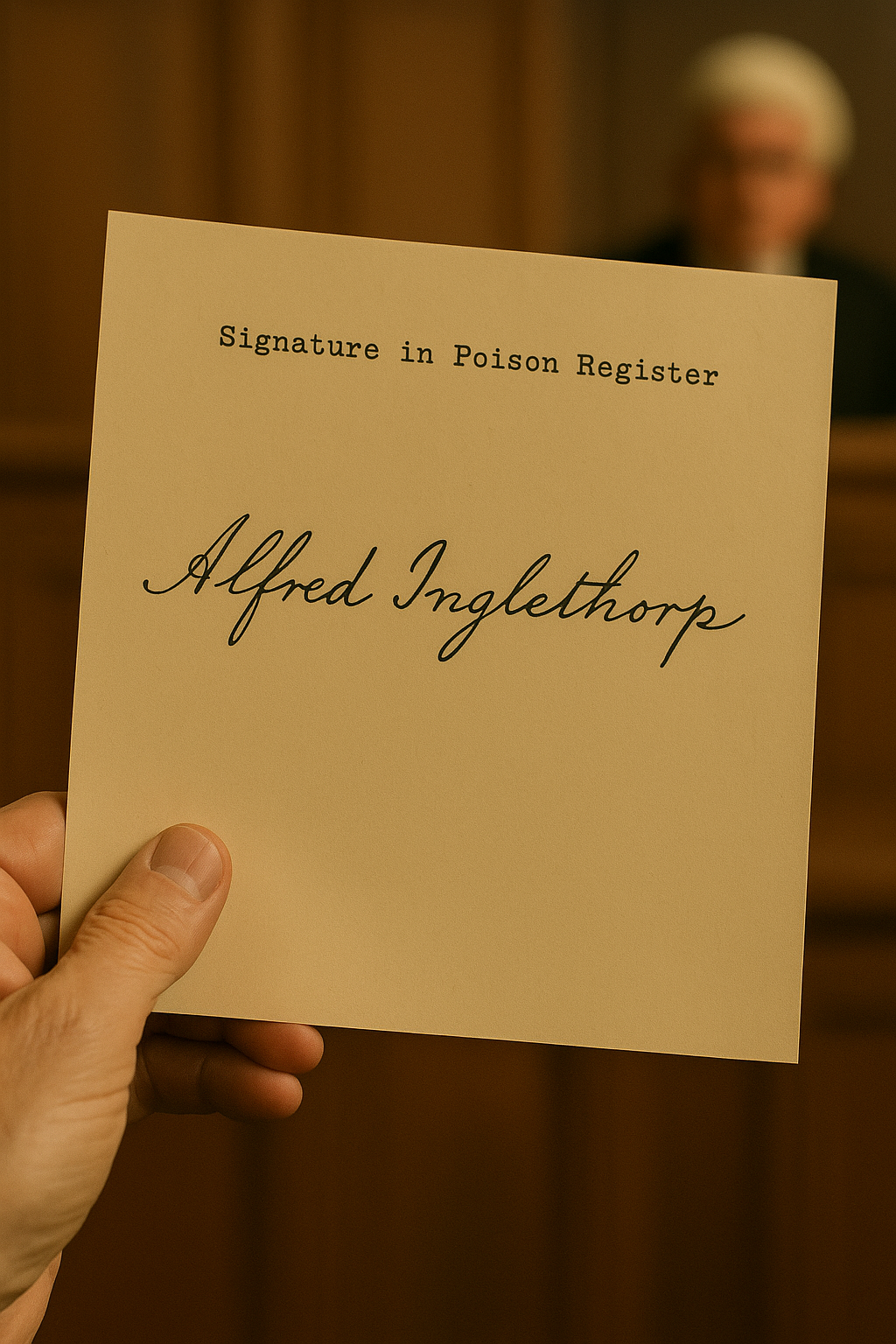
The hand-writing experts were called upon for their opinion of the signature of “Alfred Inglethorp” in the chemist’s poison register.
They all declared unanimously that it was certainly not his hand-writing, and gave it as their view that it might be that of the prisoner disguised.
Cross-examined, they admitted that it might be the prisoner’s hand-writing cleverly counterfeited.
その後の証拠は、あまり多くはなかった。
筆跡鑑定の専門家たちが呼ばれ、薬局の毒物帳簿に記された「アルフレッド=イングルソープ」の署名について意見を求められた。
全員が一致して、それは明らかに本人の筆跡ではなく、「被告人が変装して書いたものかもしれない」との見解を示した。
もっとも、反対尋問では「被告人の筆跡を巧妙に模倣したものかもしれない」とも認めた。
Sir Ernest Heavywether’s speech in opening the case for the defence was not a long one, but it was backed by the full force of his emphatic manner.
Never, he said, in the course of his long experience, had he known a charge of murder rest on slighter evidence.
Not only was it entirely circumstantial, but the greater part of it was practically unproved.
Let them take the testimony they had heard and sift it impartially.
弁護側の冒頭陳述で、サー・アーネスト・ヘヴィウェザーは長くは語らなかったが、その語調には並々ならぬ力強さがあった。
彼は言った——自らの長年の経験の中でも、これほど証拠の乏しい殺人の訴追を見たことがないと。
証拠はすべて状況的なものであり、大部分がほとんど立証されていない。
これまでに提示された証言を、公平に精査してみてほしい。
The strychnine had been found in a drawer in the prisoner’s room.
That drawer was an unlocked one, as he had pointed out, and he submitted that there was no evidence to prove that it was the prisoner who had concealed the poison there.
It was, in fact, a wicked and malicious attempt on the part of some third person to fix the crime on the prisoner.
The prosecution had been unable to produce a shred of evidence in support of their contention that it was the prisoner who ordered the black beard from Parkson’s.
The quarrel which had taken place between prisoner and his stepmother was freely admitted, but both it and his financial embarrassments had been grossly exaggerated.
ストリキニーネは被告人の部屋の引き出しから見つかった。
しかしその引き出しは鍵がかかっておらず、毒物をそこに隠したのが被告人であるという証拠は存在しない。
それは誰か第三者が犯行の罪を被告人に着せようとした、悪意ある陰謀だった。
検察側は、被告人がパークソンズで黒い付け髭を注文したという主張を裏付ける証拠を一片も示すことができていない。
被告人と継母との間に口論があったことは認めるが、その事実や彼の金銭的困窮は、大げさに誇張されている。
His learned friend—Sir Ernest nodded carelessly at Mr. Philips—had stated that if the prisoner were an innocent man, he would have come forward at the inquest to explain that it was he, and not Mr. Inglethorp, who had been the participator in the quarrel.
He thought the facts had been misrepresented.
What had actually occurred was this.
我が友——ここでサー・アーネストは気だるげにフィリップス氏に適当に会釈した——は、「もし被告人が無実であるならば、検死審問で、自分こそが口論の当事者であり、ミスター=イングルソープは口論の関係者ではなかったと申し出るるべきだった」と主張した。
しかし、被告人は事実を誤解していたのである。
実際に起こったことはこうだ。
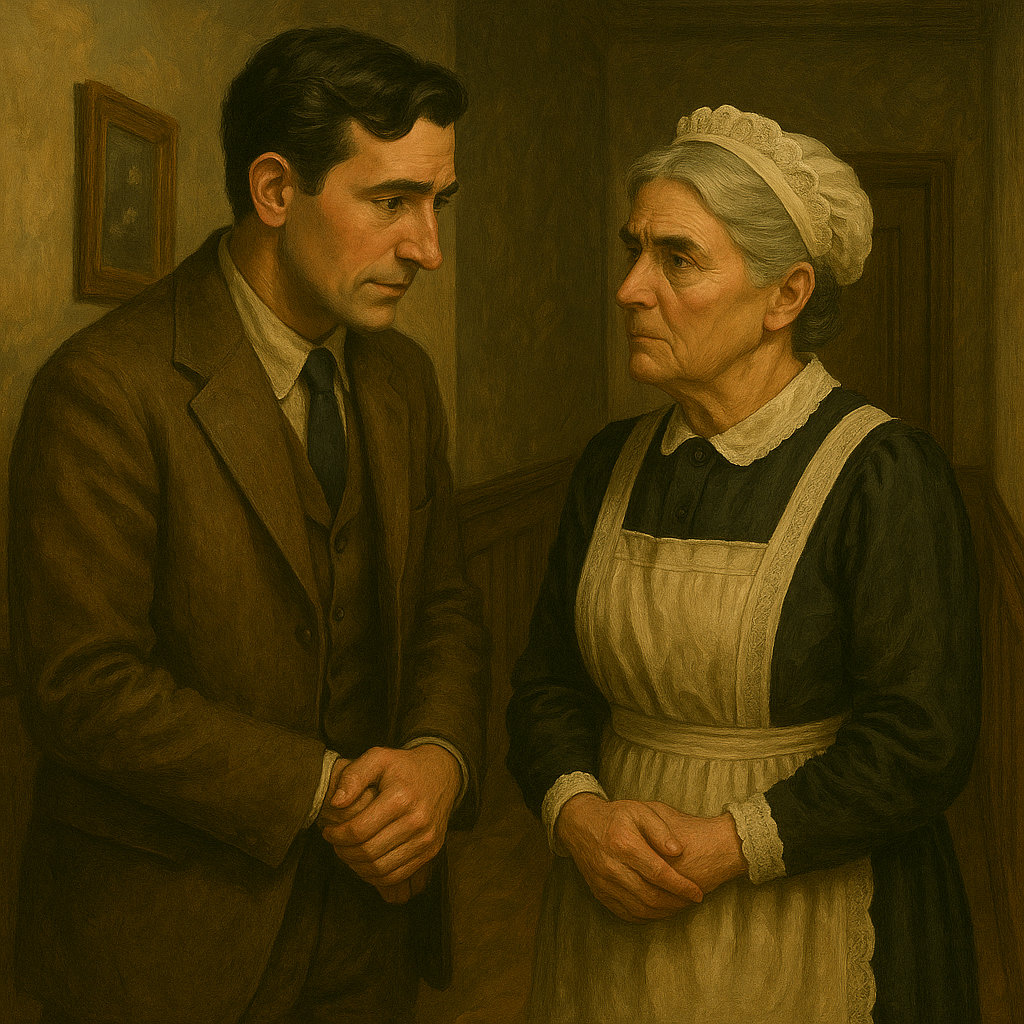
The prisoner, returning to the house on Tuesday evening, had been authoritatively told that there had been a violent quarrel between Mr. and Mrs. Inglethorp.
No suspicion had entered the prisoner’s head that anyone could possibly have mistaken his voice for that of Mr. Inglethorp.
He naturally concluded that his stepmother had had two quarrels.
被告人が火曜日の晩に屋敷に戻ると、「ミスター=イングルソープと夫人との間に激しい口論があった」と信頼できる人から伝えられた。
被告人は、自分の声がミスター=イングルソープのものと取り違えられるなどとは夢にも思わなかった。
そして当然のように被告人は「継母は二度、別の人物と口論したのだろう」と結論づけたのだ。

The prosecution averred that on Monday, July 16th, the prisoner had entered the chemist’s shop in the village, disguised as Mr. Inglethorp.
The prisoner, on the contrary, was at that time at a lonely spot called Marston’s Spinney, where he had been summoned by an anonymous note, couched in blackmailing terms, and threatening to reveal certain matters to his wife unless he complied with its demands.
The prisoner had, accordingly, gone to the appointed spot, and after waiting there vainly for half an hour had returned home. Unfortunately, he had met with no one on the way there or back who could vouch for the truth of his story, but luckily he had kept the note, and it would be produced as evidence.
検察側は、7月16日(月)に被告がミスター=イングルソープに変装して村の薬局に入ったと主張した。
これに対し被告は、その時刻には「マー ストンズ・スピニー(Marston’s Spinney)」という人里離れた場所にいたと述べた。そこには、脅迫的な文面の匿名の手紙で呼び出されており、応じなければ妻に「あること」を暴露すると書かれていたという。
被告は指定された場所へ向かい、30分ほど無駄に待った後、家に戻った。不幸にも、行き帰りの道中で目撃者はおらず、証言による裏付けはないが、幸いその手紙を保管しており、証拠として提出される予定だった。
As for the statement relating to the destruction of the will, the prisoner had formerly practised at the Bar, and was perfectly well aware that the will made in his favour a year before was automatically revoked by his stepmother’s remarriage.
He would call evidence to show who did destroy the will, and it was possible that that might open up quite a new view of the case.
Finally, he would point out to the jury that there was evidence against other people besides John Cavendish.
He would direct their attention to the fact that the evidence against Mr. Lawrence Cavendish was quite as strong, if not stronger than that against his brother.
遺言書の破棄に関する主張については、被告はかつて弁護士として活動していた経験があり、1年前に自分に有利に書かれた遺言書が、義母の再婚によって自動的に無効になることをよく承知していた。
誰がその遺言書を破棄したのかについて証言を行うつもりであり、それによって本件に対する新たな視点が生まれる可能性があると述べた。
最後に、彼は陪審員に向けて、ジョン・キャヴンディッシュ以外の人物にも疑わしい証拠が存在することを指摘した。
特にローレンス・キャヴンディッシュに対する証拠は、ジョンに対するものと同等か、それ以上に強いと述べた。
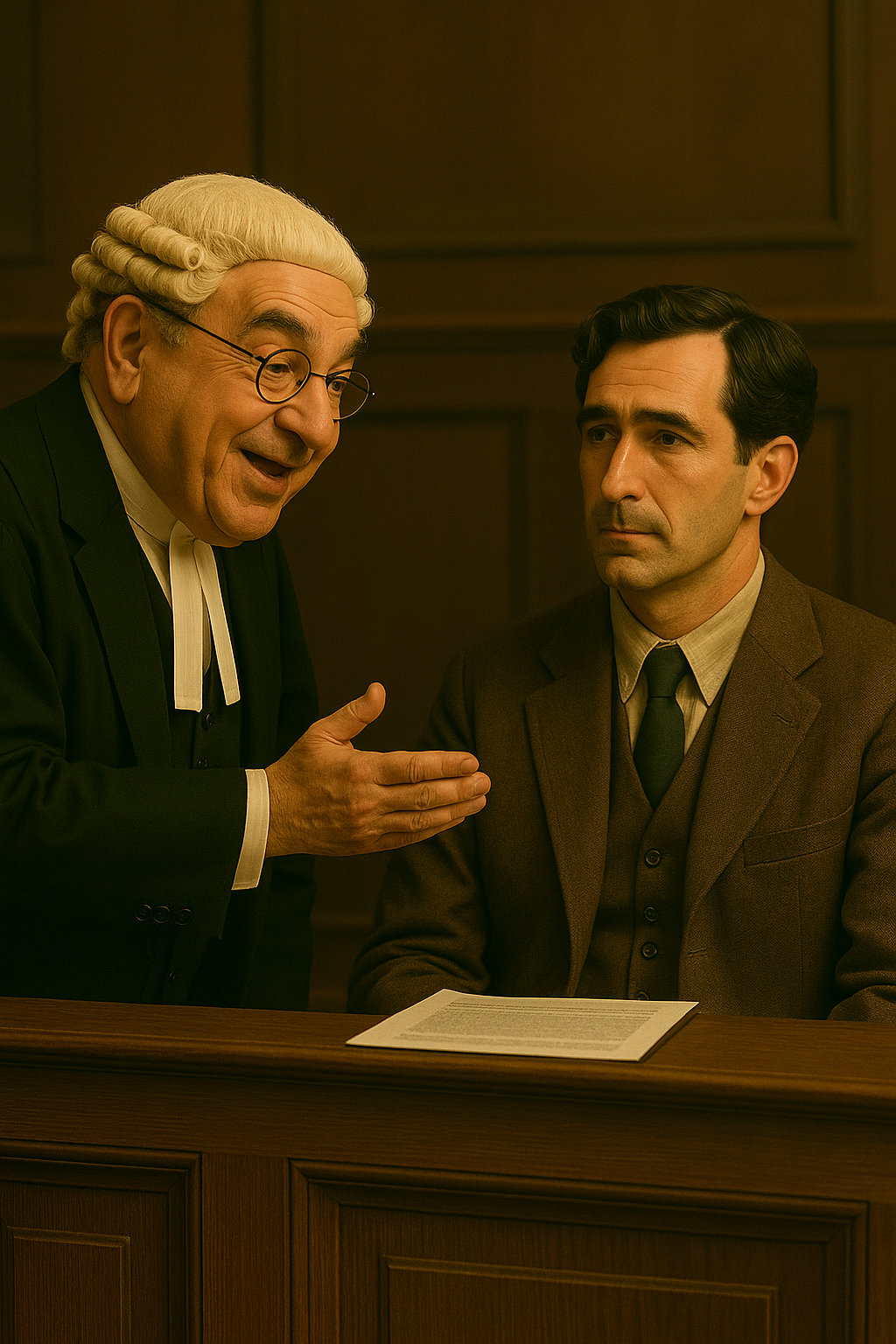
He would now call the prisoner.
John acquitted himself well in the witness-box.
Under Sir Ernest’s skilful handling, he told his tale credibly and well.
The anonymous note received by him was produced, and handed to the jury to examine.
The readiness with which he admitted his financial difficulties, and the disagreement with his stepmother, lent value to his denials.
ここで彼は被告人を証人として呼んだ。
ジョンは証言台で立派に振る舞った。サー・アーネストの巧みな導きによって、彼の証言は説得力を持って語られた。
彼が受け取った匿名の手紙は提出され、陪審員に回覧された。
彼が財政的に困窮していたことや義母との不和について率直に認めたことは、彼の否定の信憑性を高めるものとなった。

At the close of his examination, he paused, and said:
“I should like to make one thing clear.
I utterly reject and disapprove of Sir Ernest Heavywether’s insinuations against my brother.
My brother, I am convinced, had no more to do with the crime than I have.”
尋問の最後に、ジョンは一息ついてこう述べた。
「一つ、はっきりさせておきたいことがあります。私は、サー・アーネスト・ヘヴィウェザーが兄に対して行った暗示を、完全に拒否し、強く非難します。
私は確信しています。弟はこの事件に,私以上に関与したということはありません」
At the close of his examination, he paused, and said:
“I should like to make one thing clear.
I utterly reject and disapprove of Sir Ernest Heavywether’s insinuations against my brother.
My brother, I am convinced, had no more to do with the crime than I have.”
Sir Ernest merely smiled, and noted with a sharp eye that John’s protest had produced a very favourable impression on the jury.
尋問の最後に、ジョンは一息ついてこう述べた。
「一つ、はっきりさせておきたいことがあります。私は、サー・アーネスト・ヘヴィウェザーが兄に対して行った暗示を、完全に拒否し、強く非難します。
私は確信しています。弟はこの事件に,私以上に関与したということはありません」
サー・アーネストはただ微笑んだだけだったが、ジョンの抗議が陪審員に非常に好印象を与えたことを鋭い目で見て取った。

Then the cross-examination began.
“I understand you to say that it never entered your head that the witnesses at the inquest could possibly have mistaken your voice for that of Mr. Inglethorp.
Is not that very surprising?”
そして、反対尋問が始まった。
「検死審問の証人たちが、あなたの声をミスター=イングルソープのものと聞き間違えたとは、あなたの頭に全く思い浮かばなかったと聞いています。
それは非常に意外ではありませんか?」
“No, I don’t think so.
I was told there had been a quarrel between my mother and Mr. Inglethorp, and it never occurred to me that such was not really the case.”
「いいえ、そうは思いません。
母とミスター=イングルソープの間に口論があったと聞かされましたが、それが事実でないとは思いもしませんでした」
“Not when the servant Dorcas repeated certain fragments of the conversation—fragments which you must have recognized?”
「使用人のドーカスが、口論の一部の言葉を繰り返した時もですか?──それがご自分の言葉であると気づかなかったのですか?」
“I did not recognize them.”
「気づきませんでした」
“Your memory must be unusually short!”
「あなたの記憶は、非常に短いようですね!」
“No, but we were both angry, and, I think, said more than we meant.
I paid very little attention to my mother’s actual words.”
「いえ、ただ私たちはどちらも怒っていて、自分たちの本意ではないことまで言ったと思います。
母の言葉そのものには、あまり注意を払っていませんでした」
Mr. Philips’ incredulous sniff was a triumph of forensic skill.
He passed on to the subject of the note.
“You have produced this note very opportunely.
Tell me, is there nothing familiar about the hand-writing of it?”
フィリップス氏の信じ難いというように鼻で笑うのは、見事な法廷技術と言うべきものであった。
彼は話題を例の手紙へと移した。
「あなたはとてもタイミングよく、この手紙を提出されました。
その筆跡に、見覚えはありませんか?」
“Not that I know of.”
「特にはありません」
“Do you not think that it bears a marked resemblance to your own hand-writing—carelessly disguised?”
「あなた自身の筆跡に、雑に偽装されたような顕著な類似点があるとは思いませんか?」
“No, I do not think so.”
「いいえ、思いません」
“I put it to you that it is your own hand-writing!”
「私は、これはあなた自身の筆跡であると申し上げます!」
“No.”
「違います」
“I put it to you that, anxious to prove an alibi, you conceived the idea of a fictitious and rather incredible appointment, and wrote this note yourself in order to bear out your statement!”
「あなたはアリバイを証明するために、架空で、しかもやや信じ難い待ち合わせをでっち上げ、この手紙を自作して、それを裏付ける証拠にしようとしたのではありませんか?」
“No.”
「いいえ」
“Is it not a fact that, at the time you claim to have been waiting about at a solitary and unfrequented spot, you were really in the chemist’s shop in Styles St. Mary, where you purchased strychnine in the name of Alfred Inglethorp?”
「あなたが主張するような、誰も通らない人里離れた場所で待っていたその時刻、実際にはあなたはスタイルズ・セント・メアリーの薬局にいて、『アルフレッド=イングルソープ』の名前でストリキニーネを購入したのではありませんか?」
“No, that is a lie.”
「いいえ、それは嘘です」
“I put it to you that, wearing a suit of Mr. Inglethorp’s clothes, with a black beard trimmed to resemble his, you were there—and signed the register in his name!”
「私は、あなたがミスター=イングルソープの服を着て、氏に似せて整えた黒いひげをつけ、その場にいて、薬局の記録に彼の名前で署名したのだと申し上げます!」
“That is absolutely untrue.”
「まったくの事実無根です」
“Then I will leave the remarkable similarity of hand-writing between the note, the register, and your own, to the consideration of the jury,”
said Mr. Philips, and sat down with the air of a man who has done his duty, but who was nevertheless horrified by such deliberate perjury.
「では、あの手紙と、薬局の帳簿、そしてあなた自身の筆跡の著しい類似点については、陪審員の皆様のご判断に委ねることにしましょう」
そう言ってフィリップス氏は、自らの義務は果たしたものの、目の前でなされた明白な偽証に恐れおののく男のような態度で席に戻った。
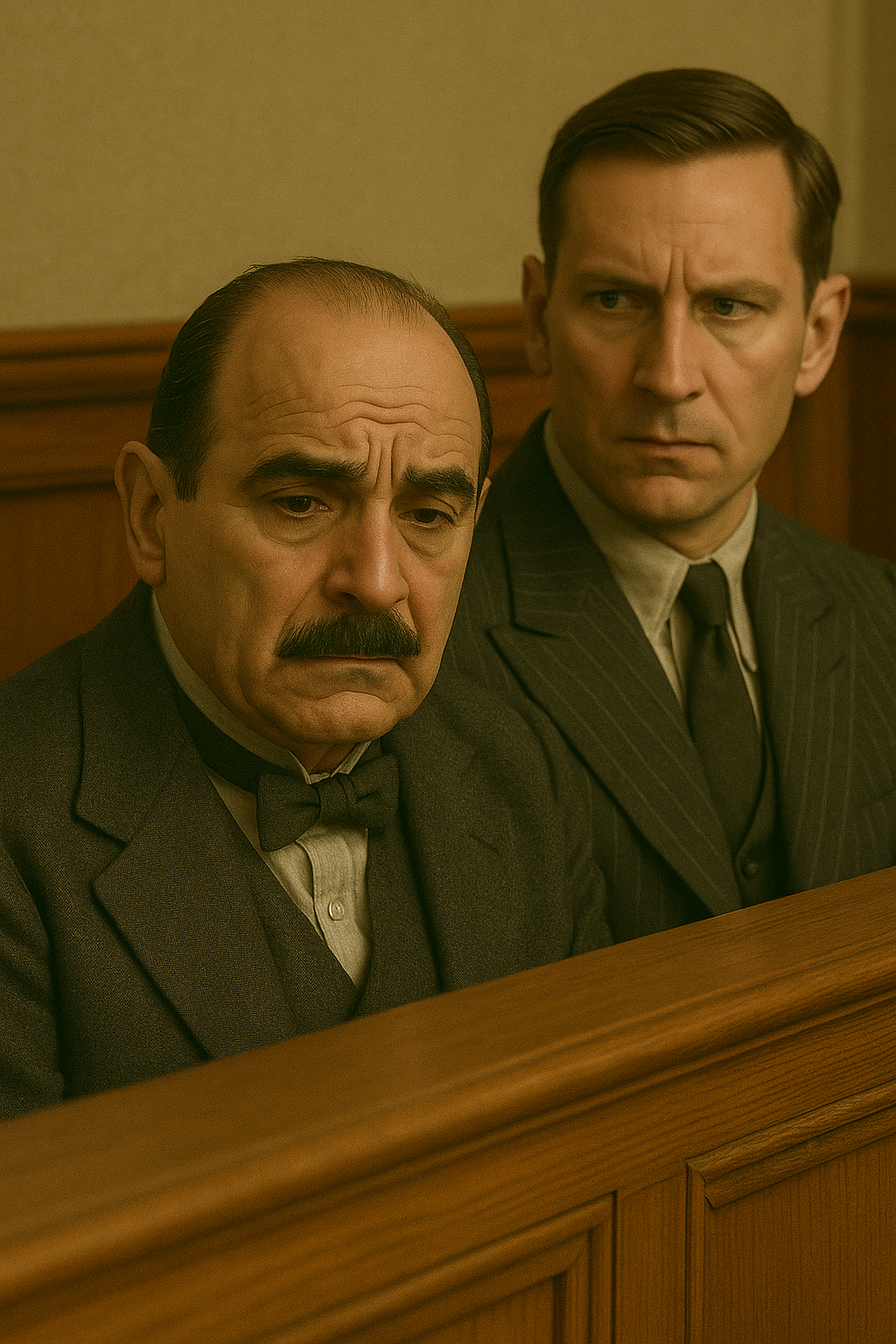
After this, as it was growing late, the case was adjourned till Monday.
Poirot, I noticed, was looking profoundly discouraged.
He had that little frown between the eyes that I knew so well.
その後、時間も遅くなってきたので、裁判は月曜日まで延期されることとなった。
私はふとポワロに目を向けたが、彼はひどく落胆した様子だった。
あの眉間の小さな皺が、私には見慣れたものだった。
“What is it, Poirot?” I inquired.
「どうしたんだい、ポワロ?」私は尋ねた。
“Ah, mon ami, things are going badly, badly.”
「はあ、モナミ、状況はよくない、非常によくない」
In spite of myself, my heart gave a leap of relief.
Evidently there was a likelihood of John Cavendish being acquitted.
思わず、私は安堵の思いに胸をなでおろした。
つまり、ジョン・キャヴンディッシュが無罪となる可能性があるということだろう。
When we reached the house, my little friend waved aside Mary’s offer of tea.
“No, I thank you, madame. I will mount to my room.”
屋敷に戻ると、ポワロはメアリーから差し出されたお茶を手で制した。
「いや、ありがとう、マダム。私は部屋に上がらせていただきます」
I followed him.
Still frowning, he went across to the desk and took out a small pack of patience cards. Then he drew up a chair to the table, and, to my utter amazement, began solemnly to build card houses!
私は彼の後を追った。
ポワロは相変わらず眉をひそめながら、机に向かって引き出しから小さなトランプの束を取り出すと、椅子に座って、なんと黙々とカードの家を作り始めたではないか!
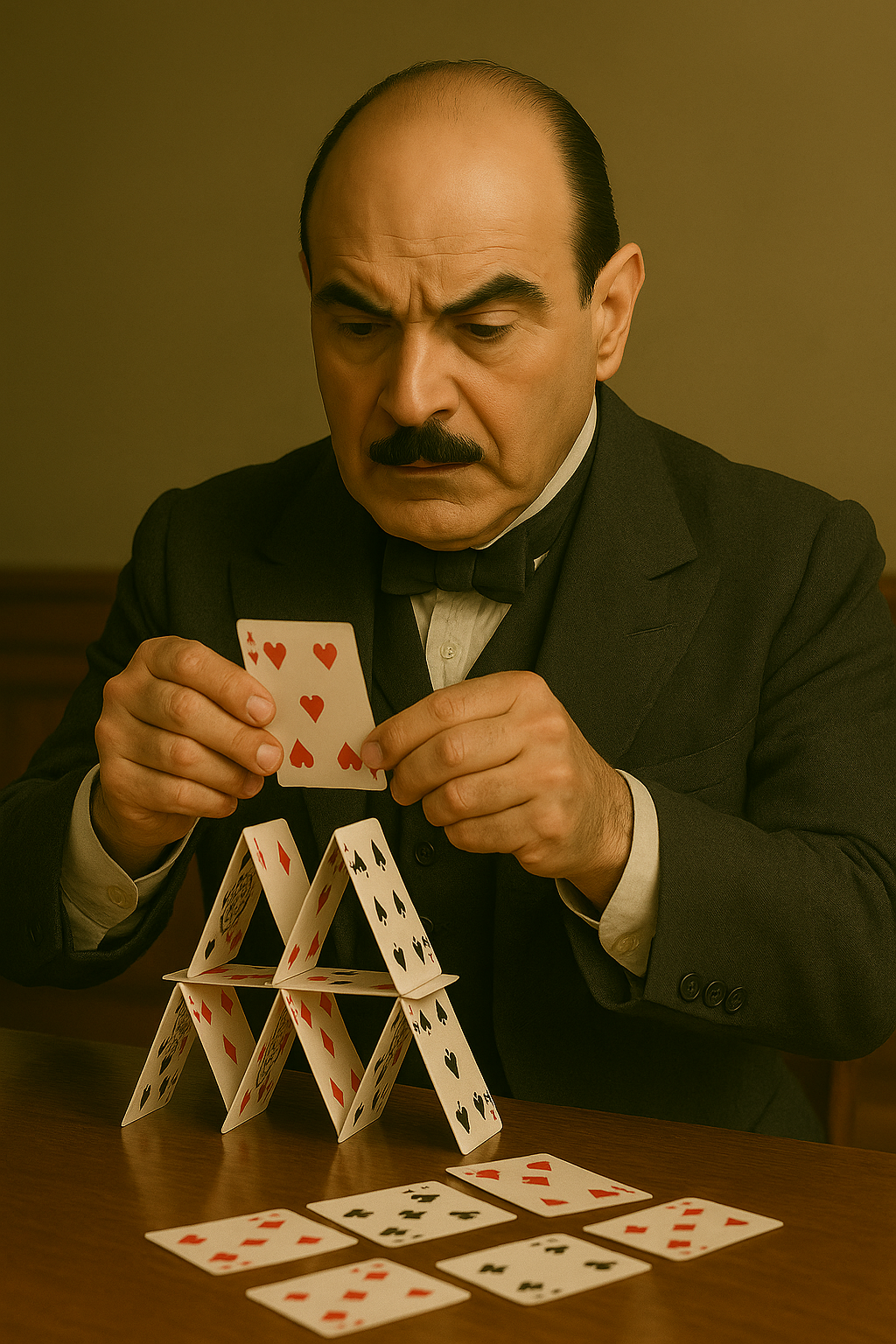
My jaw dropped involuntarily, and he said at once
“No, mon ami, I am not in my second childhood!
I steady my nerves, that is all.
This employment requires precision of the fingers.
With precision of the fingers goes precision of the brain.
And never have I needed that more than now!”
私は思わず口を開けて見入ってしまったが、それに気づいた彼はすぐに言った。
「違うよ、モナミ。私は子供返りしたわけではない。
これは神経を落ち着けるためなのだ。
この作業には指先の精密さが必要でね。
指先の精密さは、思考の精密さと結びついている。
そして今ほど、その“精密さ”が必要なときはない!」
“What is the trouble?” I asked.
「何が問題なんだい?」と私は尋ねた。
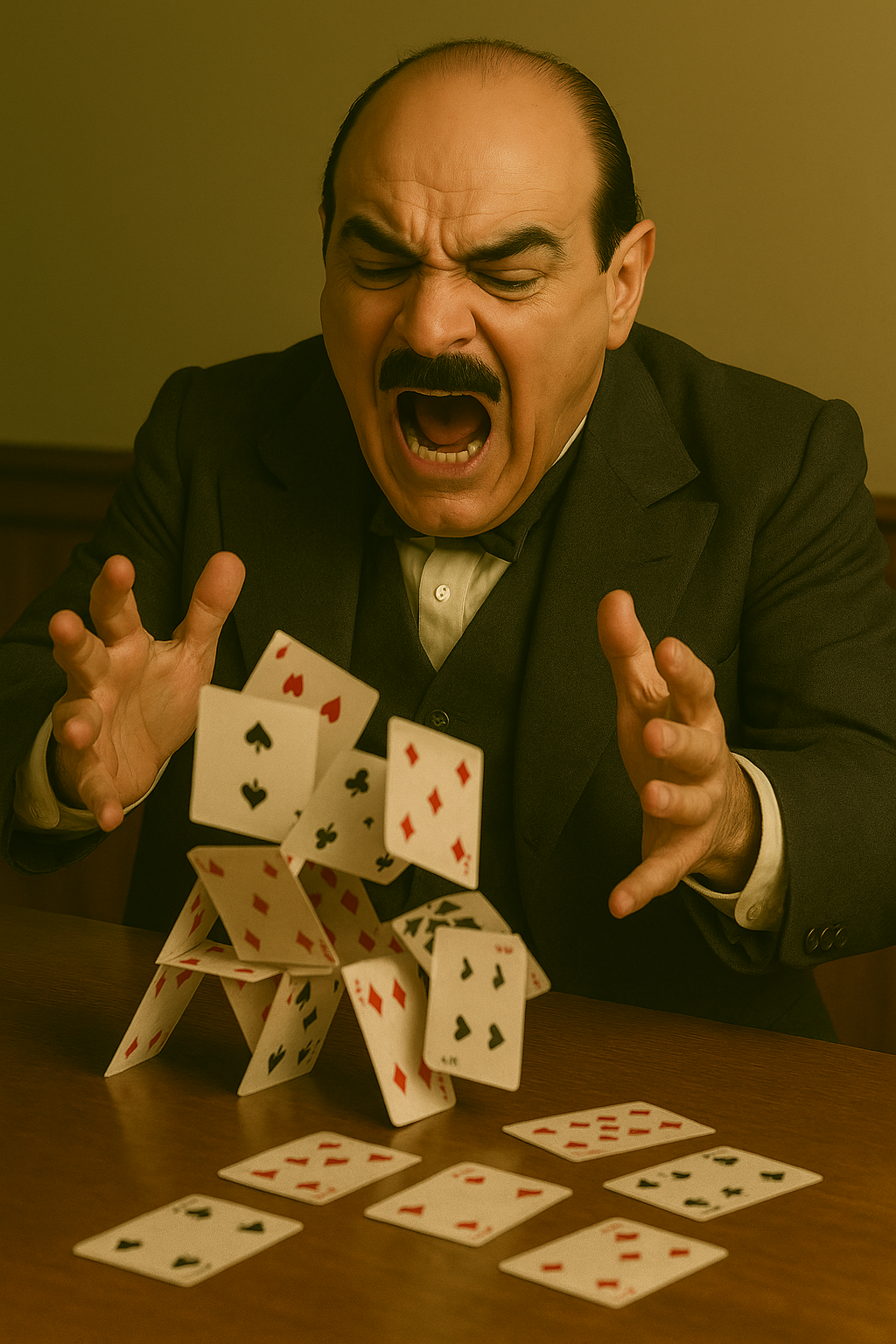
With a great thump on the table, Poirot demolished his carefully built up edifice.
“It is this, mon ami! That I can build card houses seven stories high, but I cannot”—thump—“find”—thump—“ that last link of which I spoke to you.”
するとポワロは、せっかく築いたカードの塔を机にドンと音を立てて崩しながら、叫んだ。
「それはだよ、モナミ! 私はカードで七段の塔を築けるというのに、私が話していた“最後の繋がり”が――ドン!――どうしても――ドン!――見つからないのだ!」
I could not quite tell what to say,
so I held my peace, and he began slowly building up the cards again, speaking in jerks as he did so.
私は何と言ってよいか分からず、黙っていた。
ポワロは再びゆっくりとカードを積み上げながら、途切れ途切れに言葉を続けた。
“It is done—so! By placing—one card—on another—with mathematical—precision!”
「これは――こうして行うのです! 一枚のカードを――もう一枚の上に――数学的な――正確さで!」
I watched the card house rising under his hands, story by story.
He never hesitated or faltered.
It was really almost like a conjuring trick.
私は彼の手によって積み上げられていくカードの家を見守った。
階層を重ねていくその様子に、彼は一度もためらわず、躊躇もしなかった。
それはまるで奇術のようだった。
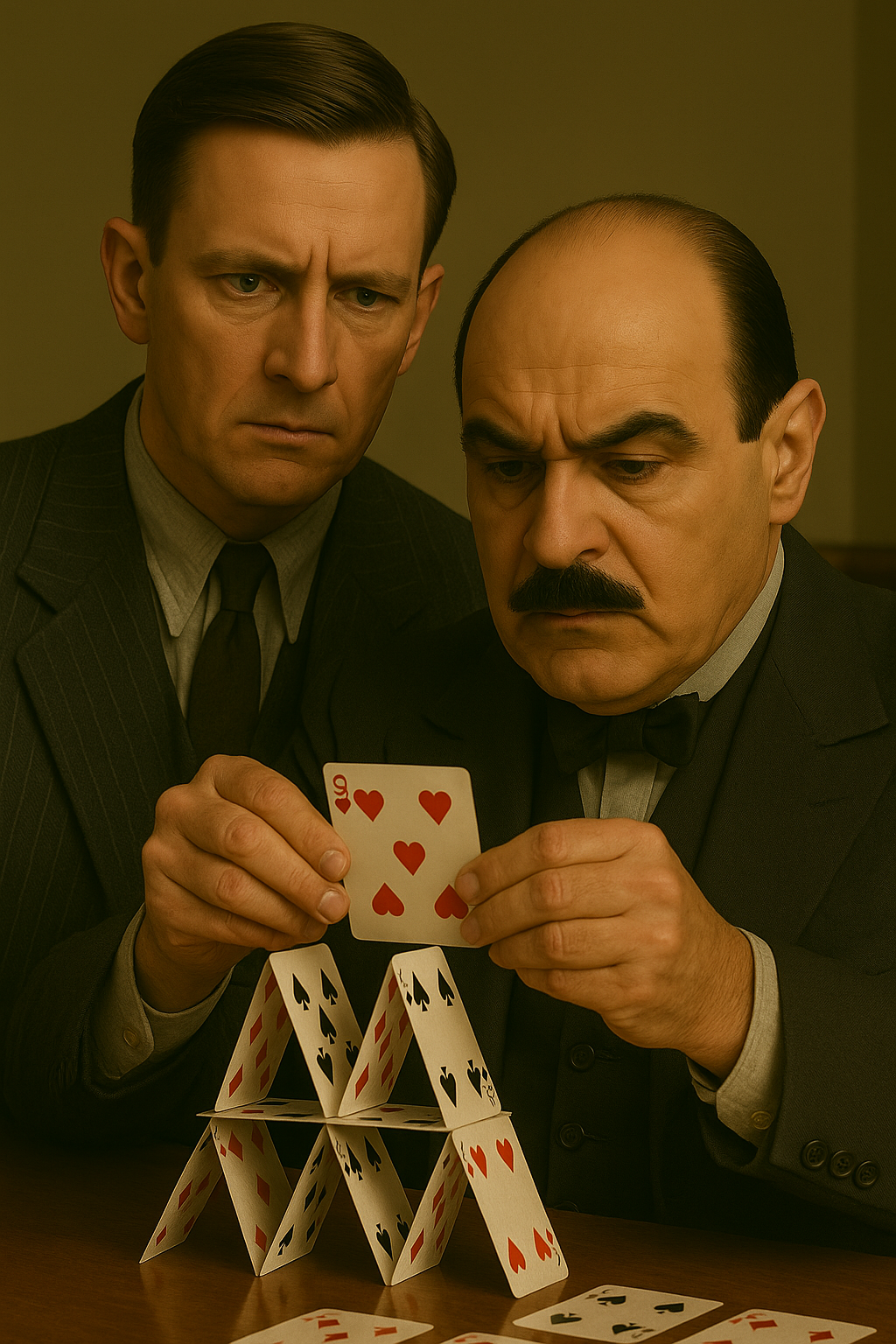
“What a steady hand you’ve got,” I remarked.
“I believe I’ve only seen your hand shake once.”
「すごく手が安定してるんだね」と私は言った。
「君の手が震えるのを見たのは、たった一度だけしかないはずだ」
“On an occasion when I was enraged, without doubt,” observed Poirot, with great placidity.
「間違いなく、私が激怒していた時でしょう」とポワロは非常に穏やかに答えた。
“Yes indeed! You were in a towering rage.
Do you remember?
It was when you discovered that the lock of the despatch-case in Mrs. Inglethorp’s bedroom had been forced.
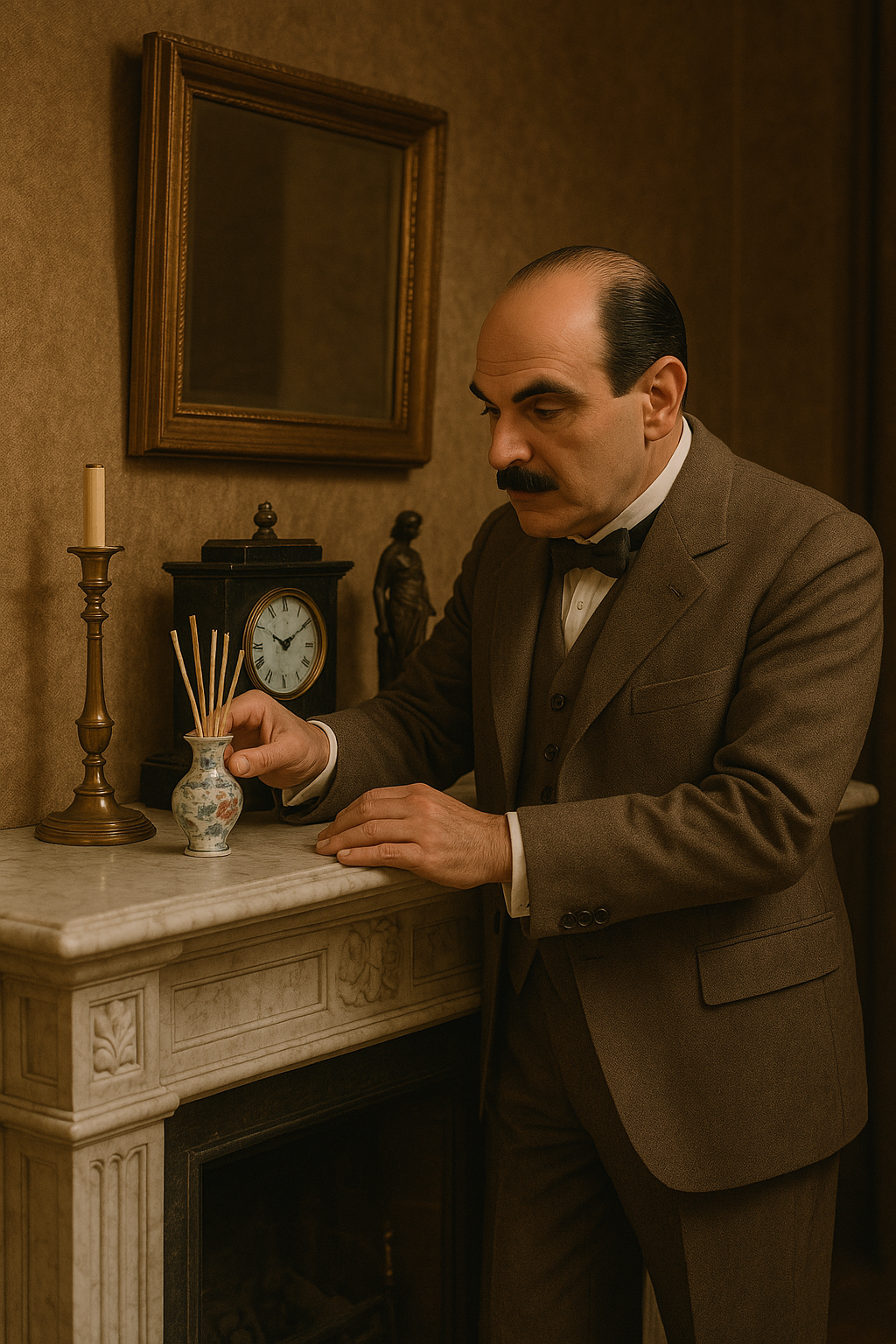
You stood by the mantelpiece, twiddling the things on it in your usual fashion, and your hand shook like a leaf!
I must say——”
「そう、まさにその通り!
あのとき君は猛烈に怒っていた。
覚えていいるかい?
ミセス=イングルソープの寝室にあった書類ケースの鍵が壊されていたのを発見した時だ。
君は暖炉のそばに立って、いつものように飾り物を並べなおしていたんだが、手が木の葉のように震えてたよ!
正直言って僕は──」
But I stopped suddenly.
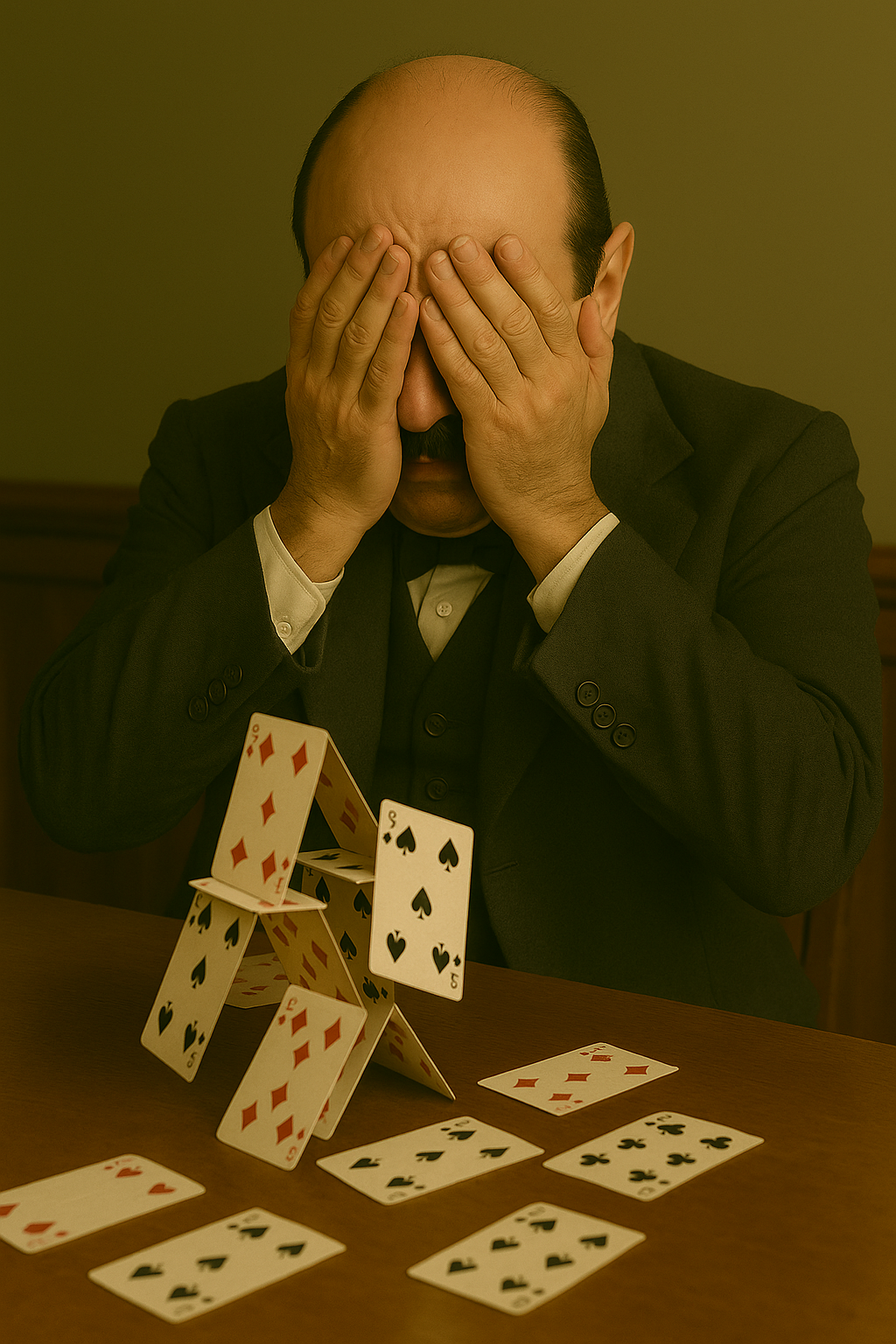
For Poirot, uttering a hoarse and inarticulate cry, again annihilated his masterpiece of cards,
and putting his hands over his eyes swayed backwards and forwards, apparently suffering the keenest agony.
だが、私はそこで急に話を止めた。
ポワロが、しゃがれた声で言葉にならない叫びをあげ、またしてもカードの傑作を叩き潰したのだ。
そして両手で目を覆いながら、前後に体を揺らし、まるで鋭い苦悶に耐えているようだった。
“Good heavens, Poirot!” I cried.
“What is the matter? Are you taken ill?”
「なんてことだ、ポワロ!」私は叫んだ。
「どうしたんだい?具合でも悪くなったのか?」
“No, no,” he gasped.
“It is—it is—that I have an idea!”
「いや、違う、違うんだ」と彼は息を切らしながら言った。
「そうだ――それだ――思いついたんだ!」
“Oh!” I exclaimed, much relieved.
“One of your ‘little ideas’?”
「おお!」私はほっとして言った。
「いつもの“ちょっとした思いつき”かい?」
“Ah, ma foi, no!” replied Poirot frankly.
“This time it is an idea gigantic!
Stupendous!
And you—you, my friend, have given it to me!”
「いや、違う、マフォア(まさか)!」とポワロは率直に答えた。
「今回のはすごい思いつきなのだ!
これは驚くべきことだ!
しかも――君だよ、ヘイスティングス、君なんだ、それを私に与えてくれたのは!」
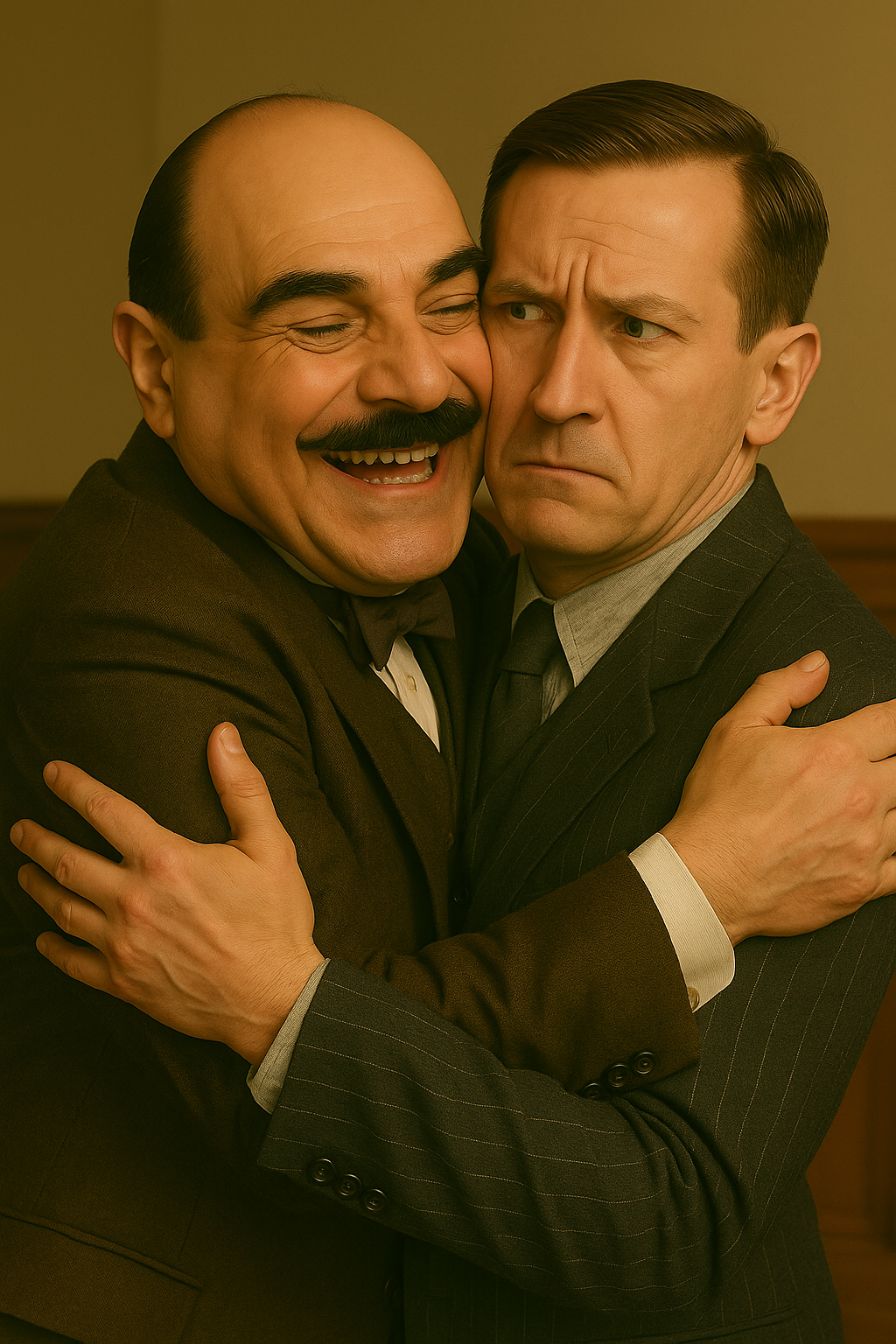
Suddenly clasping me in his arms, he kissed me warmly on both cheeks,
and before I had recovered from my surprise ran headlong from the room.
彼は突然、私を両腕に抱きしめると、両頬に熱烈なキスをした。
そして私が驚きから立ち直る間もなく、部屋から飛び出していった。
Mary Cavendish entered at that moment.
“What is the matter with Monsieur Poirot?
He rushed past me crying out:
‘A garage! For the love of Heaven, direct me to a garage, madame!’
And, before I could answer, he had dashed out into the street.”
ちょうどその時、メアリー・キャヴンディッシュが入ってきた。
「ムッシュ・ポワロに何があったんですか?
私の前を走り抜けながら、 “車屋です! お願いです、車屋はどこですか?教えてください、マダム!” って叫んでらっしゃいました。
それで私が答える前に、もう通りへ出て行ってしまわれましたけど…」
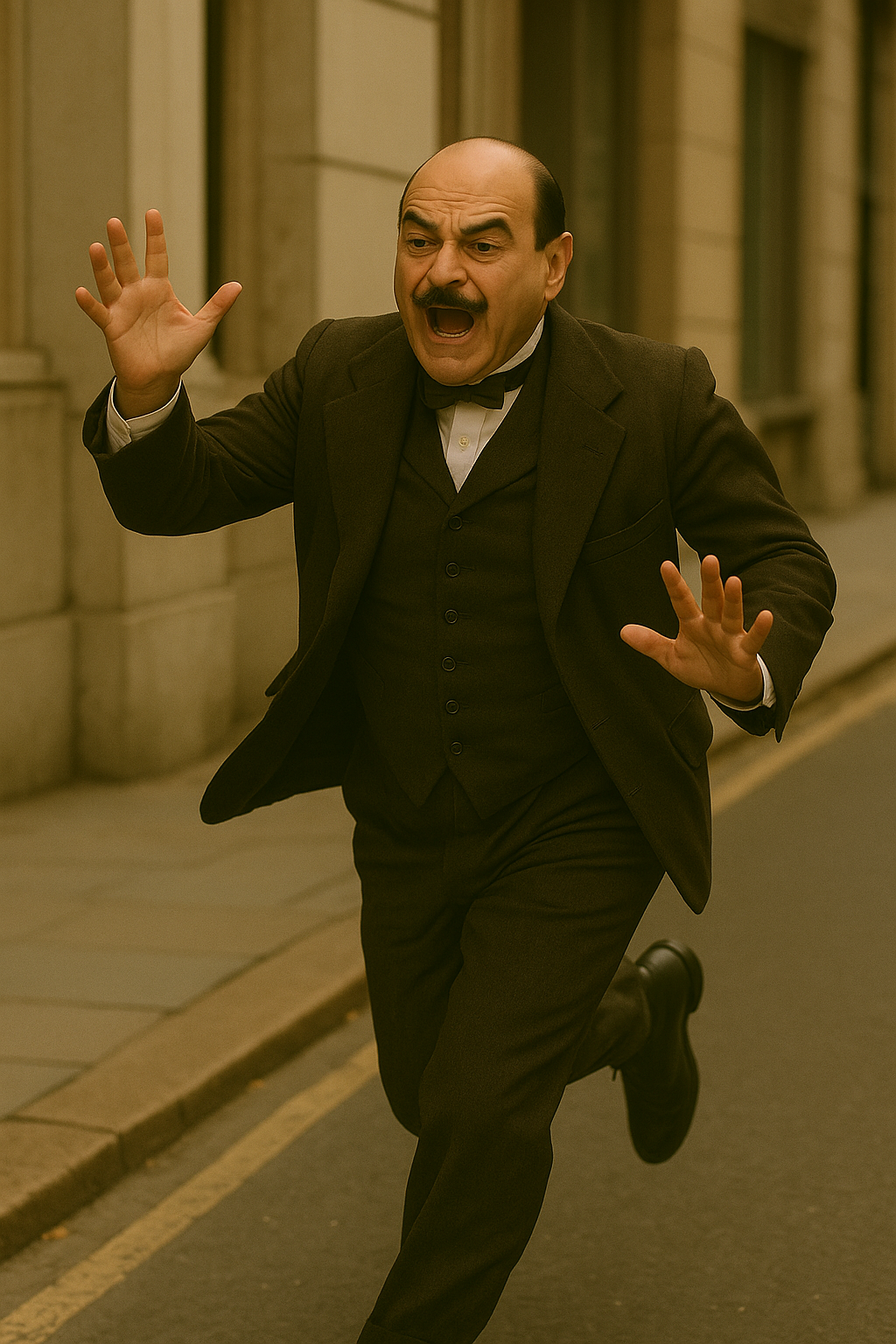
I hurried to the window.
True enough, there he was, tearing down the street, hatless, and gesticulating as he went.
I turned to Mary with a gesture of despair.
私は窓辺へ急いだ。
確かに、彼は帽子も被らず、通りを走り去っていた。身振り手振りで何かを訴えながら。
私はメアリーの方を振り向き、絶望のジェスチャーを見せた。
“He’ll be stopped by a policeman in another minute. There he goes, round the corner!”
Our eyes met, and we stared helplessly at one another.
「あの調子ではすぐに警官に呼び止められるでしょうね。ほら、今、角を曲がった!」
私たちは目をあわせ、どうすることもできずに見つめ合った。
“What can be the matter?”
「何があったのかしら?」
I shook my head.
“I don’t know. He was building card houses, when suddenly he said he had an idea, and rushed off as you saw.”
私は首を振った。
「わかりません。彼はカードの塔を作っていたんです。
急に“思いついた”って言って、あの通り飛び出していきました」
“Well,” said Mary,
“I expect he will be back before dinner.”
「まあ」とメアリーは言った。
「夕食までには戻るっていらっしゃるでしょうね」
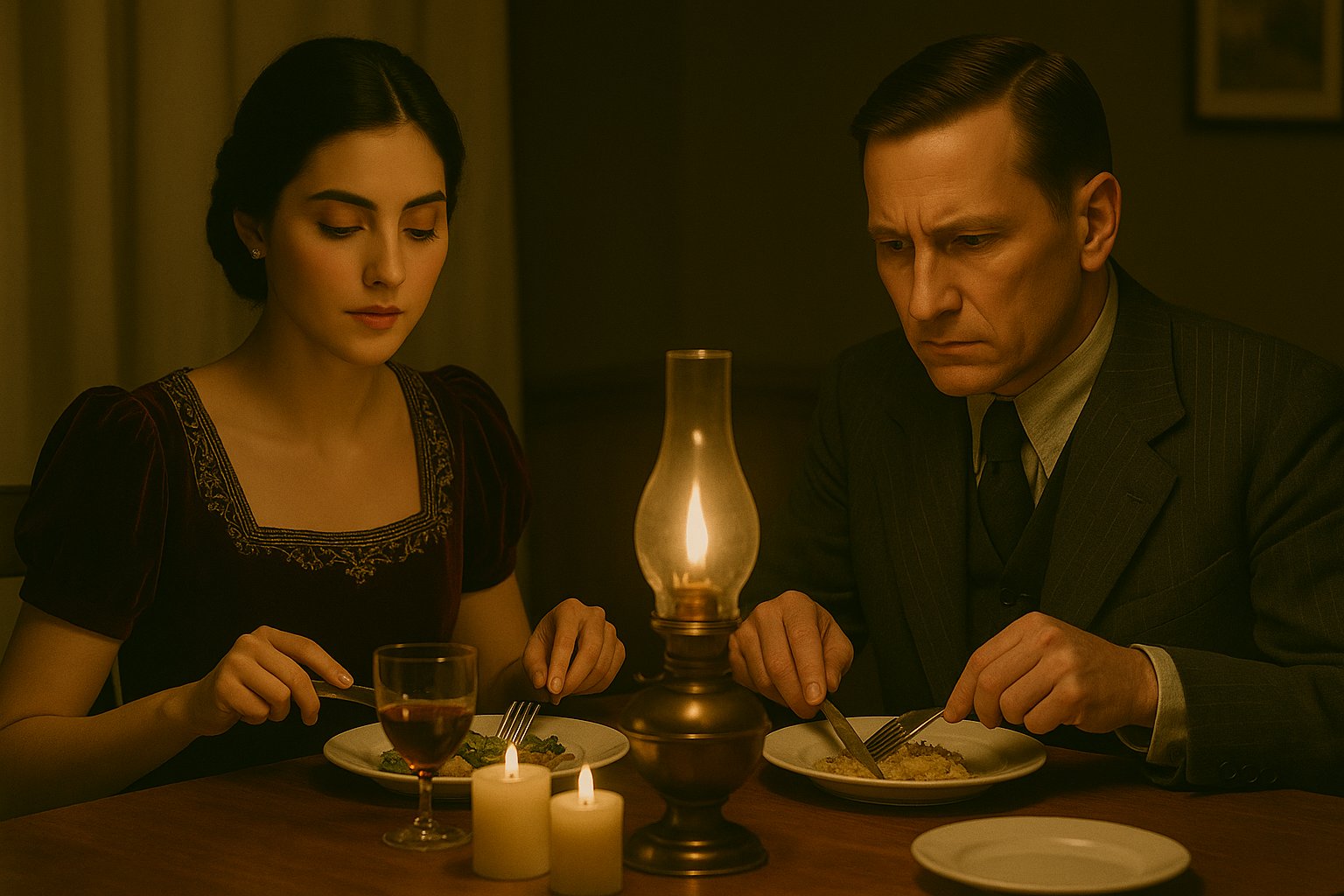
But night fell, and Poirot had not returned.
だが、夜が更けても、ポワロは戻ってこなかった。

第十二章
こちらがその日本語訳です: