注記(区切り記号について)
この翻訳文には、点字に対応させるための区切り記号(マス空け)を入れています。
「|」 … 1マスあけ
「||」 … 2マスあけ
点訳の際に必要となる区切りを、見える形で示しています。
読み進めるうちに、文章のリズムや切れ目を意識していただければ幸いです。
・固有名詞は実際の発音を標準にしますが、日本語で馴染みのあるカタカナ表記を優先しています。
・固有名詞は、原則として最初に登場した時に限って、その固有部分を「第2カギ符」で囲んでいます。
・固有名詞の複合語は、「マス空け」「中点」ではなく、一つの意味のまとまりとして一体性を保つために「第2つなぎ符」で表記しています。
・建物の階数は日本式で、ground floor=一階、first floor=二階と表記しています。
『Brille Editor System ver.8』用の『BESファイル』を、ZIPファイルに圧縮して公開しています。(2026年1月20日現在)
The Mysterious Affair at Styles
CHAPTER VIII.
FRESH SUSPICIONS
||||||||スタイルズの|怪事件
||||||第八章
||||新たな|疑惑
There was a moment’s stupefied silence. Japp, who was the least surprised of any of us, was the first to speak.
しばし、|みな、|唖然として|沈黙|していた。||一番驚いて|いなかった|ジャップが、|最初に|口を|開いた。

“My word,” he cried, “you’re the goods! And no mistake, Mr. Poirot! These witnesses of yours are all right, I suppose?”
「いやはや、|参ったな」と|彼は|叫んだ。
「あんたの|言うことは|本物だ、|ムッシュー=ポワロ!||間違いない。||ところで、|あんたのいう|その|証人たちは|ちゃんとした|人物|なんでしょうな?」
“Voilà! I have prepared a list of them—names and addresses. You must see them, of course. But you will find it all right.”
「ヴォワラ(ええ)!||証人たちの|名前と|住所を|まとめた|リストを|用意|しています。||もちろん、|警部|自身で|確認|していただく|必要が|ありますが、|間違いなく|大丈夫です」
“I’m sure of that.”
「それは|確かだろう」
Japp lowered his voice.
ジャップは|声を|潜めて|言った。
“I’m much obliged to you. A pretty mare’s nest arresting him would have been.”
「感謝してるよ。||本当に|ありがたい。||あんな男を|逮捕|することに|なっていたら、|実に|見事な、|いや、|とんだ|茶番に|なっていた」
He turned to Inglethorp.
ジャップは|イングルソープの|方へ|向き直った。
“But, if you’ll excuse me, sir, why couldn’t you say all this at the inquest?”
「ところで、|旦那。||失礼を|承知で|お聞きするが、|どうして|検死審問の|時に|これを|全て|話さなかったです?」
“I will tell you why,” interrupted Poirot.
“There was a certain rumour——”
「私が|説明|しましょう」と|ポワロが|口を挟んだ。
「ある|噂が|あったのです」
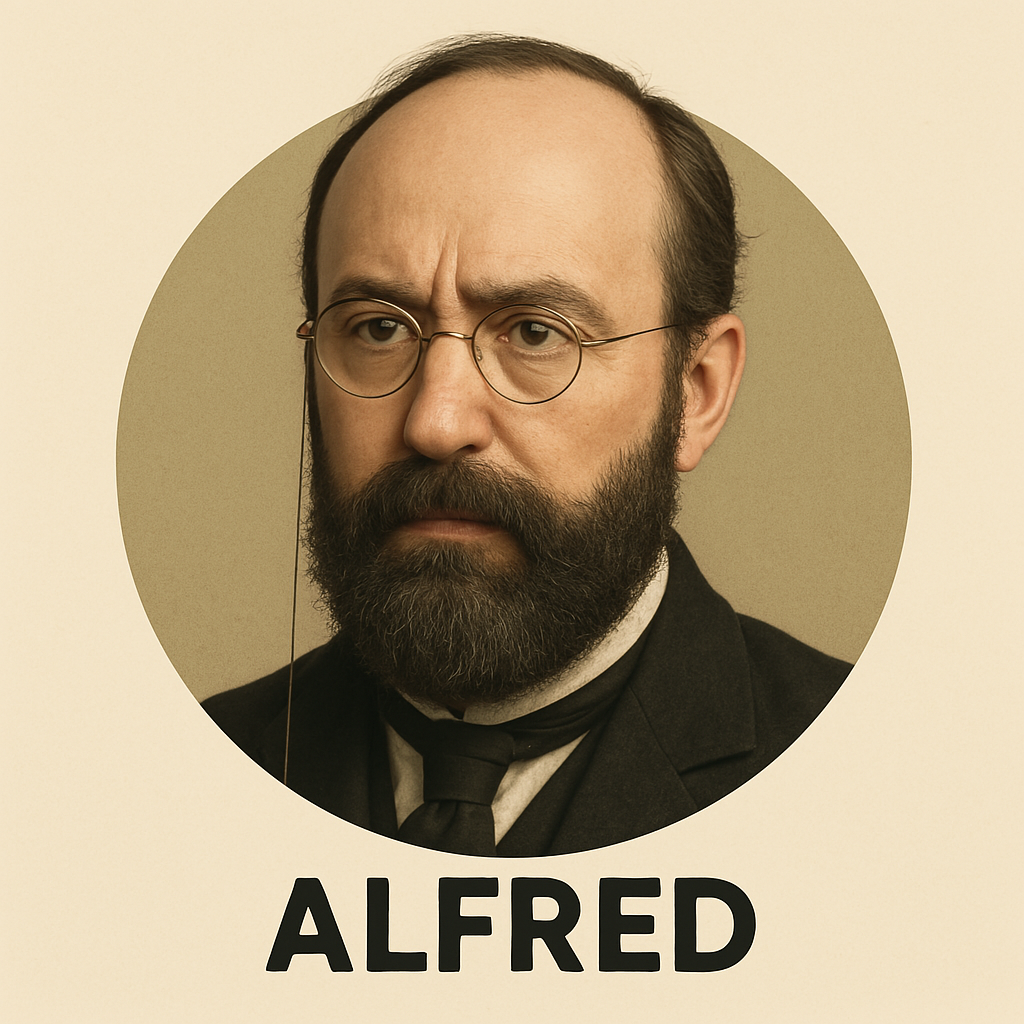
“A most malicious and utterly untrue one,” interrupted Alfred Inglethorp in an agitated voice.
「それは|まったくの|中傷で、|根も葉もない|話だ!」
イングルソープが|動揺した|声で|割り込んだ。
“And Mr. Inglethorp was anxious to have no scandal revived just at present. Am I right?”
「そして、|ミスター=イングルソープは、|今|この時に、|スキャンダルが|再燃|するのを|何としても|避けたかった。||違いますか?」
“Quite right.” Inglethorp nodded.
“With my poor Emily not yet buried, can you wonder I was anxious that no more lying rumours should be started.”
「その通りです」
イングルソープは|うなずいた。
「哀れなエミリーは、|まだ|埋葬も|済んでいないのです。||これ以上、|根も葉もない|噂が|広まるのを|私が|恐れた|としても|不思議では|ないでしょう」

“Between you and me, sir,” remarked Japp, “I’d sooner have any amount of rumours than be arrested for murder.
And I venture to think your poor lady would have felt the same.
And, if it hadn’t been for Mr. Poirot here, arrested you would have been, as sure as eggs is eggs!”
「しかしですな、|旦那」と、|ジャップは言った。
「殺人で|逮捕される|くらいなら、|どれほど|噂が|立とうと、|そのほうが|ましです。||そして|あなたの|奥さんも、|そう|思ったに|違いないと|私は|思います。||ムッシュー=ポワロが|いなけりゃ、|間違いなく|逮捕|されてましたよ。||火を見るより|明らかだ!」
“I was foolish, no doubt,” murmured Inglethorp.
“But you do not know, inspector, how I have been persecuted and maligned.”
「私が|愚か|だったのは|確かです」と、|イングルソープは|つぶやいた。
「ですが、|警部さん。||あなたは|知らないでしょう。||私が|どれほど|敵意の|目で|見られ、|誹謗中傷を|受けていたのか」
And he shot a baleful glance at Evelyn Howard.
そう言って|彼は、|エヴリン=ハワードに|憎々しげな|視線を|投げた。
“Now, sir,” said Japp, turning briskly to John, “I should like to see the lady’s bedroom, please, and after that I’ll have a little chat with the servants. Don’t you bother about anything. Mr. Poirot, here, will show me the way.”
「それでは」と、|ジャップは|言い、|ジョンに|向き直った。
「ミセス=イングルソープの|寝室を|拝見させて|いただきましょう。||そのあとで|使用人たちと|少し|話を|します。||ご心配|なく。||ムッシュー=ポワロが|案内|してくれますから」
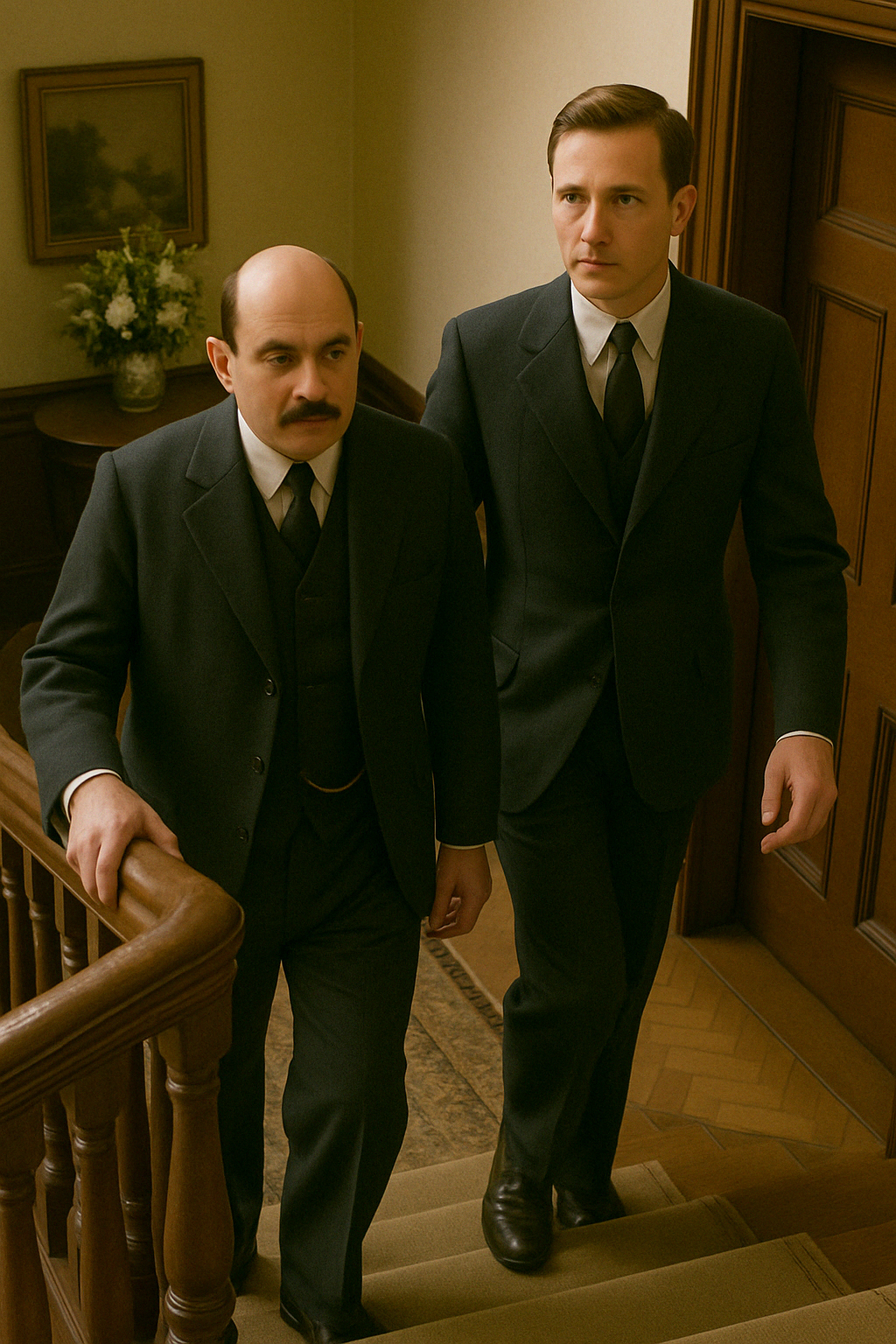
As they all went out of the room, Poirot turned and made me a sign to follow him upstairs.
There he caught me by the arm, and drew me aside.
全員が|部屋を|出て行こうと|した|時、|ポワロが|私の方を|向き、|合図を|した。||私は|彼に|ついて|階段を|上った。||そこで|彼は|私の|腕を|つかみ、|脇へ|引き寄せた。

“Quick, go to the other wing. Stand there—just this side of the baize door. Do not move till I come.”
「急いで、|向こうの|建物へ|行ってくれ。||ちょうど|あの|フェルト張りの|ドアの|こちら側に|立つんだ。||私が|来るまで|動かないで」
Then, turning rapidly, he rejoined the two detectives.
そう言って、|彼は|素早く|踵を返し、|二人の|刑事の|後を|追った。
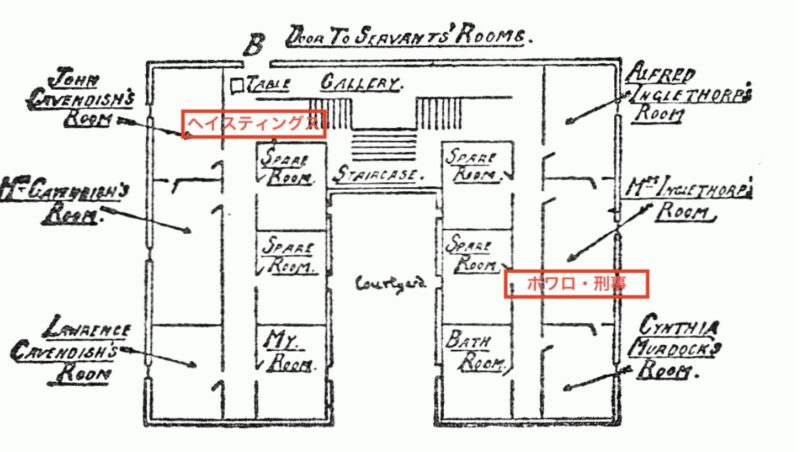
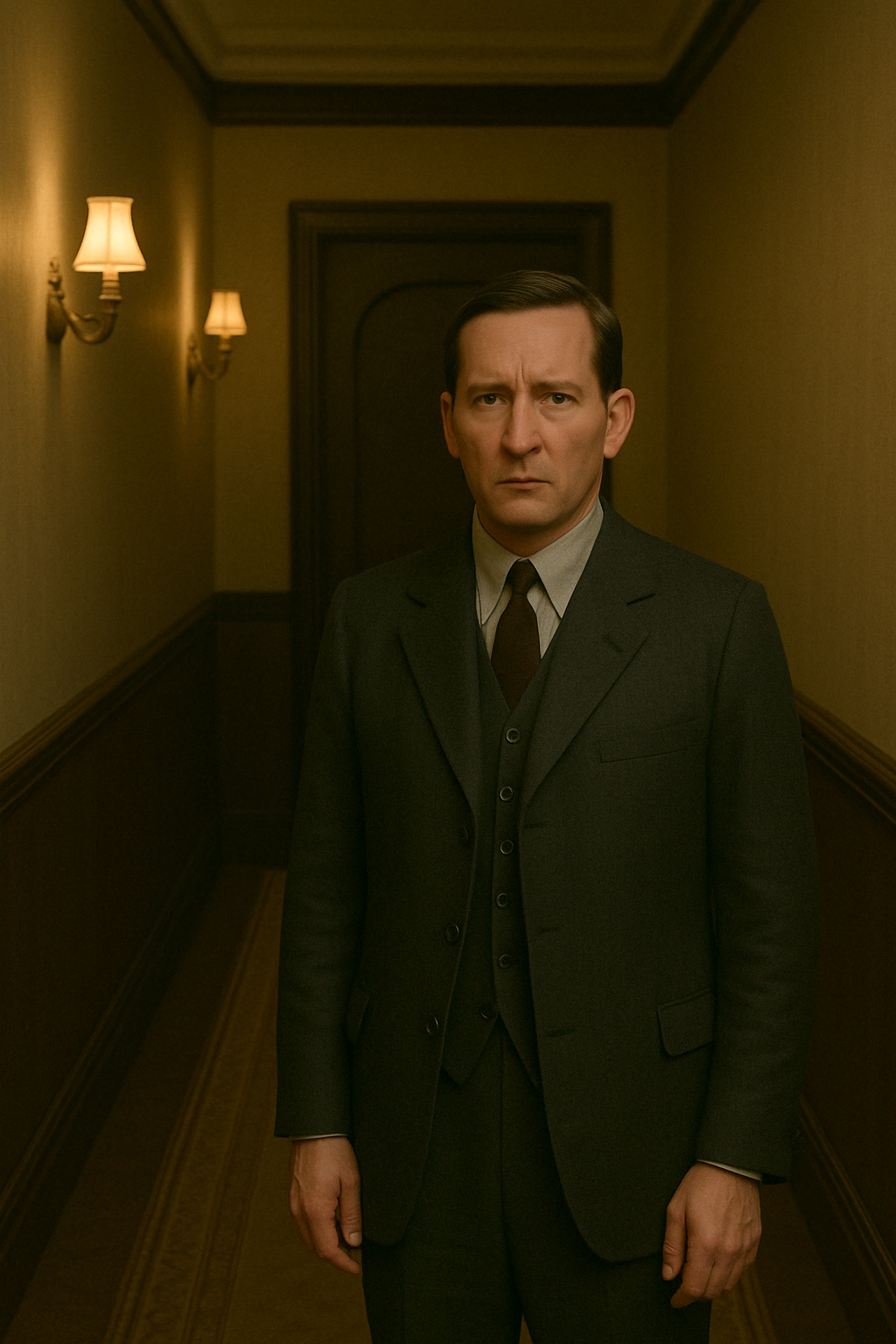
I followed his instructions, taking up my position by the baize door, and wondering what on earth lay behind the request. Why was I to stand in this particular spot on guard? I looked thoughtfully down the corridor in front of me.
An idea struck me. With the exception of Cynthia Murdoch’s, everyone’s room was in this left wing. Had that anything to do with it? Was I to report who came or went?
I stood faithfully at my post. The minutes passed. Nobody came.
Nothing happened.
It must have been quite twenty minutes before Poirot rejoined me.
私は|言われた通り、|フェルト張りの|ドアの|そばに|立っていたが、|いったい|何の|意図が|あって、|こんなことを|させているのか、|首を|かしげた。
なぜ、|わざわざ|この場所に|立って|監視|しなければ|ならないのか。
私は|目の|前の|廊下を|じっと|見つめて|考えていた。
ふと、|思い当たった。||この建物には、|シンシア=マードックの|部屋|以外の、|すべての|人物の|部屋が|あるのだ。||それが|関係|しているのか?||私は|誰かが|出入りするのを|見張る|役目なのか?
私は|忠実に|見張りの|役目を|果たした。
時は|過ぎていった。
誰も|来なかった。
何も|起こらなかった。
ポワロが|戻ってくるまで、|二十分は|ゆうに|経っていた。
“You have not stirred?”
「ここから|動なかったね?」

“No, I’ve stuck here like a rock. Nothing’s happened.”
「ああ、|岩みたいに|ここに|突っ立ってたよ。||何も|起きなかった」
“Ah!”
「ほう!」
Was he pleased, or disappointed?
彼は、|嬉しいのか、|がっかり|しているのか、|どっちだ?
“You’ve seen nothing at all?”
「何も|見なかったかね?」
“No.”
「うん」
“But you have probably heard something?
A big bump—eh, mon ami?”
「でも、|たぶん|何か|聞こえたんじゃ|ないか?||大きな|音が。||どうだね、|モナミ?」
“No.”
「いや、|何も」
“Is it possible? Ah, but I am vexed with myself!
I am not usually clumsy. I made but a slight gesture”—I know Poirot’s gestures—
“with the left hand, and over went the table by the bed!”
「まさか、|そんなはずは!||しかし|まったく|自分に|腹が立つ!||私は|普段、|不器用じゃ|ないのに。||ほんの|ちょっと、|こういう|動きを|しただけで」||ポワロは|私が|よく|知っている|動きを|した。
「左手で、|ベッドの|横の|テーブルを|倒して|しまったのだ!」
He looked so childishly vexed and crest-fallen that I hastened to console him.
彼が|あまりに|子どもっぽく|悔しがり、|しょんぼり|しているので、|私は|急いで|慰めた。
“Never mind, old chap. What does it matter?Your triumph downstairs excited you. I can tell you, that was a surprise to us all. There must be more in this affair of Inglethorp’s with Mrs. Raikes than we thought, to make him hold his tongue so persistently. What are you going to do now?
Where are the Scotland Yard fellows?”
「まあ、|気にするなよ。||何か|問題でも|あるのかい?||一階では|大成功|だったから、|興奮|してたんだよ。||あれは|本当に|驚きだった。||ミスター=イングルソープが|あそこまで|頑なに|黙っているって|ことは、|ミセス=レイクスとの|関係に、|僕たちが|思ってた|以上の|何かが|あるんだろうな。||それで、|これから|どうするんだい?||スコットランドヤードの|連中は|どこに?」
“Gone down to interview the servants. I showed them all our exhibits. I am disappointed in Japp. He has no method!”
「下に|行って、|使用人たちの|事情聴取を|しているよ。||私は|彼らに、|我々の|証拠を|すべて|見せた。||だが|ジャップには|がっかりだ。||彼には|『メソド』(方法)というものが|ない!」
“Hullo!” I said, looking out of the window.
“Here’s Dr. Bauerstein. I believe you’re right about that man, Poirot. I don’t like him.”
「おや!」と、|私は|窓の|外を|見ながら|言った。
「ドクター=バウアースタインが|来たよ。||やっぱり|君の|言っていたこと、|当たってる|かもしれない。||あの男、|なんだか|好きに|なれないな」
“He is clever,” observed Poirot meditatively.
「彼は|賢いよ」と、|ポワロは|考え込む|ように|言った。
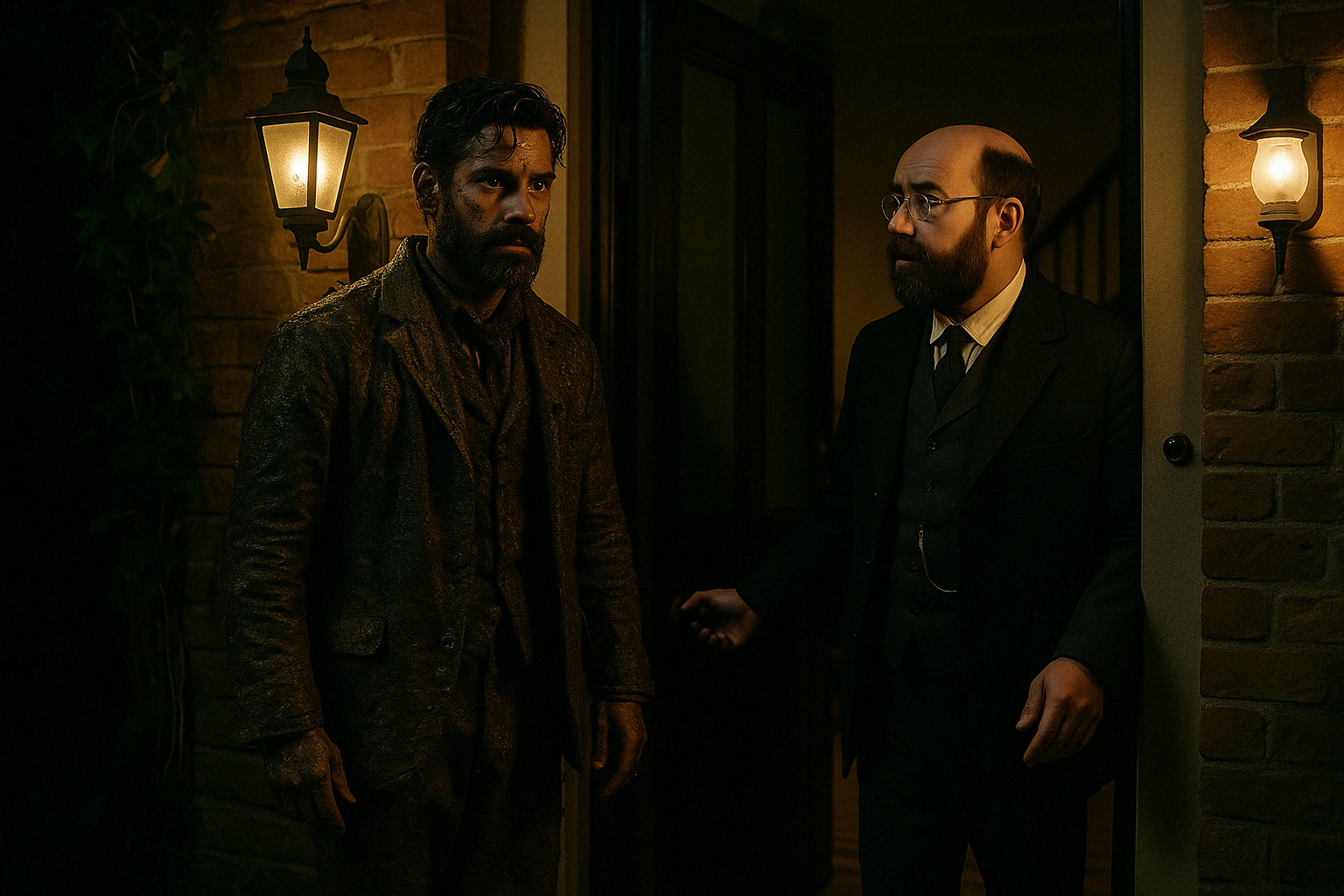
“Oh, clever as the devil! I must say I was overjoyed to see him in the plight he was in on Tuesday. You never saw such a spectacle!”
“He looked a regular scarecrow! Plastered with mud from head to foot.”
「ああ、|実に|抜け目のない|男だろう!||火曜日に|あの|姿を|見た時は|痛快|だったな。||あんな|みじめな|格好、|滅多に|見られるもんじゃ|ないよ!」
「まるで案山子だったよ!頭から足まで泥まみれさ」
And I described the doctor’s adventure.
そう|言いながら、|私は|ドクターの|冒険談を|語った。
“He looked a regular scarecrow! Plastered with mud from head to foot.”
「まるで|案山子|だったよ!||頭から|足まで|泥まみれ|だったんだ」
“You saw him, then?”
「それを|見たのかい?」
“Yes. Of course, he didn’t want to come in—it was just after dinner—but Mr. Inglethorp insisted.”
「うん。||ちょうど|夕食の|あと|だった。||ドクターは|家に|入るのを|遠慮|してたけど、|ミスター=イングルソープが|強く|勧めたんだ」
“What?”
「なんだって?」
Poirot caught me violently by the shoulders.
ポワロは|私の|肩を|ガッと|掴んだ。
“Was Dr. Bauerstein here on Tuesday evening? Here? And you never told me?
Why did you not tell me? Why? Why?”
「ドクター=バウアースタインが|火曜の|夕食のあと、|ここに|いた?||この|屋敷に?||しかも|君は|それを|私に|話さなかった?||どうして?||どうしてなんだ?」
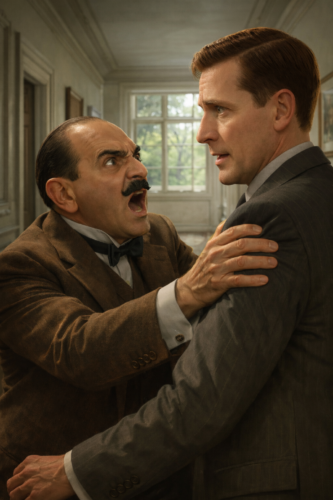
He appeared to be in an absolute frenzy.
彼は|完全に|取り乱している|ように|見えた。
“My dear Poirot,” I expostulated, “I never thought it would interest you. I didn’t know it was of any importance.”
「いや、|ポワロ」||私は|言い返した。
「まさか|それが|君の|関心を|引くこととは|思わなかったんだ。||そんなに|重要な|ことだとは」
“Importance? It is of the first importance!
So Dr. Bauerstein was here on Tuesday night—the night of the murder. Hastings, do you not see?
That alters everything—everything!”
「重要?||それは|一番|重要なこと|なんだ!||そう、|ドクター=バウアースタインが|火曜の|夜|ここに|いた。||つまり、|殺人が|起こった|夜、|ここにいたんだ。||ヘイスティングス、|分からないか?||これは|すべてを|変える。||すべてが|変わってしまう!」
I had never seen him so upset. Loosening his hold of me, he mechanically straightened a pair of candlesticks, still murmuring to himself:
私は、|彼が|ここまで|動揺|しているのを|初めて|見た。||ポワロは|私の|肩から|手を|放し、|機械的に|燭台の|位置を|直しながら、|まだ|ぶつぶつと|つぶやいていた。
“Yes, that alters everything—everything.”
「そうだ、|これで|すべてが|変わる。||すべてだ」
Suddenly he seemed to come to a decision.
突然、|彼の中で|何かが|決まった|ようだった。
“Allons!” he said.
“We must act at once. Where is Mr. Cavendish?”
「アロン!(行こう!)」と、|彼は|言った。
「今すぐ|行動を|起こさねば。||ミスター=キャヴンディッシュは|どこだ?」
John was in the smoking-room. Poirot went straight to him.
ジョンは|喫煙室に|いた。||ポワロは|まっすぐ|彼の|もとへ|行った。
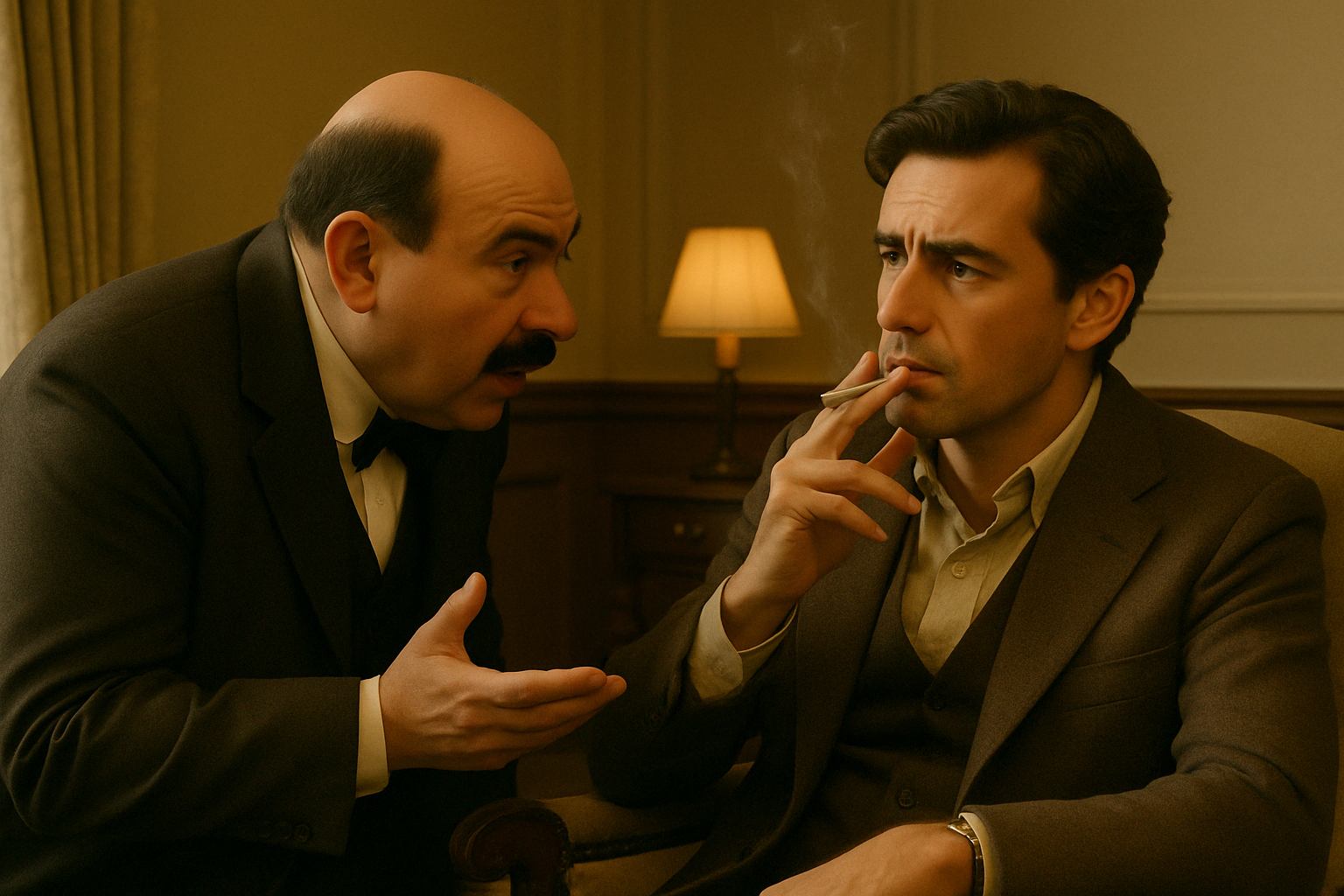
“Mr. Cavendish, I have some important business in Tadminster. A new clue. May I take your motor?”
「ミスター=キャヴンディッシュ、|タドミンスターに|急ぎの|用事が|あります。||新しい|手がかり|です。||車を|お借りしても|よろしいですか?」

“Why, of course. Do you mean at once?”
「もちろん。||今すぐ|ですか?」
“If you please.”
「はい、|できましたら」

John rang the bell, and ordered round the car.
In another ten minutes, we were racing down the park and along the high road to Tadminster.
ジョンが|ベルを|鳴らして|車を|まわすよう|命じた。||10分も|経たないうちに、|私たちは|屋敷の|敷地を|抜けて、|タドミンスター|へと|続く|幹線道路を|走っていた。
“Now, Poirot,” I remarked resignedly, “perhaps you will tell me what all this is about?”
「さて、|ポワロ」と、|私は|半ば|あきらめた|ように|言った。
「いったい|何が|始まったのか|教えて|くれないか?」
“Well, mon ami, a good deal you can guess for yourself.
Of course you realize that, now Mr. Inglethorp is out of it, the whole position is greatly changed. We are face to face with an entirely new problem. We know now that there is one person who did not buy the poison.
We have cleared away the manufactured clues.
Now for the real ones.
I have ascertained that anyone in the household, with the exception of Mrs. Cavendish, who was playing tennis with you, could have personated Mr. Inglethorp on Monday evening.
In the same way, we have his statement that he put the coffee down in the hall.
No one took much notice of that at the inquest—but now it has a very different significance.
We must find out who did take that coffee to Mrs. Inglethorp eventually, or who passed through the hall whilst it was standing there. From your account, there are only two people whom we can positively say did not go near the coffee—Mrs. Cavendish, and Mademoiselle Cynthia.”
「ふむ、|モナミ、|君自身で|かなりの|ところまでは|推測|できるはずだよ。||もちろん、|ミスター=イングルソープの|嫌疑が|晴れたことで、|状況は|大きく|変わったことに|気づいているね?||私たちは|まったく|新しい|問題に|直面|しているのだ。||今や、|毒を|買った|人物が|彼では|なかったと|わかった|以上、|作られた|証拠は|取り除かれ、|本当の|証拠を|見つけ出さねば|ならない。
私は、|月曜の|夕方に|ミスター=イングルソープに|変装|することは、|君と|テニスを|していた|メアリー=キャヴンディッシュを|除けば、|屋敷の|誰でも|可能だった|ことを|確認した。||同様に、|ミスター=イングルソープが|コーヒーを|ホールに|置いたという|供述も|ある。||検死審問では|大して|注目|されなかったが、|今となっては|まったく|違う|意味を|持ってくる。||誰が|その|コーヒーを|最終的に|ミセス=イングルソープに|持って行ったのか。||あるいは|そのコーヒーの|そばを|通ったのは|誰なのか。||それを|突き止めねば|ならない。||君の|話を|もとにすれば、|コーヒーに|近づかなかったと|はっきり|断言|できるのは、|メアリー=キャヴンディッシュと|マドモワゼル=シンシアの|二人|だけだ」
“Yes, that is so.”
「その通りだよ」
I felt an inexpressible lightening of the heart.
Mary Cavendish could certainly not rest under suspicion.
私は|胸の|奥が|ふっと|軽くなるのを|感じた。
確かに|メアリー=キャヴンディッシュを|疑うことは|できない。
“In clearing Alfred Inglethorp,” continued Poirot,“I have been obliged to show my hand sooner than I intended. As long as I might be thought to be pursuing him, the criminal would be off his guard. Now, he will be doubly careful. Yes—doubly careful.”
「ミスター=イングルソープの|容疑を|晴らすために」と、|ポワロは|続けた。||
「私は|予定よりも|早く|手の内を|見せることに|なってしまった。||私が|まだ|彼を|疑っている|ふりを|していれば、|真犯人は|油断|していただろう。||だが|今となっては、|倍の|警戒心を|持って|行動|するだろう。||そう、|ますます|用心深くなる」
He turned to me abruptly.
彼は|急に|私の方を|向いて|言った。
“Tell me, Hastings, you yourself—have you no suspicions of anybody?”
「ヘイスティングス、|君自身は|どうだい?||誰かを|疑って|いないのか?」
I hesitated. To tell the truth, an idea, wild and extravagant in itself, had once or twice that morning flashed through my brain.
I had rejected it as absurd, nevertheless it persisted.
私は|ためらった。
実のところ、|突飛で|荒唐無稽な|考えが|朝から|何度か|頭に|浮かんでいた。||ばかげていると|思って|打ち消しては|いたものの、|どうしても|消えては|くれなかった。
“You couldn’t call it a suspicion,” I murmured.
“It’s so utterly foolish.”
「疑っている|というほどじゃ|ないんだ」と、|私は|口ごもった。
「ただ、|まるっきり|馬鹿げたこと|なんだけど」
“Come now,” urged Poirot encouragingly.
“Do not fear. Speak your mind. You should always pay attention to your instincts.”
「さあさあ」と、|ポワロが|励ますように|言った。
「気にせずに|言ってごらん。||自分の|直感は|大切に|しなくては|ならんよ」
“Well then,” I blurted out, “it’s absurd—but I suspect Miss Howard of not telling all she knows!”
「じゃあ」||私は|思わず|口にした。
「ばかげてるけど、|ミス=ハワードは|自分が|知っている|ことを|全て|話していない|気が|するんだ!」
“Miss Howard?”
「ミス=ハワードが?」
“Yes—you’ll laugh at me——”
「ああ。||君は|笑うだろうな」
“Not at all. Why should I?”
「笑ったり|しないよ。||どうして|私が?」
“I can’t help feeling,” I continued blunderingly; “that we’ve rather left her out of the possible suspects, simply on the strength of her having been away from the place.
But, after all, she was only fifteen miles away. A car would do it in half an hour. Can we say positively that she was away from Styles on the night of the murder?”
「どうしても|そんな|気がして|ならなくて」と、|私は|要領を|得ないまま|続けた。
「彼女は|現場に|いなかった|ってだけで、|最初から|容疑者から|外してるんじゃ|ないかと。||でも、|考えてみれば|彼女は|15マイル|しか|離れていない|ところに|いた。||車なら|30分も|あれば|来れる|距離|なんだ。||彼女が|殺人の|夜、|確実に|スタイルズに|いなかったって、|はっきり|言えるのかな?」
“Yes, my friend,” said Poirot unexpectedly, “we can. One of my first actions was to ring up the hospital where she was working.”
「うん、|ヘイスティングス」と、|ポワロが|意外なほど|あっさり|言った。
「言えるんだよ。||私が|まず|最初に|やったことの|一つは、|彼女が|働いていた|病院に|電話を|かけたこと|だった」
“Well?”
「それで?」
“Well, I learnt that Miss Howard had been on afternoon duty on Tuesday, and that—a convoy coming in unexpectedly—she had kindly offered to remain on night duty, which offer was gratefully accepted. That disposes of that.”
「それでね、|私は|ミス=ハワードが|火曜日の|午後の|勤務に|ついていた|ことを|知ったんだ。||そして、|予定外の|患者搬送が|あって、|彼女が|親切にも|夜勤を|申し出た。||その申し出は|ありがたく|受け入れられた|そうだ。||これで|彼女の|件は|片付いたよ」
“Oh!”
「へえ!」
I said, rather nonplussed.
私は|思いも|よらずに|そう言った。
“Really,” I continued, “it’s her extraordinary vehemence against Inglethorp that started me off suspecting her.
I can’t help feeling she’d do anything against him.
And I had an idea she might know something about the destroying of the will.
She might have burnt the new one, mistaking it for the earlier one in his favour.
She is so terribly bitter against him.”
「実を|言うと」と、|私は|続けた。
「僕が、|彼女を|疑い始めたのは、|彼女の|ミスター=イングルソープに|対する|憎しみが|あまりにも|尋常じゃ|ないから|なんだ。||彼女なら|彼に|不利な|ことは|何でも|するんじゃ|ないかと|思ってね。||それに、|遺言書を|破棄した|件に|関して|何か|知ってるんじゃ|ないかと。||もしかすると、|彼に|有利な|古い|遺言書と|間違えて、|新しい|方を|燃やしてしまったとか。||彼に|対する|彼女の|敵意は|あまりに|激しすぎるよ」
“You consider her vehemence unnatural?”
「彼女の|激しさは、|不自然だと|感じたのかい?」
“Y—es. She is so very violent.
I wondered really whether she is quite sane on that point.”
「そ、|そうだね。||あまりにも|感情的|すぎて。||正直な|ところ、|ちょっと|精神的に|まともじゃ|ないんじゃ|ないかって|疑ったよ」
Poirot shook his head energetically.
ポワロは|力強く|首を|横に|振った。
“No, no, you are on a wrong tack there. There is nothing weak-minded or degenerate about Miss Howard. She is an excellent specimen of well-balanced English beef and brawn. She is sanity itself.”
「いや、|いや、|それは|見当違いだよ。||ミス=ハワードには、|精神的に|遅れた|ところも|おかしな|ところも|ない。||彼女は、|イギリス人|として、|肉体と|精神の|バランスが|うまく|備わった|良い|見本と|いえる。||彼女の|精神は|健全|そのものだ」
“Yet her hatred of Inglethorp seems almost a mania.
My idea was—a very ridiculous one, no doubt—that she had intended to poison him—and that, in some way, Mrs. Inglethorp got hold of it by mistake. But I don’t at all see how it could have been done. The whole thing is absurd and ridiculous to the last degree.”
「でも、|彼女の|ミスター=イングルソープへの|憎しみは、|もはや|常軌を|逸している|ように|見えるんだよ。||それで|僕の|考え|というのは、|まあ、|馬鹿げてるのは|わかって|話すんだけど、|彼女が|本当は|アルフレッドに|毒を|盛る|つもり|だったんじゃ|ないかって|ことなんだ。||それを|ミセス=イングルソープが|間違って|飲んでしまった|とか。||でも、|そんなことが|本当に|起きうるのか、|全然|筋が|通らない。||馬鹿げてる。||あまりにも|荒唐無稽な|話さ」
“Still you are right in one thing. It is always wise to suspect everybody until you can prove logically, and to your own satisfaction, that they are innocent. Now, what reasons are there against Miss Howard’s having deliberately poisoned Mrs. Inglethorp?”
「とはいえ、|ある点に|おいて、|君は|正しい。||すべての|人間を|疑うのは|賢明な|ことだよ。||そして|論理的に、|そして|自分自身が|納得できる|形で|無実を|証明|できるまでは、|疑ってかかる|べき|なんだ。||では|聞くが、|ミス=ハワードが|ミセス=イングルソープに|故意に|毒を|飲ませたという|説に、|反対する|理由は|何か|あるかい?」
“Why, she was devoted to her!” I exclaimed.
「それは、|彼女は|ミセス=イングルソープに|とても|献身的|だった|じゃないか!」||私は|思わず|叫んだ。
“Tcha! Tcha!” cried Poirot irritably.
“You argue like a child. If Miss Howard were capable of poisoning the old lady, she would be quite equally capable of simulating devotion.
No, we must look elsewhere.
You are perfectly correct in your assumption that her vehemence against Alfred Inglethorp is too violent to be natural; but you are quite wrong in the deduction you draw from it.I have drawn my own deductions, which I believe to be correct, but I will not speak of them at present.”
「チッチッ(まったく|もう)!」と|ポワロが|苛立たしげに|舌打ちした。
「まるで|子どもみたいな|議論だ。||もしミス=ハワードに|老婦人を|毒殺する|能力が|あるなら、|忠誠心を|装うこと|くらい、|同じくらい|たやすく|できるはずだ。いや、|別のところを|見ないと|いけない。
君が|言ったとおり、|彼女の|ミスター=イングルソープへの|激しさが|不自然なほど|強い|というのは|確かに|その通りだ。
だが、|君の|そこからの|推理は|間違っている。
私は|すでに|自分なりの|推理を|立てていて、|それが|正しいと|確信|している。||だが、|今は|まだ|口にはしない|つもりだ」
He paused a minute, then went on.
ポワロは|少し|間を|置き、|それから|続けた。
“Now, to my way of thinking, there is one insuperable objection to Miss Howard’s being the murderess.”
「さて、|私の|考えでは、|ミス=ハワードが|犯人である|可能性を|完全に|否定する|決定的な|理由が|一つ|ある」
“And that is?”
「それは?」
“That in no possible way could Mrs. Inglethorp’s death benefit Miss Howard. Now there is no murder without a motive.”
「ミセス=イングルソープが|死んでも、|ミス=ハワードに|とっては|何の|利益にも|ならない|ということだ。||動機が|なければ、|殺人は|成立しない」
I reflected.
私は|考え込んだ。
“Could not Mrs. Inglethorp have made a will in her favour?”
「でも、|ミセス=イングルソープが、|彼女に|有利な|遺言書を|残していた|可能性は?」
Poirot shook his head.
ポワロは|首を|振った。
“But you yourself suggested that possibility to Mr. Wells?”
「でも|君自身が、|その|可能性を|ミスター=ウェルズに|提案|してたじゃ|ないか?」
Poirot smiled.
ポワロは|微笑んだ。
“That was for a reason.
I did not want to mention the name of the person who was actually in my mind. Miss Howard occupied very much the same position, so I used her name instead.”
「それは、|ある|目的が|あっての|ことだよ。||本当に|私が|念頭に|置いていた|人物の|名前を|出すのを|避けたかったのだ。||ミス=ハワードは、|その人物と|似たような|立場|だったから、|彼女の|名前を|使ったまでだ」
“Still, Mrs. Inglethorp might have done so. Why, that will, made on the afternoon of her death may——”
「でも、|それでも|やっぱり、|ミセス=イングルソープが|彼女の|ために|遺言を|書いたって|可能性は|あるよ。||ほら、|あの|亡くなった|日の|午後に|書かれた|あの|遺言が」
But Poirot’s shake of the head was so energetic that I stopped.
だが、|ポワロは|勢いよく|首を|横に|振ったので、|私は|口をつぐんだ。
“No, my friend. I have certain little ideas of my own about that will. But I can tell you this much—it was not in Miss Howard’s favour.”
「いや、|君。||あの|遺言書に|ついては、|私なりの|ちょっとした|思い付きが|あるんだ。||だが、|これだけは|言える。||あれは|ミス=ハワードに|有利な|ものでは|なかった」
I accepted his assurance, though I did not really see how he could be so positive about the matter.
私は|彼の|断言を|受け入れたが、|どうして|そこまで|確信が|持てるのか、|本当の|ところは|よく|分からなかった。
“Well,” I said, with a sigh, “we will acquit Miss Howard, then.
It is partly your fault that I ever came to suspect her. It was what you said about her evidence at the inquest that set me off.”
「まあいいさ」と私はため息をついて言った。「じゃあ、|ミス=ハワードを|容疑者から|外そう。||そもそも|彼女を|疑い始めた|責任の|一部は、|君にも|あるんだぞ。||検死審問の|時の|彼女の|証言|について|君が|言ったことが、|彼女を|疑う|きっかけに|なったんだから」
Poirot looked puzzled.
ポワロは|困ったような|顔をした。
“What did I say about her evidence at the inquest?”
「私が|彼女の|証言|について|何か|言ったかね?」
“Don’t you remember? When I cited her and John Cavendish as being above suspicion?”
「覚えて|ないのかい?||僕が|彼女と|ジョン=キャヴンディッシュを|『疑いから|外せる|人物』として|挙げた|時さ」
“Oh—ah—yes.”
「ああ、|そうか、|そうだったね」
He seemed a little confused, but recovered himself.
彼は|少し|動揺した|ようだったが、|すぐに|平静を|取り戻した。
“By the way, Hastings, there is something I want you to do for me.”
「ところで|ヘイスティングス。||君に|頼みたい|ことが|あるんだ」
“Certainly. What is it?”
「もちろん。||何だい?」
“Next time you happen to be alone with Lawrence Cavendish, I want you to say this to him. ‘I have a message for you, from Poirot.
He says: “Find the extra coffee-cup, and you can rest in peace!”’
Nothing more. Nothing less.”
「今度、|君が|ローレンス=キャヴンディッシュと|二人きりに|なった|時、|こう|言ってほしい。||『ポワロから|伝言が|ある。||“余分な|コーヒーカップを|見つければ、|君は|安らかに眠れる。”||そう|言っていた。』||それだけで|いい。||他のことは|言わなくていい。||言葉どおりに」
“‘Find the extra coffee-cup, and you can rest in peace.’ Is that right?” I asked, much mystified.
「『余分な|コーヒーカップを|見つければ、|安らかに|眠れる。』||それで合ってる?」
私は|不思議そうに|確認した。
“Excellent.”
「完璧だ」
“But what does it mean?”
「でも、|どういう|意味なんだい?」
“Ah, that I will leave you to find out.
You have access to the facts.
Just say that to him, and see what he says.”
「ああ、|それは|君への|宿題だ。||君は|すでに|真実に|近づいている|のだから。
それを|伝えるだけで、|彼が|どう|反応するか|見てみるんだ」
“Very well—but it’s all extremely mysterious.”
「わかったよ。||でも、|まったく|謎だらけだ」
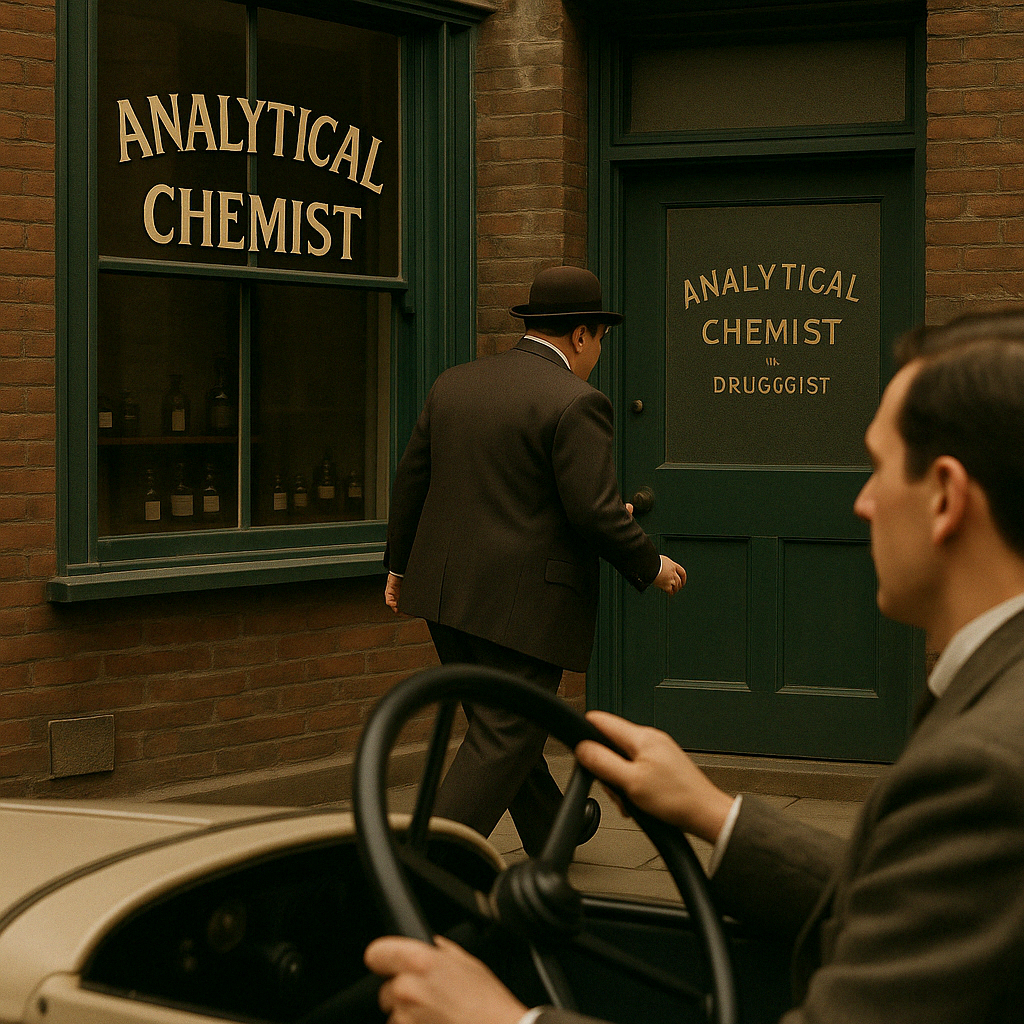
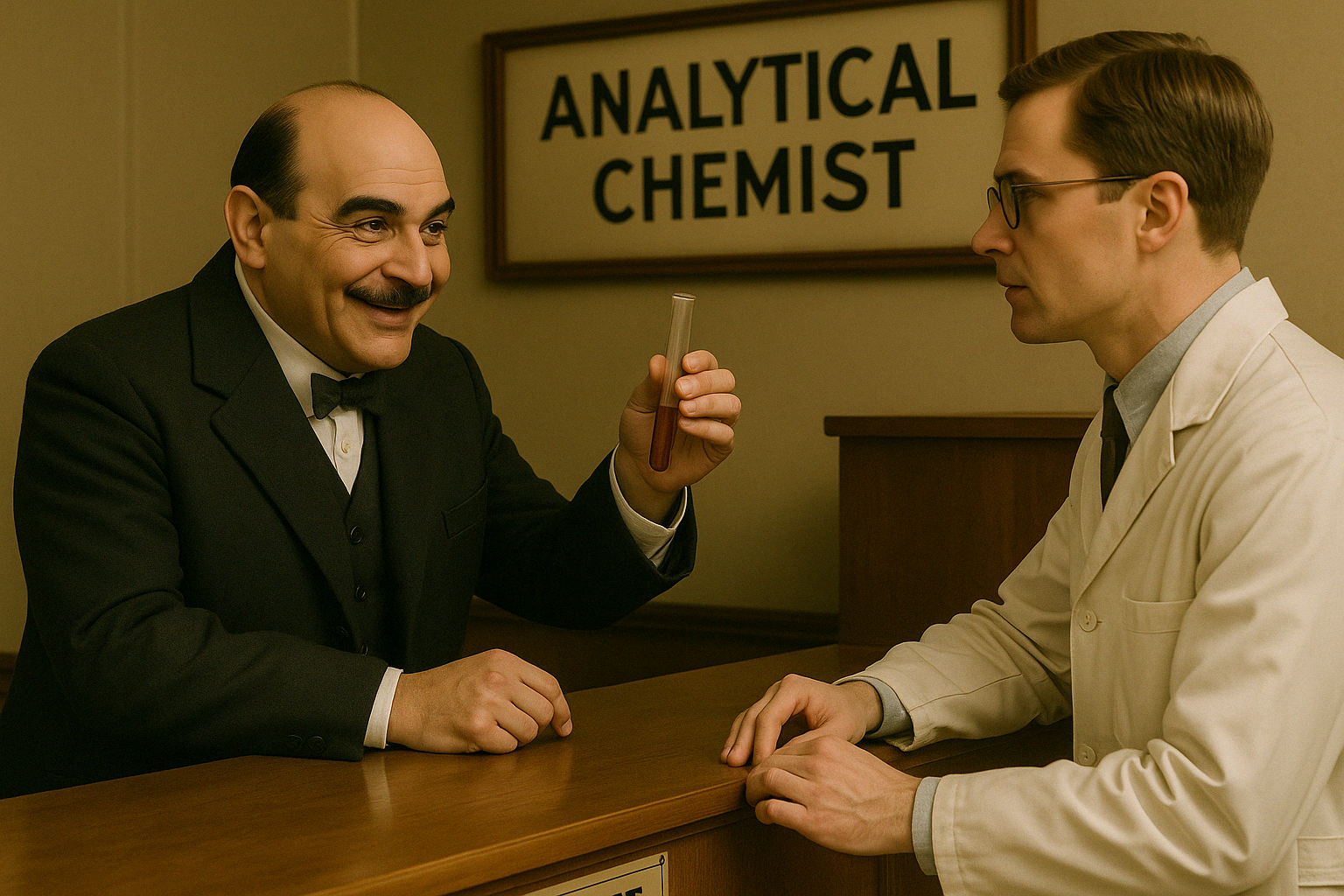
We were running into Tadminster now, and Poirot directed the car to the “Analytical Chemist.”
Poirot hopped down briskly, and went inside. In a few minutes he was back again.
その時ちょうど私たちはタドミンスターの街に入り、ポワロは車を<分析|化学|研究所>に向けさせた。ポワロは|さっさと|車を|降り、|中へ|入っていった。||そして|数分で戻ってきた。
“There,” he said. “That is all my business.”
「これで、|私の|用事は|すべて|終わった」
“What were you doing there?” I asked, in lively curiosity.
「中で|何を|していたんだ?」||私は|興味津々で|たずねた。
“I left something to be analysed.”
「あるものの|分析を|依頼|してきた」
“Yes, but what?”
「何を?」
“The sample of cocoa I took from the saucepan in the bedroom.”
「寝室の|ソースパンから|取った|ココアの|サンプル|だよ」
“But that has already been tested!” I cried, stupefied.
“Dr. Bauerstein had it tested, and you yourself laughed at the possibility of there being strychnine in it.”
「でも、|それは|もう|検査済み|じゃないか!」||私は|呆れて|言った。
「ドクター=バウアースタインが|調べたし、|君自身が|ストリキニーネが|入ってるなんて|笑い飛ばしてた|じゃないか」
“I know Dr. Bauerstein had it tested,” replied Poirot quietly.
「ドクター=バウアースタインが|検査したのは|知っているよ」と、|ポワロは|静かに|答えた。
“Well, then?”
「それじゃあ?」
“Well, I have a fancy for having it analysed again, that is all.”
「もう一度、|自分の|納得のいく|方法で|調べてみたく|なっただけさ」
And not another word on the subject could I drag out of him.
そして|この件に|ついては、|いくら|尋ねても、|それ以上の|ことを|ポワロの|口から|引き出すことは|できなかった。
This proceeding of Poirot’s, in respect of the cocoa, puzzled me intensely. I could see neither rhyme nor reason in it.
However, my confidence in him, which at one time had rather waned, was fully restored since his belief in Alfred Inglethorp’s innocence had been so triumphantly vindicated.
ポワロが|ココアを|分析に|出した|件は、|私に|とって|まったく|理解不能|だった。
どんな|意味が|あるのか、|まるで|見当が|つかなかった。
とはいえ、|かつては|少し|揺らいでいた|私の|彼への|信頼も、|ミスター=イングルソープの|無実が|見事に|証明|されたことで|完全に|回復|していた。
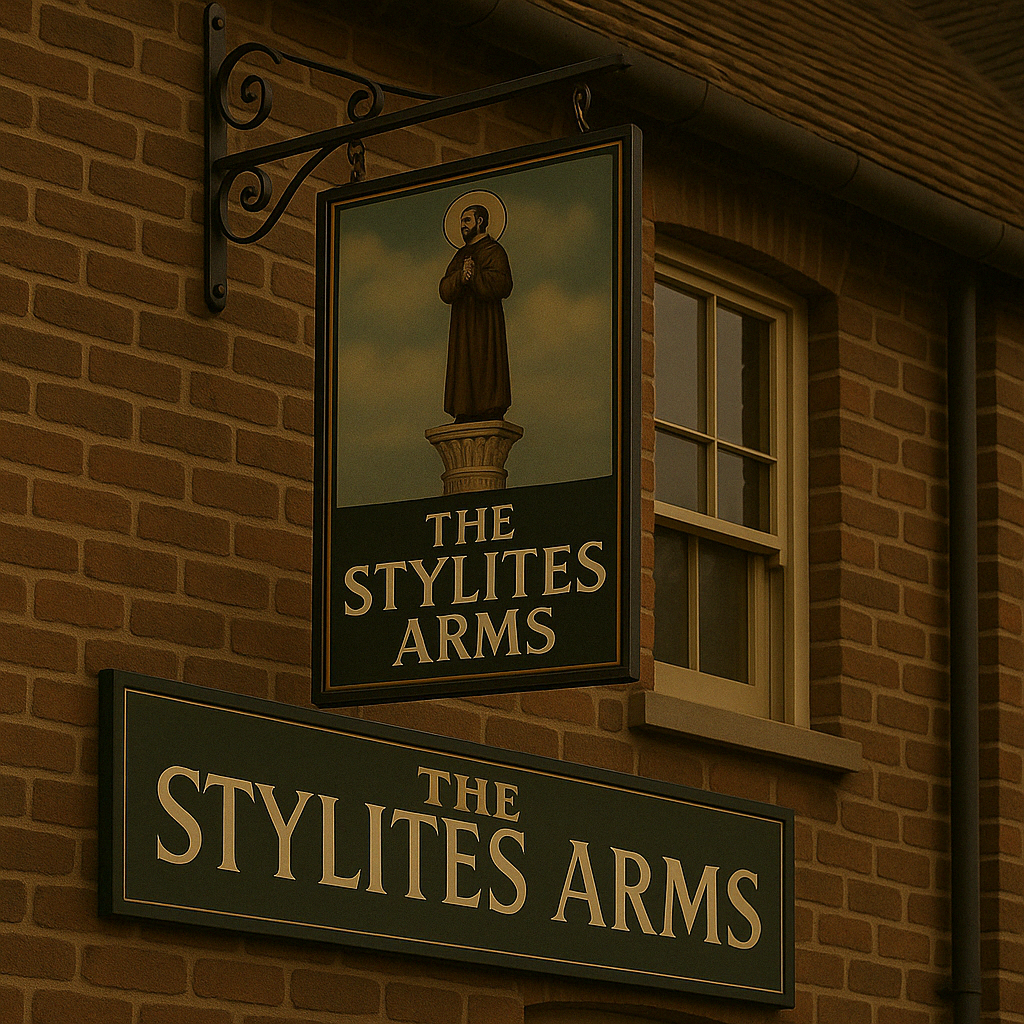
The funeral of Mrs. Inglethorp took place the following day, and on Monday, as I came down to a late breakfast, John drew me aside, and informed me that Mr. Inglethorp was leaving that morning, to take up his quarters at the Stylites Arms until he should have completed his plans.
ミセス=イングルソープの|葬儀は|その|翌日に|執り行われた。
そして|月曜日、|私は|遅めの|朝食を|とろうと|一階へ|降りていったが、|そのとき|ジョンが|私を|脇に|呼んで、|ミスター=イングルソープが|今朝|ここを|出発して、|スタイライツ=アームズ(宿屋)に|しばらく|滞在して、|今後の|ことを|決めることに|なったと|教えてくれた」
“And really it’s a great relief to think he’s going, Hastings,” continued my honest friend.
“It was bad enough before, when we thought he’d done it, but I’m hanged if it isn’t worse now, when we all feel guilty for having been so down on the fellow.
The fact is, we’ve treated him abominably. Of course, things did look black against him. I don’t see how anyone could blame us for jumping to the conclusions we did.
Still, there it is, we were in the wrong, and now there’s a beastly feeling that one ought to make amends; which is difficult, when one doesn’t like the fellow a bit better than one did before.
The whole thing’s damned awkward! And I’m thankful he’s had the tact to take himself off.
It’s a good thing Styles wasn’t the mater’s to leave to him. Couldn’t bear to think of the fellow lording it here. He’s welcome to her money.”
「正直、|彼が|出ていくと|聞いて、|ホッと|してるんだ」と、|ジョンは|続けた。
「以前、|彼が|犯人|かもしれないと|思ってた|ときも|つらかったけど、|今は|逆に|もっと|気まずい。
僕らは|彼に|対して、|ひどい|扱いを|していたんだ。||もちろん、|状況的に|彼が|怪しく|見えたし、|誰もが|あの|結論に|飛びつくのも|無理は|なかった。||でも|今となっては、|僕たちが|間違っていた|ことに|なる。||そうなると、|なんだか|埋め合わせを|しなきゃ|いけないような|気になるんだが、|肝心の|本人を、|今でも|全然|好きに|なれないから、|どうして|いいか|分からないんだ。
まったく|困った|話だ!||まあ、|彼が|自ら|身を|引いてくれて|助かったよ。
スタイルズを|母さんが|彼に|遺さなくて|よかった。||もし|彼が|この家を|相続|するなんて|ことに|なってたら、|考えただけでも|ゾッとする。||金の|ほうは、|好きに|使えば|いいけどな」
“You’ll be able to keep up the place all right?” I asked.
「君は|この屋敷を|維持して|いけるのかい?」と、|私は|尋ねた。

“Oh, yes. There are the death duties, of course, but half my father’s money goes with the place, and Lawrence will stay with us for the present, so there is his share as well.
We shall be pinched at first, of course, because, as I once told you, I am in a bit of a hole financially myself. Still, the Johnnies will wait now.”
「まあね。||相続税は|あるけど、|父さんの|財産の|半分は|この家と|一緒に|入ってきたし、|しばらくは|ローレンスも|一緒に|暮らすことに|なるから、|彼の|取り分も|加わる。||最初は|ちょっと|苦しいけど、|前に|言ったとおり、|僕|自身|ちょっと|借金が|あってね。||でも、|今なら|貸主たちも|待って|くれるだろう」
In the general relief at Inglethorp’s approaching departure, we had the most genial breakfast we had experienced since the tragedy. Cynthia, whose young spirits were naturally buoyant, was looking quite her pretty self again, and we all, with the exception of Lawrence, who seemed unalterably gloomy and nervous, were quietly cheerful, at the opening of a new and hopeful future.
ミスター=イングルソープが|出ていくことで、|私たちの|間に|安堵の|空気が|広がったので|私たちは、|あの|悲劇の|朝|以来、|最も|和やかな|雰囲気で|朝食を|とった。||若くて|元気な|シンシアは、|すっかり|元の|明るさを|取り戻していて、|唯一|ローレンス|だけが、|相変わらず|沈んでいて|神経質|そうだったが、|それ以外はみんな|新しい|希望に|向かって、|静かに|前を|向いていた。
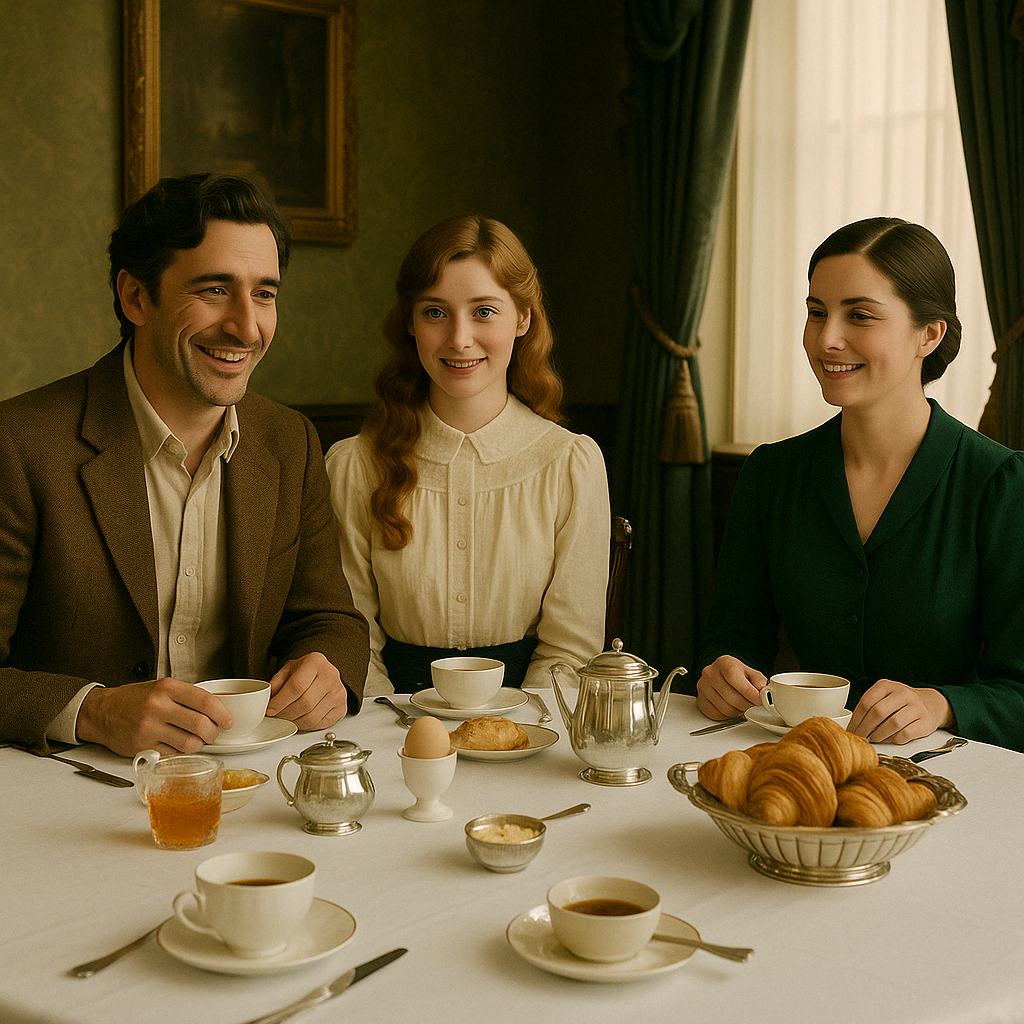
The papers, of course, had been full of the tragedy. Glaring headlines, sandwiched biographies of every member of the household, subtle innuendoes, the usual familiar tag about the police having a clue. Nothing was spared us. It was a slack time. The war was momentarily inactive, and the newspapers seized with avidity on this crime in fashionable life: “The Mysterious Affair at Styles” was the topic of the moment.
新聞は、|当然ながら|この事件を|大々的に|取り上げていた。
大見出し、|屋敷の|住人|全員の|略歴、|仄めかすような|小見出し、|そして|『警察は|手がかりを|握っている』といった|お決まりの|文句。
ありと|あらゆる|手段で、我々の|プライバシーは|踏みにじられた。
戦況が|小康状態に|入っていた|時期で、|新聞社は|この『上流階級の|殺人事件』に|飛びついたのだ。
『スタイルズの|怪事件』は、世間の|話題の|的|となった。
Naturally it was very annoying for the Cavendishes. The house was constantly besieged by reporters, who were consistently denied admission, but who continued to haunt the village and the grounds, where they lay in wait with cameras, for any unwary members of the household.
We all lived in a blast of publicity.
もちろん、|これは|キャヴンディッシュ|一家|にとって|大きな|ストレス|だった。||屋敷の|周囲には|記者が|張りつき、|何度|拒まれても|帰らず、|村や|敷地内で|カメラを|構えて、|油断した|家族を|狙っていた。
我々は、|世間が|大々的に|注目|する中で|暮らす|はめに|なった。
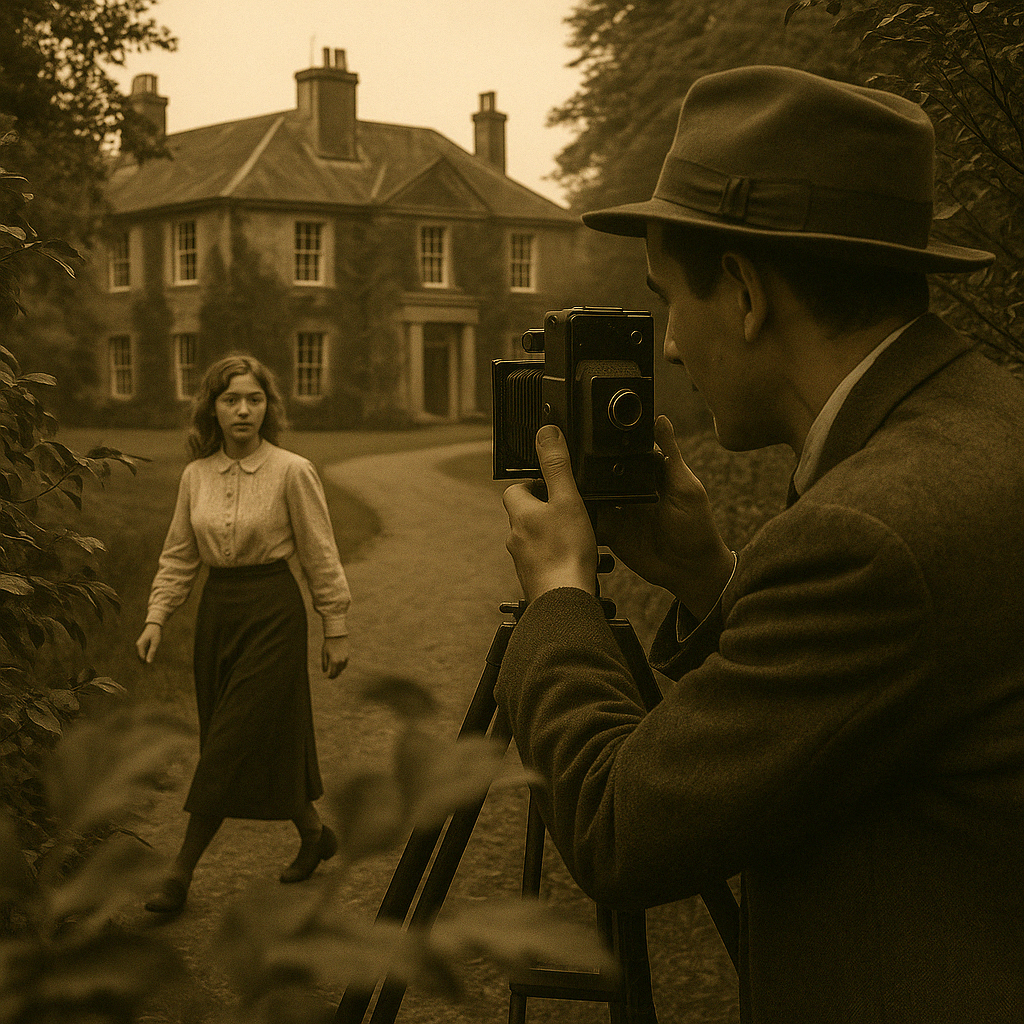
We all lived in a blast of publicity.
The Scotland Yard men came and went, examining, questioning, lynx-eyed and reserved of tongue.
Towards what end they were working, we did not know.
Had they any clue, or would the whole thing remain in the category of undiscovered crimes?
スコットランドヤードの|捜査官たちも、|入れ替わり|立ち替わり|やってきては、|鋭い|目つきで|調査と|尋問を|繰り返していた。
彼らが|何を|目指しているのか、|私たちには|さっぱり|分からなかった。
果たして|彼らは|本当に|手がかりを|掴んでいるのか?||それとも、|この事件は|『未解決事件』の|一つ|として|終わってしまうのか?
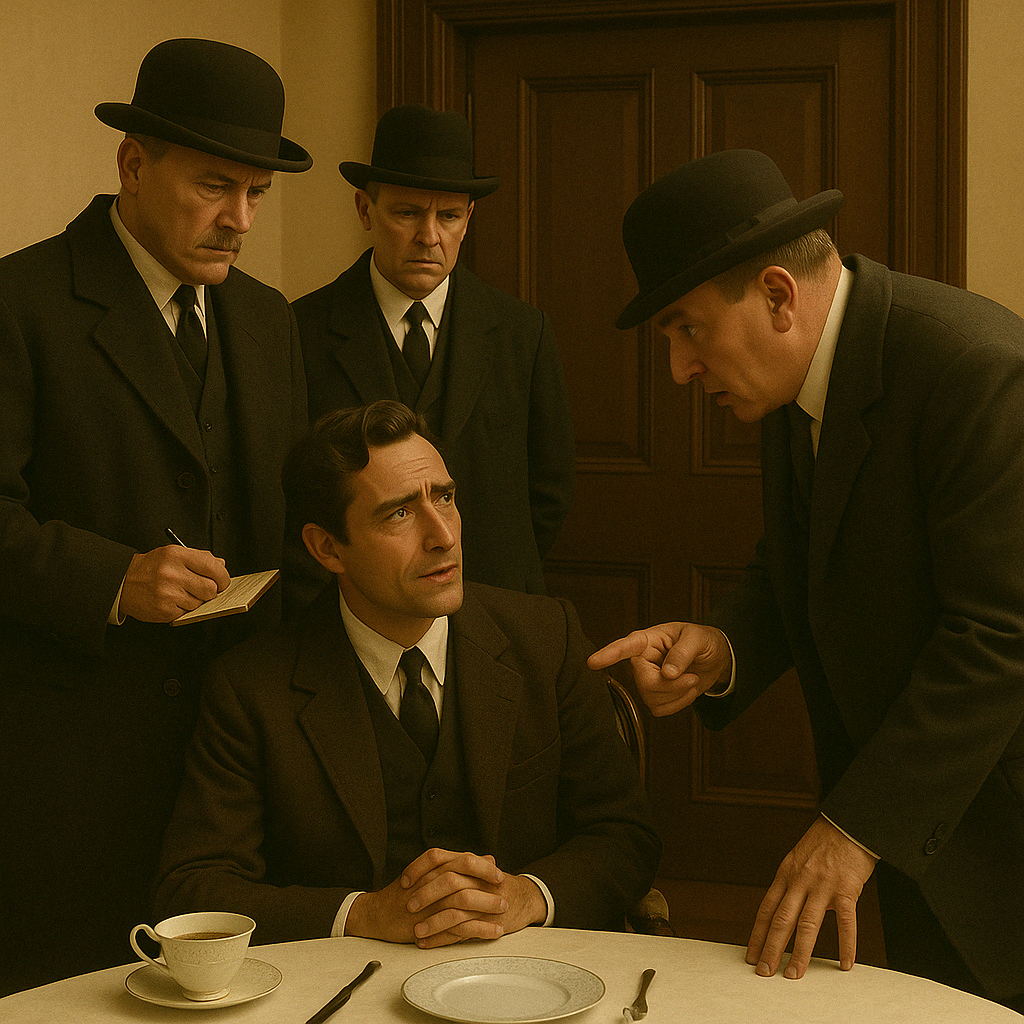
After breakfast, Dorcas came up to me rather mysteriously, and asked if she might have a few words with me.
朝食の|後、|ドーカスが|いかにも|何か|言いたげに、|私のもとへ|やってきて、|私と|少し|話が|できないかと|尋ねてきた。
“Certainly. What is it, Dorcas?”
「もちろん。||どうしたんだい、|ドーカス?」

“Well, it’s just this, sir. You’ll be seeing the Belgian gentleman to-day perhaps?”
「ベルギーの|紳士に、|今日|お会いになるかと|思いまして」
I nodded.
私は|うなずいた。
“Well, sir, you know how he asked me so particular if the mistress, or anyone else, had a green dress?”
「では、|以前、|あの|お方が|とても|念入りに|お尋ねに|なったこと、|覚えて|おいででしょうか。||奥さまか、|ほかの|どなたかが|緑の|ドレスを|持っていたか|という|件です」
“Yes, yes. You have found one?”
「ええ、|ええ、|覚えてますよ。||何か|見つかったのですか?」
My interest was aroused.
私は|一気に|興味を|引かれた。
“No, not that, sir. But since then I’ve remembered what the young gentlemen”
—John and Lawrence were still the “young gentlemen” to Dorcas—“call the ‘dressing-up box.’ It’s up in the front attic, sir.
A great chest, full of old clothes and fancy dresses, and what not.
And it came to me sudden like that there might be a green dress amongst them.
So, if you’d tell the Belgian gentleman——”
「いえ、|それでは|ないのですが。||でも|その後で|ふと|思い出しました。||『おぼっちゃま』がたが」||ジョンも|ローレンスも、|ドーカスに|とっては|まだ『おぼっちゃま』|なのだ||「たまに|使う|仮装箱の|ことです。||屋敷の|前方の|屋根裏部屋に|ある、|大きな|箱|なんですよ。||中には|古い|服|やら|仮装用の|衣装|やら、|いろんなものが|いっぱい|入ってましてね。||ふと、|あの中に|緑色の|ドレスが|ある|かもしれません。||ですから、|ベルギーの|ご紳士に|お伝え|いただければと|思いまして」
“I will tell him, Dorcas,” I promised.
「伝えますよ、|ドーカス」||私は、|約束した。
“Thank you very much, sir.
A very nice gentleman he is, sir. And quite a different class from them two detectives from London, what goes prying about, and asking questions.
I don’t hold with foreigners as a rule, but from what the newspapers say I make out as how these brave Belges isn’t the ordinary run of foreigners, and certainly he’s a most polite spoken gentleman.”
「ありがとう|ございます、|旦那さま。||あの方は|とても|素敵な|紳士ですね。||ロンドンから|来た|二人の|刑事とは|まるで|違いますよ。||あの二人|ときたら、|根掘り|葉掘り|聞き回って。||あたしはね、|もともと|外国の|人|ってのは|好きじゃ|ありませんよ。||でも|新聞を|読むかぎりじゃ、|この|『勇敢な|ベルギーの|人たち』は、|ほかの|外国人|とは|違うみたいですし、|それに、|あの方は|ほんとに|物腰の|やわらかい、|礼儀正しい|紳士で|いらっしゃいますね」
Dear old Dorcas!
As she stood there, with her honest face upturned to mine, I thought what a fine specimen she was of the old-fashioned servant that is so fast dying out.
I thought I might as well go down to the village at once, and look up Poirot; but I met him half-way, coming up to the house, and at once gave him Dorcas’s message.
愛すべき|ドーカス!
私の|顔を|見上げる|その|誠実そうな|表情を|見ていると、|私は|彼女こそ|『昔気質の|召使い』というものの|立派な|典型|だと|つくづく|思った。||そんな|人たちも、|今では|滅多に|見られない。
それなら|今のうちに|村へ|降りて、|ポワロに|会っておこうか。||そう|思って|外へ|出たが、|ちょうど|彼が|こちらに|向かって|歩いてくるのと|すれ違った。
私は|さっそく|ドーカスの|伝言を|彼に|伝えた。
“Ah, the brave Dorcas! We will look at the chest, although—but no matter—we will examine it all the same.”
「なんと|立派な、|ドーカス!」と、|ポワロは言った。
「その|箱を|見てみよう。||とはいえ、|まあいい、|調べてみよう」
We entered the house by one of the windows. There was no one in the hall, and we went straight up to the attic.
Sure enough, there was the chest, a fine old piece, all studded with brass nails, and full to overflowing with every imaginable type of garment.
私たちは|窓から|屋敷に|入った。||ホールには|誰も|いなかったので、|そのまま|屋根裏部屋へと|直行した。
確かに、|そこには|大きな|箱が|あった。||真鍮の|鋲で|飾られた、|立派な|古い|トランクで、|中には|衣装|という|衣装が|ぎっしり|詰まっていた。
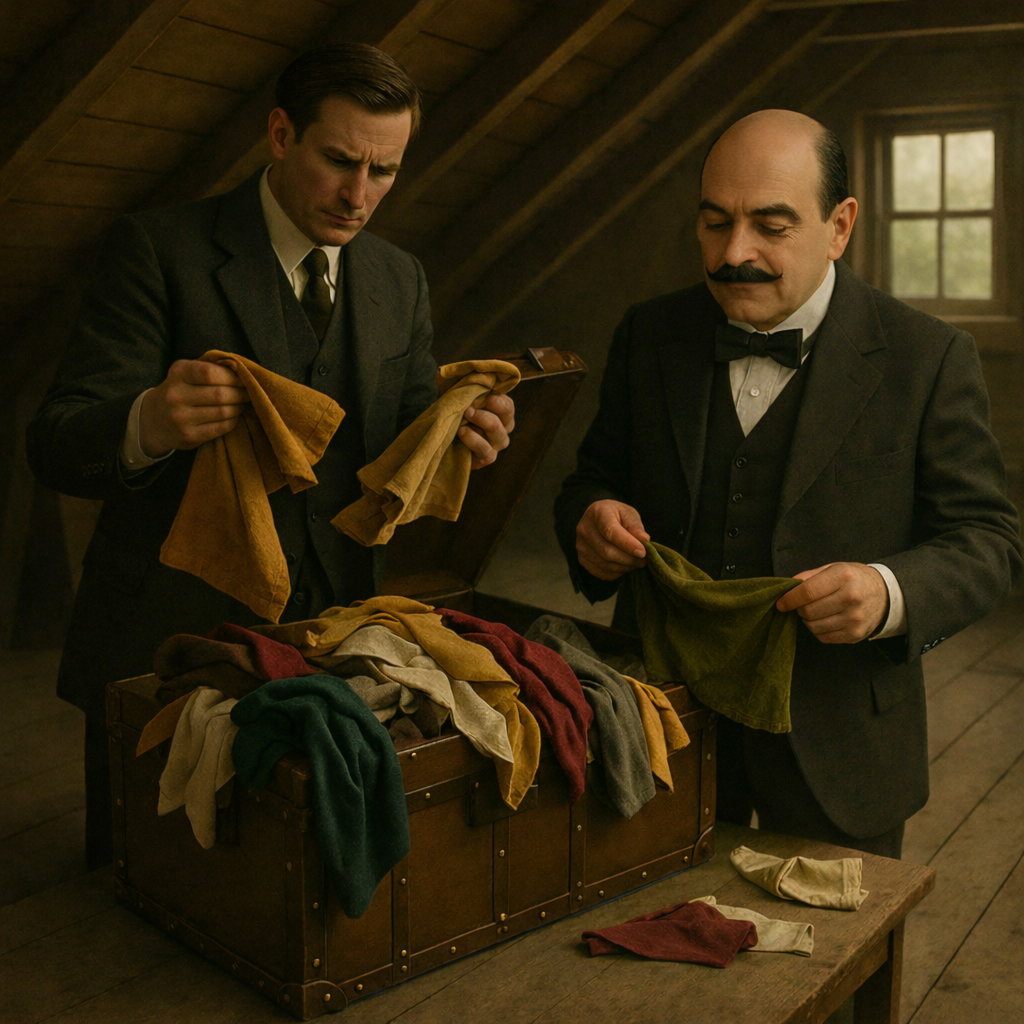
Poirot bundled everything out on the floor with scant ceremony. There were one or two green fabrics of varying shades; but Poirot shook his head over them all. He seemed somewhat apathetic in the search, as though he expected no great results from it.
Suddenly he gave an exclamation.
ポワロは|まるで|礼儀も|へったくれも|なく、|中の|衣装を|まとめて|床に|ぶちまけた。
緑色の|布が|いくつか|出てきたが、|どれも|違った。
ポワロは|首を|振り、|どうも|期待|していない|様子で、|気乗り|しないように|見えた。
ところが|突然、|彼が|声を|上げた。
“What is it?”
「なんだい?」私は、|訊いた。
“Look!”
「見たまえ!」
The chest was nearly empty, and there, reposing right at the bottom, was a magnificent black beard.
箱の中は|もう|ほとんど|空|だったが、|底の方に、|
なんと|立派な|黒い|つけひげが|あったのだ。
“Ohó!” said Poirot.
「おおおっ!」と、|ポワロは|言った。
“Ohó!”
「おおおっ!」
He turned it over in his hands, examining it closely.
彼は|それを|手に|取り、|じっくり|観察した。
“New,” he remarked.
「新品|だな」と、彼は|言った。
“Yes, quite new.”
「うむ、|間違いなく|新しい」
After a moment’s hesitation, he replaced it in the chest, heaped all the other things on top of it as before, and made his way briskly downstairs.
He went straight to the pantry, where we found Dorcas busily polishing her silver.
Poirot wished her good morning with Gallic politeness, and went on:
少し|考え込んだ|あとで、|ポワロは|その|ヒゲを|再び|箱の|底に|戻し、|他の|衣装を|元どおりに|戻してから、|足早で|階段を|下りていった。
私たちは|そのまま|台所の|ほうへ|行き、|銀器を|磨いていた|ドーカスを|見つけた。
ポワロは|フランス流の|丁寧な|あいさつで|彼女に|声をかけ、|こう|続けた。
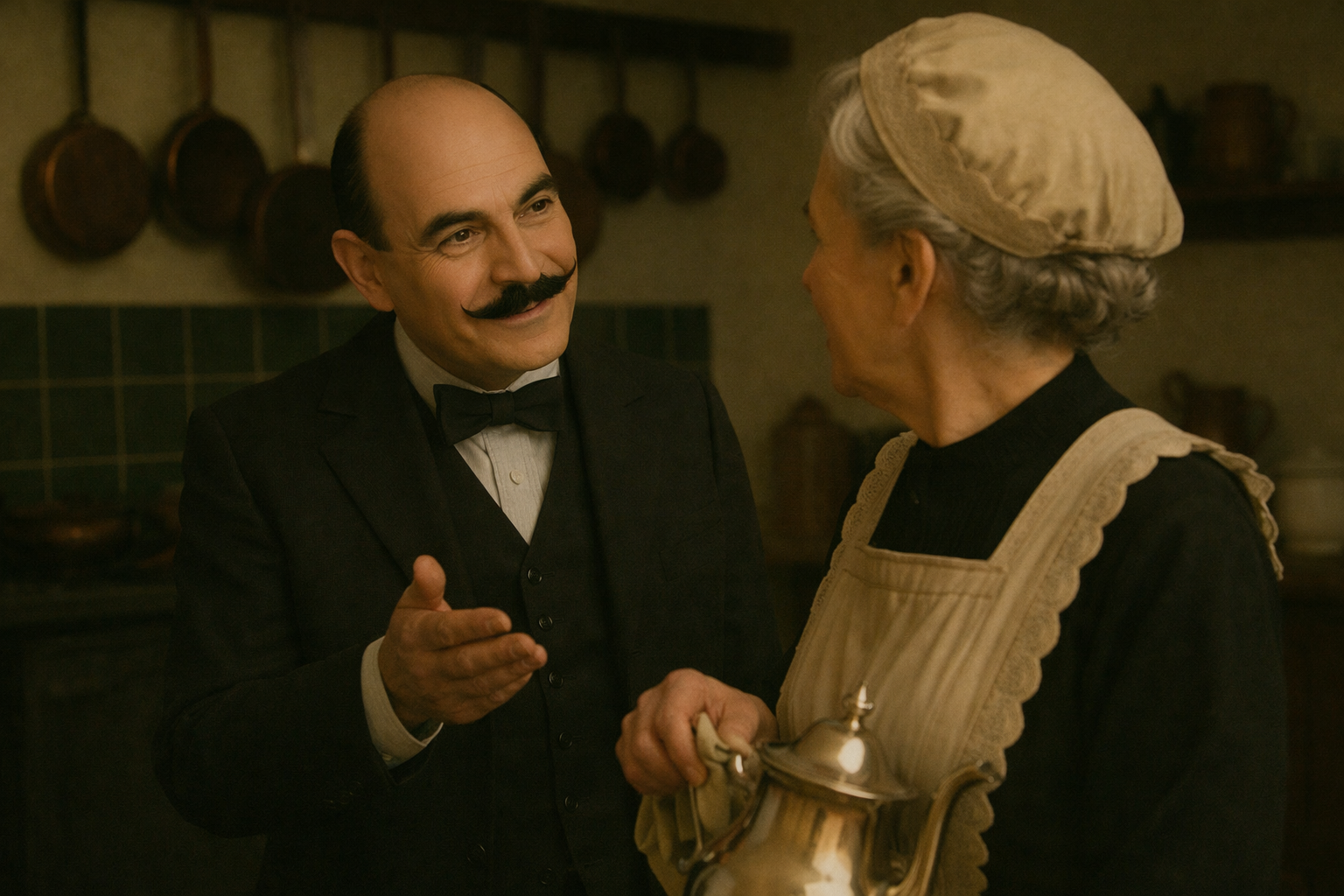
“We have been looking through that chest, Dorcas. I am much obliged to you for mentioning it.
There is, indeed, a fine collection there. Are they often used, may I ask?”
「あの箱を|調べてきました、|ドーカス。||教えて|いただき|感謝|いたします。||あれは|なかなか|立派な|コレクション|ですね。||ところで、|あれは|よく|使われて|いるのですか?」
“Well, sir, not very often nowadays, though from time to time we do have what the young gentlemen call ‘a dress-up night.’
And very funny it is sometimes, sir.
Mr. Lawrence, he’s wonderful. Most comic!
I shall never forget the night he came down as the Char of Persia, I think he called it—a sort of Eastern King it was. He had the big paper knife in his hand, and ‘Mind, Dorcas,’ he says, ‘you’ll have to be very respectful. This is my specially sharpened scimitar, and it’s off with your head if I’m at all displeased with you!’
Miss Cynthia, she was what they call an Apache, or some such name—a Frenchified sort of cut-throat, I take it to be. A real sight she looked. You’d never have believed a pretty young lady like that could have made herself into such a ruffian. Nobody would have known her.”
「ええ、|旦那さま。||最近では|あまり|使いませんけど、|たまに、|おぼっちゃま方が|『仮装の|夜』というのを|やっておられましてね。||とても|面白いんですよ、|ほんとに。||ミスター=ローレンス|なんて、|素晴らしくて、|もう|最高|でしたよ。
あの|晩の|ことは|忘れられませんよ。||たしか『ペルシャの|シャー』とか|おっしゃってたと|思いますけど。||東洋の|王様の|ような|お姿を|されて。||大きな|ペーパーナイフを|お持ちになって、|『ドーカス、|気をつけるが|よいぞ。||これは|特別に|研いだ|シミター(三日月型の|剣 )だ。||私の|機嫌を|損ねたら、|首が|飛ぶと|思え!』|なんて|おっしゃるんですよ!
マドモワゼル=シンシアは|『アパッチ』とか、|そんな|名前で、|たぶん|フランス風の|ごろつきだと|思ったのですが。||もう、|見違えるほど|でして。||あんな|可愛らしい|お嬢さんが、|あそこまで|悪党に|化けられる|なんてねえ。||誰も|思いませんよ」

“These evenings must have been great fun,” said Poirot genially.
“I suppose Mr. Lawrence wore that fine black beard in the chest upstairs, when he was Shah of Persia?”
「さぞかし|楽しい|晩|だったでしょう」と、|ポワロは|和やかに|言った。
「ところで|ミスター=ローレンスが|その『ペルシャの|シャー』を|演じたとき、|あの|立派な|黒い|ヒゲを|使われたんでしょうか?」
“He did have a beard, sir,” replied Dorcas, smiling.
“And well I know it, for he borrowed two skeins of my black wool to make it with! And I’m sure it looked wonderfully natural at a distance.
I didn’t know as there was a beard up there at all. It must have been got quite lately, I think. There was a red wig, I know, but nothing else in the way of hair.
Burnt corks they use mostly—though ‘tis messy getting it off again.
Miss Cynthia was a nigger once, and, oh, the trouble she had.”
「ええ、|確かに|ヒゲを|つけられてましたよ」と、|ドーカスは|にっこり|笑った。
「よく|覚えてますよ。||だって|あの|ヒゲ、|私の|黒い|毛糸を|2玉も|使って|作られたんですから。||遠くから|見ると|とても|自然|でしてね。でも|今、|箱に|ヒゲが|入ってる|というのは|知りませんでした。||それは|最近、|新しく|加わったんじゃ|ないかしら。||赤い|カツラなら|ありましたけど、|他の|毛の|モノは|なかったと|思います。||たいていは|焦がした|コルクを|使うんですけどね。||あれは|落とすのが|また|大変で。||マドモワゼル=シンシア|なんて、|昔|黒人の|仮装を|して|大変|でしたよ。||いやもう、|たいへんな|騒ぎで」
“So Dorcas knows nothing about that black beard,” said Poirot thoughtfully, as we walked out into the hall again.
「つまり、|ドーカスは|あの|黒い|ひげの|ことは|何も|知らなかった|というわけか」||ポワロは|考え込む|ように|言いながら、|私たちは|再び|ホールへと|出た。
“Do you think it is the one?” I whispered eagerly.
「あれが|例の|『つけひげ』|だと|思うかい?」||私は|興奮気味に|ささやいた。
Poirot nodded.
ポワロは|うなずいた。
“I do. You notice it had been trimmed?”
「思うよ。||君は|気づいたかい?||あれは|手入れ|されていたんだ」
“No.”
「いや、|全然」
“Yes. It was cut exactly the shape of Mr. Inglethorp’s, and I found one or two snipped hairs. Hastings, this affair is very deep.”
「そう。||ちょうど|ミスター=イングルソープの|ひげの|形に|整えられていたんだ。||それに、|切ったあとの|毛が|何本か|残っていた。||ヘイスティングス、|これは|なかなか|根の深い|事件だ」
“Who put it in the chest, I wonder?”
「いったい|誰が、|あの箱に|つけひげを|隠したんだろう?」
“Someone with a good deal of intelligence,” remarked Poirot dryly.
“You realize that he chose the one place in the house to hide it where its presence would not be remarked?
Yes, he is intelligent. But we must be more intelligent. We must be so intelligent that he does not suspect us of being intelligent at all.”
「相当|頭の切れる|人物だよ」と、|ポワロは|皮肉っぽく|言った。
「考えて|みたまえ。||屋敷の|中で|そこに|つけひげが|あっても、|誰も|不審に|思わない|場所を、|わざわざ|選んで|隠したんだ。||そうだ、|彼は|賢い。||だが|我々は|それ以上に|賢く|ならねば|ならない。||彼が、|我々を|賢いと|疑わない|くらいにね」
I acquiesced.
私は|うなずいた。
“There, mon ami, you will be of great assistance to me.”
「そこで、|モナミ、|君が|大いに|助けに|なってくれるんだ」
I was pleased with the compliment. There had been times when I hardly thought that Poirot appreciated me at my true worth.
この|言葉には、|私は|思わず|顔を|ほころばせた。||ポワロは|時に、|私の|実力を|正当に|評価|していないのでは|ないかと|思っていたのだ。
“Yes,” he continued, staring at me thoughtfully, “you will be invaluable.”
「そう」||ポワロは|じっと|私を|見つめながら|続けた。
「君は|かけがえのない|存在だよ」
This was naturally gratifying, but Poirot’s next words were not so welcome.
実に|嬉しい|評価だったが、|次の|言葉は|あまり|ありがたくなかった。
“I must have an ally in the house,” he observed reflectively.
「だが、|屋敷の|中に|もう一人|協力者が|欲しいのだ」と、|ポワロは|考え込んで|言った。
“You have me,” I protested.
「僕が|いるじゃ|ないか」と、私は|言い返した。
“True, but you are not sufficient.”
「確かに、|だが|それだけでは|足りない」
I was hurt, and showed it. Poirot hurried to explain himself.
私は|少し|傷ついた|顔をした。||すると|ポワロは|慌てて|説明を|加えた。
“You do not quite take my meaning. You are known to be working with me. I want somebody who is not associated with us in any way.”
「誤解|しないでくれ。||君が|不十分だ|という|意味では|ないんだ。||ただ、|君は|私と|一緒に|動いているのが|周知の|事実だ。||誰にも|知られず、|私と|関係|していない|人物が|必要|なんだよ」
“Oh, I see. How about John?”
「なるほど。||じゃあ、|ジョンは|どうだろう?」
“No, I think not.”
「いや、|それも|難しいな」
“The dear fellow isn’t perhaps very bright,” I said thoughtfully.
「彼は、|まあ、|そんなに|気の利く|人間とは|いえないからな」
私は|少し|遠慮がちに|言った。
“Here comes Miss Howard,” said Poirot suddenly.
“She is the very person. But I am in her black books, since I cleared Mr. Inglethorp. Still, we can but try.”
「おっ、|ミス=ハワードが|こっちに|来てる」
ポワロが|急に|声を|潜めて|言った。
「彼女こそ、|うってつけだ。||もっとも、|私が|ミスター=イングルソープを|無罪に|したせいで、|今の|私は|彼女に|嫌われているが。||それでも、|試してみる|価値は|ある」
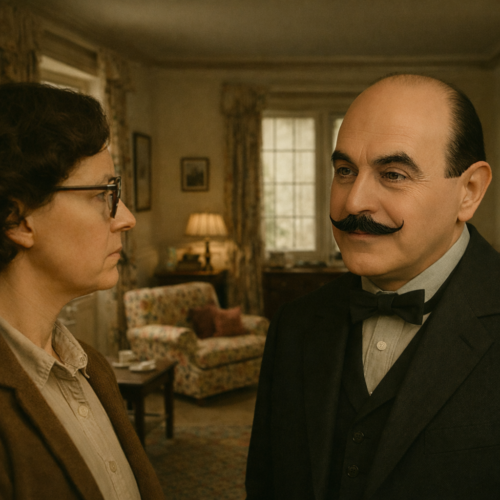
With a nod that was barely civil, Miss Howard assented to Poirot’s request for a few minutes’ conversation.
We went into the little morning-room, and Poirot closed the door.
ポワロの|『数分だけ|話を|したい』という|申し出に|対し、|ミス=ハワードは|ほとんど|無礼と|言ってよいほど|素っ気なく|うなずいた。
私たちは|小部屋に|入り、|ポワロは|ドアを|閉めた。

“Well, Monsieur Poirot,” said Miss Howard impatiently,
“what is it? Out with it. I’m busy.”
「さあ、|ムッシュ=ポワロ」||ミス=ハワードは|苛立ったように|言った。
「何の|話?||早くして|ちょうだい。||忙しいの」
“Do you remember, mademoiselle, that I once asked you to help me?”
「覚えて|おいでですか、|マドモワゼル。||かつて|私が|あなたに|助けを|求めたことを?」
“Yes, I do.” The lady nodded.
“And I told you I’d help you with pleasure—to hang Alfred Inglethorp.”
「ええ、|覚えてるわ」
彼女は|うなずいた。
「喜んで|協力すると|言ったはずよ。||アルフレッド=イングルソープを|絞首刑に|するためならね」
“Ah!” Poirot studied her seriously.
“Miss Howard, I will ask you one question. I beg of you to reply to it truthfully.”
「おお!」
ポワロは|真剣な|眼差しで|彼女を|見つめた。
「ミス=ハワード、|ひとつだけ|質問させて|ください。||どうか|正直に|お答えを」
“Never tell lies,” replied Miss Howard.
「私は|嘘なんて|つかないわよ」
“It is this. Do you still believe that Mrs. Inglethorp was poisoned by her husband?”
「では、|でも、|ミセス=イングルソープは|夫に|毒殺|されたと|信じて|おられますか?」
“What do you mean?” she asked sharply.
“You needn’t think your pretty explanations influence me in the slightest. I’ll admit that it wasn’t he who bought strychnine at the chemist’s shop. What of that? I dare say he soaked fly paper, as I told you at the beginning.”
「どういう|意味?」||彼女は、|鋭く|問い返した。
「あなたの|小ぎれいな|説明なんて、|私は|一切|影響|されてないわよ。||薬局で|ストリキニーネを|買ったのが|あの男じゃ|ないってのは|認めるわ。||だから何?|| 私が|言った通り、|ハエ取り紙を|煮出したのかも|しれないじゃない」
“That is arsenic—not strychnine,” said Poirot mildly.
「それは|ヒ素|です。||ストリキニーネ|では|ありません」||ポワロは|穏やかに|言った。
“What does that matter? Arsenic would put poor Emily out of the way just as well as strychnine. If I’m convinced he did it, it doesn’t matter a jot to me how he did it.”
「それが|何よ?|| ヒ素|だって|ストリキニーネと|同じように、|可哀想な|エミリーを|殺せたでしょうよ。||私が|あの男が|やったと|確信|してるんだから、|どんな|方法|だろうと|関係ないわ」
“Exactly. If you are convinced he did it,” said Poirot quietly.
“I will put my question in another form. Did you ever in your heart of hearts believe that Mrs. Inglethorp was poisoned by her husband?”
「なるほど。||あなたが|『確信|しているなら』|ですね」||ポワロは|静かに|言った。
「では、|質問の|形を|変えましょう。||あなたの|心の|奥底で、|本当に|ミセス=イングルソープが|夫に|毒殺|されたと|信じていた|ことが|一度でも|ありましたか?」
“Good heavens!” cried Miss Howard.
“Haven’t I always told you the man is a villain? Haven’t I always told you he would murder her in her bed?
Haven’t I always hated him like poison?”
「なんですって?」
ミス=ハワードは|叫んだ。
「私は|いつだって|あの男が|悪党だって|言ってきたでしょう?|| 彼女を|ベッドで|殺すだろうって。||ずっと、|あの男を|毒みたいに|嫌ってきたわ!」
“Exactly,” said Poirot.
“That bears out my little idea entirely.”
「まさに|その通り」||ポワロは|うなずいた。
「そのことこそ、|私の、|ちょっとした|考えを|裏付けるのです」
“What little idea?”
「ちょっとした|考えって|何よ?」
“Miss Howard, do you remember a conversation that took place on the day of my friend’s arrival here?
He repeated it to me, and there is a sentence of yours that has impressed me very much.
Do you remember affirming that if a crime had been committed, and anyone you loved had been murdered, you felt certain that you would know by instinct who the criminal was, even if you were quite unable to prove it?”
「ミス=ハワード、|我が|友人が|この|屋敷に|来た|日、|あなたと|交わした|会話を|覚えていますか?||彼が|私に|教えてくれました。||その中の|あなたの|ある|言葉が、|非常に|印象に|残っているのです。||あなたは|こう|おっしゃいましたね。||『もし|愛する|誰かが|殺されたら、|証拠が|なくても|本能で|犯人が|誰かは|わかると|思う』と」
“Yes, I remember saying that. I believe it too. I suppose you think it nonsense?”
「ええ、|言ったわ。||それがどうしたの?|| あなたは|そんなの|馬鹿げてるって|思ってるんでしょう?」
“Not at all.”
「とんでもない」
“And yet you will pay no attention to my instinct against Alfred Inglethorp.”
「でも、|私の|本能が|イングルソープに|向けられて|いるのは|無視するって|ことね」
“No,” said Poirot curtly.
“Because your instinct is not against Mr. Inglethorp.”
「はい」||ポワロは|きっぱり|言った。
「なぜなら、|あなたの|本能は|ミスター=イングルソープに|向けられて|いないからです」
“What?”
「なんですって?」
“No. You wish to believe he committed the crime. You believe him capable of committing it.But your instinct tells you he did not commit it.It tells you more—shall I go on?”
「そう。|あなたは|『彼が|犯人|であってほしい』と|願っているのです。||彼が|それを|やりかねない|男だと|信じている。||でも、|あなたの|本能は|『彼では|ない』と|言っている。||そして|さらに、|続きを|言っても|よろしいですか?」
She was staring at him, fascinated, and made a slight affirmative movement of the hand.
ミス=ハワードは|息をのんで|ポワロを|見つめ、|かすかに|手を|動かして|続きを|促した。
“Shall I tell you why you have been so vehement against Mr. Inglethorp?
It is because you have been trying to believe what you wish to believe. It is because you are trying to drown and stifle your instinct, which tells you another name——”
「なぜ|あなたが|あれほど|激しく|彼を|責め続けてきたのか?||それはね、|信じたい|ことを|信じ込もうと|してきたからです。||本当は|違うと|わかっている|自分の|本能を、|必死で|押し殺そうと|してきたのです。||あなたの|本能は、|別の|名前を|囁いている」
“No, no, no!” cried Miss Howard wildly, flinging up her hands.
“Don’t say it! Oh, don’t say it! It isn’t true! It can’t be true.
I don’t know what put such a wild—such a dreadful—idea into my head!”
「違う、|違う、|違う!」||ミス=ハワードは|狂ったように|叫び、|両手を|振り上げた。
「黙って!||言わないで!|| そんなの|嘘!|| 嘘に|決まってる!||なんで|あんな|恐ろしい|とんでもない|考えが|私の|頭に|浮かんだのか|わからない!」
“I am right, am I not?” asked Poirot.
「私は|正しいでしょう、|違いますか?」||ポワロが|尋ねた。
“Yes, yes; you must be a wizard to have guessed. But it can’t be so—it’s too monstrous, too impossible. It must be Alfred Inglethorp.”
「ええ、|ええ、|あなたは|魔法使いね、|まさか|そんなことまで。||でも、|違う。||そんなはずは|ない!|| 犯人は|アルフレッド=イングルソープ!」
Poirot shook his head gravely.
ポワロは|深刻な|面持ちで|首を|振った。
“Don’t ask me about it,” continued Miss Howard, “because I shan’t tell you. I won’t admit it, even to myself.
I must be mad to think of such a thing.”
「もう|聞かないで」||ミス=ハワードは|言った。
「絶対に|誰の|名前も|言わない。||自分自身|でさえ|認めたく|ないから。||こんなこと|考えるなんて、|私、|どうかしてる!」
Poirot nodded, as if satisfied.
“I will ask you nothing. It is enough for me that it is as I thought. And I—I, too, have an instinct. We are working together towards a common end.”
ポワロは|満足げに|うなずいた。
「もう|何も|聞きません。||私の|考えている|通りだった。||それが|わかれば|十分です。||そして|私にも、|ひとつの|本能が|ある。||私たちは|同じ|目的に|向かって|進んでいます」
“Don’t ask me to help you, because I won’t. I wouldn’t lift a finger to—to——”
She faltered.
「でも、|協力なんて|お願い|しないで。||私は|何も|しない。||指一本|だって」
彼女の|声は|途切れた。
“You will help me in spite of yourself. I ask you nothing—but you will be my ally.
You will not be able to help yourself.
You will do the only thing that I want of you.”
「あなたは|きっと|協力して|くださいますよ。||私は|何も|頼みません。||ですが、|あなたは|知らず知らずの|うちに|私に|協力|してくれるでしょう。||私が|望む|たった|一つのことを|してくれる|はずです」
“And that is?”
「それは|何?」
“You will watch!”
「見張ってくれる!」
Evelyn Howard bowed her head.
ミス=ハワードは|そっと|うなずいた。
“Yes, I can’t help doing that. I am always watching—always hoping I shall be proved wrong.”
「ええ、|それなら、|止めようがない。||私は|いつだって|見張ってる。||自分が|間違っていたと|証明|されるのを、|ずっと|願っているのよ」
“If we are wrong, well and good,” said Poirot. “No one will be more pleased than I shall. But, if we are right? If we are right, Miss Howard, on whose side are you then?”
「もし|私たちが|間違っていたら、|それは|それで|素晴らしい|ことです」と、|ポワロは|言った。
「私|以上に|喜ぶ|者は|いないでしょうね。||でも、|もし|私たちが|正しかったら?|| ミス=ハワード、|正しかった|場合、|あなたは|どちらに|つきますか?」
“I don’t know, I don’t know——”
「わからない、|わからないの」
“Come now.”
「どうしましょうか」
“It could be hushed up.”
「揉み消すことは|できないかしら」
“There must be no hushing up.”
「揉み消しては|いけません」
“But Emily herself——” She broke off.
「でも、|エミリー|自身が」||彼女は|言いかけて口を|つぐんだ。
“Miss Howard,” said Poirot gravely, “this is unworthy of you.”
「ミス=ハワード、|それは|あなたらしく|ありません」
ポワロは、|厳しく|言った。
Suddenly she took her face from her hands.
すると、|彼女は|顔から|手を|離し、|しっかりと|顔を|上げた。
“Yes,” she said quietly, “that was not Evelyn Howard who spoke!”
「そうね」||彼女は|静かに|言った。
「今のは、|私じゃ|なかった」
She flung her head up proudly.
彼女は|誇らしげに|頭を|上げた。
“This is Evelyn Howard! And she is on the side of Justice! Let the cost be what it may.”
「これが|本当の|エヴリン=ハワード!||そして|私は|正義の|側に|立つ。||たとえ|どんな|犠牲を|払ってでもね」
And with these words, she walked firmly out of the room.
そう言って、|彼女は|きぜんとして|部屋を|出て行った。
“There,” said Poirot, looking after her, “goes a very valuable ally. That woman, Hastings, has got brains as well as a heart.”
「ご覧なさい」||ポワロは|去っていく|彼女を|見ながら言った。
「非常に|価値のある|協力者が|いる。||あの女性は、|ヘイスティングス、|頭脳も、|そして|心も|ある」
I did not reply.
私|何も|答えなかった。
“Instinct is a marvellous thing,” mused Poirot.
“It can neither be explained nor ignored.”
「本能|というものは|素晴らしい」||ポワロは|物思いに|ふけった。||「理屈では|説明|できないし、|無視も|できない」
“You and Miss Howard seem to know what you are talking about,” I observed coldly.
“Perhaps you don’t realize that I am still in the dark.”
「君と|ミス=ハワードの|間では|話が|通じてる|ようだけど」||私は|冷たく|言った。
「僕は|まだ|まったく|蚊帳の外だよ」
“Really? Is that so, mon ami?”
「本当に?|| そうかな、|モナミ?」
“Yes. Enlighten me, will you?”
「ああ。||何が|起きているのか、|説明|してくれないか?」
Poirot studied me attentively for a moment or two. Then, to my intense surprise, he shook his head decidedly.
ポワロは|私を|しばらく|じっと|見つめ、|そして|驚いたことに、|きっぱりと|首を|振った。
“No, my friend.”
「いや、|今回は|君でも|教えられない」
“Oh, look here, why not?”
「なんだって? ||どうして?」
“Two is enough for a secret.”
「秘密は|二人いれば|十分なんだ」
“Well, I think it is very unfair to keep back facts from me.”
「それは|不公平だ。||情報を|隠してるじゃ|ないか」
“I am not keeping back facts. Every fact that I know is in your possession. You can draw your own deductions from them.
This time it is a question of ideas.”
「事実は|一つも|隠していない。||私が|知っている|事実は|すべて|君に|伝えてある。||君は|自分で|推理|すればいい。||今回は|発想の|問題|なんだよ」
“Still, it would be interesting to know.”
「それでも、|どういう|ことなのかは、|やはり|気になる」
Poirot looked at me very earnestly, and again shook his head.
ポワロは|真剣な|まなざしを|私に|向け、|再び|首を|振った。
“You see,” he said sadly, “you have no instincts.”
「いいかね」と、|彼は|悲しそうに|言った。
「君には|『直観』というものが|ない」
“It was intelligence you were requiring just now,” I pointed out.
「さっきは|『知性』が|必要だって|言ってた|じゃないか」||私は|突っ込んだ。
“The two often go together,” said Poirot enigmatically.
「知性と|直観は、|たいてい|一緒に|なっているもの|なんだ」||ポワロは|意味ありげに|言った。
The remark seemed so utterly irrelevant that I did not even take the trouble to answer it. But I decided that if I made any interesting and important discoveries—as no doubt I should—I would keep them to myself, and surprise Poirot with the ultimate result.
There are times when it is one’s duty to assert oneself.
あまりに|唐突で|関係の|なさそうな|言葉|だったので、|私は|それに|返す気にも|ならなかった。||ただ|心の中で、|こう|決めた。
次に|私が|何か|面白い、|重要な|発見を|したら、|ポワロには|内緒に|しておこう。||そして|最後に|彼を|びっくり|させてやるのだ。||時には、|自分の|存在価値を|見せつける|義務も|あるのだから。