注記(区切り記号について)
この翻訳文には、点字に対応させるための区切り記号(マス空け)を入れています。
「|」 … 1マスあけ
「||」 … 2マスあけ
点訳の際に必要となる区切りを、見える形で示しています。
読み進めるうちに、文章のリズムや切れ目を意識していただければ幸いです。
・固有名詞は実際の発音を標準にしますが、日本語で馴染みのあるカタカナ表記を優先しています。
・固有名詞は、原則として最初に登場した時に限って、その固有部分を「第2カギ符」で囲んでいます。
・固有名詞の複合語は、「マス空け」「中点」ではなく、一つの意味のまとまりとして一体性を保つために「第2つなぎ符」で表記しています。
・建物の階数は日本式で、ground floor=一階、first floor=二階と表記しています。
『Brille Editor System ver.8』用の『BESファイル』を、ZIPファイルに圧縮して公開しています。(2026年1月20日現在)
The Mysterious Affair at Styles
CHAPTER VII.
POIROT PAYS HIS DEBTS
||||||||スタイルズの|怪事件
||||||第七章
||||ポワロ|恩を|返す
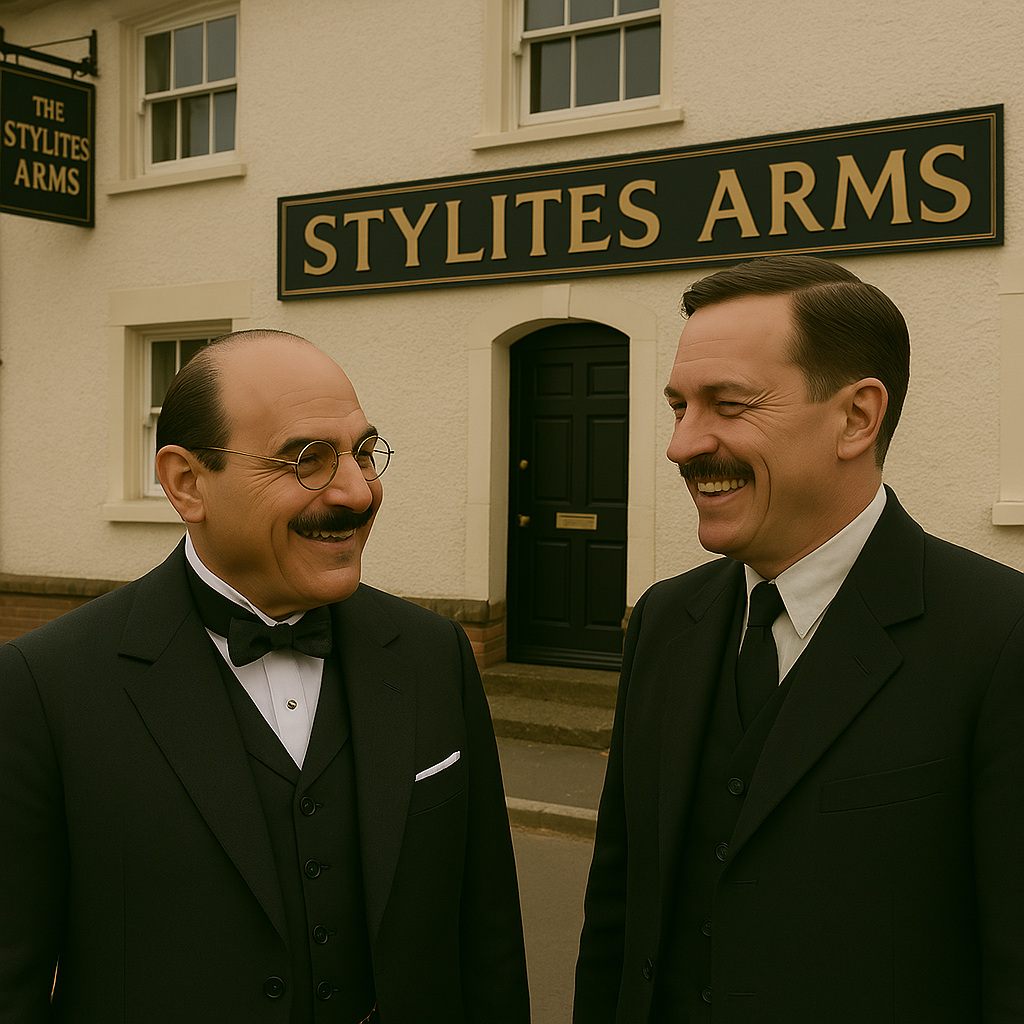
As we came out of the Stylites Arms, Poirot drew me aside by a gentle pressure of the arm. I understood his object. He was waiting for the Scotland Yard men. In a few moments, they emerged, and Poirot at once stepped forward, and accosted the shorter of the two.
スタイライツ=アームズを|出たとき、|ポワロは|そっと|腕を引いて|私を|脇へと|導いた。
彼の|意図は|すぐに|わかった。||スコットランドヤードの|刑事たちを|待っているのだ。
まもなく|二人の|男が|現れると、|ポワロは|すぐに|一人の|背の|低い方に|歩み寄り、|話しかけた。
“I fear you do not remember me, Inspector Japp.”
「私のことを|覚えては|いらっしゃらない|かもしれませんが、|ジャップ警部」

“Why, if it isn’t Mr. Poirot!” cried the Inspector.
「おお、|ムッシュー=ポワロ|じゃないか!」と警部は|声を|上げた。
He turned to the other man.
そして|隣の|男に|向かって|言った。
“You’ve heard me speak of Mr. Poirot?
It was in 1904 he and I worked together—the Abercrombie forgery case—you remember, he was run down in Brussels.
Ah, those were great days, moosier.
Then, do you remember ‘Baron’ Altara? There was a pretty rogue for you! He eluded the clutches of half the police in Europe. But we nailed him in Antwerp—thanks to Mr. Poirot here.”
「彼のことは|話したことが|ありますよね?||あれは|1904年|でした。||ムッシュー=ポワロと|一緒に|仕事を|した、|<アバクロンビー>(架空の|人名)の|偽造事件|です。||覚えてますか?||奴は|<ブリュッセル>まで|追い詰めて|捕まえたんです。
ああ、|あの頃は|いい|時代だった、|ムッシュー。
それから、|<アルターラ=男爵>を|覚えてますか?||あれは|なかなかの|悪党|でしたな!||ヨーロッパ中の|警察の|手を|すり抜けてたが、|<アントワープ>で|捕まえたんですよ。||この|ムッシュー=ポワロの|おかげです」
As these friendly reminiscences were being indulged in, I drew nearer, and was introduced to Detective-Inspector Japp, who, in his turn, introduced us both to his companion, Superintendent Summerhaye.
こんな風に|懐かしい|思い出話に|花が|咲く中、|私が|近づくと|主任警部|ジャップに|紹介された。||すると|彼は|一緒に|いた|<サマーヘイ=警視>を、|私たちに|紹介|してくれた。
“I need hardly ask what you are doing here, gentlemen,” remarked Poirot.
「お二人が|ここに|いらっしゃる|理由は、|聞かずとも|わかりますよ」と、|ポワロは|言った。
Japp closed one eye knowingly.
ジャップは|片目を|つぶって、|わかったように|言った。
“No, indeed. Pretty clear case I should say.”
「いや、|本当に。||これは|かなり|はっきりした|事件|ですな」
But Poirot answered gravely:
だが、|ポワロは|真剣な|顔をして|答えた。
“There I differ from you.”
「そこが|私と|意見の|違う|ところです」

“Oh, come!” said Summerhaye, opening his lips for the first time.
“Surely the whole thing is clear as daylight. The man’s caught red-handed. How he could be such a fool beats me!”
「なんですと!」と、|サマーヘイが|初めて|口を|開いた。
「どう|見たって、|これは|明白な|事件でしょう。||現行犯で|捕まってる|ようなもんです。||あんな|馬鹿な|真似を|するなんて、|まったく|理解|できない!」
But Japp was looking attentively at Poirot.
しかし|ジャップは、|じっと|ポワロの|顔を|見つめていた。
“Hold your fire, Summerhaye,” he remarked jocularly.
“Me and Moosier here have met before—and there’s no man’s judgment I’d sooner take than his. If I’m not greatly mistaken, he’s got something up his sleeve. Isn’t that so, moosier?”
「まあまあ、|サマーへい警視、|落ち着いて|ください」と、|彼は|冗談っぽく|言った。
「ムッシューと|私は|前に|組んだことが|あるのですが、|この男の|判断なら、|私は|何よりも|信頼|してます。||私の|見当違いで|なければ、|彼は|何か|隠し玉を|持ってます。||どうなんだ、|ムッシュー?」
Poirot smiled.
ポワロは|にっこり|笑った。
“I have drawn certain conclusions—yes.”
「いくつか|結論は|出ましたよ、|ええ」
Summerhaye was still looking rather sceptical, but Japp continued his scrutiny of Poirot.
サマーヘイは|まだ|半信半疑の|ようだったが、|ジャップは|ポワロを|じっと|見つめながら|話を|続けた。
“It’s this way,” he said,
“so far, we’ve only seen the case from the outside. That’s where the Yard’s at a disadvantage in a case of this kind, where the murder’s only out, so to speak, after the inquest.
A lot depends on being on the spot first thing, and that’s where Mr. Poirot’s had the start of us. We shouldn’t have been here as soon as this even, if it hadn’t been for the fact that there was a smart doctor on the spot, who gave us the tip through the Coroner.
But you’ve been on the spot from the first, and you may have picked up some little hints.
From the evidence at the inquest, Mr. Inglethorp murdered his wife as sure as I stand here, and if anyone but you hinted the contrary I’d laugh in his face.
I must say I was surprised the jury didn’t bring it in Wilful Murder against him right off.
I think they would have, if it hadn’t been for the Coroner—he seemed to be holding them back.”
「こういう|ことだな」と、|彼は|言った。
な「今のところ、|我々は|事件を|外側から|しか|見ていない。||こういう|種類の|事件では、|検死審問が|終わってから|殺人|ということが|表沙汰に|なるので、|そこが|ヤードに|とって|不利なところ|なんだ。||肝心なのは|最初の|段階で|現場に|居合わせて|いるかどうか|なんだが。||ムッシュー=ポワロ、|あんたは|その点で|我々より|一歩|先を|行っていた。||我々が|今|ここに|いるのも、|実は、|現場に|気の利いた|医者が|いて、|検視官を|通じて|我々に|知らせて|くれたからに|すぎないんだ。||しかし、|あんたは|最初から|現場に|いたわけだ。||何か|ちょっとした|手がかりを|拾っていた|かもしれない。||検死審問での|証拠から|言えば、|ミスター=イングソープが|奥さんを|殺したのは、|オレが|ここに|立ってるのと|同じくらい|確かなことに|見える。||もし、|あんた|以外の|人間が|それに|異議を|唱えたら、|オレは|面と向かって|笑ってやる|ところだ。||正直言って、|陪審員が即座に、|奴に|対して|『故意による|殺人』と|評決を|下さなかった|ことが|意外だった。||もし、|検視官が|口出し|しなかったら|そうなってと|思う。||彼が|それを|止めたような|感じだった」
“Perhaps, though, you have a warrant for his arrest in your pocket now,” suggested Poirot.
「ですが、|あなたは|今、|その|逮捕状を|お持ちでは|ありませんか?」と、|ポワロが|さりげなく|言った。
A kind of wooden shutter of officialdom came down from Japp’s expressive countenance.
ジャップの|表情豊かな|顔に、|公的な|立場の|『よろい戸』が|すっと|降ろされた|ようだった。
“Perhaps I have, and perhaps I haven’t,” he remarked dryly.
「持ってる|かもしれないし、|持ってない|かもしれませんな」と、|彼は|そっけなく|言った。
Poirot looked at him thoughtfully.
ポワロは|考え込もながら|彼を|見つめて|言った。
“I am very anxious, Messieurs, that he should not be arrested.”
「ムッシュー(お二方)、|私は|彼が|逮捕される|ことが|ないように|願っているのです」
“I dare say,” observed Summerhaye sarcastically.
「でしょうな」と、|サマーヘイが|皮肉っぽく|述べた。
Japp was regarding Poirot with comical perplexity.
ジャップは、|大袈裟に|困ったような|顔をして|ポワロを|見つめていた。
“Can’t you go a little further, Mr. Poirot?
A wink’s as good as a nod—from you.
You’ve been on the spot—and the Yard doesn’t want to make any mistakes, you know.”
「もう少し|教えて|もらえんかね、|ムッシュー=ポワロ?||あんたの|言うことなら|『わかる人間なら|わかる』ということで。||あんたは|ずっと|現場に|いたんだし、|ヤード|としては|余計な|失敗は|したくないんでね」
Poirot nodded gravely.
ポワロは|真剣に|うなずいた。
“That is exactly what I thought. Well, I will tell you this.
Use your warrant: Arrest Mr. Inglethorp.
But it will bring you no kudos—the case against him will be dismissed at once! Comme ça!”
「まさに|私は|それを|考えていたのですよ。||では、|こう|言いましょうか。||
お持ちの|逮捕状を|使ってください。||ミスター=イングルソープを|逮捕しても|構いません。||しかし、|それで|得られる|手柄は|ありませんよ。||彼に|対する|容疑は|すぐに|却下|されます!||コム|サ(こんな風に)!」
And he snapped his fingers expressively.
そう言って、|彼は|指を|パチンと|鳴らした。
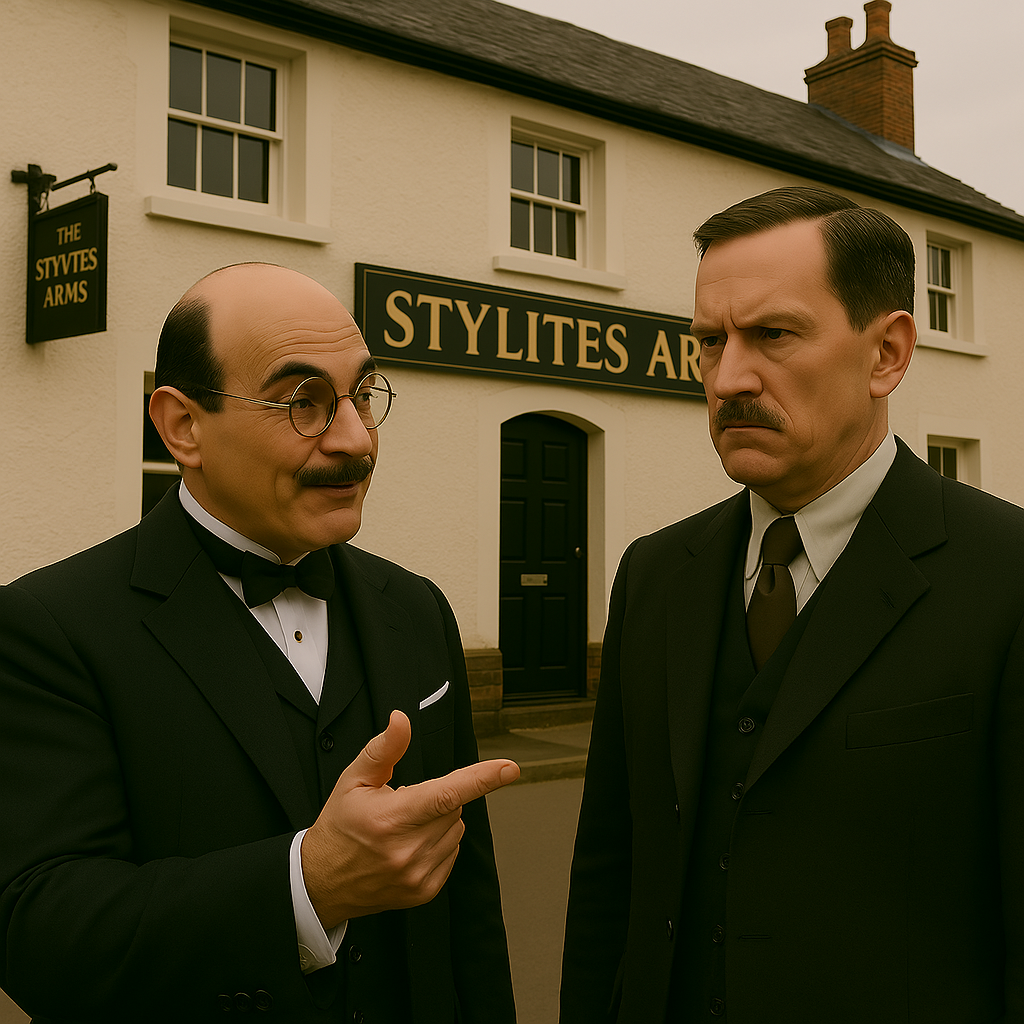
Japp’s face grew grave, though Summerhaye gave an incredulous snort.
As for me, I was literally dumb with astonishment. I could only conclude that Poirot was mad.
Japp had taken out a handkerchief, and was gently dabbing his brow.
ジャップの|顔は|真剣なものに|変わり、|サマーヘイは|鼻で|あざ笑う|ような|音を|立てた。
私は|といえば、|文字通り|唖然|としていた。||ポワロが|正気なのか|どうか、|疑わざるを|得なかった。
ジャップは|ハンカチを|取り出して、|額の|汗を|そっと|拭っていた。
“I daren’t do it, Mr. Poirot.
I’d take your word, but there’s others over me who’ll be asking what the devil I mean by it.
Can’t you give me a little more to go on?”
「あえて|そんなことは|せんよ、|ムッシュー=ポワロ。||オレは、|あんたの|言葉を|信じるが、|上の|連中が|うるさいんだ。||『何を|バカなことを|言ってるんだ』ってな。||もう少し|続きは|ないのか?」
Poirot reflected a moment.
ポワロは|しばらく|考えていた。
“It can be done,” he said at last.
“I admit I do not wish it. It forces my hand.
I would have preferred to work in the dark just for the present, but what you say is very just—the word of a Belgian policeman, whose day is past, is not enough!
And Alfred Inglethorp must not be arrested. That I have sworn, as my friend Hastings here knows.
See, then, my good Japp, you go at once to Styles?”
「それは|できますが」と、ようやく|答えた。
「しかし、|正直に|申し上げて、|私としては|望んで|おりません。||それは、|私の|打ち手を|晒すことに|なるからです。||本来なら、|もう|しばらくは|密かに|動いて|いたかったのですが。||とはいえ、|あなたの|おっしゃる|ことは|ごもっともです。||もはや、|過去の|人と|なった|ベルギーの|警察官の|言葉|だけでは|十分では|ありません!||そして、|アルフレッド=イングルソープは|逮捕されては|いけないのです!||それは、|ここにいる|友人|ヘイスティングスも|知ってる通り、|私が|誓ったことです。||さて、|ジャップ警部、|これから|直ちに|スタイルズに|向かわれますか?」
“Well, in about half an hour. We’re seeing the Coroner and the doctor first.”
「そうだな、|あと|30分|くらいで。||まずは|検視官と|医師に|会うことに|なっている」
“Good. Call for me in passing—the last house in the village. I will go with you.
At Styles, Mr. Inglethorp will give you,or if he refuses—as is probable—I will give you such proofs that shall satisfy you that the case against him could not possibly be sustained. Is that a bargain?”
「それは|結構。||では、|その|途中で|私を|お迎えください。||村はずれの|家が|私の|宿です。||ご一緒|いたしましょう。||スタイルズでは、|ミスター=イングルソープが|あなたに|証拠を|提出するか、|あるいは、|恐らく|提出を|拒むでしょう。||その場合には、|私が|提出|いたします。||それで、|彼に|対する|容疑が|不可能|であると|納得|いただけるものと|存じます。||それで|よろしいでしょうか?」
“That’s a bargain,” said Japp heartily.
“And, on behalf of the Yard, I’m much obliged to you, though I’m bound to confess I can’t at present see the faintest possible loop-hole in the evidence, but you always were a marvel!
So long, then, moosier.”
「わかったよ」と|ジャップは|快く|応じた。
「スコットランドヤードを|代表して、|あんたに|感謝する。||もっとも、|正直言って、|今のところ|この|証拠に|一片の|ほころびすら|見当たらないんだが。||しかし、|あんたは|昔から|奇跡を|見せてくれた。||じゃあ、|また|後ほどだな、|ムッシュー」
The two detectives strode away, Summerhaye with an incredulous grin on his face.
二人の|刑事は|歩き去った。||サマーヘイは、|半信半疑|といった|様子で|冷やかな|笑みを|浮かべていた。
“Well, my friend,” cried Poirot, before I could get in a word, “what do you think? Mon Dieu! I had some warm moments in that court; I did not figure to myself that the man would be so pig-headed as to refuse to say anything at all.
Decidedly, it was the policy of an imbecile.”
「さて、|我が友よ」と、|ポワロは、|私が|口を|開くより|先に|叫んだ。
「どう思う?||モン|デュー(まったく)!|| あの|法廷では、|いささか|肝を|冷やしたよ。||まさか、|あの男が|あそこまで|頑なに|何も|語らないとは|思いもよらなかった。||まったく、|あれは|愚か者が|取るべき|手段だ」
“H’m! There are other explanations besides that of imbecility,” I remarked.
“For, if the case against him is true, how could he defend himself except by silence?”
「うん!||愚かさ|以外に|理由が|あると|思う」と、|私は|応じた。
「もし、|彼に|対する|容疑が|事実ならば、|自らを|守るには|沈黙|するしか|なかったのでは|ないだろうか?」
“Why, in a thousand ingenious ways,” cried Poirot.
“See; say that it is I who have committed this murder, I can think of seven most plausible stories! Far more convincing than Mr. Inglethorp’s stony denials!”
「どうして?||それなら|いくらでも|巧妙な|方法が|ありますよ!」と、|ポワロは|叫んだ。
「いいですか、|たとえば|私が|この|殺人を|犯したと|しましょう。||もっともらしい|話を|七つは|思いつけますよ!||ミスター=イングルソープの|無表情な|否認より、|ずっと|説得力の|ある|話を!」
I could not help laughing.
私は|思わず|笑ってしまった。
“My dear Poirot, I am sure you are capable of thinking of seventy!
But, seriously, in spite of what I heard you say to the detectives, you surely cannot still believe in the possibility of Alfred Inglethorp’s innocence?”
「なあ、|ポワロ。||君なら|七十通りは|思いつける|だろうさ!||しかし、|真面目な|話、|さっき|刑事たちに|話したことを|聞いてたけど、|いまだに|アルフレッド=イングルソープが|無実|かもしれないと|信じては|いないよね?」
“Why not now as much as before? Nothing has changed.”
「いまだに、|とは|どういう|ことかね?||前から|何も|変わって|いないよ」
“But the evidence is so conclusive.”
「でも、|証拠は|あまりにも|決定的|じゃないか」
“Yes, too conclusive.”
「そう、|あまりにも、|決定的|すぎるんだよ」
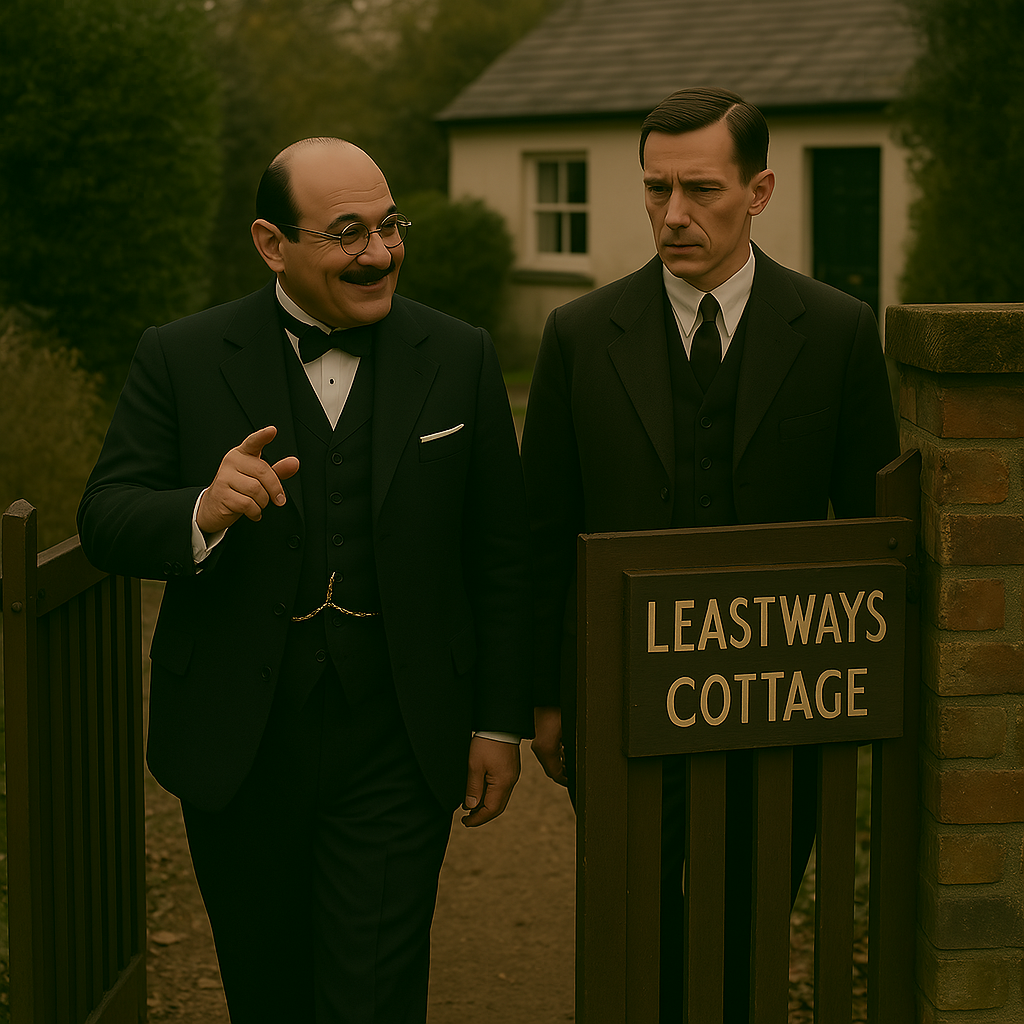
We turned in at the gate of Leastways Cottage, and proceeded up the now familiar stairs.
私たちは|リーストウェイズ=コテージの|門を|くぐり、|すっかり|見慣れた|階段を|上っていった。
“Yes, yes, too conclusive,” continued Poirot, almost to himself.
“Real evidence is usually vague and unsatisfactory. It has to be examined—sifted. But here the whole thing is cut and dried.
No, my friend, this evidence has been very cleverly manufactured—so cleverly that it has defeated its own ends.”
「そう、|そう、|決定的|すぎるのだよ」と、|ポワロは|ほとんど|独り言の|ように続けた。
「本物の|証拠|というものは、|たいてい|曖昧で、|どこか|満足|できない|ところが|あるものだ。||だからこそ|よく|調べて、|ふるいに|かけなければ|ならないのだ。||しかし|今回は、|すべてが|準備された|ように|できすぎている。||いや、|ヘイスティングス。||この証拠は、|非常に|巧妙に|用意された|もの|なんだ。||あまりに|巧妙すぎて、|自ら|破綻|してしまった」
“How do you make that out?”
「どうして|そう|言えるんだい?」
“Because, so long as the evidence against him was vague and intangible, it was very hard to disprove.
But, in his anxiety, the criminal has drawn the net so closely that one cut will set Inglethorp free.”
「それはね、|彼に|不利な|証拠が|もっと|曖昧で、|つかみどころの|ないもので|ある限りは、|その|反証を|あげるのは|極めて|難しいから|なんだ。||しかし、|犯人は|用心するあまり、|網の|一箇所を|切れば、|ミスター=イングルソープを|自由の|身に|できるように|網を|念入りに|張りめぐらした|というわけだ」
I was silent. And in a minute or two, Poirot continued:
私は|黙り込んだ。||1、|2分の|沈黙の|のち、|ポワロは|続けた。
“Let us look at the matter like this.
Here is a man, let us say, who sets out to poison his wife. He has lived by his wits as the saying goes. Presumably, therefore, he has some wits. He is not altogether a fool.
Well, how does he set about it?
He goes boldly to the village chemist’s and purchases strychnine under his own name, with a trumped up story about a dog which is bound to be proved absurd. He does not employ the poison that night.
No, he waits until he has had a violent quarrel with her, of which the whole household is cognisant, and which naturally directs their suspicions upon him.
He prepares no defence—no shadow of an alibi, yet he knows the chemist’s assistant must necessarily come forward with the facts.
Bah! Do not ask me to believe that any man could be so idiotic! Only a lunatic, who wished to commit suicide by causing himself to be hanged, would act so!”
「事件を|このように|考えてみよう。||ある男が、|自分の|妻を|毒殺|しようと|決意する。||彼は|いわゆる、『知恵』だけを|頼りに|生きてきた|人間だ。||つまり、|多少の|知恵は|あるはずだ。||全くの|愚か者|というわけでは|ない。||では、|どうやって|事に|及ぶか?
彼は|堂々と|村の|薬局へ|行き、|自分の|名前で|ストリキニーネを|購入する。||『犬を|殺す』という、|すぐに|ウソと|わかるような|作り話を|して。||しかも、|その夜には|毒を|使わない。
その代わりに、|家中の|者が|知っている|ような|激しい|夫婦喧嘩を|起こした|後に|実行する。||それで|当然、|疑いは|彼に|向けられる。
だが|彼は、|何の|弁明も|準備せず、|アリバイの|影|すらない。||薬剤師の|助手が|証言に|出てくることは|わかっている|にもかかわらず。
ばかばかしい!||そんな|馬鹿なことを|する|人間が|いると、|私に|信じろと?||それこそ、|自殺する|代わりに、|自ら|絞首刑に|なりたがっている|狂った|人間の|やること|じゃないか!」
“Still—I do not see——” I began.
「それでも|僕には|わからない|ことが」と、|私は|言いかけた。
“Neither do I see. I tell you, mon ami, it puzzles me. Me—Hercule Poirot!”
「私も|わからない。||言わせて|もらえば、|モナミ。||これは|私に|とっても|謎|なんだ。||この私、|エルキュール=ポワロを|もってしても!」
“But if you believe him innocent, how do you explain his buying the strychnine?”
「だけど、|君が|彼を|無実だと|考えて|いるのなら、|彼が|ストリキニーネを|買ったことを|どう|説明|するんだい?」
“Very simply. He did not buy it.”
「それは|ごく|簡単な|ことだ。||彼は、|買っていないんだ」
“But Mace recognized him!”
「でも、|メイスは|彼が|買ったと!」
“I beg your pardon, he saw a man with a black beard like Mr. Inglethorp’s, and wearing glasses like Mr. Inglethorp, and dressed in Mr. Inglethorp’s rather noticeable clothes.
He could not recognize a man whom he had probably only seen in the distance, since, you remember, he himself had only been in the village a fortnight, and Mrs. Inglethorp dealt principally with Coot’s in Tadminster.”
「ちょっと|待って。||彼が|見たのは、|ミスター=イングルソープ|みたいな|黒い|ひげの|男で、|ミスター=イングルソープ|みたいな|眼鏡を|かけて、|ミスター=イングルソープ|らしい|派手な|服を|着ていた|人物|という|だけなんだ。
遠目に|見たことが|あるだけの|人物を、|彼が|正確に|見分けることが|できなかったのも|無理はない。||覚えてると|思うが、|そもそも、|彼は|村に|来て|まだ|二週間|だったし、|ミセス=イングルソープは|主に|タドミンスターの|クーツ薬局を|使って|いたんだから」
“Then you think——”
「じゃあ、|つまり|君は」
“Mon ami, do you remember the two points I laid stress upon? Leave the first one for the moment, what was the second?”
「モナミ、|私が|強調してた|二つの|点、|覚えてるかね?||ひとまず|最初のは|置いておいて、|二つ目は?」
“The important fact that Alfred Inglethorp wears peculiar clothes, has a black beard, and uses glasses,” I quoted.
「アルフレッド=イングルソープは、|特徴的な|服を|着てて、|黒い|ひげで、|眼鏡を|かけてる、|だろ?」と、|ポワロの|言ったことを|そのまま|述べた。
“Exactly. Now suppose anyone wished to pass himself off as John or Lawrence Cavendish. Would it be easy?”
「その通り!||じゃあ、|誰かが|ジョンや|ローレンス=キャヴンディッシュに|なりすます|ことを|考えてみよう。||簡単に|できると|思うかね?」
“No,” I said thoughtfully.
“Of course an actor——”
「いや」と、|私は|考えながら|答えた。
「もちろん、|役者|ならば」
But Poirot cut me short ruthlessly.
しかし、|ポワロは、|あっさり|私の|言葉を|遮った。
“And why would it not be easy?
I will tell you, my friend:
Because they are both clean-shaven men. To make up successfully as one of these two in broad daylight, it would need an actor of genius, and a certain initial facial resemblance.
But in the case of Alfred Inglethorp, all that is changed. His clothes, his beard, the glasses which hide his eyes—those are the salient points about his personal appearance.
Now, what is the first instinct of the criminal? To divert suspicion from himself, is it not so? And how can he best do that? By throwing it on someone else. In this instance, there was a man ready to his hand. Everybody was predisposed to believe in Mr. Inglethorp’s guilt. It was a foregone conclusion that he would be suspected; but, to make it a sure thing there must be tangible proof—such as the actual buying of the poison, and that, with a man of the peculiar appearance of Mr. Inglethorp, was not difficult.
Remember, this young Mace had never actually spoken to Mr. Inglethorp. How should he doubt that the man in his clothes, with his beard and his glasses, was not Alfred Inglethorp?”
「なぜ簡単じゃないか、教えてやろう。||彼らは|どっちも|髭を|剃っている。||真昼間に|彼らに|なりすますには、|天才的な|役者|じゃないと|無理|だろうし、|ある程度|顔が|似てないと|話にならん。||だが、|ミスター=イングルソープの|場合は|違う。||あの|服装、|ひげ、|目元を|隠す|眼鏡、|それらが|彼の|外見|において|目立った|特徴なんだ。||さて、|犯人の|第一の|本能って何だ?||そう、|自分への|疑いを|そらすことだ。||それで、|その|一番|手っ取り|早い方法は?||別の|誰かに|疑いを|かぶせることだ。||今回の|場合、|まさに|うってつけの|人物が|いた。||皆が|もともと、|ミスター=イングルソープを|疑っていた。||最初から|『彼が|犯人|だろう』という|空気だった。||
だが、|それを|確実に|するには、|証拠が|必要だ。||たとえば、|毒を|買った|という|事実。||そして、|ミスター=イングルソープ|ほど|外見に|特徴のある|人物なら、|それを|演出するのは|そう|難しく|なかった。||忘れて|いけないのは、|この|若い|店員|メイスは、|実際には|ミスター=イングルソープと|話したことが|ないんだ。||なら、|あの|服装と|ひげと|眼鏡を|身につけた|男が|店に|現れた|として、|それが|ミスター=イングルソープ|ではないと|どうやって|見抜けるだろうか?」
“It may be so,” I said, fascinated by Poirot’s eloquence.
“But, if that was the case, why does he not say where he was at six o’clock on Monday evening?”
「それは|そうかも|しれないな」と、|私は|ポワロの|理屈に|すっかり|引き込まれて|言った。
「だけど、|もし|そうなら、|彼は|なぜ|月曜の|午後|6時に|どこに|いたのかを|言わないんだ?」
““Ah, why indeed?” said Poirot, calming down.
“If he were arrested, he probably would speak, but I do not want it to come to that. I must make him see the gravity of his position.
There is, of course, something discreditable behind his silence. If he did not murder his wife, he is, nevertheless, a scoundrel, and has something of his own to conceal, quite apart from the murder.”
「うむ、|それだよ」と、|ポワロは|少し|落ち着いた|様子で|言った。
「もし|逮捕される|ような|ことが|あれば、|おそらく|口を|開くだろうが、|私は|そうなることは|避けたいのだ。||彼には、|自分の|立場が|どれだけ|危ういかを|理解させる|必要が|ある。||もちろん、|彼が|黙って|いるのは、|何か|都合の|悪い|ことが|あるからだ。||もし|妻を|殺していない|としても、|彼は|やはり|ろくでもない|男|なんだ。||自分の|ことで|何か|隠しているに|違いないのだ。||殺人とは|別のことをね」
“What can it be?” I mused, won over to Poirot’s views for the moment, although still retaining a faint conviction that the obvious deduction was the correct one.
「いったい|何が|あるんだろうな?」と、|私は|つぶやいた。||そのときは、|私も|ポワロの|意見に|納得|しかけたが、|やはり|心の|どこかでは、|『一番|わかりやすい|推理こそ|正しいんじゃ|ないか』という|思いも|捨てきれなかった。
“Can you not guess?” asked Poirot, smiling.
「君には|見当も|つかないかね?」と、|ポワロは|微笑みながら|尋ねた。
“No, can you?”
「いや、|君には|わかるのかい?」
“Oh, yes, I had a little idea sometime ago—and it has turned out to be correct.”
「もちろん。||少し|前から、|ちょっとした考えが|あってね。||それが|どうやら|正しかった|ようなんだ」
“You never told me,” I said reproachfully.
「それなら、|教えてくれたって|よかったじゃないか」と、|少し|非難|気味に|言った。
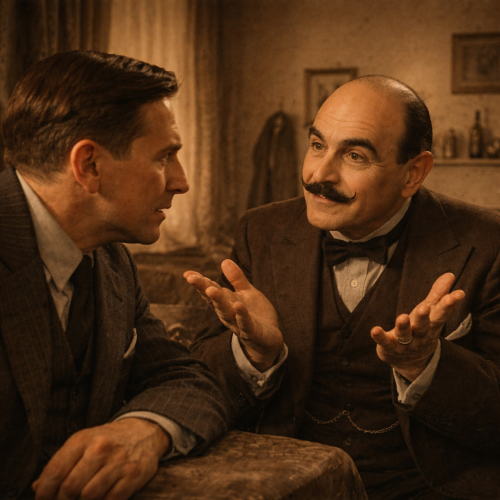
Poirot spread out his hands apologetically.
ポワロは|申し訳|なさそうに|両手を|広げた。
“Pardon me, mon ami, you were not precisely sympathique.”
「すまないね、|モナミ。||でも|そのとき|君は、|共感|してくれそうに|なかったからね」
He turned to me earnestly.
そう|言ってから、|ポワロは|急に|真剣な|顔で|こちらに|向き直った。
“Tell me—you see now that he must not be arrested?”
「どうだい、|今なら|わかるだろう?||彼を|逮捕|させるわけには|いかないんだ」
“Perhaps,” I said doubtfully, for I was really quite indifferent to the fate of Alfred Inglethorp, and thought that a good fright would do him no harm.
「うーん、|たぶんね」と、|曖昧に|返事した。||正直な|ところ、|アルフレッド=イングルソープが|どうなろうと|興味が|なかったし、|一度|くらい|怖い|思いを|させるのも|悪くないと|思っていた。
Poirot, who was watching me intently, gave a sigh.
そんな|様子を|ポワロは|じっと|見ていたが、|やがて|小さく|ため息を|ついた。
“Come, my friend,” he said, changing the subject, “apart from Mr. Inglethorp, how did the evidence at the inquest strike you?”
「さて、|ヘイスティングス」と、|話題を|切り替える|ように|言った。
「ミスター=イングルソープの|ことは|ひとまず|別にして、|検死審問での|証言に|ついては、|どう|思った?」
“Oh, pretty much what I expected.”
「まあ、|大体|予想|通りって|ところかな」
“Did nothing strike you as peculiar about it?”
「何か、|妙だと|思ったことは|なかったかね?」
My thoughts flew to Mary Cavendish, and I hedged:
ふと|メアリー=キャヴンディッシュの|顔が|浮かび、|言葉を|濁した。
“In what way?”
「というと?」
“Well, Mr. Lawrence Cavendish’s evidence for instance?”
「ああ、|たとえば、|ローレンス=キャヴンディッシュの|証言は?」
I was relieved.
それを|聞いて、|少し|ほっとした。
“Oh, Lawrence! No, I don’t think so. He’s always a nervous chap.”
「ああ、|ローレンス!||いや、|特に|変だとは|思わなかったな。||彼は|もともと|神経質|だから」
“His suggestion that his mother might have been poisoned accidentally by means of the tonic she was taking, that did not strike you as strange— hein?”
「彼が|言ったことは、|母親が|服用|していた|気付け薬の|せいで、|偶然、|中毒を|起こした|かもしれないと|言っていたが、|君は|不自然に|思わなかったかい、|アン(どうだね)?」
“No, I can’t say it did. The doctors ridiculed it of course. But it was quite a natural suggestion for a layman to make.”
「いや、|不自然|だったとは|言えないな。||もちろん|医者たちは|笑っていたけど。||だが、|素人考え|としては|自然な|推測|じゃないかと|思ってたよ」
“But Monsieur Lawrence is not a layman.
You told me yourself that he had started by studying medicine, and that he had taken his degree.”
「だがね、|ローレンスは|素人では|ないんだ。||君|自身が|教えて|くれたんだよ。||彼は|もともと|医学を|学び、|学位も|取っていると」
“Yes, that’s true. I never thought of that.” I was rather startled.
“It is odd.”
「そうだ、|それが|事実だ。||すっかり|忘れてたよ」||私は|ちょっと|びっくりした。
「確かに、|ちょっと|変だ」
Poirot nodded.
Of all the household, he alone would be likely to recognize the symptoms of strychnine poisoning, and yet we find him the only member of the family to uphold strenuously the theory of death from natural causes.
ポワロは|静かに|うなずいた。
家の|中で、|ストリキニーネの|中毒症状を|見分けられ|そうなのは、|彼|ただ一人|だった。
それなのに、|自然死|だという|説を|ことさらに|強く|主張|しているのが、|家族の|中で|彼|ただ一人だと|いうのだから。
“From the first, his behaviour has been peculiar. If it had been Monsieur John, I could have understood it. He has no technical knowledge, and is by nature unimaginative.
But Monsieur Lawrence—no!
And now, to-day, he puts forward a suggestion that he himself must have known was ridiculous. There is food for thought in this, mon ami!”
「最初から、|彼の|言動は|どこか|妙だった。|もし|それが|ジョン|だったら、|納得|できたよ。||専門知識も|ないし、|想像力も|あまりない|人間|だからね。||でも|ローレンスが、|いや、|それはない!||そして|今日、|彼は|自分でも|馬鹿げてると|わかっている|はずの|説を|口にした。||そこには|何か|考えが|あるはずなんだ、|モナミ!」
“It’s very confusing,” I agreed.
「とても|混乱|しているね」と、|私は|同意した。
“Then there is Mrs. Cavendish,” continued Poirot.
“That’s another who is not telling all she knows! What do you make of her attitude?”
「それに、ミセス=キャヴンディッシュ」と、|ポワロは|続けた。
「彼女も|また、|知っている|ことを|全部|話していない!||彼女の|態度は|どう|思った?」
“I don’t know what to make of it. It seems inconceivable that she should be shielding Alfred Inglethorp. Yet that is what it looks like.”
「何で|そうなるのか、|さっぱり|わからない。||彼女が|アルフレッド=イングルソープを|かばってるなんて、|とても|思えない。|でも、|そう|見えるんだ」
Poirot nodded reflectively.
ポワロは|うなずきながら、|じっと|考え込んだ。
“Yes, it is queer. One thing is certain, she overheard a good deal more of that ‘private conversation’ than she was willing to admit.”
「うん、|奇妙だよ。||ひとつ|確かなのはね、|彼女は|あの|『私的な|話』を、|自分が|認めようと|した以上に、|はるかに|多くのことを|聞いていたんだ」
“And yet she is the last person one would accuse of stooping to eavesdrop!”
「でも、|盗み聞き|なんて|するような|人じゃ|ないよ!」
“Exactly. One thing her evidence has shown me. I made a mistake.Dorcas was quite right. The quarrel did take place earlier in the afternoon, about four o’clock, as she said.”
「まったく|その通り。||それがね、|彼女の|証言から|わかったことが|一つある。||私が一つ、|勘違い|していたよ。||ドーカスが|言っていた|通り、|夫婦の|口論は|午後|4時頃、|つまり|もっと|早い|時間に|起きていたんだ」
I looked at him curiously. I had never understood his insistence on that point.
私は|不思議そうに|彼を|見た。||ポワロが|これほど|その時間に|こだわるのか|まったく|理解|できなかった。
“Yes, a good deal that was peculiar came out to-day,” continued Poirot.
“Dr. Bauerstein, now, what was he doing up and dressed at that hour in the morning? It is astonishing to me that no one commented on the fact.”
「そうだ、|今日|明らかに|なった|事の|中には、|実に|奇妙な|点が|少なく|なかった」と、|ポワロは|続けた。
「ドクター=バウアースタイン|だって|そうだ。||あの朝、|あんな|時間に|服を|着て|起きていたって、|どういうことだ?|| 誰も|そのことに|触れなかったのが|驚きだよ」
“He has insomnia, I believe,” I said doubtfully.
「不眠症|らしいよ」と、|私は|少し|曖昧に|答えた。
“Which is a very good, or a very bad explanation,” remarked Poirot.
“It covers everything, and explains nothing. I shall keep my eye on our clever Dr. Bauerstein.”
「それは、|『非常に|良い|説明』か、|『非常に|都合のいい|言い訳』か、|どちらかだね」と、|ポワロは|言った。
「なんでも|説明|できてしまって、|実は|何も|説明|していない。||あの|才気ある|ドクター=バウアースタインからは、|目が|離せないな」
“Any more faults to find with the evidence?”
「それから|ほかに、|証言に|ケチつけたい|人は?」
I inquired satirically.
私は|ちょっと|皮肉っぽく|聞いてみた。
“Mon ami,” replied Poirot gravely, “when you find that people are not telling you the truth—look out!
Now, unless I am much mistaken, at the inquest to-day only one—at most, two persons were speaking the truth without reservation or subterfuge.”
「モナミ」と、ポワロは|真面目な|口調で|返事を|した。
「人が|真実を|語って|いないと|気づいた|ときには|気を|つけるんだ!||私の|見立てが|間違って|いなければ、|今日の|検死審問で、|何の|隠し事も|せずに、|ごまかさないで|真実を|話したのは、|多くて|二人。||下手を|すれば、|たった|一人だけだ」
“Oh, come now, Poirot!
I won’t cite Lawrence, or Mrs. Cavendish.
But there’s John—and Miss Howard, surely they were speaking the truth?”
「ちょっと|待ってくれよ、|ポワロ。||確かに|ローレンスや|ミセス=キャヴンディッシュは|そうは|思えない。||しかし、|ジョンと|ミス=ハワードが|いる。|彼らは|確かに|真実を|話していたんじゃ|ないのか?」
“Both of them, my friend? One, I grant you, but both——!”
「その二人が?||なあ、君。||一人は|認めるとしても、|両方は|ない!」
His words gave me an unpleasant shock.
Miss Howard’s evidence, unimportant as it was, had been given in such a downright straightforward manner that it had never occurred to me to doubt her sincerity.
Still, I had a great respect for Poirot’s sagacity—except on the occasions when he was what I described to myself as “foolishly pig-headed.”
その|言葉には、|少なからず|ショックを|受けた。||ミス=ハワードの|証言は、|内容こそ|大したことは|なかったが、|実に|率直で|誠実な|語り口|だったから、|彼女の|誠意を|疑うなんて|考えたことも|なかった。||それでも|私は|ポワロの|洞察力には|大きな|敬意を|払っていた。||もっとも、|私が|心の中で|『馬鹿げた|頑固者』と|決めつけた|場合を|除いて。
“Do you really think so?” I asked.
“Miss Howard had always seemed to me so essentially honest—almost uncomfortably so.”
「本当に|そう|思うのかい?」と、私は|尋ねた。
「ミス=ハワード|って、|ものすごく|正直な|人に|見えるんだけど、|ちょっと|正直すぎる|くらいにね」
Poirot gave me a curious look, which I could not quite fathom. He seemed to speak, and then checked himself.
ポワロは、|何とも|言えない|表情で|こちらを|見た。||その視線の|意味は|よく|読み取れなかった。||彼は|何か|言いかけた|ようだったが、|言葉を|飲み込んだ。
“Miss Murdoch too,” I continued,
“there’s nothing untruthful about her.”
「ミス=マードックも|そうさ」と、|私は|続けた。
「あの子に|嘘をつく|ような|ところは|まるで|ない」
“No. But it was strange that she never heard a sound, sleeping next door; whereas Mrs. Cavendish, in the other wing of the building, distinctly heard the table fall.”
「ああ。||けれども|奇妙なことに、|彼女は|隣の|部屋で|寝ていたのに、|何の|物音も|聞こえなかったと|言っていた。
一方で、|ミセス=キャヴンディッシュは
反対側の|建物に|いたにも|かかわらず、|テーブルが|倒れる|音を|はっきり|聞いたと|言っている」
“Well, she’s young. And she sleeps soundly.”
「おそらく、|彼女は|若いし、|寝つきが|いいんだよ」
“Ah, yes, indeed! She must be a famous sleeper, that one!”
「なるほど、|確かに!||まったく、|あの子の|熟睡|っぷりは|有名に|なるに|ちがいない!」
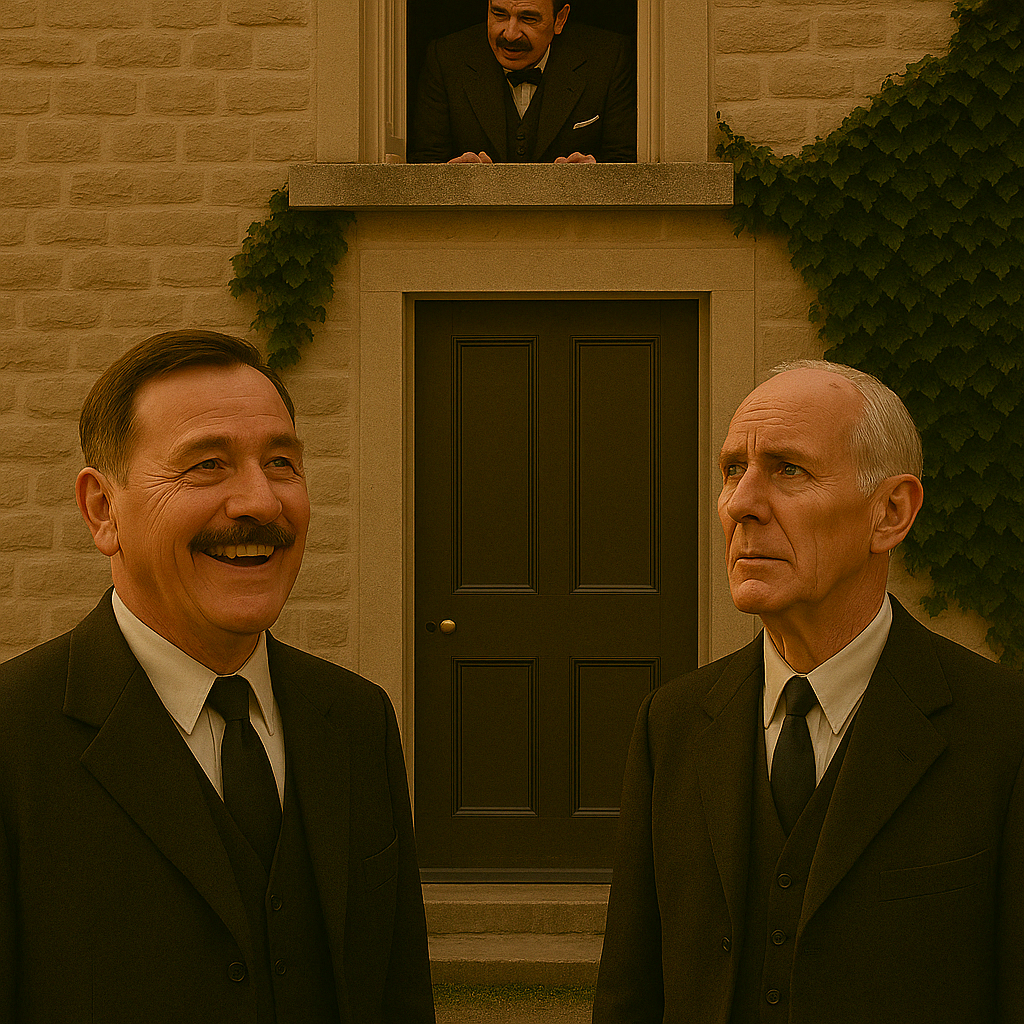
I did not quite like the tone of his voice, but at that moment a smart knock reached our ears, and looking out of the window we perceived the two detectives waiting for us below.
Poirot seized his hat, gave a ferocious twist to his moustache, and, carefully brushing an imaginary speck of dust from his sleeve, motioned me to precede him down the stairs; there we joined the detectives and set out for Styles.
彼の|言い方は、|なんとなく|気にいらなかったが、|玄関の|ほうで|ハッキリとした|ノックの|音が|聞こえたので、|窓から|外を|覗くと、|下で|二人の|刑事が|私たちを|待っていた。
ポワロは|すぐに|帽子を|つかみ、|ひげを|勢いよく|ねじり上げ、|袖に|ついた|見えもしない|ほこりを|丁寧に|はらい|落とすと、|私に|階段を|先に|降りるように|合図した。
私たちは|下で|刑事たちと|合流し、|スタイルズへと|向かった。
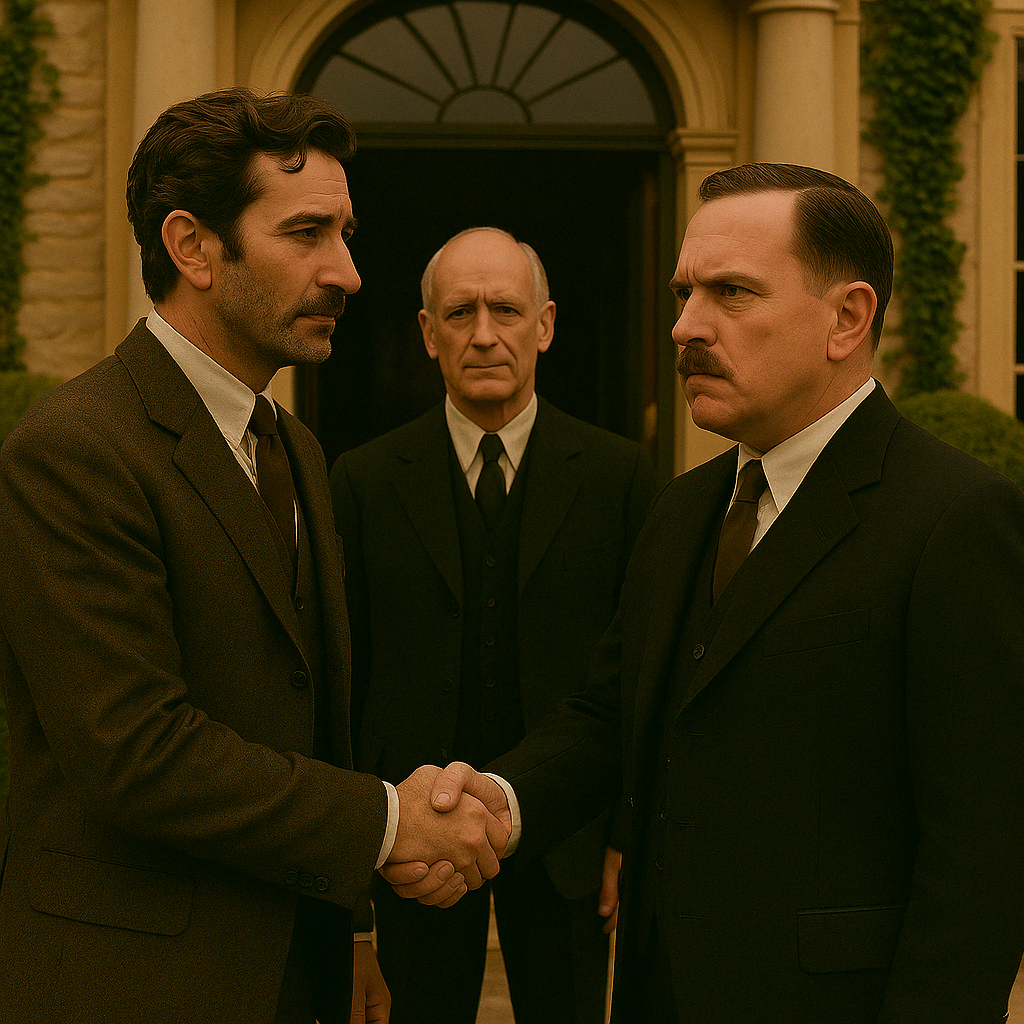
I think the appearance of the two Scotland Yard men was rather a shock—especially to John, though of course after the verdict, he had realized that it was only a matter of time.
Still, the presence of the detectives brought the truth home to him more than anything else could have done.
スコットランドヤードの|刑事が|現れたことで、|特に|ジョンは|相当|ショックを|受けた|ようだった。||もっとも、|検死審問の|評決を|聞いた|後では、|遅かれ|早かれ|こうなることは|彼も|わかっていた|はずだ。
それでも、|刑事たちが|実際に|現れる|ことほど、|彼に|現実を|痛感|させるものは|なかったのだろう。
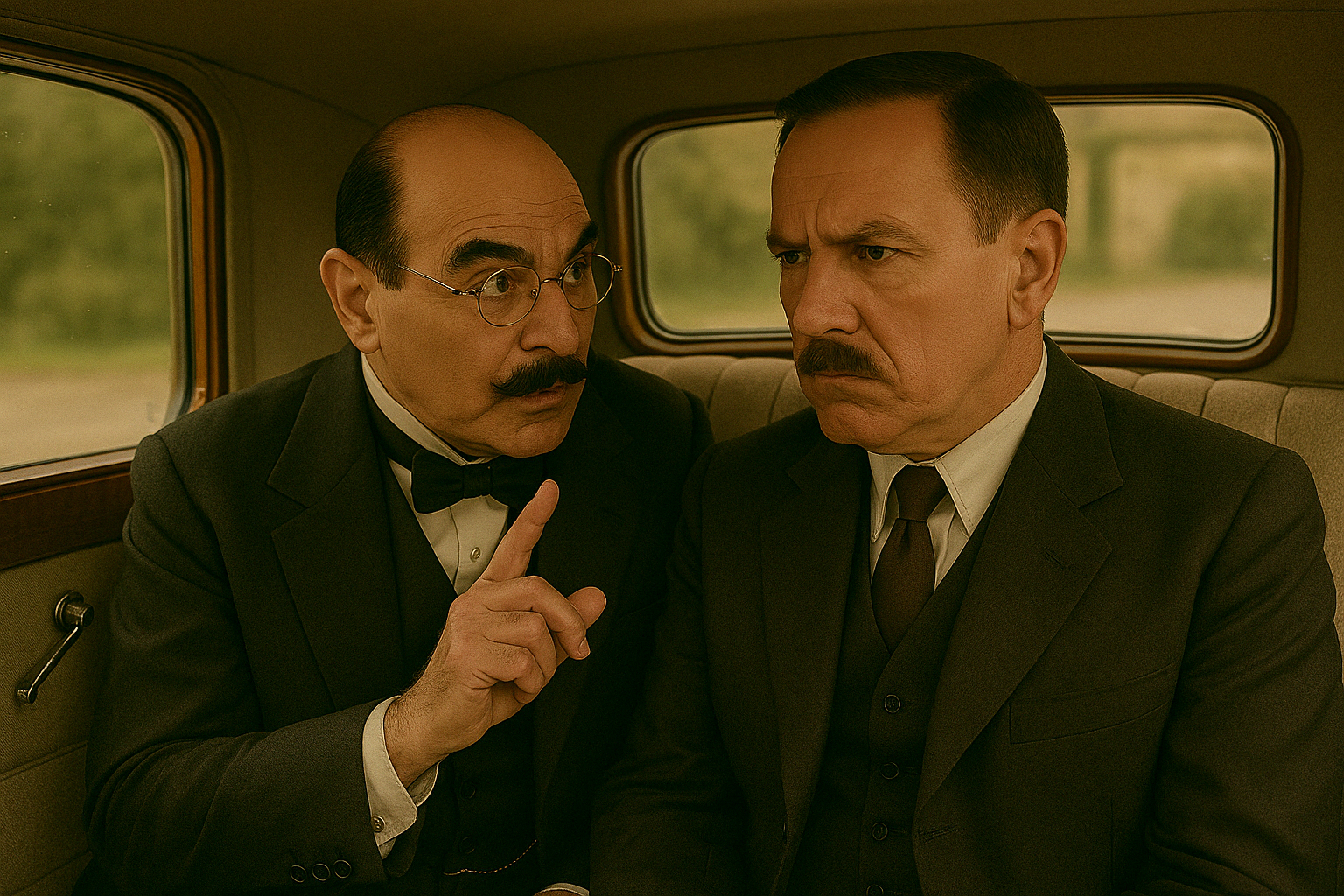
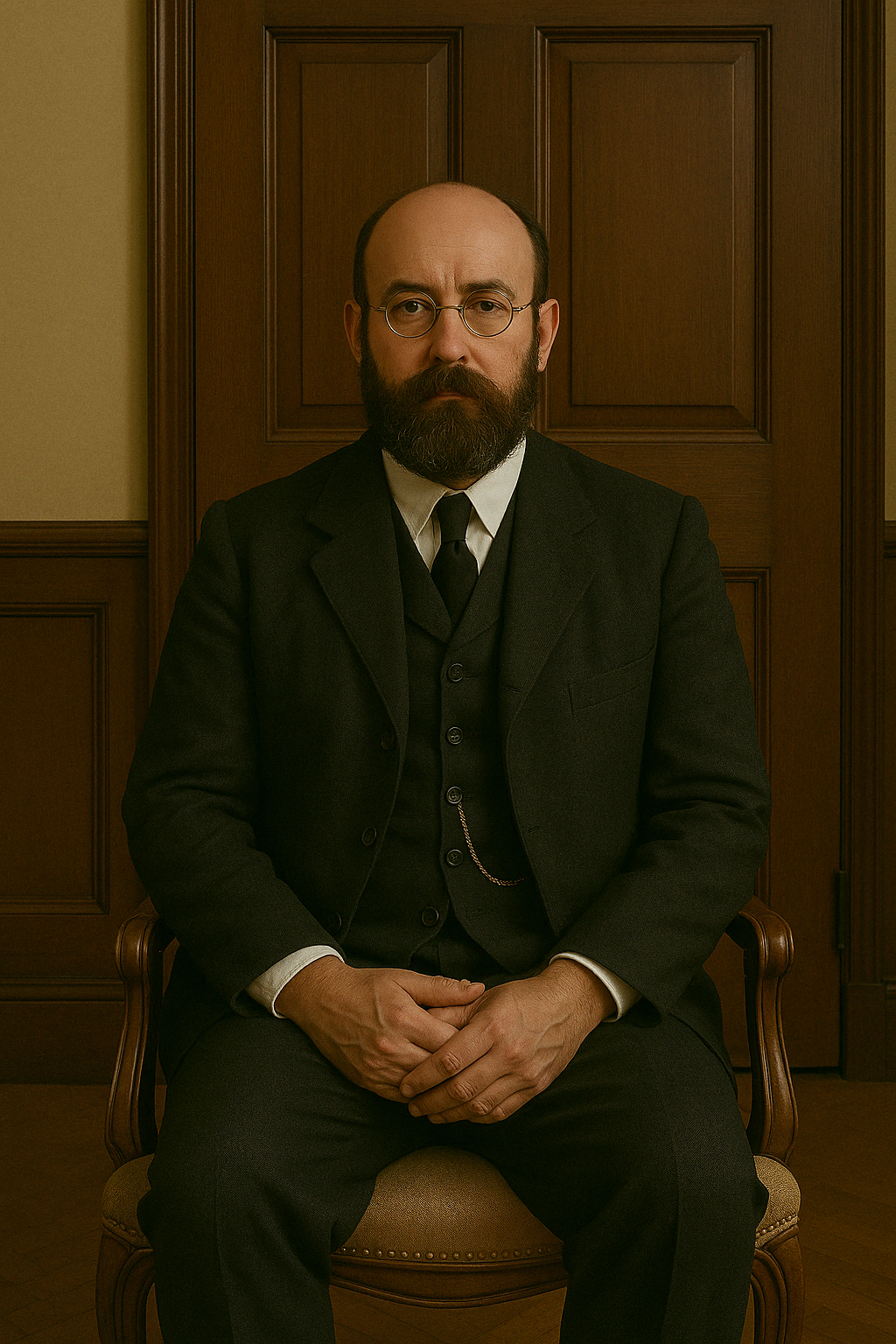
Poirot had conferred with Japp in a low tone on the way up, and it was the latter functionary who requested that the household, with the exception of the servants, should be assembled together in the drawing-room.
I realized the significance of this. It was up to Poirot to make his boast good.
スタイルズへの|道中、|ポワロは|ジャップと|小声で|何やら|話し合っていた。||そして|スタイルズに|着くと、|その|警察官の|方、|つまり|ジャップが|『使用人を|除いた|家族全員を、|客間に|集めてほしい」と、|要請した。
その意味は|すぐに|わかった。||これから|ポワロが|自信満々で|言ったことを|証明|するのだ。
Personally, I was not sanguine.
Poirot might have excellent reasons for his belief in Inglethorp’s innocence, but a man of the type of Summerhaye would require tangible proofs, and these I doubted if Poirot could supply.
正直な|ところ、|私は|あまり|楽観的|では|なかった。
ポワロが|ミスター=イングルソープの|無実を|信じるだけの|理由が|あるのは|わかるが、|サマーヘイの|ような|タイプの|人間が|納得|するには、|目に見える|証拠が|必要だ。||そして|ポワロに|それが|本当に|あるのか、|私には|疑問だった。
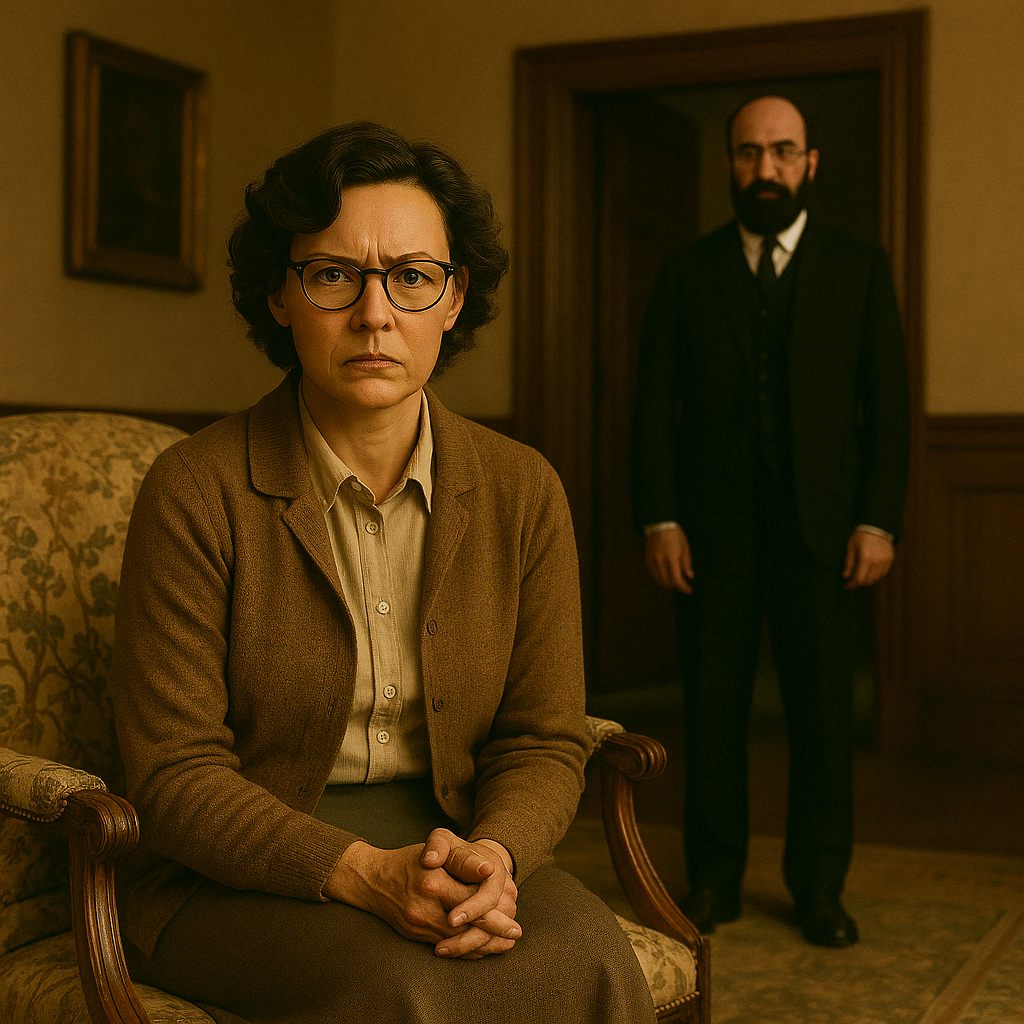
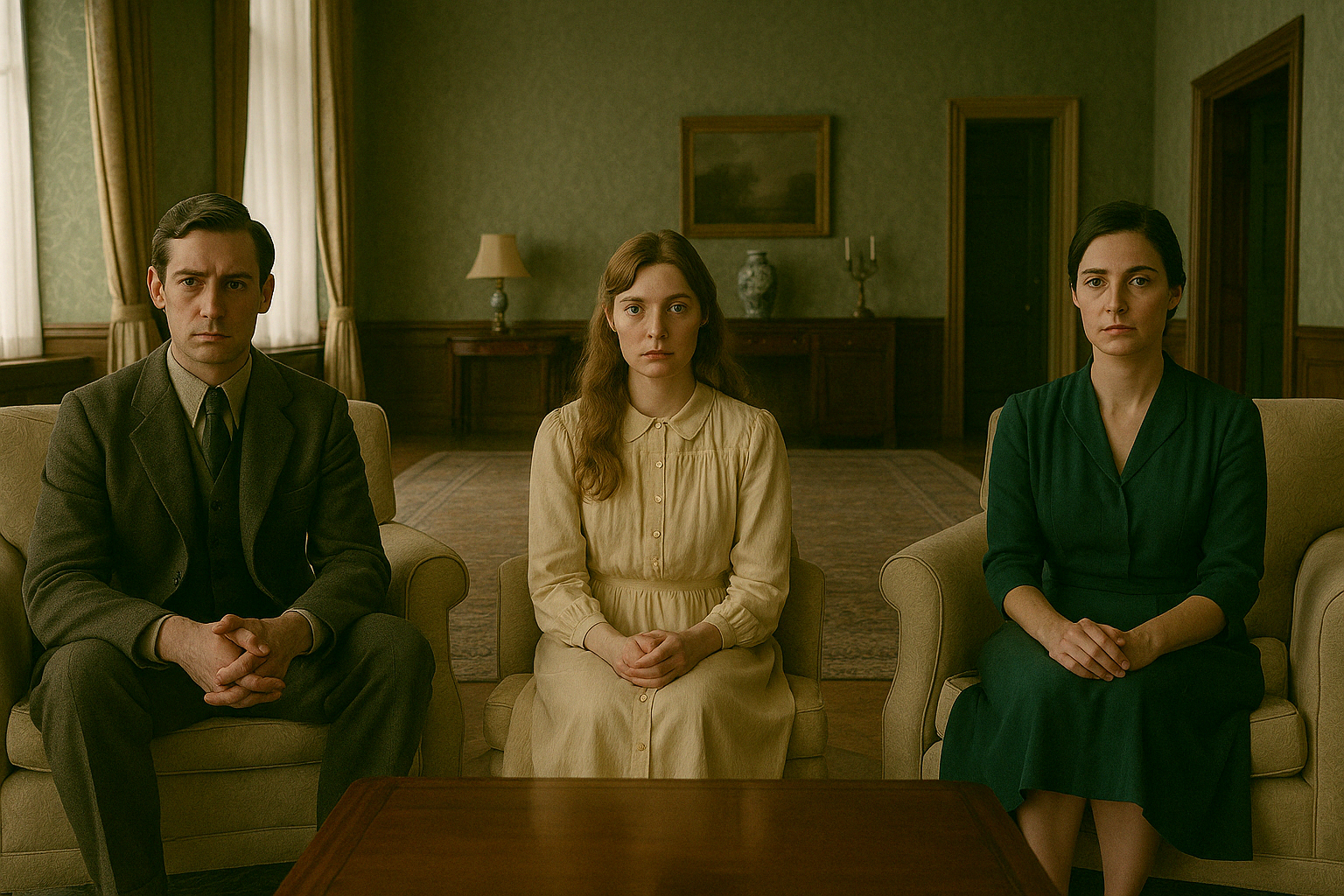
Before very long we had all trooped into the drawing-room, the door of which Japp closed. Poirot politely set chairs for everyone.
The Scotland Yard men were the cynosure of all eyes.
I think that for the first time we realized that the thing was not a bad dream, but a tangible reality.
やがて、|全員が|ぞろぞろと|客間に|入り、|ジャップが|その|ドアを|ぴたりと|閉めた。||ポワロは|丁寧に、|皆のために|椅子を|用意した。
スコットランドヤードの|刑事たちは、|部屋の|視線を|一身に|集めていた。
たぶん|私たち|全員、|初めて|この事件が|悪い夢|などでは|なく、|現実|なのだと|はっきり|実感した|瞬間|だったと|思う。
We had read of such things—now we ourselves were actors in the drama.
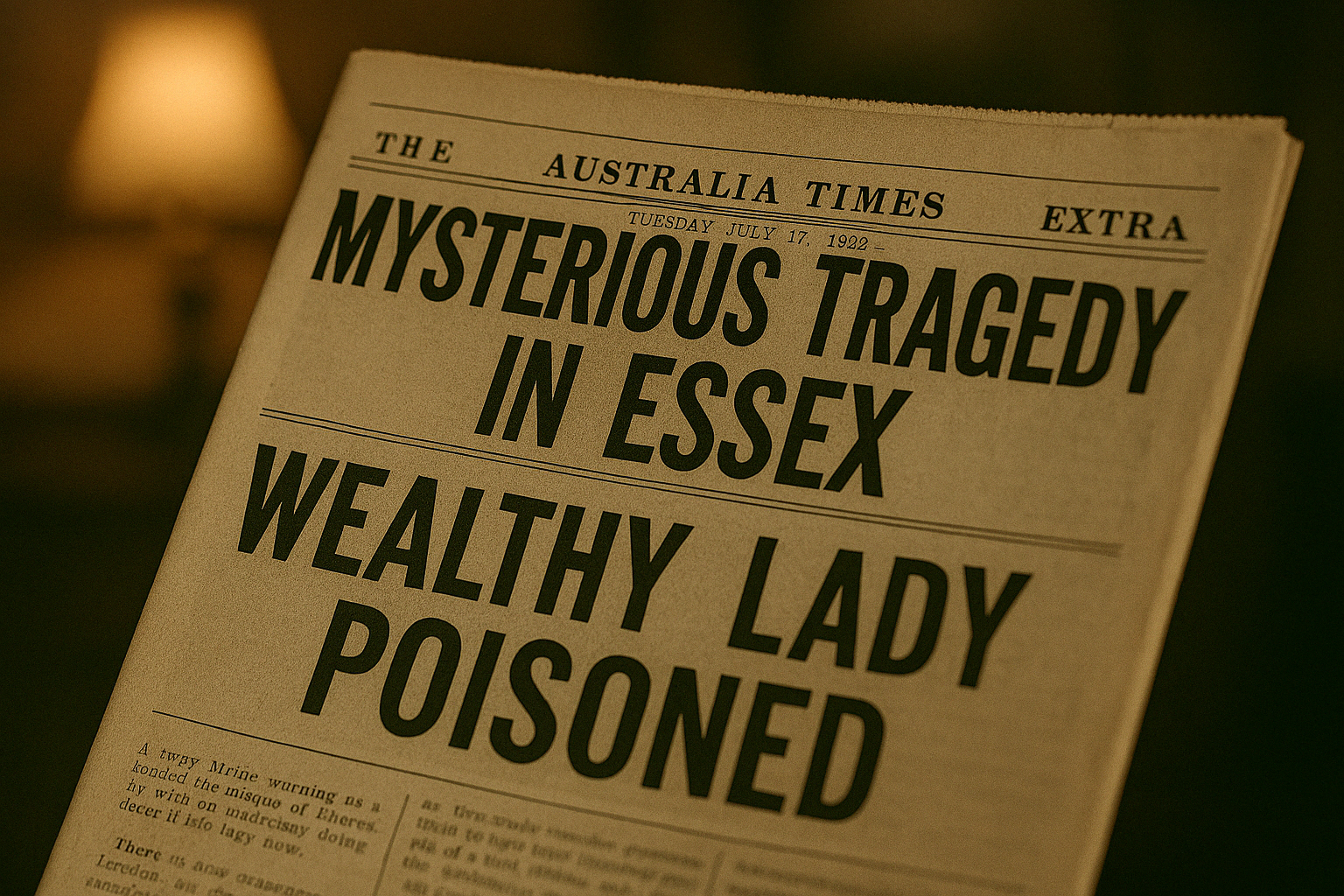
To-morrow the daily papers, all over England, would blazon out the news in staring headlines:
“MYSTERIOUS TRAGEDY IN ESSEX”
“WEALTHY LADY POISONED”
これまで|本で|読んだような|出来事。||まさに、|私たち|自身が|その|ドラマの|中の|俳優に|なっている。||その|実感が|あった。||きっと|明日には、|イギリス中の|新聞が|大きな|見出しで|こう|書き立てる|ことだろう:
『エセックスで|謎の|悲劇!』
『裕福な|レディー、|毒殺される!』
There would be pictures of Styles, snap-shots of “The family leaving the Inquest”—the village photographer had not been idle!
All the things that one had read a hundred times—things that happen to other people, not to oneself.
And now, in this house, a murder had been committed.
In front of us were “the detectives in charge of the case.”
スタイルズの|写真が|載るだろう。||『検死審問を|終えて|家族が|出てくる|場面』の|スナップ|写真も。|村の|写真屋は|手を抜いて|いなかったのだ!
何百回も|読んできた|ような|出来事。||それは|いつも|『他人事』であって、|『自分のこと』では|ない。
だが|今、|この家で|殺人が|起こった。
目の前に『事件を|担当する|刑事たち』が|いるのだ。
The well-known glib phraseology passed rapidly through my mind in the interval before Poirot opened the proceedings. I think everyone was a little surprised that it should be he and not one of the official detectives who took the initiative.
その間にも、|ポワロが|話を|始めるまでの|一瞬に、|よく|ある|決まり文句が|私の|頭の|中を|駆け巡った。
ポワロが|率先して|口を|開いたことに、|誰もが|少し|驚いたと|思う。||公式の|刑事の|誰かが|先に|話すものと|思って|いたからだ。
“Mesdames and messieurs,” said Poirot, bowing as though he were a celebrity about to deliver a lecture, “I have asked you to come here all together, for a certain object. That object, it concerns Mr. Alfred Inglethorp.”
「マダーム、|アンド|ムーシュー」||ポワロは|まるで|有名人が|講演を|始めるかの|ように、|丁寧に|お辞儀して|言った。
「私が|皆さんに|お集まり|いただいたのは、|ある|目的の|ためです。||その|目的とは、|ミスター=アルフレッド=イングルソープに|関わる|ことです」
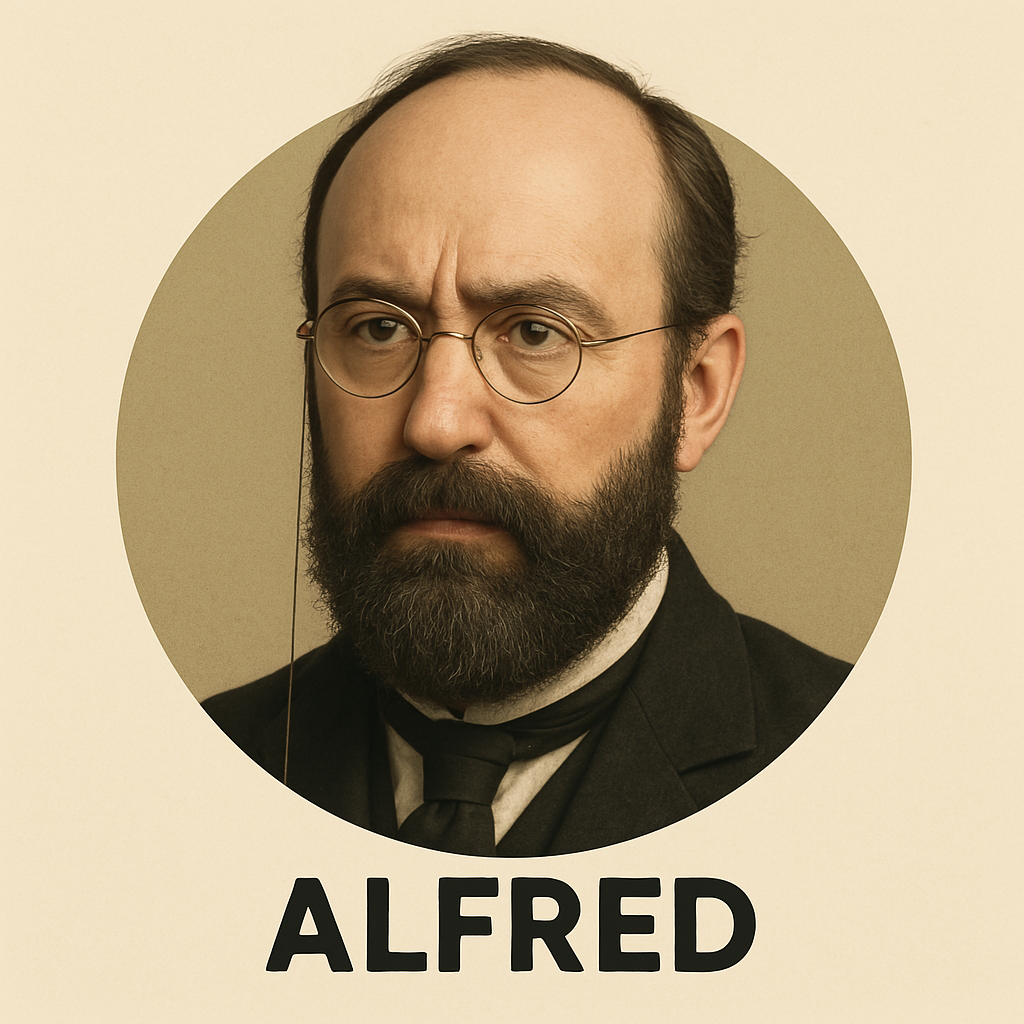
Inglethorp was sitting a little by himself—I think, unconsciously, everyone had drawn his chair slightly away from him—and he gave a faint start as Poirot pronounced his name.
ミスター=イングルソープは、|少し|離れた|ところに|座っていた。||無意識の|うちに、|皆が|わずかに|椅子を|遠ざけて|いたのだろう。||そして|ポワロが|彼の|名前を|口にした|瞬間、|彼は|かすかに|身を|震わせた。
“Mr. Inglethorp,” said Poirot, addressing him directly, “a very dark shadow is resting on this house—the shadow of murder.”
「ミスター=イングルソープ」||ポワロは|彼を|真っ直ぐに|見つめながら|話しかけた。
「この家には|今、|非常に|暗い|影が|落ちています。||殺人|という|影です」
Inglethorp shook his head sadly.
イングルソープは悲しげに首を振った。
“My poor wife,” he murmured.
“Poor Emily! It is terrible.”
「かわいそうな|妻|でした」||彼は|つぶやいた。
「哀れな|エミリー!||なんという|悲劇でしょう」
“I do not think, monsieur,” said Poirot pointedly, “that you quite realize how terrible it may be—for you.”
「あなたは、|わかって|いらっしゃらない|ようですね、|ムッシュー」||ポワロは|鋭く言った。
「それが|どれほど|恐ろしい|もので|あるか、|あなたに|とって」
And as Inglethorp did not appear to understand, he added:
イングルソープが|理解|していない|ように|見えると、|ポワロは|さらに|続けた。
“Mr. Inglethorp, you are standing in very grave danger.”
「イングルソープさん、|あなたは|非常に|重大な|危険な|立場に|いるんですよ」
The two detectives fidgeted.
I saw the official caution “Anything you say will be used in evidence against you,” actually hovering on Summerhaye’s lips.
Poirot went on.
刑事の|二人は|落ち着かない|様子を|見せていた。||サマーヘイズの|唇には|『今後の|供述は|証拠として|使用されます」という|公式の|警告が|今にも|現れ|そうだった。
ポワロは|構わず|続けた。
“Do you understand now, monsieur?”
「今、|おわかりに|なりましたか、|ムッシュー?」
“No. What do you mean?”
「いいえ、|どういう|意味です?」
“I mean,” said Poirot deliberately, “that you are suspected of poisoning your wife.”
「つまりですな」||ポワロは|あえて|口にした。
「あなたは、|あなたの|妻を|毒殺した|疑いを|かけられて|いるのです」
A little gasp ran round the circle at this plain speaking.
その|率直な|言葉に、|部屋の|空気が|一気に|凍りつき、|小さな|どよめきが|起こった。
“Good heavens!” cried Inglethorp, starting up.
“What a monstrous idea! I — poison my dearest Emily!”
「なんというを!」||イングルソープは|叫びながら|立ち上がった。
「なんて|馬鹿げた|話だ!||私が、|この|私が|最愛の|エミリーを|毒殺|するなんて!」
“I do not think”—Poirot watched him narrowly—“that you quite realize the unfavourable nature of your evidence at the inquest.
Mr. Inglethorp, knowing what I have now told you, do you still refuse to say where you were at six o’clock on Monday afternoon?”
「ですが」||ポワロは|彼の|様子を|鋭く|観察|しながら|言った。||「あなたは、|検死審問|での|あなたの|証言が、|どれほど|不利な|印象を|与えたか、|おわかりでは|ないようだ。||ミスター=イングルソープ。||私が|今|申し上げた|ことを|踏まえて、|それでも|まだ、|月曜日の|午後|六時に|どこに|いたのかを|お話しになる|ことを|拒まれるのですか?」
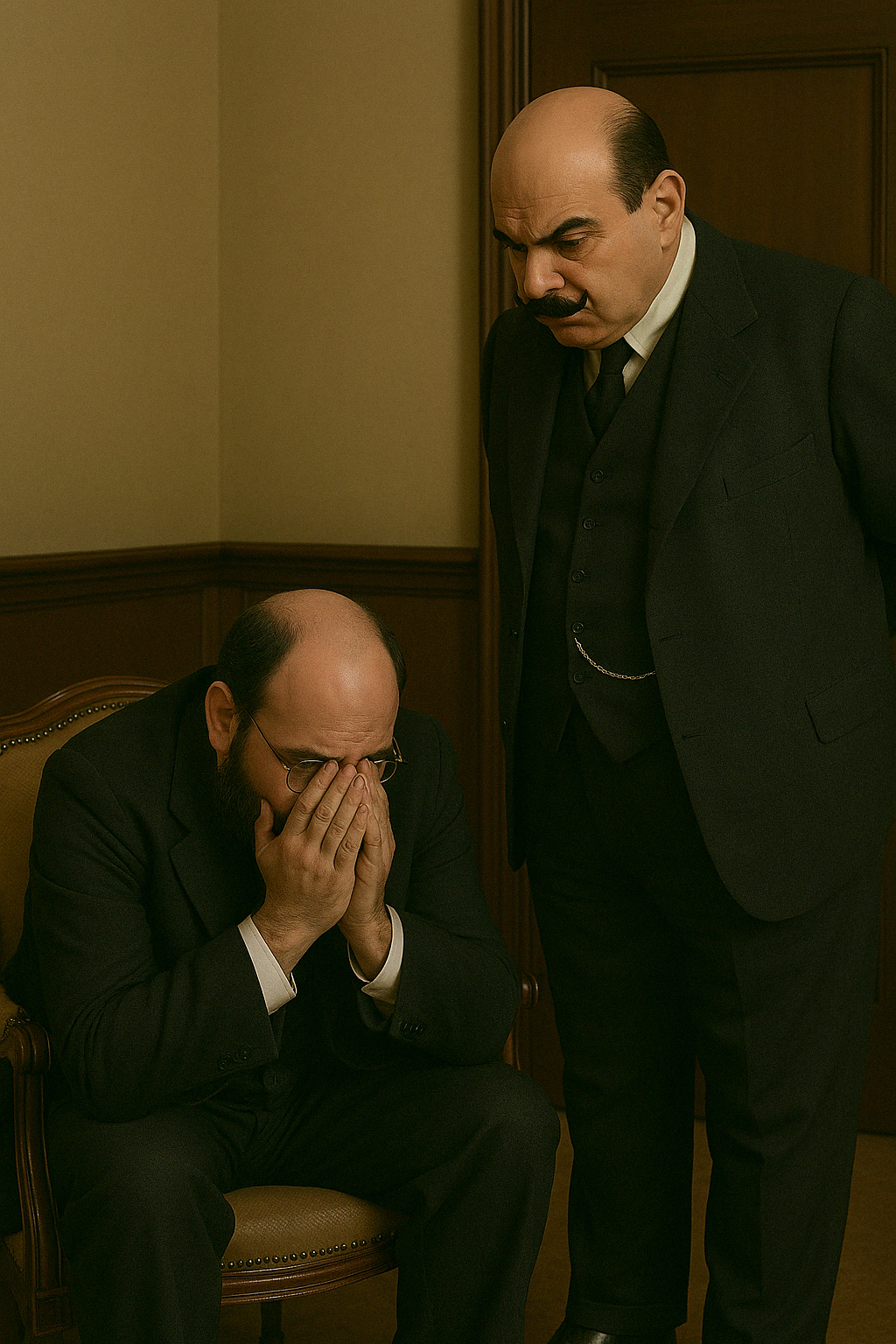
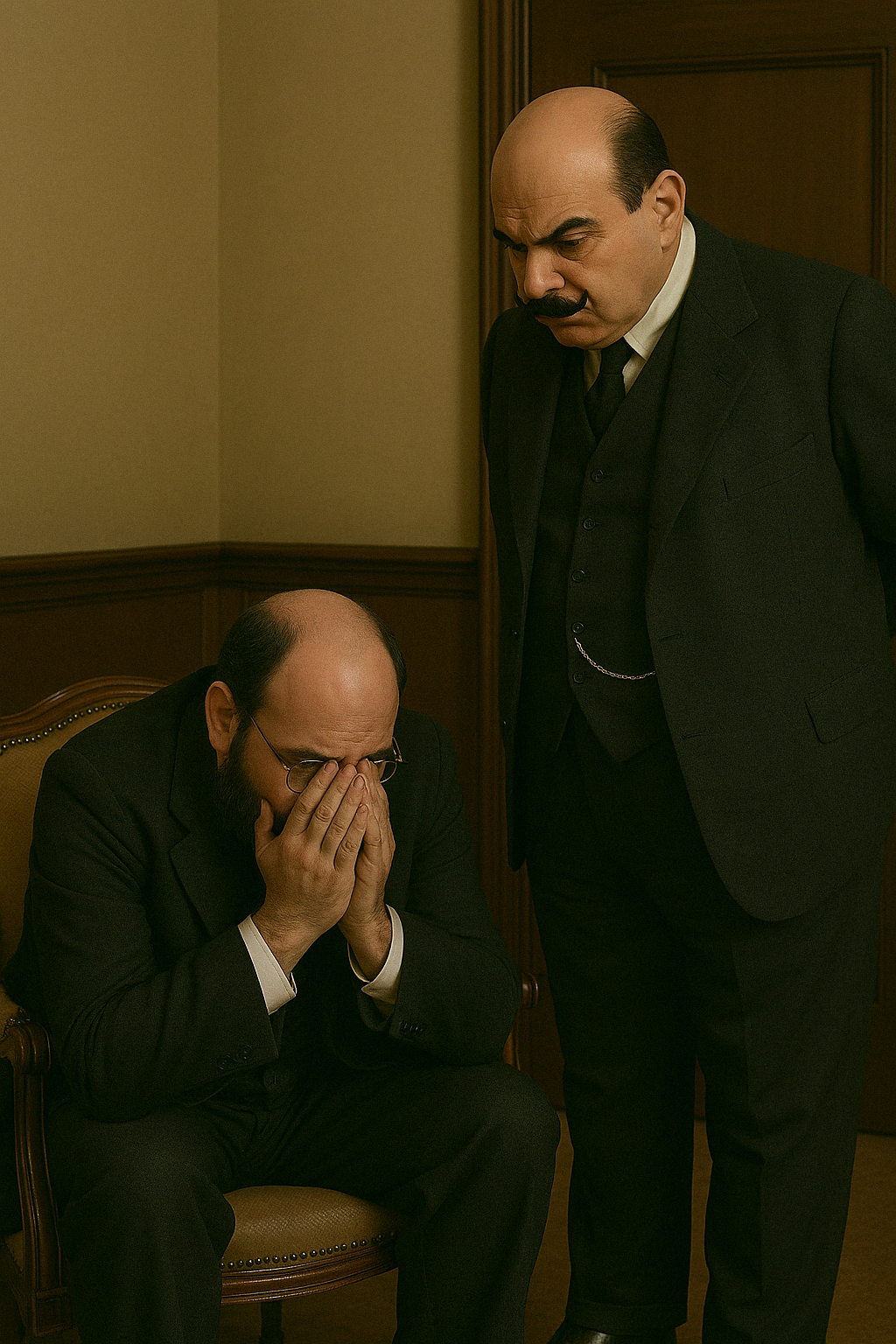
With a groan, Alfred Inglethorp sank down again and buried his face in his hands. Poirot approached and stood over him.
ミスター=イングルソープは|うめき声を|上げ、|再び|椅子に|崩れ落ち、|両手で|顔を|覆った。||ポワロは|彼に|近づき、|彼を|見下す|ように||立った。
“Speak!” he cried menacingly.
「言うんだ!」と、|彼は|脅すように|叫んだ。
With an effort, Inglethorp raised his face from his hands. Then, slowly and deliberately, he shook his head.
イングルソープは|両手から|顔を|上げると、|力を|振り絞って、|ゆっくりと、|しかし|はっきりと|首を|横に|振った。
“You will not speak?”
「言うつもりは|ないのか?」
“No. I do not believe that anyone could be so monstrous as to accuse me of what you say.”
「いいえ。||あなたが|言うように、|私を|非難する|ような|そんな|酷いことを|言える|人が|いるとは|信じていません」
Poirot nodded thoughtfully, like a man whose mind is made up.
ポワロは思案深げにうなずいた。それは、すでに決意を固めた男の仕草だった。
“Soit!” he said.
“Then I must speak for you.”
「ソワ(よろしい)!」と|彼は|言った。
「ならば、|私が|あなたの|代わりに|話しましょう」
Alfred Inglethorp sprang up again.
アルフレッド=イングルソープは|再び|立ち上がった。
“You? How can you speak? You do not know——” he broke off abruptly.
「あなたが?|| どうして|あなたが|話せるんだ?||あなたは|何も|知らないはず」||彼は|突然|言葉を|切った。
Poirot turned to face us.
ポワロは|私たちの|方を|向いた。
“Mesdames and messieurs!||I speak!|| Listen!||I, Hercule Poirot, affirm that the man who entered the chemist’s shop, and purchased strychnine at six o’clock on Monday last was not Mr. Inglethorp, for at six o’clock on that day Mr. Inglethorp was escorting Mrs. Raikes back to her home from a neighbouring farm. I can produce no less than five witnesses to swear to having seen them together, either at six or just after and, as you may know, the Abbey Farm, Mrs. Raikes’s home, is at least two and a half miles distant from the village. There is absolutely no question as to the alibi!”
「マダーム、|アン|ムシューの|皆さま!||私が|話します!||聞いてください!||私、|エルキュール=ポワロは|断言します。||月曜日の|午後|6時に|薬局に|入り、|ストリキニーネを|購入した|男は、|ミスター=イングルソープでは|ありません!||なぜなら、|その日の|6時、|ミスター=イングルソープは、|近くの|農場から|帰るミセス=レイクスを|家まで|送って|いたのです。||彼らが|一緒に|いるのを|見た|証人が、|6時|あるいは|それ以降に|目撃したと|証言できる|人が|5人も|います。||そして|ご存じの|通り、|<アビー=ファーム>|つまり|ミセス=レイクスの|家は|村から|少なくとも|2.5マイル|離れています。アリバイに|関しては、|まったく|疑いの|余地は|ないのです!」