CAPTER Ⅳ
The Letter Signed “Bella”

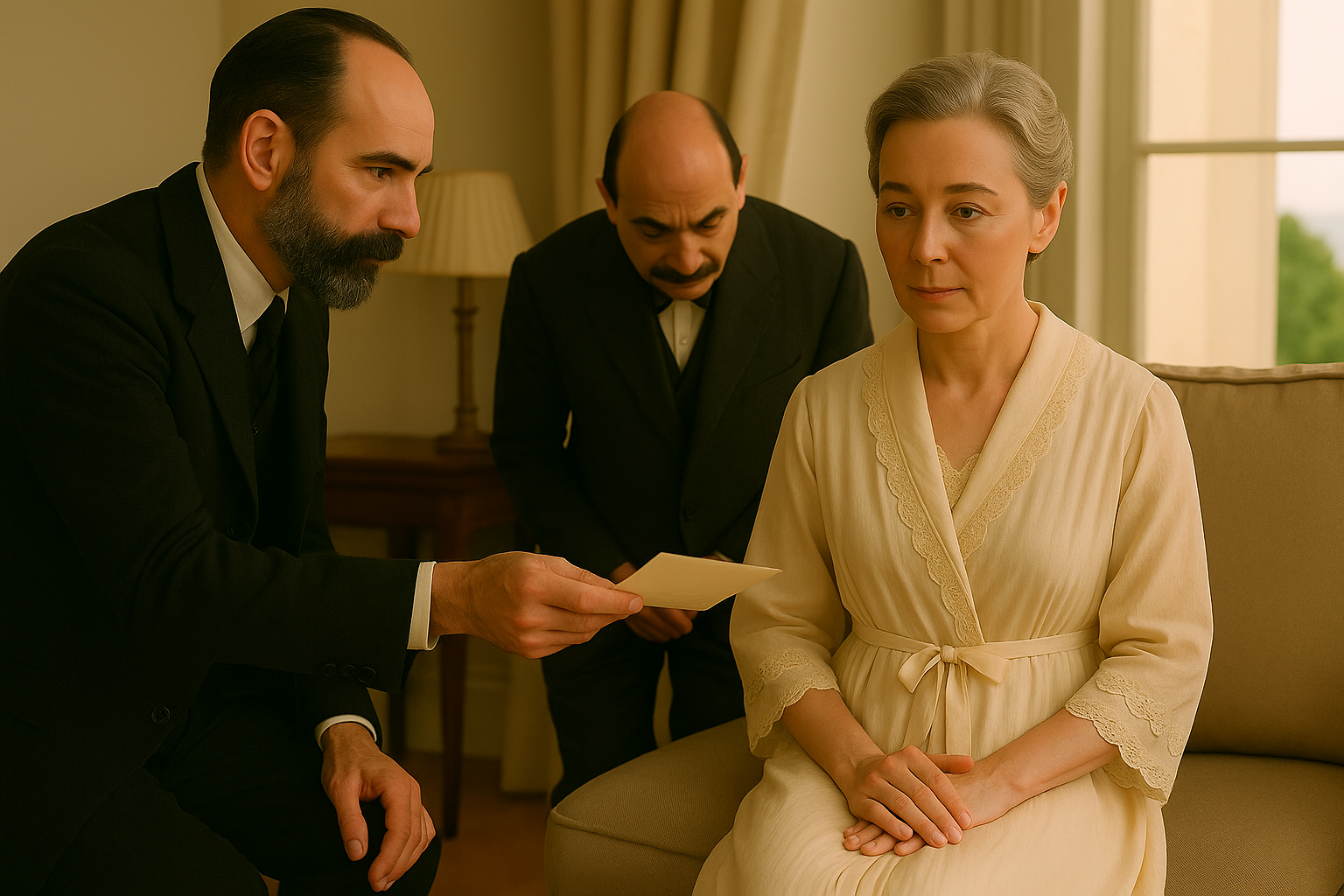
Françoise had left the room.
The magistrate was drumming thoughtfully on the table.
フランソワーズは部屋からでていった。
オーテ判事は思案深げにテーブルを指で叩いていた。

“M. Bex,” he said at length, “here we have directly conflicting testimony. Which are we to believe, Françoise or Denise?”
「ベー署長……」と彼はついに口を開いた。
「ここに真っ向から食い違う証言がある。われわれはどちらを信じるべきだろう、フランソワーズか、それともドニーズか?」

“Denise,” said the commissary decidedly.
“It was she who let the visitor in. Françoise is old and obstinate, and has evidently taken a dislike to Madame Daubreuil.
Besides, our own knowledge tends to show that Renauld was entangled with another woman.”
「ドニーズです」とベー署長は断言した。
「訪問者を招き入れたのは彼女です。フランソワーズは年寄りで頑固ですし、どうやらドーブルイユ夫人に対して個人的な反感を持っているようです。
それに、私たちの側でもルノー氏が他の女性と関係していた可能性があることを把握しています」
“Tiens!” cried M. Hautet.
“We have forgotten to inform M. Poirot of that.”
He searched amongst the papers on the table, and finally handed the one he was in search of to my friend.
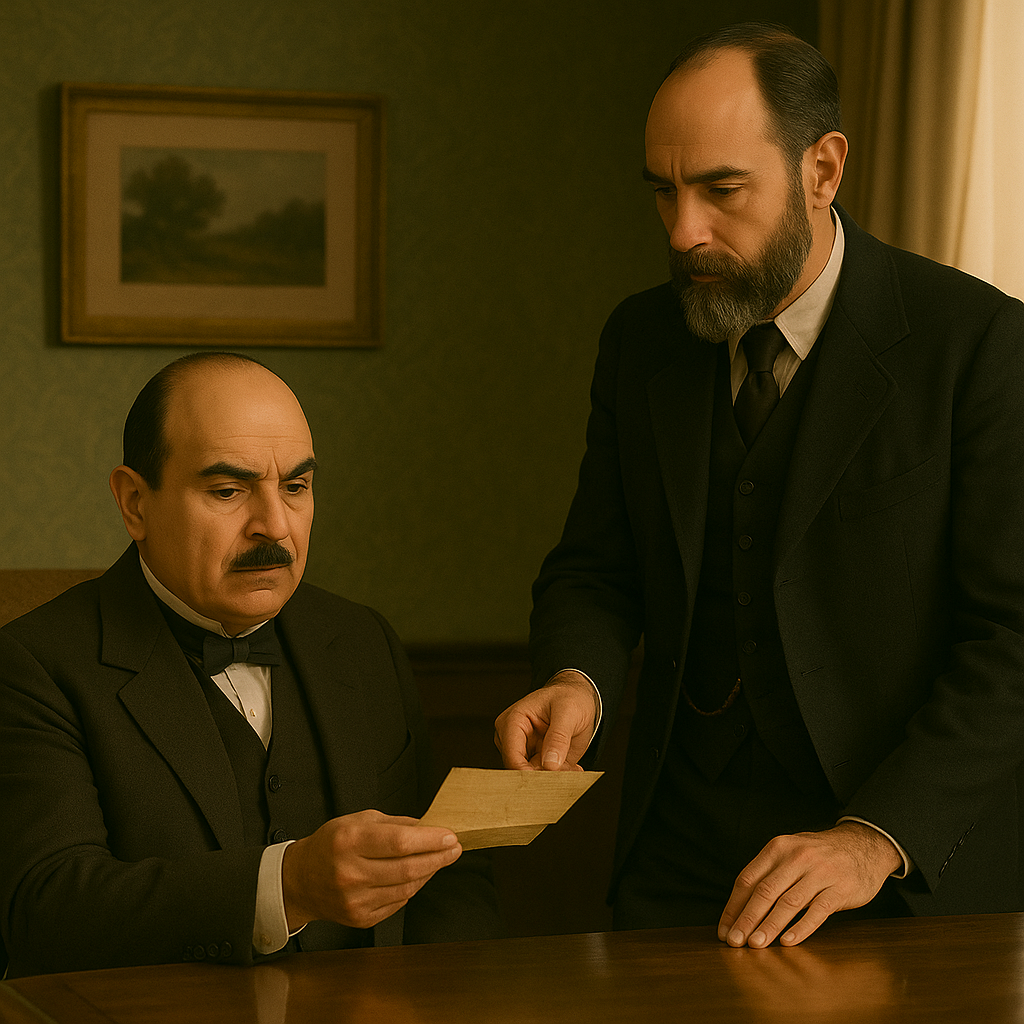
“This letter, M. Poirot, we found in the pocket of the dead man’s overcoat.”
「[ティヤン(あっ!)!」とオーテ判事が叫んだ。
「ムッシュー=ポワロにそれを知らせるのを忘れていました!」
彼はテーブルの上の書類の山の中を探しまわって、ようやく見つけた一枚の紙をポワロに差し出した。
「この手紙です、ポワロ氏。死体のオーバーのポケットの中から見つかりました」
Poirot took it and unfolded it.
It was somewhat worn and crumbled, and was written in English in a rather unformed hand:
ポワロは手紙を受け取り、それを開いた。
紙はやや古びて、くしゃくしゃになっており、拙い筆跡の英語でこう書かれていた:
“My dearest one:
”Why have you not written for so long? You do love me still, don’t you? Your letters lately have been so different, cold and strange, and now this long silence. It makes me afraid. If you were to stop loving me! But that’s impossible—what a silly kid I am—always imagining things! But if you did stop loving me, I don’t know what I should do—kill myself perhaps! I couldn’t live without you.
Sometimes I fancy another woman is coming between us. Let her look out, that’s all—and you too! I’d as soon kill you as let her have you! I mean it.
“But there, I’m writing high-flown nonsense. You love me, and I love you—yes, love you, love you, love you!“Your own adoring
“BELLA.”
「愛しいあなたへ:
どうしてこんなに長くお便りをくれないの? あなた、まだ私のことを愛してるわよね? 最近のあなたの手紙は冷たくて、よそよそしく感じるわ。それに今度はこんなに長い沈黙……怖くなるの。もし、もしもあなたが私のことをもう愛してくれなくなったら! でも、そんなことありえない。私って本当にバカね、いつも悪い想像ばかりして。でも、もしあなたが本当に愛をやめたら……私、どうしていいかわからない。きっと自殺するかも! あなたなしでは生きていけないわ。
時々、別の女の人があなたを奪おうとしてるんじゃないかって思うの。もしそうなら、その人は覚悟してもらわなきゃ――あなたもよ! 彼女に渡すくらいなら、あなたを殺してしまったほうがマシよ! 本気なのよ。
……でも、こんなこと書いてるなんて馬鹿みたい。あなたは私を愛してる。私もあなたを愛してる――そうよ、愛してる、愛してる、愛してる!
あなたの愛する
ベラより」

There was no address or date. Poirot handed it back with a grave face.
“And the assumption is, M. le juge—?”
住所も日付も書かれていなかった。ポワロは深刻な表情で手紙を返した。
「それで、予審判事閣下のお考えは――?」

The examining magistrate shrugged his shoulders.
“Obviously M. Renauld was entangled with this Englishwoman—Bella.
He comes over here, meets Madame Daubreuil, and starts an intrigue with her. He cools off to the other, and she instantly suspects something. This letter contains a distinct threat.
M. Poirot, at first sight the case seemed simplicity itself. Jealousy!
The fact that M. Renauld was stabbed in the back seemed to point distinctly to its being a woman’s crime.”
予審判事は肩をすくめた。
「明らかに、ルノー氏はこのイギリス人女性――“ベラ”と関係を持っていたということです。
フランスに来て、ドーブルイユ夫人と出会い、新たな関係を始めた。すると、彼女に対して気持ちが冷め、ベラはすぐに何かを察知した。この手紙にははっきりとした脅迫が含まれていますよ。
ムッシュー=ポワロ、最初この事件は、非常に単純に思えました。嫉妬だと!
ルノー氏が背中から刺されている事実からしても、明らかに女による犯行であることを示しているように見えましたな」
Poirot nodded.
“The stab in the back, yes—but not the grave! That was laborious work, hard work—no woman dug that grave, monsieur. That was a man’s doing.”
ポワロはうなずいた。
「背中の刺し傷――そこまではいい。だが、墓は違う! あれは大変な労力を要する仕事です。女が掘った墓ではありません。あれは男の仕事です」

The commissary exclaimed excitedly:
“Yes, yes, you are right. We did not think of that.”
ベー署長が興奮して叫んだ。
「そう、そうだ、あなたの言う通りだ! そこまで思いつきませんでしたな!」

“As I said,” continued M. Hautet,
“at first sight the case seemed simple, but the masked men, and the letter you received from M. Renauld complicate matters.
Here we seem to have an entirely different set of circumstances, with no relationship between the two.
As regards the letter written to yourself, do you think it is possible that it referred in any way to this ‘Bella,’ and her threats?”
「私が言ったように……」とオーテ判事は続けた。
「最初は事件は単純に見えました。しかし、仮面の男たちの存在とあなたが受け取ったルノー氏からの手紙、これが事態を複雑にしています。
ここには、まったく異なる状況があって、この二つには関連性がないようにも見えます。
さて、あなたが受け取った手紙ですが、この“ベラ”という女性とその脅迫に、何らかの関連があると思われますか?」
Poirot shook his head.
“Hardly.
A man like M. Renauld, who has led an adventurous life in out-of-the-way places, would not be likely to ask for protection against a woman.”
ポワロは首を振った。
「それはほとんどありえませんね。
ルノー氏のように、辺境の地で冒険的な人生を送ってきた男が、たかが女性相手に保護を求めるようなことは考えにくいですよ」
The examining magistrate nodded his head emphatically.
“My view exactly. Then we must look for the explanation of the letter—”
予審判事は大きくうなずいた。
「まったくその通りです。では、我々はこの手紙をどう説明すれば——」

“In Santiago,” finished the commissary.
“I shall cable without delay to the police in that city, requesting full details of the murdered man’s life out there, his love affairs, his business transactions, his friendships, and any enmities he may have incurred.
It will be strange if, after that, we do not hold a clue to his mysterious murder.”
「サンティアゴです」と、ベー署長が引き受けた
「ただちにその町の警察に電報を打ち、殺された男の現地での生活、恋愛関係、仕事関係、交友関係、そして彼を恨んでいる敵について、詳しい情報を求めます。
その結果、この不可解な殺人の手がかりが得られないとしたら変ですよ」

The commissary looked round for approval.
“Excellent,” said Poirot appreciatively.
ベー署長は同意を求めるような目をして周囲を見回した。
「素晴らしい」とポワロは好意的に言った。
“His wife, too, may be able to give us a pointer,” added the magistrate.
「奥さんからも何か手がかりが得られるかもしれませんね」と、予審判事が付け加えた。
“You have found no other letters from this Bella amongst M. Renauld’s effects?” asked Poirot.
「ルノー氏の所持品の中に、このベラという人物からの手紙は他には見つかっていないのですか?」とポワロが尋ねた。

“No. Of course one of our first proceedings was to search through his private papers in the study.
We found nothing of interest, however. All seemed square and above-board.
The only thing at all out of the ordinary was his will. Here it is.”
「ええ、ありません。もちろん、我々が最初に行ったのは、書斎の私的な書類を調べることでした。
しかし、興味深いものは何も見つかりませんでした。すべてが整然としていて、公明正大に見えました。
ただ一つ、少々変わった点があるとすれば、遺言書くらいです。こちらです」
Poirot ran through the document.
“So. A legacy of a thousand pounds to Mr. Stonor—who is he, by the way?”
ポワロはその書類に目を通した。
「ふむ。ストナー氏に千ポンドの遺贈……ところで、彼は誰です?」
“M. Renauld’s secretary.
He remained in England, but was over here once or twice for a week-end.”
「ルノー氏の秘書です。
彼はイギリスに残っていましたが、何度か週末にこちらに来ていました」
“And everything else left unconditionally to his beloved wife, Eloise. Simply drawn up, but perfectly legal.
Witnessed by the two servants, Denise and Françoise. Nothing so very unusual about that.”
He handed it back.
「そして残りすべては、無条件で『愛する妻エロイーズ』に。簡潔な構成ですが、完全に合法です。
証人は召使いのドニーズとフランソワーズ。特に奇妙な点はありませんね」
ポワロは書類を返した。
“Perhaps,” began Bex, “you did not notice—”
「おそらく……」とベックスが言いかけた。「気づいておられないかもしれませんが——」
“The date?” twinkled Poirot.
“But yes, I noticed it. A fortnight ago. Possibly it marks his first intimation of danger. Many rich men die intestate through never considering the likelihood of their demise.
But it is dangerous to draw conclusions prematurely.
It points, however, to his having a real liking and fondness for his wife, in spite of his amorous intrigues.”
「日付のことですか?」とポワロが目を輝かせた。
「ええ、気づいていますよ。二週間前ですね。おそらく、そのときに初めて何らかの危険を感じたのでしょう。多くの裕福な人々は、自分が死ぬなんてことはあまり考えないので、遺言を残さないまま亡くなりますからね。
しかし、性急に結論を出すのは危険です。
ところで、彼が妻に本当に愛着と信頼を寄せていたことはわかりますね——色恋沙汰があったにせよ」
“Yes,” said M. Hautet doubtfully.
“But it is possibly a little unfair on his son, since it leaves him entirely dependent on his mother.
If she were to marry again, and her second husband obtained an ascendancy over her, this boy might never touch a penny of his father’s money.”
「そうですね」とオーテ判事は疑わしげに言った。
「ですが、それでは息子にとっては不公平かもしれません。これでは彼は全く母親に依存して生活する事になります。
もし彼女が再婚し、その夫が母親より優位な立場に立ったら、彼は父親の財産を全く得られない可能性すらあります」
Poirot shrugged his shoulders.
“Man is a vain animal. M. Renauld figured to himself, without doubt, that his widow would never marry again.
As to the son, it may have been a wise precaution to leave the money in his mother’s hands. The sons of rich men are proverbially wild.”
ポワロは肩をすくめた。
「男というものは、自惚れの強い生き物です。ルノー氏は、未亡人となった妻が再婚するとは夢にも思っていなかったのでしょう。
息子について言えば、財産を母親に一任するのは賢明な予防策だったかもしれません。裕福な家の息子は諺にもあるように、だらしないと言われてますから」
“It may be as you say.
Now, M. Poirot, you would without doubt like to visit the scene of the crime.
I am sorry that the body has been removed, but of course photographs have been taken from every conceivable angle, and will be at your disposal as soon as they are available.”
「あなたのおっしゃるとおりかもしれません。
さて、ムッシュー=ポワロ、現場をご覧になりたいでしょうね。
申し訳ないのですが、遺体はすでに運ばれてしまいましが、あらゆる角度から撮影した写真があり、すぐにご覧いただけるよう手配します」
“I thank you, monsieur, for all your courtesy.”
「ご親切に感謝します、判事閣下」

The commissary rose.
“Come with me, monsieurs.”
ベー署長は立ち上がった。
「お二方、ご一緒にどうぞ」
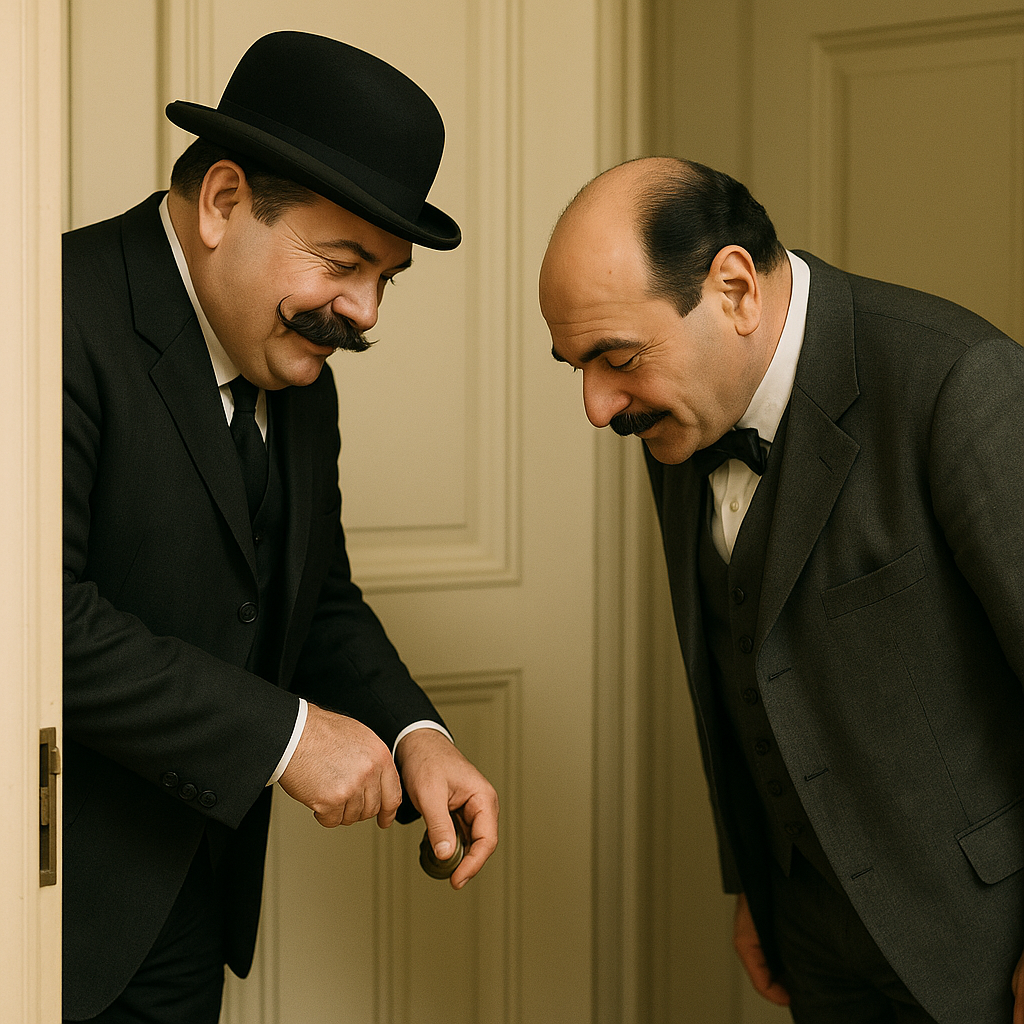
He opened the door, and bowed ceremoniously to Poirot to precede him. Poirot, with equal politeness, drew back and bowed to the commissary.
“Monsieur.”
“Monsieur.”
At last they got out into the hall.
彼は扉を開け、ポワロに一礼して先を譲った。ポワロも同じように礼儀正しく身を引くと、丁寧に頭を下げた。
「ムッシュー=ポワロ、どうぞ」
「いえ、署長から」
ようやく彼らは廊下に出た。

“That room there, it is the study, hein?” asked Poirot suddenly, nodding towards the door opposite.
「あの部屋、書斎ですね、アン?(でしょう?)」とポワロが突然言って、向かい側のドアを顎で示した。

“Yes. You would like to see it?”
He threw the door open as he spoke, and we entered.
「そうです。ご覧になりますか?」
彼はそう言ってドアを開けた。私たちは中へ入った。
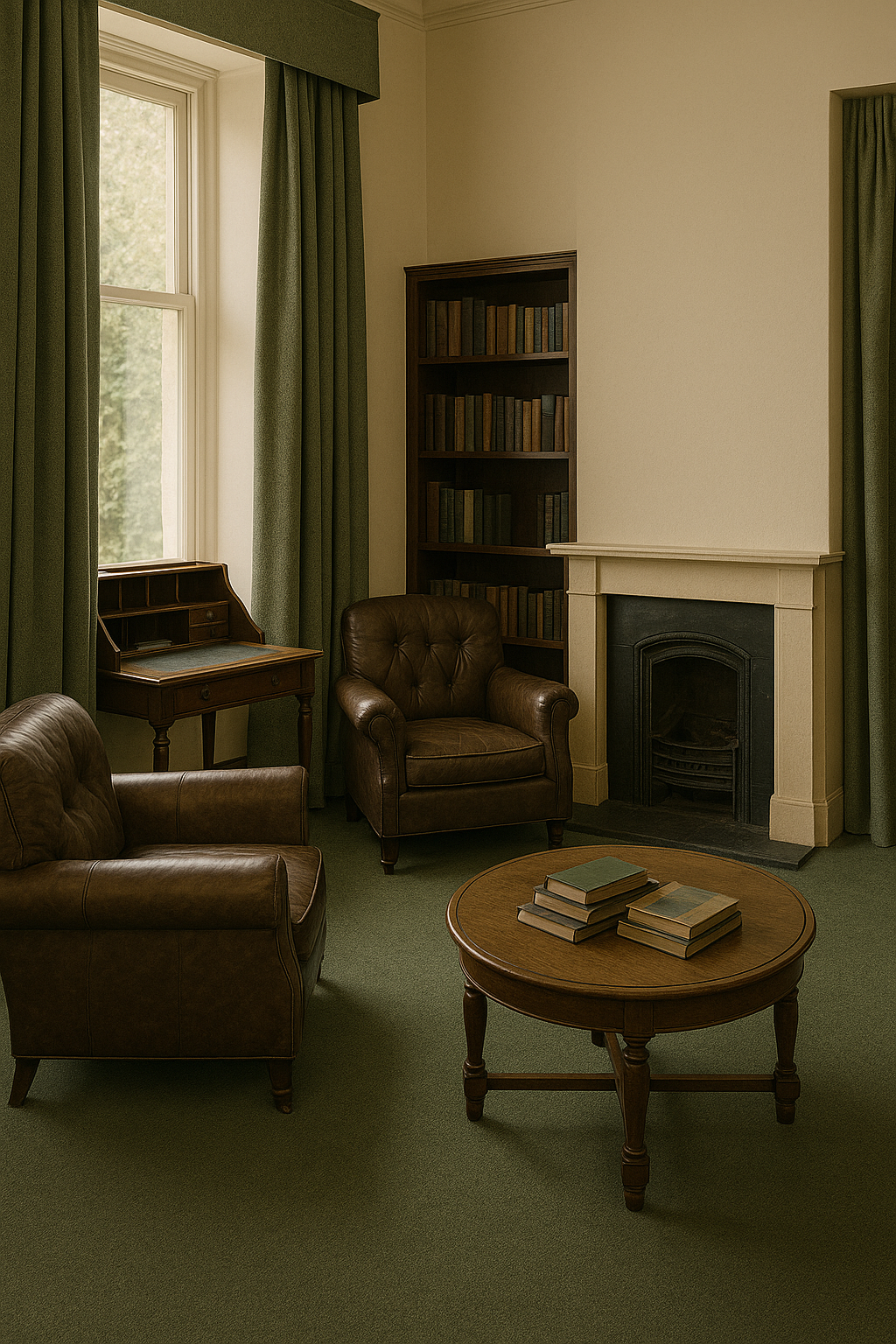
The room which M. Renauld had chosen for his own particular use was small, but furnished with great taste and comfort.
A businesslike writing desk, with many pigeon holes, stood in the window.
Two large leather-covered armchairs faced the fireplace, and between them was a round table covered with the latest books and magazines.
Bookshelves lined two of the walls, and at the end of the room opposite the window there was a handsome oak sideboard with a tantalus on top.
The curtains and portière were of a soft dull green, and the carpet matched them in tone.
ルノー氏が個人的に使用していたこの部屋は小さいながらも、非常に趣味よく快適に整えられていた。
窓辺には多くの仕切りのついた実用的な書き机が置かれていた。
暖炉の前には革張りの大きな肘掛け椅子が二脚向かい合い、間には最新の本や雑誌で埋め尽くされた丸テーブルがあった。
二面の壁には本棚が備え付けられ、窓の反対側の壁には、タンタラス(鍵付き酒瓶セット)の載った見事なオーク材のサイドボードが置かれていた。
カーテンとポーテール(出入口の垂れ布)は柔らかく鈍い緑色で、カーペットもその色調に合わせられていた。
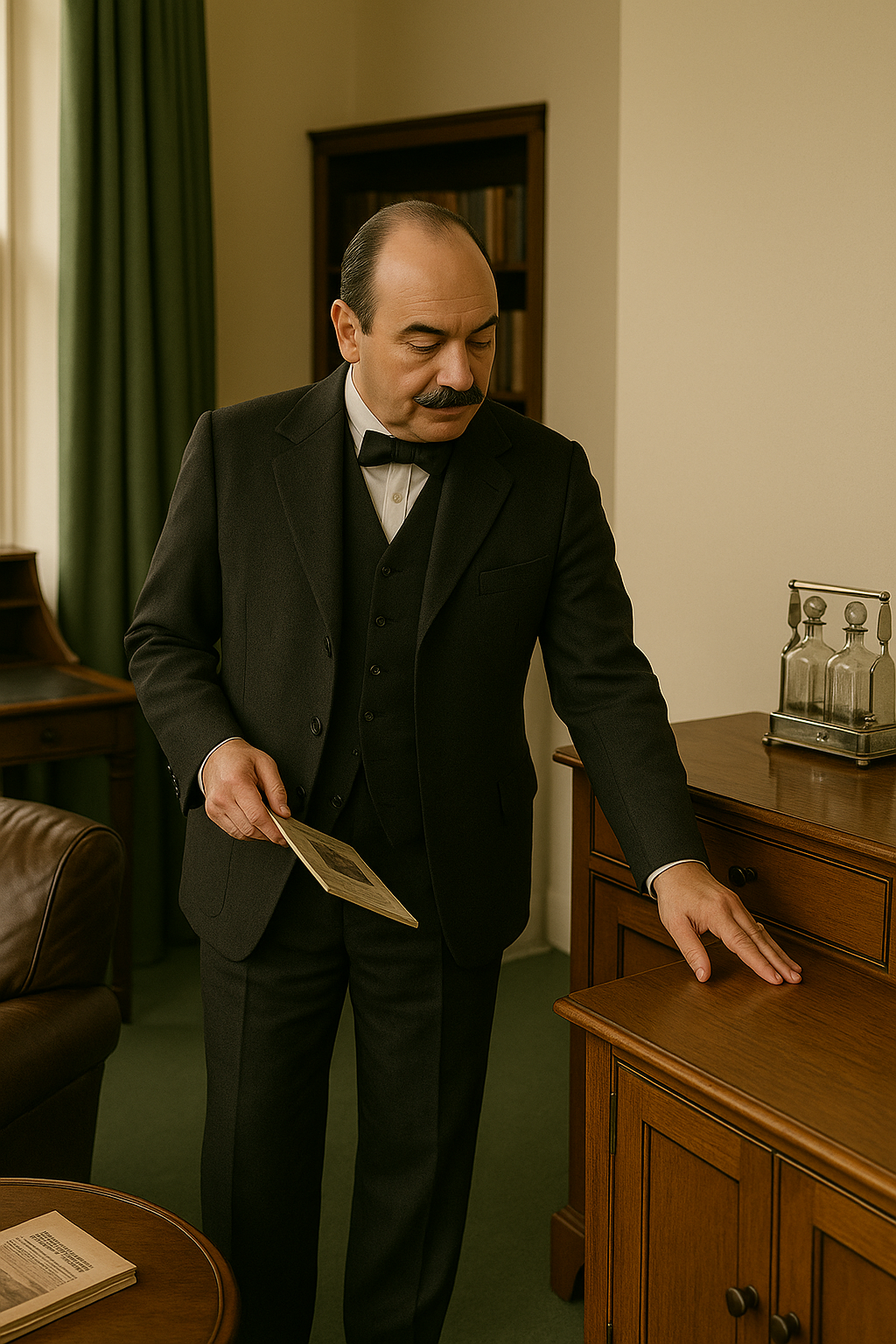
Poirot stood a moment taking in the room, then he stepped forward, passed his hand lightly over the backs of the leather chairs, picked up a magazine from the table, and drew a finger gingerly over the surface of the oak sideboard.
His face expressed complete approval.
ポワロはしばらく部屋を見渡した後、革張りの椅子の背にそっと手を滑らせ、テーブルの雑誌を手に取り、オークのサイドボードの表面に指を軽く滑らせた。
彼の顔には満足げな表情が浮かんだ。

“No dust?” I asked, with a smile.
「ホコリはなかったかい?」と私は笑いながら訊いた。

He beamed on me, appreciative of my knowledge of his peculiarities.
“Not a particle, mon ami! And for once, perhaps, it is a pity.”
彼は私ににっこりと微笑んだ——私が彼の変わった癖をよく理解していることを嬉しく思ってのことだった。
「塵ひとつない、モナミ! 今回に限って言えば、おそらく、それは残念なことだよ」
His sharp, birdlike eyes darted here and there.
“Ah!” he remarked suddenly, with an intonation of relief.
“The hearth-rug is crooked,” and he bent down to straighten it.
Suddenly he uttered an exclamation and rose. In his hand he held a small fragment of paper.
彼の鋭く小鳥のような目が部屋を鋭く走った。
「おおっ!」彼は急に声を上げ、安堵の色をにじませた。
「暖炉の前の敷物がずれている」そう言って彼はかがみこんでラグを直した。
突然、彼は叫び声を上げて立ち上がった。手には小さな紙切れがあった。
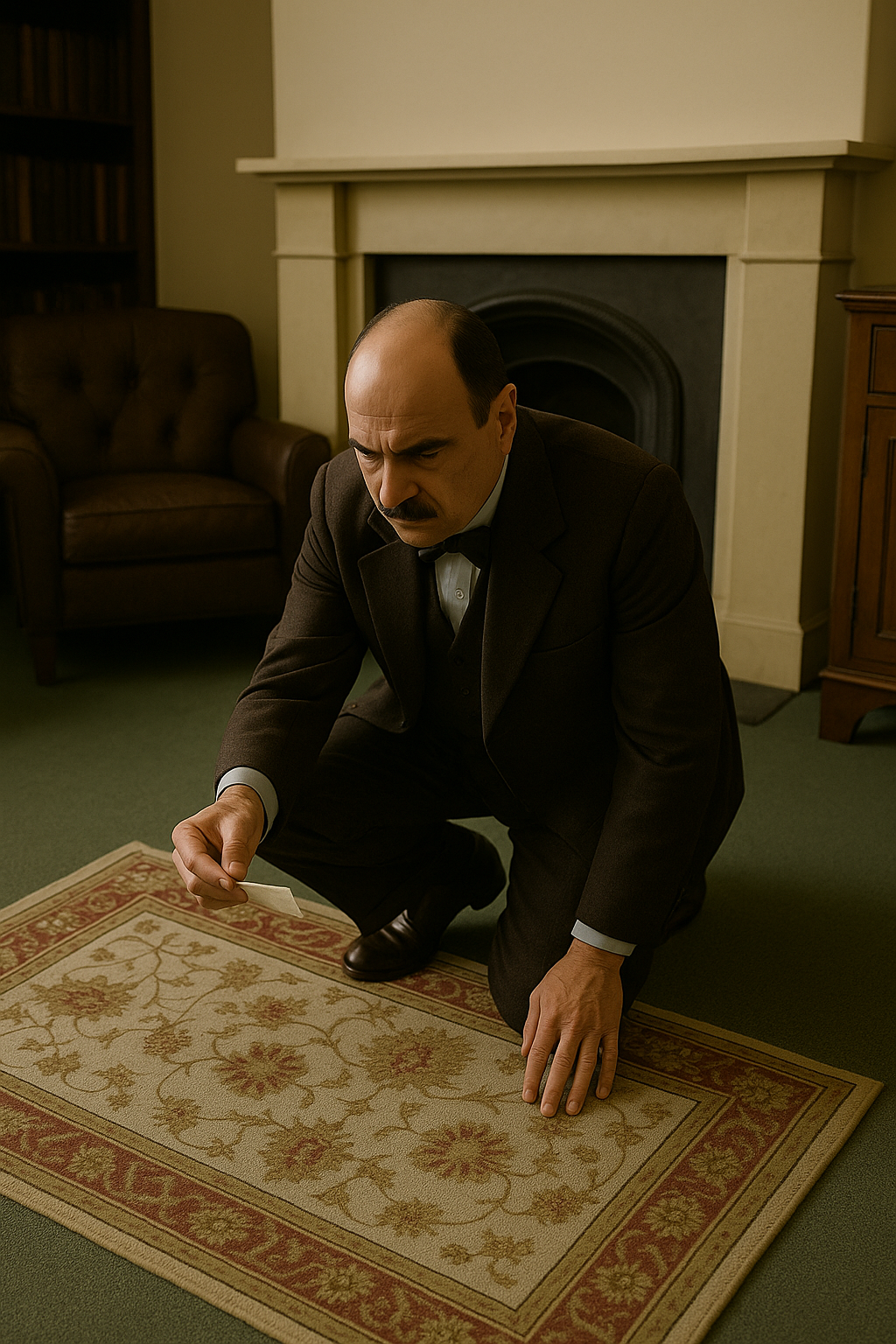
“In France, as in England,” he remarked, “the domestics omit to sweep under the mats!”
「フランスでもイギリスでも‥‥」彼は言った。「使用人たちは敷物の下を掃除し忘れる!」
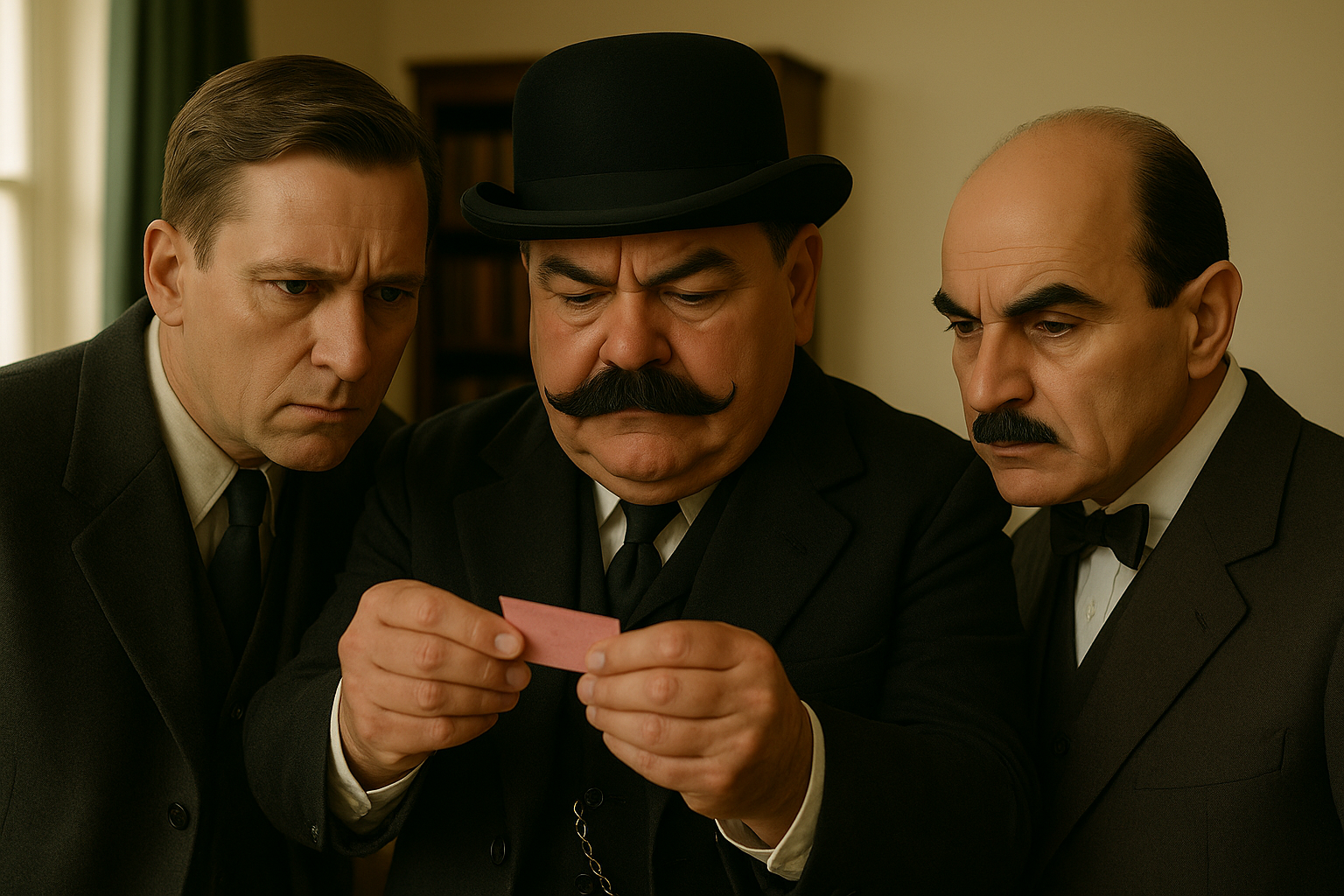
Bex took the fragment from him, and I came closer to examine it.
ベックスが彼の手から紙片を受け取り、私も近寄って覗き込んだ。
“You recognize it—eh, Hastings?”
「わかるかね、ヘイスティングズ?」

I shook my head, puzzled—and yet that particular shade of pink paper was very familiar.
私は困惑して首を振った。しかし、ピンク色の紙の特徴には見覚えがあった。

The commissary’s mental processes were quicker than mine.
“A fragment of a cheque,” he exclaimed.
ベー署長の思考の速さは私より上だった。
「これは小切手の切れ端だ!」と彼は叫んだ。
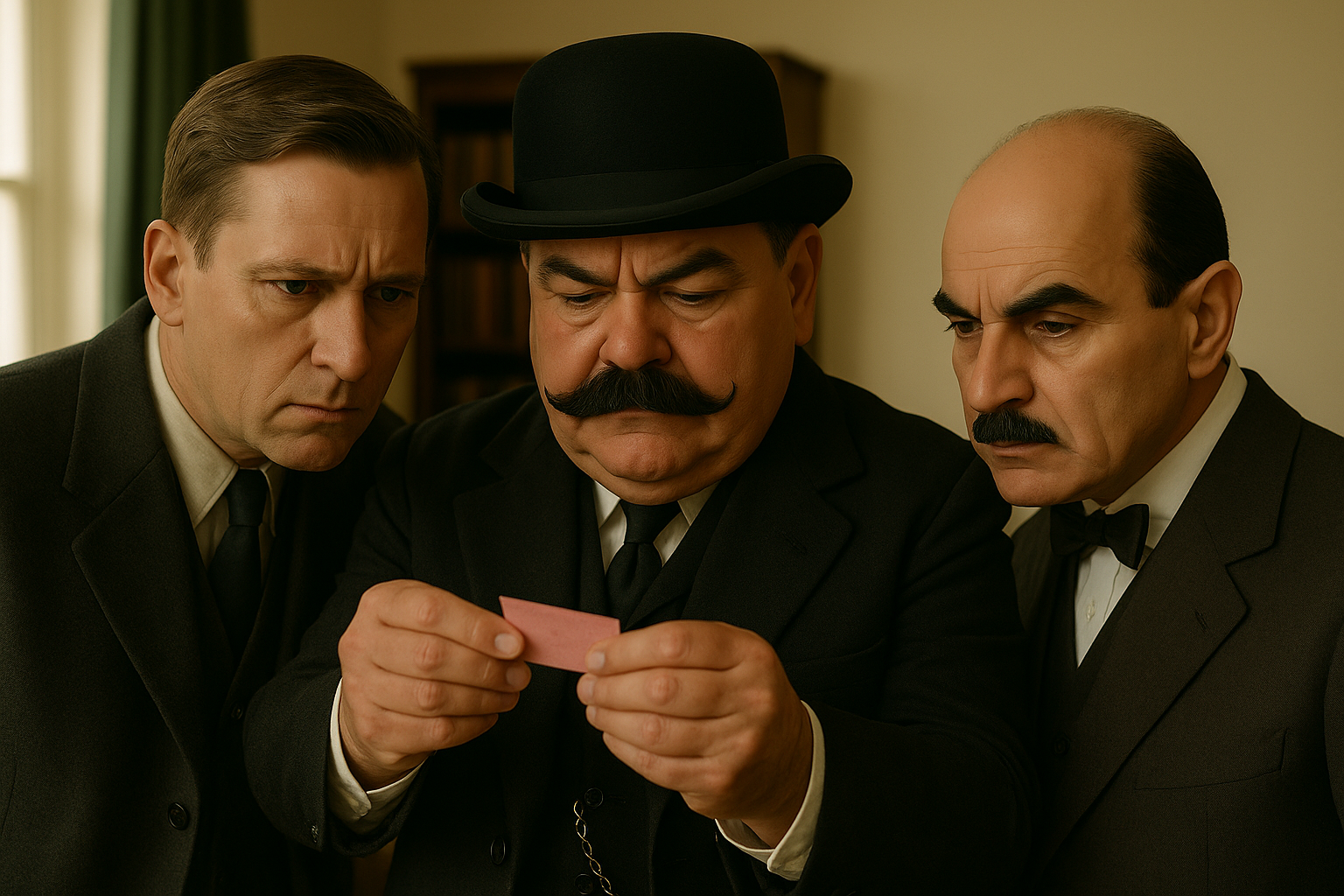
The piece of paper was roughly about two inches square.
On it was written in ink the word “Duveen.”
その紙片はおよそ5センチ四方ほどで、インクで「デュヴェーン(Duveen)」という名が書かれていた。
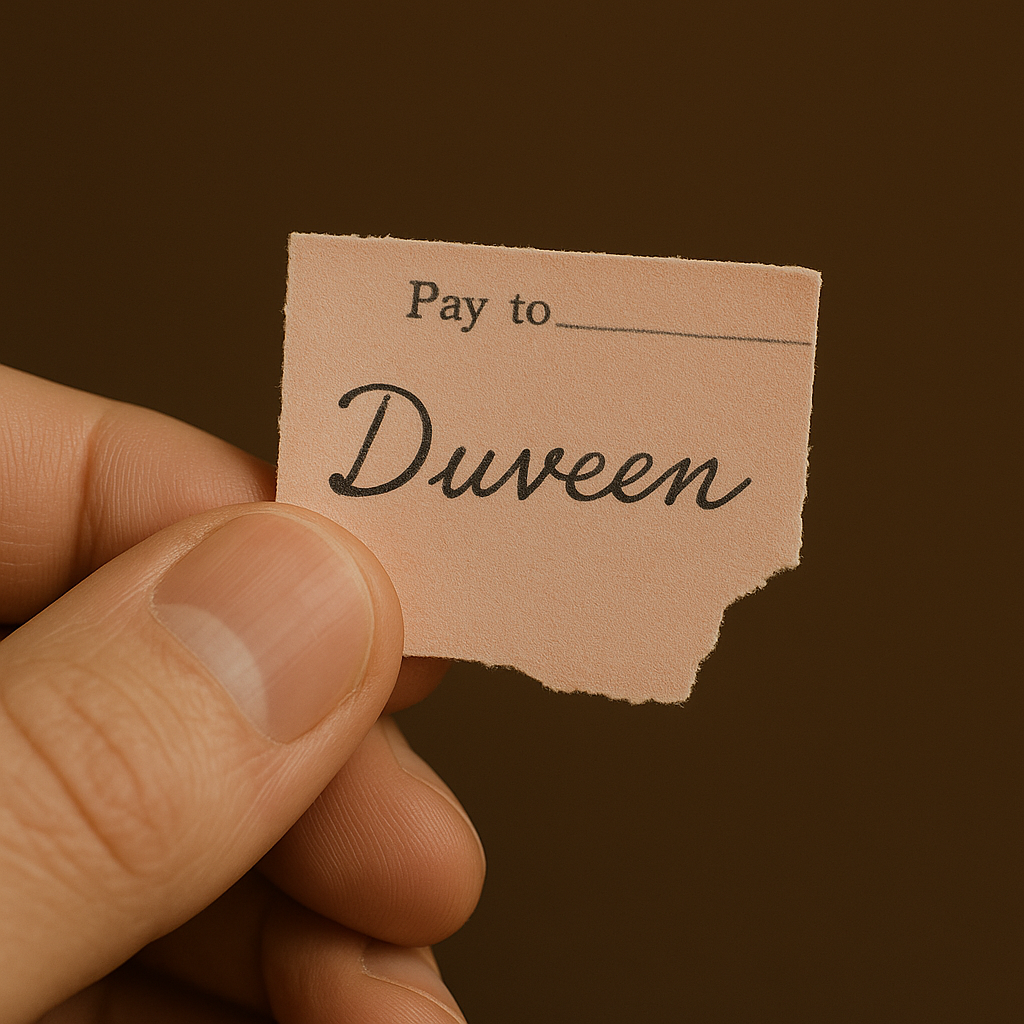
“Bien,” said Bex.
“This cheque was payable to, or drawn by, one named Duveen.”
「ビヤン(ふむ)」とベー署長は言った。
「この小切手は、デュヴェーンという名の人物に宛てられたか、あるいはその人物が振り出したものだ」

“The former, I fancy,” said Poirot, “for, if I am not mistaken, the handwriting is that of M. Renauld.”
That was soon established, by comparing it with a memorandum from the desk.
「前者でしょうね」とポワロ。
「私が間違っていなければ、これはルノー氏の筆跡です」
それはすぐに机のメモと比較されて確認された。
“Dear me,” murmured the commissary, with a crestfallen air,
“I really cannot imagine how I came to overlook this.”
「やれやれ……」とコミッサールは気まずそうに呟いた。
「どうしてこんなものを見落としていたのか、自分でも考えられない」

Poirot laughed.
“The moral of that is, always look under the mats!
My friend Hastings here will tell you that anything in the least crooked is a torment to me.
ポワロは笑った。
「ここから導き出される教訓は、いつでも敷物の下を見ることです! 私の友人ヘイスティングズが証言してくれますが、私はほんの少しの歪みでも我慢ならない性質なのです。
As soon as I saw that the hearth-rug was out of the straight, I said to myself:
‘Tiens! The leg of the chair caught it in being pushed back. Possibly there may be something beneath it which the good Françoise overlooked.’ ”
あの絨毯が曲がっているのを見た瞬間、こう思いました。
『ティヤン!(ふむ!) 椅子の脚が押し戻されるときに引っかかったのだな。
もしかすると、その下には親切なフランソワーズが見落とした何かがあるかもしれない』とね」
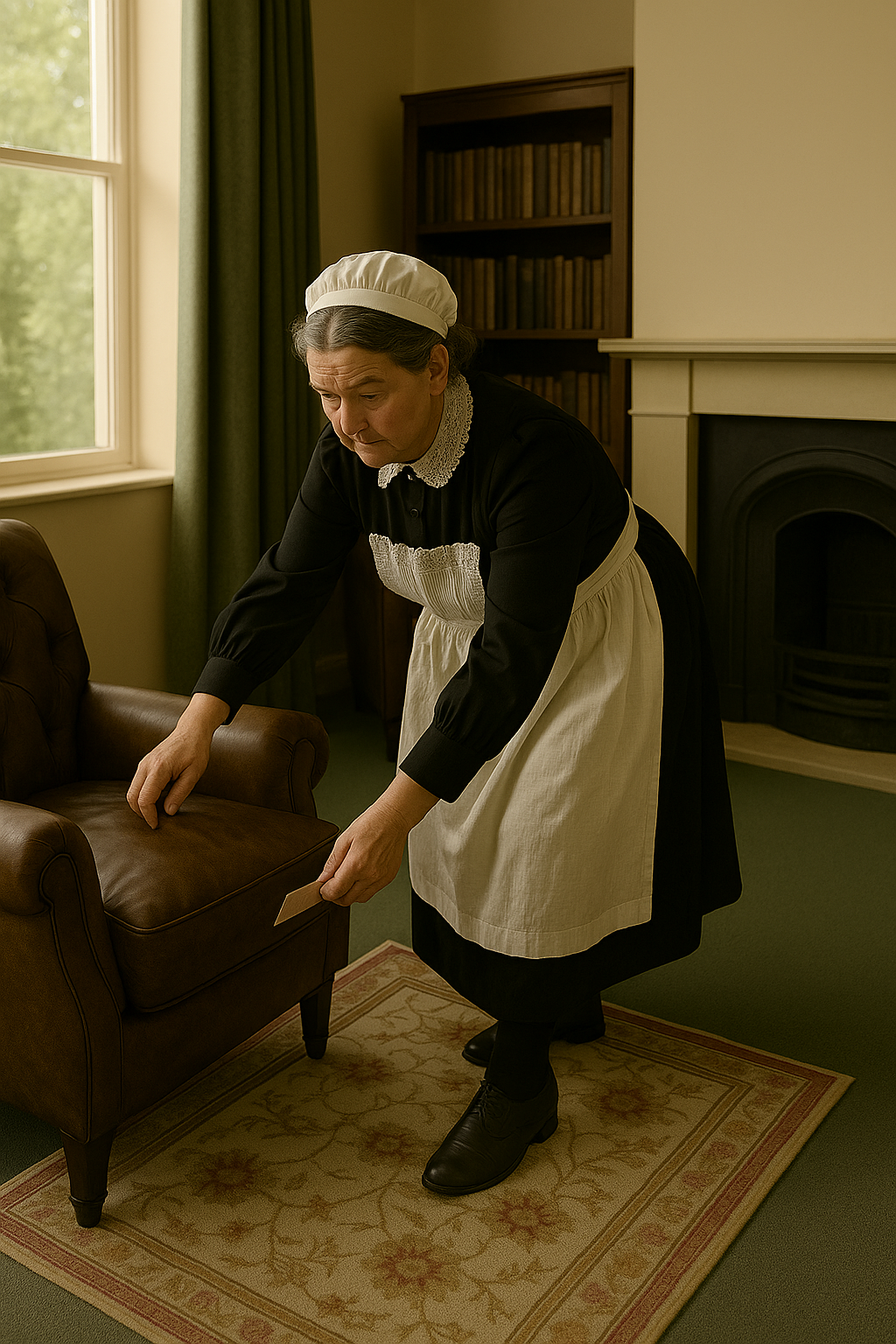
“Françoise?”
「フランソワーズ?」

“Or Denise, or Léonie. Whoever did this room. Since there is no dust, the room must have been done this morning.
「ドニーズかもしれないし、レオニーかもしれません。いずれにせよ、この部屋は塵日ひとつないという今朝、掃除されたはずです。
I reconstruct the incident like this. Yesterday, possibly last night, M. Renauld drew a cheque to the order of some one named Duveen.
Afterwards it was torn up, and scattered on the floor. This morning—”
But M. Bex was already pulling impatiently at the bell.
すると、この事象を再現するとこういうことになります。昨日、おそらくその日の夜、ルノー氏は“デュヴェーン”という名の人物にあてて小切手を切りました。
その後、それを破って床にばら撒いた。そして今朝――」
しかしベー署長は我慢できず、すでにベルを引っぱっていた。
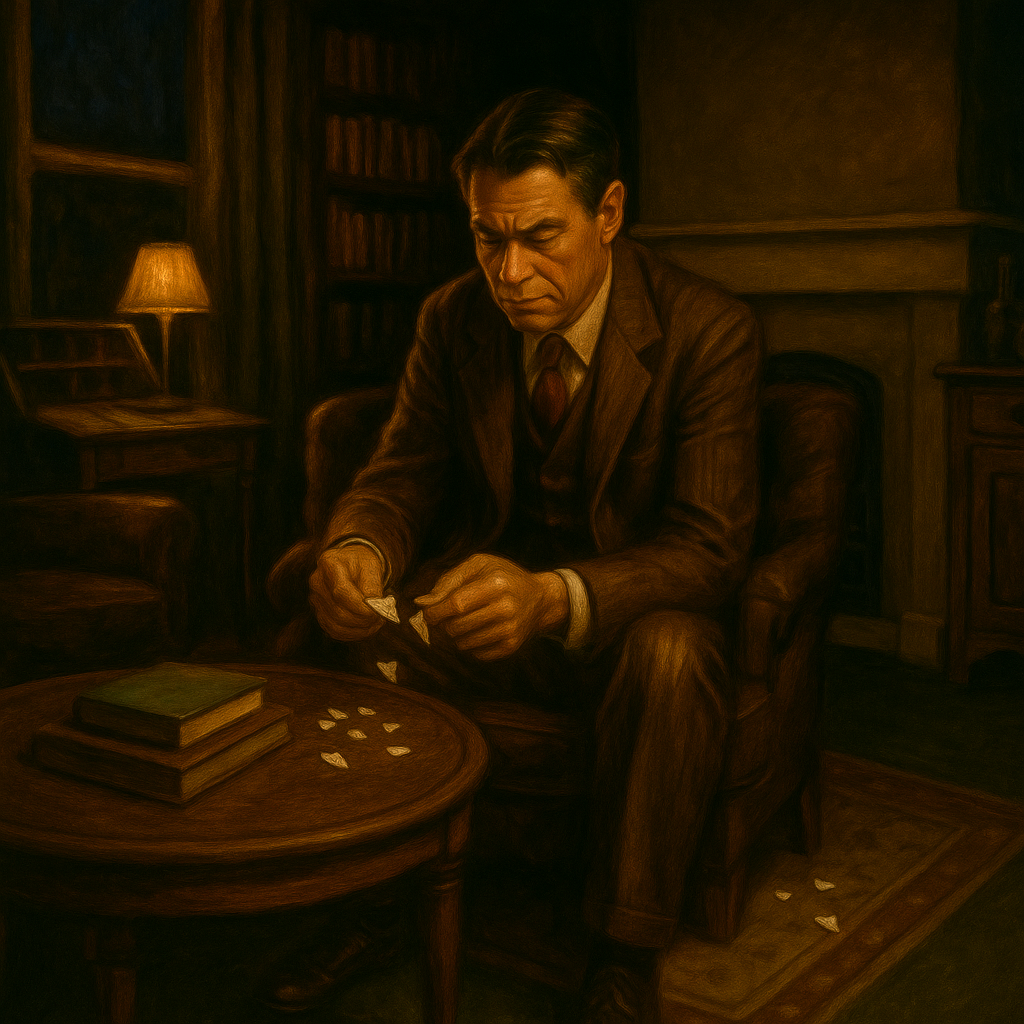
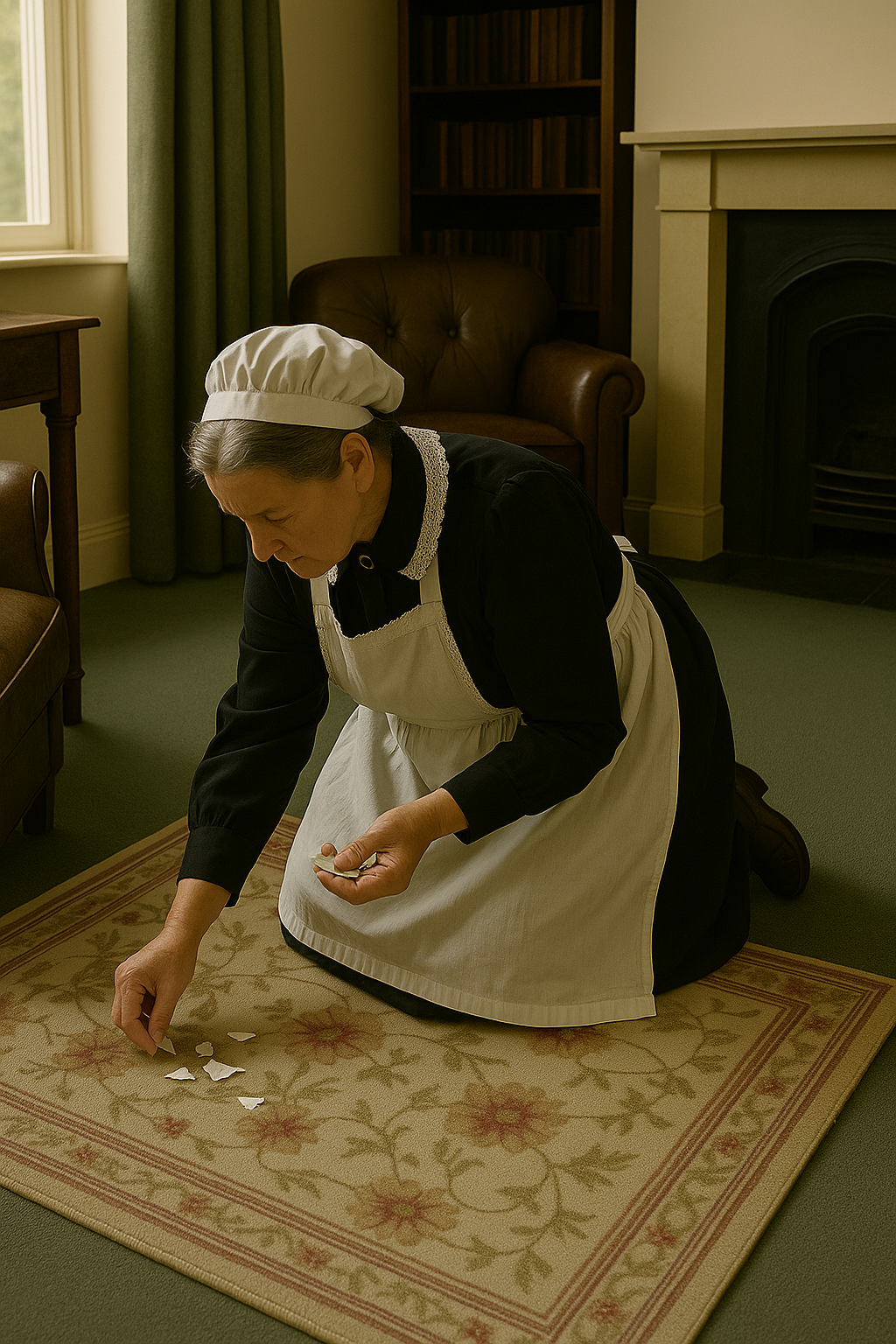
Françoise answered it.
Yes, there had been a lot of pieces of paper on the floor. What had she done with them?
Put them in the kitchen stove of course!
What else?
フランソワーズが応じて現れた。
――確かに、床に紙切れがたくさん落ちていたという。
それをどうしたのか?
──もちろん台所のストーブにくべたという。他にどうしろと?
With a gesture of despair, Bex dismissed her.
Then, his face lightening, he ran to the desk.
In a minute he was hunting through the dead man’s cheque book.
Then he repeated his former gesture. The last counterfoil was blank.
ベー署長は絶望的な仕草で彼女を下がらせた。
しかし次の瞬間には顔を輝かせ、書き物机に走っていった。
彼はすぐに死者の小切手帳を調べはじめた。
だがすぐにまた、先ほどと同じ失望の身ぶりをした。最後の控えは白紙だった。
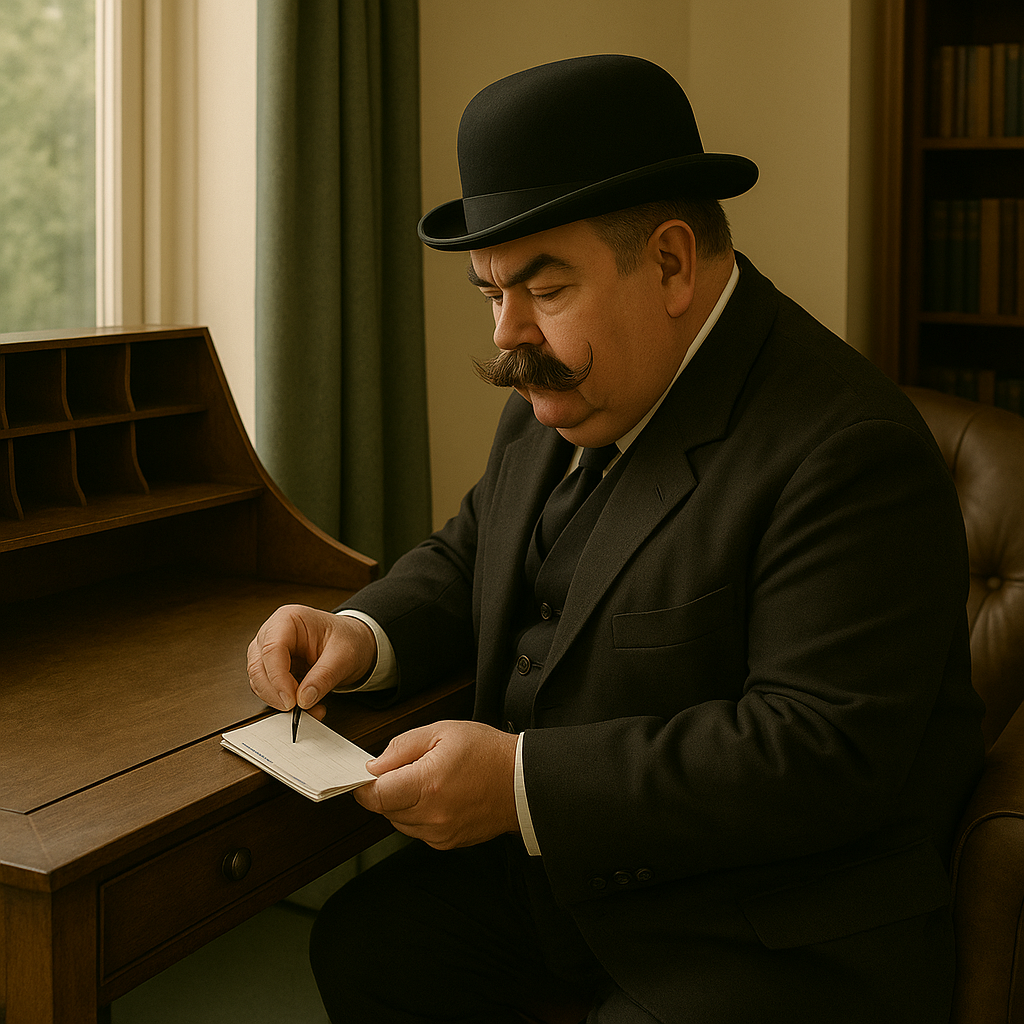

“Courage!” cried Poirot, clapping him on the back.
“Without doubt, Madame Renauld will be able to tell us all about this mysterious person named Duveen.”
「クラージュ(元気を出してください!)」とポワロが背中を叩いて励ました。
「きっとルノー夫人がこの謎の人物“デュヴェーン”について教えてくれるはずです」

The commissary’s face cleared. “That is true. Let us proceed.”
署長の顔に明るさが戻った。「そのとおりですな。さあ、行きましょうか」

As we turned to leave the room, Poirot remarked casually:
“It was here that M. Renauld received his guest last night, eh?”
私たちが部屋を出ようとした時、ポワロが何気なく言った。
「ルノー氏は、昨夜ここで来客を迎えたようですね?」
“It was—but how did you know?”
「そうですな――ですが、どうしてわかりました?」
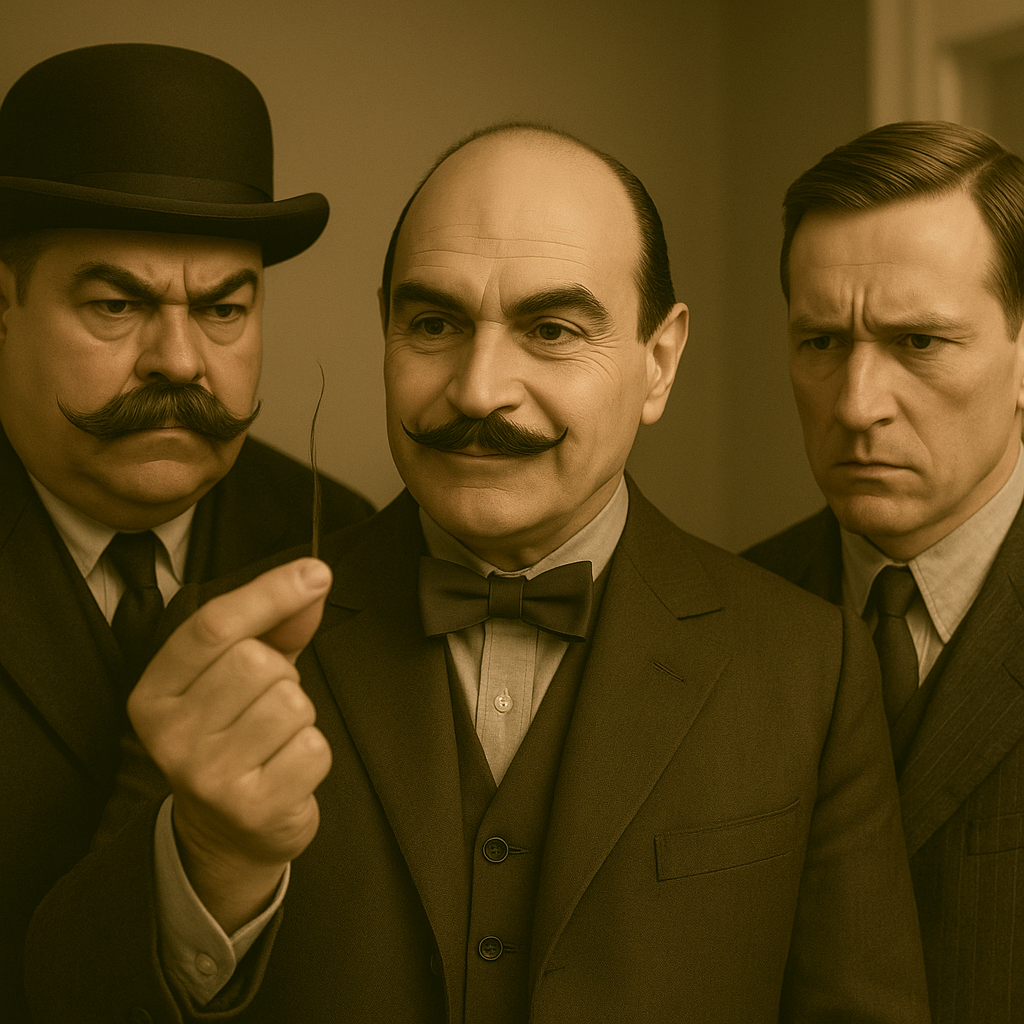
“By this. I found it on the back of the leather chair.”
「これです、革張りの椅子の背で見つけました」
And he held up between his finger and thumb a long black hair—a woman’s hair!
彼は一本の長い黒髪を親指と人差し指でつまんで見せた。
それは――女性の髪だった!
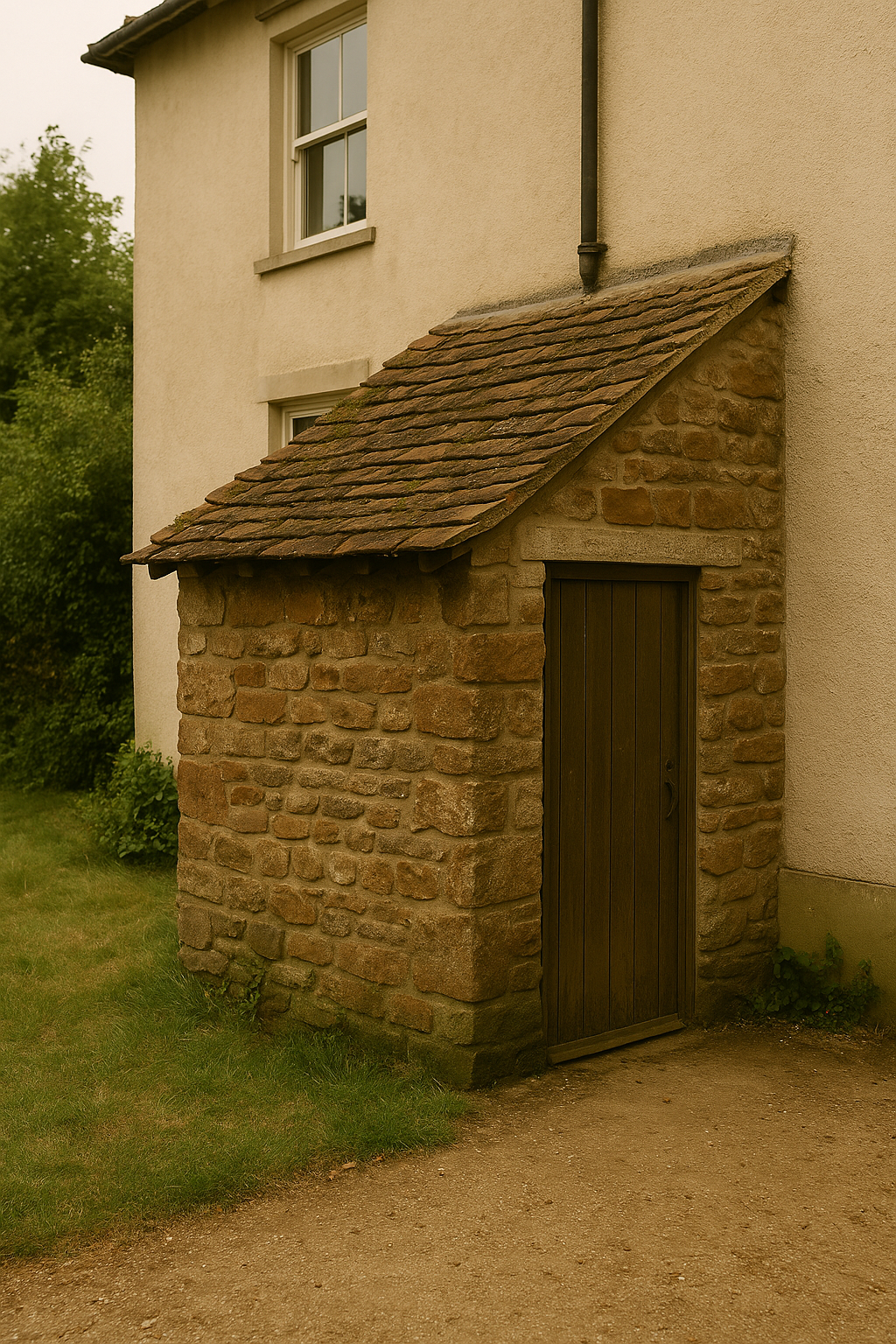
M. Bex took us out by the back of the house to where there was a small shed leaning against the house.
He produced a key from his pocket and unlocked it.
ベー署長は私たちを屋敷の裏手にある小さな納屋へ案内した。
建物の壁に寄り添うように建てられたもので、彼はポケットから鍵を取り出して開けた。
“The body is here.
We moved it from the scene of the crime just before you arrived, as the photographers had done with it.”
「ご遺体はここにあります。
ちょうどあなた方が到着される直前に犯行現場からこちらに移しました。写真撮影が終わりましたので」
He opened the door and we passed in.
The murdered man lay on the ground, with a sheet over him. M. Bex dexterously whipped off the covering.
Renauld was a man of medium height, slender and lithe in figure.
He looked about fifty years of age, and his dark hair was plentifully streaked with grey.
He was clean shaven with a long thin nose, and eyes set rather close together, and his skin was deeply bronzed, as that of a man who had spent most of his life beneath tropical skies.
His lips were drawn back from his teeth and an expression of absolute amazement and terror was stamped on the livid features.
彼が扉を開け、私たちは中へ入った。
殺された男は地面に横たえられ、シーツがかけられていた。ベー署長が器用にその覆いを外した。
ルノー氏は中背で、すらりとした体格だった。
年齢は五十歳前後に見え、濃い髪にはすでに白いものが混じっていた。
顔はきれいに剃られており、細長い鼻、やや寄り気味の目を持ち、肌は人生のほとんどを熱帯の空の下で暮らてきた男らしく深く日焼けしていた。
唇は歯をむき出しにし、顔には驚愕と恐怖の表情が刻まれていた。

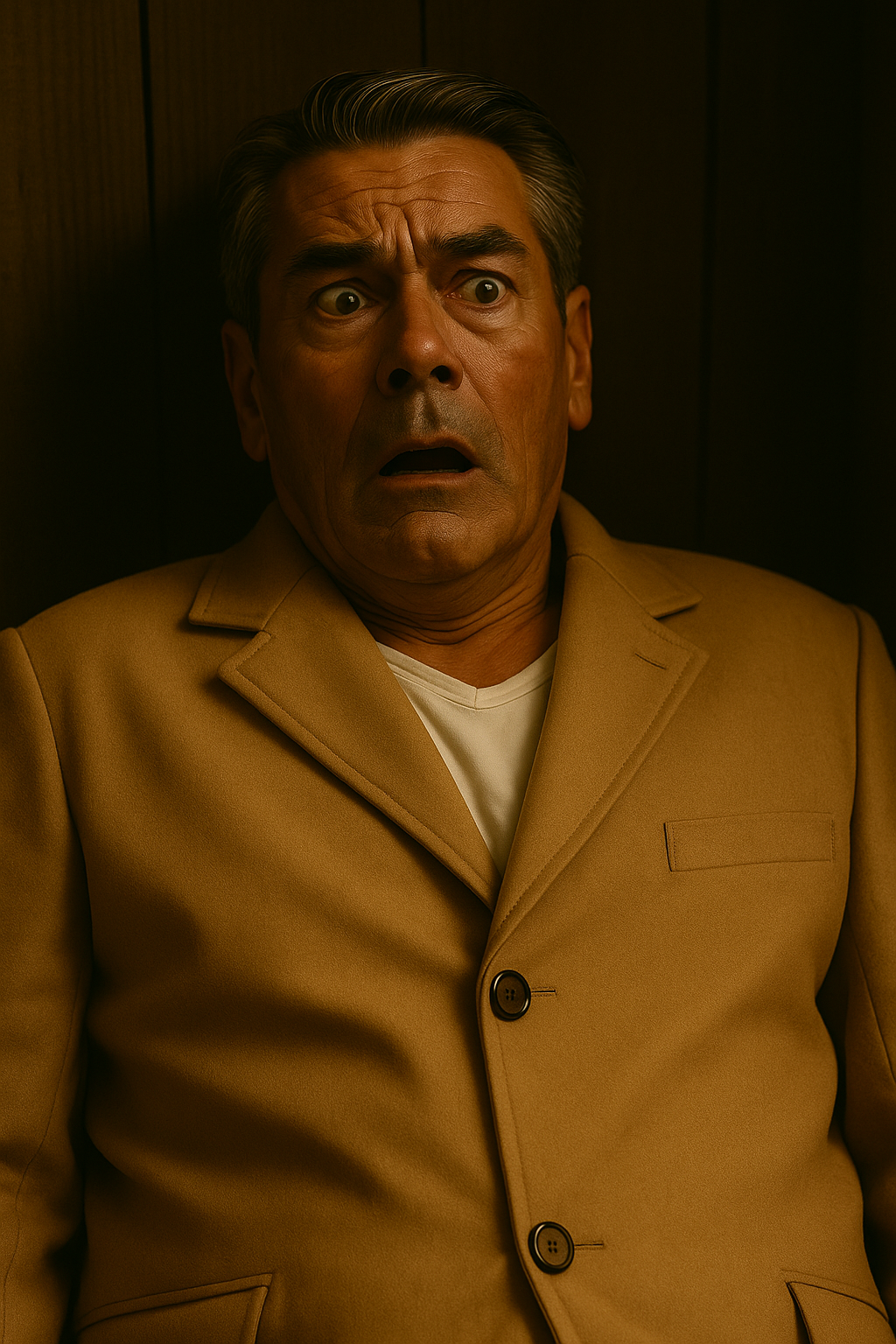

“One can see by his face that he was stabbed in the back,” remarked Poirot.
「背中を刺されたことが、この顔からもわかりますね」とポワロは言った。
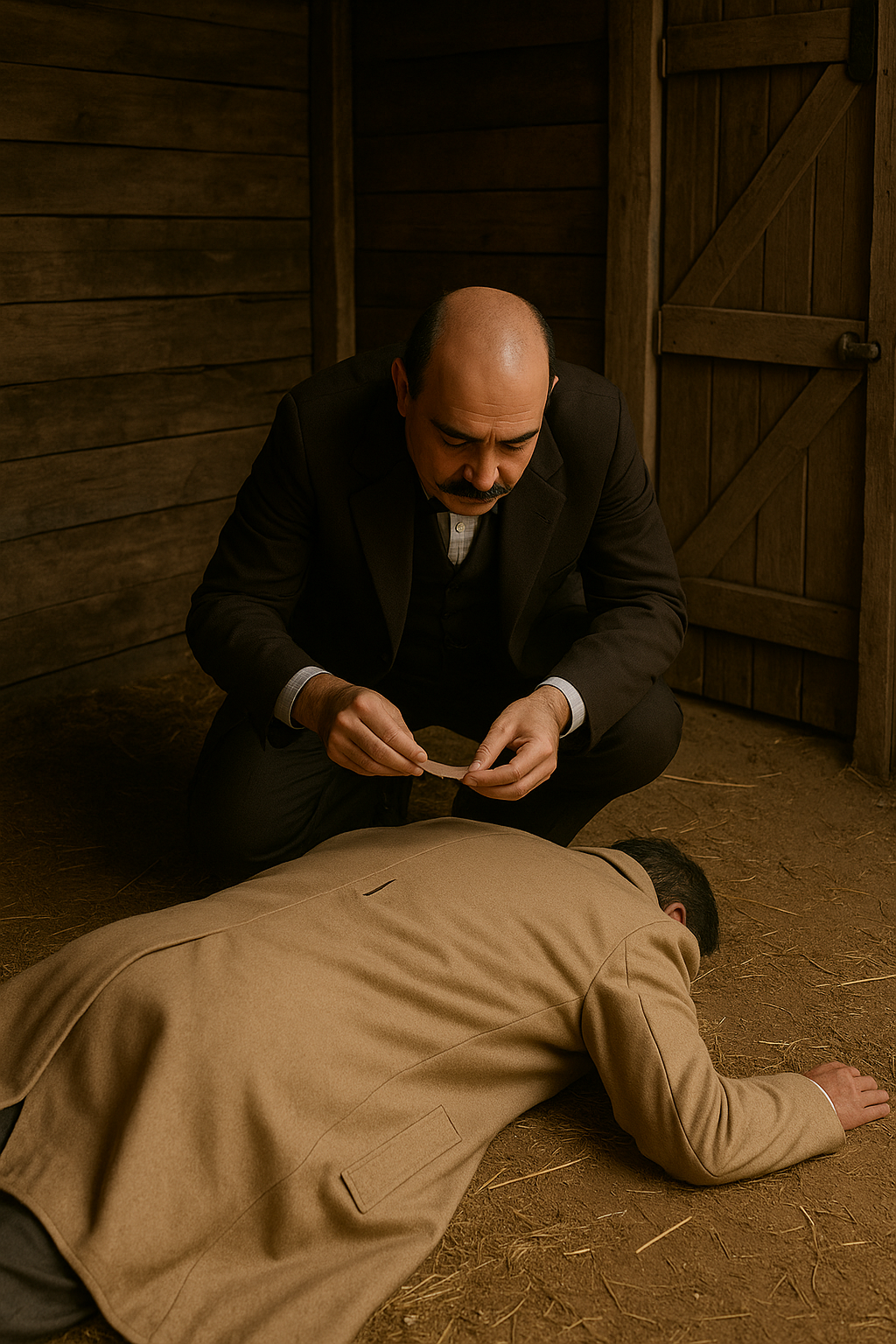
Very gently, he turned the dead man over.
There, between the shoulder-blades, staining the light fawn overcoat, was a round dark patch.
In the middle of it there was a slit in the cloth.
Poirot examined it narrowly.
彼はそっと遺体をうつ伏せにした。
肩甲骨の間あたり、淡いフォーン色のオーバー外套には黒っぽい丸い染みが広がり、その中心には布が切られた裂け目があった。
ポワロはそれを細かく調べた。
“Have you any idea with what weapon the crime was committed?”
「犯行に使われた凶器が何だったか、見当は?」

“It was left in the wound.”
The commissary reached down a large glass jar.
「傷口に残されてました」
ベー署長は大きなガラス瓶を棚から下ろして、中のものを示した。
In it was a small object that looked to me more like a paper-knife than anything else. It had a black handle, and a narrow shining blade. The whole thing was not more than ten inches long.
Poirot tested the discoloured point gingerly with his finger tip.
それは、私にはペーパーナイフのように見えた。黒い持ち手に、細く光る刃。全体で長さは10インチ(約25センチ)にも満たなかった。
ポワロはその鈍った先端を、指先で慎重に確かめた。
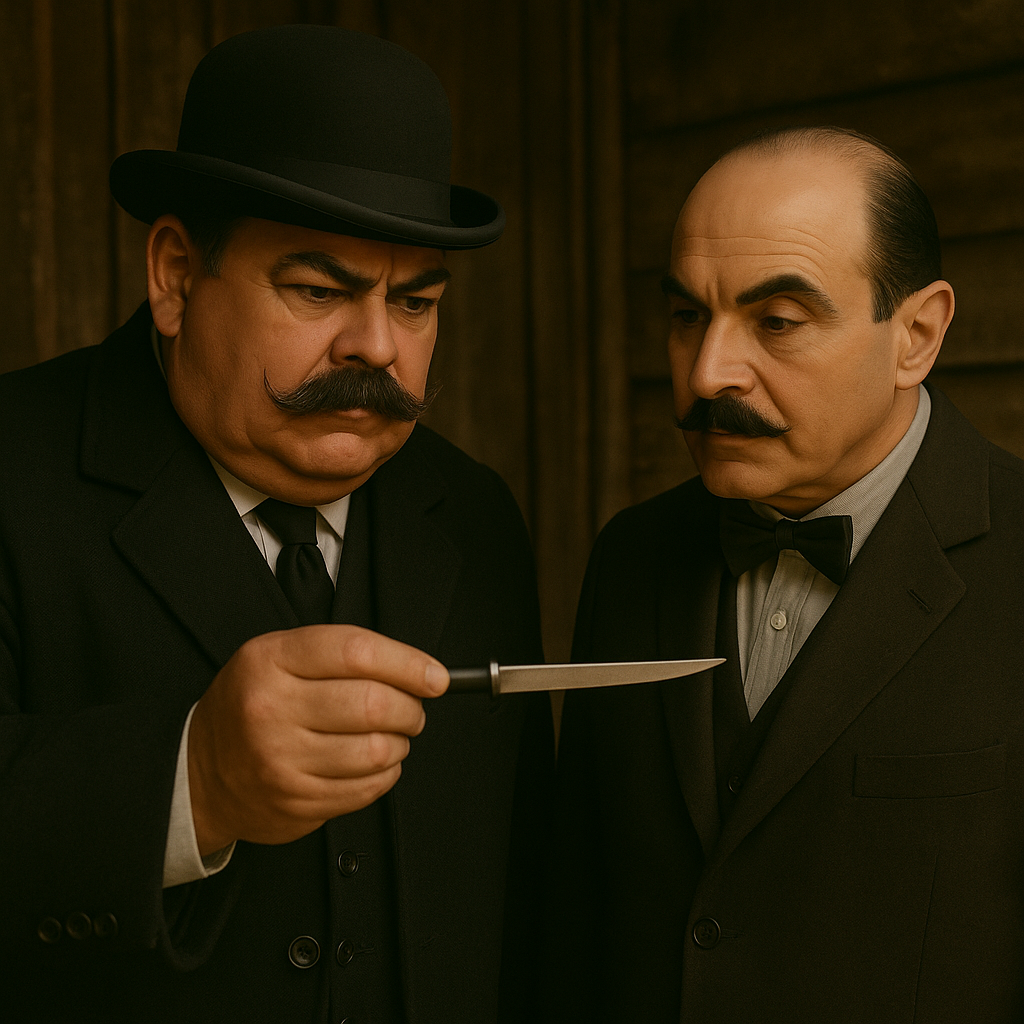
“Ma foi! but it is sharp! A nice easy little tool for murder!”
「マ・フォワ!(まったく!)なんて鋭いんだ!これなら簡単に人を殺せますな!」
“Unfortunately, we could find no trace of fingerprints on it,” remarked Bex regretfully.
“The murderer must have worn gloves.”
「残念ながら、指紋の痕跡はまったく見つかりませんでした」とベー署長が残念そうに言った
「犯人は手袋をしていたに違いないですな」

“Of course he did,” said Poirot contemptuously.
「もちろん、そうしたでしょう」とポワロは見下すように言った。
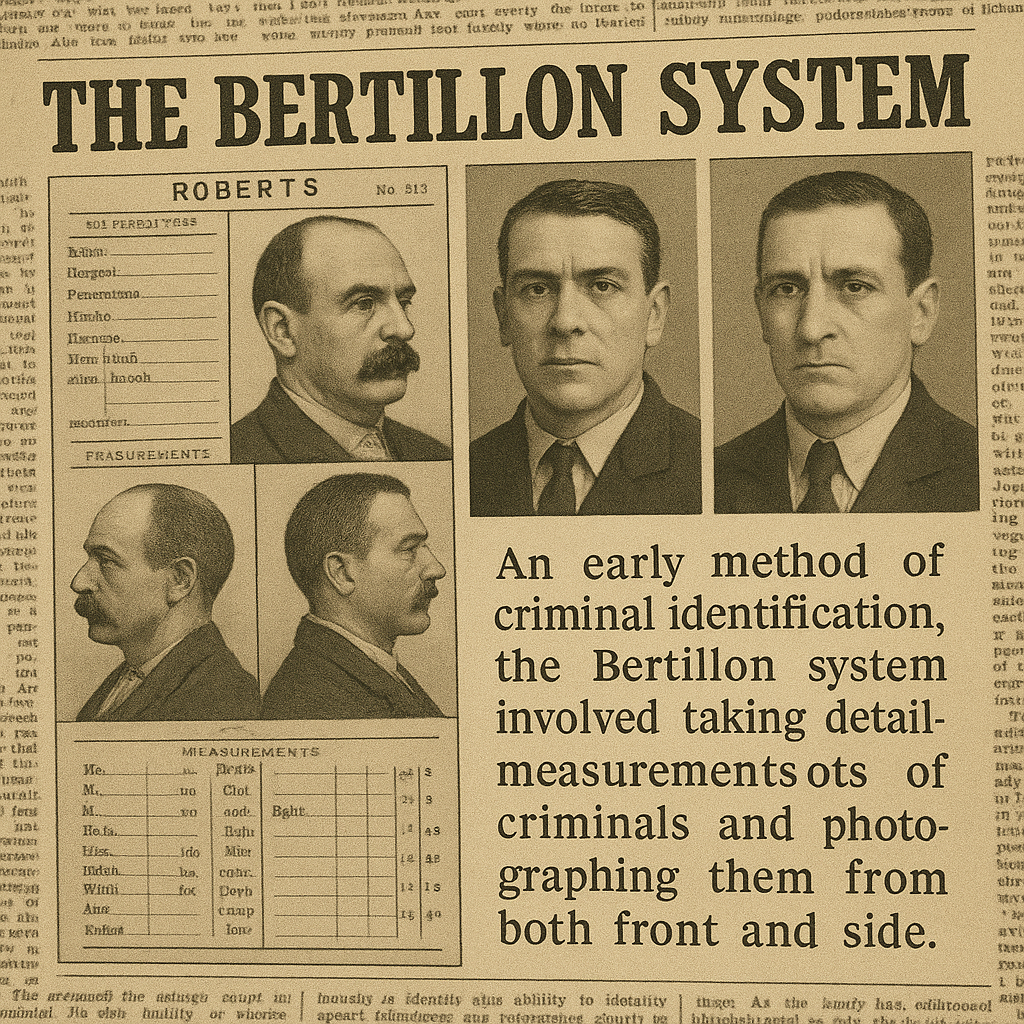
“Even in Santiago they know enough for that. The veriest amateur of an English Mees knows it
—thanks to the publicity the Bertillon system1 has been given in the Press.
All the same, it interests me very much that there were no finger-prints. It is so amazingly simple to leave the finger-prints of some one else! And then the police are happy.” He shook his head.
「サンティアゴの連中でさえ、それくらいの知識はありますよ。ずぶの素人のイギリスの“Miss”(お嬢さん)たちでさえ知っているくらいです——ベルティヨン式が新聞で散々宣伝されているおかげですね。
それにしても、指紋がなかったというのはとても興味深いですな。他人の指紋を残すなんて、実に簡単なことなのです!それで警察は大喜びするわけなんですが」彼は首を振った。
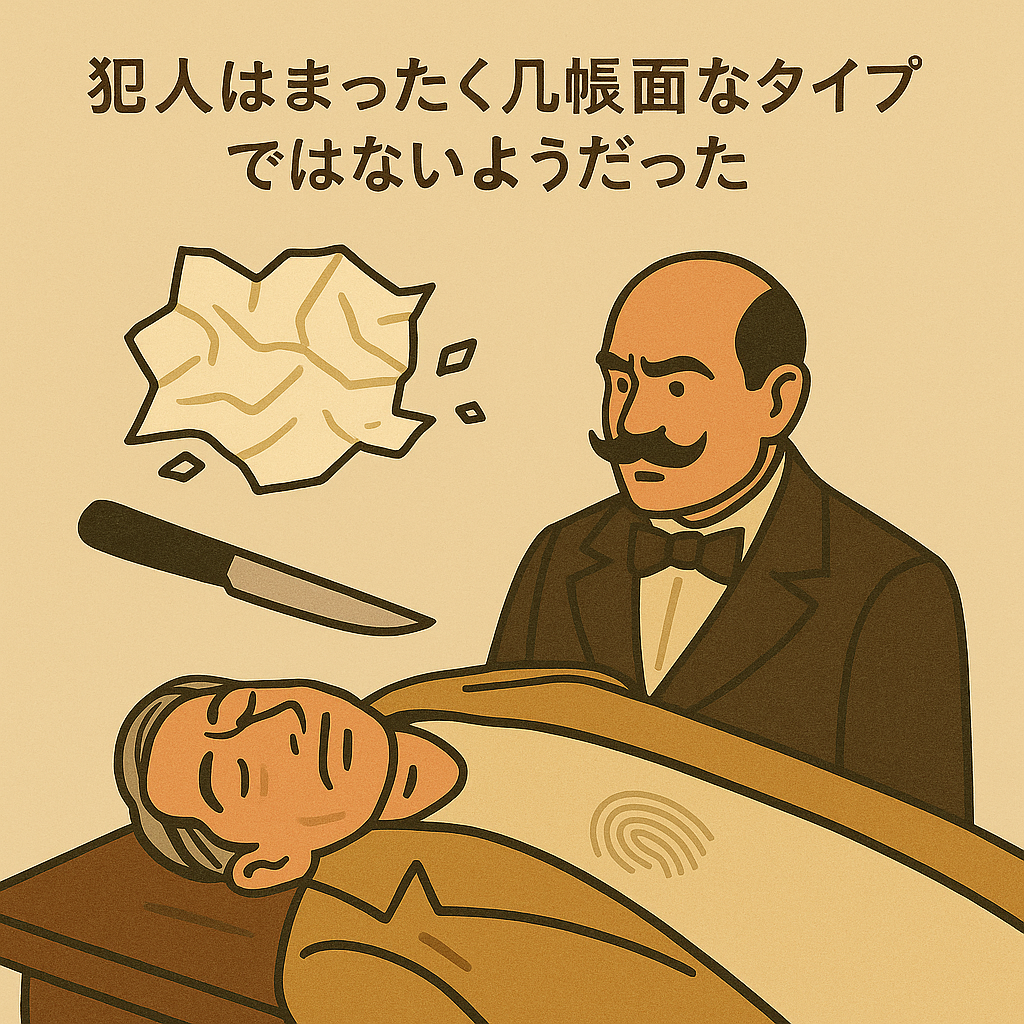
“I very much fear our criminal is not a man of method—either that or he was pressed for time. But we shall see.”
「どうやら今回の犯人は、まったく几帳面なタイプではないはようです——それとも時間がなかったのか……まあ、いずれわかるでしょう」
He let the body fall back into its original position.
“He wore only underclothes under his overcoat, I see,” he remarked.
そう言って、彼は遺体を元の位置に戻した。
「下着の上に外套だけを着ていたようですな」とポワロは言った。

“Yes, the examining magistrate thinks that is rather a curious point.”
「そうなんです。判事閣下もその点を少々奇妙に思っているようです」とベー署長。
At this minute there was a tap on the door which Bex had closed after him. He strode forward and opened it.
Françoise was there. She endeavoured to peep in with ghoulish curiosity.
そのとき、ベー署長が入った後に閉めたドアがノックされた。彼はさっと前に出てドアを開けた。
そこにはフランソワーズが立っていた。彼女は好奇心丸出しで中を覗き込もうとした。
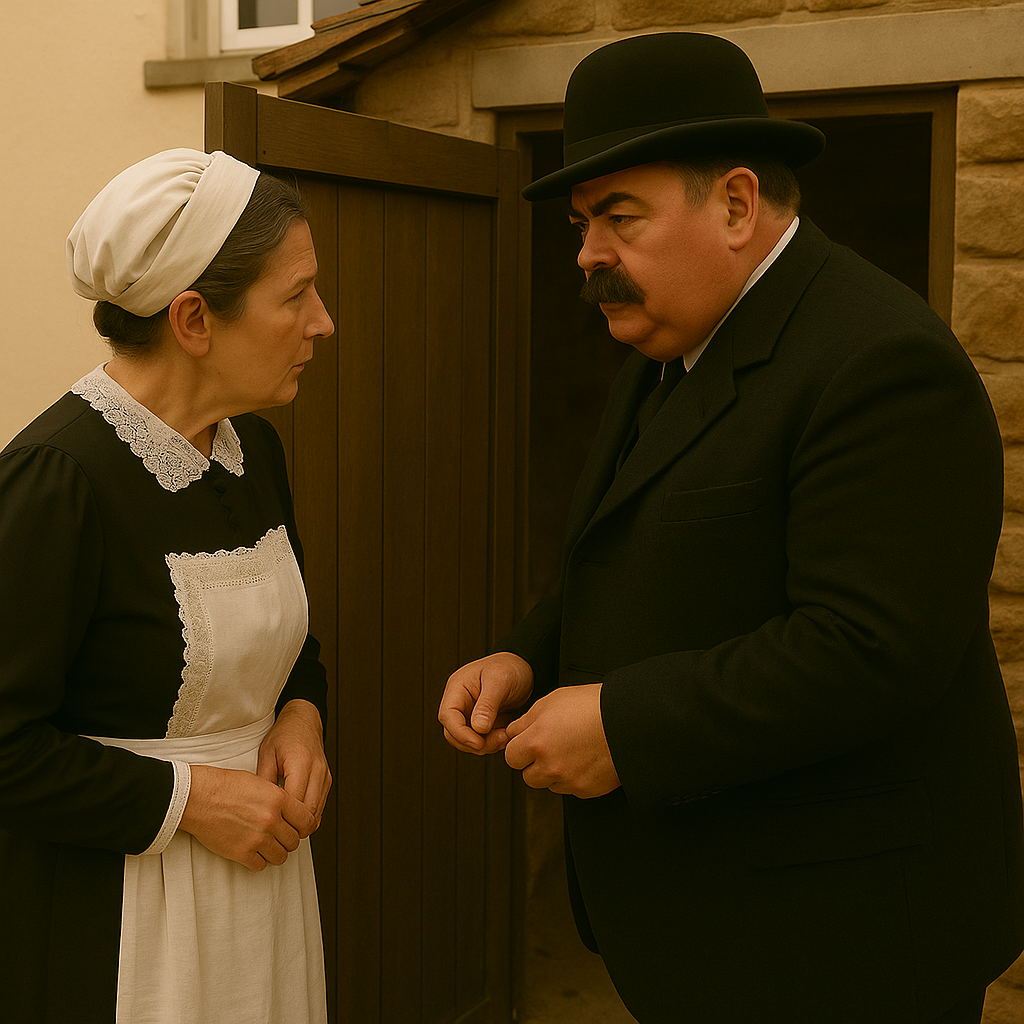
“Well, what is it?” demanded Bex impatiently.
「何の用だ?」とベー署長がいらだたしげに言った。

“Madame. She sends a message that she is much recovered, and is quite ready to receive the examining magistrate.”
「奥様が申しております。だいぶ回復いたしまして、予審判事閣下をお迎えするご準備ができております、とのことです」
“Good,” said M. Bex briskly.
“Tell M. Hautet and say that we will come at once.”
「よろしい」とベー署長はきびきびとした口調で言った。
「オーテ判事閣下に伝えてくれ。我々もすぐに向かう」
Poirot lingered a moment, looking back towards the body.
I thought for a moment that he was going to apostrophize it, to declare aloud his determination never to rest till he had discovered the murderer.
But when he spoke, it was tamely and awkwardly, and his comment was ludicrously inappropriate to the solemnity of the moment.
ポワロはその場に少しとどまり、遺体を振り返った。
彼は一瞬、彼が今にも死体に語りかけ、この殺人犯を見つけ出すまでは決して満足しない、と宣言しているかのように見えた。
しかし、彼が口にしたのは、弱々しく自信なさそうな一言だった。その言葉はその場の厳粛さには、こっけいなほどふさわしくないものだった。

“He wore his overcoat very long,” he said constrainedly.
「ずいぶん長い外套を着ていたんだな」と彼は不自然につぶやいた。

- 「the Bertillon system(ベルティヨン式)」
19世紀末にフランスのアルフォンス・ベルティヨン(Alphonse Bertillon)**によって開発された、犯人の個人識別のための人類測定法(anthropometry)です。
✅ 主な特徴:
身長、頭の長さ・幅、腕の長さ、耳の形など、身体の寸法を細かく測定
個々の身体的特徴(傷、ほくろ、耳の形など)も記録
犯罪者の再犯を特定する目的で使われた
測定値と顔写真をカードに記録し、ファイリングシステムで管理
✅ 意義と歴史的位置づけ:
世界初の科学的な個人識別システム
指紋認証が主流になる以前のヨーロッパで広く採用された
その後、指紋認証法(dactyloscopy)に取って代わられたが、
ベルティヨンの手法は写真(=マグショット)と記録管理の先駆けとして評価されている
ここでは、「指紋を残すことが致命的になる」という犯罪常識がすでに広まっていることの例えとして、ベルティヨン式の有名さを皮肉交じりに引き合いに出しています。
↩︎