注記(区切り記号について)
この翻訳文には、点字に対応させるための区切り記号(マス空け)を入れています。
「」 … 1マスあけ
「」 … 2マスあけ
点訳の際に必要となる区切りを、見える形で示しています。
読み進めるうちに、文章のリズムや切れ目を意識していただければ幸いです。
・固有名詞は実際の発音を標準にしますが、日本語で馴染みのあるカタカナ表記を優先しています。
・固有名詞は、原則として最初に登場した時に限って、その固有部分を「第2カギ符」で囲んでいます。
・固有名詞の複合語は、「マス空け」「中点」ではなく、一つの意味のまとまりとして一体性を保つために「第2つなぎ符」で表記しています。
『Brille Editor System ver.8』用の『BESファイル』を、ZIPファイルに圧縮して公開しています。(2025年11月23日現在)
The Murder on the Links
Chapter 3
At the Villa Geneviève
ゴルフ場殺人事件
第三章
ジュヌヴィエーヴにて
In a moment Poirot had leapt from the car, his eyes blazing with excitement. He caught the man by the shoulder.
ポワロは、たちまち車から飛び降り、目を興奮で輝かせながら男の肩をつかんだ。

“What is that you say? Murdered? When? How?”
「なんと言った? 殺された? いつ? どうやってだ?」
The sergent de ville drew himself up.
巡査は姿勢を正して言った。

“I cannot answer any questions, monsieur.”
「お答えはできません、ムッシュ」
“True. I comprehend.” Poirot reflected for a minute.
“The Commissary of Police, he is without doubt within?”
「なるほど。承知しました」ポワロはしばし考え込んだ。
「警察署長は、中におられるのでしょう?」
“Yes, monsieur.”
「はい、ムッシュ」
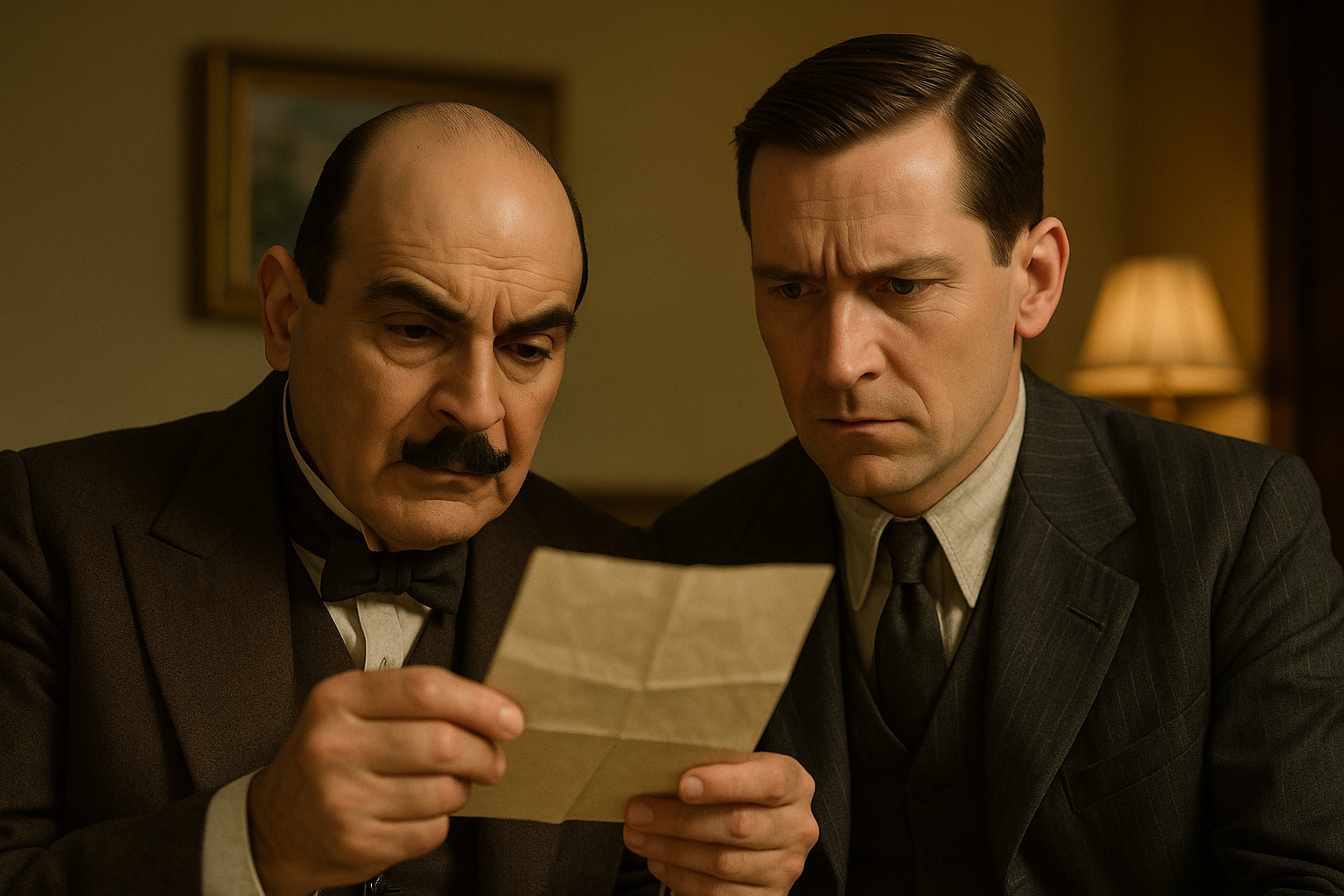
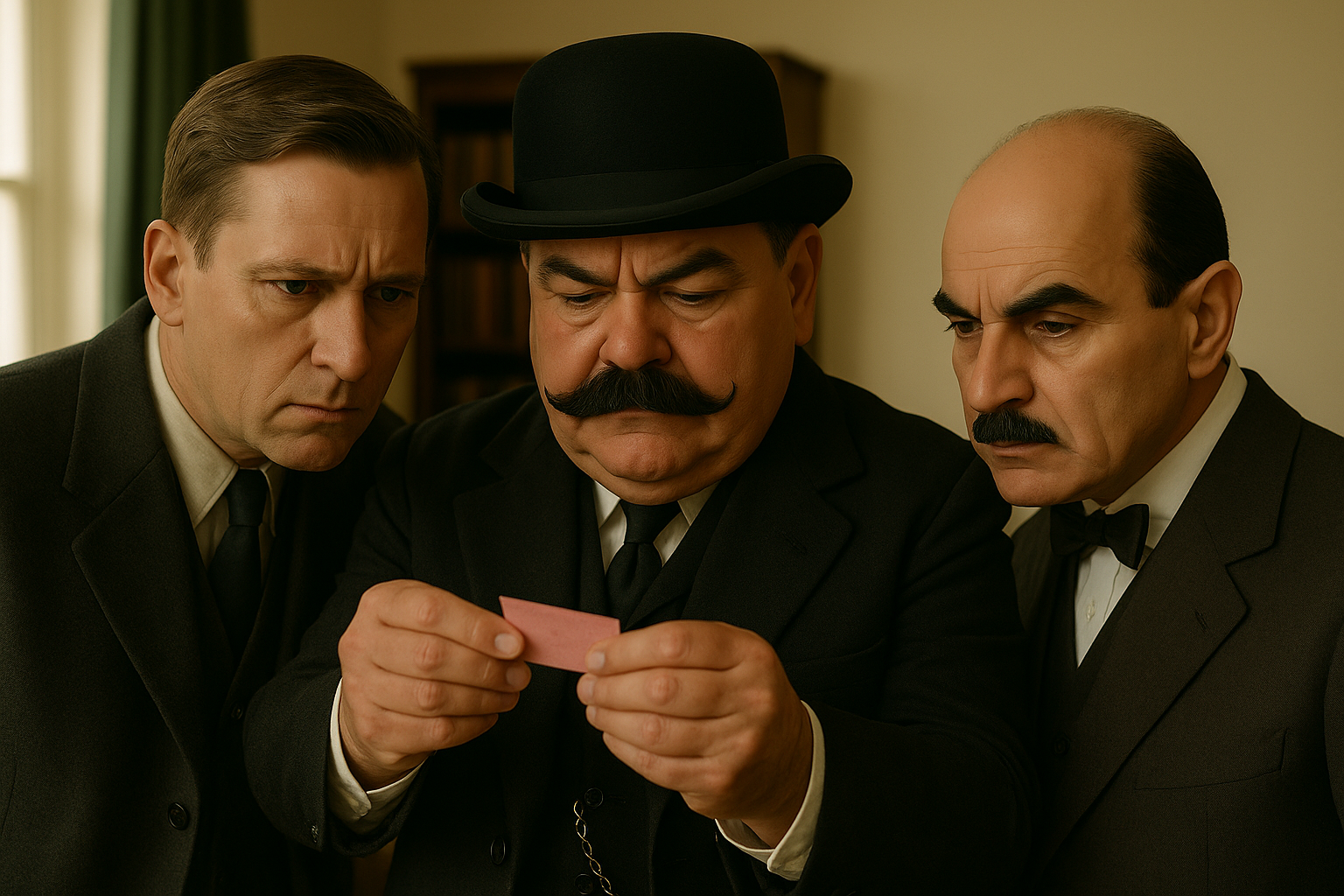
Poirot took out a card, and scribbled a few words on it.
ポワロは名刺を取り出し、そこに数語を書きつけた。
“Voilà! Will you have the goodness to see that this card is sent in to the commissary at once?”
「ヴォワラ!(では!) このカードをすぐに署長へ届けていただけますか?」
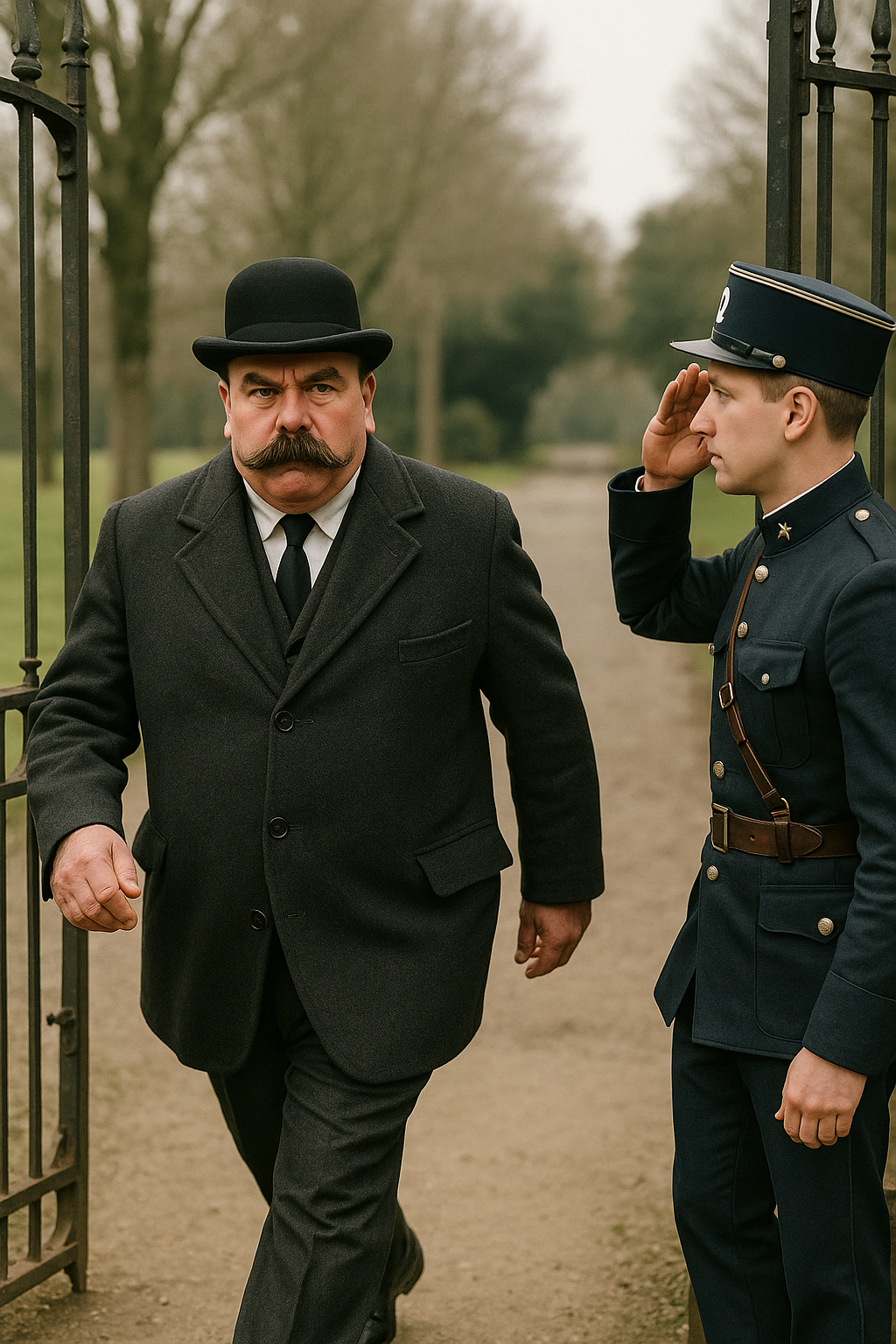

“My dear M. Poirot,” cried the new-comer,“I am delighted to see you. Your arrival is most opportune.”
「親愛なるムッシュー=ポワロ!」その新参者は声をあげた。
「お会いできてうれしい。まさに絶妙のタイミングでのご到着ですな」
Poirot’s face had lighted up.
ポワロの顔がぱっと明るくなった。
“M. Bex! This is indeed a pleasure.”
「ベー署長! これはまたとない喜びです」
He turned to me.
彼は私に向き直った。
“This is an English friend of mine, Captain Hastings—M. Lucien Bex.”
「こちらは私のイギリスの友人、ヘイスティングズ大尉——リュシアン・ベックス氏です」
The commissary and I bowed to each other ceremoniously, then M. Bex turned once more to Poirot.
私とベー署長は礼儀正しくお互いに頭を下げた。そして彼は再びポワロに向き直った。
“Mon vieux, I have not seen you since 1909, that time in Ostend. I heard that you had left the Force?”
「モン・ヴュー(古き友よ)、最後に会ったのは1909年のオステンドでしたな。君は警察を辞めたと聞いたが?」
“So I have. I run a private business in London.”
「ええ、そうです。今はロンドンで個人探偵事務所をやっています」
“And you say you have information to give which may assist us?”
「何か、捜査の助けになる情報をお持ちだとか?」
“Possibly you know it already. You were aware that I had been sent for?”
「おそらく、すでにご存知かもしれませんが。私が呼ばれていたことは?」
“No. By whom?”
「いや、誰から?」
“The dead man. It seems he knew an attempt was going to be made on his life. Unfortunately he sent for me too late.”
「被害者本人ですよ。彼は命を狙われていることを知っていたようです。残念ながら、私に連絡をよこしたのが遅すぎた」
“Sacri tonnerre!” ejaculated the Frenchman.
“So he foresaw his own murder? That upsets our theories considerably! But come inside.”
「サクリ・トネール!(なんてこった!)」とフランス人は叫んだ。
「自分の殺害を予見していたのか?それは我々の仮説を根底から覆すぞ!まあ、中へどうぞ」
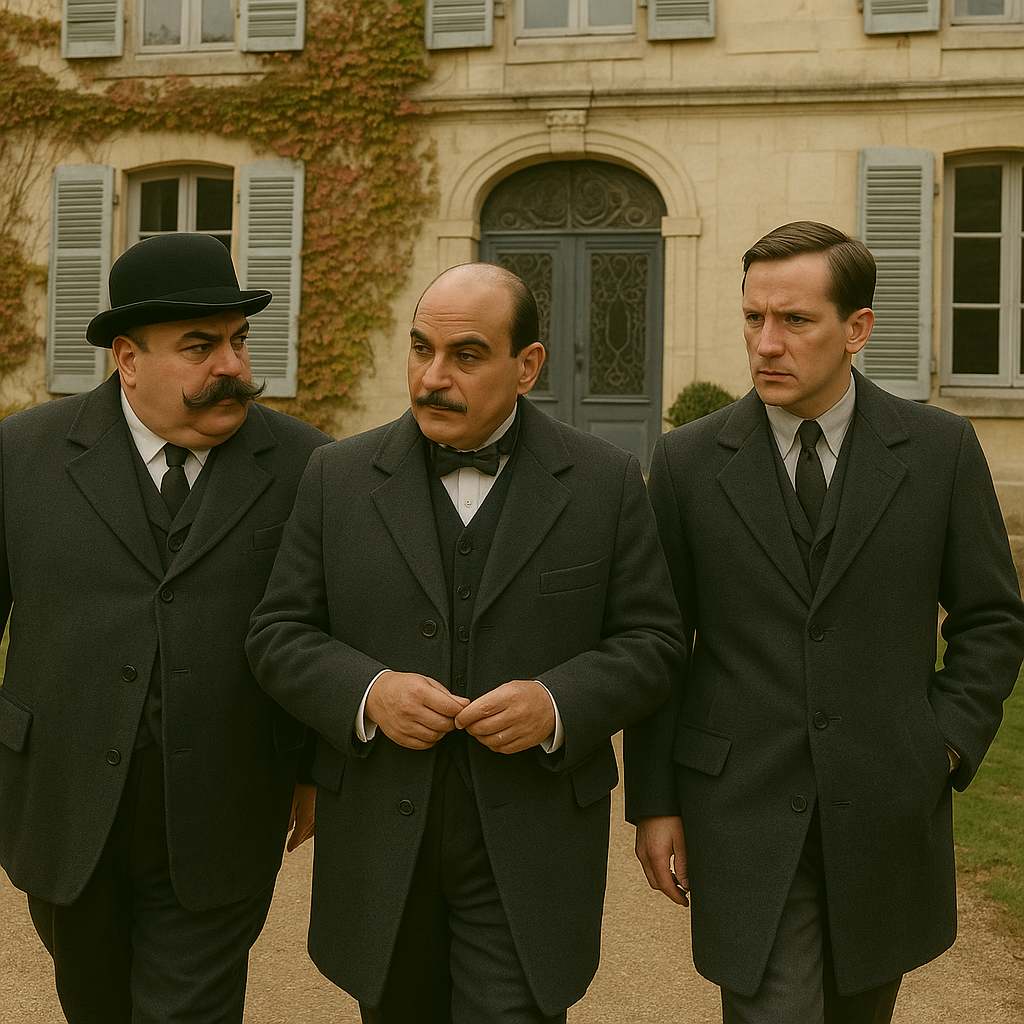
“When was the crime committed?” asked Poirot.
「事件が起きたのはいつですか?」とポワロが尋ねた。
“The body was discovered this morning about nine o’clock. Madame Renauld’s evidence, and that of the doctors goes to show that the death must have occurred about 2 a.m.But enter, I pray of you.”
「遺体が発見されたのは今朝の9時ごろです。ルノー夫人と医師たちの証言によると、死亡推定時刻は午前2時ごろでしょう。さあ、どうぞお入りください」
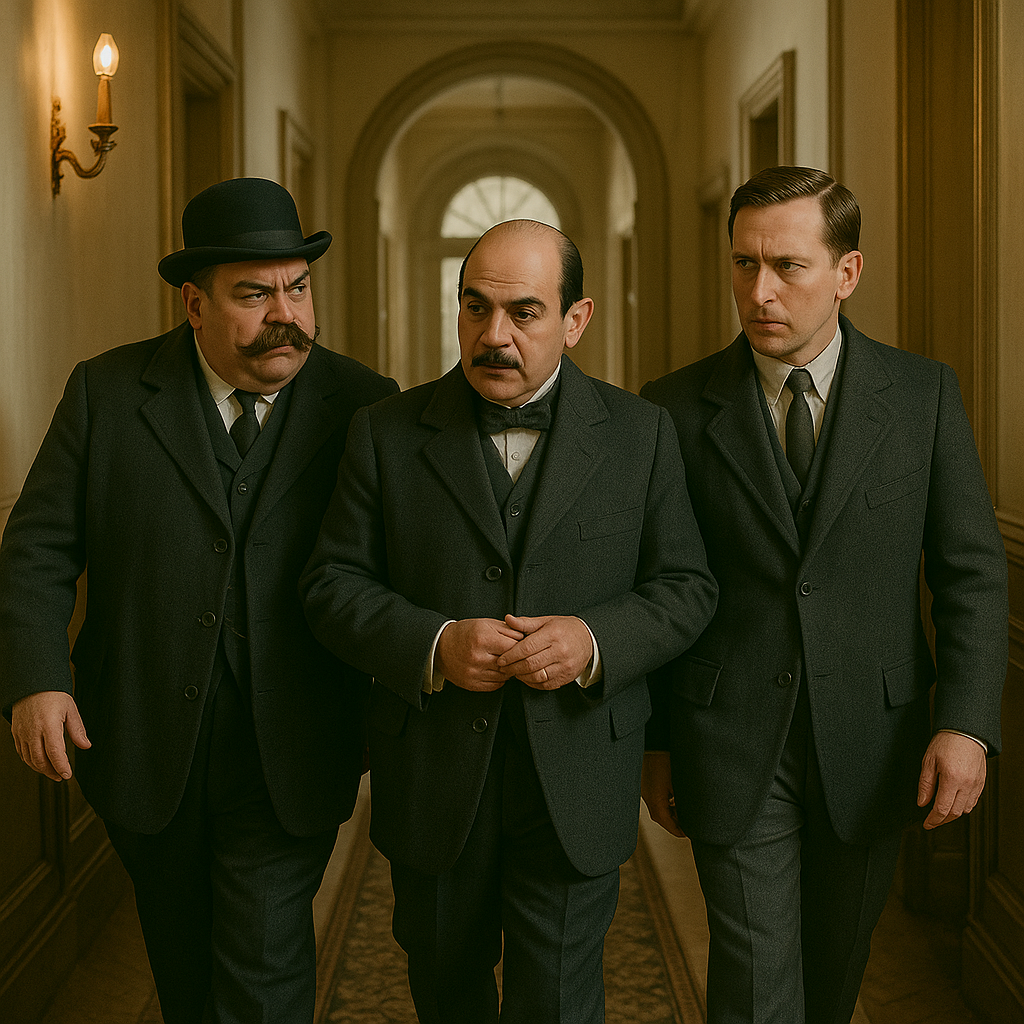
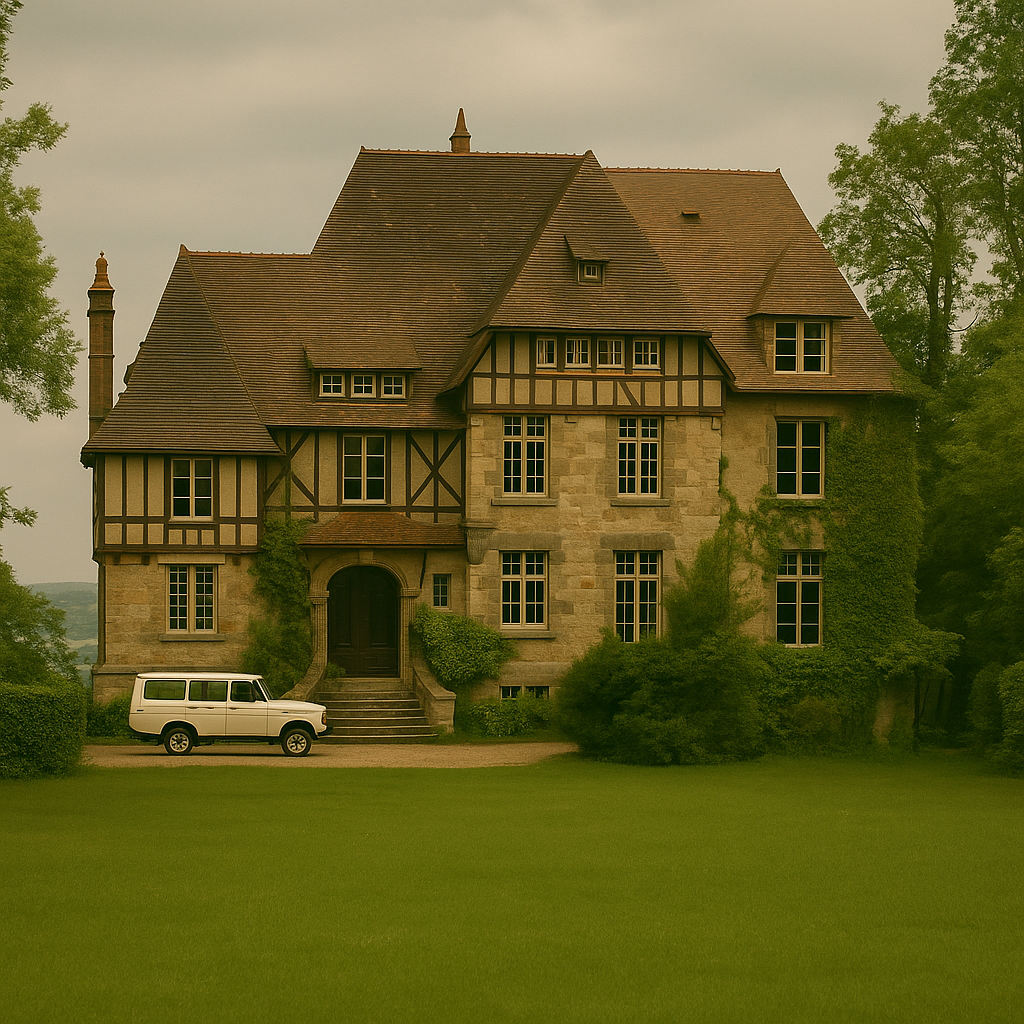
We had arrived at the steps which led up to the front door of the Villa. In the hall another sergent de ville was sitting. He rose at sight of the commissary.
私たちは屋敷の正面玄関へと続く階段にたどり着いた。ホールではもう一人のセルジャンが腰かけており、ベー署長の姿を見るなり立ち上がった。
“Where is M. Hautet now?” inquired the latter.
「オーテ氏は今どちらに?」とベー署長が尋ねた。
“In the salon, monsieur.”
「応接室でございます、ムッシュ」
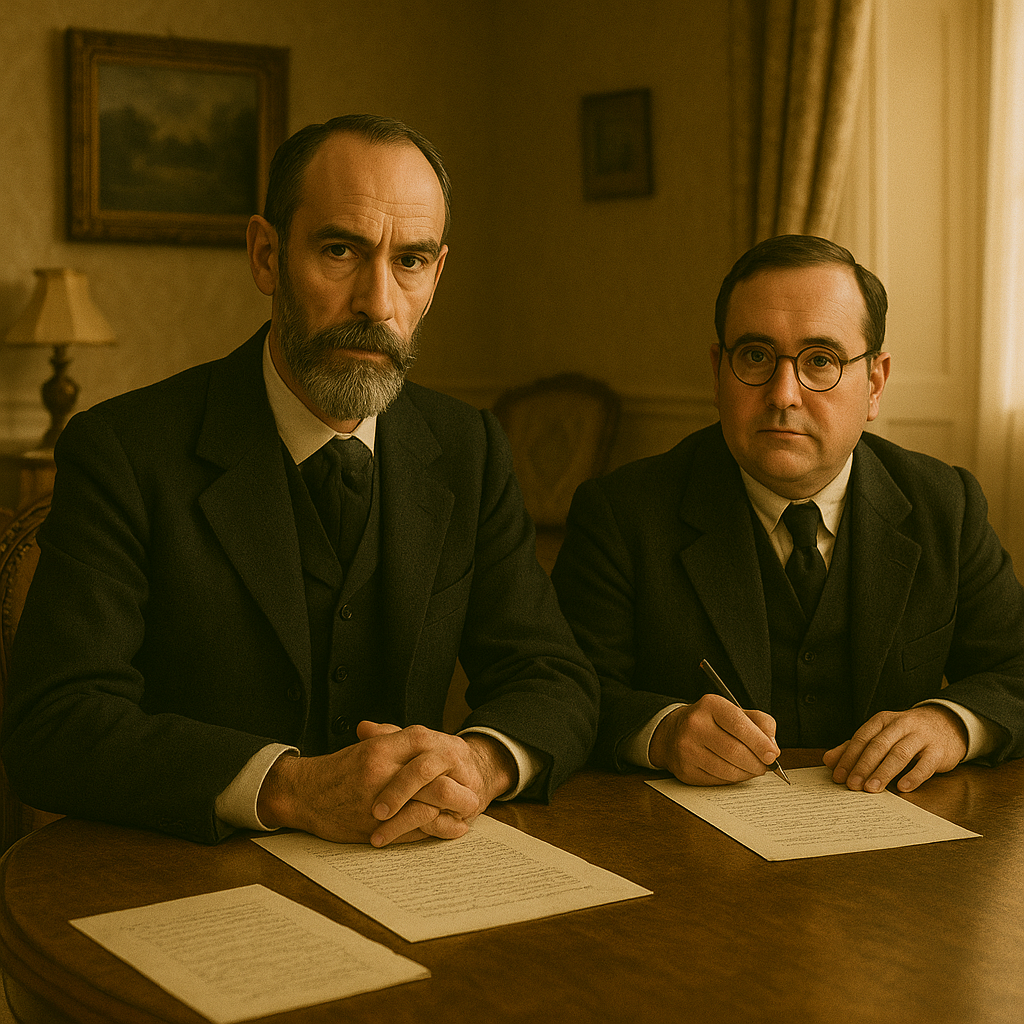
M. Bex opened a door to the left of the hall, and we passed in. M. Hautet and his clerk were sitting at a big round table.They looked up as we entered. The commissary introduced us, and explained our presence.
ベックス氏はホール左手の扉を開け、私たちは中に入った。中では、オーテ予審判事と書記官が大きな丸テーブルに向かって座っていた。私たちが入ると、彼らは顔を上げた。署長が私たちを紹介し、来訪の理由を説明した。
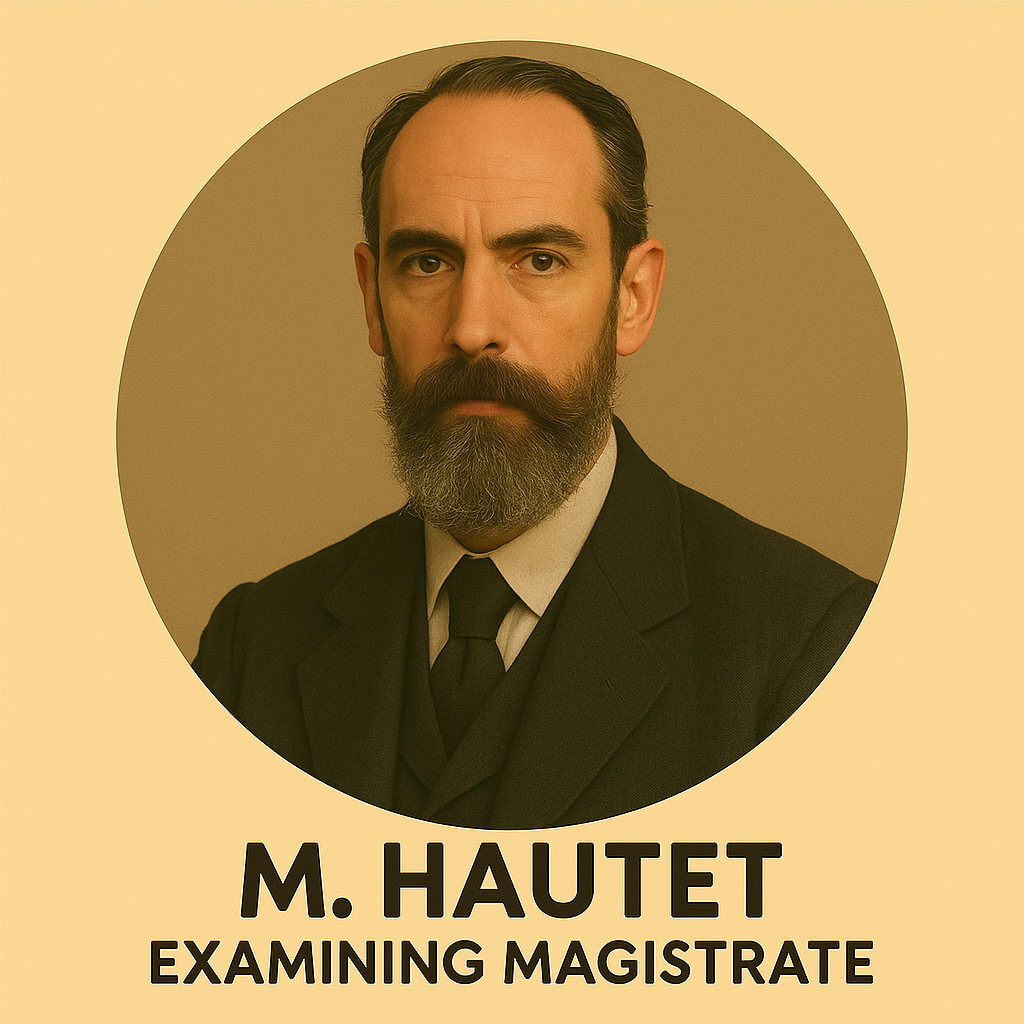
M. Hautet, the Juge d’Instruction, was a tall, gaunt man, with piercing dark eyes, and a neatly cut grey beard, which he had a habit of caressing as he talked. Standing by the mantelpiece was an elderly man, with slightly stooping shoulders, who was introduced to us as Dr. Durand.
予審判事のオーテ氏は、背が高く痩せていて、鋭い黒い目をしており、整った灰色のあごひげをたくわえ、それを話しながら撫でる癖があった。暖炉のそばには、やや前屈みの年配の男性が立っており、彼はデュランドクターとして紹介された。
“Most extraordinary,” remarked M. Hautet, as the commissary finished speaking.
“You have the letter here, monsieur?”
「なんとも異常ですね」とオーテ判事は署長の説明を聞き終えて言った。
「その手紙はお持ちですか、ムッシュ?」
Poirot handed it to him, and the magistrate read it.
ポワロはそれを彼に手渡し、判事は目を通した。
“H’m. He speaks of a secret. What a pity he was not more explicit. We are much indebted to you, M. Poirot. I hope you will do us the honour of assisting us in our investigations.
Or are you obliged to return to London?”
「ふむ。何やら“秘密”について語っている。もっとはっきり書いていてくれたらよかったのに。ムッシュー=ポワロ、あなたには大いに感謝せねばなりません。今後の捜査にも、ぜひご協力いただけますと光栄に存じます。あるいはロンドンに戻ってしまわれるのですか?」
“M. le juge, I propose to remain. I did not arrive in time to prevent my client’s death, but I feel myself bound in honour to discover the assassin.”
「予審判事閣下、私はここに残るつもりです。依頼人の死を防ぐことはできませんでしたが、名誉のためにも、その犯人を突き止める責務があると感じております」
The magistrate bowed.
判事は深々と頭を下げた。
“These sentiments do you honour. Also, without doubt, Madame Renauld will wish to retain your services. We are expecting M. Giraud from the Sûreté in Paris any moment, and I am sure that you and he will be able to give each other mutual assistance in your investigations. In the meantime, I hope that you will do me the honour to be present at my interrogations, and I need hardly say that if there is any assistance you require it is at your disposal.”
「そのお気持ち、実に立派です。もちろん、ルノー夫人もあなたの力をお借りしたいと望まれるでしょう。まもなく、パリ警部庁からジロー警部も到着する予定ですし、あなたと彼で協力し合い、互いの調査に寄与できることと思います。その間、私の取り調べにもお立ち会いいただければ光栄ですし、何かご入り用のことがあれば、遠慮なくお申しつけください」
“I thank you, monsieur. You will comprehend that at present I am completely in the dark. I know nothing whatever.”
「ありがとうございます、ムッシュー。ご存じかと思いますが、現時点では私はまったくの手探りでして、何も知らないのです」
M. Hautet nodded to the commissary, and the latter took up the tale:
オーテ判事が警部にうなずくと、ベー署長が説明を続けた:
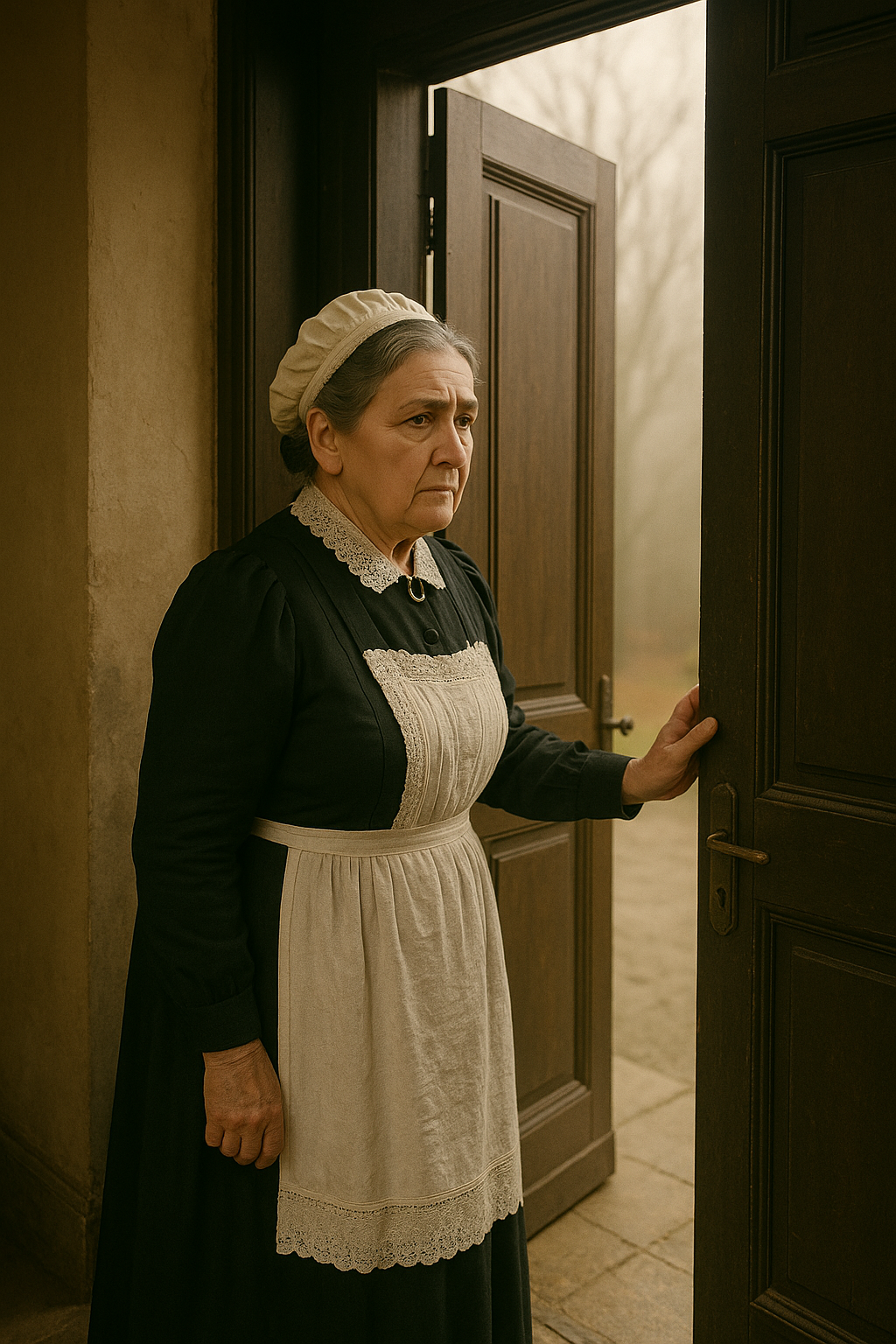
“This morning, the old servant Françoise, on descending to start her work, found the front door ajar. Feeling a momentary alarm as to burglars, she looked into the dining-room, but seeing the silver was safe she thought no more about it, concluding that her master had, without doubt, risen early, and gone for a stroll.”
「今朝のことです。年配の使用人のフランソワーズが、いつものように仕事を始めるために下りてきたところ、玄関のドアが開け放たれているのに気づきました。空き巣かと一瞬不安を覚えて食堂をのぞいてみたのですが、銀器類が無事だったので、それ以上は気に留めませんでした。ルノー氏が早起きして散歩にでも出かけたのだろうと考えたのです」
“Pardon, monsieur, for interrupting, but was that a common practice of his?”
「失礼、ベー署長。それは彼にとって普通の習慣だったのですか?」
“No, it was not, but old Françoise has the common idea as regards the English—that they are mad, and liable to do the most unaccountable things at any moment!
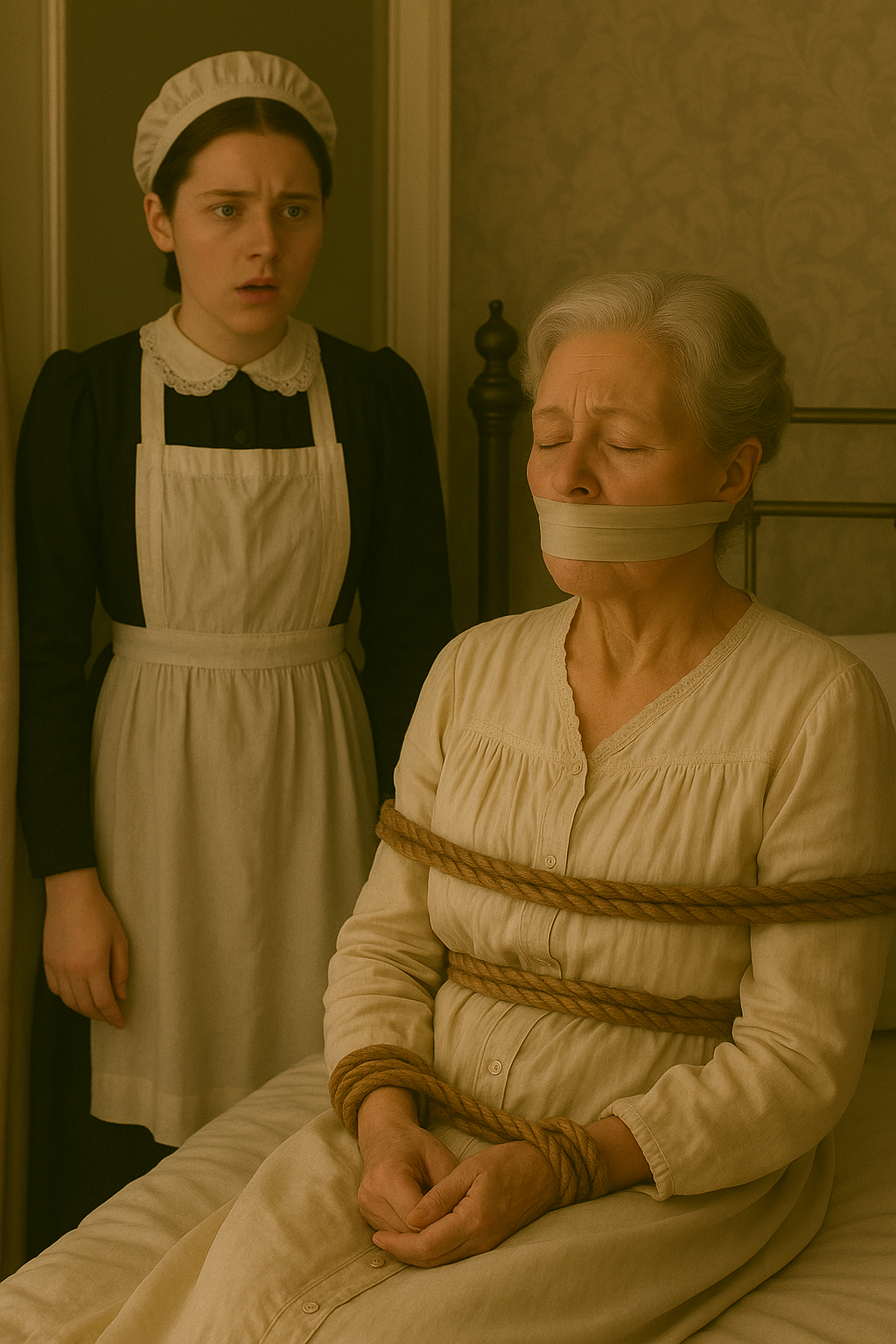
Going to call her mistress as usual, a younger maid, Léonie, was horrified to discover her gagged and bound, and almost at the same moment news was brought that M. Renauld’s body had been discovered, stone dead, stabbed in the back.”
「いいえ、違います。しかし、フランソワーズは“イギリス人というのは変人で、何をしでかすかわからない”という、よくありがちな偏見を持っておりますので!若いメイドのレオニーが、いつものようにルノー夫人を起こしに行くと、夫人が猿ぐつわをされ、縛られているのを見て悲鳴を上げました。そしてほぼ同時に、レノー氏の遺体が発見されたとの知らせが届いたのです——背中を刺されて、すでに死んでおりました」
“Where?”
「死体はどこに?」
“That is one of the most extraordinary features of the case.
「それこそがこの事件の最も異常な点の一つなのです。

M. Poirot, the body was lying, face downwards, in an open grave.”
ムッシュー=ポワロ、遺体はうつ伏せの状態で、掘られたばかりの墓穴の中に横たわっていたのです」
“What?”
「なんですって?」
“Yes. The pit was freshly dug—just a few yards outside the boundary of the Villa grounds.”
「ええ。その穴は新しく掘られたばかりで、ジュヌヴィエーヴ荘の敷地の境界線からわずか2、3ヤード(約2、3メートル)離れた場所でした」
“And he had been dead—how long?”
「死後、どれくらい経っていたのですか?」
Dr. Durand answered this.
デュランドクターが答えた。

“I examined the body this morning at ten o’clock. Death must have taken place at least seven, and possibly ten hours previously.”
「今朝の十時に検視しました。死亡時刻は、少なくとも七時間前(3時前)——あるいは十時間前(0時前)だった可能性もあります」
“H’m, that fixes it at between midnight and 3 a.m.”
「ふむ、それで午前0時から3時の間に絞られるわけですね」
“Exactly, and Madame Renauld’s evidence places it at after 2 a.m. which narrows the field still further. Death must have been instantaneous, and naturally could not have been self-inflicted.”
「そのとおりです。そしてルノー夫人の証言によれば、それは午前2時以降ということになりますので、さらに時間帯が絞られます。死は即死だったに違いなく、当然ながら自殺はありえません」
Poirot nodded, and the commissary resumed:
ポワロはうなずいた。ベー署長は続けた。
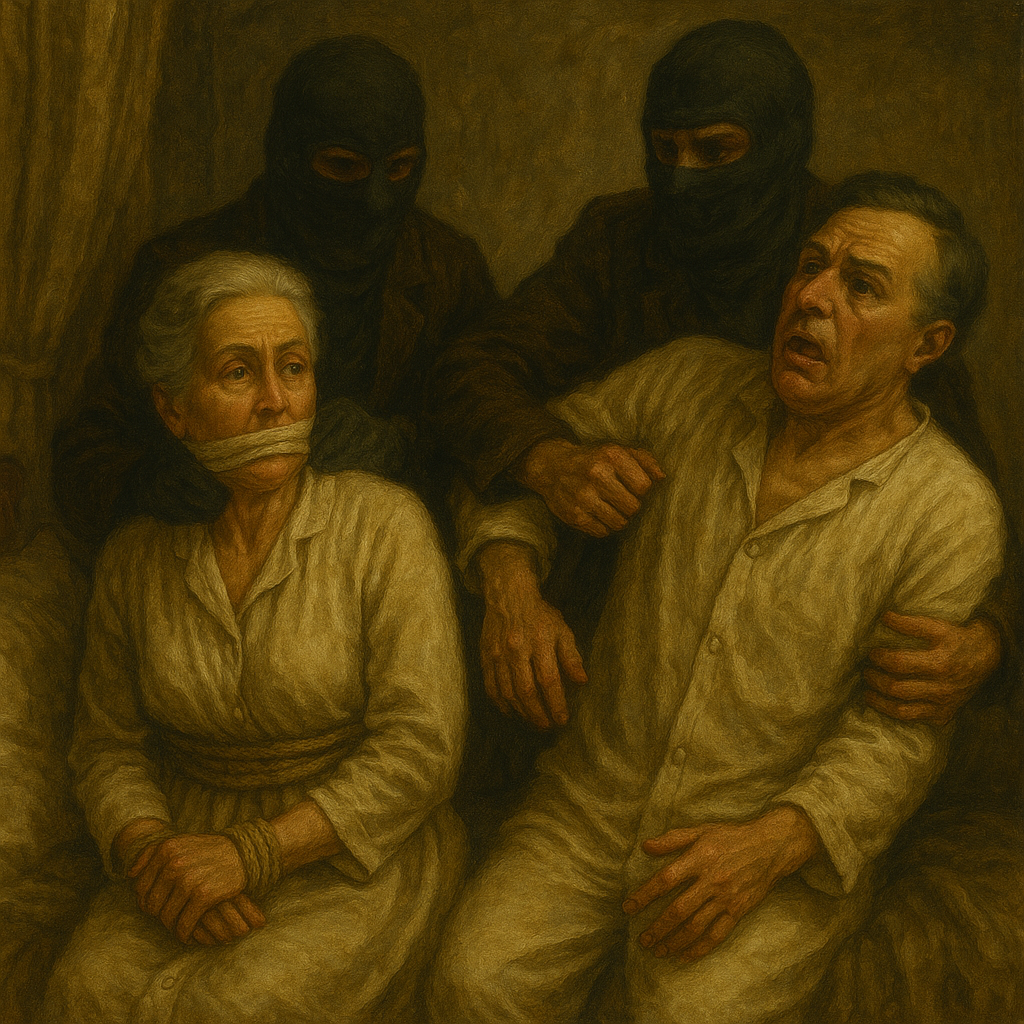
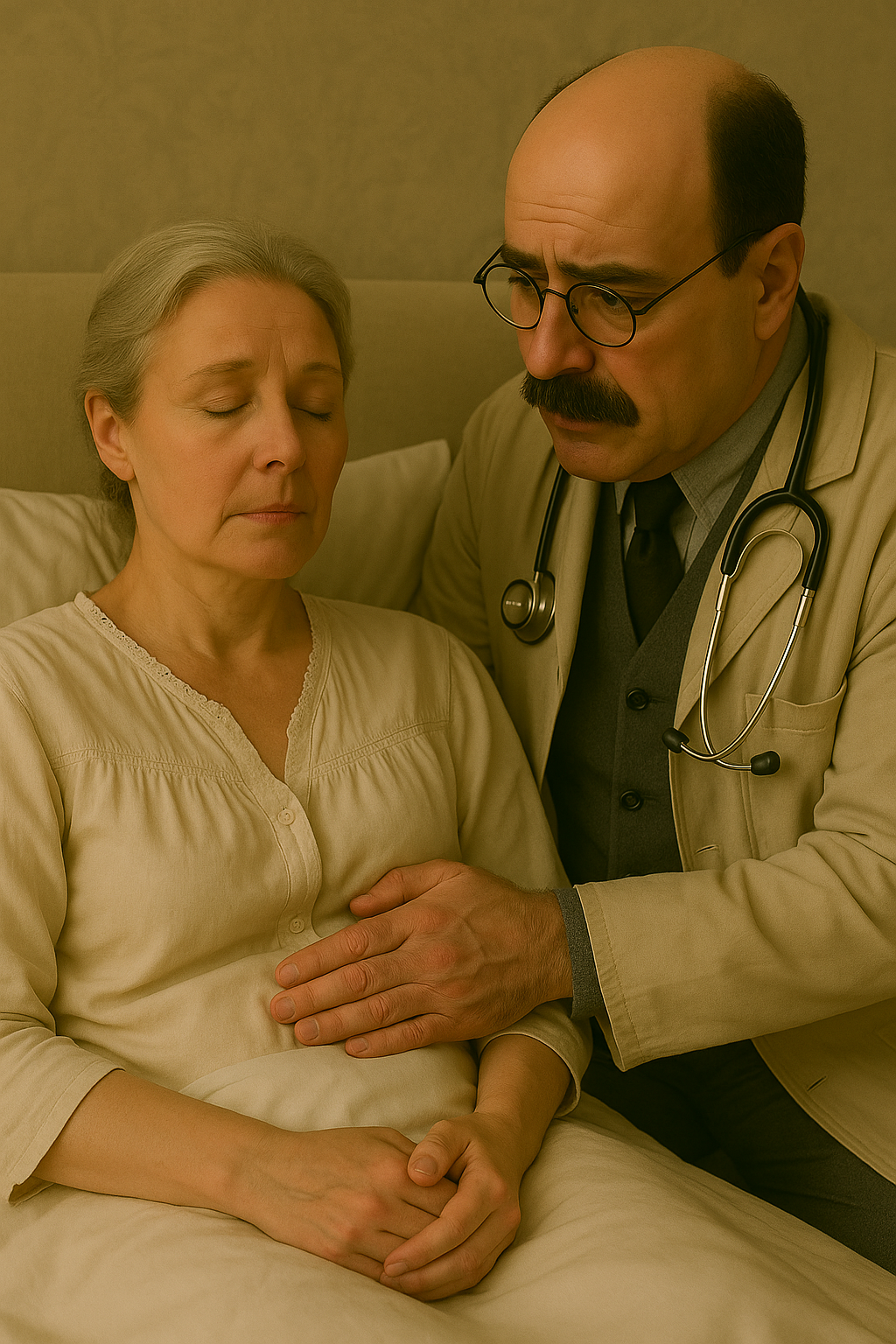
“Madame Renauld was hastily freed from the cords that bound her by the horrified servants. She was in a terrible condition of weakness, almost unconscious from the pain of her bonds. It appears that two masked men entered the bedroom, gagged and bound her, whilst forcibly abducting her husband. This we know at second hand from the servants. On hearing the tragic news, she fell at once into an alarming state of agitation. On arrival, Dr. Durand immediately prescribed a sedative, and we have not yet been able to question her.But without doubt she will awake more calm, and be equal to bearing the strain of the interrogation.”
「ルノー夫人は、恐怖で動揺した召使いたちによって急いで縄を解かれました。彼女は酷く衰弱し、縛られた苦痛のためにほとんど意識を失っていたとのことです。二人の覆面をした男が寝室に押し入り、彼女を猿轡で黙らせ、縛り上げると同時に、無理やりご主人を連れ去ったのです。この話は召使いたちの間接的な証言から分かったことです。悲報を聞いたルノー夫人は、すぐに激しい錯乱状態に陥りました。到着したデュラン医師がすぐに鎮静剤を処方しましたので、まだ夫人に事情を尋ねることはできていません。しかし、間違いなく、彼女は目覚めれば落ち着きを取り戻し、取り調べに耐えられるようになるでしょう」
The commissary paused.
ベー署長は一息ついた。
“And the inmates of the house, monsieur?”
「それで、屋敷の中の人間は、ムッシュー?」
“There is old Françoise, the housekeeper, she lived for many years with the former owners of the Villa Geneviève. Then there are two young girls, sisters, Denise and Léonie Oulard. Their home is in Merlinville, and they come of the most respectable parents. Then there is the chauffeur whom M. Renauld brought over from England with him, but he is away on a holiday. Finally there are Madame Renauld and her son, M. Jack Renauld. He, too, is away from home at present.”
「家政婦長のフランソワーズがいます。彼女はかつてこのヴィラ・ジュヌヴィエーヴの元所有者と長年暮らしていました。それから、若い娘(メイド)が二人。姉妹で、ドニーズとレオニー・ウラール。メリンヴィル出身で、非常に評判の良い家庭の子です。そして、ルノー氏がイギリスから連れてきた運転手がいますが、現在休暇で不在です。最後に、ルノー夫人とその息子ジャック・ルノー氏。彼もまた今は留守にしています」
Poirot bowed his head.
M. Hautet spoke:
ポワロは軽く頭を下げた。
オーテ判事が口を開いた。

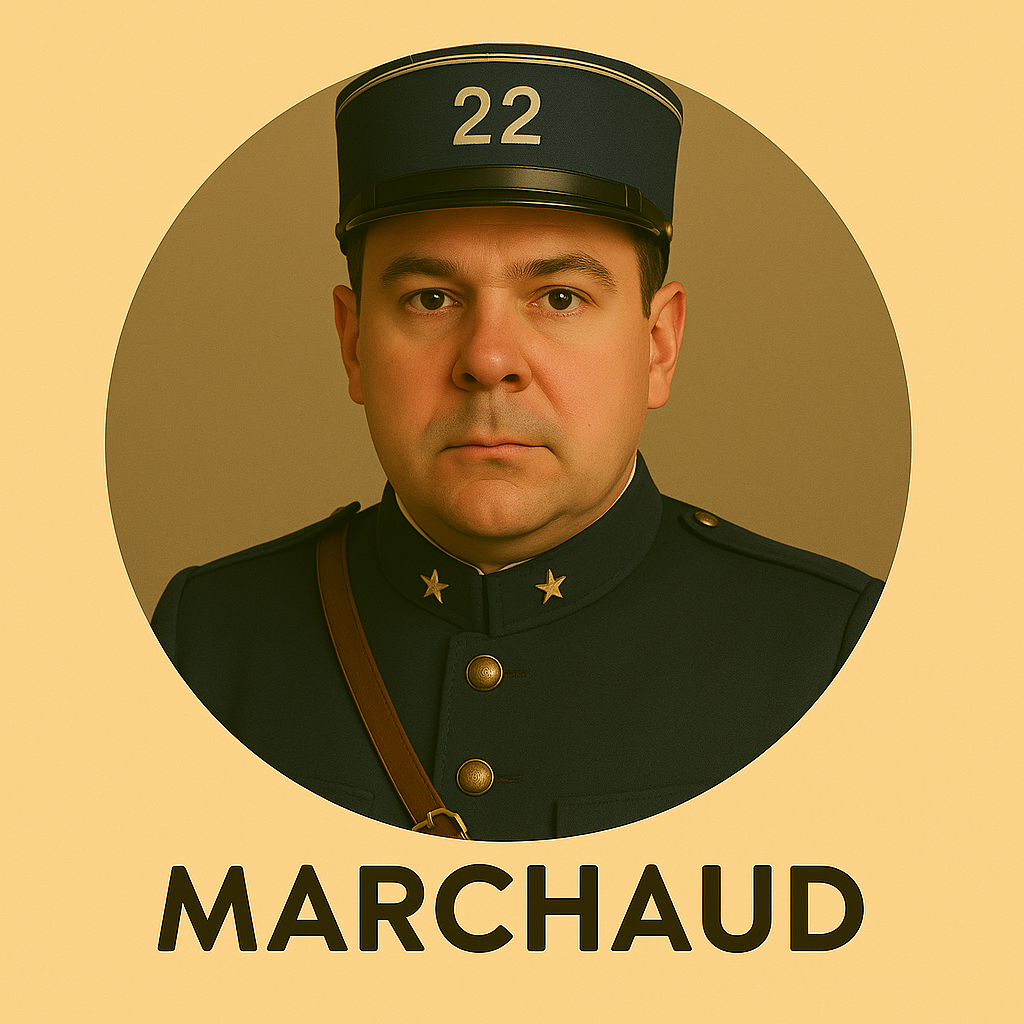
“Marchaud!”
「マルショー!」
The sergent de ville appeared.
警察官のマルショーが現れた。
“Bring in the woman Françoise.”
「フランソワーズを連れてきなさい」
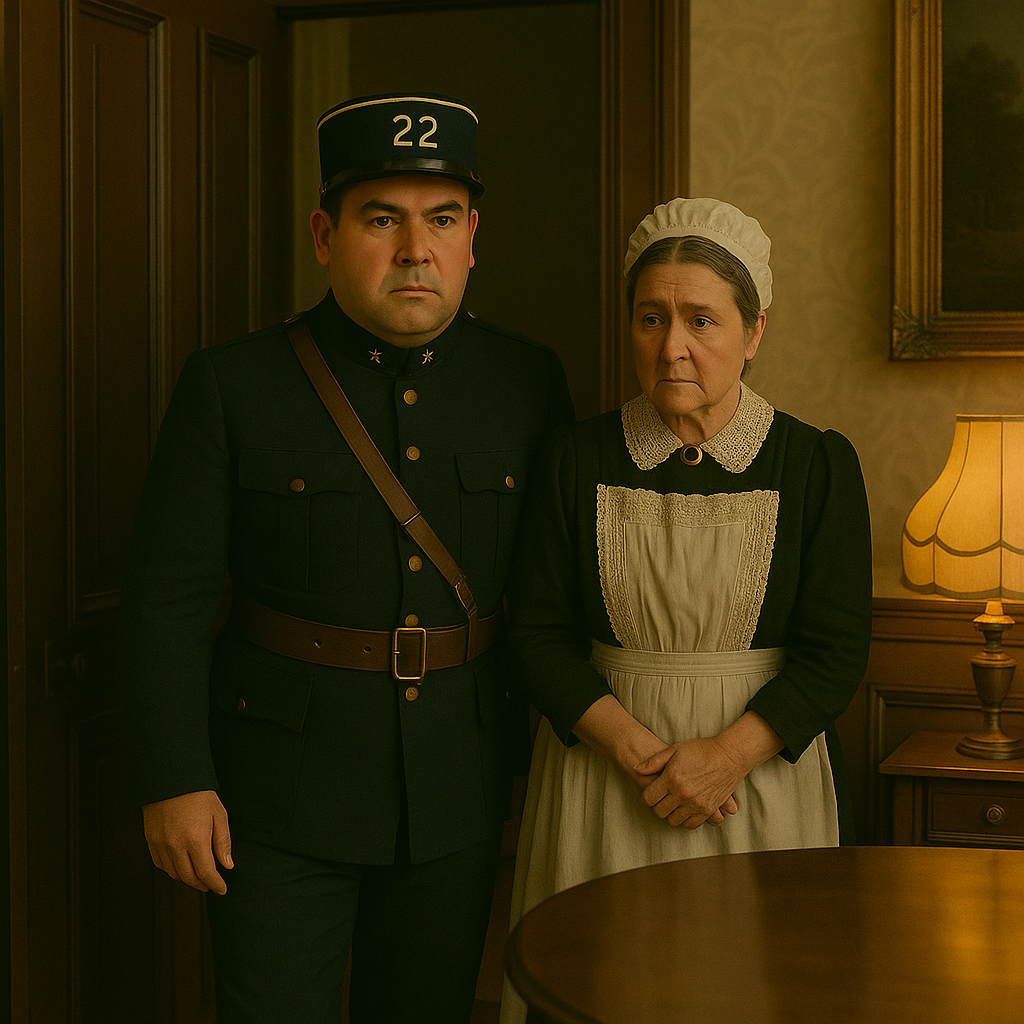
The man saluted, and disappeared. In a moment or two, he returned, escorting the frightened Françoise.
マルショーは敬礼して出て行った。まもなく、怯えた様子のフランソワーズを伴って戻ってきた。
“You name is Françoise Arrichet?”
「あなたの名前はフランソワーズ・アリシェだね?」

“Yes, monsieur.”
「はい、旦那様」
“You have been a long time in service atthe Villa Geneviève?”
「あなたはジュヌヴィエーヴ荘で長く仕えているんだね?」
“Eleven years with Madame la Vicomtesse. Then when she sold the Villa this spring, I consented to remain on with the English milor. Never did I imagine—”
「ヴィコントゥス夫人のもとで11年です。そしてこの春、夫人がジュヌヴィエーヴ荘を売却されることになって、私はイギリス人の“ミロール“(milord:英国紳士)に引き続き仕えることにいたしました。まさかこんなことになるなんて――」
The magistrate cut her short.
オーテ判事は彼女の言葉をさえぎった。
“Without doubt, without doubt. Now, Françoise, in this matter of the front door, whose business was it to fasten it at night?”
「それは分かっている。さてフランソワーズ、表玄関の件だが、夜に施錠するのは誰の役目かね?」

“Mine, monsieur. Always I saw to it myself.”
「私です、旦那様。いつも私がやっていました」
“And last night?”
「昨晩も?」
“I fastened it as usual.”
「いつも通りに施錠しました」
“You are sure of that?”
「確かかな?」
“I swear it by the blessed saints, monsieur.”
「聖人たちにかけて誓います、旦那様」
“What time would that be?”
「それは何時頃?」
“The same time as usual, half-past ten, monsieur.”
「いつもと同じ、10時半頃です、旦那様」
“What about the rest of the household, had they gone up to bed?”
「屋敷の他の人たちはどうだい、その頃にはもう寝室に上がっておられたのかね?」
“Madame had retired some time before. Denise and Léonie went up with me. Monsieur was still in his study.”
「奥様は、少し前にお休みになりました。ドニーズとレオニーも私と一緒に上がりました。旦那様は、まだ書斎にいらっしゃいました」
“Then, if any one unfastened the door afterwards, it must have been M. Renauld himself?”
「そうすると、施錠したあと誰かが玄関の鍵を開けたとしたら、それはルノー氏本人ということになる」
Françoise shrugged her broad shoulders.
フランソワーズは肩をすくめた。
“What should he do that for? With robbers and assassins passing every minute!A nice idea!Monsieur was not an imbecile. It is not as though he had had to let cette dame out—”
「旦那様が何のためにそんなことを?強盗や殺し屋がそこらじゅうにいるのに!名案ですこと!旦那様は、そんな馬鹿な方ではございません。それにもう、セット・ダム(あのご婦人)を見送る必要もありませんでしたし――」
The magistrate interrupted sharply:
オーテ判事は鋭く遮った。
“Cette dame? What lady do you mean?”
「“Cette dame”?──あのご婦人とは誰のことだ?」
“Why, the lady who came to see him.”
「あら、ルノー様に会いに来ていたご婦人のことですよ」
“Had a lady been to see him that evening?”
「その晩、女が訪ねてきていたのか?」
“But yes, monsieur—and many other evenings as well.”
「ええ、ムッシュー。そして他の夜にも、よくお見えになってました」
“Who was she? Did you know her?”
「誰なんだ? あなたはその女を知っているのか?」
A rather cunning look spread over the woman’s face.
すると女中の顔に、どこかずる賢そうな表情が広がった。
“How should I know who it was?” she grumbled.
“I did not let her in last night.”
「それが誰かなんて、どうして私が知っているんです?」と彼女はぼやいた。
「昨晩は、私がお出迎えたわけじゃありませんので」
“Aha!” roared the examining magistrate, bringing his hand down with a bang on the table.
“You would trifle with the police, would you?
I demand that you tell me at once the name of this woman who came to visit M. Renauld in the evenings.”
「なんだと!」オーテ判事は怒鳴ると、机をバンと叩いて立ち上がった。
「警察をからかうつもりなのか?今すぐその女の名前を言いなさい。夜、ルノー氏を訪ねてくるという、その女の名前を!」
“The police—the police,” grumbled Françoise. “Never did I think that I should be mixed up with the police. But I know well enough who she was. It was Madame Daubreuil.”
「警察、警察って……」フランソワーズはぶつぶつ文句を言った。
「私がこんなふうに警察のことに巻き込まれるなんて思いもしませんでしたよ。でも、誰だったかなんて、ちゃんと分かってますとも。ドーブルイユ夫人です」
The commissary uttered an exclamation, and leaned forward as though in utter astonishment.
ベー署長が思わず声を上げ、身を乗り出して驚いたように言った。

“Madame Daubreuil—from the Villa Marguerite just down the road?”
「ドーブルイユ夫人が来ているのか──道の隣のあのマルグリット荘から?」
“That is what I said, monsieur. Oh, she is a pretty one, cellela!”
「だから、そう言ってるじゃありませんか、旦那様。まあ、きれいなご婦人ですこと、セル・ラ(あの女)!」
The old woman tossed her head scornfully.
年老いた女中は、軽蔑したように頭を振った。
“Madame Daubreuil,” murmured the commissary.
“Impossible.”
「ドーブルイユ夫人が?」とベー署長はつぶやいた。
「信じられん」
“Voilà,” grumbled Françoise.
“That is all you get for telling the truth.”
「ほらね」とフランソワーズがぼやいた。
「これだから、本当のことを話したって、結局これなんです」

“Not at all,” said the examining magistrate soothingly.
“We were surprised, that is all. Madame Daubreuil then, and Monsieur Renauld, they were—” he paused delicately.
“Eh? It was that without doubt?”
「いや、そんなことはない」と判事はなだめるように言った。
「我々はただ、驚いただけだ。つまり──ドーブルイユ夫人とルノー氏は、彼らはそういう……」 判事は言いにくそうだった。
「どうなんだ?考えるまでもないと思うが?」
“How should I know? But what will you?Monsieur, he was milor anglais—trés riche—and Madame Daubreuil, she was poor, that one—and trés chic for all that she lives so quietly with her daughter. Not a doubt of it, she has had her history!
「そんなこと私が知ってるとでも?でも、どうなんでしょうね?旦那様はミロール・アングレ(イギリスの上流階級の紳士)で、トレ・リシュ(たいそうなお金持ち)でした。それに比べてドーブルイユ夫人は貧しい。でもね、あの人は洗練されていておしゃれなんですよ。あんなふうに娘さんと静かに暮らしていたって、きっと何か過去があるに決まってます!
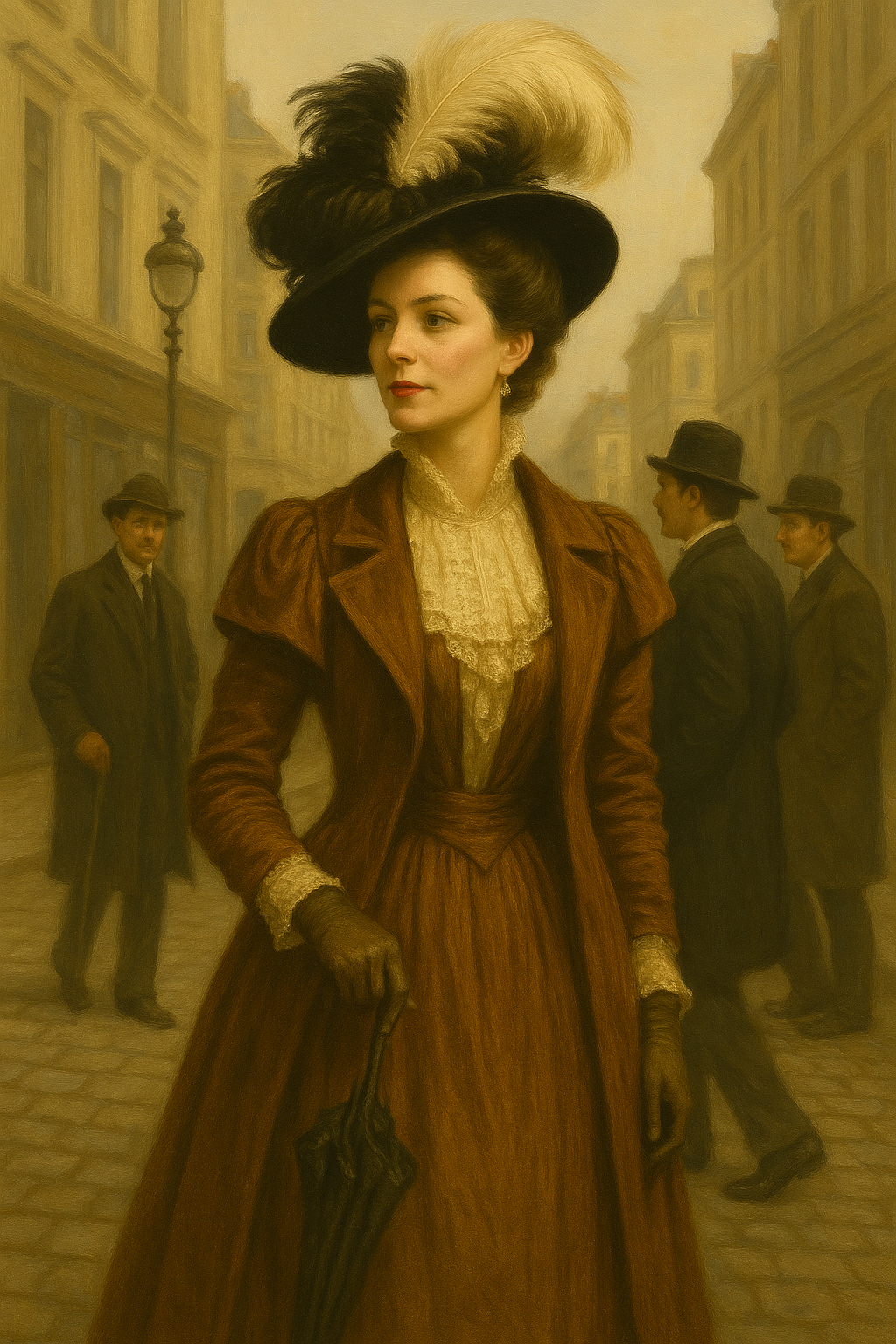
She is no longer young, but ma foi! I who speak to you have seen the men’s heads turn after her as she goes down the street.Besides lately, she has had more money to spend—all the town knows it.The little economies, they are at an end.”And Françoise shook her head with an air of unalterable certainty.
もう若くはないけど──マ・フォア(でもまあ)! この私が言うんですから、通りを歩けば、男たちが振り返るのを何度見たことか!最近はお金遣いも派手になってきて……町中が知ってますよ。あのつましい暮らし? もう終わりです」フランソワーズは頭を振り、絶対の自信と確信の表情を浮かべた。
M. Hautet stroked his beard reflectively.
オーテ判事は顎髭を撫でながら、しばらく考えたのち、こう尋ねた。
“And Madame Renauld?” he asked at length.“How did she take this—friendship.”
「それで……ルノー夫人は? その“関係”について、どうだったんだ?」
Françoise shrugged her shoulders.
フランソワーズは肩をすくめた。
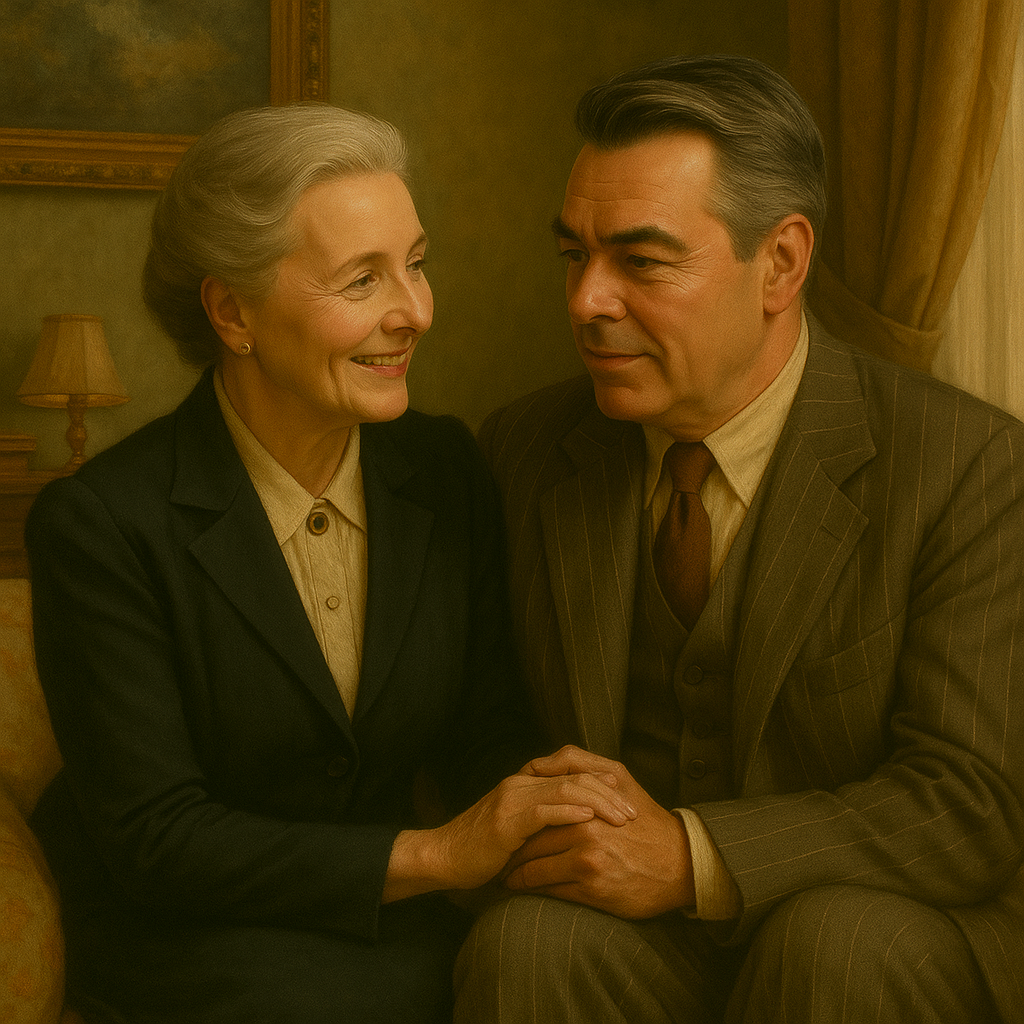
“She was always most amiable—most polite. One would say that she suspected nothing.But all the same, is it not so, the heart suffers, monsieur? Day by day, I have watched Madame grow paler and thinner. She was not the same woman who arrived here a month ago.Monsieur, too, has changed. He also has had his worries. One could see that he was on the brink of a crisis of the nerves. And who could wonder, with an affair conducted such a fashion? No reticence, no discretion. Style anglais, without doubt!”
「とにかく、とても丁寧で愛想よくしておられましたよ。まるで何も知らないみたいでした。でも──誰でも同じですが、そんなことはなくて、やっぱり心は傷つきますよね、旦那様? 日が経つにつれて、奥様はどんどん青ざめて、やせ細っていったんです。
一か月前にここに来たときとは別人のようでしたよ。旦那様も変わられました。あの方もまた悩んでおられたんでしょう。精神的に参っておられるのがよくわかりました。あんなやり方で”関係”を持たれるを見て、不思議に思う人が誰かいるんでしょうか? 遠慮もなく、思慮分別もないんですから。あれはスティル・アングレ(イギリス式)ってやつですわ、間違いなく!」
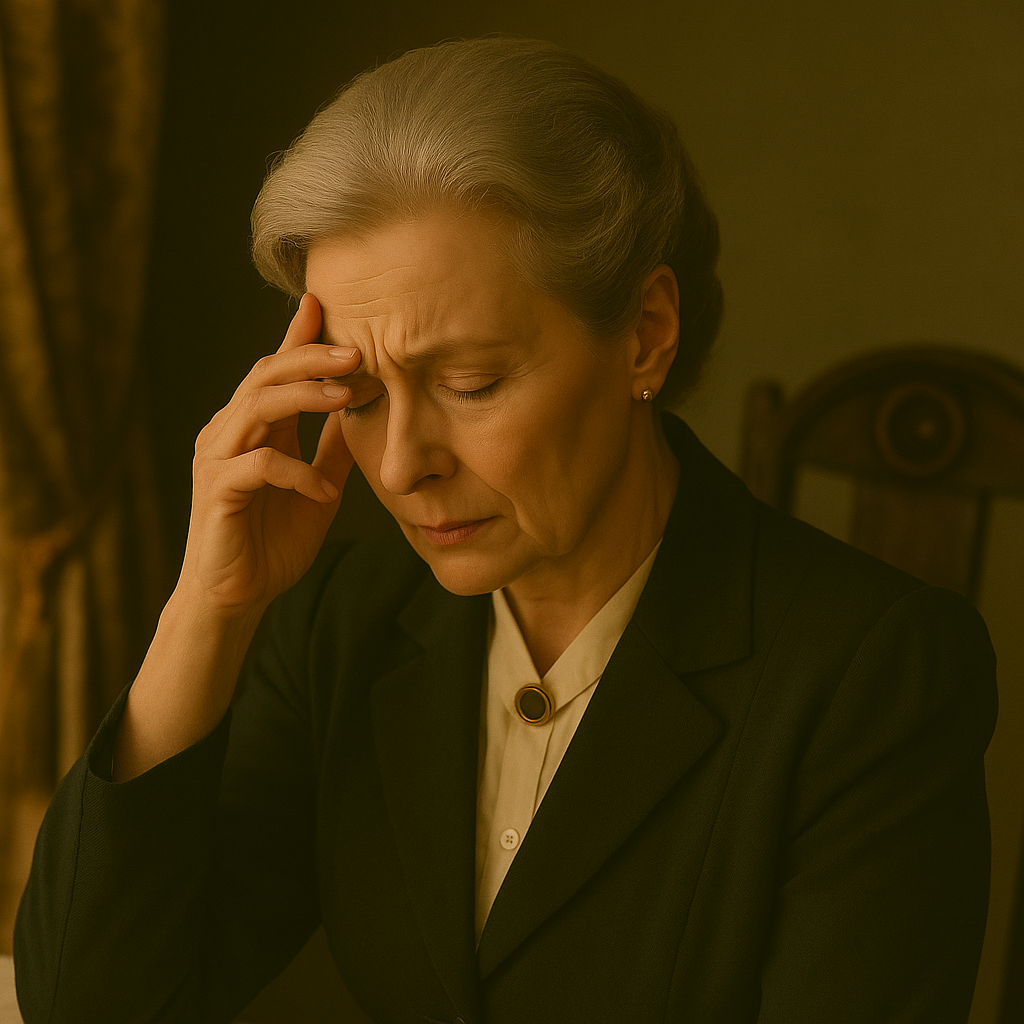
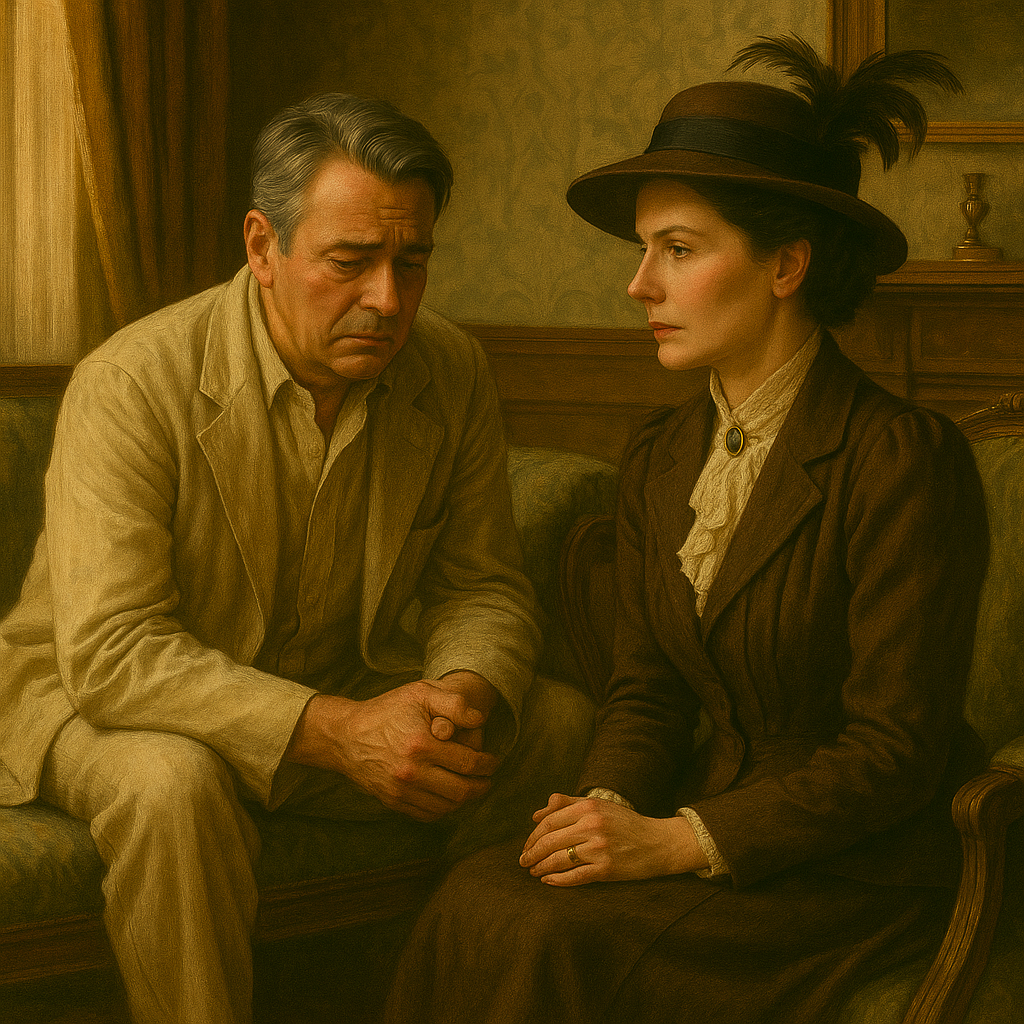
I bounded indignantly in my seat, but the examining magistrate was continuing his questions, undistracted by side issues.
私はその言葉に腹を立て、椅子の上で思わず身を乗り出したが、判事はまったく気にする様子もなく、淡々と尋問を続けていた。
“You say that M. Renauld had not to let Madame Daubreuil out? Had she left, then?”
「貴方は、ムッシュー・ルノーはドーブルイユ夫人をもう見送る必要はなかったと言ってたね?つまり彼女はすでに家にいなかったということかね?」
“Yes, monsieur. I heard them come out of the study and go to the door.Monsieur said good night, and shut the door after her.”
「はい、旦那様。お二人が、書斎から出てきて玄関に行っているのが聞こえました。旦那様が『おやすみ』と言って、ドアを閉めました」
“What time was that?”
「その時刻は?」
“About twenty-five minutes after ten, monsieur.”
「10時25分頃だったと思います、旦那様」
“Do you know when M. Renauld went to bed?”
「ムッシュー・ルノーが寝たのはいつですか?」
“I heard him come up about ten minutes after we did. The stair creaks so that one hears every one who goes up and down.”
「私たちが上がったあと、10分ほどして上がっていくのが聞超えました。あの階段はきしむので、誰が上り下りしてもわかるのです」
“And that is all? You heard no sound of disturbance during the night?”
「それだけですか?夜の間に何か物音などは聞きませんでしたか?」
“Nothing whatever, monsieur.”
「まったく何も、旦那様」
“Which of the servants came down the first in the morning?”
「翌朝、最初に階下に降りたのは誰ですか?」
“I did, monsieur. At once I saw the door swinging open.”
「私です、旦那様。すぐに玄関のドアが開いたまま揺れているのに気づきました」
“What about the other downstairs windows, were they all fastened?”
「他の窓は?全部閉まっていましたか?」
“Every one of them. There was nothing suspicious or out of place anywhere.”
「すべて閉まっていました。何も怪しいことや、乱れた様子はありませんでした」
“Good, Françoise, you can go.”
「よろしい、フランソワーズ、下がっていい」
The old woman shuffled towards the door. On the threshold she looked back.
老女はドアの方へよろよろと歩いた。だが、敷居のところで振り返って言った。
“I will tell you one thing, monsieur. That Madame Daubreuil she is a bad one! Oh, yes, one woman knows about another. She is a bad one, remember that.”
「ひとつだけ申しあげます、旦那様。あのドーブルイユ夫人は悪い女ですよ!ええ、女にはわかるんです、相手のことが。あの人は悪い女、お忘れにならないでください」
And, shaking her head sagely, Françoise left the room.
そう言って、彼女は意味ありげに首を振りながら部屋を出て行った。
“Léonie Oulard,” called the magistrate.
「レオニー・ウラール」と、判事が呼んだ。
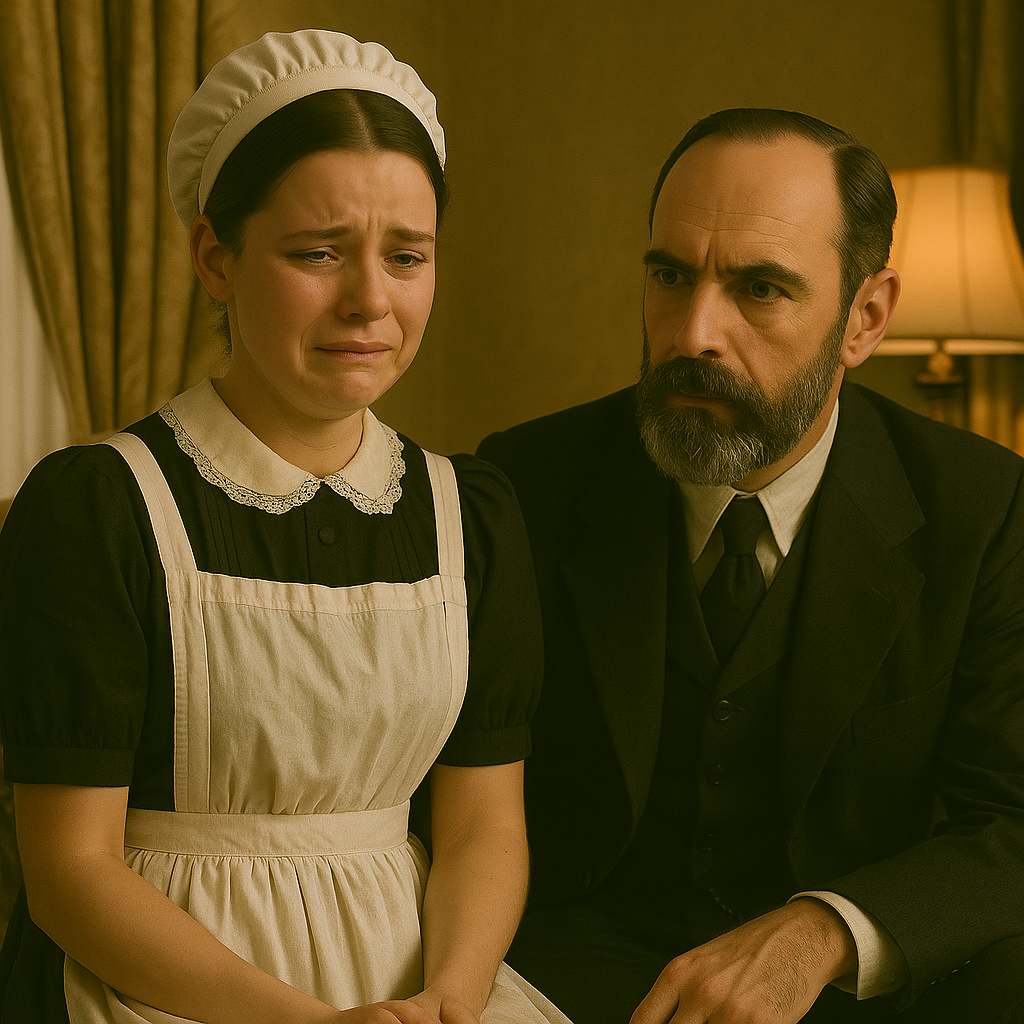
Léonie appeared dissolved in tears, and inclined to be hysterical. M. Hautet dealt with her adroitly. Her evidence was mainly concerned with the discovery of her mistress gagged and bound, of which she gave rather an exaggerated account.She, like Françoise, had heard nothing during the night.
レオニーは涙にくれた様子で、取り乱していた。オーテ判事は巧みに彼女を扱った。彼女の証言は、ルノー夫人が縛られているのを発見したときの話が中心で、いささか誇張が入っていた。彼女もフランソワーズと同様、夜の間に何も聞いていない。
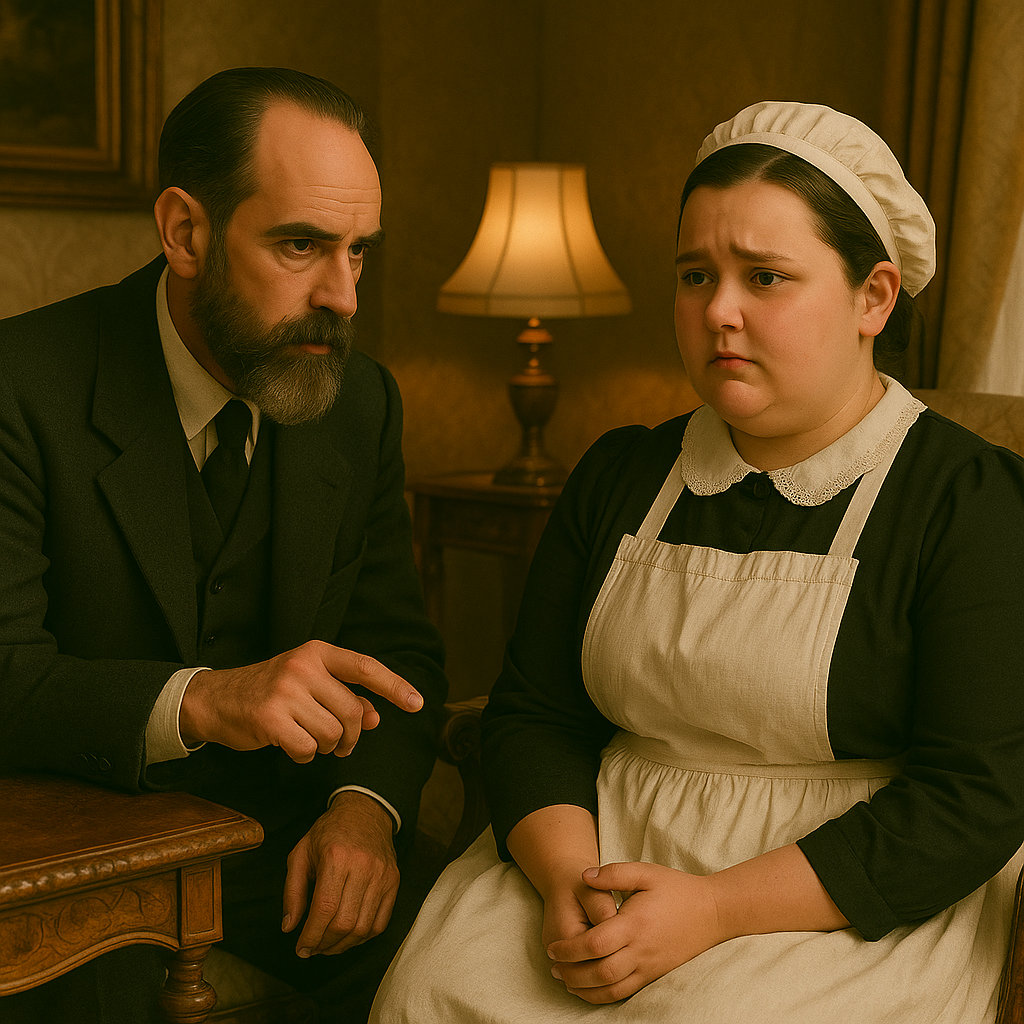
Her sister, Denise, succeeded her. She agreed that her master had changed greatly of late.
次に彼女の妹、ドニーズが呼ばれた。彼女もまた、最近、ルノー氏がとても変わったと同意した。

“Every day he became more and more morose. He ate less. He was always depressed.”
「日ごとにふさぎ込んでいきました。食事もろくに取らず、いつも沈んでいました」
But Denise had her own theory.
だがドニーズには独自の説があった。
“Without doubt it was the Mafia he had on his track! Two masked men—who else could it be? A terrible society that!”
「間違いなく、マフィアに狙われていたんですよ!仮面の男たち、ほかに誰がいるって言うんです?恐ろしい組織ですよ!」
“It is, of course, possible,” said the magistrate smoothly.
“Now, my girl, was it you who admitted Madame Daubreuil to the house last night?”
「可能性はあるね」と、判事は穏やかに言った。「さて、昨晩ドーブルイユ夫人を家に通したのは、あなたかね?」
“Not last night, monsieur, the night before.”
「昨晩ではありません、旦那様。一昨日の晩です」
“But Françoise has just told us that Madame Daubreuil was here last night?”
「だが、フランソワーズは、昨晩ドーブルイユ夫人が来たと証言しているよ?」
“No, monsieur. A lady did come to see M. Renauld last night, but it was not Madame Daubreuil.”
「いいえ、旦那様。昨晩、ルノー様に会いに来たご婦人はいらっしゃいましたが、あれはドーブルイユ夫人ではありません」
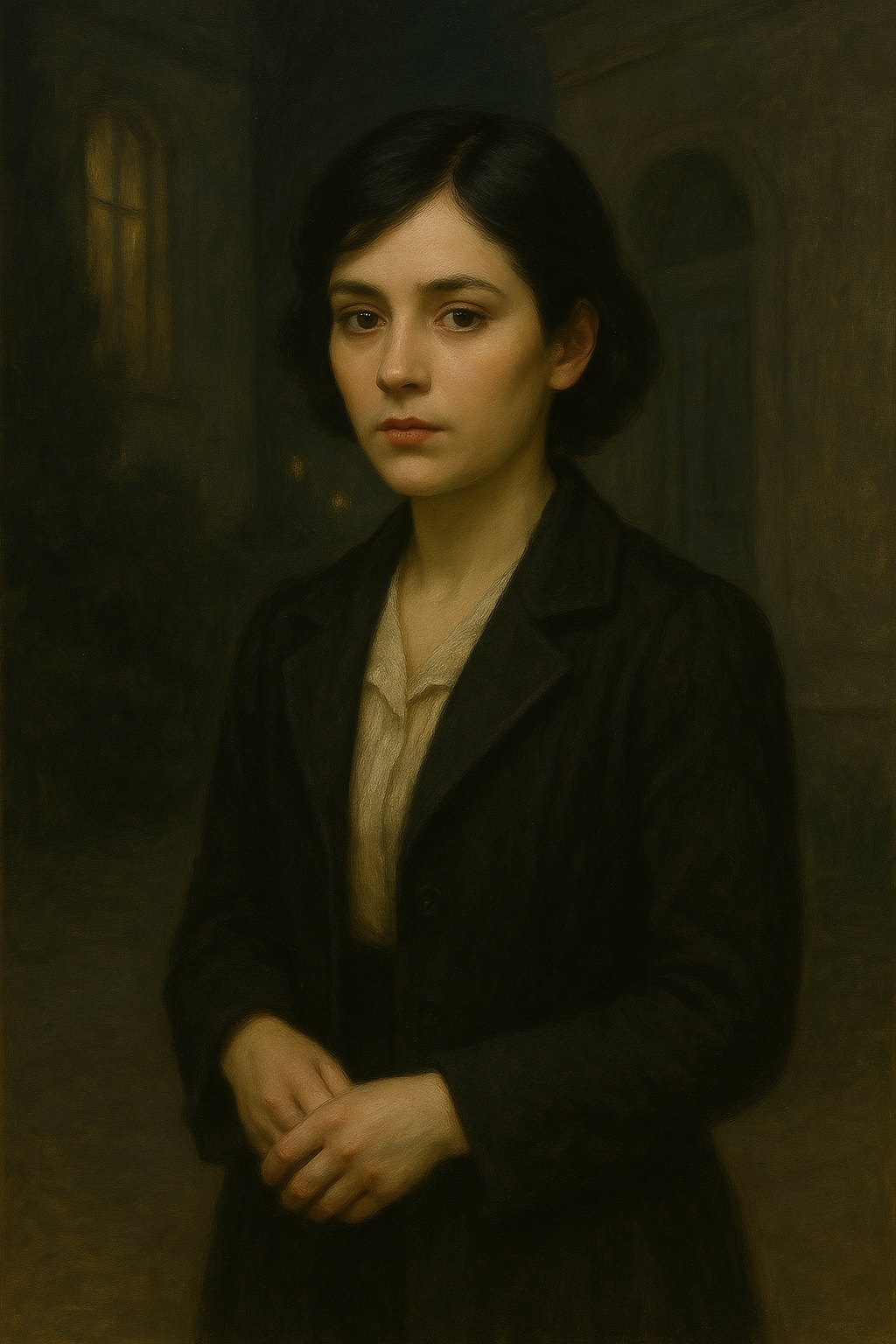
Surprised, the magistrate insisted, but the girl held firm. She knew Madame Daubreuil perfectly by sight.This lady was dark also, but shorter, and much younger.Nothing could shake her statement.
判事は驚き、問い詰めたが、ドニーズは頑として主張を曲げなかった。彼女はドーブルイユ夫人をよく知っていた。昨晩来た女性は、同じく黒髪だが背が低く、ずっと若い女性だったという。その主張が揺らぐことはなかった。
“Had you ever seen this lady before?”
「その婦人を以前に見たことはあるかね?」
“Never, monsieur.”
「ありません、旦那様」
And then the girl added diffidently:
そして彼女は、ためらいながら付け加えた。
“But I think she was English.”
「でも、あの人はたぶんイギリス人です」
“English?”
「イギリス人?」
“Yes, monsieur. She asked for M. Renauld in quite good French, but the accent—one can always tell it, n’est-ce pas? Besides when they came out of the study they were speaking in English.”
「はい、旦那様。とても上手なフランス語でしたが、アクセントがありましたから、すぐに分かります、ネス・パ(ですよね)?それに、書斎から出てきたときは英語で話していました」
“Did you hear what they said? Could you understand it, I mean?”
「その内容は聞こえたかい?理解できたかね?」
“Me, I speak the English very well,” said Denise with pride.
“The lady was speaking too fast for me to catch what she said, but I heard Monsieur’s last words as he opened the door for her.”
「私は英語がとても得意なんです」とドニーズは自慢げに言った。
「女性の話すスピードが早くて、彼女の言葉は聞き取れませんでしたが、旦那様がドアを開けるときの最後の一言は聞こえました」
She paused, and then repeated carefully and laboriously:
彼女は、注意深く、努力しながら繰り返した。
“‘Yeas—yeas—butt for Gaud’s saike go nauw!’ ”
「『イエアス、イエアス、バッツ・フォー・ガッヅ・セイク・ゴー・ナーウ!』(わかった、わかった、神の名にかけて、すぐに行って!)」
“Yes, yes, but for God’s sake go now!” repeated the magistrate.
「『そうだ、そうだ、だが神のために、今すぐ行ってくれ!』ということですね」と、判事は繰り返した。
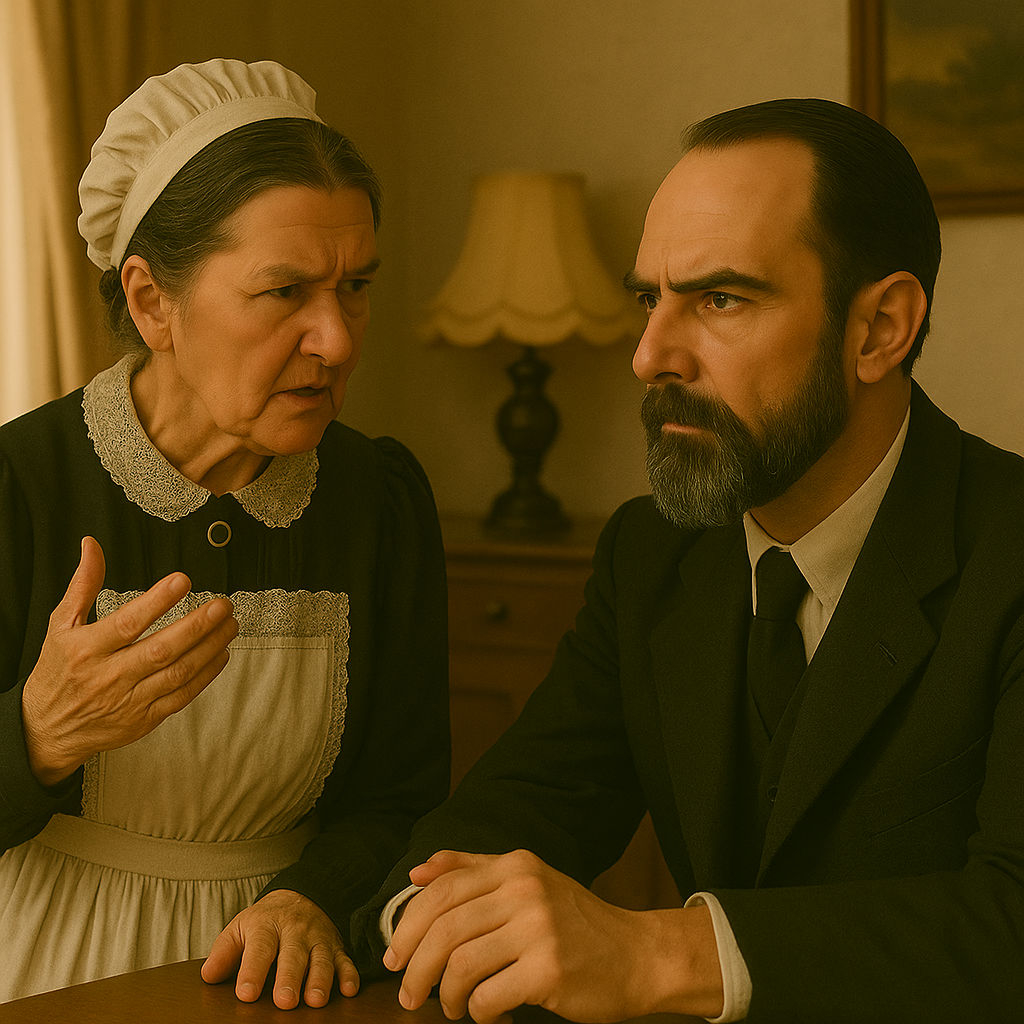
He dismissed Denise and, after a moment or two for consideration, recalled Françoise. To her he propounded the question as to whether she had not made a mistake in fixing the night of Madame Daubreuil’s visit. Françoise, however, proved unexpectedly obstinate.It was last night that Madame Daubreuil had come. Without a doubt it was she.
彼はドニーズを下がらせ、しばらく考えたのちに、フランソワーズを再び呼び戻した。そして、ドーブルイユ夫人の来訪を一日前と取り違えた可能性について質問したが、フランソワーズは意外にも頑なだった。ドーブルイユ夫人が来たのは昨晩で、それは間違いなく彼女だったというのだ。
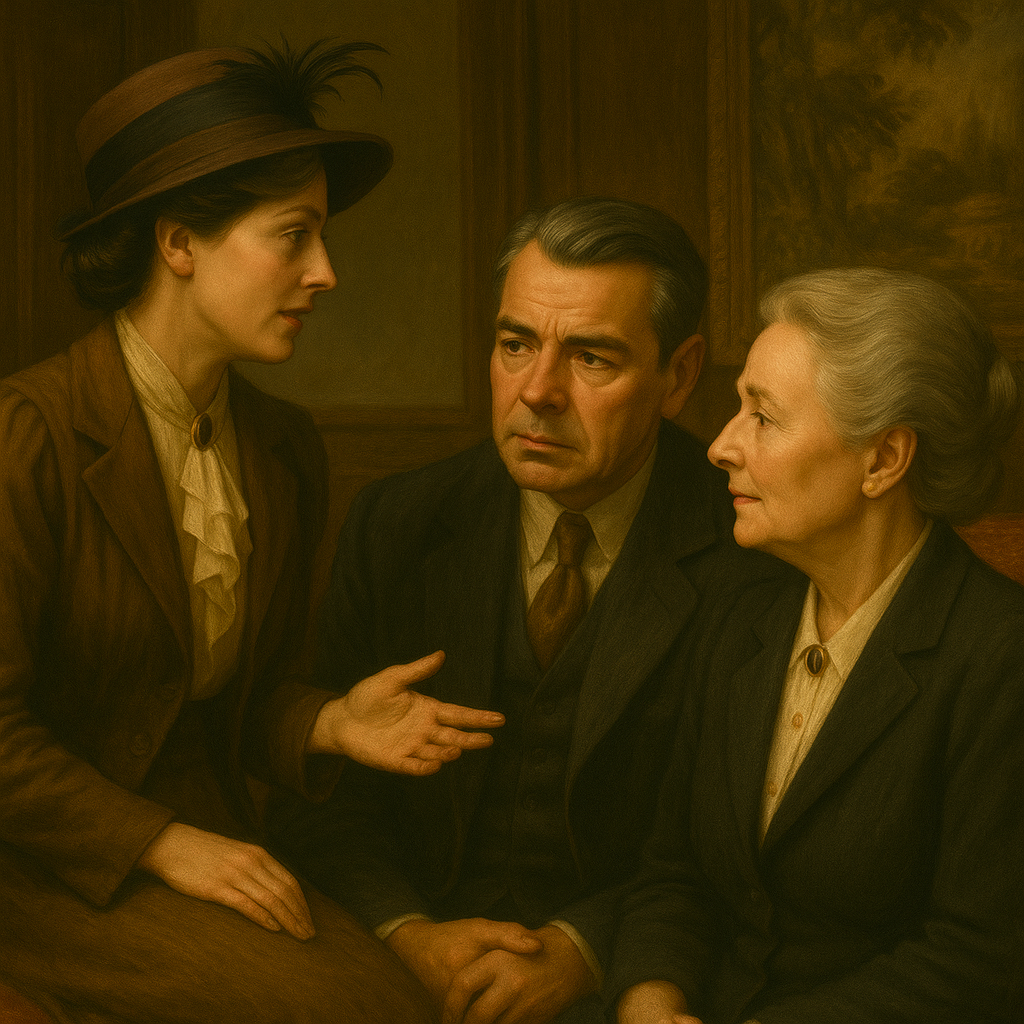
Denise wished to make herself interesting, voilà tout! So she had cooked up this fine tale about a strange lady. Airing her knowledge of English too! Probably Monsieur had never spoken that sentence in English at all, and even if he had, it proved nothing, for Madame Daubreuil spoke English perfectly, and generally used that language when talking to M. and Madame Renauld.
ドニーズは目立ちたい、ヴワラ・トゥ(それだけだ!)それでそんなおかしな女性の話をでっちあげた。英語の知識を自慢!ということもある。旦那様がその英語を本当に話したかどうかも怪しい。仮に話したとしても何の意味もない。ドーブルイユ夫人は英語が堪能だった。旦那様や奥様ともいつも英語で話していた。
“You see, M. Jack, the son of Monsieur, was usually here, and he spoke the French very badly.”
「なにせ、旦那様のご子息ジャック様はこちらにいらっしゃいますが、フランス語がひどく下手でしたから」
The magistrate did not insist. Instead he inquired about the chauffeur, and learned that only yesterday, M. Renauld had declared that he was not likely to use the car, and that Masters might just as well take a holiday.
A perplexed frown was beginning to gather between Poirot’s eyes.
判事はそれ以上は追及せず、次に運転手について尋ねた。そしてちょうど昨日、ルノー氏が『車を使う予定はないから、休暇を取るのに都合がいい』と言っていたことがわかった。
ポワロの眉間に、困惑したような皺が寄り始めていた。

“What is it?” I whispered.
「どうしたんだい?」と私は小声で尋ねた。
He shook his head impatiently, and asked a question:
彼は苛立たしげに首を振り、質問した。

“Pardon, M. Bex, but without doubt M. Renauld could drive the car himself?”
「パルドン(すみませんが)、ベー署長、ルノー氏は、ご自分で車を運転できたのではありませんか?」
The commissary looked over at Françoise, and the old woman replied promptly:
警察署長がフランソワーズの方に見やると、老婦人はすぐに答えた。

“No, Monsieur did not drive himself.”
「いえ、旦那様はご自分で運転なさいませんでした」
Poirot’s frown deepened.
ポワロの眉間の皺はさらに深くなった。
“I wish you would tell me what is worrying you,” I said impatiently.
「何がそんなに気になるのか、教えてくれないか?」と私は我慢できずに言った。
“See you not? In his letter M. Renauld speaks of sending the car for me to Calais.”
「君は気づかないのですか? ルノー氏の手紙には、カレーまで私を迎えに車を送ると書いてありました」
“Perhaps he meant a hired car,” I suggested.
「おそらく、彼はハイヤーのことを言ってたんだよ」と私は提案した。
“Doubtless that is so. But why hire a car when you have one of your own. Why choose yesterday to send away the chauffeur on a holiday—suddenly, at a moment’s notice? Was it that for some reason he wanted him out of the way before we arrived?”
「もちろん、その可能性はあります。しかし、自分の車を持っていながら、なぜわざわざハイヤー(車を借りる)にする必要があるんだろう?なぜ昨日という日に限って突然、運転手に予告もなく休暇を与えたのか?我々が来る前に、運転手を遠ざけておきたい理由でもあったのだろうか?」