注記(区切り記号について)
この翻訳文には、点字に対応させるための区切り記号(マス空け)を入れています。
「|」 … 1マスあけ
「||」 … 2マスあけ
点訳の際に必要となる区切りを、見える形で示しています。
読み進めるうちに、文章のリズムや切れ目を意識していただければ幸いです。
・固有名詞は実際の発音を標準にしますが、日本語で馴染みのあるカタカナ表記を優先しています。
・固有名詞は、原則として最初に登場した時に限って、その固有部分を「第2カギ符」で囲んでいます。
・固有名詞の複合語は、「マス空け」「中点」ではなく、一つの意味のまとまりとして一体性を保つために「第2つなぎ符」で表記しています。
・建物の階数は日本式で、ground floor=一階、first floor=二階と表記しています。
『Brille Editor System ver.8』用の『BESファイル』を、ZIPファイルに圧縮して公開しています。(2026年1月20日現在)
The Mysterious Affair at Styles
CHAPTER IX.
DR. BAUERSTEIN
||||||||スタイルズの|怪事件
||||||第九章
||||ドクター=バウアースタイン
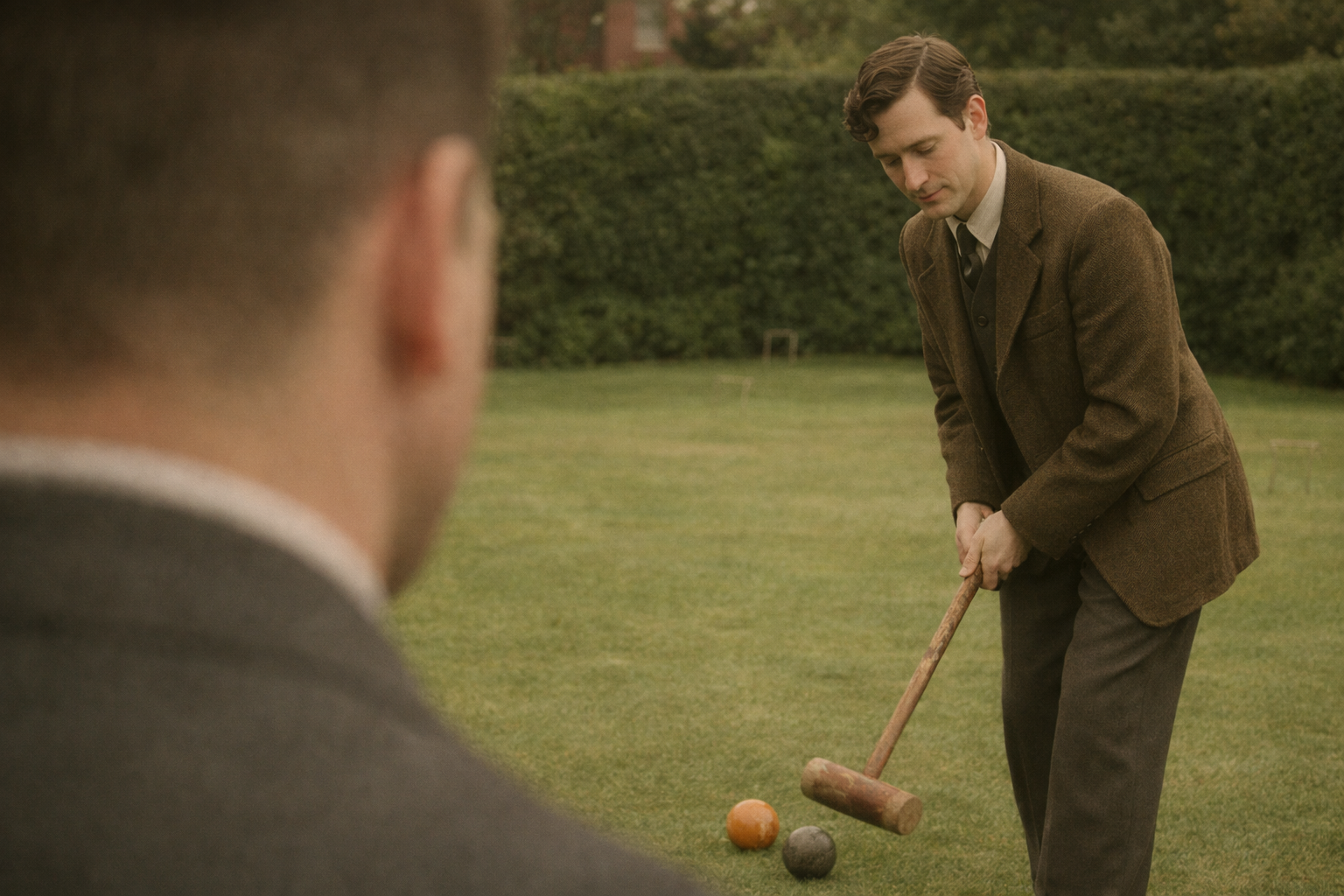
I had had no opportunity as yet of passing on Poirot’s message to Lawrence. But now, as I strolled out on the lawn, still nursing a grudge against my friend’s high-handedness, I saw Lawrence on the croquet lawn, aimlessly knocking a couple of very ancient balls about, with a still more ancient mallet.
It struck me that it would be a good opportunity to deliver my message. Otherwise, Poirot himself might relieve me of it.
It was true that I did not quite gather its purport, but I flattered myself that by Lawrence’s reply, and perhaps a little skillful cross-examination on my part, I should soon perceive its significance. Accordingly I accosted him.
私は|まだ、|ポワロの|伝言を|ローレンスに|伝える|機会に|遭ってなかった。
しかし|今、|芝生を|ぶらぶらと|歩きながら、|依然として|あの|友人の|横柄さに|腹を|立てていると、|ローレンスの|姿が|目に入った。
彼は|クロッケーの|芝生で、|年季の|入った|ボールを|二つ、|さらに|古びた|マレットで|ぼんやりと|打っていた。
これは|伝言を|渡す|良い|機会だと|ふと|思った。||でないと|ポワロ|本人が|自分で|伝えてしまう|かもしれない。||それが|どういう|意味を|持つのかは|正直な|ところ|まだ|よく|分かって|いなかったが、|ローレンスの|返事と、|そこに|私が|少しばかり|巧みに|質問を|重ねれば、|その|真意も|すぐに|見えてくる|はずだと|私は|思い込んた。||そこで|私は|彼に|声をかけた。

“I’ve been looking for you,” I remarked untruthfully.
「探してたんだよ」||もちろん|これは|嘘だった。

“Have you?”
そうなの?
“Yes. The truth is, I’ve got a message for you—from Poirot.”
「うん。||そうなんだ。||実は|君に|伝言を|預かっててね。||ポワロから|なんだけど」

“Yes?”
はい?
“He told me to wait until I was alone with you,”
「二人きりに|なったときに|渡せって|言われたんだ」
I said, dropping my voice significantly, and watching him intently out of the corner of my eye.
I have always been rather good at what is called, I believe, creating an atmosphere.
私は|声を|落とし、|目の|端で|ローレンスの|様子を|うかがった。
私は|いわゆる|『雰囲気づくり』が|得意な|ほうだという|自信が|あるのだ。
“Well?”
「それで?」
There was no change of expression in the dark melancholic face.
Had he any idea of what I was about to say?
ローレンスの|暗く|憂鬱な|顔に|変化は|なかった。
彼は、|私が|何を|言おうと|しているのか|予想|していたのだろうか?
“This is the message.”
「伝言は|これだ」
I dropped my voice still lower.
私は|さらに|声を|ひそめて|言った。
“‘Find the extra coffee-cup, and you can rest in peace.’”
「『余分な|コーヒーカップを|見つけたら、|君は|安らかに|眠れる』」
“What on earth does he mean?”
「それって|一体|どういう|意味だい?」
Lawrence stared at me in quite unaffected astonishment.
ローレンスは|まったく|自然に|驚いた|様子で|私を|見つめた。
“Don’t you know?”
「君には|わからないのか?」
“Not in the least. Do you?”
「まったく|見当も|つかない。||君は?」
I was compelled to shake my head.
私は|首を|振らざるを|得なかった。
“What extra coffee-cup?”
「『余分な|コーヒーカップ』って|何のことだ?」
“I don’t know.”
「さあ、|わからないよ」
“He’d better ask Dorcas, or one of the maids, if he wants to know about coffee-cups. It’s their business, not mine.
I don’t know anything about the coffee-cups, except that we’ve got some that are never used, which are a perfect dream! Old Worcester. You’re not a connoisseur, are you, Hastings?”
「コーヒーカップの|ことなんて|知りたければ、|ドーカスか|女中の|誰かに|聞くべきだよ。||あれは|彼女たちの|仕事で、|僕の|知ったことじゃ|ない。
僕が|知ってるのは、|滅多に|使わないけど||夢のように|美しい|カップが|あるってこと|くらいさ。||<オールド=ウースター>製|なんだ。||君は|陶磁器には|興味ないだろ、|ヘイスティングズ?」
I shook my head.
私は|首を|振った。
“You miss a lot.
A really perfect bit of old china—it’s pure delight to handle it, or even to look at it.”
「それは|損してるよ。||完璧な|アンティークの|陶器|ってのはね。||手に取る|だけでも、|いや、|眺める|だけでも|本当に|うっとり|するもの|なんだ」
“Well, what am I to tell Poirot?”
「それで、|ポワロには|どう|伝えれば|いい?」
“Tell him I don’t know what he’s talking about. It’s double Dutch to me.”
「何の|ことを|言ってるの|かわからない。||僕には|ちんぷんかんぷん|だって|彼に|言ってくれ」
“All right.”
「わかった」
I was moving off towards the house again when he suddenly called me back.
私は|再び|屋敷の方へ|歩き出したが、|そのとき|彼が|突然|呼び止めた。
“I say, what was the end of that message?||Say it over again, will you?”
「ちょっと、|あの|伝言の|最後の|言葉って|何だっけ?||もう一度|言ってくれる?」
“‘Find the extra coffee-cup, and you can rest in peace.’ Are you sure you don’t know what it means?” I asked him earnestly.
「『余分な|コーヒーカップを|見つければ、|君は|安らかに|眠れる』||本当に|意味が|分からないのかい?」||私は|真剣に|たずねた。
He shook his head.
彼は|首を|振った。
“No,” he said musingly, “I don’t. I—I wish I did.”
「いや」と、|彼は|物思いに|ふけるように|言った。「わからない。||わかったら|いいんだけどね」
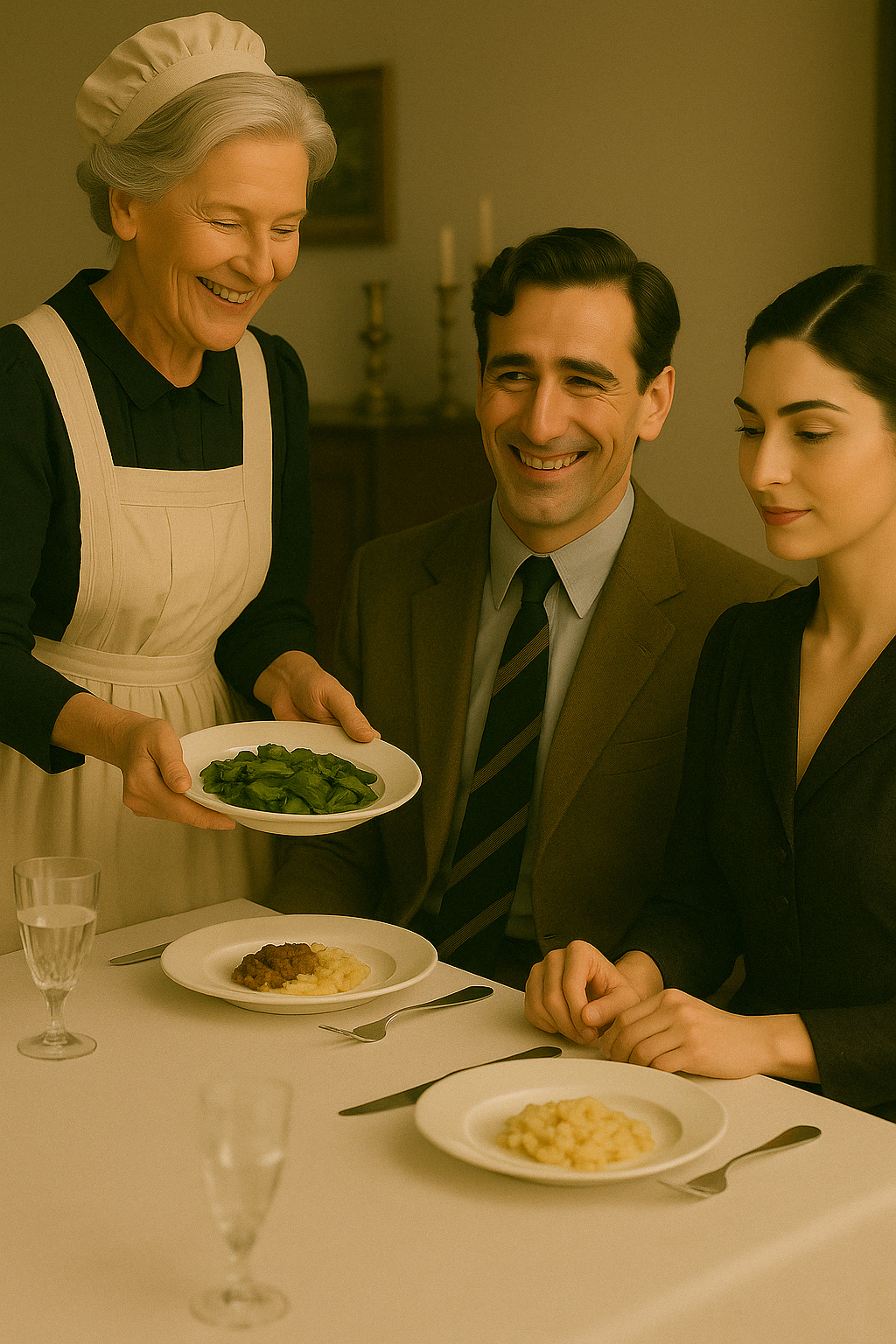
The boom of the gong sounded from the house, and we went in together.
Poirot had been asked by John to remain to lunch, and was already seated at the table.
By tacit consent, all mention of the tragedy was barred. We conversed on the war, and other outside topics.
But after the cheese and biscuits had been handed round, and Dorcas had left the room, Poirot suddenly leant forward to Mrs. Cavendish.
そのとき、|屋敷から|ゴーンと|昼食の|合図の|鐘が|鳴り響き、|私たちは|連れ立って|屋内へ|戻った。
ポワロは|ジョンに|昼食に|残るよう|頼まれていて、|すでに|テーブルに|ついていた。
暗黙の|了解で、|あの悲劇に|関する|話題は|避けられた。||戦争や|そのほかの|世間話を|していた。
だが、|チーズと|ビスケットが|配られ、|ドーカスが|部屋を|出て行った|あと、|ポワロが|突然|メアリー=キャヴンディッシュの|ほうに|身を|乗り出した。
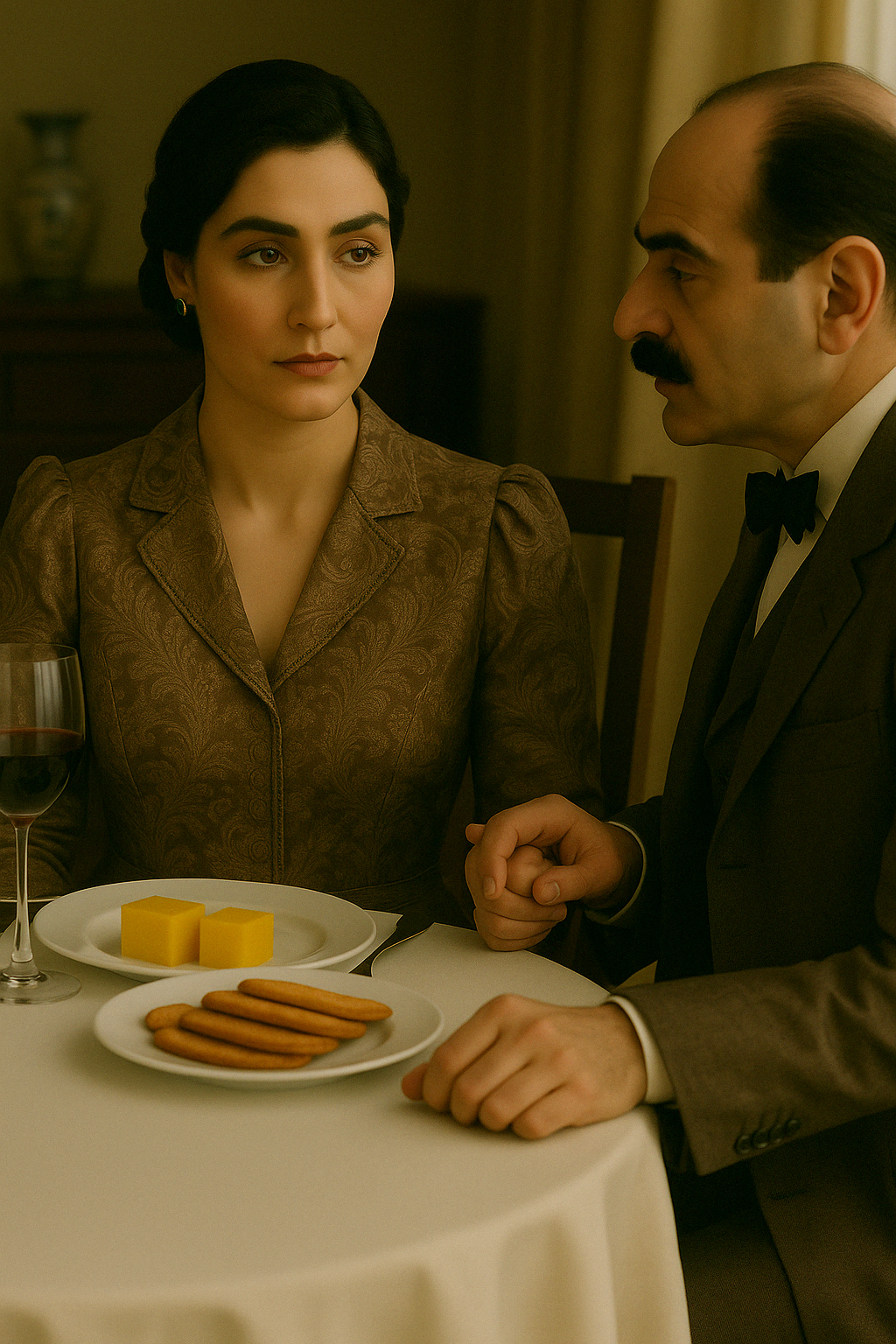

“Pardon me, madame, for recalling unpleasant memories, but I have a little idea”—Poirot’s“little ideas” were becoming a perfect byword—“and would like to ask one or two questions.”
「失礼ながら、|マダム。||辛い|記憶を|呼び起こすようで|申し訳ないのですが、|ちょっとした|思いつきが|ございまして」||ポワロの『ちょっとした|思いつき』は、|もはや|決まり文句に|なっていた。
「いくつか|質問を|させて|いただければと」

“Of me? Certainly.”
「私に?||ええ、|もちろん」
“You are too amiable, madame. What I want to ask is this: the door leading into Mrs. Inglethorp’s room from that of Mademoiselle Cynthia, it was bolted, you say?”
「ご親切に|ありがとう|ございます、|マダム。||お尋ね|したいのは|このことです。||マドモワゼル=シンシアの|部屋から|ミセス=イングルソープの|部屋に|通じる|扉|ですが、|あれは|かんぬきが|かかっていたと|おっしゃいましたね?」
“Certainly it was bolted,” replied Mary Cavendish, rather surprised.
“I said so at the inquest.”
「ええ、|もちろん|かんぬきが|かかっていました」と、|メアリー=キャヴンディッシュは|少し|驚いた|ように|答えた。
「検死審問の|ときにも|そう|申し上げました」
“Bolted?”
「かんぬき|でしたか?」
“Yes.”
「はい」
She looked perplexed.
彼女は|戸惑った|様子を|見せた。
“I mean,” explained Poirot,“you are sure it was bolted, and not merely locked?”
「つまりですね」と、|ポワロは|説明した。
「あなたは、|かんぬき|だったと|確信|されているのですね?||単に|『鍵が|かかっていた』のでは|なく?」
“Oh, I see what you mean. No, I don’t know.
I said bolted, meaning that it was fastened, and I could not open it, but I believe all the doors were found bolted on the inside.”
「ああ、|そういう|意味ですね。||いいえ、|わかりません。||『かんぬきが|かかっていた』と|言ったのは、|開けようと|しても|開かなかった|という|意味で、|確か|中から|全部の|扉が|かんぬきで|閉まっていたと|聞いてますけど」
“Still, as far as you are concerned, the door might equally well have been locked?”
「でも、|あなたに|関していえば、|その扉は|『鍵が|かかっていた』だけ|だった|可能性も|ありますね?」
“Oh, yes.”
「ええ、|そうですね」
“You yourself did not happen to notice, madame, when you entered Mrs. Inglethorp’s room, whether that door was bolted or not?”
「奥さまが|ミセス=イングルソープの|部屋に|入られた|際に、|その扉に|かんぬきが|かかっていたか|どうか、|確かめられましたか?」
“I—I believe it was.”
「そう、|そうだったと|思います」
“But you did not see it?”
「でも、|実際に|ご自分の|目で|ご覧になった|わけでは|ないのですね?」
“No. I—never looked.”
「ええ、|見てませんでした」
“But I did,” interrupted Lawrence suddenly.
“I happened to notice that it was bolted.”
「でも、|僕は|見たんだよ」と、|ローレンスが|突然|口を|挟んだ。
「たまたま、|かんぬきが|かかってたのに|気づいたんだ」
“Ah, that settles it.”
「ほう、|それで|決まりですな」
And Poirot looked crestfallen.
I could not help rejoicing that, for once, one of his “little ideas” had come to naught.
After lunch Poirot begged me to accompany him home. I consented rather stiffly.
ポワロは|がっかりした|様子を|見せた。
私は|内心、|ポワロの|ちょっとした|アイデアが|今回は|空振りに|終わったことを、|少し|嬉しく|思った。
昼食のあと、|ポワロは|私に|『家まで|付き合ってくれ』と|頼んできた。||私は|少々|よそよそしく|承諾した。
“You are annoyed, is it not so?” he asked anxiously, as we walked through the park.
「君は|怒っている|ようだね?」||私たちが|公園を|歩いているとき、|ポワロが|不安そうに|聞いた。
“Not at all,” I said coldly.” I said coldly.
「いや、|まったく」と、|私は|冷たく|答えた。
“That is well. That lifts a great load from my mind.”
「そうか、|それなら|よかった。||心配事が|一つ|なくなったよ」
This was not quite what I had intended.
I had hoped that he would have observed the stiffness of my manner.
Still, the fervour of his words went towards the appeasing of my just displeasure. I thawed.
これは|私の|意図した|反応とは|違った。
私は、|彼が|私の|冷たい|態度に|気づいてくれる|ものと|思っていたのだ。
それでも、|彼の|心からの|言葉は、|私の|当然の|怒りを|いくぶん|和らげてくれた。||私は|気を取り直した。
“I gave Lawrence your message,” I said.
「君の|伝言は|ローレンスに|伝えたよ」と、|私は|言った。
“And what did he say? He was entirely puzzled?””
「それで|彼は|なにか|言ったかね?||全く|困惑|していたとか?」
“Yes. I am quite sure he had no idea of what you meant.”
「ああ。||まったく|意味が|分からない|様子|だったよ」
I had expected Poirot to be disappointed; but, to my surprise, he replied that that was as he had thought, and that he was very glad. My pride forbade me to ask any questions.Poirot switched off on another tack.
私は|ポワロが|がっかり|するかと|思っていた。||ところが|驚いた|ことに、|彼は、|思っていた|とおりだと|答え、|むしろ|とても|喜んでいる|様子|だったのだ。||私は|プライドから、|これ以上|何も|尋ねなかった。||ポワロは|話題を|変えた。
“Mademoiselle Cynthia was not at lunch to-day? How was that?”
「マドモワゼル=シンシアは、|今日の|昼食には|いなかったね?||どうしてかな?」
“She is at the hospital again. She resumed work to-day.”
「また|病院に|行ってるんだよ。||今日から|仕事を|再開|したらしい」
“Ah, she is an industrious little demoiselle. And pretty too. She is like pictures I have seen in Italy.
I would rather like to see that dispensary of hers. Do you think she would show it to me?”
「ふむ、|働き者の|小さな|お嬢さんだ。||それに|可愛らしい。||イタリアで|見た|絵に|似ているよ。||その|薬局、|見てみたい|ものだね。||案内|してもらえると|思うかい?」
“I am sure she would be delighted. It’s an interesting little place.”
「きっと|喜ぶと|思うよ。||ちょっと|面白い|所|なんだ」
“Does she go there every day?”
「彼女は|毎日|行ってるのかい?」
“She has all Wednesdays off, and comes back to lunch on Saturdays. Those are her only times off.”
「水曜日は|一日|休みで、|土曜は|昼食に|帰ってくる。||それ以外は|ずっと|勤務している|みたいだね」
“I will remember. Women are doing great work nowadays, and Mademoiselle Cynthia is clever—oh, yes, she has brains, that little one.”
「覚えておこう。||今の|時代、|女性たちも|素晴らしい|働きを|しているよ。||マドモワゼル=シンシアは|頭が|いい。||そう、|とても|優秀な|お嬢さんだ」
“Yes. I believe she has passed quite a stiff exam.”
「うん、|けっこう|難しい|試験に|合格|したって|聞いたよ」
“Without doubt. After all, it is very responsible work. I suppose they have very strong poisons there?”
「そうだろうね。||薬局は|とても|責任の|重い|仕事|だからね。||そこには|強い|毒薬も|あるんだろう?」
“Yes, she showed them to us. They are kept locked up in a little cupboard. I believe they have to be very careful. They always take out the key before leaving the room.”
「ああ、|見せてもらったよ。||小さな|戸棚に|しまってあって、|鍵が|かけられてた。||とても|慎重に|管理してる|みたいで、|部屋を|出るときは|必ず|鍵を|抜いてる」
“Indeed. It is near the window, this cupboard?”
「そうか。||その|小さな|戸棚は|窓の|近くに|あるのかい?」
“No, right the other side of the room. Why?”
「いや、|ちょうど|部屋の|逆の方に|ある。||どうして?」
Poirot shrugged his shoulders.
ポワロは|肩を|すくめた。
“I wondered. That is all. Will you come in?”
「ちょっと|気になった|だけさ。||君、|家に|寄って|いかないか?」
We had reached the cottage.
私たちは|彼の|コテージに|着いていた。
“No. I think I’ll be getting back. I shall go round the long way through the woods.”
「いや、|僕は|そろそろ|戻るよ。||森を|通って|遠回りして|帰るつもりだ」
The woods round Styles were very beautiful.
After the walk across the open park, it was pleasant to saunter lazily through the cool glades. There was hardly a breath of wind, the very chirp of the birds was faint and subdued.
I strolled on a little way, and finally flung myself down at the foot of a grand old beech-tree. My thoughts of mankind were kindly and charitable. I even forgave Poirot for his absurd secrecy. In fact, I was at peace with the world.
Then I yawned.
I thought about the crime, and it struck me as being very unreal and far off.
I yawned again.
スタイルズの|周りの|森は|本当に|美しかった。
開けた|庭園を|歩いたあとで、|涼しげな|木陰を|のんびりと|歩くのは、|なんとも|心地よかった。||風は|ほとんど|なく、|鳥の|さえずり|すらも|かすかにしか|聞こえなかった。
私は|少し|歩いていき、|ようやく|一本の|立派な|ブナの木の|根元に|寝転んだ。
そのときの|私は|人間に|対して|寛大で|優しい|気持ちを|抱いていた。||ポワロの|馬鹿げた|秘密主義|さえ、|今は|もう|許せる|気がした。
つまり、|私は|世界と|和解|していたのだ。
それから、|私は|あくびを|した。
事件の|ことを|思い出したが、|どうにも|現実味が|なく、|遠い|出来事の|ように|思えた。
そして、|もう一度|あくびを|した。
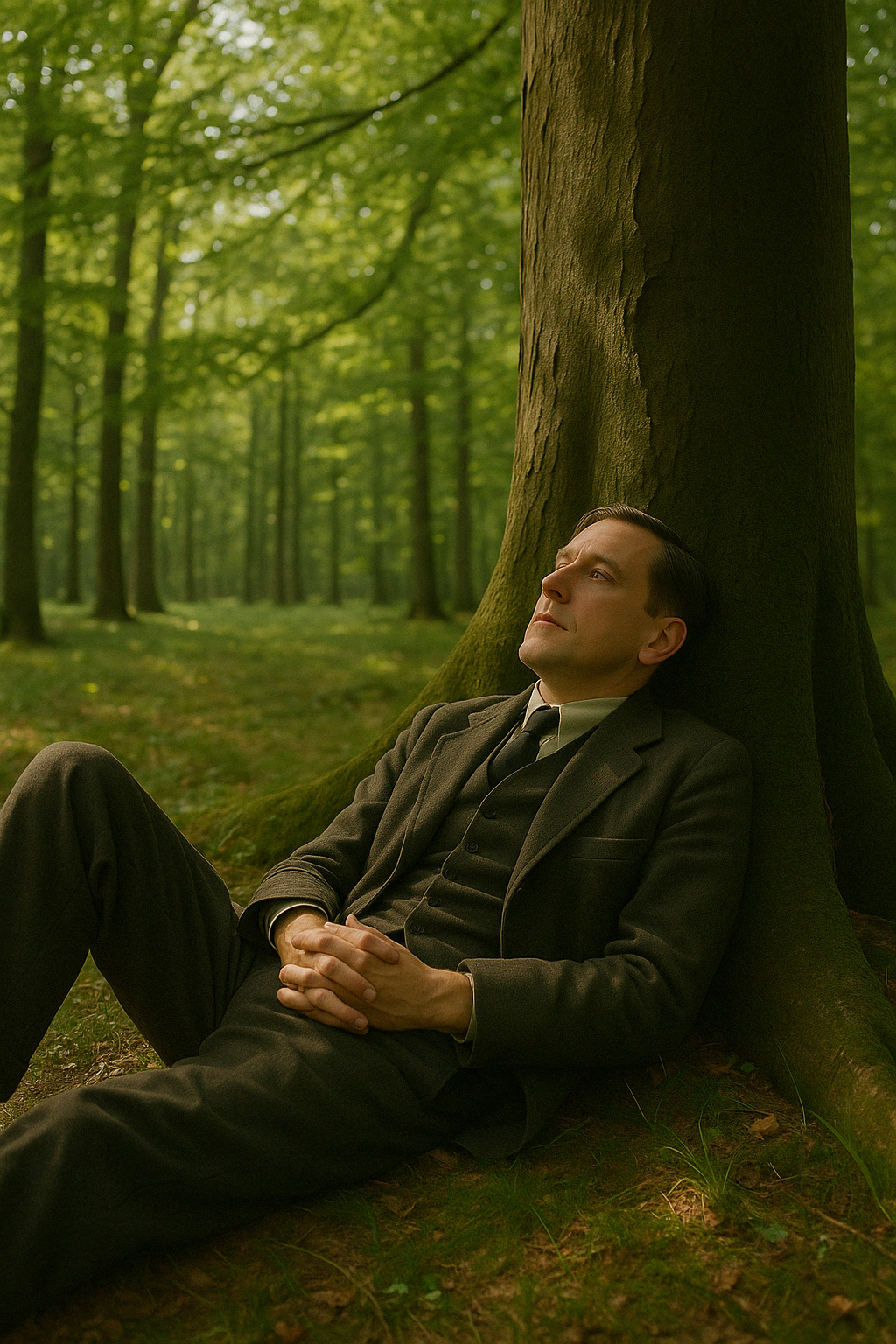
Probably, I thought, it really never happened. Of course, it was all a bad dream.
The truth of the matter was that it was Lawrence who had murdered Alfred Inglethorp with a croquet mallet. But it was absurd of John to make such a fuss about it, and to go shouting out: “I tell you I won’t have it!”
おそらく、|私は|思った。||すべては|本当に|起こらなかったのだろう。||もちろん、|すべては|ただの|悪い夢|だったのだ。
真実は、|ローレンスが|クロッケー=マレットで|アルフレッド=イングルソープを|殺した。||しかし、|ジョンが|それを|大騒ぎして、|馬鹿みたいに|怒鳴っていた。
『いいか、|そんなことは|絶対に|許さないぞ!』
I woke up with a start.
At once I realized that I was in a very awkward predicament. For, about twelve feet away from me, John and Mary Cavendish were standing facing each other, and they were evidently quarrelling.
And, quite as evidently, they were unaware of my vicinity, for before I could move or speak John repeated the words which had aroused me from my dream.
私は|ハッと|目を|覚ました。
そして|すぐに、|自分が|非常に|気まずい|状況に|いることに|気づいた。||というのも、|私の|ほんの|12フィート|ほど|先で、|ジョンと|メアリー=キャヴンディッシュが|向かい合って|立ち、|明らかに|口論を|していたのだ。
そして、|これまた|明らかな|ことに、|彼らは|私が|近くに|いることに|まったく|気づいておらず、|私が|動こうと|する間もなく、|ジョンは|夢の中で|私を|目覚めさせたのと|同じ|言葉を|繰り返した。

“I tell you, Mary, I won’t have it.”
「いいか、|メアリー。||俺は|絶対に|許さない」
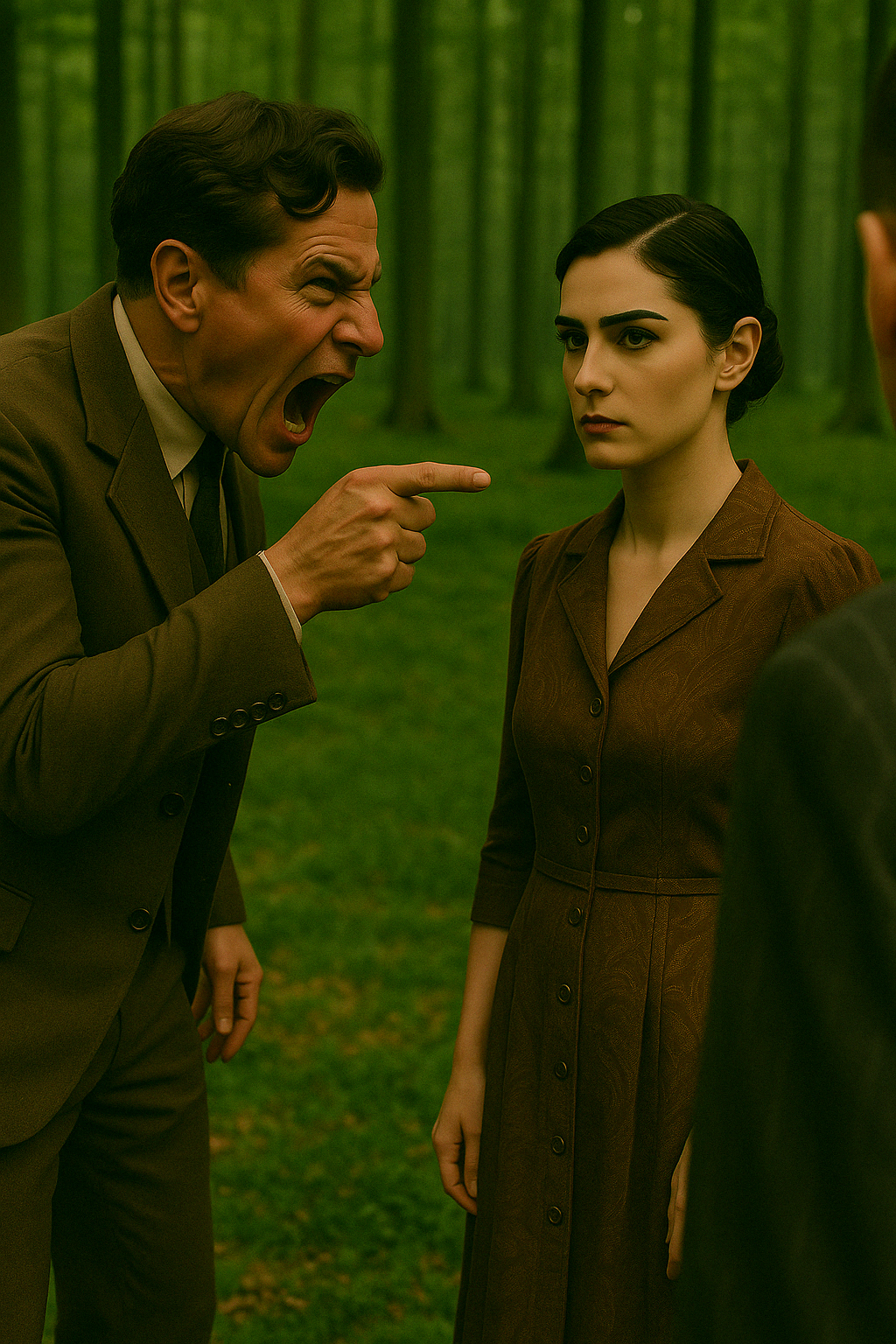
Mary’s voice came, cool and liquid:
メアリーの|声は、|涼やかで|澄んでいた。

“Have you any right to criticize my actions?”
「あなたに、|私の|行動を|非難する|権利が|あるの?」
“It will be the talk of the village!
My mother was only buried on Saturday, and here you are gadding about with the fellow.”
「村中の|噂に|なるんだぞ!||母さんが|土曜に|埋葬された|ばかりなのに、|君は|もう|あの男と|付き合って|うろついている!」
“Oh,” she shrugged her shoulders, “if it is only village gossip that you mind!”
「あら」||彼女は|肩を|すくめた。
「それが|村の噂|だけの|問題なら、|大したこと|ないわ」
“But it isn’t. I’ve had enough of the fellow hanging about. He’s a Polish Jew, anyway.”
「違うんだ。||あの男が|うろつくのは|もう|我慢ならない。||あいつは|ポーランド系|ユダヤ人|だしな」
“A tinge of Jewish blood is not a bad thing. It leavens the”—she looked at him—“stolid stupidity of the ordinary Englishman.”
「ユダヤの|血が|少し|混じってるのは|悪いことじゃ|ないわ。||それくらいの|方が」|彼女は|ジョンを|見て|言った。
「鈍感な|普通の|イギリス人に、少しは|刺激を|与えるものよ」
Fire in her eyes, ice in her voice. I did not wonder that the blood rose to John’s face in a crimson tide.
その声は|氷のように|冷たく、|その|瞳には|炎が|宿っていた。||ジョンの|顔が|真っ赤に|染まったのも|無理は|なかった。
“Mary!”
「メアリー!」
“Well?” Her tone did not change.
「何?」||その声は|まったく|変わらなかった。
The pleading died out of his voice.
ジョンの|声から、|説得する|様子が|消えた。
“Am I to understand that you will continue to see Bauerstein against my express wishes?”
「つまり|君は、|俺が|これだけ|頼んで|反対しても|バウアースタインと|会い続ける|ということか?」
“If I choose.”
「もし|私が|そうしたいと|思えば」
“You defy me?”
「俺に|逆らうのか?」
“No, but I deny your right to criticize my actions. Have you no friends of whom I should disapprove?”
「違うわ。|でも、|あなたに|私の|行動を|非難する|権利は|ないって|ことよ。||あなたにだって、|私が|気に入らない|ような|友人は|いるんじゃない?」
John fell back a pace. The colour ebbed slowly from his face.
ジョンは|一歩|後ろへ|下がった。||顔から|徐々に|血の気が|引いていった。
“What do you mean?” he said, in an unsteady voice.
「どういう|意味だ?」||彼の|声は|震えていた。
“You see!” said Mary quietly.
“You do see, don’t you, that you have no right to dictate to me as to the choice of my friends?”
「わかってるでしょ?」||メアリーは|静かに|言った。
「わかってる|はずよ。||私の|交友関係に|口出しする|資格なんて、|あなたには|ない|ということが」
John glanced at her pleadingly, a stricken look on his face.
ジョンは|弁解する|ように|彼女を|見つめ、|彼の|顔は|打ちのめされた|ようだった。
“No right? Have I no right, Mary?” he said unsteadily.
「資格が|ない?||本当に|俺には、|そんな|資格も|ないのか、|メアリー?」
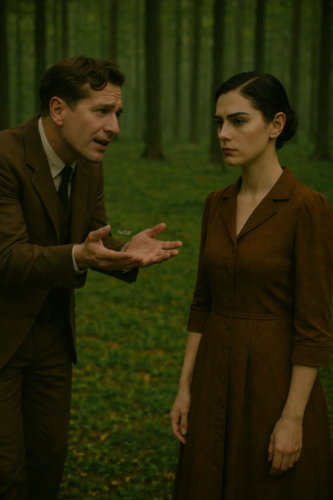
He stretched out his hands.
彼は|手を|差し伸べて、|ふらつきながら|言った。
“Mary——”
「メアリー」
For a moment, I thought she wavered.
A softer expression came over her face, then suddenly she turned almost fiercely away.
一瞬、|私は|彼女の|心が|揺れ動いたと|思った。||彼女の|表情が|和らいだ|ように|見えたが、|突然、|彼女は|ほとんど|怒りを込めた|ように|顔を|そむけた。
“None!”
「ないわ!」
She was walking away when John sprang after her, and caught her by the arm.
彼女が|歩き去ろうと|した。||ジョンは|飛びつくように|彼女の|腕を|掴んだ。
“Mary”—his voice was very quiet now—“are you in love with this fellow Bauerstein?”
「メアリー」|今や|彼の|声は|とても|静かだった。
「君は|あの男、||バウアースタインを|愛してるのか?」
She hesitated, and suddenly there swept across her face a strange expression, old as the hills, yet with something eternally young about it. So might some Egyptian sphinx have smiled.
She freed herself quietly from his arm, and spoke over her shoulder.
彼女は|ためらい、|そして|その顔に、|奇妙な|表情が|ふっと|走った。||古代の|山々の|ように|古く、|それでいて|永遠に|若い|何かを|感じさせる|不思議な|表情だった。||まるで|エジプトの|スフィンクスが|微笑んだかの|ように。
彼女は|彼の腕から|静かに|身を離し、|肩越しに|言葉を|投げかけた。
“Perhaps,” she said;
「そうかもね」
and then swiftly passed out of the little glade, leaving John standing there as though he had been turned to stone.
彼女は|そう言うと、|素早く|小さな|林から|姿を|消した。
ジョンは|まるで|石に|なったかの|ように、|そこに|立ち尽くしていた。
Rather ostentatiously, I stepped forward, crackling some dead branches with my feet as I did so.
John turned. Luckily, he took it for granted that I had only just come upon the scene.
わざとらしく|私は|前に|進み出て、|足で|枯れ枝を|踏み鳴らした。||ジョンが|振り向いた。||運よく|彼は、|私が|今しがた|その場に|やって来たのだと|当然の|ように|思い込んだ。
“Hullo, Hastings. Have you seen the little fellow safely back to his cottage? Quaint little chap! Is he any good, though, really?”
「やあ、|ヘイスティングス。||あの小さな|男を|無事に|コテージまで|送ったのか?||変わった|奴だな!||だが|実際の|ところ、|あいつ|本当に|使えるのか?」
“He was considered one of the finest detectives of his day.”
「現役の|ころは、|凄腕の|刑事の|一人と|言われてたんだ」
“Oh, well, I suppose there must be something in it, then. What a rotten world it is, though!”
「ふうん。||じゃあ、|何か|もってるんだろうな。||だけど、|なんて|嫌な|世の中|なんだろう!」
“You find it so?” I asked.
「そう|思うのかい?」と、|私は|たずねた。
“Good Lord, yes!
There’s this terrible business to start with.
Scotland Yard men in and out of the house like a jack-in-the-box!
Never know where they won’t turn up next.
Screaming headlines in every paper in the country—damn all journalists, I say!
Do you know there was a whole crowd staring in at the lodge gates this morning.
Sort of Madame Tussaud’s chamber of horrors business that can be seen for nothing.
Pretty thick, isn’t it?”
「そりゃ|そうさ!||まず|この|とんでもない|事件だ。||スコットランドヤードの|連中が、|まるで|びっくり箱|みたいに|家の中を|出たり入ったり|してる。||次は|どこに|現れるのか、|まったく|見当も|つかない。||全国の新聞には|大見出しが|躍ってるし。||ジャーナリスト|なんて、|みんな|くたばれば|いいのに!||今朝、|管理小屋の|門の|前に|群がって、|こっちを|覗いてた|連中が|いたんだぜ。||まるで|<マダム=タッソー>の|蝋人形館|みたいに、|無料で|見られる|ホラー|みたいな|もんだ。||ひどい|話だと|思わないか?」
“Cheer up, John!” I said soothingly.
“It can’t last for ever.”
「元気|出せよ、|ジョン!」と、|私は|なだめるように|言った。
「いつまでも|続くわけじゃ|ないさ」
“Can’t it, though?
It can last long enough for us never to be able to hold up our heads again.”
「それは|どうかな?||我々が|また|堂々と|顔を|上げて|歩ける|日が|くるのは|いつのことやら」
“No, no, you’re getting morbid on the subject.”
「いやいや、|君は|事件について|あまりに|神経質に|なりすぎだよ」
“Enough to make a man morbid, to be stalked by beastly journalists and stared at by gaping moon-faced idiots, wherever he goes! But there’s worse than that.”
「誰だって|神経質に|なるさ。||不愉快な|記者に|付きまとわれて、|どこに|行っても|間抜け面で|こっちを|見てる|奴らが|いて、|じろじろ|見られるんだ!||しかし、|それ以上に|気分が|悪くなる|ことが|あってね」
“What?”
“なんだい?”
John lowered his voice:
ジョンは|声を|ひそめた。
“Have you ever thought, Hastings—it’s a nightmare to me—who did it?
I can’t help feeling sometimes it must have been an accident. Because—because—who could have done it?
Now Inglethorp’s out of the way, there’s no one else; no one, I mean, except—one of us.”
「ヘイスティングス、|考えたことが|あるかい?||それは、|僕に|とっての|悪夢、|つまり、|『誰が|やったのか』|ということだ。||時々、|事故|だったんじゃ|ないか|とさえ|思ってしまう。||いったい、|ぜんたい|誰が|やれるんだ?||イングルソープ|じゃない|今となっては、|もう|他に|誰も|いないんだ。||つまり、|『我々の|中の|誰か』|ということだ」
Yes, indeed, that was nightmare enough for any man! One of us? Yes, surely it must be so, unless——-A new idea suggested itself to my mind. Rapidly, I considered it. The light increased. Poirot’s mysterious doings, his hints—they all fitted in.
Fool that I was not to have thought of this possibility before, and what a relief for us all.
そうだ。||それは|確かに|誰に|とっても|悪夢だ!||我々の|中の|誰か?|| そう、|きっと|そうに|違いない。
いや、|待てよ。||新たな|考えが|頭に|浮かんだ。||私は|急いで|思考を|巡らせた。||すべてが|繋がった。||ポワロの|不可解な|行動、|あの|ほのめかし、||すべてが|一致する。
今まで|この|可能性を|考えて|いなかったとは、|なんという|間抜け|だったんだ。||そして|それは、|私たちに|とって|どれほど|安心できる|考えだろう。
“No, John,” I said, “it isn’t one of us. How could it be?”
「いや、|ジョン」||私は|言った。
「我々の|中の|誰かじゃない。||そんな|はずが|ないだろ?」
“I know, but, still, who else is there?”
「そう|思いたいさ。||でも、|他に|誰が|いる?」
Yes, indeed, that was nightmare enough for any man! One of us? Yes, surely it must be so, unless——-A new idea suggested itself to my mind. Rapidly, I considered it. The light increased. Poirot’s mysterious doings, his hints—they all fitted in.
Fool that I was not to have thought of this possibility before, and what a relief for us all.
そうだ。||それは|確かに|誰に|とっても|悪夢だ!||我々の|中の|誰か?|| そう、|きっと|そうに|違いない。
いや、|待てよ。||新たな|考えが|頭に|浮かんだ。||私は|急いで|思考を|巡らせた。||すべてが|繋がった。||ポワロの|不可解な|行動、|あの|ほのめかし、||すべてが|一致する。
今まで|この|可能性を|考えて|いなかったとは、|なんという|間抜け|だったんだ。||そして|それは、|私たちに|とって|どれほど|安心できる|考えだろう。
“Can’t you guess?”
「わからないかい?」
“No.”
「ああ、|わからない」
I looked cautiously round, and lowered my voice.
私は|慎重に|辺りを|見回し、|さらに|声を|落とした。
“Dr. Bauerstein!” I whispered.
「ドクター=|バウアースタイン|だよ!」||私は|ささやいた。
“Impossible!”
「まさか!」
“Not at all.”
「いや、|可能性は|十分ある」
“But what earthly interest could he have in my mother’s death?”
「だが、|僕の|母が|亡くなることで、|いったい|彼に|何の|得が|あるんだ?」
“That I don’t see,” I confessed,
“but I’ll tell you this: Poirot thinks so.”
「それは|わからない」と、|私は|認めた。
「でも|これは|言える。||ポワロは|そう|考えてる」
“Poirot? Does he? How do you know?”
「ポワロが?||そうなのか?||どうして|わかったんだ?」
I told him of Poirot’s intense excitement on hearing that Dr. Bauerstein had been at Styles on the fatal night, and added:
私は、|ポワロが|ドクター=バウアースタインが|事件の|夜に|スタイルズに|いたと|聞いたときの|異常な|興奮ぶりを|ジョンに|伝え、|こう|付け加えた。
“He said twice:‘That alters everything.’
And I’ve been thinking. You know Inglethorp said he had put down the coffee in the hall?
Well, it was just then that Bauerstein arrived. Isn’t it possible that, as Inglethorp brought him through the hall, the doctor dropped something into the coffee in passing?”
「ポワロは|二度も|こう|言ったんだ、||『すべてが|変わる』|とね。||それで、|僕は|ずっと|考えていた。||覚えてるだろう?|| イングルソープが|コーヒーを|玄関ホールに|置いたって|言ってたよね? それは|ちょうど、|バウアースタインが|到着|した時|だったんだ。||だったら、|イングルソープが|彼を|ホールを|通って|案内|している|間に、|ドクターが|すれ違いざまに|コーヒーに|何かを|入れたって|ことも、|あり得るんじゃ|ないかな?」
“H’m,” said John.
“It would have been very risky.”
「ふむ」と、|ジョンは|言った。
「でも、|それは|かなり|危険な|やり方だな」
“Yes, but it was possible.”
「ああ、|しかし|可能性は|ある」
“And then, how could he know it was her coffee?
No, old fellow, I don’t think that will wash.”
「それに、|どうして|それが|エミリーの|コーヒー|だって|彼は|わかったんだ?||無理だ、|ヘイスティングス、|私は|その考えは|納得|できない」
But I had remembered something else.
だが、|私は|別のことを|思い出した。
“You’re quite right. That wasn’t how it was done. Listen.”
「君の|言うとおりだ。||そういう|やり方じゃ|なかったんだ。||聞いてくれ」
And I then told him of the cocoa sample which Poirot had taken to be analysed.
John interrupted just as I had done.
そして|私は、|ポワロが|採取して|分析に|出した|ココアの|サンプルの|話をした。
ジョンは、|私が|聞いたときと|同じように、|話の|途中で|遮った。
“But, look here, Bauerstein had had it analysed already?”
「でも、|待てよ。||バウアースタインが|すでに|それを|分析|していたんだろ?」
“Yes, yes, that’s the point. I didn’t see it either until now. Don’t you understand? Bauerstein had it analysed—that’s just it!
If Bauerstein’s the murderer, nothing could be simpler than for him to substitute some ordinary cocoa for his sample, and send that to be tested. And of course they would find no strychnine! But no one would dream of suspecting Bauerstein, or think of taking another sample—except Poirot,”
「そう、|そこなんだよ。||それが|ポイント|なんだ。||僕も|今まで|気づかなかった。||わからないか?||バウアースタインが|それを|分析した、|そこが|肝心なんだ!||もし|彼が|犯人なら、|普通の|ココアと|すり替えて、|それを|分析に|回すなんて|簡単な|ことさ。||それなら、|もちろん|ストリキニーネ|なんて|出てこない。||でも、|誰も|バウアースタインを|疑おう|なんて|思わないし、|再検査|しよう|なんて|思わない。||ポワロを|除いてね」
I added, with belated recognition.
私は|ようやく|気づいて|付け加えた。
“Yes, but what about the bitter taste that cocoa won’t disguise?”
「でも、|苦味に|ついては|どうなんだ?||ココアじゃ|隠せない|という|話だったろ?」
“Well, we’ve only his word for that. And there are other possibilities. He’s admittedly one of the world’s greatest toxicologists——”
「それだって、|彼の|言葉を|信じただけだ。||それに|他にも|可能性は|あるんだ。||彼は|世界でも|有数の|毒物学者の|一人だと|言われていて」
“One of the world’s greatest what? Say it again.”
「世界でも|有数の|なんだって?||もう一回|言ってくれ」
“He knows more about poisons than almost anybody,” I explained.
“Well, my idea is, that perhaps he’s found some way of making strychnine tasteless. Or it may not have been strychnine at all, but some obscure drug no one has ever heard of, which produces much the same symptoms.”
「毒に|ついては、|彼は|誰よりも|詳しいんだ」と、|私は|説明した。
「僕の|考えでは、|もしかしたら|彼は|ストリキニーネの|味を|消す|方法を|知っていた|かもしれない。||あるいは、|そもそも|使われたのが|ストリキニーネ|ではなくて、|誰も|聞いたことの|ないような、|似た|症状を|引き起こす|珍しい|薬物だった|可能性も|ある」
“H’m, yes, that might be,” said John. “
But look here, how could he have got at the cocoa? That wasn’t downstairs?”
「そうか。||それは|あるかも」と、|ジョンは|言った。
「でも、|考えてみろよ。||彼が|どうやって|ココアに|触れられたんだ?|| あれは|一階には|なかったろ?」
“No, it wasn’t,” I admitted reluctantly.
「ああ、|それは|なかった」と、|私は|しかたなく|認めた。
And then, suddenly, a dreadful possibility flashed through my mind. I hoped and prayed it would not occur to John also. I glanced sideways at him. He was frowning perplexedly, and I drew a deep breath of relief, for the terrible thought that had flashed across my mind was this: that Dr. Bauerstein might have had an accomplice.
Yet surely it could not be! Surely no woman as beautiful as Mary Cavendish could be a murderess. Yet beautiful women had been known to poison.
そのとき、|突然、|恐ろしい|可能性が|私の|脳裏を|よぎった。||どうか|ジョンの|頭には|浮かばない|ようにと、|私は|祈った。||私は|横目で|彼を|見た。||彼は|困ったように|眉を|ひそめていて、|私は|ほっと|胸を|なでおろした。||というのも、|そのとき|私に|閃いた|恐ろしい|考え|というのは、|ドクター=バウアースタインには|共犯者が|いたのでは、|というもの|だった。
だが、|そんなことは|あり得ない!|| メアリー=キャヴンディッシュの|ような|美しい|女性が|殺人犯|だなんて。||けれど、|美しい|女が|毒を|使ったという|話は、|これまでに|いくらでも|あったのだ。
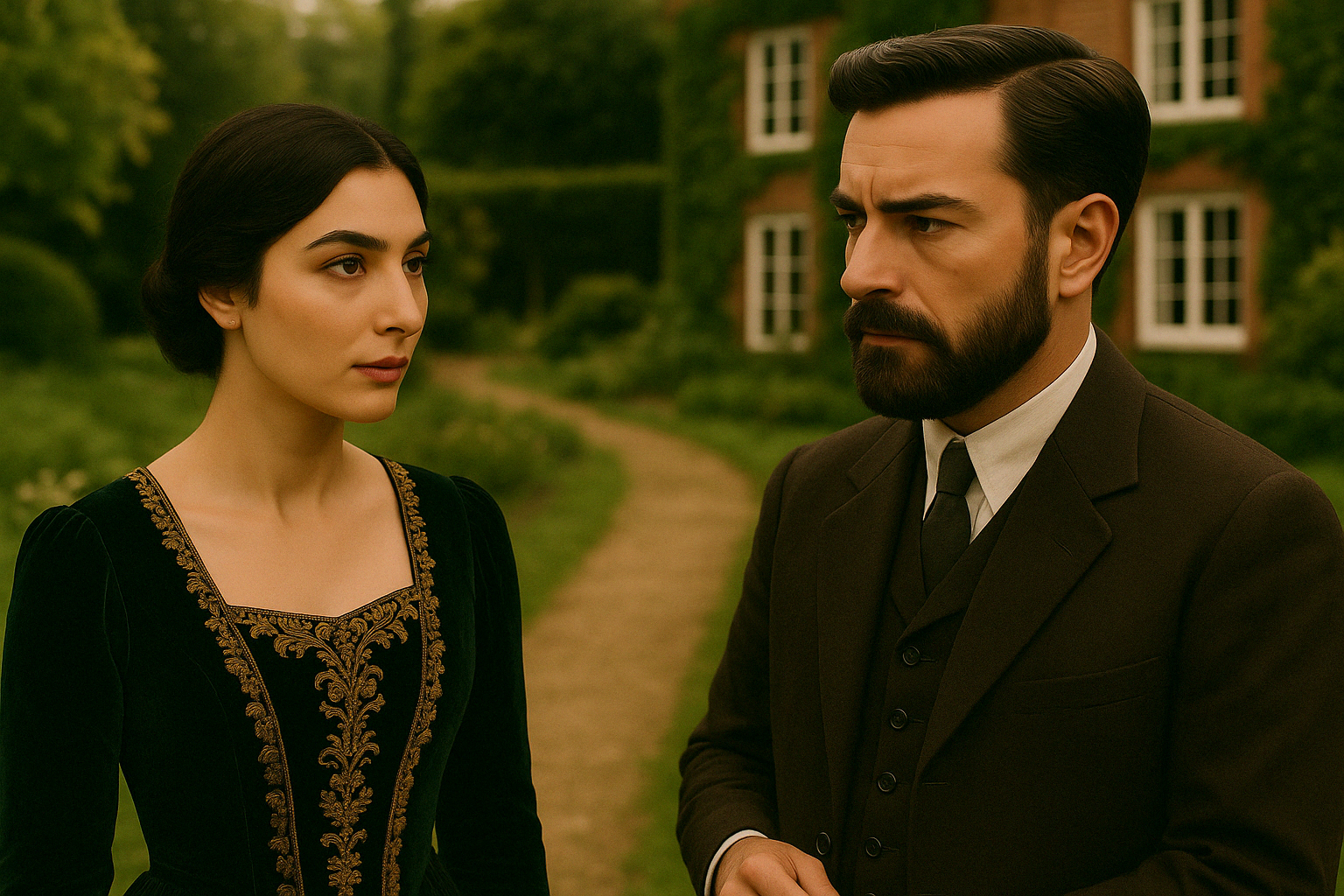
And suddenly I remembered that first conversation at tea on the day of my arrival, and the gleam in her eyes as she had said that poison was a woman’s weapon.
How agitated she had been on that fatal Tuesday evening! Had Mrs. Inglethorp discovered something between her and Bauerstein, and threatened to tell her husband? Was it to stop that denunciation that the crime had been committed?
私は、|スタイルズに|到着した|日の|ティータイムの|会話を|ふと|思い出した。||彼女が|『毒は|女の|武器だ』と|語ったときの|あの|目の|輝き。
そして、|あの|忌まわしい|火曜日の|夜、|彼女は|どれほど|動揺|していたことか!||ミセス=イングルソープが、|彼女と|ドクター=バウアースタインとの|間に|何かあるのを|知ってしまい、|夫に|告げ口すると|脅したのでは|ないか? ||それを|止めるために|犯行に|及んだのでは|ないか?
Then I remembered that enigmatical conversation between Poirot and Evelyn Howard. Was this what they had meant? Was this the monstrous possibility that Evelyn had tried not to believe?
Yes, it all fitted in.
No wonder Miss Howard had suggested “hushing it up.” Now I understood that unfinished sentence of hers: “Emily herself——”
And in my heart I agreed with her.
Would not Mrs. Inglethorp have preferred to go unavenged rather than have such terrible dishonour fall upon the name of Cavendish.
そして|私は|思い出した。||ポワロと|エヴリン=ハワードの、|あの|意味ありげな|会話。||彼らが|言っていたのは、|このこと|だったのか?|| エヴリンが|信じたく|なかった|『あの|恐ろしい|可能性』とは、|このこと|だったのか?すべてが|ぴたりと|一致した。
ミス=ハワードが、|『事を|穏便に』と、|言った|理由も、|今では|よく|わかる。||彼女の|あの|中途半端な|言葉|『エミリー|自身が』も、|今や|意味を|持って|思い出された。||そして|私は|心の中で、|彼女に|同意した。
キャヴェンディッシュの|家名に|これほど|耐え難い|不名誉が|降りかかる|くらいなら、|ミセス=イングルソープは|むしろ|何ごともなく|終わらさせる|ことを|望んだのでは|なかっただろうか。
“There’s another thing,” said John suddenly, and the unexpected sound of his voice made me start guiltily.
“Something which makes me doubt if what you say can be true.”
「もう一つ|あるんだ」と、|ジョンが|突然|言い、|その声に|私は|ハッとして|罪悪感を|覚えた。
「君の|話が|本当か|どうか、|疑わしいと|思えることが」
“What’s that?”
「なんだい?」
I asked, thankful that he had gone away from the subject of how the poison could have been introduced into the cocoa.
私は|ジョンが|毒を|どうやって|ココアに|入れたか|という|話題から|離れてくれた|ことに、|内心|感謝しながら|尋ねた。
“Why, the fact that Bauerstein demanded a post-mortem. He needn’t have done so.
Little Wilkins would have been quite content to let it go at heart disease.”
「それは、|バウアースタイン|自身が|検死を|要求した|という|事実だよ。||あいつなら|そんなことを|する必要は|なかった。||ウィルキンスなら|心臓発作で|済ませても|かまわなかった|はずだ」
“Yes,” I said doubtfully.
“But we don’t know. Perhaps he thought it safer in the long run.
Someone might have talked afterwards. Then the Home Office might have ordered exhumation. The whole thing would have come out, then, and he would have been in an awkward position, for no one would have believed that a man of his reputation could have been deceived into calling it heart disease.”
「それは|そう|かもしれない」と|私は|曖昧に|答えた。
「でも、|わからないよ。||長い目で|見たら、|そうした方が|安全だと|考えた|かもしれない。||あとで|誰かが|何かを|口にしたら、|内務省が|掘り返して|再検査を|命じることも|ありうる。||そうなったら、|すべてが|ばれて|してしまう。||あんな|有名な|専門医が|心臓病と|誤診|したなんて、|誰も|信じない|だろう」
“Yes, that’s possible,” admitted John.
“Still,” he added, “I’m blest if I can see what his motive could have been.”
「うん、|その|可能性はある」と|ジョンは|認めた。
「でもな、|それでも|やっぱり、|あいつの|動機が|見えてこない。」
I trembled.
私は|震えた。
“Look here,” I said,“I may be altogether wrong. And, remember, all this is in confidence.”
「聞いてくれ」と、|私は|言った。
「僕の|推理は|まるっきり|間違ってる|かもしれない。||でも、|忘れないでくれ、|今の|話は|ぜんぶ|内緒だよ」
“Oh, of course—that goes without saying.”
「ああ、|もちろん。||それは|言うまでも|ないさ」
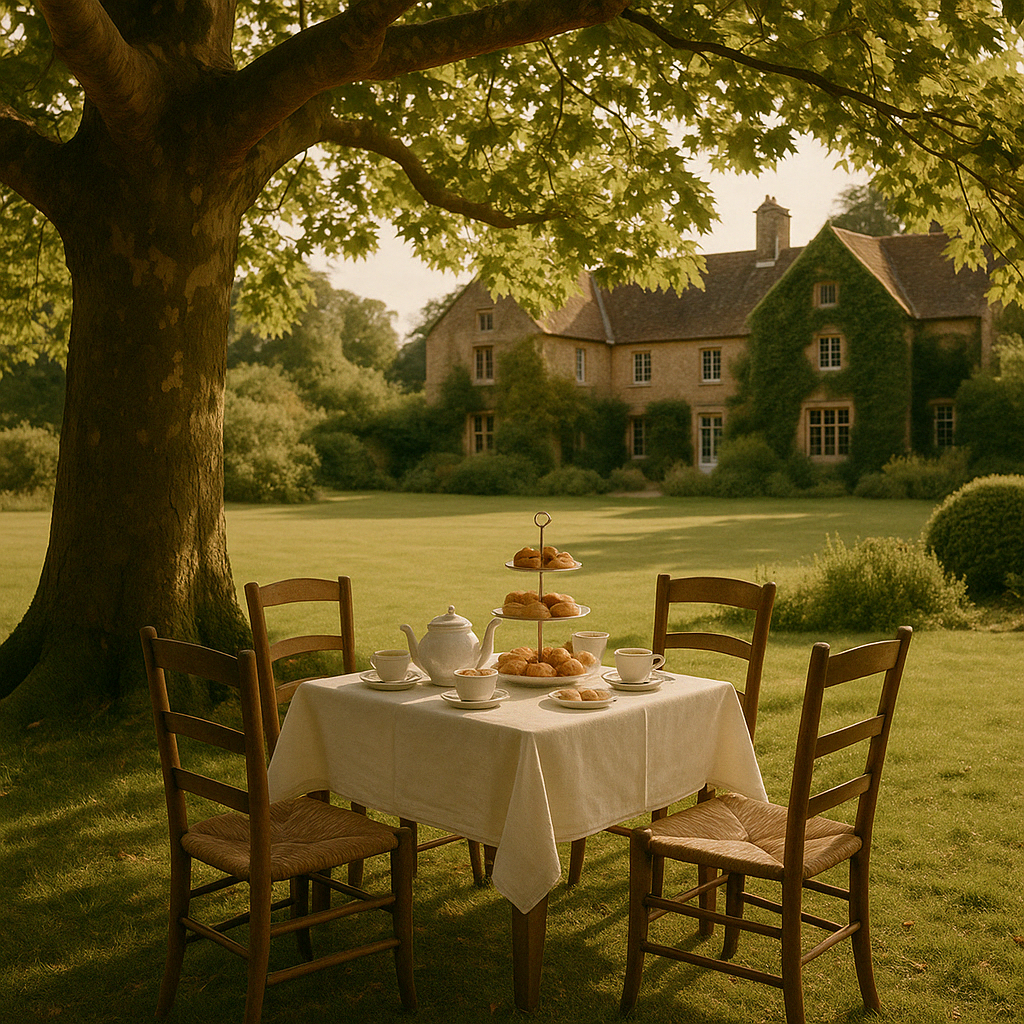
We had walked, as we talked, and now we passed through the little gate into the garden.
Voices rose near at hand, for tea was spread out under the sycamore-tree, as it had been on the day of my arrival.
Cynthia was back from the hospital, and I placed my chair beside her, and told her of Poirot’s wish to visit the dispensary.
私たちは|話しながら|歩き、|やがて|小さな|門を|通って|庭に|入った。
近くから|声が|聞こえてきた。||楓の|木の下に|お茶の|用意が|されていたのだ。||私が|初めて|この|屋敷に|来た|日と|同じように。
シンシアは|病院から|戻っており、|私は|彼女の|隣に|椅子を|置いて|座った。||そして|ポワロが|薬局を|見学|したがっている|ことを|伝えた。

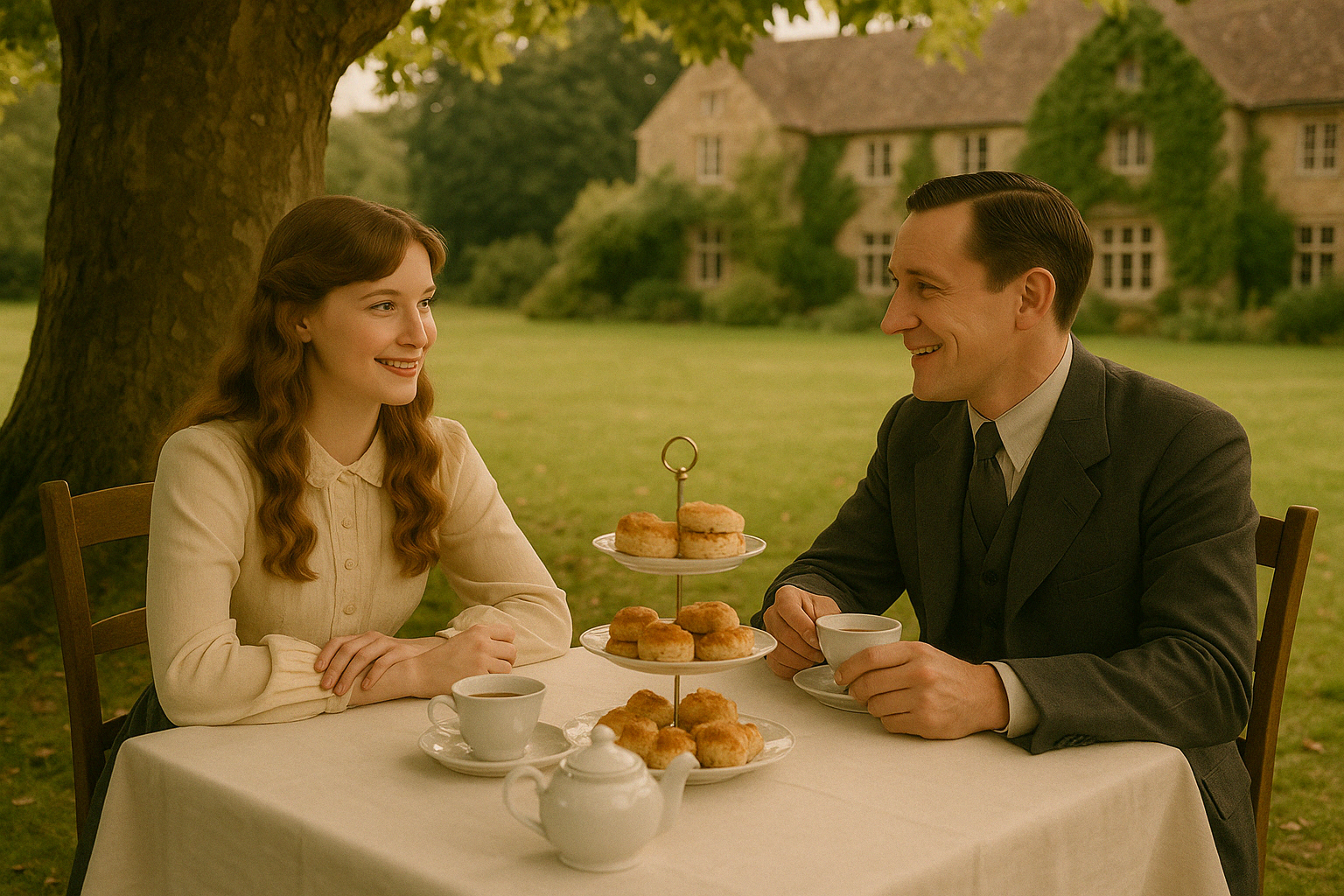
“Of course! I’d love him to see it. He’d better come to tea there one day. I must fix it up with him.
He’s such a dear little man!
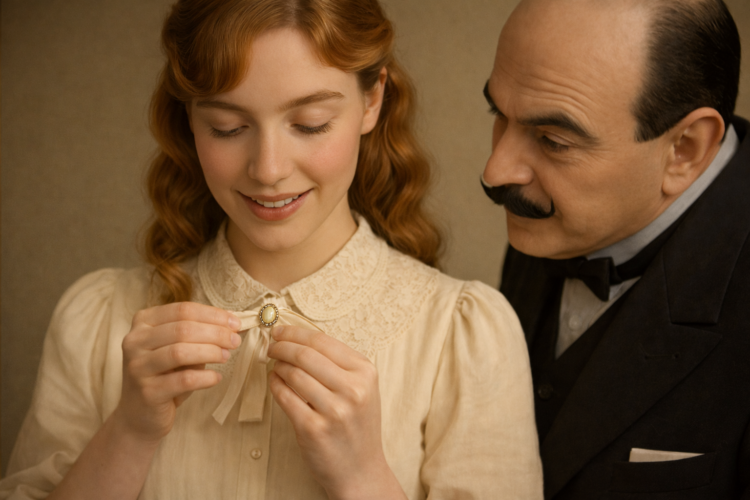
But he is funny. He made me take the brooch out of my tie the other day, and put it in again, because he said it wasn’t straight.”
「もちろん!||ぜひ|見てほしいわ。||今度|あそこで|お茶をする|方が|いいわね。||私から|彼に|そう|言っておくわ。||ムッシュー=ポワロって|とっても|感じの|いい|人!||でも、|ちょっと|変わってるわ。||先日|なんて、|私の|襟元の|ブローチを|真っすぐじゃ|ないって|言って、|外して|つけ直し|させたのよ」
I laughed.
私は|笑った。
“It’s quite a mania with him.”
「それは|彼の|こだわり|なんだよ」

“Yes, isn’t it?”
「ええ、|そう|なんでしょうね?」
We were silent for a minute or two, and then, glancing in the direction of Mary Cavendish, and dropping her voice, Cynthia said:
私たちは|しばらく|黙っていたが、|シンシアは|メアリ=キャヴンディッシュの|方を|ちらっと|見ると、|声を|落として|言った。
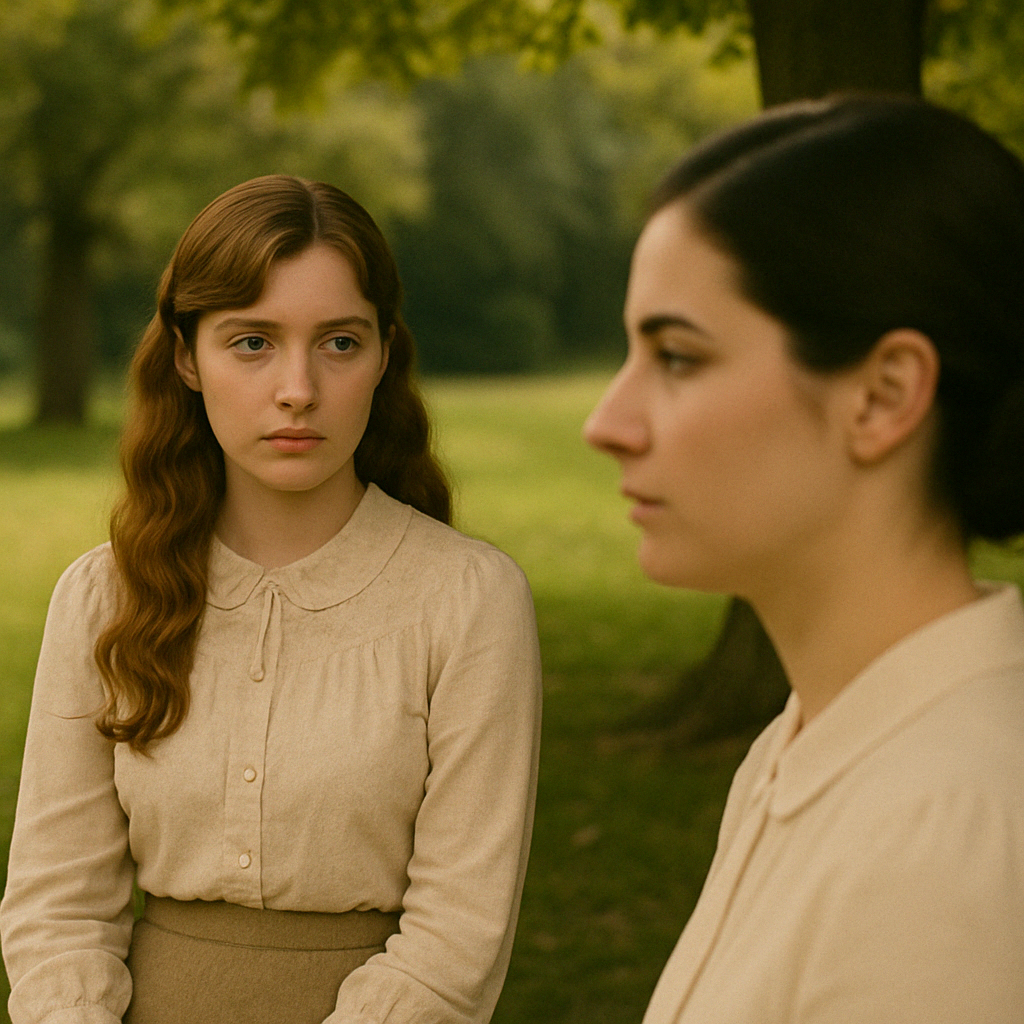
“Mr. Hastings.”
「ミスター=ヘイスティングス」
“Yes?”
「はい?」
“After tea, I want to talk to you.”
「お茶の|あと、|お話ししたい|ことが|あるの」
Her glance at Mary had set me thinking. I fancied that between these two there existed very little sympathy.
For the first time, it occurred to me to wonder about the girl’s future.
Mrs. Inglethorp had made no provisions of any kind for her, but I imagined that John and Mary would probably insist on her making her home with them—at any rate until the end of the war.
John, I knew, was very fond of her, and would be sorry to let her go.
John, who had gone into the house, now reappeared. His good-natured face wore an unaccustomed frown of anger.
彼女が|メアリーを|見た|視線が、|私に|一つの|考えを|抱かせた。||どうやら|この|二人の|間には、|共感|するところが|ほとんど|ないように|思えた。
そして|私は|初めて、|シンシアの|将来に|ついて|思いを|巡らせた。
ミセス=イングルソープは|彼女の|ために|何の|遺言も|残して|いなかったが、|ジョンと|メアリーは、|おそらく|戦争が|終わるまでは、|いずれにせよ|彼女を|自分たちの|家に|置いておく|つもりだと|思った。
ジョンが|彼女を|大変|可愛がって|いるのは|知っていたし、|彼女を|手放すのは|辛いだろう。
その|ジョンが、|ちょうど|今、|家から|現れた。||いつも|温厚な|彼の|顔に、|珍しく|怒りの|表情が|浮かんでいた。
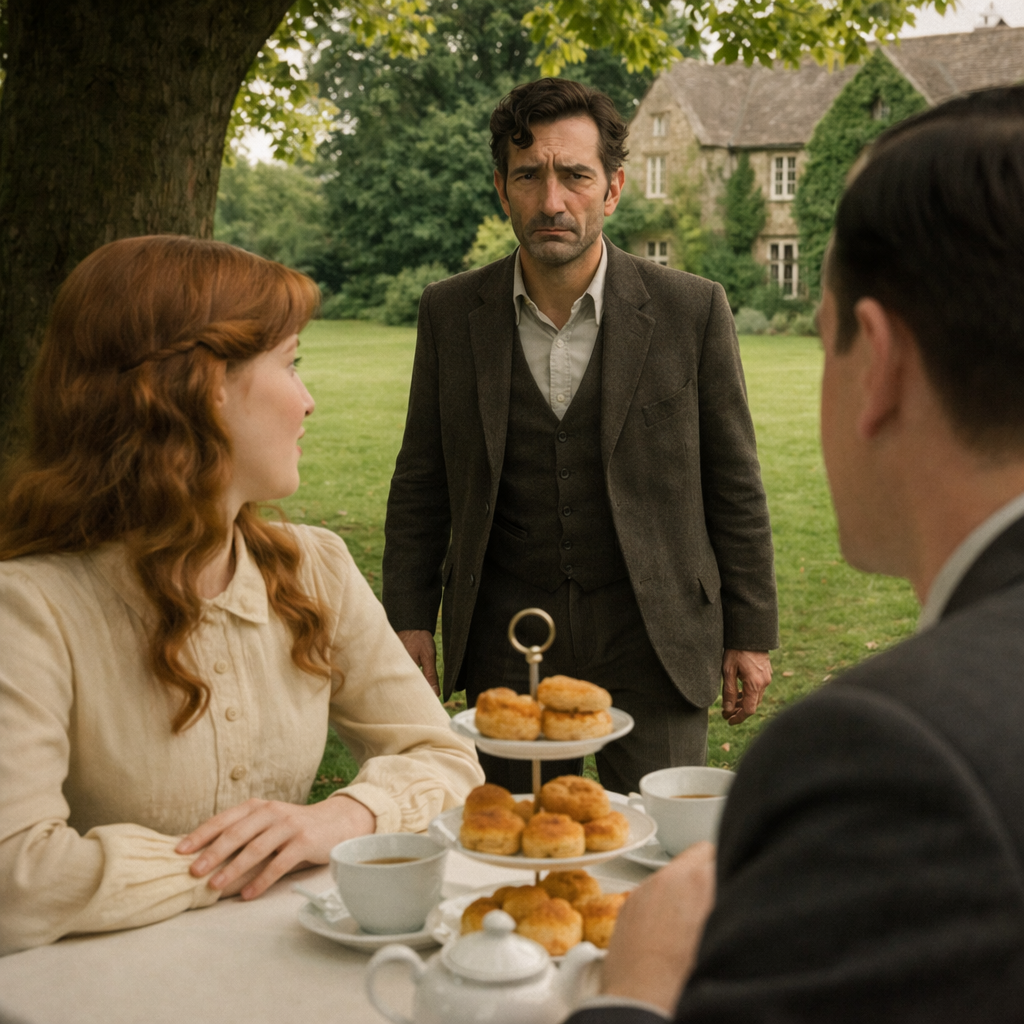
“Confound those detectives! I can’t think what they’re after!
They’ve been in every room in the house—turning things inside out, and upside down.
It really is too bad! I suppose they took advantage of our all being out.
I shall go for that fellow Japp, when I next see him!”
「まったく、|あの|刑事たちと|きたら!||何を|探してるって|いうんだ!||屋敷中の|部屋を|ひっくり|返して|回ってる。||いい加減に|してほしいよ!||僕たちが|外に|出てる|隙を|狙ったんだろうな。||今度|ジャップ|とかいう|やつに|会ったら、|一言|言ってやる!」

“Lot of Paul Prys,” grunted Miss Howard.
「ポール=プライ(詮索好き、|おせっかい屋)ばかりね」と|ミス=ハワードが|ボソッと|言った。
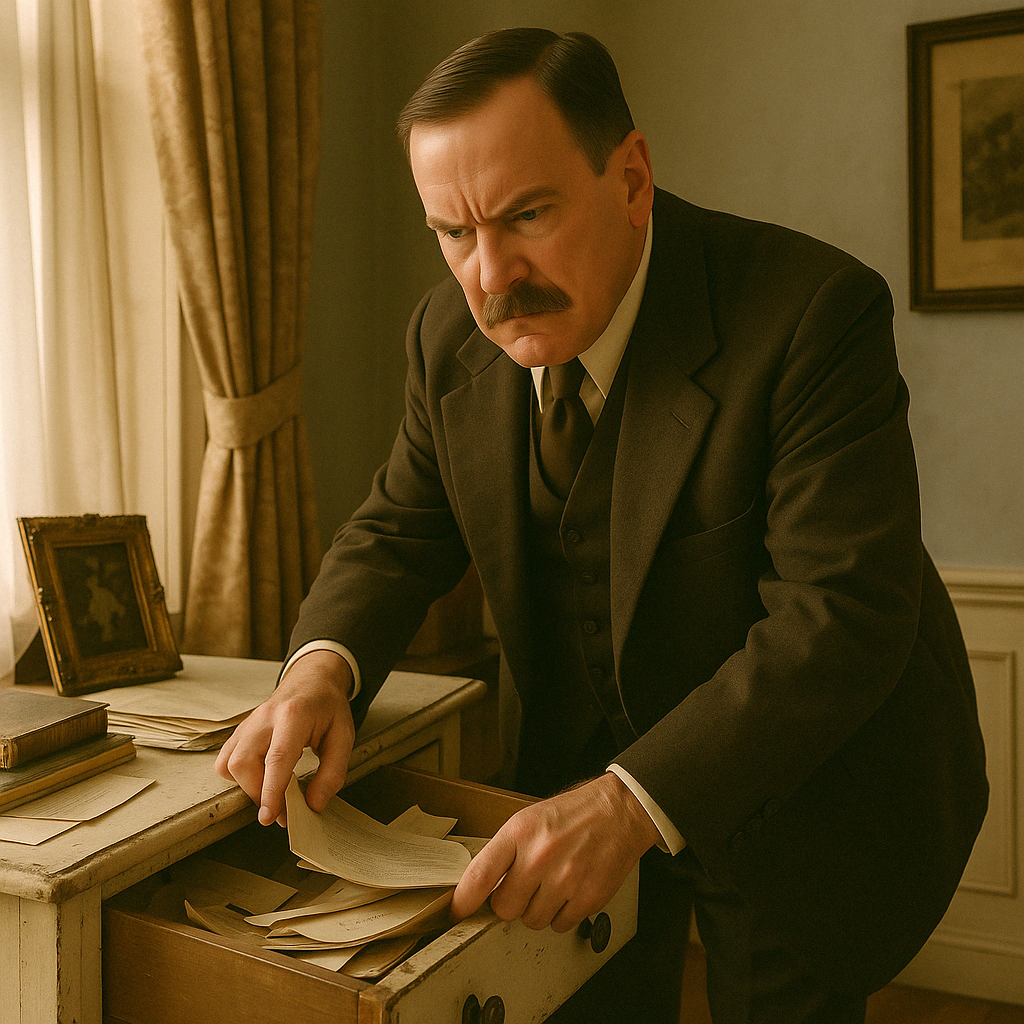
Lawrence opined that they had to make a show of doing something.
Mary Cavendish said nothing.
ローレンスは、『彼らも|一応|『仕事|してますよ』っていう|形を|見せないと|いけないのさ』と、|言った。
メアリー=キャヴンディッシュは、|何も|言わなかった。

After tea, I invited Cynthia to come for a walk, and we sauntered off into the woods together.
お茶の|あと、|私は|シンシアを|散歩に|誘い、|一緒に|森の中へ|歩いていった。

“Well?” I inquired, as soon as we were protected from prying eyes by the leafy screen.
ちょうど、|木々の|緑が|目隠しに|なって、|誰にも|見られない|場所まで|来たとき、|私は|「それで?」と、|話を切り出した。
With a sigh, Cynthia flung herself down, and tossed off her hat.
The sunlight, piercing through the branches, turned the auburn of her hair to quivering gold.
シンシアは|ため息を|つくと、|帽子を|脱いで|ばさりと|地面に|寝そべった。
木漏れ日が|枝の|間から|差し込み、|彼女の|栗色の|髪を|金色に|輝かせていた。

“Mr. Hastings—you are always so kind, and you know such a lot.”
「ミスター=ヘイスティングス。||あなたは|いつも|親切だし、|物知り|ですよね」
It struck me at this moment that Cynthia was really a very charming girl!
Much more charming than Mary, who never said things of that kind.
このとき|ふと、|シンシアは、|実のところ|とても|魅力的な|娘|だと、|私は|気づいた。
こういうことを|決して|口にしない|メアリー|よりも、|ずっと|魅力的|だった。
“Well?” I asked benignantly, as she hesitated.
「それで?」と、|私は|優しく|尋ねた。||彼女は|まだ|少し|迷っていた。
“I want to ask your advice. What shall I do?”
「相談が|あるの。||私、|どうしたら|いいと|思う?」
“Do?”
「どうしたらって?」
“Yes. You see, Aunt Emily always told me I should be provided for. I suppose she forgot, or didn’t think she was likely to die—anyway, I am not provided for!
And I don’t know what to do.Do you think I ought to go away from here at once?”
「ええ。||あのね、|エミリーおばさまは、|いつも|私のことは|ちゃんと|面倒を|見てくれるって|言っていたの。||たぶん|忘れていたのか、|それとも、|まさか|自分が|死ぬとは|思って|いなかったのか。||とにかく、|私には|何ひとつ|遺して|くれなかっのよ!||どうしたら|いいのか、|まったく|分からない。||ねえ、|私、|すぐに|ここから|出ていったほうが|いいと|思う?
“Good heavens, no! They don’t want to part with you, I’m sure.”
「まさか!||そんなことは|ないよ。||みんな|君と|別れたくないと|思ってるさ」
Cynthia hesitated a moment, plucking up the grass with her tiny hands. Then she said:
シンシアは|少し|考えながら、|草を|引きちぎる|ように|指で|つまんでいた。||そして|こう|言った。
“Mrs. Cavendish does. She hates me.”
「でも、|メアリー=キャヴンディッシュは|違う。||彼女、|私のことが|嫌いなのよ」
“Hates you?” I cried, astonished.
「嫌いだって?」||私は|驚いて|声を|上げた。
Cynthia nodded.
シンシアは|うなずいた。
“Yes. I don’t know why, but she can’t bear me; and he can’t, either.”
「ええ。||どうしてかは|分からないけど、|彼女は|私のことが|大嫌いなの。||それに|彼も」
“There I know you’re wrong,” I said warmly.
“On the contrary, John is very fond of you.”
「それは|違うと|思う」と、|私は|やさしく|言った。
「それどころか、|ジョンは|君の|ことを|とても|気にかけてる」
“Oh, yes—John. I meant Lawrence.
Not, of course, that I care whether Lawrence hates me or not. Still, it’s rather horrid when no one loves you, isn’t it?”
「ああ、|ジョンの|ことじゃ|ないの。||私が|言ってるのは|ローレンス。||もちろん、|ローレンスが|私のことを|嫌ってても、|別に|どうでも|いいんだけど。||でも、|誰からも|好かれて|いないって、|やっぱり|悲しいでしょう?」
“But they do, Cynthia dear,” I said earnestly.
“I’m sure you are mistaken. Look, there is John—and Miss Howard——”
「いや、|みんな|君のことは|好きだよ、|シンシア。||まったく|君の|思い過ごしだ。||見てごらん。||ジョンが|いるし、|ミス=ハワードだって」
Cynthia nodded rather gloomily.
シンシアは|少し|元気なく|うなずいた。
“Yes, John likes me, I think, and of course Evie, for all her gruff ways, wouldn’t be unkind to a fly.
But Lawrence never speaks to me if he can help it, and Mary can hardly bring herself to be civil to me.
She wants Evie to stay on, is begging her to, but she doesn’t want me, and—and—I don’t know what to do.”
「ええ、|ジョンは|私のことを|気に入って|くれてると|思うし、|もちろん|エヴィーだって、|ああ|見えても|ハエ|一匹|傷つけたり|しない|人よ。
でも|ローレンスは、|できるだけ|私に|話しかけない|ように|してるし、|メアリー|なんて、|私に|なんとか|挨拶|してくれる|くらいよ。||彼女、|エヴィーには|残ってくれる|ように|頼んでるけど、|私には|そう|思ってないわ、|きっと。||それで|どうしたら|いいのか、|ほんとに|もう|分からない」
Suddenly the poor child burst out crying.
I don’t know what possessed me.
Her beauty, perhaps, as she sat there, with the sunlight glinting down on her head; perhaps the sense of relief at encountering someone who so obviously could have no connection with the tragedy; perhaps honest pity for her youth and loneliness.
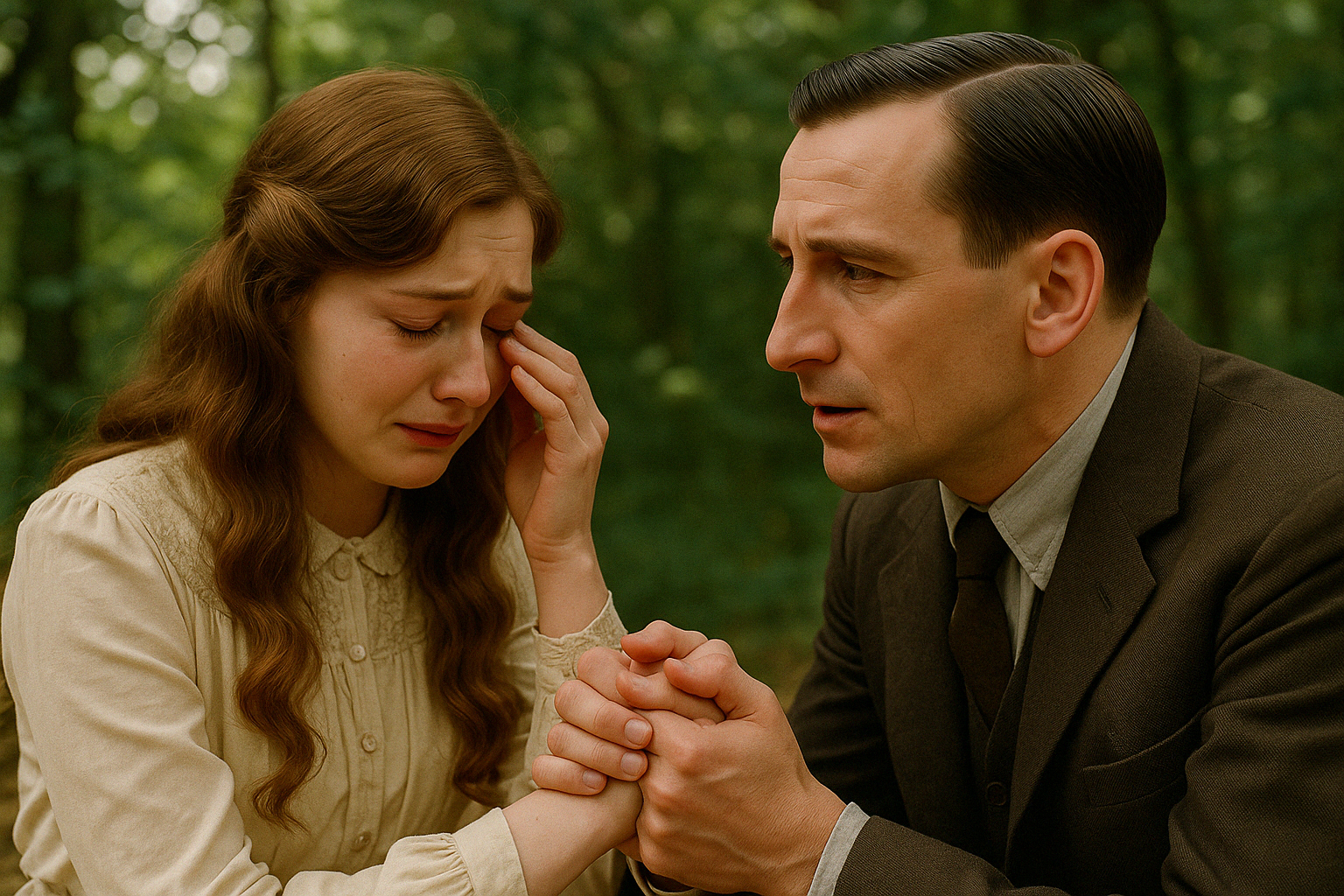
Anyway, I leant forward, and taking her little hand, I said awkwardly:
そう言うと、|彼女は|突然|泣き出してしまった。
どうして|あんなことを|してしまったのか、|自分でも|分からない。||太陽の|光に|照らされて|きらめく|彼女の|美しさの|せい|かもしれないし、|悲劇に|何の|関わりも|なさそうな|彼女に|出会えたことで、|ほっとした|気持ちに|なったから|かもしれない。||あるいは、|若さと|孤独に|対する|純粋な|同情|だったのかも。
とにかく、|私は|身を乗り出して、|彼女の|小さな|手を|取ると、|ぎこちなく|こう|言った。

“Marry me, Cynthia.”
「結婚|してくれ、|シンシア」
Unwittingly, I had hit upon a sovereign remedy for her tears.
She sat up at once, drew her hand away, and said, with some asperity:
思いがけず、|それが|彼女の|涙への|特効薬|となった。
シンシアは|すぐに|体を|起こし、|その手を|引っ込めると、|少し|とげのある|口調で|こう|言った。
“Don’t be silly!”
「ばかなことを|言わないで!」
I was a little annoyed.
私は|少し|いらっとした。
“I’m not being silly. I am asking you to do me the honour of becoming my wife.”
「ばかなことは|言ってないよ。||本気で|僕と|結婚|してほしいって|頼んでるんだ」
To my intense surprise, Cynthia burst out laughing, and called me a “funny dear.”
“It’s perfectly sweet of you,” she said, “but you know you don’t want to!”
思いがけない|ことに、|シンシアは|突然|笑い出し、|『面白い|人ね』」と、|言った。
「あなたって、|すごく|優しいのね」と、|彼女は|言った。
「だけど|あなた、|本気|じゃないわよね」
“Yes, I do. I’ve got——”
「いや、|本気だよ。||僕には|仕事も|あるし」
“Never mind what you’ve got. You don’t really want to—and I don’t either.”
「何か|収入が|あるとか|気にしないで。||あなたは|本当に|結婚|したいわけじゃ|ないんだし。||私も|その気は|ないわ」
“Well, of course, that settles it,” I said stiffly.
“But I don’t see anything to laugh at. There’s nothing funny about a proposal.”
「それなら|仕方ないね」と、|私は|冷ややかに|言った。
「でも、|笑うような|ことじゃ|ないよ。||冗談で|プロポーズ|することなんて|ないんだから」
“No, indeed,” said Cynthia.
“Somebody might accept you next time. Good-bye, you’ve cheered me up very much.”
「そのとおりね」と、|シンシア。
「でも、|次は|誰かが|本気に|しちゃうかもよ。||それじゃ|行くわね。||あなたの|おかげで|すっごく|元気|出たわ」

And, with a final uncontrollable burst of merriment, she vanished through the trees.
Thinking over the interview, it struck me as being profoundly unsatisfactory.
そして、|最後に|どうしようも|ないくらい|楽しそうに|笑うと、|彼女は|木々の|間に|姿を|消してしまった。
この|会話を|思い返す|たびに、|なんとも|釈然|としない|気分に|なった。
It occurred to me suddenly that I would go down to the village, and look up Bauerstein. Somebody ought to be keeping an eye on the fellow.
At the same time, it would be wise to allay any suspicions he might have as to his being suspected.
I remembered how Poirot had relied on my diplomacy.
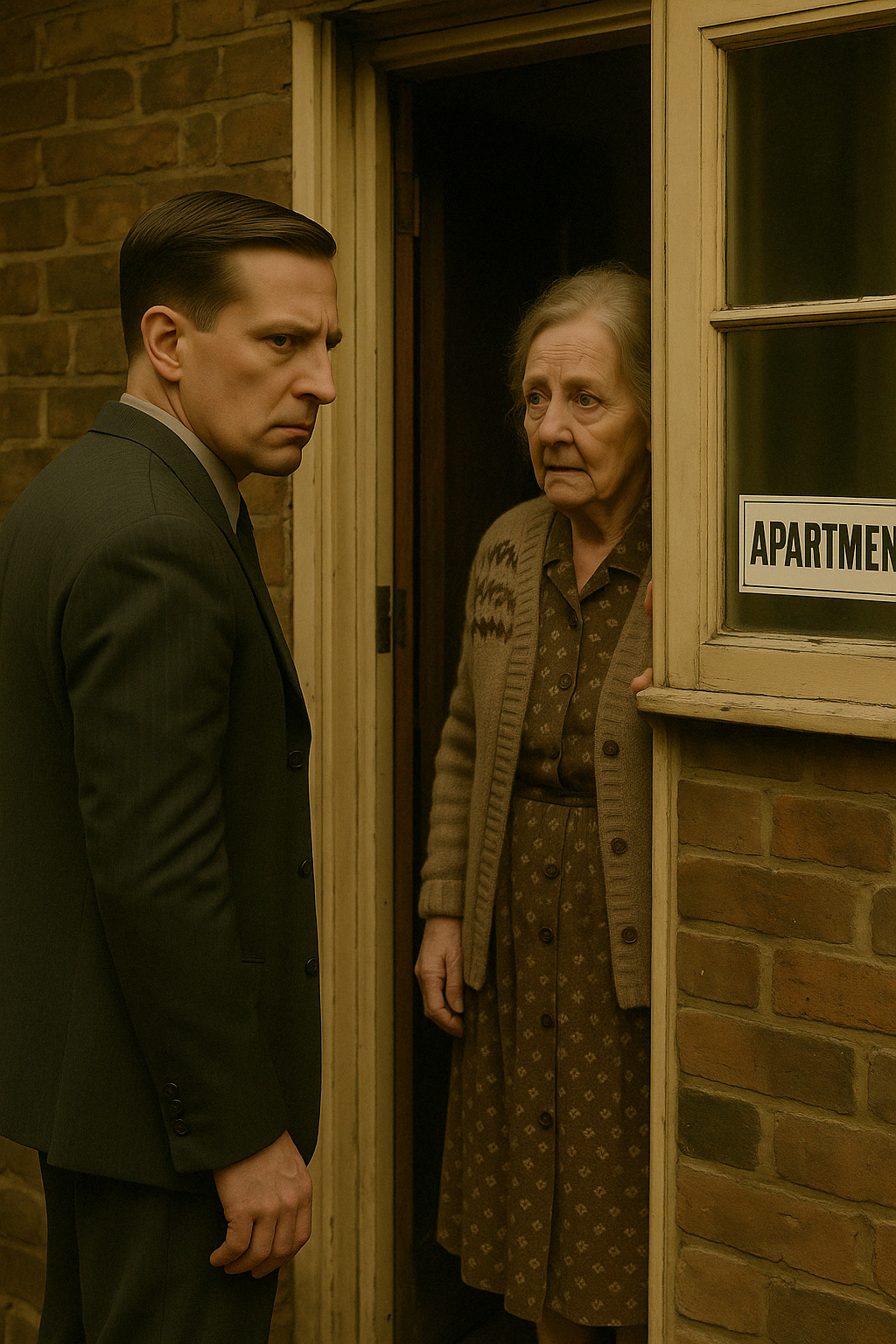
Accordingly, I went to the little house with the “Apartments” card inserted in the window, where I knew he lodged, and tapped on the door.
An old woman came and opened it.
ふと、|バウアースタインを|訪ねて|村まで|行こうと|思い立った。||あの男は|誰かが|見張っておく|べきだ。||と同時に、|彼に、|自分が|疑われていると|思わせない||対応も|必要だった。
ポワロが、|私の|外交手腕に|信頼を|寄せていた|ことを|思い出した。
そこで|私は、|『部屋あり』の|札が|窓に|出ている|小さな|家に、|彼が|下宿|しているのを|知っていたので、|その家を|訪れ、|扉を|ノックした。
老婦人が|出てきて|扉を|開けた。
“Good afternoon,” I said pleasantly.
“Is Dr. Bauerstein in?”
「こんにちは」と、|私は|愛想よく|言った。
「ドクター=バウアースタインは|いらっしゃいますか?」
She stared at me.
彼女は|じっと|私を|見つめた。
“Haven’t you heard?”
「まだ|聞いてないのかい?」
“Heard what?”
「何を?」
“About him.”
「あの人の|ことだよ」
“What about him?”
「彼に|何か?」
“He’s took.”
「お迎えが|来たんだよ」
“Took? Dead?”
「お迎え?||亡くなったのか?」
“No, took by the police.”
「違うよ、|警察|からだよ」
“By the police!” I gasped.
“Do you mean they’ve arrested him?”
「警察から!」||私は|息を|呑んだ。
「つまり、|逮捕|されたって|ことか?」
“Yes, that’s it, and——”
「ああ、|そうさ。||それでなあ」
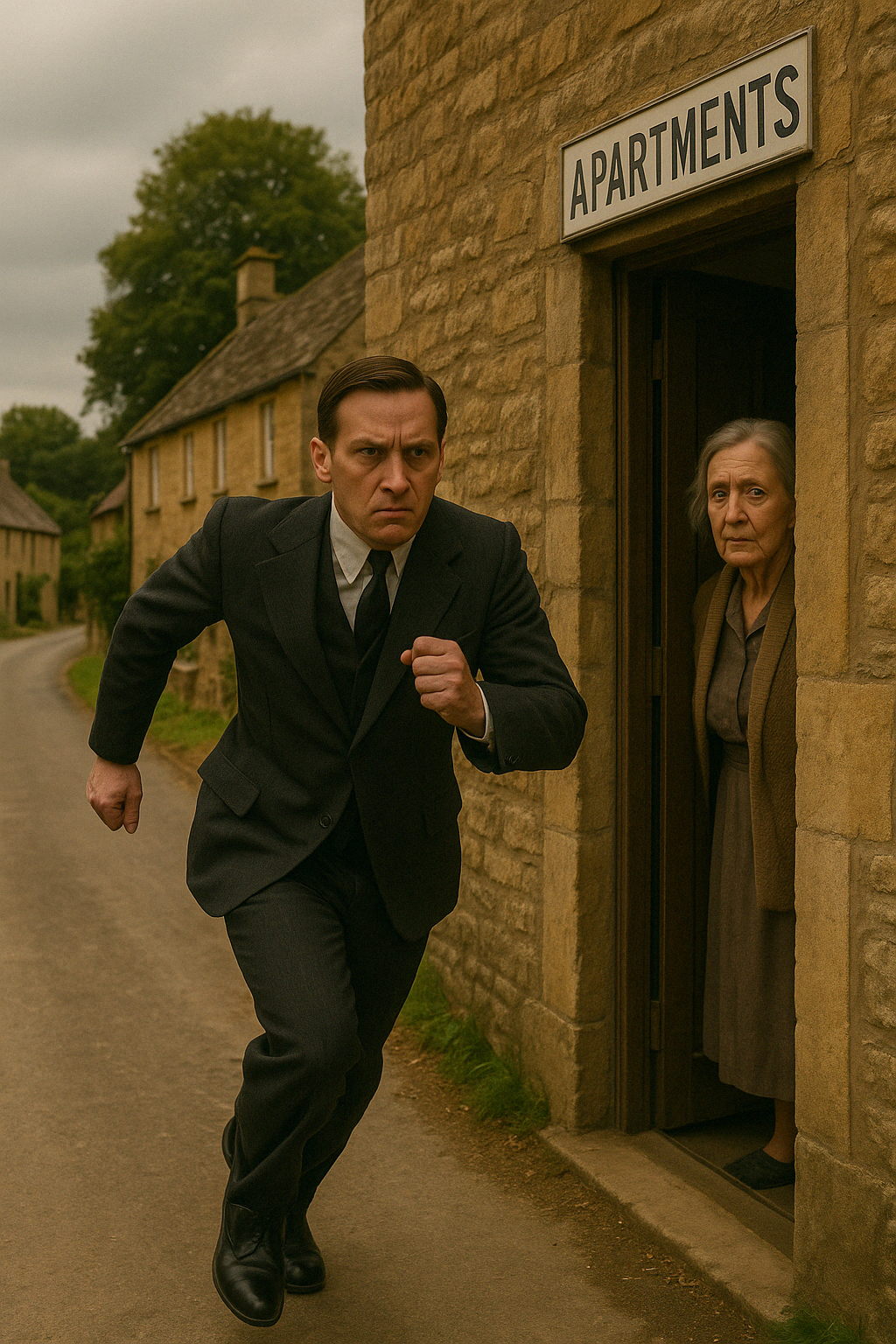
I waited to hear no more, but tore up the village to find Poirot.
私は|それ以上聞|かずに、|村を|駆け上がり、|ポワロを|探しに|向かった。