

Ver.1.0(2045/12/19 公開予定)
注記(区切り記号について)
この翻訳文には、点字に対応させるための区切り記号(マス空け)を入れています。
「|」 … 1マスあけ
「||」 … 2マスあけ
点訳の際に必要となる区切りを、見える形で示しています。
読み進めるうちに、文章のリズムや切れ目を意識していただければ幸いです。
・固有名詞は、原則として最初に登場した時に限って、その固有部分を「第2カギ符」で囲んでいます。
・固有名詞の複合語は、「マス空け」「中点」ではなく、一つの意味のまとまりとして一体性を保つために「第2つなぎ符」(カギカッコの中など)で表記しています。
『Brille Editor System ver.8』用の『BESファイル』を、ZIPファイルに圧縮して公開しています。(2026年1月19日現在)
The Mysterious Affair at Styles by Agatha Christie
CHAPTER I
I GO TO STYLES
||||||||<スタイルズ>荘の|怪事件
||||||第一章
||||スタイルズへ

The intense interest aroused in the public by what was known at the time as “The Styles Case” has now somewhat subsided.
evertheless, in view of the world-wide notoriety which attended it,I have been asked, both by my friend Poirot and the family themselves, to write an account of the whole story.
This, we trust, will effectually silence the sensational rumours which still persist.
I will therefore briefly set down the circumstances which led to my being connected with the affair.
当時、<スタイルズ>事件|として|知られていた|世間の|激しく|熱狂的な|関心は、|今では|いくらか|収まっている。||それにも|かかわらず、|世間では|この事件の|悪い|評判が|ついていたので、|私の|友人|<ポワロ>と|スタイルズの|家族から、|この事件の|一部|始終を|記録するよう|頼まれていた。||そうすることで、|いまだに|広まっている|衝撃的な|噂を|うまく|鎮めることが|できると|願っている。||そこで、|私が|この事件に|関わることに|なった|いきさつを|簡単に|書いて|おこうと|思う。

I had been invalided home from the Front; and, after spending some months in a rather depressing Convalescent Home, was given a month’s sick leave.
Having no near relations or friends, I was trying to make up my mind what to do, when I ran across John Cavendish.
私は|傷病兵|として、|前線から|帰還|させられた後、|数ヶ月の|間、|ちょっと|暗い|気分で|療養|施設に|いたが、|その後|1か月の|傷病|休暇を|与えられた。||近い|親戚や|友人も|おらず、|何を|するべきか|決めかねて|いたとき、|<ジョン=キャヴンディッシュ>に|偶然|出会った。

I had seen very little of him for some years.
Indeed, I had never known him particularly well.
He was a good fifteen years my senior, for one thing, though he hardly looked his forty-five years.
As a boy, though, I had often stayed at Styles, his mother’s place in Essex.
We had a good yarn about old times, and it ended in his inviting me down to Styles to spend my leave there.
彼とは|ここ|数年|ほとんど|会って|いなかった。
実際、|彼を|特に|良く|知っていた|わけでもない。||と|いうのも、|彼は|私より|15歳も|年上だったからで|あるが、|45歳という|年齢の|割には|若々しく|見えた。||ただ、|子どもの|頃は|彼の|母親が|所有する|<エセックス>の|スタイルズに|何度か|泊まったことが|あった。||懐かしい|話で|盛り上がり、|その結果、|休暇を|スタイルズで|過ごすよう|彼から|誘われた。
ーーーーーーーーーーーーーーーーーーーーーーーーーー
作品背景 <エセックス>について💁

“The mater will be delighted to see you again—after all those years,” he added.
「母さんも、|君に|また|会えるのを|喜ぶだろう。何年ぶりに|なるかな」と、|彼は|付け加えた。

“Your mother keeps well?” I asked.
「お母さんは|元気なのかい?」と、|私は|尋ねた。
“Oh, yes. I suppose you know that she has married again?”
「ああ、|元気だよ。||彼女が|再婚|したことは|知ってるよね?」

I am afraid I showed my surprise rather plainly.
Mrs. Cavendish, who had married John’s father when he was a widower with two sons, had been a handsome woman of middle-age as I remembered her.
She certainly could not be a day less than seventy now.
私は|驚きを|隠せず、|それが|顔に|出て|しまったのでは|ないか、|心配に|なった。
<ミセス=キャヴンディッシュ>は、|独り身で|二人の|息子を|抱えていた|ジョンの|父親と|結婚|したのだが、|私の|記憶では|働き盛りの|魅力的な|女性だった。
今では|少なくとも|70歳には|なって|いるはずだ。

She was a most generous woman, and possessed a considerable fortune of her own.
I recalled her as an energetic, autocratic personality, somewhat inclined to charitable and social notoriety, with a fondness for opening bazaars and playing the Lady Bountiful.
Their country-place, Styles Court, had been purchased by Mr. Cavendish early in their married life.
He had been completely under his wife’s ascendancy, so much so that, on dying, he left the place to her for her lifetime, as well as the larger part of his income; an arrangement that was distinctly unfair to his two sons.
<キャヴンディッシュ>夫妻の|田舎の|邸宅である|<スタイルズ|外套>(スタイルズの|屋敷)は、|結婚|生活の|初期に|<ミスター=キャヴンディッシュ>が|購入|したものだった。
ミスター=キャヴンディッシュは|精力的な|妻の|尻に|敷かれて|いたので、|彼が|亡くなる|際には、|彼の|収入の|大部分と|同様に、|この|邸宅も|彼女の|生涯の|居場所として|残した。||この|相続に|関する|取り決めは、|彼の|二人の|息子たちに|とって|明らかに|不公平だった。

Their step-mother, however, had always been most generous to them; indeed, they were so young at the time of their father’s remarriage that they always thought of her as their own mother.
しかし、|彼らの|義理の|母親は、|息子たちに|対して、|経済的に|いつも|惜しみなく|与えてきた。||実際、|彼らは|父親が|再婚|したとき、|まだ|非常に|幼かった|ことから、|彼女の|ことを|実の|母親の|ように|思っていた。
Lawrence, the younger, had been a delicate youth.He had qualified as a doctor but early relinquished the profession of medicine, and lived at home while pursuing literary ambitions; though his verses never had any marked success.
弟の|<ローレンス>は、|病弱な|幼少|時代を|過ごした。||医者の|資格を|取得したが、|早々と|医療の|仕事は|辞めて|家に|引きこもった。||作家として|成功|するという|野心は|あったが、|彼の|詩集は、|これといって|成功を|収めたことは|なかった。

John practised for some time as a barrister, but had finally settled down to the more congenial life of a country squire.
He had married two years ago, and had taken his wife to live at Styles,
though I entertained a shrewd suspicion that he would have preferred his mother to increase his allowance, which would have enabled him to have a home of his own.
ジョンは|しばらくの|間、|弁護士の|仕事を|していたが、|結局は|地方の|地主という、|彼らしい|気楽な|生活に|落ち着いていた。
彼は|2年前に|結婚し、|妻と|一緒に|スタイルズで|生活|していた。
私は、|ジョンは|心の|中で、|母親から|与えられる|生活費を|もっと|増やして|もらいさえ|すれば、|独立して|妻と|二人で|自分の|家を|持つことが|できると|考えて|いるのでは|ないかと、|内心|疑っていた。
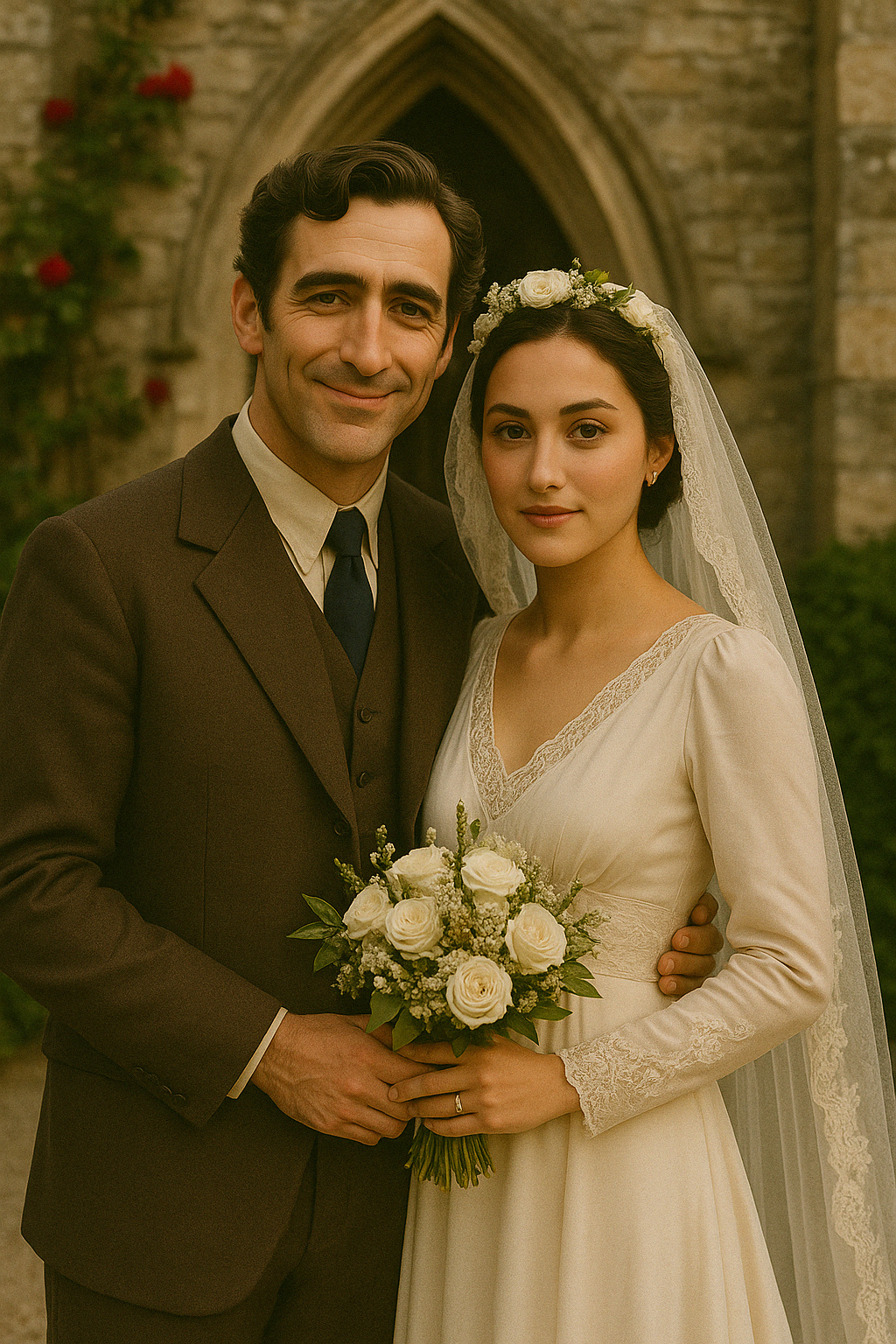
Mrs. Cavendish, however, was a lady who liked to make her own plans, and expected other people to fall in with them, and in this case she certainly had the whip hand, namely: the purse strings.
John noticed my surprise at the news of his mother’s remarriage and smiled rather ruefully.
しかし、|ミセス=キャヴンディッシュは|何でも|自分の|思う通りに|支配|したがる|女性で、|他の|者は|それに|従うべきと|いう|信念が|あった。||ということは、|明らかに|彼女が|主導権、|いわゆる、|<財布の紐>を|握っていたと|いうことである。
ジョンは、|私が|彼の|母親の|再婚の|ニュースに|驚いて|いるのを|察して、|少し|苦々しい|笑みを|浮かべた。
“Rotten little bounder too!”
he said savagely.
“I can tell you, Hastings, it’s making life jolly difficult for us. As for Evie ——you remember Evie?”
「まったく、|忌々しい|ごろつきだ!」と、|彼は|怒りを|顕にして|言った。
「君だから|言うけど、|<ヘイスティングス>。||これが、|僕らの|生活を|とても|厄介に|してるんだ。||<エヴィー>のことだけど。||君は|エヴィーの|ことは|覚えてるかい?」

“No”
「いいや」

“Oh, I suppose she was after your time. She’s the mater’s factotum, companion, Jack of all trades!
A great sport—old Evie!
Not precisely young and beautiful, but as game as they make them.”
「ああ、|たぶん|君が|来ていた|頃より|後だったんだな。||彼女は|母さんの|雑用係、|付き添い、|つまり|何でも屋さ!||大したもんだよ|、うちのエヴィは!||若くて|美人って|わけじゃ|ないけど、|本当に|肝が|座ってるよ」

“You were going to say——?”
「君が|言おうと|していたのは?」

The fellow is an absolute outsider, anyone can see that.
He’s got a great black beard, and wears patent leather boots in all weathers!But the mater cottoned to him at once, took him on as secretary —— you know how she’s always running a hundred societies?”
あいつ|絶対|よそから|来た|人間だって|ことは、|誰だって|わかるよ。||黒々とした|大きな|ひげを|生やしていて、|どんな|天気でも|エナメルの|革靴を|履いてるんだ!||しかし、|母さんは|この男を|すぐに|気に入って、|秘書として|雇ったんだ。|| 母さんが|数えきれない|ほどの|慈善|団体に|しょっちゅう|顔を|出しているのを|知ってるだろう?」
ーーーーーーーーーーーーーーーー
「よそから来た」の意味はこちら💁

I nodded.
私は|うなずいた。
“Well, of course the war has turned the hundreds into thousands. No doubt the fellow was very useful to her.
But you could have knocked us all down with a feather when, three months ago, she suddenly announced that she and Alfred were engaged!
The fellow must be at least twenty years younger than she is!
It’s simply barefaced fortune hunting;
but there you are—she is her own mistress, and she’s married him.”
「まあ、|戦争の|せいで、|その|数えきれない|数が|何倍にも|増えたわけだ。||だから、|この男は|母さんに|とって|とても|役に立った|ことは|間違いない。
でもね、|3か月前に|突然、|母さんが|その|<アルフレッド>と|婚約したと|発表|したときには、|みんな|<豆鉄砲を|食らった|鳩>みたいに|呆気に|とられたよ!||その男、|母さんより|少なくとも|20歳は|若いんだぜ!||財産|目当てなことは|見え見えさ。
しかし、|君も|わかると|思うけど、|母さんは|自分の|考えを|曲げない|頑固な|女性だから、|結局|彼と|結婚して|しまったんだ」
“It must be a difficult situation for you all.”
「それは|君たちに|とって|厄介に|違いないね」
“Difficult! It’s damnable!”
「ほんと|厄介だ!||とんでもない|話さ!」

Thus it came about that, three days later, I descended from the train at Styles St. Mary, an absurd little station, with no apparent reason for existence, perched up in the midst of green fields and country lanes.
こうして|3日後、|私は|<スタイルズ=セント=メアリー>という|駅で|列車を|降り立った。||その駅は|面白いほど|小さくて、|緑の|野原と|田舎道の|真ん中に、|その|存在|理由が|分からないほど、|ぽつんと|立っていた。
John Cavendish was waiting on the platform, and piloted me out to the car.
“Got a drop or two of petrol still, you see,” he remarked.
“Mainly owing to the mater’s activities.”
ジョン=キャヴンディッシュが|ホームで|待っており、|私を|車へと|案内|してくれた。
「まだ|少しは|ガソリンが|手に|入るんだ」と、|彼は|言った。
「これも|たいていは|母さんが|やってる|活動の|おかげだけどね」
The village of Styles St.
Mary was situated about two miles from the little station, and Styles Court lay a mile the other side of it.
It was a still, warm day in early July.
As one looked out over the flat Essex country, lying so green and peaceful under the afternoon sun, it seemed almost impossible to believe that, not so very far away, a great war was running its appointed course.
I felt I had suddenly strayed into another world.
As we turned in at the lodge gates, John said:
スタイルズ=セント=メアリーの|村は、|その|小さな|駅から|約2マイル|離れていた。||その|さらに|1マイル先に|スタイルズ外套が|あった。
その日は|7月初めの|穏やかで|暖かい|日だった。||エセックスの|田園|地帯が|午後の|太陽の|下で|緑豊かに、|静かに|広がっている|様子を|眺めると、|それほど|離れていない|所で、|大戦争(第1次|世界|大戦)が、|当たり前の|ように|繰り広げられて|いるとは|到底|信じられない|気がした。
私は|突然、|別の|世界に|迷い込んだ|ような|感じが|したのだ。
門の|管理|小屋を|通り過ぎると、|ジョンが|言った。

“I’m afraid you’ll find it very quiet down here, Hastings.”
「静かすぎて|何にも|ないところに|来てしまったと|思って|いるんだろう、|ヘイスティングス」
“My dear fellow, that’s just what I want.”
「いやいや、|君、|それこそ|僕が|望んでいた|ことだよ」
“Oh, it’s pleasant enough if you want to lead the idle life. I drill with the volunteers twice a week, and lend a hand at the farms.
My wife works regularly ‘on the land’.
She is up at five every morning to milk, and keeps at it steadily until lunchtime.
It’s a jolly good life taking it all round—if it weren’t for that fellow Alfred Inglethorp!”
He checked the car suddenly, and glanced at his watch.
“I wonder if we’ve time to pick up Cynthia.
No, she’ll have started from the hospital by now.”
「ああ、|気楽な|生活を|送りたいなら、|ここは|なかなか|いいところだよ。||僕は|週に|二回、|志願兵と|一緒に|訓練を|して、|農場の|仕事も|やっている。
妻は|決まった|時間に|畑仕事に|出ていて、毎朝|5時に|起きて|牛の|乳搾りを|しているよ。||それから|昼食まで|ずっと|働き続けて|いる。
なんだかんだ|言って、|けっこう|いい|暮らしだ。||あの|<アルフレッド=イングルソープ>って|男さえ|いなければね!」
彼は|突然|車を|止め、|腕時計に|目をやった。
「<シンシア>を|迎えに|行く|時間が|あるかな?||いや、|もう|病院を|出ているな」
“Cynthia! That’s not your wife?”
「シンシアって!||それは|君の|奥さんの|ことじゃ|ないよね?」
“No, Cynthia is a protégée of my mother’s, the daughter of an old schoolfellow of hers, who married a rascally solicitor.
He came a cropper, and the girl was left an orphan and penniless.
My mother came to the rescue, and Cynthia has been with us nearly two years now.
She works in the Red Cross Hospital at Tadminster, seven miles away.”
「違うよ。|シンシアは|母さんが|後見人に|なっている|娘なんだ。||母さんの|学生|時代の|古い|友人の|娘で、|その|友人は|ろくでもない|弁護士と|結婚|したらしい。||それで|そいつが|破産して、|その娘は|無一文の|孤児に|なったと|いうわけさ。
そこで|母さんが|手を|差し伸べて、|シンシアは|もう|2年近く|うちに|いるよ。
彼女は|7マイル|離れた|<タドミンスター>の<赤十字|病院>で|働いて|いるんだ」
As he spoke the last words, we drew up in front of the fine old house.
A lady in a stout tweed skirt, who was bending over a flower bed, straightened herself at our approach.
彼の|話が|終わった頃に、|私たちは|立派な|古い|家の|前に|到着した。||厚手の|ツイード(目の|粗い|毛織物)|の|スカートを|履いた|婦人が|花壇に|身を|かがめていたが、|私たちの|到着に|気づいて|立ち上がった。

“Hullo, Evie, here’s our wounded hero!
Mr. Hastings—Miss Howard.”
「やあ、|エヴィー、|僕たちの|ために|負傷した|英雄が|来てくれたよ!||ヘイスティングス|さんだ、|こちらは|<ミス=ハワード>」
Miss Howard shook hands with a hearty, almost painful, grip.
I had an impression of very blue eyes in a sunburnt face.
She was a pleasant-looking woman of about forty, with a deep voice, almost manly in its stentorian tones, and had a large sensible square body, with feet to match—these last encased in good thick boots.
Her conversation, I soon found, was couched in the telegraphic style.
<ミス=ハワード>は、|力強く|痛いくらいの|握手をした。||日焼けした|顔に|深く|青い|目が|印象的な|人だった。||彼女は|40歳くらいの|感じの|良さそうな|女性で、|その|太い|声は|男性的と|言えるほどの|力強さが|あった。||体格も|大柄で|しっかり|していて、|両足も|それに|ふさわしく、||頑丈そうな|厚手の|ブーツを|履いていた。||私が|まず|気づいたのは、|彼女の|話し方が|電報の|ように|簡潔な|ことだった。


“Weeds grow like house afire. Can’t keep even with ’em. Shall press you in. Better be careful.”
「雑草が|火事のように|伸びる。||追いつけや|しない。||あなたも|手伝って|もらうわよ。||覚悟なさい」
“I’m sure I shall be only too delighted to make myself useful,” I responded.
「お役に|立てるなら、|喜んで|そうさせて|いただきます」と、|私は|答えた。
“Don’t say it. Never does. Wish you hadn’t later.”
「そんなこと|言っちゃ|ダメ。||無理。||後で|後悔|するわよ」
“You’re a cynic, Evie,” said John, laughing.
“Where’s tea to-day—inside or out?”
「エヴィー、|厳しいなあ」と、|ジョンが|笑いながら|言った。
「今日の|ティータイムは|どこだい?||家の |中かい?|| それとも|外で?」
“Out. Too fine a day to be cooped up in the house.”
「外。|こんな|日に|家に|こもって|いるなんて|無理」
“Come on then, you’ve done enough gardening for to-day.
‘The labourer is worthy of his hire’, you know.
Come and be refreshed.”
「もう|十分|庭仕事を|しただろう。||『働く|者が|その報酬を|受けるのは|当然である』(新訳|聖書の|イエスの|言葉)って|言うじゃないか。||さあ、|行こう。|気分|転換だ」
“Well,” said Miss Howard, drawing off her gardening gloves, “I’m inclined to agree with you.”
「そうね」と、|ミス=ハワードは|園芸用の|手袋を|脱ぎながら|言った。||「あなたの|言う通りに|しましょう」

She led the way round the house to where tea was spread under the shade of a large sycamore.
A figure rose from one of the basket chairs, and came a few steps to meet us.
彼女に|案内されて|屋敷の|裏へ|回ると、|大きな|シカモア(西洋カエデ)の|木の|陰に、|お茶の|テーブルが|用意|されていた。
バスケット|チェアー(かご状に|編まれた|軽くて|通気性の|良い|椅子)の|一つから|人影が|立ち上がり、|二、三歩|こちらに|近づいてきた。
“My wife, Hastings,” said John.
「僕の|妻だよ、|ヘイスティングス」と、|ジョンが|言った。

I shall never forget my first sight of Mary Cavendish.
Her tall, slender form, outlined against the bright light; the vivid sense of slumbering fire that seemed to find expression only in those wonderful tawny eyes of hers, remarkable eyes, different from any other woman’s that I have ever known; the intense power of stillness she possessed, which nevertheless conveyed the impression of a wild untamed spirit in an exquisitely civilised body—all these things are burnt into my memory.
I shall never forget them.
私は|<メアリー=キャヴンディッシュ>を、|初めて|見たときの|ことを|決して|忘れることは|ないだろう。||彼女の|背の|高い|細い|体が、|明るい|光を|背景に|浮かび|上がった。||静かな|火のような|鮮烈な|印象は、|彼女の|素晴らしい|茶色がかった|瞳だけで|表現されて|いるように|思えた。||その瞳は、|これまで|出会った|どの|女性の|ものとも|違っていた。||彼女の|持つ|静けさの|中にある|激しい|力。||それでもなお、|洗練された|身体の|中には、|未だ|抑えきれない|自然の|ままの|魂を|感じさせる|印象。||これら|すべてが|私の|記憶に|焼き付けられて|いる。||私は|それを|決して|忘れることは|ないだろう。
She greeted me with a few words of pleasant welcome in a low clear voice, and I sank into a basket chair feeling distinctly glad that I had accepted John’s invitation.
Mrs. Cavendish gave me some tea, and her few quiet remarks heightened my first impression of her as a thoroughly fascinating woman.
An appreciative listener is always stimulating, and I described, in a humorous manner, certain incidents of my Convalescent Home, in a way which, I flatter myself, greatly amused my hostess.
John, of course, good fellow though he is, could hardly be called a brilliant conversationalist.
彼女は、|低く|澄んだ|声で、|いくつか|歓迎の|言葉を|かけてくれた。||そして|私は|バスケット|チェアに|深く|座ると、|ジョンの|招待を|受け入れて|本当に|よかったと|心から|思った。
<ミセス=キャヴンディッシュ>は、私に|紅茶を|出してくれたが、|その|控えめな|言葉は、|彼女が|完璧に|魅力的な|女性で|あるという|私の|最初の|印象を|さらに|高める|ばかりだった。
共感|してくれる|聞き手は|いつも|元気を|与えてくれる|もので、|私は|療養|施設での|ある|出来事を|ユーモラスに|語り、|彼女を|大いに|楽しませたと|そう|思っている。||もちろん|ジョンは、|素晴らしい|男では|あるが、|決して|優れた|話し|相手とは|言えないだろう。
At that moment a well remembered voice floated through the open French window near at hand:
“Then you’ll write to the Princess after tea, Alfred?
I’ll write to Lady Tadminster for the second day, myself. Or shall we wait until we hear from the Princess? In case of a refusal, Lady Tadminster might open it the first day, and Mrs. Crosbie the second. Then there’s the Duchess—about the school fête.”
その時、|聞き覚えの|ある|声が|近くの|開け放たれた|フランス|窓から|聞こえてきた。
「じゃあ、|<アルフレッド>、|お茶の|後に|<プリンセス>に|手紙を|書いて|くれるわね?||私は|<レディー=タドミンスター>に|二日目の|ことについて|書いておくわ。||それとも、|プリンセスからの|返事を|待った方が|いいかしら?||もし|お断りされたら、|レディー=タドミンスターが|初日に|開催して、|二日目は|<ミセス=クロスビー>に|なるかも|しれないわね。||それから、|公爵|夫人が|いらっしゃるわ。学校の|バザーについて」

There was the murmur of a man’s voice, and then Mrs. Inglethorp’s rose in reply:
男性の|声が|かすかに|聞こえ、|続いて|<ミセス=イングルソープ>(ジョンたちの|義理の|母親。|<アルフレッド=イングルソープ>と|結婚|したため、|そう|呼ばれる)の|声が|答えた。

“Yes, certainly. After tea will do quite well.
You are so thoughtful, Alfred dear.”
「ええ、|もちろんよ。||お茶の|後で|全然|大丈夫よ。||あなたって|本当に|気が利くわね、|アルフレッド」
ーーーーーーーーーーーーーーーーーーーーーーー
イギリスの女性が結婚した時の姓について💁
The French window swung open a little wider, and a handsome white-haired old lady, with a somewhat masterful cast of features, stepped out of it on to the lawn.
A man followed her, a suggestion of deference in his manner.Mrs. Inglethorp greeted me with effusion.
フランス|窓が|少し|広く|開くと、|白髪の|上品な|老婦人が|堂々とした|顔つきで|芝生に|歩み出てきた。
それに|続いて、|一人の|男性が|控えめな|態度で|従っていた。
ミセス=イングルソープは|私を|感激した|様子で|迎えてくれた。

“Why, if it isn’t too delightful to see you again, Mr. Hastings, after all these years. Alfred, darling, Mr. Hastings—my husband.”
「あらまあ、|<ミスター=ヘイスティングス>|じゃないの!||何年ぶり|かしら。||こんなに|嬉しいことは|ないわ。||ねえ、|アルフレッド、|こちらは|ミスター=ヘイスティングス。||彼は|私の|夫よ」
I looked with some curiosity at “Alfred darling”.
He certainly struck a rather alien note.
I did not wonder at John objecting to his beard.
It was one of the longest and blackest I have ever seen.
He wore gold-rimmed pince-nez, and had a curious impassivity of feature.
It struck me that he might look natural on a stage, but was strangely out of place in real life.
His voice was rather deep and unctuous.
He placed a wooden hand in mine and said:
私は|『ねえ、アルフレッド』を、|少し|興味深く|観察した。
確かに|彼は|やや|よそ者の|ような|雰囲気を|漂わせていた。
ジョンが|彼の|髭を|嫌がるのも|無理はないと|思った。
それは|私が|今まで|見た中で、|最も|長くて|黒い|髭だった。
彼は|金縁の|ピンネズ(鼻|メガネ)を|かけており、|表情には|奇妙な|無表情さが|あった。
舞台の|上では|自然に|見えるだろうが、|現実の|生活では|不思議なほど|場違いに見|えた。
声は|やや|低く、|うわべだけの|響きがあった。
彼は|木のような|硬い|手を|私の|手の|上に|重ねて言った。


“This is a pleasure, Mr. Hastings.”
Then, turning to his wife:
“Emily dearest, I think that cushion is a little damp.”
「お会いできて|光栄です、|ヘイスティングス|さん」
それから|妻に|向き直って|こう|言った。
「ああ、|エミリー、|その|クッションは|少し|湿っていると|思うよ」
She beamed fondly on him, as he substituted another with every demonstration of the tenderest care.
Strange infatuation of an otherwise sensible woman!
With the presence of Mr. Inglethorp, a sense of constraint and veiled hostility seemed to settle down upon the company.Miss Howard, in particular, took no pains to conceal her feelings.Mrs. Inglethorp, however, seemed to notice nothing unusual.
彼女は|彼に|微笑みかけ、|彼は|これ以上|ないような|優しい|気遣いを|見せて|別の|クッションに|取り替えた。
まったく、|他の|ことには|あれほど|分別ある|女性にしては、|おかしい|くらいの|のぼせようだ!
ミスター=イングルソープが|現れたことで、|集まった|人々の|間には|妙な|緊張感と|隠された|敵意が|漂っている|ように|感じられた。
特に、|ミス=ハワードは|自分の|感情を|隠そうとも|しなかった。|しかしながら、|ミセス=イングルソープは|普通では|ないことには|気づいていない|ようであった。

Her volubility, which I remembered of old, had lost nothing in the intervening years, and she poured out a steady flood of conversation, mainly on the subject of the forthcoming bazaar which she was organizing and which was to take place shortly.
Occasionally she referred to her husband over a question of days or dates. His watchful and attentive manner never varied. From the very first I took a firm and rooted dislike to him, and I flatter myself that my first judgments are usually fairly shrewd.
私は|昔から|覚えているが、|彼女の|話好きな|性格は|年月を|経ても|衰える|ことなく、|ほとんどが|これから|開催|予定の|バザーの|準備について|途切れる|ことのない|おしゃべりを|続けていた。
彼女は、|話の|途中で|日付や|予定に|関する|疑問について|夫の|意見を|求めた。||夫は|常に|注意深く|礼儀正しい|態度を|崩さなかった。||私は|最初から|ミスター=イングルソープに|対して|強く|根深い|嫌悪感を|抱いていたが、|私の|第一|印象は|概ね|的確な|ものだと|思っている。

Presently Mrs. Inglethorp turned to give some instructions about letters to Evelyn Howard, and her husband addressed me in his painstaking voice:
“Is soldiering your regular profession, Mr. Hastings?”
その後、|ミセス=イングルソープが|向きなおって|<イヴリン=ハワード>に|手紙の|指示を|出している|間に、|その|夫が|慎重な|口調で|私に|話しかけて|きた。
「ミスター=ヘイスティングスは、|職業|軍人で|いらっしゃるのですか?」

“No, before the war I was in Lloyd’s.”
「いいえ、|戦争が|始まる前は|<ロイズ>|保険|組合に|いました」

“And you will return there after it is over?”
「では、|戦争が|終わったら、|また|そこに|戻られるのですね?」
“Perhaps. Either that or a fresh start altogether.”
「まあ、|そこに|戻っても、|まったく|新しいことを|始めても、|どちらも|同じでしょう」

Mary Cavendish leant forward.
“What would you really choose as a profession, if you could just consult your inclination?”
メアリー=キャヴンディッシュが|身を|乗り出してきた。
「もし、|あなたの|希望通りに|職業を|選べたら、|本当は|何を|お選びに|なります?」
“Well, that depends.”
「さあ、|その時|次第ですね」
“No secret hobby?”
she asked.
“Tell me—you’re drawn to something?
Everyone is—usually something absurd.”
「内緒に|してる|趣味は|ないんですか?」と|彼女が|尋ねた。
「何かしら|心惹かれる|ことが|おありでしょうから|教えて|いただけませんか?
誰でも、|大抵は|理にかなって|いないような|ものでしょうけど」
“You’ll laugh at me.”
「笑われるでしょう」
She smiled.
“Perhaps.”
彼女は|微笑んだ。
「たぶんね」
“Well, I’ve always had a secret hankering to be a detective!”
「実は、|密かに|犯罪|捜査を|やりたいと|思っているんです」
“The real thing—Scotland Yard? Or Sherlock Holmes?”
「<スコットランド=ヤード>の|本物の|刑事さん?||それとも|<シャーロック=ホームズ>?」
“Oh, Sherlock Holmes by all means.
But really, seriously, I am awfully drawn to it.
I came across a man in Belgium once, a very famous detective, and he quite inflamed me.
He was a marvellous little fellow.
He used to say that all good detective work was a mere matter of method.
My system is based on his—though of course I have progressed rather further.
He was a funny little man, a great dandy, but wonderfully clever.”
「もちろん、|シャーロック=ホームズの|ほうですね。
でも|本当に|真面目な|話で、|私は|ものすごく|惹かれるんです。
ベルギーで|一度、|とても|有名な|探偵に|会ったことが|あるんですが、|その人に|すっかり|感化されて|しまいましてね。
素晴らしい|小柄な|人物でしたよ。
彼は|いつも|『優れた|探偵の|仕事は、|すべて|方法論に|過ぎない』と|言っていました。
私の|方法論は|彼のものを|基にして、|いうまでもなく|さらに|進歩しました。
彼は|面白い|小男で|大変な|お洒落でして、|実に|頭が|切れる|人物でした」

“Like a good detective story myself,” remarked Miss Howard.
“Lots of nonsense written, though. Criminal discovered in last chapter. Everyone dumbfounded. Real crime—you’d know at once.”
「私も|探偵|小説は|好きだ」と、|ミス=ハワードが|言った。
「でも、|たくさん|馬鹿げたことも|書いてある。||最後の|章で|犯人が|見つかるとか、|みんなが|びっくり|仰天|するとか。||本当の|犯罪なら、|すぐに|わかる」
“There have been a great number of undiscovered crimes,” I argued.
「未解決の|犯罪は|たくさんあると|思いますよ」と、|私は|反論した。
“Don’t mean the police, but the people that are right in it. The family. You couldn’t really hoodwink them. They’d know.”
「警察の|ことじゃない。||事件に|関わっている|人たちのこと。||家族とか。||本当に|彼らを|欺く|ことなんて|できない。||彼らには|わかる」
“Then,” I said, much amused, “you think that if you were mixed up in a crime, say a murder, you’d be able to spot the murderer right off?”
「それでは」と、|私は|とても|面白く|なって|言った。||「あなたが|犯罪、|例えば|殺人に|巻き込まれたら、|犯人を|すぐに|見抜けると|思いますか?」
“Of course I should. Mightn’t be able to prove it to a pack of lawyers. But I’m certain I’d know. I’d feel it in my fingertips if he came near me.”
「もちろん|分かる。||弁護士|たちには|証明|できない|かもしれない。||でも、|絶対に|分かる。||その人が|近くに|来たら、|指先で|感じる」
“It might be a ‘she’,” I suggested.
「それが|<彼>ではなく|<彼女>かも|しれませんよ」と、|私は|言ってみた。
“Might. But murder’s a violent crime. Associate it more with a man.”
「かもしれない。||でも|殺人は|暴力的な|犯罪。||男のほうが|結びつく」
“Not in a case of poisoning.”
「毒殺の|場合は|そうでも|ありませんよ」
Mrs. Cavendish’s clear voice startled me.
ミセス=キャヴンディッシュの|はっきりした|声に|私は|驚かされた。
“Dr. Bauerstein was saying yesterday that, owing to the general ignorance of the more uncommon poisons among the medical profession, there were probably countless cases of poisoning quite unsuspected.”
「<ドクター=バウアースタイン>が|昨日|言って|いたんですけど、|医学界で|あまり|知られていない|珍しい|毒についての|知識不足の|ために、|恐らく|気付かれて|いない|毒殺事件が|数え切れない|ほど|あるだろうって」

“Why, Mary, what a gruesome conversation!” cried Mrs. Inglethorp.
“It makes me feel as if a goose were walking over my grave. Oh, there’s Cynthia!”
「まあ、|メアリー、|なんて|不気味な|お話なの!」と、|ミセス=イングルソープが|叫んだ。
「まるで|墓場を|ガチョウが|歩いて|いる(イギリスの|古い|迷信から|『自分の|未来の|墓の|上を|ガチョウが|歩いたとき、|人は|寒気を|感じる』という|言い伝えに|由来)みたいな|気分になるわ。||あら、|あそこに|<シンシア>が|いるじゃない!」
A young girl in V.A.D. uniform ran lightly across the lawn.
若い|娘が|<V.A.D.>(Voluntary Aid Detachmentの|略、|救護|ボランティア)の|制服を|着て |芝生を|軽やかに|走ってきた。
“Why, Cynthia, you are late to-day. This is Mr. Hastings—Miss Murdoch.”
「まあ、|シンシア。||今日は|遅かったのね。||こちらは|ヘイスティングス|さん。||彼女は|<ミス=マードック>よ」

Cynthia Murdoch was a fresh-looking young creature, full of life and vigour.
She tossed off her little V.A.D. cap, and I admired the great loose waves of her auburn hair, and the smallness and whiteness of the hand she held out to claim her tea.
With dark eyes and eyelashes she would have been a beauty.
She flung herself down on the ground beside John, and as I handed her a plate of sandwiches she smiled up at me.
<シンシア=マードック>は|元気|いっぱいで|生き生きとした|若い|娘だった。
彼女は|小さな|V.A.D.の|帽子を|さっと|脱ぎ、|その|大きな|緩やかな|ウェーブの|かかった|赤茶色の|髪に|私は|見とれた。
彼女が|紅茶を|手に取る|ために|差し出した|手の|小ささと|白さも|可愛かった。
もし、|彼女の|目や|まつ毛が|もっと|暗い|色だったら、|きっと|絶世の|美女に|なって|いただろう。
彼女は|ジョンの|隣の|地面に|どさっと|腰を|下ろし、|私が|サンドイッチの|皿を|渡すと、|私に|向かって|微笑みかけた。

“Sit down here on the grass, do. It’s ever so much nicer.”
「ここ、|芝生の|上に|座ってみて。||とっても|気持ち|いいのよ」

I dropped down obediently.
“You work at Tadminster, don’t you, Miss Murdoch?”
私は|素直に|その場に|腰を|下ろした。
「タドミンスターで|働いて|いるんですよね、|ミス=マードック?」
She nodded.
“For my sins.”
彼女は|うなずいた。
「運が|悪いんですよ」
“Do they bully you, then?” I asked, smiling.
「いじめられたり|してるんですか?」
私は、|微笑みながら|尋ねた。
“I should like to see them!” cried Cynthia with dignity.
「そんな|目に|あってみたい|ものだわ!」と、シンシアは|堂々と|叫んだ。
“I have got a cousin who is nursing,” I remarked. “And she is terrified of ‘Sisters’.”
「看護師を|している|従姉妹が|いるんですが」と、|私は|言った。
「彼女、|シスター(看護婦長)たちを|怖がっています」
“I don’t wonder. Sisters are, you know, Mr. Hastings. They simply are! You’ve no idea! But I’m not a nurse, thank heaven, I work in the dispensary.”
「それは|無理ないわよ。||シスターって|本当に|そうなの、|ミスター=ヘイスティングス。||単に|そういう|人たち|というだけ!||あなたには|わからないわ!||でも|私は|看護師|ではなくて、|本当に|よかった!||薬局で|働いて|いるのよ」
“How many people do you poison?” I asked, smiling.
「じゃあ、|何人ぐらい|毒殺|してるんですか?」
私は|微笑みながら|聞いた。
Cynthia smiled too.
“Oh, hundreds!” she said.
シンシアも|笑みを|浮かべた。
「あら、|何百人もよ!」と、|彼女は|答えた。
“Cynthia,” called Mrs. Inglethorp, “do you think you could write a few notes for me?”
「シンシア」と、|ミセス=イングルソープが|呼びかけた。
「ちょっと|手紙を|何通か|書いてくれない?」
“Certainly, Aunt Emily.”
「わかりました、|エミリー|おばさま」
She jumped up promptly, and something in her manner reminded me that her position was a dependent one, and that Mrs. Inglethorp, kind as she might be in the main, did not allow her to forget it.
彼女は|すぐに|立ち上がり、|私は|その|仕草に|彼女が|何も|言えない|立場に|あることを|思い出した。
そして、|ミセス=イングルソープが|基本的には|親切で|あるものの、|シンシアに|自分の|立場を|忘れさせない|ように|していることも|感じ取れた。
My hostess turned to me.
“John will show you your room. Supper is at half-past seven. We have given up late dinner for some time now.
Lady Tadminster, our Member’s wife—she was the late Lord Abbotsbury’s daughter—does the same. She agrees with me that one must set an example of economy.
We are quite a war household; nothing is wasted here—every scrap of waste paper, even, is saved and sent away in sacks.”
ミセス=イングルソープは|私に|向き直り、|こう|言った。
「ジョンが|あなたの|部屋を|案内します。||夕食は|7時半です。||もう|長いこと|遅い|夕食は|やめています。
<レディ=タドミンスター>、つまり|私たちの|国会議員の|奥様は、|亡くなった|<アボッツベリー=伯爵>の|娘|ですが、|あの方も|同じことを|しています。||彼女も|私と|同じで、|経済的な|模範を|示さなければ|ならないと|考えて|います。
私たち|家族は|完全に|戦時体制|です。
何も|無駄に|しません。||紙屑|一枚|ですら、|大事に|取っておいて|袋に|入れて|送っています」
I expressed my appreciation, and John took me into the house and up the broad staircase, which forked right and left half-way to different wings of the building.
My room was in the left wing, and looked out over the park.
John left me, and a few minutes later I saw him from my window walking slowly across the grass arm in arm with Cynthia Murdoch.
I heard Mrs. Inglethorp call “Cynthia” impatiently, and the girl started and ran back to the house.
私は|感謝の|気持ちを|表し、|ジョンが|家の|中に|案内|してくれて、|我々は|広い|階段を|上った。||その|階段は|中程で|右と|左に|分かれ、|別々の|建物へと|続いていた。
私の|部屋は|左の|建物に|あり、|公園を|見渡すことが|できる|部屋だった。
ジョンは|私を|残して|立ち去ったが、|数分後、|私は|窓から|彼が|シンシア=マードックと|腕を|組んで|ゆっくりと|芝生を|歩いて|いるのが|見えた。
ミセス=イングルソープが、「シンシア!」と|苛立った|様子で|呼ぶ声が|聞こえ、|彼女は|驚いて|家に|駆け戻った。

At the same moment, a man stepped out from the shadow of a tree and walked slowly in the same direction. He looked about forty, very dark with a melancholy clean-shaven face.
Some violent emotion seemed to be mastering him.
He looked up at my window as he passed, and I recognized him, though he had changed much in the fifteen years that had elapsed since we last met.
It was John’s younger brother, Lawrence Cavendish.
I wondered what it was that had brought that singular expression to his face.
Then I dismissed him from my mind, and returned to the contemplation of my own affairs.
The evening passed pleasantly enough; and I dreamed that night of that enigmatical woman, Mary Cavendish.
その|同じ|瞬間、||一本の|木の|影から|男が|現れ、|ゆっくりと|同じ|方向へ|歩き始めた。||彼は|40歳|くらいで、|とても|色黒で、|髭は|なく|憂鬱そうな|顔を|していた。||彼は|何か|激しい|感情に|支配|されている|ようだった。||彼が|通り過ぎる|とき、|私の|窓を|見上げたので、|私は|彼が|誰か|わかった。
15年前に|最後に|会ってから|随分と|変わっていたが、|それは|ジョンの|弟、|<ローレンス=キャヴンディッシュ>だった。
いったい|何があって、|彼の|顔は|あのような|奇妙な|表情に|なったのかと、|私は|不思議に|思った。
それから|私は|彼のことを|頭から|追い出して、|自分|自身の|ことに|戻った。
その晩は、|特に|問題もなく、|穏やかに|過ぎ、|そして|その夜、|あの|謎めいた|女性、|メアリー=キャヴンディッシュの|夢を|見た。
The next morning dawned bright and sunny, and I was full of the anticipation of a delightful visit.
I did not see Mrs. Cavendish until lunch-time, when she volunteered to take me for a walk, and we spent a charming afternoon roaming in the woods, returning to the house about five.
翌朝は|明るく|晴れやかに|始まり、|私は|楽しい|滞在の|期待に|胸を|膨らませていた。
ミセス=キャヴンディッシュ|には|昼食の|時まで|会わなかったが、|彼女の|方から|散歩に|誘ってくれた。||そして|私たちは|午後の|時間を、|森を|歩きながら|楽しく|過ごし、|5時頃に|家に|戻った。

As we entered the large hall, John beckoned us both into the smoking-room.I saw at once by his face that something disturbing had occurred.We followed him in, and he shut the door after us.
大きな|ホールに|入ると、|ジョンが|私たち|二人を|煙草部屋に|呼び寄せた。||彼の|表情を|見て、|すぐに|何か|良くないことが|起きたと|分かった。||私たちは|彼の|後に|ついて|部屋に|入り、|彼は|ドアを|閉めた。

“Look here, Mary, there’s the deuce of a mess. Evie’s had a row with Alfred Inglethorp, and she’s off.”
「聞いてくれ、|メアリー。||大変な|ことに|なった。||エヴィーが|アルフレッド=イングルソープと|喧嘩して、|出て行って|しまった」

“Evie? Off?”
「エヴィー|が?||出て行ったの?」
John nodded gloomily.
“Yes; you see she went to the mater, and—Oh,—here’s Evie herself.”
ジョンは|暗い|表情で|うなずいた。
「ああ、|ほら。||彼女が|母さんの|ところに|行って、|それで。||あ、|エヴィー|本人が|来たぞ」
Miss Howard entered. Her lips were set grimly together, and she carried a small suit-case. She looked excited and determined, and slightly on the defensive.
ミス=ハワードが|入ってきた。||彼女は|唇を|きつく|結び、|小さな|スーツケースを|持っていた。||彼女は|興奮|していて、|決断した|様子で、|少し|神経質|にも|見えた。
“At any rate,” she burst out,
“I’ve spoken my mind!”
Miss Howard nodded grimly.
「とにかく」と、|彼女は|叫んだ。
「私は|言いたいことを|全部|言った!」
ミス=ハワードは|険しい|表情で|うなずいた。
“My dear Evelyn,” cried Mrs. Cavendish, “this can’t be true!”
「ねえ、|エヴリン!」と、|ミセス=キャヴンディッシュが|叫んだ。
「それって|本当では|ないわよね?」
“True enough! Afraid I said some things to Emily she won’t forget or forgive in a hurry. Don’t mind if they’ve only sunk in a bit.Probably water off a duck’s back, though.I said right out:
「本当!|きっと|エミリー|には、|私が|言ったことを|すぐには|忘れられない|だろうし、|許しても|くれないだろう|けど。||
少しでも|心に|残っていれば|いいけどね。||たぶん、|水に|流される|ようなもの|かもしれない|けど。||私は|はっきり|言った。
‘You’re an old woman, Emily, and there’s no fool like an old fool. The man’s twenty years younger than you, and don’t you fool yourself as to what he married you for. Money! Well, don’t let him have too much of it. Farmer Raikes has got a very pretty young wife. Just ask your Alfred how much time he spends over there. ’
『あなたは|お婆ちゃん|なの、|エミリー。||愚か者には|年の差なんて|関係ないの。||あの|男は|あなたより|20歳も|若いのだから、|あなたと|結婚した|理由を|勘違い|しちゃだめ。||お金の|ためなの!||まあ、|あの男に|あまりにも|多くの|お金を|与えないこと。
レイクス|農場には|とても|若くて|綺麗な|未亡人が|いるでしょ。||あなたの|アルフレッドに|そこで|どれだけ|時間を|過ごしているか|聞いて|ごらんなさい。』

She was very angry. Natural!
I went on,
‘I’m going to warn you, whether you like it or not. That man would as soon murder you in your bed as look at you. He’s a bad lot.
You can say what you like to me, but remember what I’ve told you.
He’s a bad lot!’”
「彼女は|とても|怒った。そりゃそう!
私は|続けて|言った。
『あなたが|いやでも|なんでも、|私は|あなたに|警告して|おきます。||あの男は|寝ている|あなたを|殺すくらい|簡単に|やるような|悪い|奴。||あなたは|私に|何を|言っても|かまわない。||でも、|私が|言ったことは|忘れないで。||あの男は|悪い奴だ!』」
“What did she say?”
「彼女は|何と?」

Miss Howard made an extremely expressive grimace.
“‘Darling Alfred’—‘dearest Alfred’—‘wicked calumnies’ —‘wicked lies’—‘wicked woman’—to accuse her ‘dear husband!’
The sooner I left her house the better.
So I’m off.”
ミス=ハワードは、|表情|たっぷりの|しかめつらを|した。
「愛しい|アルフレッド、|最愛の|アルフレッド、|ひどい|中傷、|ひどい|嘘、|ひどい|女、|そんなことを|言って|愛する|夫を|非難|するなんて!』|さっさと|家を|出て行けって|わけ。||だから、|私は|出て行く」
“But not now?”
「でも、|今|すぐに?」
“This minute!”
「今|すぐ!」
For a moment we sat and stared at her.
Finally John Cavendish, finding his persuasions of no avail, went off to look up the trains. His wife followed him, murmuring something about persuading Mrs. Inglethorp to think better of it.
As she left the room, Miss Howard’s face changed.
She leant towards me eagerly.
しばらくの|間、|私たちは|彼女を|見つめて|座っていた。
しかし|最終的に、|ジョン=キャヴンディッシュは|説得が|通じないと|わかると、|列車の|時間を|調べに|出て行った。||彼の|妻も|後を|追い、|ミセス=イングルソープに|もう|一度|考え直す|ように|説得すると|言いながら|部屋を|出た。
彼女が|部屋を|出ると、|ミス=ハワードの|顔が|変わった。||彼女は|私に|熱心に|身を|乗り出した。
“Mr. Hastings, you’re honest. I can trust you?”
「ミスター=ヘイスティングス、|あなたは|真面目な|人。||私、|あなたを|信頼|していい?」

I was a little startled.
She laid her hand on my arm, and sank her voice to a whisper.
私は|少し|驚いた。||彼女は|私の|腕に|手を|置き、|声を|低くして|ささやいた。
“Look after her, Mr. Hastings. My poor Emily. They’re a lot of sharks—all of them.
Oh, I know what I’m talking about.
There isn’t one of them that’s not hard up and trying to get money out of her.
I’ve protected her as much as I could.
Now I’m out of the way, they’ll impose upon her.”
「彼女のことを|頼みます。||ミスター=ヘイスティングス。||私の|可哀そうな|エミリーを。
あの人たちは|みんな|サメ|みたいなもの。||あの人たち|全員の|目的は|彼女の|お金を|搾り取ること。
私は|できる限り|彼女を|守ってきた。||でも、|もう|私は|いなくなるから、|彼女は|付け込まれる」
“Of course, Miss Howard,” I said, “I’ll do everything I can, but I’m sure you’re excited and overwrought.”
「もちろんですよ、|ミス=ハワード」と、|私は|言った。
「できる限りの|ことは|します。||でも、|あなたは|興奮して|気が|動転|している|だけですよ」
She interrupted me by slowly shaking her forefinger.
“Young man, trust me. I’ve lived in the world rather longer than you have.
All I ask you is to keep your eyes open.
You’ll see what I mean.”
彼女は|ゆっくりと|指を|振りながら|私の|言葉を|遮った。
「若い人、|私を|信用|しなさい。||私は|あなたよりも|ずっと|長く|この世に|生きている。||私が|お願い|するのは、|目を|しっかり|開けておくこと。||それで、|私が|言いたいことが|わかるでしょう」
The throb of the motor came through the open window, and Miss Howard rose and moved to the door.
John’s voice sounded outside.
With her hand on the handle, she turned her head over her shoulder, and beckoned to me.
窓の|外から|自動車の|エンジン音が|聞こえ、|ミス=ハワードは|立ち上がり|ドアの方へ|向かった。
外から|ジョンの|声が|聞こえた。
彼女は|ドアの|取っ手に|手を|置きながら、|肩越しに|私を|振り返り|手招きした。
“Above all, Mr. Hastings, watch that devil—her husband!”
「何よりも、|ミスター=ヘイスティングス、|あの|悪魔、|彼女の|夫に|気をつけて!」

There was no time for more.
Miss Howard was swallowed up in an eager chorus of protests and good-byes.
The Inglethorps did not appear.
それ以上|話す|時間は|なかった。
ミス=ハワードは|不満と|別れの|声の|波の|中に|飲み込まれた。
イングルソープ=夫妻は|姿を|見せなかった。
As the motor drove away, Mrs. Cavendish suddenly detached herself from the group, and moved across the drive to the lawn to meet a tall bearded man who had been evidently making for the house.
The colour rose in her cheeks as she held out her hand to him.
車が|走り去ると、|ミセス=キャヴンディッシュは|突然|グループから|離れ|道路を|渡って|芝生の方に|歩いていった。||彼女は|家の方に|向かってくる|ひげの|ある|背の|高い|男に|会っていた。
彼女が|彼に|手を|差し伸べると、|頬が|赤く|なっているのが|わかった。

“Who is that?” I asked sharply, for instinctively I distrusted the man.
「あの人は|誰だい?」||私は|思わず|尋ねた。||直感的に|その男を|信用|できないと|感じたのだ。
“That’s Dr. Bauerstein,” said John shortly.
「あれは|<ドクター=バウアースタイン>だ」||ジョンは|短く|答えた。
“And who is Dr. Bauerstein?”
「ドクター=バウアースタイン?」
“He’s staying in the village doing a rest cure, after a bad nervous breakdown.
He’s a London specialist; a very clever man—one of the greatest living experts on poisons, I believe.”
「村に|滞在して、|神経衰弱を|治す|休養を|しているんだ。||ロンドンの|専門家で、|とても|優秀な|男だ。||毒物に|関しては、|現在|生きている|中で、|最も|偉大な|専門家の|一人だと|思うよ」
“And he’s a great friend of Mary’s,” put in Cynthia, the irrepressible.
「それで、|メアリーの|大親友|というわけよ」と、|シンシアが|抑えきれずに|口を|挟んだ。
John Cavendish frowned and changed the subject.
ジョン=キャヴンディッシュは|眉を|ひそめて|話題を|変えた。
“Come for a stroll, Hastings. This has been a most rotten business. She always had a rough tongue, but there is no stauncher friend in England than Evelyn Howard.”
「散歩に|行こう、|ヘイスティングス。||この件は|本当に|気が|滅入る。||イヴリン=ハワードは|いつも|きつい|言葉を|吐くけど、|彼女ほど|信頼できる|友人は|いないよ」
He took the path through the plantation, and we walked down to the village through the woods which bordered one side of the estate.
As we passed through one of the gates on our way home again, a pretty young woman of gipsy type coming in the opposite direction bowed and smiled.
彼は|林を|通る|道を|選び、|私たちは|屋敷の|片側に|茂った|森を|抜けて|村の方へ|歩いた。
帰り道、|ゲートを|通り抜けた|とき、|反対|方向から|来た|ジプシー風の|美しい|若い|女性が|頭を|下げて、|微笑み|かけてきた。

“That’s a pretty girl,” I remarked appreciatively.
「綺麗な|女性だ」||私は|思わず|口にした。
John’s face hardened.
“That is Mrs. Raikes.”
ジョンの|顔は|硬くなった。
「あれは|<ミセス=レイクス>だ」
“The one that Miss Howard——”
「ミス=ハワードが|言ってた|人か」
“Exactly,” said John, with rather unnecessary abruptness.
「そうだ」||ジョンは|少し|必要|以上に|ぶっきらぼうに|言った。
I thought of the white-haired old lady in the big house, and that vivid wicked little face that had just smiled into ours, and a vague chill of foreboding crept over me.
I brushed it aside.
私は|大きな|屋敷にいる|白髪の|老婦人の|ことを|考え、|その後に、|ちょうど|私たちに|微笑み|かけてきた|あの|生き生きとした、|そして|どこか|危険な|顔を|思い出した。||そして、|漠然とした|不安の|寒気が|背筋を|走った。||しかし、|私は|それを|振り払った。
“Styles is really a glorious old place,” I said to John.
「スタイルズは|本当に|素晴らしい|古い|屋敷だ」||私は|ジョンに|言った。
He nodded rather gloomily.
“Yes, it’s a fine property. It’ll be mine some day—should be mine now by rights, if my father had only made a decent will. And then I shouldn’t be so damned hard up as I am now.”
彼は|少し|憂鬱そうに|うなずいた。
「ああ、|素晴らしい|財産だ。||いつかは|僕の|ものに|なるだろう。||本来なら|今|すぐにでも|僕の|ものに|なるはずだった。||親父が|まともな|遺言を|書いていればな。||そして|そうすれば、|こんなにも|金に|困ることは|なかったんだ」
“Hard up, are you?”
「そんなに|厳しいのかい?」
“My dear Hastings, I don’t mind telling you that I’m at my wits’ end for money.”
「ヘイスティングス、|君だから|話すけど、|僕は|もう|お金のことで|頭を|悩ませる|毎日なんだ」
“Couldn’t your brother help you?”
「弟が|助けて|くれるんじゃ|ないのかい?」
“Lawrence? He’s gone through every penny he ever had, publishing rotten verses in fancy bindings.
No, we’re an impecunious lot.
My mother’s always been awfully good to us, I must say.
That is, up to now. Since her marriage, of course——”
he broke off, frowning.
「ローレンスか?||あいつは|くだらない|詩集を|贅沢な|表紙で|出版|するために、|持っていた|金を|全部|使い果たして|しまったよ。
そう、|我々は|みんな|金が|ないんだ。
母さんは|我々に|いつも|大変|よくして|くれたと|言わなければ|ならない。||だが|それは、|これまでの|話だ。||彼女が|再婚|してからは|当然の|ことだが」
彼は|話を|切り上げ、|眉を|ひそめた。
For the first time I felt that, with Evelyn Howard, something indefinable had gone from the atmosphere. Her presence had spelt security.
Now that security was removed—and the air seemed rife with suspicion.
The sinister face of Dr. Bauerstein recurred to me unpleasantly.
A vague suspicion of everyone and everything filled my mind.Just for a moment I had a premonition of approaching evil.
私は|初めて、|イヴリン=ハワードが|いなくなった|ことで、|何か|言葉に|できない|不安が|漂って|いるのを|感じた。||彼女の|存在は|安心感を|もたらして|いたのだ。
しかし、|その|安心感が|なくなった|今、|空気は|不信感に|満ちている|ようだった。
ドクター=バウアースタインの|怪しげな|顔が|私の|心に|忌々しく|蘇った。||全員の|全ての|ことに|対して、|漠然とした|疑惑が|私の|心を|満たしていた。||そして|ほんの|一瞬、|私は|迫り来る|災いの|予感を|覚えた。