Poirot Elucidates Certain Points
ポワロ、いくつかの点を明らかにする

“Why did you measure that overcoat?”
I asked, with some curiosity, as we walked down the hot white road at a leisurely pace.
「どうしてあのオーバー外套の丈を測ったんだい?」
暑さで白くかすんだ道をゆっくり歩きながら、私は好奇心から尋ねた。

“Parbleu! to see how long it was,” replied my friend imperturbably.
「パルブルー!(もちろん!)丈がどれくらいか、知るためさ」
ポワロは落ち着き払って答えた。
I was vexed.
Poirot’s incurable habit of making a mystery out of nothing never failed to irritate me. I relapsed into silence, and followed a train of thought of my own.
私は苛立った。
ポワロが何でもないことから謎を作り出そうとする癖は、いつも私をいらだたせた。私は黙り込み、自分の思考に沈んだ。
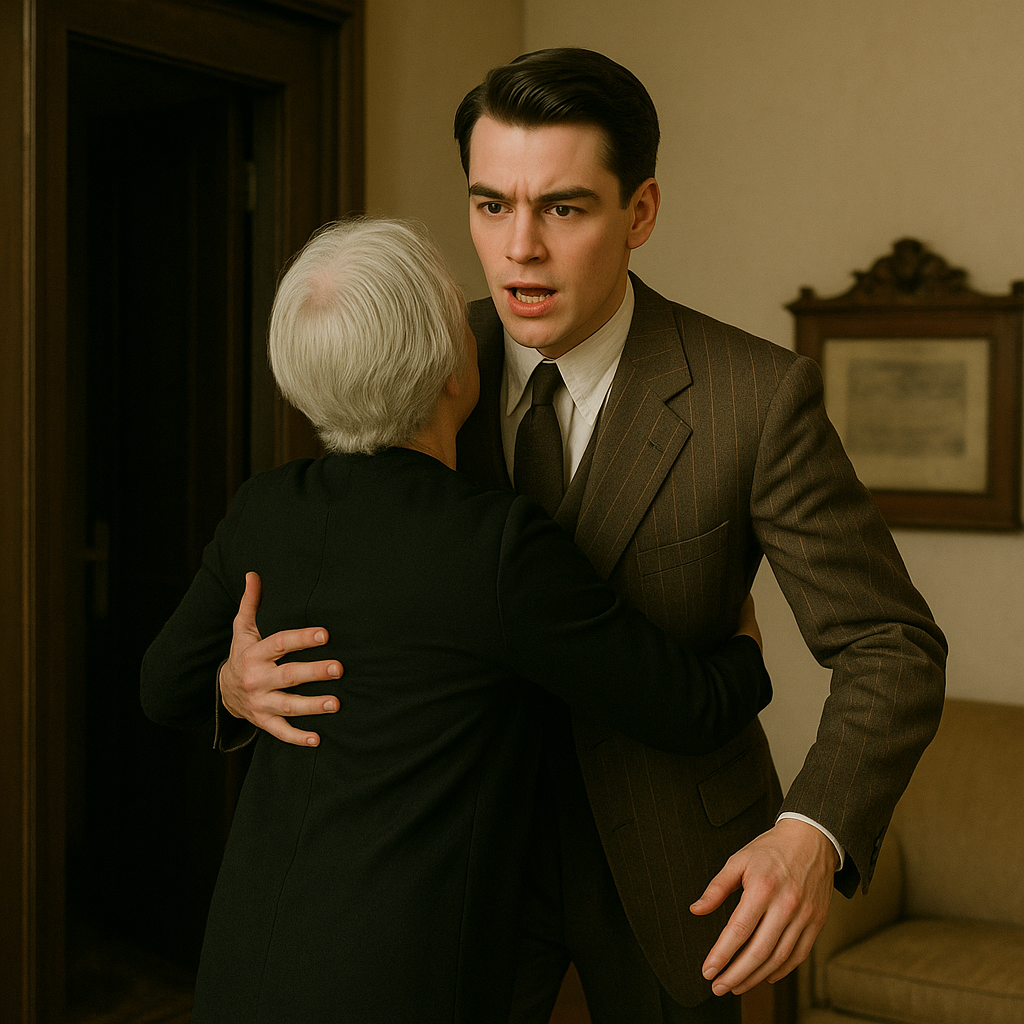
Although I had not noticed them specially at the time, certain words Mrs. Renauld had addressed to her son now recurred to me, fraught with a new significance.
“So you did not sail?” she had said, and then had added: “After all, it does not matter—now.”
今さらながら、ルノー夫人が息子にかけた言葉が、ある重大な意味を持って私の記憶によみがえったのだ。
「じゃあ、あなたは出航しなかったのね?」
そして彼女はこう付け加えた――
「でも、もういいのよ――今となっては」

What had she meant by that? The words were enigmatical—significant. Was it possible that she knew more than we supposed?
She had denied all knowledge of the mysterious mission with which her husband was to have entrusted his son. But was she really less ignorant than she pretended?
Could she enlighten us if she chose, and was her silence part of a carefully thought out and preconceived plan?
あれはいったい、どういう意味だったのだろう?その言葉は謎めいていた――しかし、意味深でもあった。彼女が、私たちの思っていた以上のことを知っていたということが、ありえただろうか?
彼女は、自分の夫が息子に託そうとしていた「謎の使命」について、何も知らないと否定していた。
だが本当に、彼女は無知だったのだろうか?
実は知っていて、ただ黙っているだけなのでは?
彼女の沈黙も、何か周到に計画された策略の一部ではないのか?
The more I thought about it, the more I was convinced that I was right. Mrs. Renauld knew more than she chose to tell.
In her surprise at seeing her son, she had momentarily betrayed herself.
I felt convinced that she knew, if not the assassins, at least the motive for the assassination.
But some very powerful considerations must keep her silent.
考えれば考えるほど、私は自分の推測に確信を持つようになった。
ルノー夫人は、何かを知っている。
息子を見て驚いたあの瞬間、思わず自分をさらけ出してしまったのだ。
たとえ犯人の正体までは知らなくても、少なくとも動機については知っているに違いない。
しかし彼女を黙らせているのは――極めて重大な事情だろう。
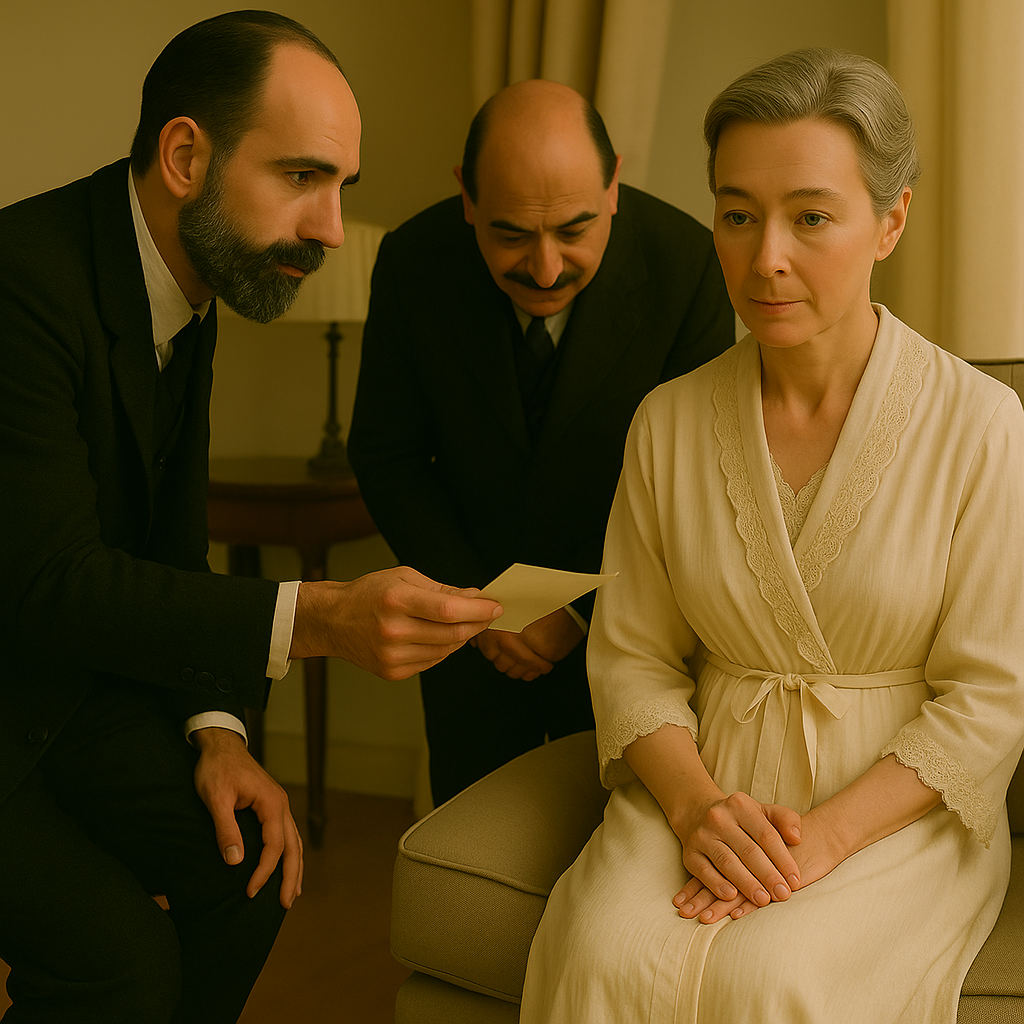

“You think profoundly, my friend,” remarked Poirot, breaking in upon my reflections.
“What is it that intrigues you so?”
「深く考え込んでいるようだね、ヘイスティングス」
ポワロが、私の思索に割って入るように言った。
「君がそんなに気になっているのは、何ですか?」

I told him, sure of my ground, though feeling expectant that he would ridicule my suspicions.
But to my surprise he nodded thoughtfully.
私は、きっと笑われるだろうと思いつつも、自信をもって推理を話した。
ところがポワロは、意外にも思慮深くうなずいた。

“You are quite right, Hastings. From the beginning I have been sure that she was keeping something back.
At first I suspected her, if not of inspiring, at least of conniving at the crime.”
「君は正しいよ、ヘイスティングズ。私も最初から、彼女が何かを隠していると確信していた。
最初はね、私は彼女が――犯行を直接指示したとまではいかなくとも――少なくとも共謀しているのではないかと疑ったのだ」

“You suspected her?” I cried.
「彼女を疑ってた?」私は驚いて叫んだ。

“But certainly! She benefits enormously—in fact, by this new will, she is the only person to benefit. So, from the start, she was singled out for attention.
「もちろんだとも。なにしろ彼女は――この新しい遺言によって――唯一の相続人なのだからね。つまり、捜査の初期段階から、彼女は注目に値する人物だったわけだ。
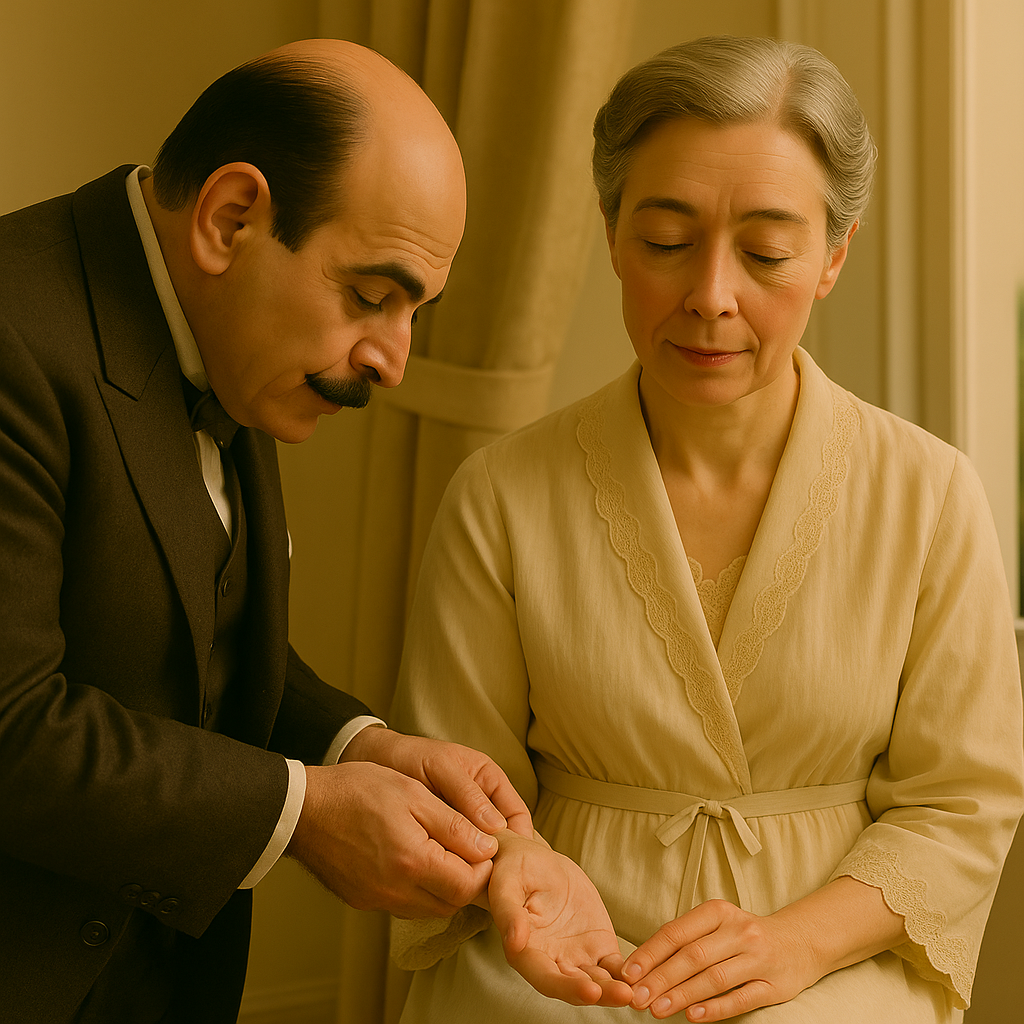
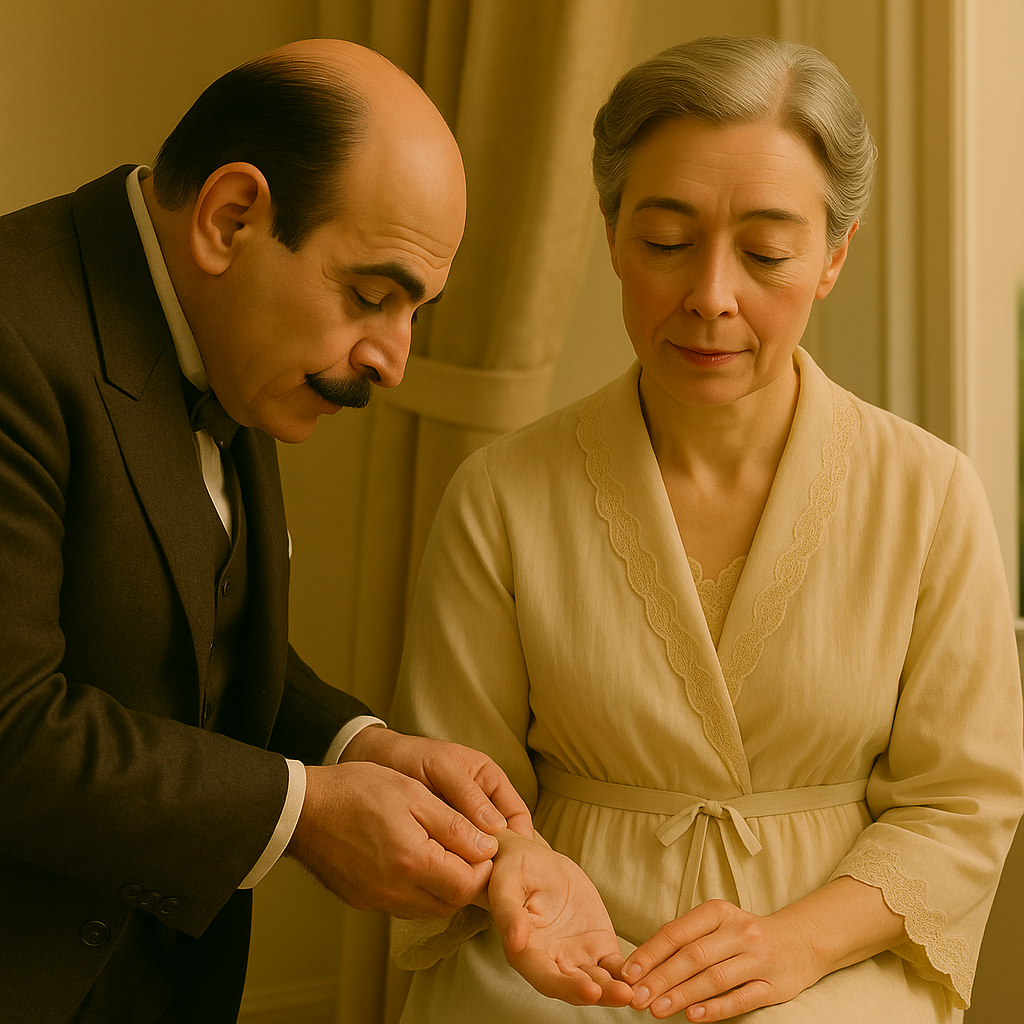
You may have noticed that I took an early opportunity of examining her wrists. I wished to see whether there was any possibility that she had gagged and bound herself.
Eh bien, I saw at once that there was no fake, the cords had actually been drawn so tight as to cut into the flesh. That ruled out the possibility of her having committed the crime single-handed.
君も見ていたかもしれないが、私は早い段階で、彼女の手首を観察する機会を作った。
彼女が自分で自分を縛って猿ぐつわをした可能性を検証したかったからだ。
エビヤン(それで)――私はすぐに偽装ではない、とわかった
縄は実際に肉に食い込むほど強く締められていた。
これで、彼女が単独で犯行を行った可能性は除外できた。
But it was still possible for her to have connived at it, or to have been the instigator with an accomplice.
Moreover, the story, as she told it, was singularly familiar to me—
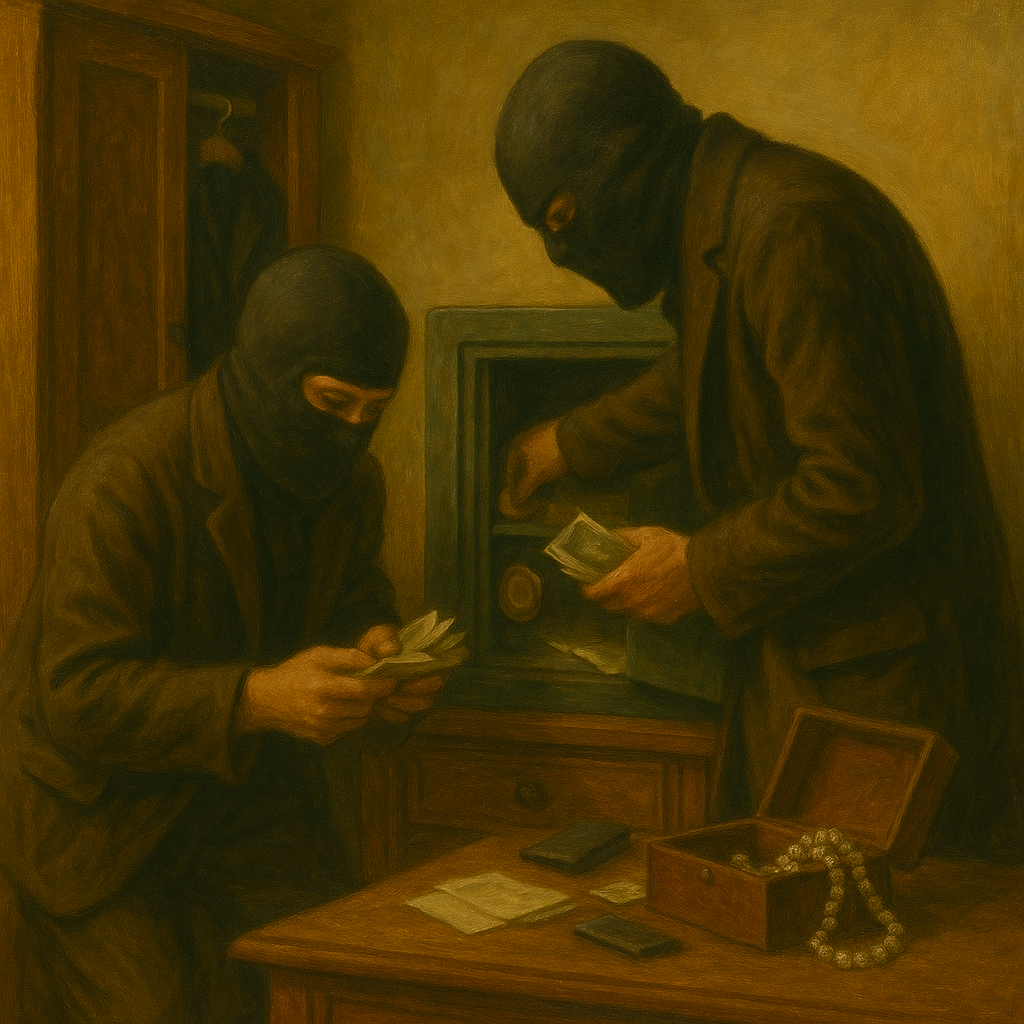
the masked men that she could not recognize, the mention of ‘the secret’—I had heard, or read, all these things before.
だが――共犯者がいた上での共謀者という可能性は、まだ残っていた。
それに、彼女の話の内容もね、私には特別な馴染みのある感覚があったのだ――
『正体不明の仮面の男たち』『認識できない』『“秘密”』という言葉――
私はこれらを以前どこかで聞いたことがあった。

Another little detail confirmed my belief that she was not speaking the truth.
The wrist watch, Hastings, the wrist watch!”
Again that wrist watch! Poirot was eyeing me curiously.
さらに細かいところで、私が彼女の話を信用しなかった決定的な要素があった。
リストウォッチだ、ヘイスティングズ、あの腕時計だよ!」
またもや、あの腕時計の話だ。ポワロは私をじっと見つめた。
“You see, mon ami? You comprehend?”
「わかりますか、モナミ? 理解しましたか?」

“No,” I replied with some ill humour.
“I neither see nor comprehend. You make all these confounded mysteries, and it’s useless asking you to explain.
You always like keeping everything up your sleeve to the last minute.”
「いいや」私はやや不機嫌に答えた。
「まったくわからないし、理解もできない。君はいつもやたらと謎めいたことばかり言って、説明してくれと頼んでも無駄だ。
君はいつも最後まで(君の袖の中に隠して)全て明かさない主義だろう」
“Do not enrage yourself, my friend,” said Poirot with a smile.
“I will explain if you wish. But not a word to Giraud, c’est entendu?
He treats me as an old one of no importance! We shall see! In common fairness I gave him a hint. If he does not choose to act upon it, that is his own look out.”
「怒らないでくれたまえ、ヘイスティングス」とポワロは微笑んで言った。
「説明してもいいですよ、君が望むのならね。ただし——ジローには一言たりとも言わないでください、セ・トン・トン・デュ?(いいですか?)
彼は私を取るに足らぬ老いぼれだと思っています! どうなるか見ものですよ! 私は親切心から、彼にヒントを与えました。もし、彼がそれを活かさないのなら、彼自身の責任ですからね」

I assured Poirot that he could rely upon my discretion.
私はポワロに、私の口は固いと保証した。

“C’est bien! Let us then employ our little grey cells. Tell me, my friend, at what time, according to you, did the tragedy take place?”
「よろしい。では——我らが小さな灰色の脳細胞を使ってみようではないか。
ヘイスティング、君にとって、事件が発生したのは何時ごろだったと思う?」
“Why, at two o’clock or thereabouts,” I said, astonished.
“You remember, Mrs. Renauld told us that she heard the clock strike while the men were in the room.”
「え? そりゃあ、だいたい2時ごろじゃないか」と私は驚いて言った。
「ルノー夫人が、『男たちが部屋にいたときに、時計が時を打つのを聞いた』って言ってただろう?」
“Exactly, and on the strength of that, you, the examining magistrate, Bex, and every one else, accept the time without further question.
But I, Hercule Poirot, say that Madame Renauld lied. The crime took place at least two hours earlier.”
「その通り。そしてその証言だけを根拠にして、君も、予審判事も、ベー署長も、みんなが何の疑問もなくその時刻を信じ込んでしまった。
だが私、エルキュール=ポワロは言います——ルノー夫人は嘘をついた。
事件は少なくとも2時間は早く起きている」
“But the doctors—”
「しかし、医者たちは——」
“They declared, after examination of the body, that death had taken place between ten and seven hours previously.
Mon ami, for some reason, it was imperative that the crime should seem to have taken place later than it actually did.
「彼らは、遺体を調べた結果、死亡時刻は“10時間から7時間前”と見積もりました。
モナミ、何らかの理由があって、事件が実際よりも後に起こったように見せることが絶対に必要だったのですよ。
You have read of a smashed watch or clock recording the exact hour of a crime?
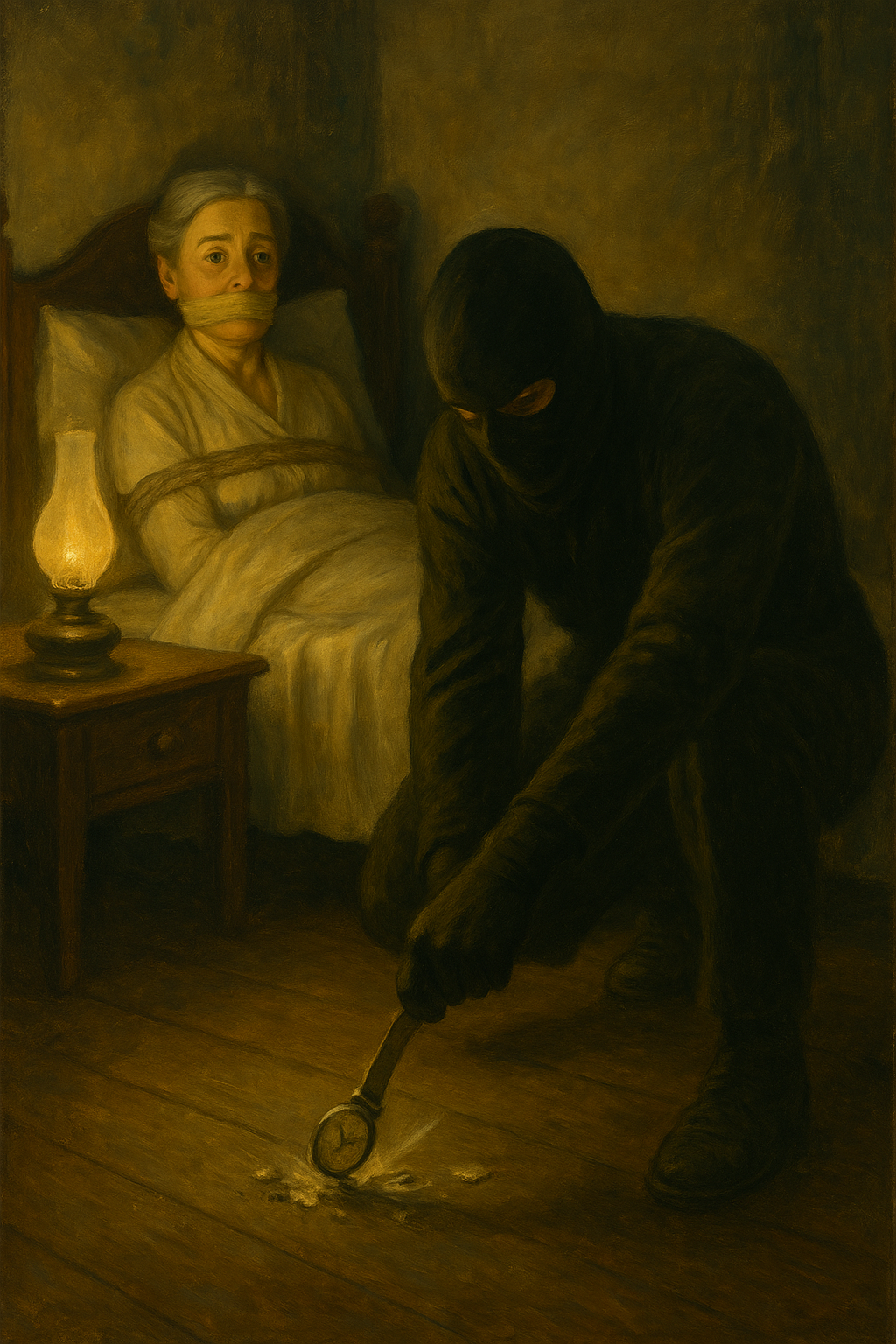
So that the time should not rest on Mrs. Renauld’s testimony alone, some one moved on the hands of that wrist watch to two o’clock, and then dashed it violently to the ground.
But, as is often the case, they defeated their own object. The glass was smashed, but the mechanism of the watch was uninjured.
君は“壊れた時計が事件の正確な時刻を示す”という話を読んだことがあるでしょう?
今回も、時間をルノー夫人の証言だけに頼るわけにはいかないと、誰かがあの腕時計の針を2時に合わせたうえで、勢いよく地面に叩きつけたのです。
しかし、よくあることなんですが、その細工が裏目に出ました。
ガラスは割れたが、中の機構は壊れていませんでした。
It was a most disastrous manoeuvre on their part, for it at once drew my attention to two points—first, that Madame Renauld was lying: secondly, that there must be some vital reason for the postponement of the time.”
それは彼らにとって策略が大失敗だったというです。このことから、私は2つの点に注目しました。
第一に、ルノー夫人は嘘をついている。
第二に、事件時刻を遅らせる必要があった重大な理由がある、ということです」

“But what reason could there be?”
「でも、そんな理由があるとしたら、何なんだ?」
“Ah, that is the question! There we have the whole mystery. As yet, I cannot explain it.
There is only one idea that presents itself to me as having a possible connection.”
「そこが謎なのです! それこそが事件の核心です。今のところ、はっきりしたことは言えません。
だが、1つだけ私には思い当たる節があるのです」
“And that is?”
「それは?」
“The last train left Merlinville at seventeen minutes past twelve.”
「マルランヴィルを出る最終列車は、12時17分発でした」
I followed it out slowly.
“So that, the crime apparently taking place some two hours later, any one leaving by that train would have an unimpeachable alibi!”
私はゆっくりとその意味をかみしめた。
「つまり、事件が2時に起きたように見せかければ、その列車で立ち去った人間には完璧なアリバイが成立するってことだな!」
“Perfect, Hastings! You have it!”
「その通りです、ヘイスティングス! 君は核心を突きましたね!」
I sprang up.
“But we must inquire at the station. Surely they cannot have failed to notice two foreigners who left by that train! We must go there at once!”
私は跳ね上がった。
「じゃあ駅に行こう! 二人の外国人がその列車で出て行ったなら、駅員たちが見逃しているはずがない! すぐにでも調べに行かないと!」
“You think so, Hastings?”
「そう思いますか、ヘイスティングズ?」
“Of course. Let us go there now.”
「当たり前だろう! 今すぐ行こう!」
Poirot restrained my ardour with a light touch upon the arm.
“Go by all means if you wish, mon ami—but if you go, I should not ask for particulars of two foreigners.”
私の興奮を、ポワロは軽く腕に手を置いて静めた。
「行きたいなら行ってきなさい、モナミ——だが、行くのであれば、“二人の外国人”に特定して聞くのはやめておいた方がいい」
I stared, and he said rather impatiently:
私はきょとんとし、ポワロを見つめた。彼はやや苛立ったように言った。
“Là, là, you do not believe all that rigmarole, do you?
The masked men and all the rest of cette histoire-là!”
「ラ・ラ(やれやれ)、あの長々とした話をまだ信じているのですね?
覆面の男たちとか、なんとかかんとか‥‥セティストワール・ラ!(例の作り話を!)」
His words took me so much aback that I hardly knew how to respond.
彼の言葉にはあまりにも驚かされ、私は返す言葉を失った。

He went on serenely:
“You heard me say to Giraud, did you not, that all the details of this crime were familiar to me?
Eh bien, that presupposes one of two things,
either the brain that planned the first crime also planned this one, or else an account read of a cause célèbre unconsciously remained in our assassin’s memory and prompted the details.
I shall be able to pronounce definitely on that after—” he broke off.
だが彼は平然と続けた。
「私がジローに、『この事件の細部すべてにわたって私には見覚えがある』と言ったのを君は聞いてませんでしたか?
つまり、それが意味するところは──一つは、最初の事件を計画した人物が、今回の事件も計画したか、──もう一つは、コーズ・セレーブル(過去に有名な事件)を読んだ記憶が犯人の潜在意識に残っていて、それを無意識のうちに再現したか──どちらなのかなのです。
それについては、私は──後ではっきりさせることができるでしょう」
そしてポワロは、そこでふいに口をつぐんだ。
I was revolving sundry matters in my mind.
“But Mr. Renauld’s letter? It distinctly mentions a secret and Santiago?”
私は頭の中で、色々なことを考えていた。
「でも、ルノー氏の手紙はどうなんだ? はっきり“秘密”と“サンティアゴ”のことが書かれてあったけど?」

“Undoubtedly there was a secret in M. Renauld’s life—there can be no doubt of that.
On the other hand, the word Santiago, to my mind, is a red herring, dragged continually across the track to put us off the scent.
It is possible that it was used in the same way on M. Renauld, to keep him from directing his suspicions into a quarter nearer at hand.
Oh, be assured, Hastings, the danger that threatened him was not in Santiago, it was near at hand, in France.”
「確かに、ルノー氏の人生には“秘密”があった――それは疑いようがないです。
だが一方で、“サンティアゴ”という言葉は、私に言わせれば、我々を正しい道筋から外すために何度も何度も出てきた“レッド・ヘリング(おとり)”1ですよ。
おそらくそれ(サンティアゴ)は、ルノー氏自身についても同じように使われたのでしょう──彼への疑いをより身近な方面には向けさせないようにね。
ああ、間違いありません、ヘイスティングス。彼を脅かしていた危険は、サンチャゴになどなかったのです。
フランス国内、すぐ近くにあったのです」
He spoke so gravely, and with such assurance, that I could not fail to be convinced. But I essayed one final objection:
“And the match and cigarette end found near the body? What of them.”
ポワロは極めて真剣に、確信に満ちた口調で語ったため、私はすっかり納得してしまった。
だが私は最後の反論を試みた。
「じゃあ、遺体のそばで見つかったマッチと吸い殻は? あれは何?」

A light of pure enjoyment lit up Poirot’s face.
“Planted! Deliberately planted there for Giraud or one of his tribe to find!
Ah, he is smart, Giraud, he can do his tricks!
So can a good retriever dog. He comes in so pleased with himself. For hours he has crawled on his stomach. ‘See what I have found,’ he says.
And then again to me: ‘What do you see here?’ Me, I answer, with profound and deep truth, ‘Nothing.’
And Giraud, the great Giraud, he laughs, he thinks to himself, ‘Oh, that he is imbecile, this old one!’
But we shall see. …”
ポワロの顔に、純粋な喜びの光が浮かんだ。
「仕込まれたんです! わざとそこに置かれたんですよ、ジローや彼の仲間たちが“見つけるように”ね!
そう、ジローは頭がいいし、彼なりの手柄をあげることもできる。
だが、それは良く訓練されたレトリヴァー(猟犬)と同じです。彼は腹ばいになって何時間も這い回り、『見つけた!』と誇らしげにやって来ます。
『これを見て!』と言ってね。
それでまた私に向かって、『君には何が見える?』と聞く。私? 私はこう答える――重大かつ奥深い真実まで見据えて──『何も見えませんな』、とね。
するとジローは――あの偉大なるジロー氏は、私を笑うんだ。心の中でこう思っている――
『この年寄り、やっぱり愚か者だ』ってね。
ま、これからわかりますよ……」
But my mind had reverted to the main facts.
“Then all this story of the masked men—?”
しかし私は、再び事件の本筋へと思いを戻していた。
「じゃあ、“覆面の男たち”の話は――?」

“Is false.”
「でたらめですよ。」
“What really happened?”
「じゃあ、本当は何があったんだ?」
Poirot shrugged his shoulders.
“One person could tell us—Madame Renauld.
But she will not speak. Threats and entreaties would not move her. A remarkable woman that, Hastings. I recognized as soon as I saw her that I had to deal with a woman of unusual character.
At first, as I told you, I was inclined to suspect her of being concerned in the crime. Afterwards I altered my opinion.”
ポワロは肩をすくめた。
「ただ一人、真実を語れる人物がいる――それはルノー夫人です。
だが彼女は口を開かない。脅しても、懇願しても動じません。
実に驚くべき女性ですよ、ヘイスティングス。
彼女を見た瞬間に分かりました――この人は並みの女性と思ってはいけないと。
最初は、君にも話した通り、私は彼女が事件に関与していると疑っていました。
だがその後、意見を改めました」
“What made you do that?”
「何が君をそうさせたんだい?」

“Her spontaneous and genuine grief at the sight of her husband’s body.
I could swear that the agony in that cry of hers was genuine.”
「夫の遺体を見たときの彼女の嘆き――あれは本物でした。
私は断言できる、あの叫びの中の苦しみは偽りではないと」
“Yes,” I said thoughtfully, “one cannot mistake these things.”
「たしかに」と私は考え込んで言った。
「ああいうのは、見間違えるものじゃないからね」
“I beg your pardon, my friend—one can always be mistaken.
Regard a great actress, does not her acting of grief carry you away and impress you with its reality?
No, however strong my own impression and belief, I needed other evidence before I allowed myself to be satisfied. The great criminal can be a great actor.
I base my certainty in this case, not upon my own impression, but upon the undeniable fact that Mrs. Renauld actually fainted. I turned up her eyelids and felt her pulse. There was no deception—the swoon was genuine. Therefore I was satisfied that her anguish was real and not assumed.
Besides, a small additional point not without interest, it was unnecessary for Mrs. Renauld to exhibit unrestrained grief. She had had one paroxysm on learning of her husband’s death, and there would be no need for her to simulate another such a violent one on beholding his body.
No, Mrs. Renauld was not her husband’s murderess. But why has she lied?
She lied about the wrist watch, she lied about the masked men—she lied about a third thing.
Tell me, Hastings, what is your explanation of the open door?”
「いや、悪いがヘイスティングス――人間というのは、いつだって見間違えるものですよ。
すごい女優を見たことがありますか?
悲しみに打ちひしがれる演技をすれば、誰だって本物だと思わされてしまう。
だからこそ私は、自分の印象だけで納得しないようにしてます。
大犯罪者というのは、往々にして一流の役者です。
だから今回、私は“印象”ではなく、客観的な”証拠”をもとに確信を得たのです。
ルノー夫人は実際に気絶していました。
私は彼女の瞼を開け、脈を取った。
まったくの偽りはなかった。
あれは真の昏倒でした。
だからこそ、私は彼女の苦悩が本物だと確信したのです。
さらに――もう一点、興味深い付け加える点があります。
夫人は、あれほど激しい感情の発露を演じる必要などなかったのです。
すでに夫の死を知らされた時点で、一度パニックに陥っていましたから。
遺体を見てもう一度取り乱す“必要”はなかったのです。
にもかかわらず――あの激しい嘆きは自然に現れたものでした。
つまり、夫人は殺人犯ではない。
だが――なぜ、彼女は嘘をついたのか?
彼女は腕時計について嘘をついた。
仮面の男についても嘘をついた。
そしてもう一つ――第三の嘘があるのです。
――ヘイスティングス、教えてください。
あの“開け放たれた扉”について、君はどう説明します?」
“Well,” I said, rather embarrassed, “I suppose it was an oversight. They forgot to shut it.”
「ええと……」私は気まずくなって言った。「多分――ただのうっかりじゃないかな。閉め忘れたとか」

Poirot shook his head, and sighed.
“That is the explanation of Giraud. It does not satisfy me. There is a meaning behind that open door which for a moment I cannot fathom.”
ポワロは首を横に振り、ため息をついた。
「それじゃ、ジローの説明です
私は納得できません。
あの開いた扉には、何か意味がある。
だが、今はまだ、その意味を見出せずにいるのです」
“I have an idea,” I cried suddenly.
「思いついたぞ!」私は突然叫んだ。
“A la bonne heure! Let us hear it.”
「ア・ラ・ボンヌ・ウール!(よろしい!)さあ聞かせてください」
“Listen. We are agreed that Mrs. Renauld’s story is a fabrication.
Is it not possible, then, that Mr. Renauld left the house to keep an appointment—possibly with the murderer—leaving the front door open for his return.
But he did not return, and the next morning he is found, stabbed in the back.”
「聞いてくれ。ルノー夫人の話が作り話だという点では意見が一致している。
だとすれば、ルノー氏は誰かとの約束のために家を出た可能性がある――それが犯人だったかもしれない。
そして彼は玄関のドアを開けたままにしておいた。
帰ってくるつもりだったんだ。
だが彼は戻らず、翌朝、背中を刺された遺体で発見される――どうだい?」
“An admirable theory, Hastings, but for two facts which you have characteristically overlooked.
In the first place, who gagged and bound Madame Renauld? And why on earth should they return to the house to do so?
In the second place, no man on earth would go out to keep an appointment wearing his underclothes and an overcoat.
There are circumstances in which a man might wear pajamas and an overcoat—but the other, never!”
「見事な仮説です、ヘイスティングス。
だがね、君がいかにも君らしく見落としている点が二つあります。
第一に、誰がルノー夫人を縛り、猿ぐつわをしたのか?
そしてなぜわざわざ犯行後に戻ってきてそんなことをする必要があるのか?
第二に、下着にオーバー外套を羽織っただけで外出するような男はこの世にいない。
パジャマにオーバー外套なら――事情次第であり得ます。
でも下着姿では、決してありえない!」
“True,” I said, rather crest-fallen.
「たしかに……」私はがっかりしながら答えた。

“No,” continued Poirot,
“we must look elsewhere for a solution of the open door mystery.
One thing I am fairly sure of—they did not leave through the door. They left by the window.”
「違うんです」ポワロは続けた。
「開いたドアの謎の答えは、もっと別の観点で見なければなりません。
一つ、私がかなり確信していることですが――
犯人たちはドアから出てはいません。
窓から出たんです。」
“What?”
「なんだって?」

“Precisely.”
「まったくそうなんです」
“But there were no footmarks in the flower bed underneath.”
「でも、その下の花壇には足跡がなかった!」
“No—and there ought to have been.
Listen, Hastings. The gardener, Auguste, as you heard him say, planted both those beds the preceding afternoon.
In the one there are plentiful impressions of his big hobnailed boots—in the other, none!
You see?
Some one had passed that way, some one who, to obliterate their footprints, smoothed over the surface of the bed with a rake.”
「そう――そして、それこそがポイントです。
聞いてください、ヘイスティングズ。
庭師のオーギュスト、彼が言ったことを君も聞いたように、彼は前日の午後、両方の花壇で植え替えをしました。
片方の花壇には、彼の大きな鋲付きブーツの足跡がたくさん残っていた。
だが――もう一方には、一つもなかった!
わかりますか?
つまり、誰かがその上を通った――その誰かは自分の足跡を消すために熊手を使って、花壇の表面をならしていったのです」
“Where did they get a rake?”
「熊手なんて、どこから持ってきたんだ?」

“Where they got the spade and the gardening gloves,” said Poirot impatiently.
“There is no difficulty about that.”
「スコップや園芸用手袋があったところから」
と、ポワロはいら立ち気味に言った。
「それについては何の問題もありません」
“What makes you think that they left that way, though?
Surely it is more probable that they entered by the window, and left by the door.”
「しかし――なぜそんな方法で“出た”と考えるんだい?
むしろ“窓から入った”と考えた方が自然だろう、そして、”ドアから出た”んだ」
“That is possible of course. Yet I have a strong idea that they left by the window.”
「もちろん、それも可能性としてはあります。
しかし、彼らは窓から出ていった─私はそのことに反論の余地はないと考えています」
“I think you are wrong.”
「いや、それは違うと思うな」
“Perhaps, mon ami.”
「そうかもしれませんね、モナミ」
I mused, thinking over the new field of conjecture that Poirot’s deductions had opened up to me.
I recalled my wonder at his cryptic allusions to the flower bed and the wrist watch. His remarks had seemed so meaningless at the moment and now, for the first time, I realized how remarkably, from a few slight incidents, he had unravelled much of the mystery that surrounded the case.
I paid a belated homage to my friend. As though he read my thoughts, he nodded sagely.
私は黙ったまま、ポワロの推理によって開かれた新たに考えられる可能性について思いを巡らせた。
花壇や腕時計に対するポワロの不可解な言及を思い起こした。そのときはまるで意味がわからなかったが、今になってみると、彼がわずかな手がかりから、ここまで事件を取り巻く謎の多くを解き明かしたきたことに驚きを覚えた。
私は心の中で、遅ればせながら敬意を払った。
ポワロは、まるで私の考えを読んでいたかのように、意味ありげにうなずいた。
“Method, you comprehend! Method! Arrange your facts. Arrange your ideas. And if some little fact will not fit in—do not reject it but consider it closely. Though its significance escapes you, be sure that it is significant.”
「“メソド”です、わかりますか?
“正しい順序で秩序立てる方法”です。
事実を整理し、考えを整理することです。
そして、ちょっとした事実がうまくはまらないとき――それを捨てずに細かく注意してよく考えるのです。
たとえ君にその重要性がわからなくても――それはきっと重要なのです」
“In the meantime,” I said, considering, “although we know a great deal more than we did, we are no nearer to solving the mystery of who killed Mr. Renauld.”
「それはさておき…」私は考えながら言った。
「僕らは前より多くのことがわかったけど、誰がルノー氏を殺した犯人かという謎には、まったく近づいていないよね?」
“No,” said Poirot cheerfully.
“In fact we are a great deal further off.”
「その通り」
とポワロは明るく言った。
「むしろ――ずっと遠ざかったと言えるかもしれませんね」
The fact seemed to afford him such peculiar satisfaction that I gazed at him in wonder.
この事実は、ポワロに不思議なほどの満足感を与えているように見え、私は驚いて彼を見つめた。

He met my eye and smiled.
“But yes, it is better so.
Before, there was at all events a clear theory as to how and by whose hands he met his death. Now that is all gone.
We are in darkness. A hundred conflicting points confuse and worry us. That is well. That is excellent. Out of confusion comes forth order.
But if you find order to start with, if a crime seems simple and above-board, eh bien, méfiez vous! It is, how do you say it?—cooked!
The great criminal is simple—but very few criminals are great. In trying to cover up their tracks, they invariably betray themselves.
Ah, mon ami, I would that some day I could meet a really great criminal—one who commits his crime, and then—does nothing!
Even I, Hercule Poirot, might fail to catch such a one.”
彼は私の目をまっすぐに見返し――にっこりと微笑んだ。
「しかし、そう、そのほうが良いのです。
これまで全ての事実が――少なくとも、彼がどうやって、誰の手によって死に至ったのかという明らかな仮説が存在していました。しかし今は、それがすっかり消えたのです。
我々は闇の中にいます。百もの矛盾した要素が、我々を惑わせ、悩ませる――
それでいい。いや、むしろそれこそが素晴らしいのです。
混乱の中からこそ、“秩序”が生まれるのです。
しかし、最初から“秩序”立てされている事件――犯行が単純で、ガラス張りの事件は――エビヤン(ええと)、英語で何といいいます?――ああ、“cooked(作られたもの)”です!
真に優れた犯罪者の仕業というのは、見た目には“シンプル”なんです。
――だが、そんな“偉大な”犯罪者はごくわずかしかいません。ほとんどの犯罪者は、その痕跡を隠そうとするあまり、かえって自分の正体を暴露してしまう。
ああ、モナミ、いつの日か私は“本当に偉大な犯罪者”に出会ってみたいものだ。
犯行を犯し、その後――何もせずに静かにしている者に。
もしそんな者がいたら――私でさえ、捕まえられないかもしれない」
But I had not followed his words. A light had burst upon me.
“Poirot! Mrs. Renauld!
I see it now. She must be shielding somebody.”
しかし、私は彼の言葉をほとんど聞いていなかった。
突如として、一筋のひらめきが頭を打ったのだ。
「ポワロ! ルノー夫人だよ!
今わかった――彼女は誰かをかばってるんだ!」

From the quietness with which Poirot received my remark, I could see that the idea had already occurred to him.
“Yes,” he said thoughtfully.
“Shielding some one—or screening some one. One of the two.”
ポワロの落ち着いた反応から、その考えが彼にもすでに浮かんでいたことがすぐにわかった。
「そうです」彼は思案深げに言った。
「誰かをかばっている――あるいは、誰かを守っている。
そのどちらかでしょう」
I saw very little difference between the two words, but I developed my theme with a good deal of earnestness.
私はその2つの言葉に大きな違いはないと思ったが、それでも熱心に自分の考えを展開した。

Poirot maintained a strictly non-committal attitude, repeating:
“It may be—yes, it may be. But as yet I do not know!
There is something very deep underneath all this. You will see. Something very deep.”
Then, as we entered our hotel, he enjoined silence on me with a gesture.
ポワロは終始慎重な態度を崩さず、繰り返した。
「可能性はある――そう、“ありえる”のです。
だが、今はまだ分からない!
この一連の出来事の裏には、何か“非常に深い”ものが潜んでいます。
君にもいずれ分かる――とても深い何かが」
そして、ホテルの中へ入ったところで、ポワロは無言のジェスチャーで、私に沈黙を命じた。
シーンの丁寧な日本語訳です:


必要であれば「red herring」「planted evidence」「a la bonne heure」など、重要語句の解説もできます。気になりますか?
- 英語の 「red herring(レッド・ヘリング)」 は、とてもよく使われる比喩表現で、特に推理小説やミステリーの世界ではおなじみの用語です。
✅ 直訳:
「赤いニシン(燻製魚)」
✅ 意味(比喩的):
人を惑わせるための偽の手がかり
本筋から注意をそらすための情報
真相を隠すために意図的に置かれた“ミスリード”
✅ 使い方:
“The mention of Santiago is a red herring.”
→「“サンチャゴ”という言葉は、注意をそらすためのおとりだ」
“The cigarette end near the body was a red herring.”
→「遺体の近くの吸い殻は、わざと仕込まれた偽の手がかりだった」
✅ 語源(豆知識):
昔、赤く燻製されたニシンは匂いが非常に強く、狩猟犬の訓練の際に使われていました。
獲物の臭いを追う犬をわざと別の方向に誘導するために地面に赤いニシンをこすりつけることで、犬の嗅覚を混乱させて訓練したのです。
そこから転じて、「真の目的や答えから注意をそらすための偽情報」という意味になりました。
✅ 日本語での言い換え例:
「おとり」
「目くらまし」
「フェイクの証拠」
「ミスリード」
↩︎